
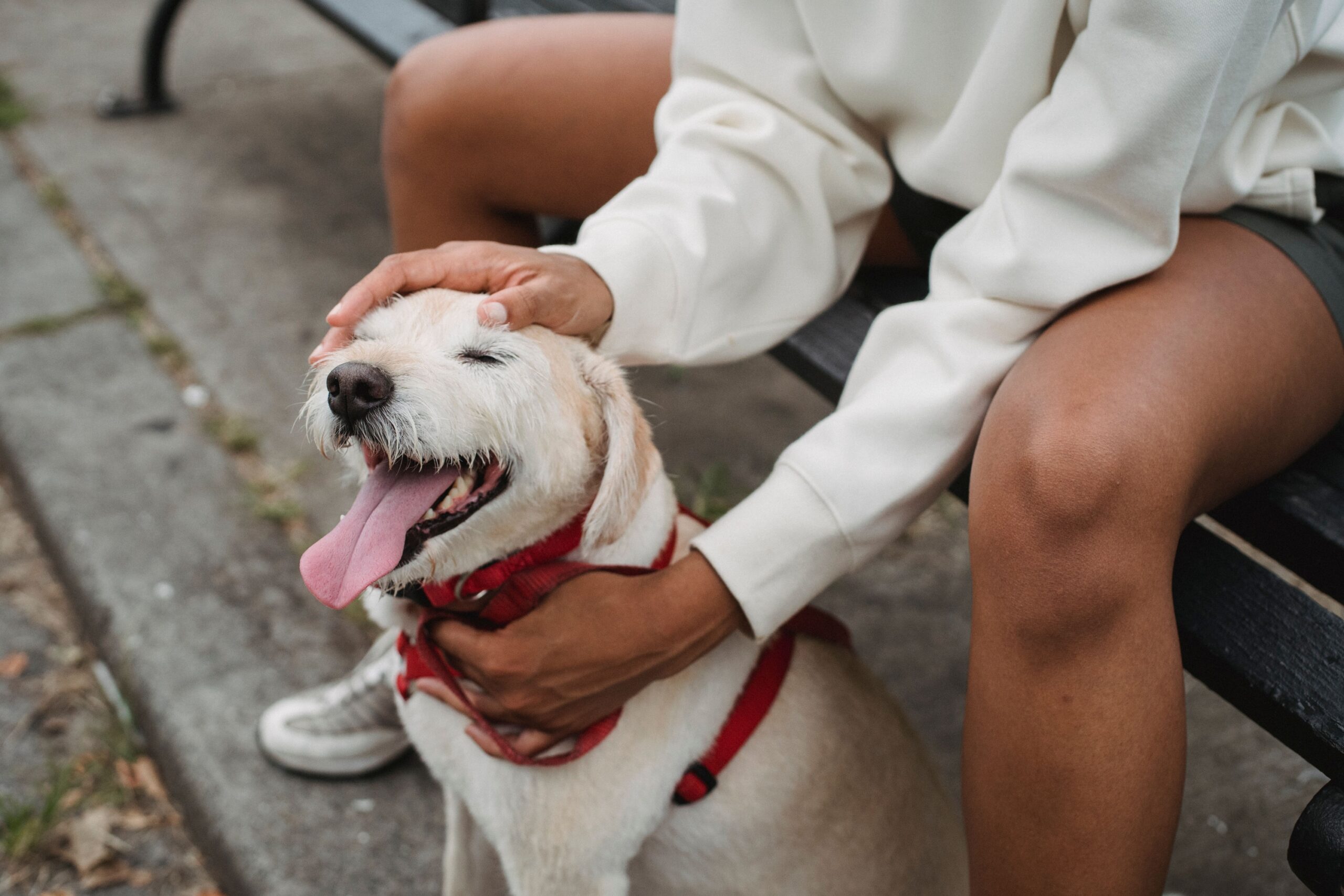
Most people assume a dog’s trust is built on big gestures – expensive toys, professional training, or trips to the “good” park. It isn’t. Trust gets built or quietly dismantled in the moments so small you’d never think to mention them: how you touch your dog when you’re exhausted, what your face does when they make a mistake, whether “walk” actually means walk.
Here’s the part that stings a little: your dog is reading every one of those ordinary moments like a lie detector test, and most owners are failing it without ever knowing the test was happening. Behaviorists and long-time trainers have been saying this for years, but it rarely makes it into casual conversation. So let’s get into the ten everyday habits that are quietly deciding whether your dog believes you’re safe – or just hopes you are.
#1 – How You Greet Them When You Walk Through the Door
Your dog doesn’t care that your day was long. Those first ten seconds after you walk through the door are their entire emotional weather forecast for the evening. Rush past them, snap at them for being underfoot, or bury your face in your phone, and you’re quietly teaching them that your arrival is a gamble.
You don’t need dramatic squealing every time – over-the-top greetings can actually create anxiety around your comings and goings. Bend down a little, soften your voice, keep your body loose, and give a brief scratch in their favorite spot while you say their name. Do that every single time, and your dog learns something simple but massive: you coming home means comfort, not chaos.
#2 – The Way You React When They Make a Mess
This is where most people damage trust without ever realizing it. A dog pees on the rug, chews a shoe, or raids the trash, and ten minutes later the human explodes. From the dog’s point of view, you just flipped from “safe” to “randomly dangerous” in a single second, with no context and no logic attached – just fear.
Dogs live entirely in the present, so yelling about something that happened even a minute ago doesn’t teach a lesson; it just teaches unpredictability. Calm cleanup, quiet redirection, and better management – baby gates, crates, closed doors – send a completely different message: “I protect you from your mistakes, even the messy ones.” That message is exactly what allows a dog to relax enough to actually listen to you.
Worth Knowing
- Dogs live in the moment, so delayed corrections rarely connect to the original “crime.”
- Yelling after the fact teaches fear of you, not the mistake itself.
- Calm redirection and better management – crates, gates, closed doors – prevent messes before they start.
- A consistent, low-key response after accidents helps dogs recover their confidence faster.
#3 – Whether “Walk Time” Actually Means Walk Time
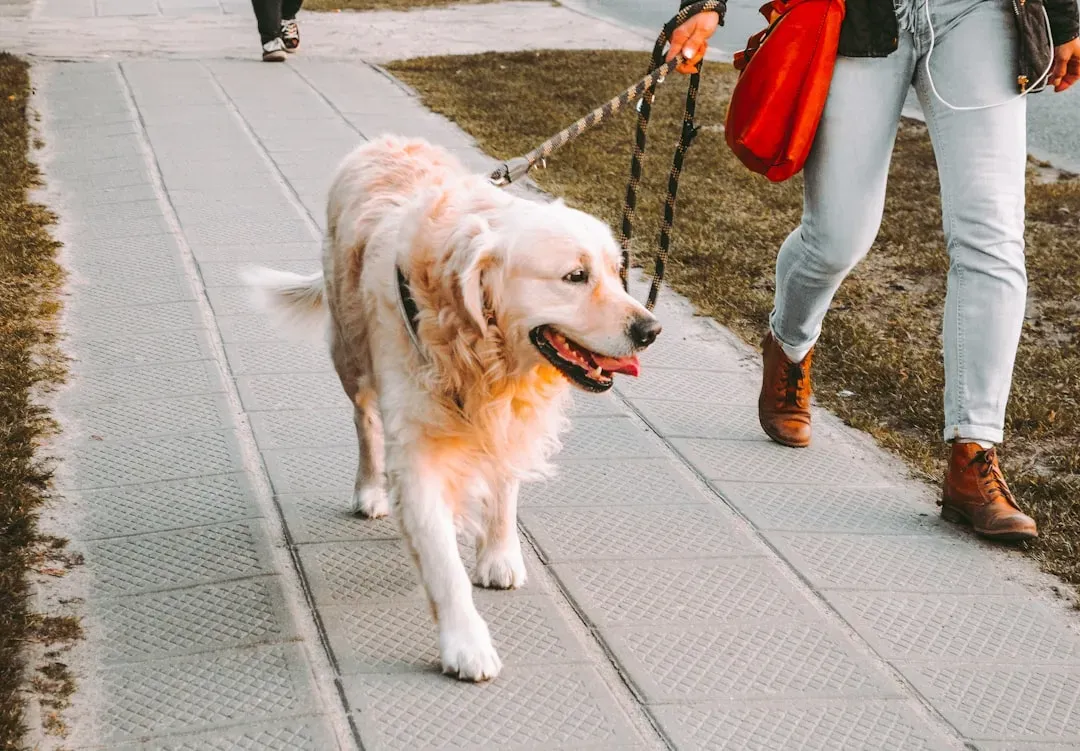
Most owners have no idea how much emotional weight one little word can carry. Say “walk” five times, get distracted, answer an email, and finally head out thirty minutes later, and you’ve just turned a promise into background noise. Dogs don’t speak English, but they track patterns between sounds and outcomes with startling precision.
When “walk,” “outside,” or the jingle of a leash reliably leads to the same result, your dog’s brain lights up with anticipation instead of anxiety. When it’s a coin flip, they either tune the word out completely or spiral into frantic, frustrated waiting. The fix is almost embarrassingly simple: only say the word when you mean it, and try to keep the timing roughly consistent. That’s not just routine – it’s proof, in your dog’s mind, that your word is good.
#4 – How You Touch Them When You’re Tired or Stressed
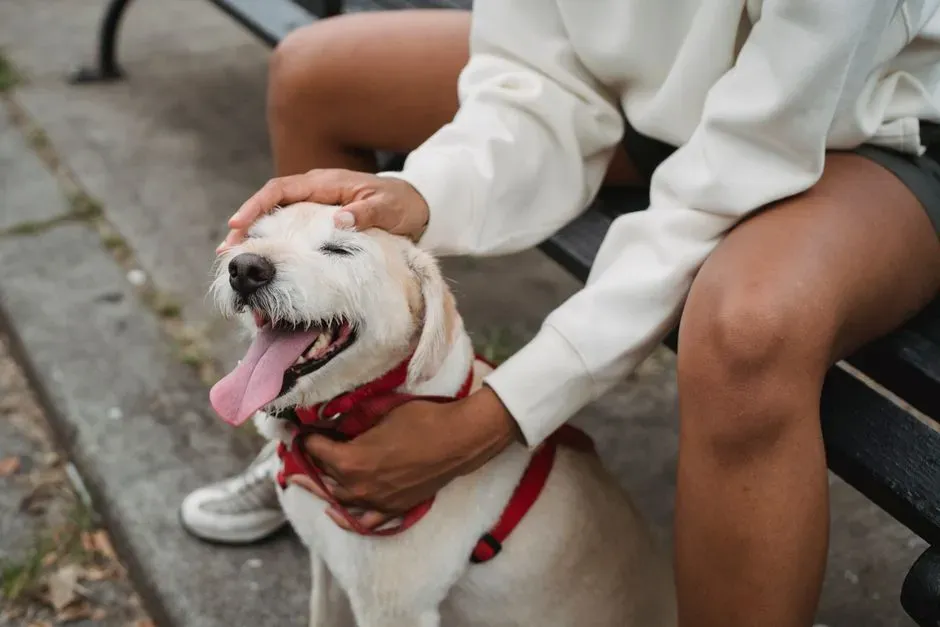
Many owners treat physical affection like a free-for-all – a hug here, a grab there, a kiss on the head, a shove off the couch. But for dogs, touch is a serious communication channel, not background noise. If your hands sometimes feel gentle and sometimes feel rough or careless depending on your mood, your dog learns to brace around you, and bracing is the opposite of trust.
Pay attention to what your dog actually enjoys. Do they lean into chest scratches but flinch at head pats? Relax when you rub their ears but stiffen the second you go in for a hug? Respecting the small “no thanks” moments – pulling your hand back when they shrink away, offering space instead of forcing a cuddle – teaches them you’re listening, not just taking what you want. The most secure dogs aren’t the ones hugged the most; they’re the ones handled the most respectfully.
#5 – Your Bedtime and Morning Routine (Yes, Really)
It sounds dramatic, but your dog builds an entire emotional calendar around your sleep schedule. If you wake up at wildly different times, sometimes feed first and sometimes scroll on your phone for forty minutes, or snap at them for being excited in the morning, they genuinely can’t map what “morning” is supposed to mean. That kind of uncertainty acts like a low, constant hum of stress.
You don’t need a military schedule – just a pattern your dog can count on. Something like: wake up, quick outside break, food, a bit of affection. At night: last potty break, lights dim, calm voice, no rough play right before bed. When that flow stays roughly the same, even nervous dogs start settling faster and watching you with less anxiety. Your dog doesn’t need you to be perfect. They just need mornings and nights to feel like mornings and nights.
At a Glance
- Morning: wake up, quick outside break, food, a little affection.
- Evening: last potty break, dimmed lights, calm voice, no rowdy play.
- Consistency matters more than exact timing – dogs track patterns, not clocks.
- Predictable routines lower baseline stress, even in naturally anxious dogs.
#6 – Whether “Come” Is a Promise or Just Background Noise
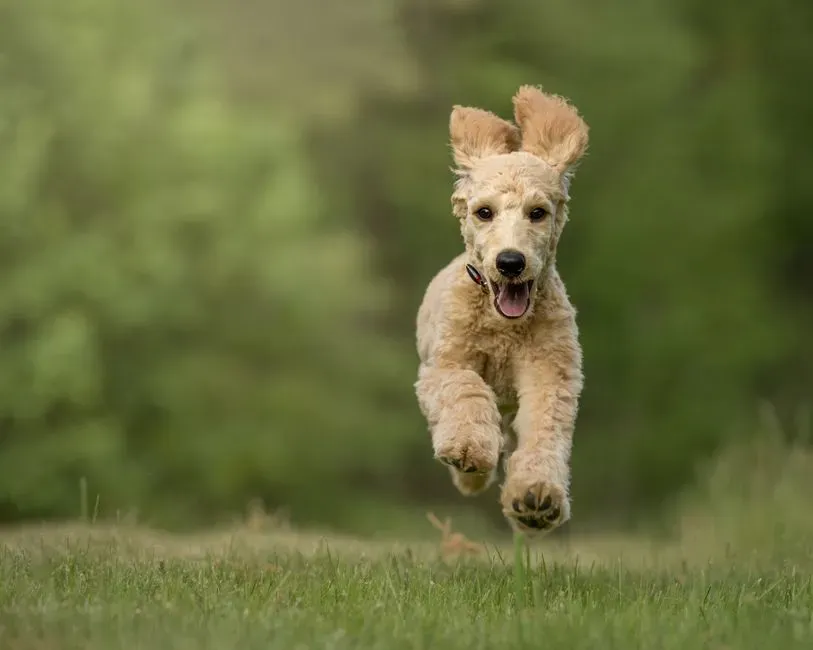
This is where a lot of loving owners quietly betray their dog’s trust without meaning to. They yell “come” to end fun at the park, to start a bath, or to shove the dog in a crate – and otherwise ignore the word. Over time, “come” stops meaning connection and starts predicting loss. The dog dodges, and the human calls them stubborn.
A trustworthy recall looks nothing like that. Use “come” for good things – treats, play, praise – and sometimes call your dog over just to reward them and send them right back to whatever they were sniffing. That teaches them that coming to you is always safe, never a trap. And here’s the uncomfortable part: if you scream “come” once and then chase them down angrily, you’ve just told them the opposite. A dog that happily runs to you is really a dog who believes you’ll be kind once they arrive.
#7 – What You Do With the Leash When They’re Scared
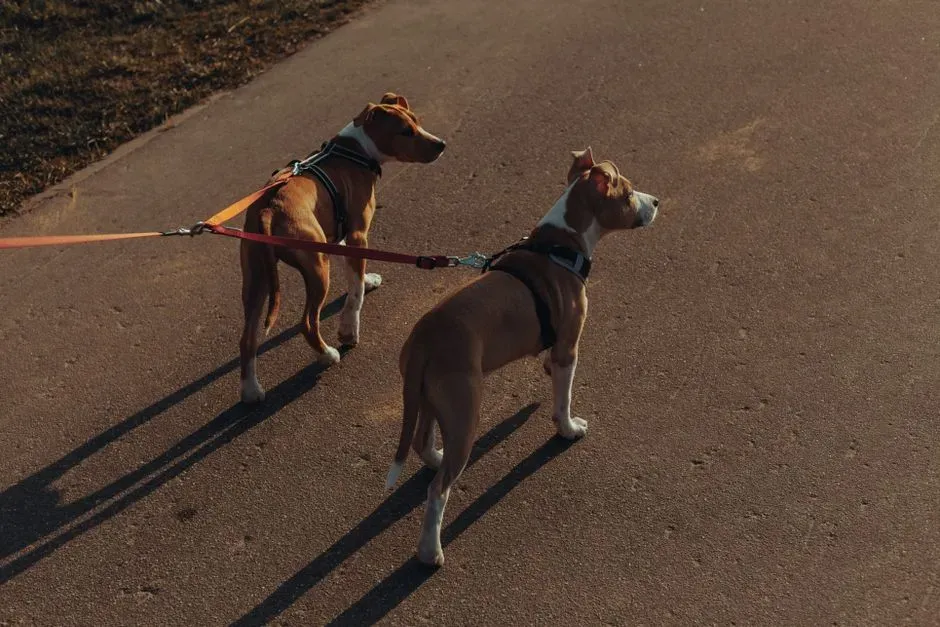
Most people think of a leash as a tool for control. Dogs experience it as a direct line to your emotional state. When a truck backfires, another dog barks, or a skateboard clatters past, the split-second way you handle that leash becomes your answer to the question your dog is silently asking: “Am I safe right now?”
There are really only two messages you can send. Tense up, yank, shout, and drag them forward, and you’re saying, “I panic too.” Or shorten the leash gently, talk calmly, and step away if needed, and you’re saying, “I see it. I’ve got you.” Dogs whose owners default to panic tend to either shut down or go on the offensive in scary situations. Dogs whose owners stay calm eventually file that person under “safe base” – and that trust is exactly what lets them walk past something, months later, that used to terrify them.
Quick Compare
- Panic response: tense leash, yanking, raised voice – tells your dog “I’m scared too.”
- Calm response: gentle leash, steady tone, quiet distance – tells your dog “I’ve got this.”
- Result of panic: dogs often shut down or react defensively in future scares.
- Result of calm: dogs learn to look to you as a safe base in stressful moments.
#8 – How You Handle the Quiet Hours When Nothing Is Happening

Here’s something almost no one talks about: your dog doesn’t just measure trust in big, dramatic moments. They measure it in the boring, background hours. Can they fall into a deep sleep while you’re home, or are they half-watching you, bracing for you to suddenly need something or get irritated for no clear reason?
Dogs who genuinely trust their humans can sprawl out belly-up in the same room without feeling compelled to follow every single step you take. That level of relaxation is earned by you being emotionally steady when “nothing” is going on – not startling them randomly, not swinging from hyper play to sharp corrections. A dog who can actually turn off around you trusts you far more than the dog who watches your every move like it’s a job.
“There is no faithfuller dog than a hungry dog.”
George Eliot
#9 – Whether You Respect Their “No” Around Other People and Dogs
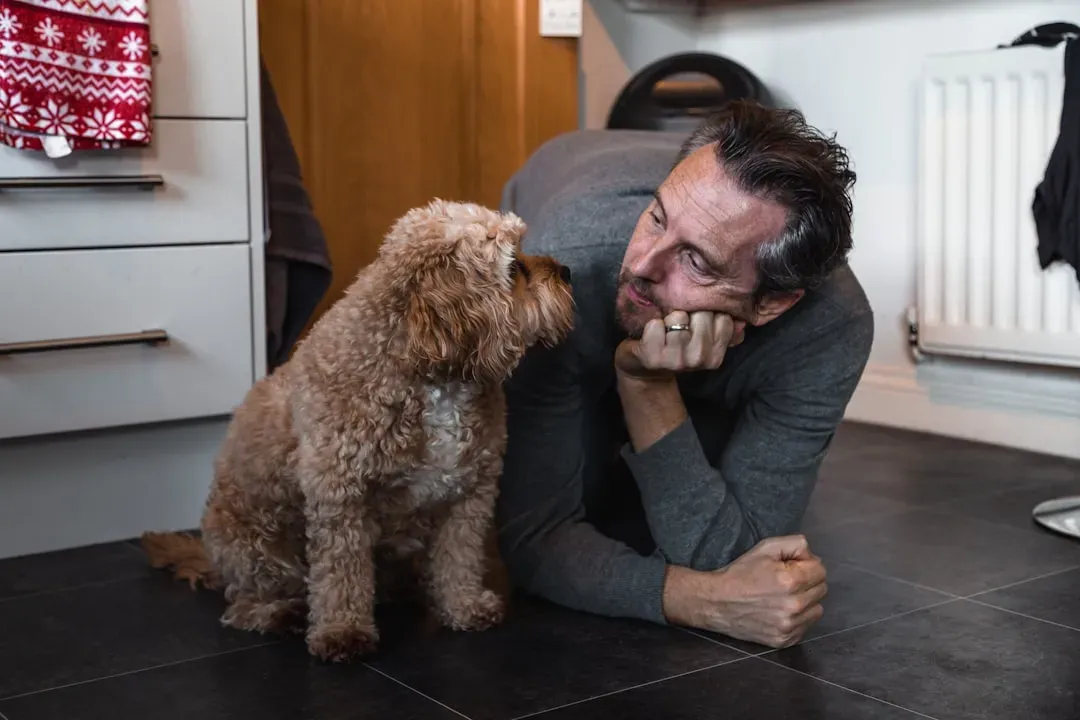
Without meaning to, a lot of owners teach their dog: “I won’t protect you, you’re on your own.” A shy dog tucks its tail, leans away, or hides behind your legs, and the owner laughs it off, drags them forward anyway, or lets a stranger reach right into their face. From the dog’s perspective, you just proved you’ll side with the stranger over them.
Trust-building owners do the opposite. They step between their dog and pushy people or dogs. They say, “Not today, thanks,” when it’s obvious their dog isn’t comfortable. When a dog sees you noticing their signals and occasionally pulling them out of uncomfortable situations, they learn they don’t have to growl or snap to be heard. Ironically, that’s exactly what lowers the odds of real aggression down the road – a dog whose “no” gets respected starts saying “yes” a lot more often.
Why It Stands Out
- Dogs who feel “heard” rarely need to escalate to growling or snapping.
- Stepping in for a nervous dog builds confidence instead of dependence.
- Respecting a dog’s “no” around strangers reduces long-term reactivity risks.
- Owners who advocate for their dog become the anchor point in unfamiliar situations.
#10 – The Way You End the Day Together

The final moments before sleep matter more than most owners ever consider. Dogs are emotional archivists in their own way, and how the day ends tends to color how “life with you” feels overall. If the last interaction every night is you yelling at them to get off the bed or shoving them into a crate and walking away, that becomes the closing chapter of every single day, repeated for years.
A tiny nightly ritual builds a surprising amount of trust: a soft “goodnight” in the same tone, a quick ear rub or a treat in the crate, lights dimming while you say the same phrase every time – “see you in the morning.” To you, it’s nothing. To your dog, it’s proof that even when you’re tired or done with the day, you’re still gentle. Those last two minutes quietly become the foundation everything else gets built on.
The Bottom Line
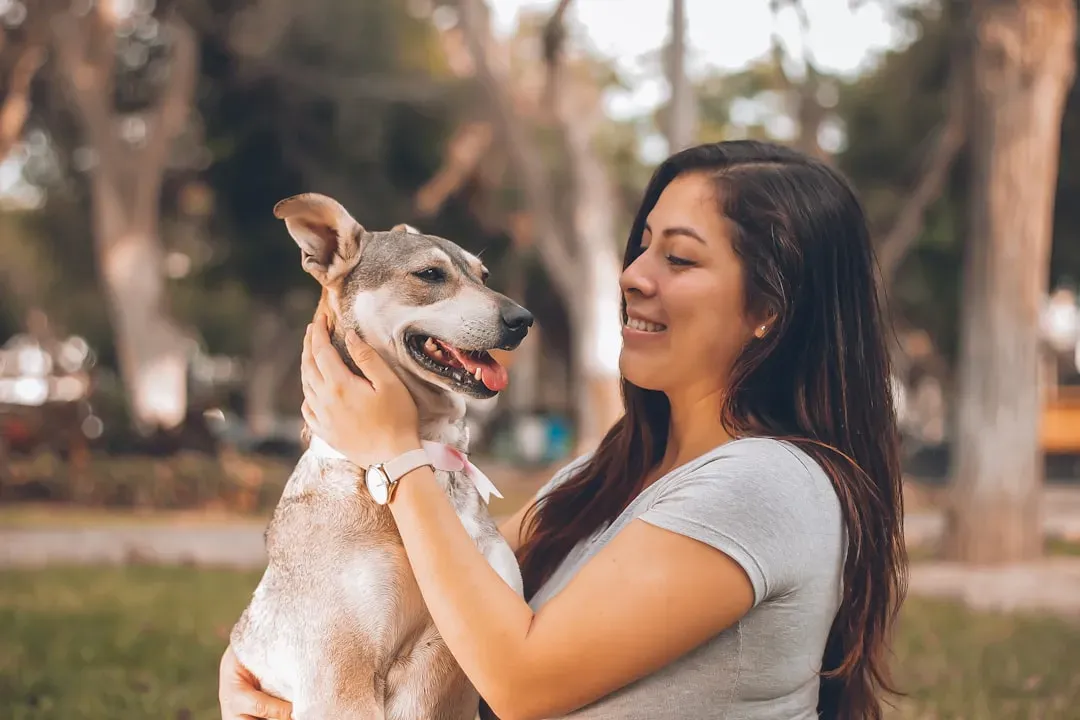
Here’s the uncomfortable truth: most dogs don’t lose trust over the big things. They lose it in the thousand tiny, ordinary moments their humans assume don’t matter. Every greeting, every recall, every mess, every bedtime routine is a small vote for “you are safe with me” or “I never know which version of you I’m getting.”
The dogs people call loyal and well-behaved aren’t special or magical. They’re usually just dogs who figured out, through a thousand boring repetitions, that their person is shockingly consistent even when nobody’s watching. I’ll say the opinionated part out loud: consistency is the whole trick, and most people underestimate it because it doesn’t feel like “training.” It just feels like being a decent, steady presence – which, it turns out, is the hardest and most important thing your dog ever asks of you.
So which ordinary moment do you think matters most for your dog – did this list nail it, or is there one you’d swear by that we missed?


