
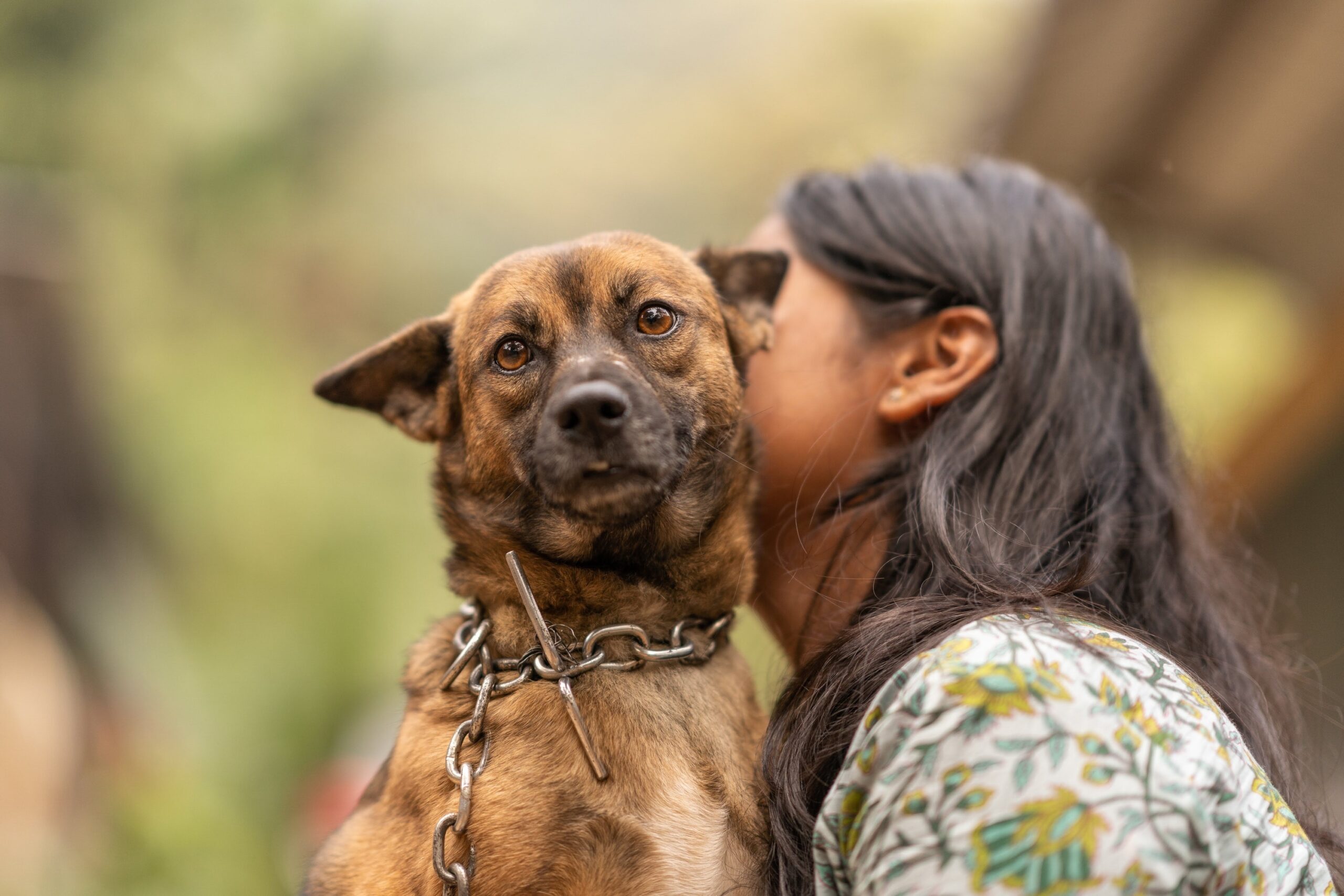
Dogs are watching us way more closely than we realize. While we’re busy checking our phones, making coffee, or rushing out the door, they’re quietly collecting data on us like little furry behavior scientists. And over time, they build up a shockingly detailed picture of who we are, how we feel, and whether we’re worth trusting.
When you start to see yourself through your dog’s eyes, a lot of their “mysterious” behavior suddenly makes sense. The zoomies when you get home, the side-eye when you’re stressed, the way they pick favorites in a household – none of that is random. Here are nine specific things your dog is noticing about you every single day, and what it says about your relationship.
Your Emotional Weather: Mood Swings, Tension, and Calm
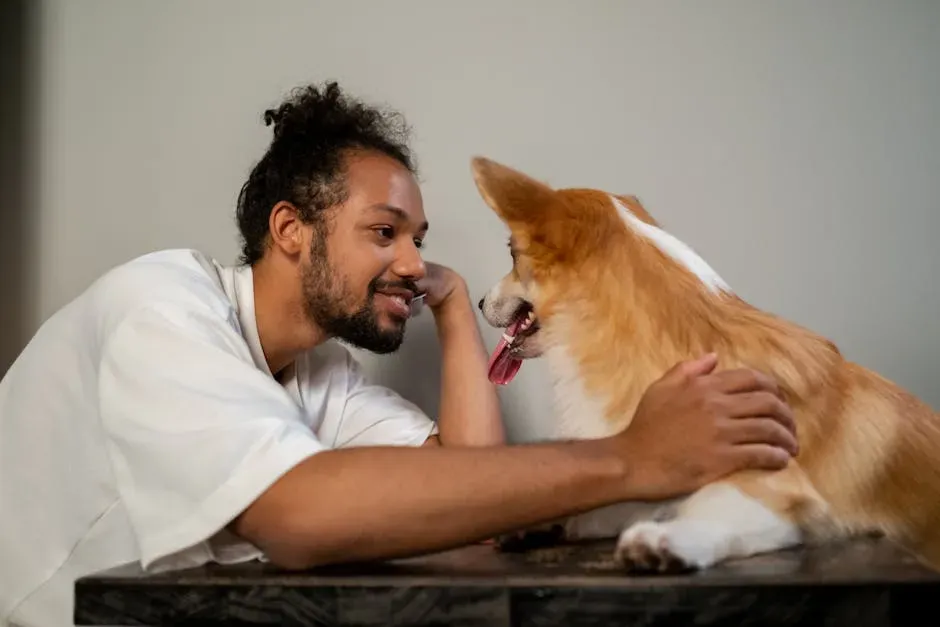
Dogs are emotional barometers. They pick up on subtle changes in your voice, posture, breathing, and facial expressions, long before you say you’re stressed or tired. If you come home tense, shoulders up, voice clipped, your dog reads that storm front moving in and may react by becoming clingy, cautious, or oddly quiet.
On the flip side, when you’re relaxed and playful, they loosen up too. Many dogs learn to predict what’s coming just from your emotional energy: calm you often means cuddles and routine; frazzled you often means less attention and more unpredictability. Over time, your emotional baseline becomes part of their safety map of the world – they’re constantly asking, “Is my person okay today?” because that answer shapes how safe they feel.
The Consistency of Your Routine
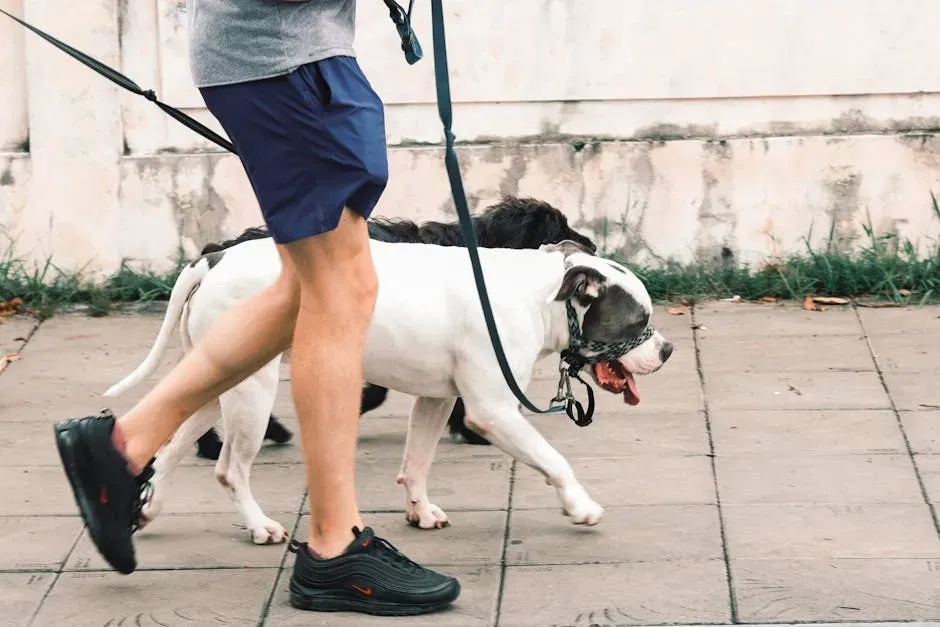
To a dog, routine is not boring; it’s security. They notice the time you usually wake up, when you feed them, how often you walk them, and whether those patterns stay reliable. When the person who cares for them is predictable, their nervous system can relax because life follows a rhythm they understand.
When routines constantly shift – meals late, walks skipped, bedtimes all over the place – dogs often become more anxious, vocal, or needy. They don’t understand why the pattern broke; they just know that the guardian who usually makes life feel ordered is suddenly less reliable. Even small consistencies, like always saying a particular phrase before leaving, can become powerful anchors they rely on every day.
Your Tone of Voice and the Way You Speak to Them
Dogs do not understand every word, but they are experts at tone. They distinguish sharpness from warmth, patience from irritation, even if your actual words stay the same. A gentle “come here” delivered softly lands very differently than the exact phrase barked through clenched teeth.
The person who cares for them daily is the soundtrack of their life, and that soundtrack teaches them whether human speech predicts kindness or conflict. Dogs often respond more to melody and rhythm than vocabulary, which is why that high, silly “dog voice” so many people feel embarrassed about tends to work so well. They notice when you reserve your warmest, softest tones for them – and they file that away as proof that they matter to you.
Your Body Language, Posture, and Movement Patterns
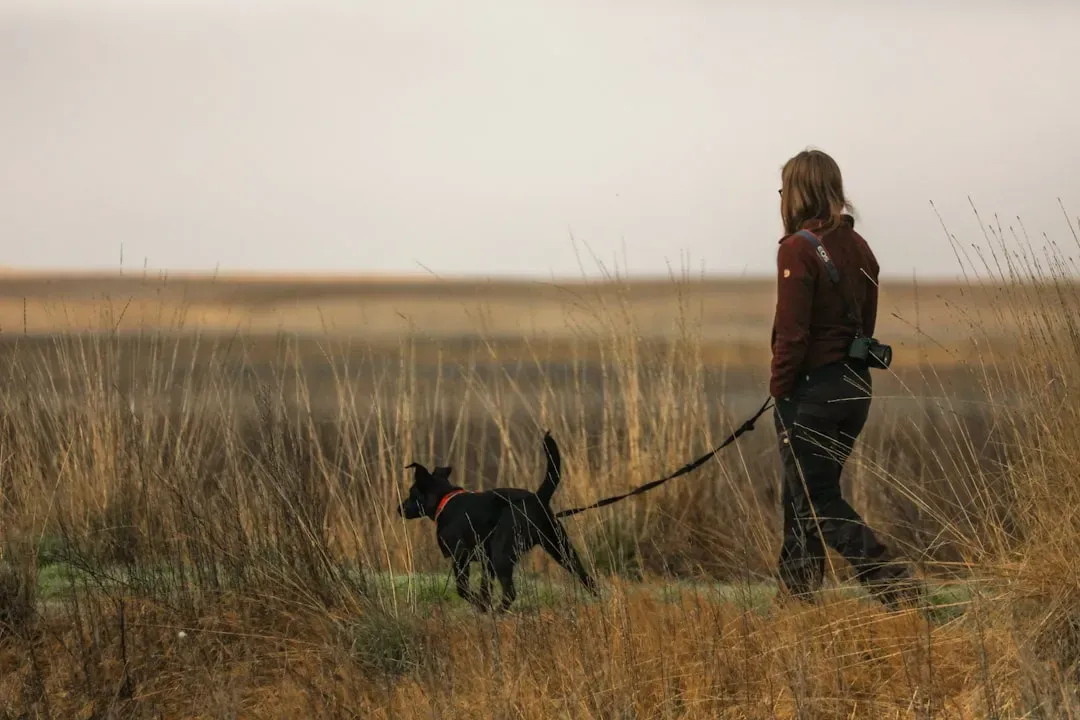
Before your dog hears what you say, they see how you move. They learn the sound of your footsteps on the floor, the way you reach for your keys, the way your shoulders look when you’re heading out the door versus when you’re about to settle on the couch. To them, these are cues, not background noise.
Dogs are also surprisingly sensitive to how imposing or approachable your posture is. Looming over them, moving quickly, or handling them with rushed, stiff gestures can make even a normally confident dog a little wary. Slow, loose, sideways movement and getting down closer to their level sends a very different message. The person who feeds, walks, and comforts them becomes a moving language they read all day long.
How Patient You Are When They Make Mistakes
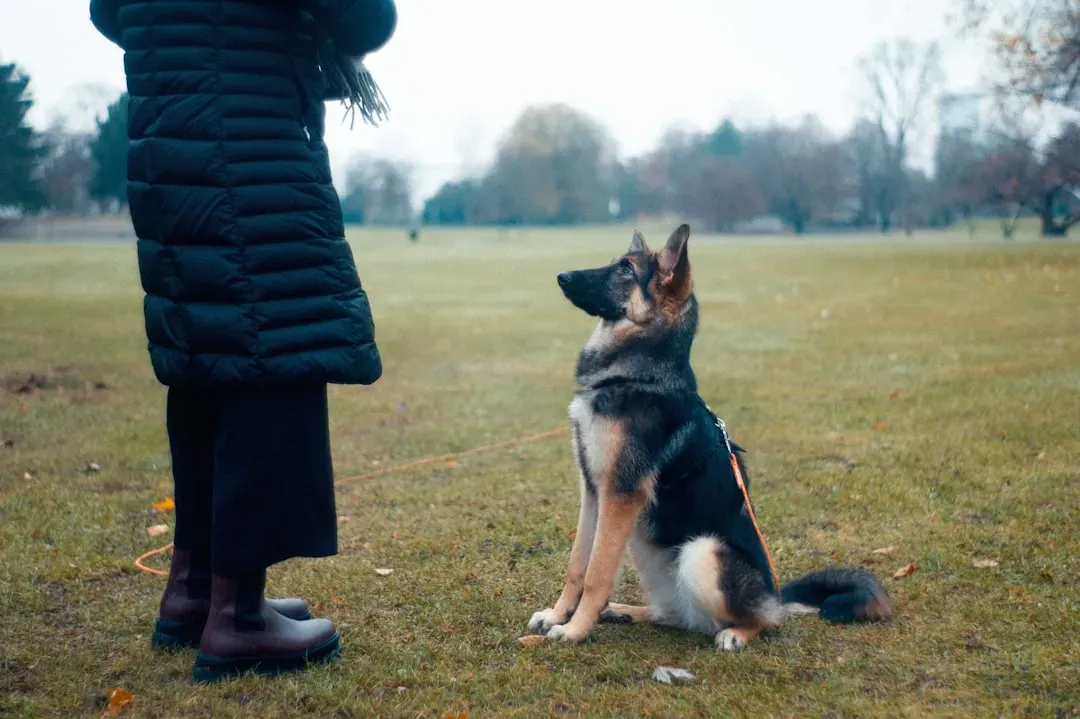
Every dog tracks how you react when they mess up. Do you yell when they have an accident, tug hard on the leash if they pull, or get frustrated when they don’t understand a cue right away? Or do you take a breath, reset, and try to teach them more clearly? These moments of failure, more than the easy wins, shape how safe they feel with you.
Dogs quickly learn whether it is safe to experiment and offer behaviors, or whether they should shut down and just endure until the storm passes. A patient caregiver becomes someone they can think and try with, instead of someone they must walk on eggshells around. Day by day, they notice how you handle their imperfections – and that often mirrors how you handle your own.
The Quality of Your Attention (Not Just the Quantity)
From a dog’s point of view, five minutes of full, undistracted engagement is worth far more than thirty minutes of absentminded petting while you scroll. They notice when you’re really “with” them: making eye contact, talking to them, playing, training, or just sitting together without a phone in your hand. Those micro-moments of real presence are what deepen the bond.
They also notice when you are physically there but mentally gone. Over time, some dogs adapt by becoming more independent; others escalate attention-seeking behaviors because the person they love is in the room but emotionally out of reach. To your dog, you are their whole world – so they keep a running tally of when the world genuinely looks back at them and when it drifts away.
Whether You Advocate for Them Around Other Humans and Dogs
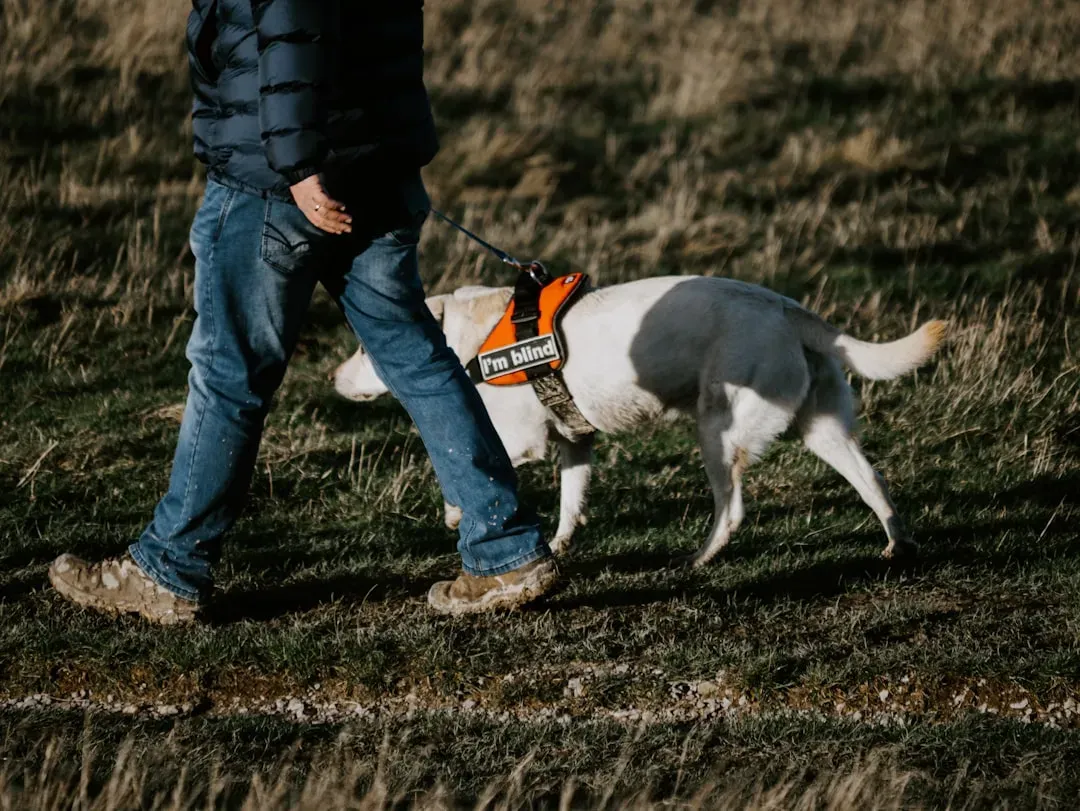
Dogs pay close attention to whether you step in when they are uncomfortable. If another dog rushes them at the park, a child grabs at them, or a stranger looms too close, they watch what you do. Do you let it happen because you feel awkward, or do you gently intervene and create space for them?
When you consistently protect their boundaries, they begin to lean on you more confidently in overwhelming situations. If they feel forced to handle everything alone, they may become reactive, shut down, or hyper-vigilant. To a dog, the person who cares for them daily is not just a food provider; they are supposed to be the bodyguard and advocate. Your choices in social situations tell them clearly whether that role can be trusted.
Your Scent and Physical State
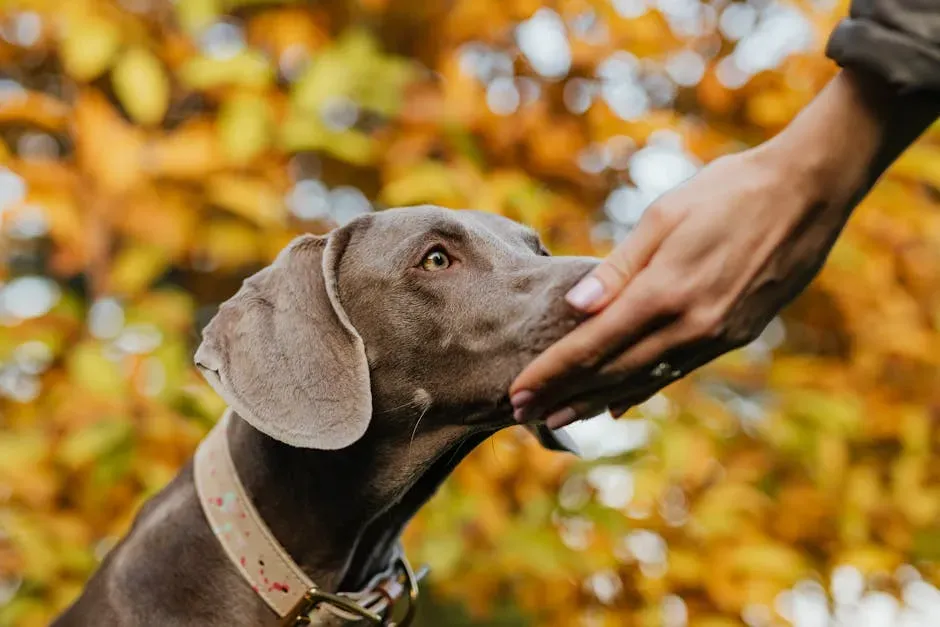
Dogs live in a world of smells that we barely notice. They pick up changes in your scent when you’re stressed, sick, just back from the gym, or carrying the smell of other animals. Many dogs greet you at the door not just out of joy, but to run a quick “status check” through scent: Where have you been? Who did you meet? Are you okay?
Over time, your baseline scent is one of the strongest comfort signals they have. Your clothes on the floor, your side of the bed, your spot on the couch – all of these carry the smell of “my person is here, even if they’re not in the room.” Some dogs will curl up on your laundry or shoes not because they’re being naughty, but because that smell is their emotional security blanket.
How You Touch Them and Respect Their Comfort Zones
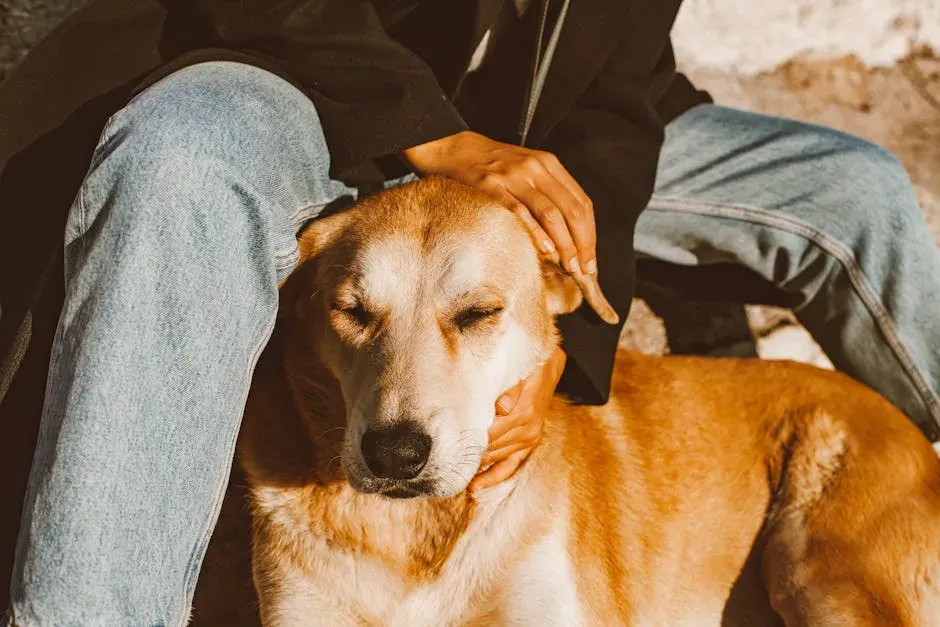
Dogs do not all like being touched in the same way, and they absolutely notice whether you pay attention to their preferences. Some love big bear hugs; others find that kind of contact overwhelming and would rather have gentle chest rubs or ear scratches. They track when you respect their signals – leaning in, moving closer, offering their head – versus when you ignore the subtle flinch, yawn, or lean-away that says “not right now.”
To your dog, touch is a powerful language of love or pressure. If you mostly touch them when you need to move them, restrain them, or clean something they dislike, they may brace themselves whenever your hands approach. If your touch is often calming, playful, and respectful of their boundaries, they start to see your hands as the safest place in their world. They remember every single day which version you are.
Your Reliability When You Say Goodbye and Come Back
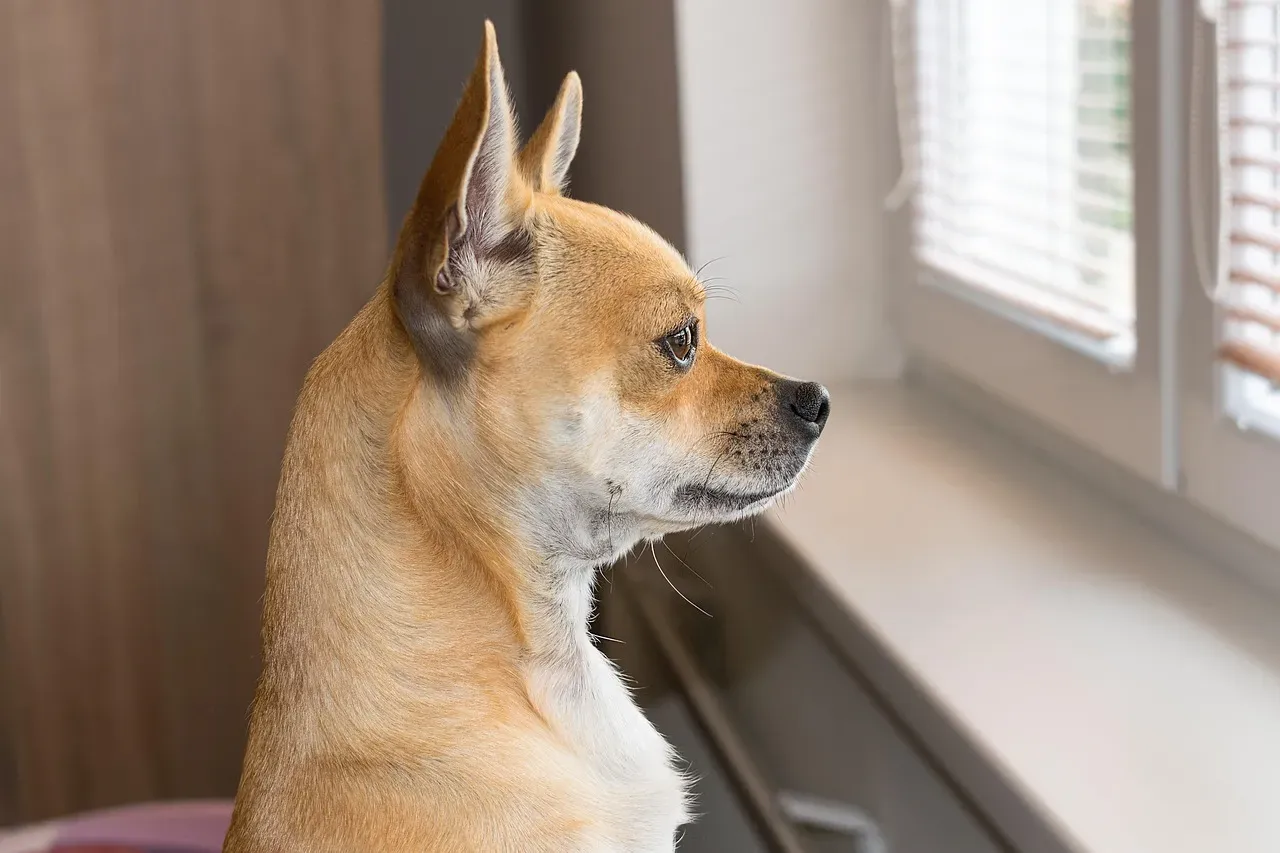
Even if you do not say the words out loud, dogs notice your patterns around leaving and returning. Do you disappear unpredictably for long stretches, or is there a fairly stable rhythm to your comings and goings? Some people rush out without a word and rush back in chaotic energy; others create a small, predictable goodbye and a calm, happy return. Dogs are sensitive to those rituals.
Over time, they learn whether “goodbye” with you usually means “I always come back,” or whether it feels random and scary. Dogs that trust their caregiver’s patterns tend to cope better with alone time. The way you exit, the calmness of your re-entry, and how consistently you show up day after day tells your dog a quiet but powerful story: I am someone you can count on, or I am not.
Conclusion: Your Dog Is Keeping Score in the Kindest Possible Way
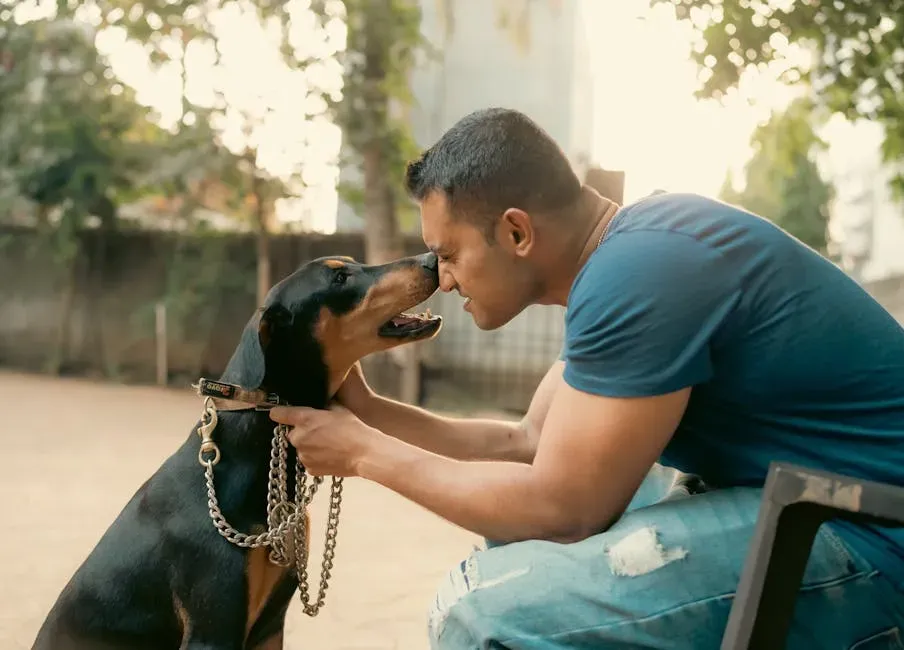
When you put all of this together, it becomes obvious that dogs are not just passively living alongside us; they’re actively studying us. They notice our moods, our timing, our touch, our attention, and our sense of responsibility, then quietly adjust their behavior around whatever they learn. In a way, they are the most honest mirrors we have, reflecting back how safe, patient, and present we really are in everyday life.
I think that is what makes caring for a dog both humbling and unbelievably rewarding. You cannot fake it with them for long; they feel the truth of how you show up. If a dog could talk, their daily report on you would be simple: Do you make my world predictable, kind, and safe? In the end, that might be the most important performance review any of us ever get – so how do you think your dog would rate you today?


