
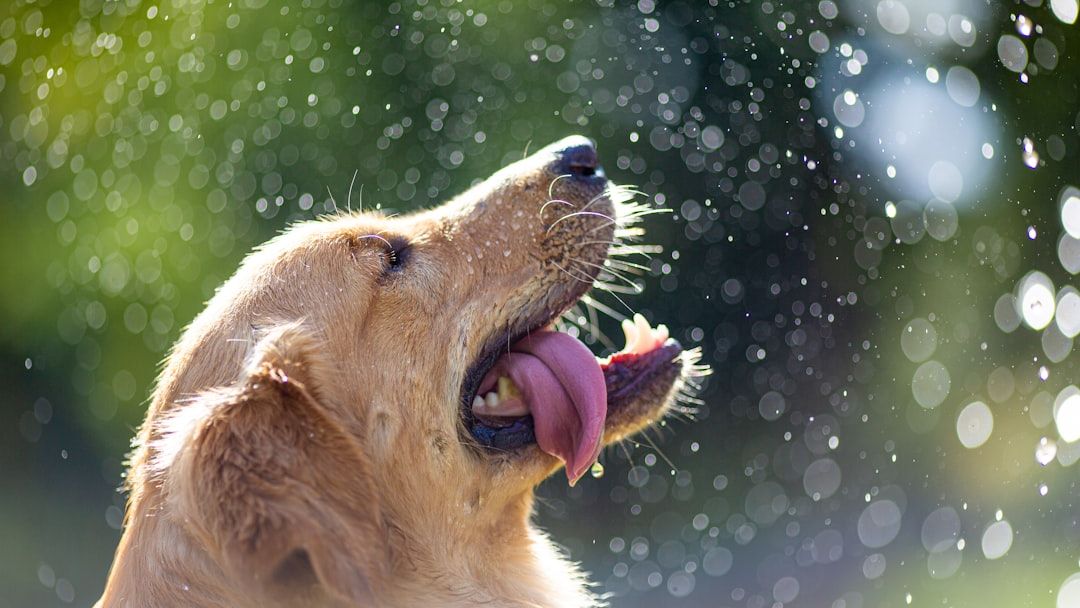
As summer temperatures climb, dogs face heightened risks from heat that can quickly turn dangerous. Veterinarians emphasize the need for proactive measures to prevent heat-related issues, drawing on guidance from experts like those at Guide Dogs for the Blind. Owners who understand how heat impacts their pets can make simple adjustments that protect health and comfort during the warmest months.
How Heat Impacts Dogs
Dogs regulate body temperature differently than humans, relying primarily on panting rather than sweating. This makes them more vulnerable when ambient temperatures rise, as their cooling mechanisms can become overwhelmed. Prolonged exposure leads to elevated core temperatures that strain organs and circulation.
Breeds with short muzzles or thick coats often experience these effects more intensely. Even active dogs may show reduced stamina on hot days. Recognizing these physiological differences helps owners anticipate problems before they escalate.
Steering Clear of Hot Pavement
Surfaces like asphalt and concrete absorb and retain heat, reaching temperatures far higher than the air around them. A dog’s paw pads can suffer burns after brief contact, leading to pain, blisters, and infection risks. Testing the ground with a hand for several seconds offers a quick check before walks.
Shifting outings to early morning or evening avoids peak heat periods. Grass or shaded paths provide safer alternatives when pavement remains too warm. These adjustments reduce direct contact while still allowing necessary exercise.
Maintaining Hydration Levels
Consistent access to fresh water becomes essential as dogs lose moisture through panting. Dehydration sets in faster than many owners expect, affecting energy, organ function, and overall resilience. Multiple water stations around the home and yard encourage regular intake.
Portable bowls prove useful during outings or travel. Monitoring for reduced urination or dry gums signals the need for immediate attention. Owners who prioritize hydration see fewer complications during heat waves.
Water Safety and Heatstroke Awareness
Swimming or water play offers relief, yet supervision remains critical to avoid exhaustion or accidental ingestion of unsafe water. Not all dogs swim naturally, and currents or deep areas introduce separate hazards. Life vests designed for dogs add a layer of security in open water.
Heatstroke develops when body temperature exceeds safe limits, often signaled by excessive panting, drooling, weakness, or collapse. Rapid response with shade, cool water application, and veterinary care improves outcomes. Early recognition of these signs prevents progression to more severe stages.
Building Safer Summer Routines
Integrating these precautions into daily habits creates a protective framework for dogs throughout the season. Regular checks on environment and behavior allow timely interventions. Veterinary input tailored to individual pets further refines these approaches.
Consistent attention to heat management supports long-term well-being and reduces emergency visits. Owners who adopt these practices report calmer, healthier dogs even on the warmest days.


