
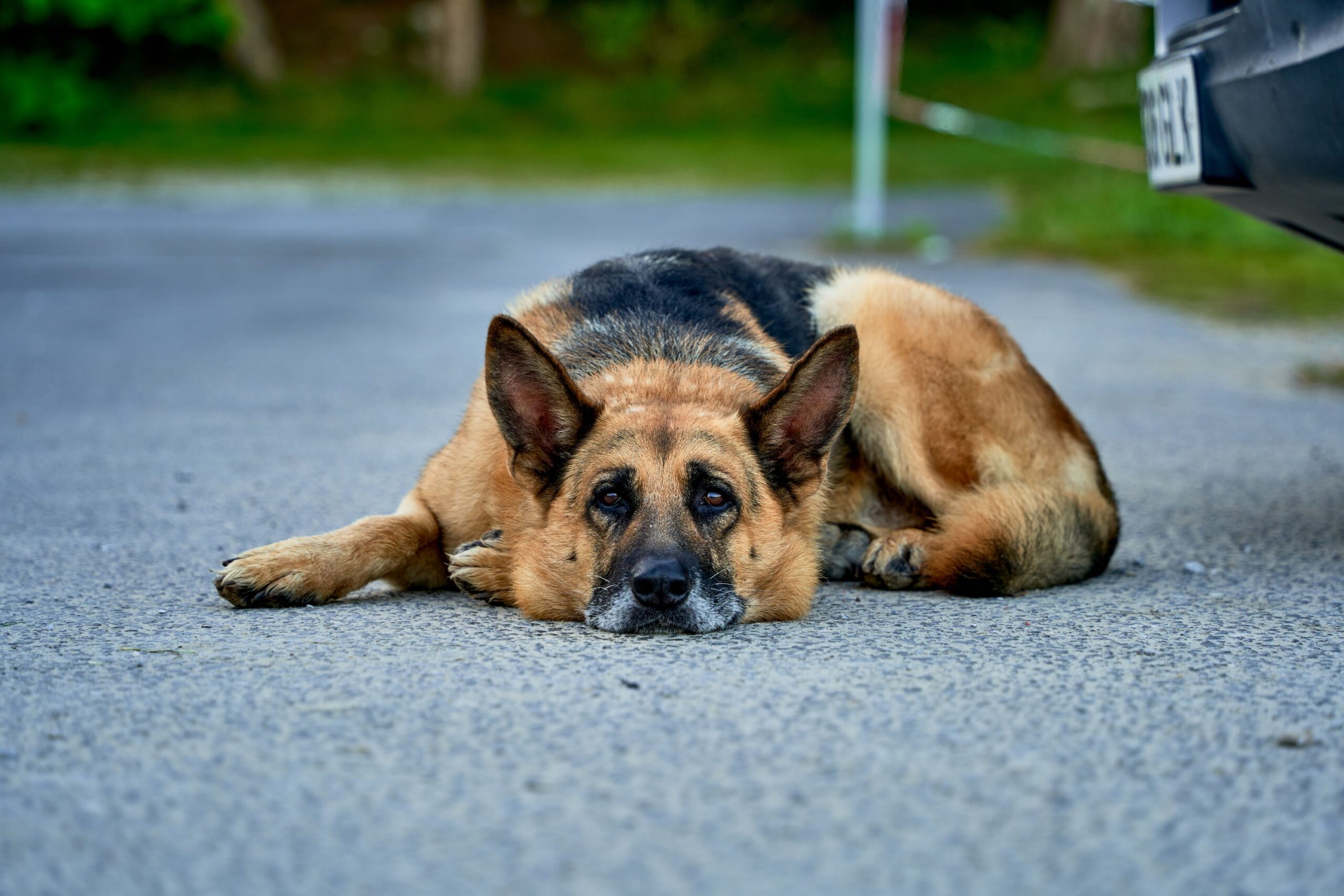
If your once-confident dog suddenly freezes at the edge of your kitchen tiles or tiptoes across the hallway like it’s made of ice, it can be easy to laugh it off as a quirk. But that tiny pause, that new reluctance to walk on slippery floors, can be one of the most important early red flags your senior dog ever gives you. It is often less about stubbornness or mood, and more about discomfort, fear, or subtle pain you cannot see at a glance.
I still remember when my own older dog stopped charging into the kitchen and began hovering in the doorway instead, nails clicking as he shifted his weight. At first I thought he was just being dramatic, but that hesitation turned out to be the first real sign that his joints were bothering him. That moment taught me something I wish more owners knew: when senior dogs change how they move, they are almost always trying to tell us something – and it almost never “just happens.”
Why Hesitation On Slippery Floors Is Such A Big Red Flag
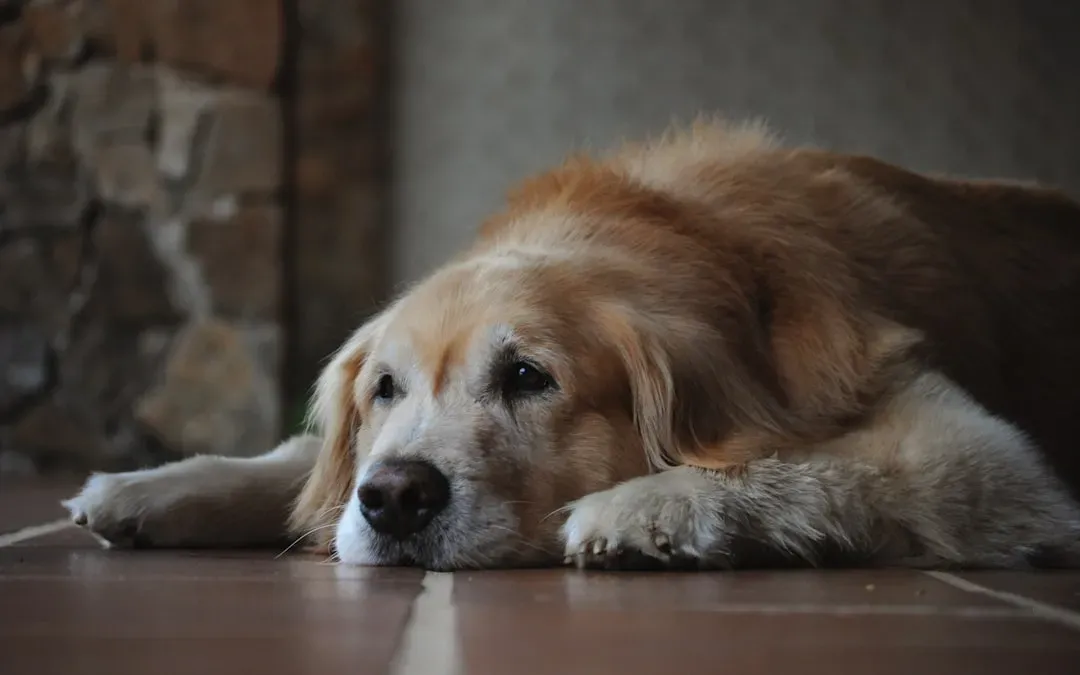
Think about how automatic walking across your own living room floor feels when your body is fine. You do not calculate every step, you simply move. Now imagine suddenly needing to think about every foot placement because you are not sure if your legs will hold you. That is close to what many senior dogs experience when they start hesitating on hardwood or tile. The surface did not change – their sense of stability did.
Veterinarians often pay very close attention to changes in gait and confidence on different surfaces because these are early, subtle clues that the body is struggling. A dog who used to trot happily across laminate but now plants their feet, stretches their neck, or tries to skirt around the edge of the room is showing a behavior change with a clear theme: they no longer trust their own traction or balance. That loss of trust usually traces back to pain, weakness, or underlying disease rather than personality.
Arthritis And Joint Pain: The Most Common Hidden Culprit
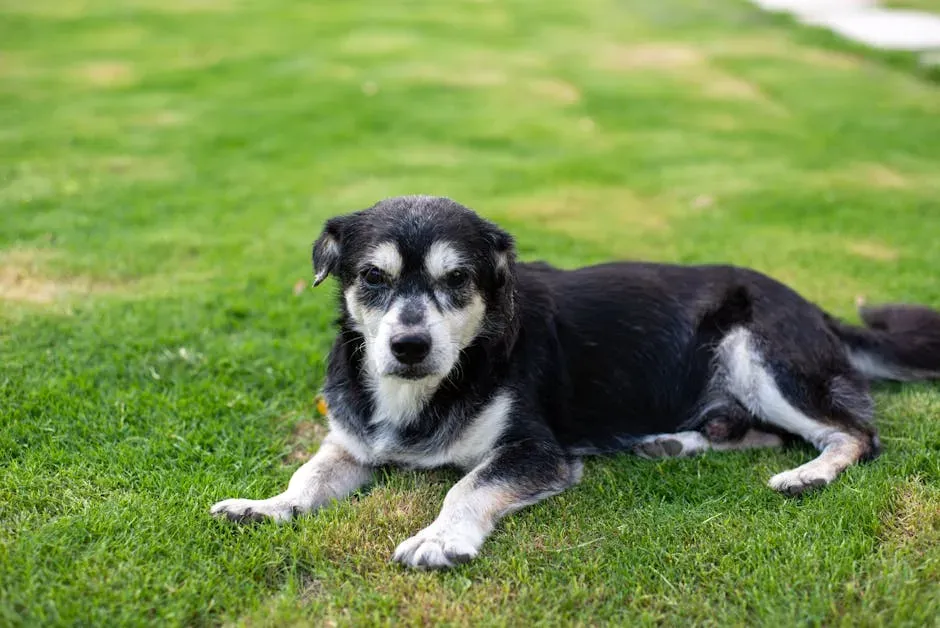
In older dogs, the single most common medical reason behind new fear of slippery floors is arthritis. As cartilage wears down and joint inflammation builds, simple movements like rising, turning, and stopping become physically harder. On a slick surface, a dog with sore hips, elbows, or knees knows instinctively that even a tiny slip will jolt their joints in a way that really hurts, so they start trying to avoid the risk altogether.
What is tricky is that arthritis rarely starts with dramatic limping. Instead, you see softer changes: they take longer to stand up, they no longer jump on the couch, they lie down with a little groan, and yes, they balk at walking where they might slide. Owners sometimes chalk this up to “just getting old,” but age itself is not a diagnosis. When a senior dog formerly unfazed by your kitchen tiles suddenly refuses to cross them, it is often your first chance to catch joint pain early and make their later years far more comfortable.
Weakness, Muscle Loss, And The Quiet Threat Of Neurologic Problems
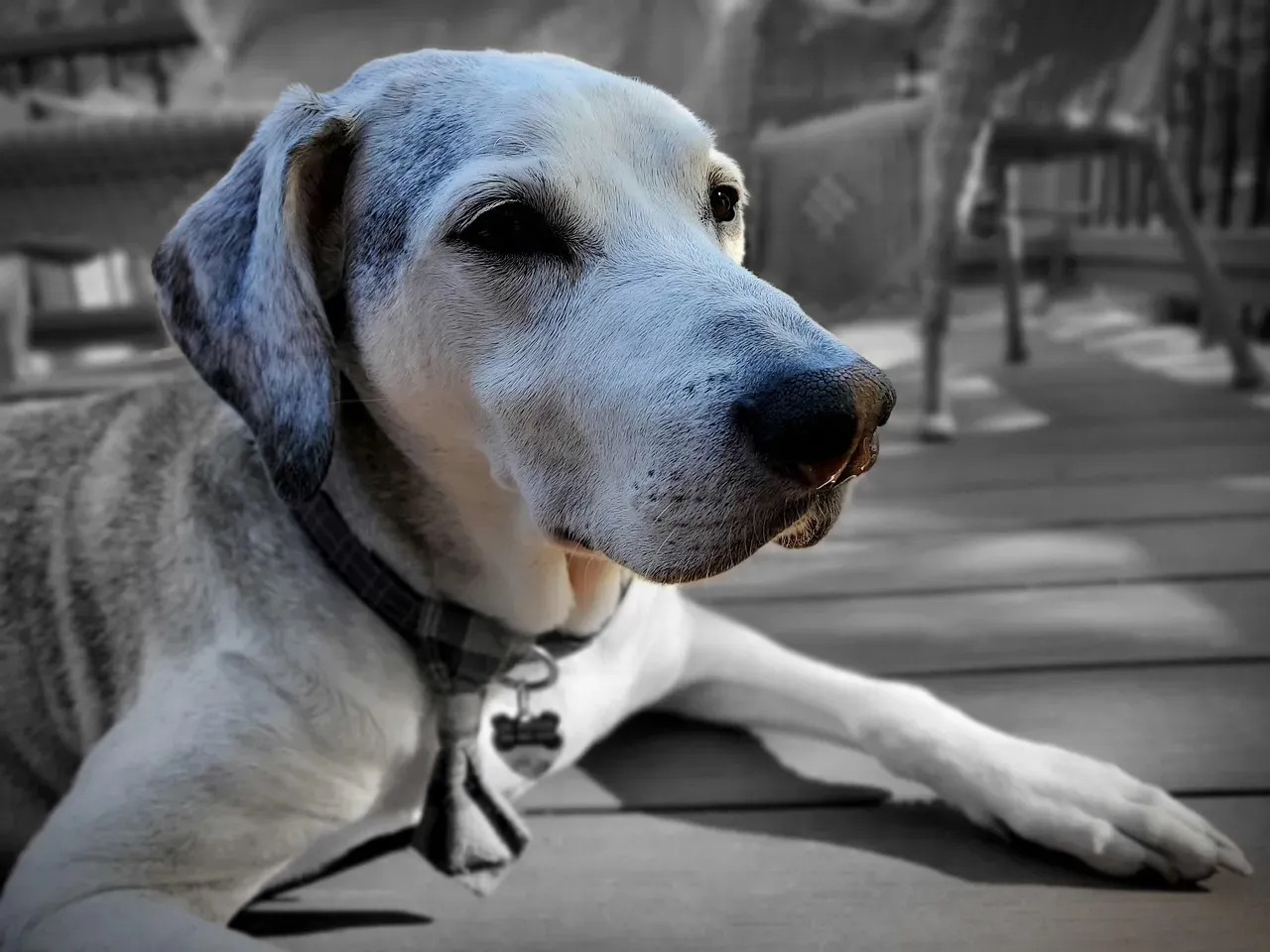
Not every slippery-floor hesitation is purely about joints. Senior dogs also lose muscle mass, especially in the hind legs, if they are less active or have been silently uncomfortable for a while. Less muscle means less strength to stabilize each step. On grippy carpet they can compensate without you noticing much, but once you put them on tile or hardwood, every tiny wobble becomes magnified and suddenly they feel like they are walking on ice.
In some cases, vets worry about neurological issues when they hear about floor-related fear in seniors. Conditions that affect the spinal cord or nerves can change how a dog senses their feet on the ground, or how quickly those feet respond when they start to slip. Dogs with subtle neurologic problems may scuff their nails, cross their back legs, or seem especially unsteady when turning. The dog cannot explain that their back end feels uncoordinated, so what you see instead is this: they halt at the edge of a slick floor and refuse to go further.
Pain You Cannot See: Back, Hips, And Hidden Discomfort
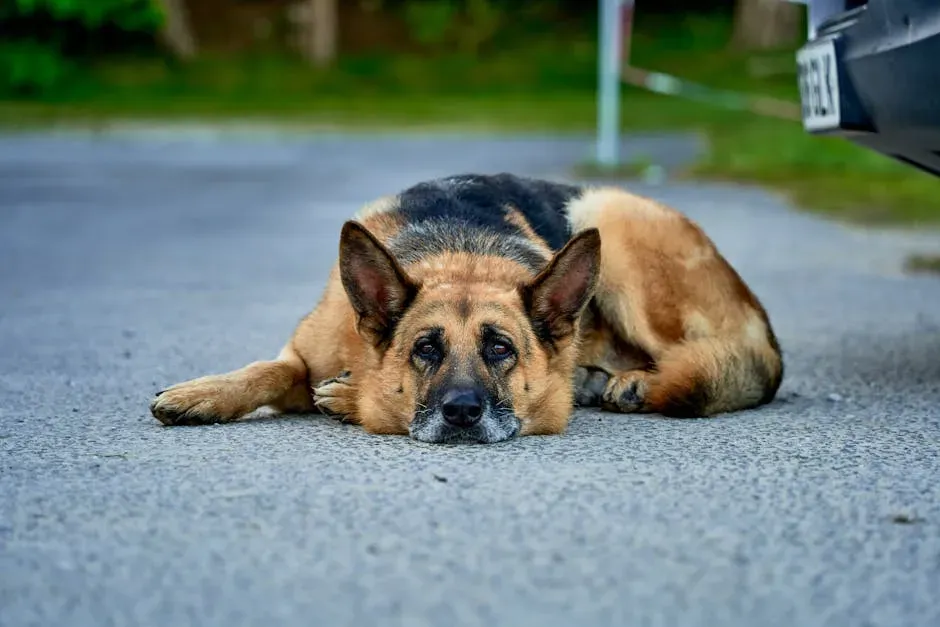
One of the most frustrating truths for dog owners is that many dogs are experts at hiding pain. They may still wag their tails, still eat normally, and still follow you from room to room even when their body hurts all day long. Instead of whimpering, they change how and where they move. Slippery floors become a big problem because any slide, twist, or sudden attempt to catch themselves sends a sharp jolt through the spine or hips.
Back pain, in particular, is often missed at home because it does not always cause a classic limp. You might just notice that your dog no longer wants to be picked up, seems stiff in the mornings, hesitates to go down stairs, and suddenly tiptoes on tile like they are walking over marbles. That is a dog doing quiet risk management: if falling will hurt more than before, they will do almost anything to avoid putting themselves in a situation where they might slip.
Anxiety, Past Slips, And The Emotional Side Of Movement

Dogs remember bad experiences far better than we sometimes realize. If a senior dog slipped once on your kitchen floor and scared themselves, they may associate that surface with danger long after their body has recovered from the scare. When you add in the very real physical vulnerabilities that come with age, a single dramatic fall can turn into a long-lasting fear. To the dog, avoiding tile is not stubbornness; it is self-preservation based on a memory that felt genuinely terrifying.
There is also a feedback loop between pain and anxiety. A dog who already feels unsteady or uncomfortable will naturally become more anxious in situations where they might fall or be jostled, and that anxiety makes them more tense and clumsy. You might see them hug the walls, stretch their body as far as possible before taking a step, or freeze and look back at you for help. Emotion and body are deeply connected here: when the body feels unsafe, the brain treats a shiny kitchen floor like a cliff edge.
Other Subtle Clues To Watch For Alongside Floor Hesitation
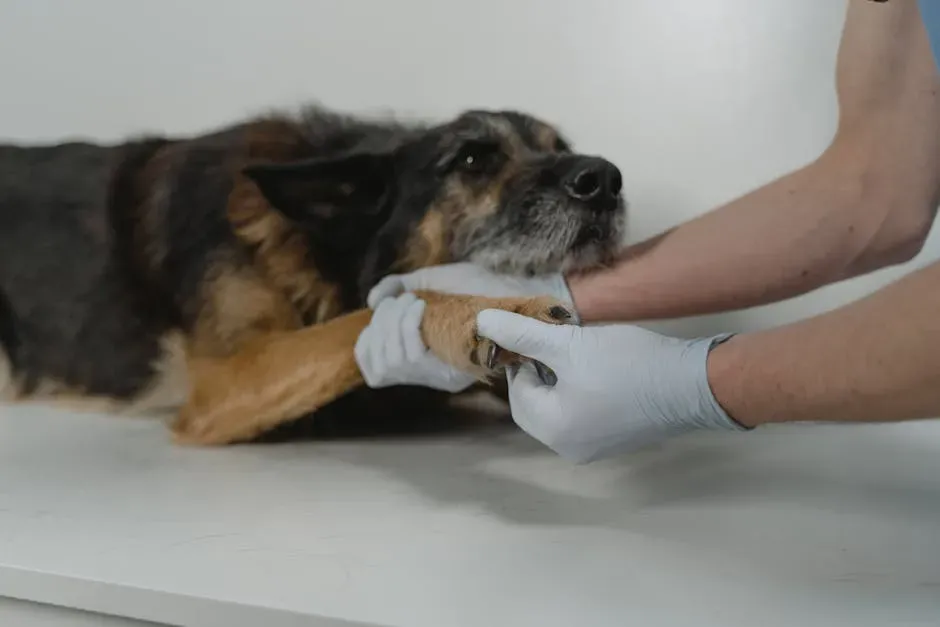
Hesitating on slippery floors rarely shows up in total isolation if something medical is brewing. Often, when you start looking closely, you realize there are other small red flags that you had been brushing off for months. Maybe your dog now takes the long way around to avoid stairs, maybe they no longer jump into the car, or you notice that they sometimes stand with their back legs tucked oddly underneath them when they stop to sniff.
You might also catch little changes in daily routines: they tire faster on walks, they sleep more heavily, or they no longer do their favorite post-dinner zoomies down the hallway. Some dogs begin licking at a particular joint or chewing their paws after moving on slick surfaces, almost like they are trying to “fix” the part that hurts. When these bits of information stack together, floor hesitation stops looking like a random quirk and starts looking like the body’s careful, consistent warning system.
Practical Home Changes That Can Help Your Senior Dog Right Now
The good news is that there is a lot you can do at home while you work with your vet. One of the simplest and most effective fixes is improving traction. Adding non-slip runners, area rugs, or even yoga mats along your dog’s usual routes can transform your home from a skating rink into a safe walkway. Some owners also use dog-specific grip socks or booties, or a clear paw pad grip product, but these work best when introduced gradually so the dog does not find them overwhelming.
Small layout changes can also make a huge difference. Move food and water bowls to non-slippery zones, block access to slick stairs, and keep pathways clutter free so your dog does not have to do sudden turns to avoid obstacles. For larger dogs, placing a non-slip mat where they stand to greet you at the door can prevent those frantic, happy slips that jar their joints. These changes might feel minor to you, but for a dog who worries about every step, they can lower daily stress and physical strain a lot.
When To Call The Vet – And Why “Just Old Age” Is Not A Diagnosis
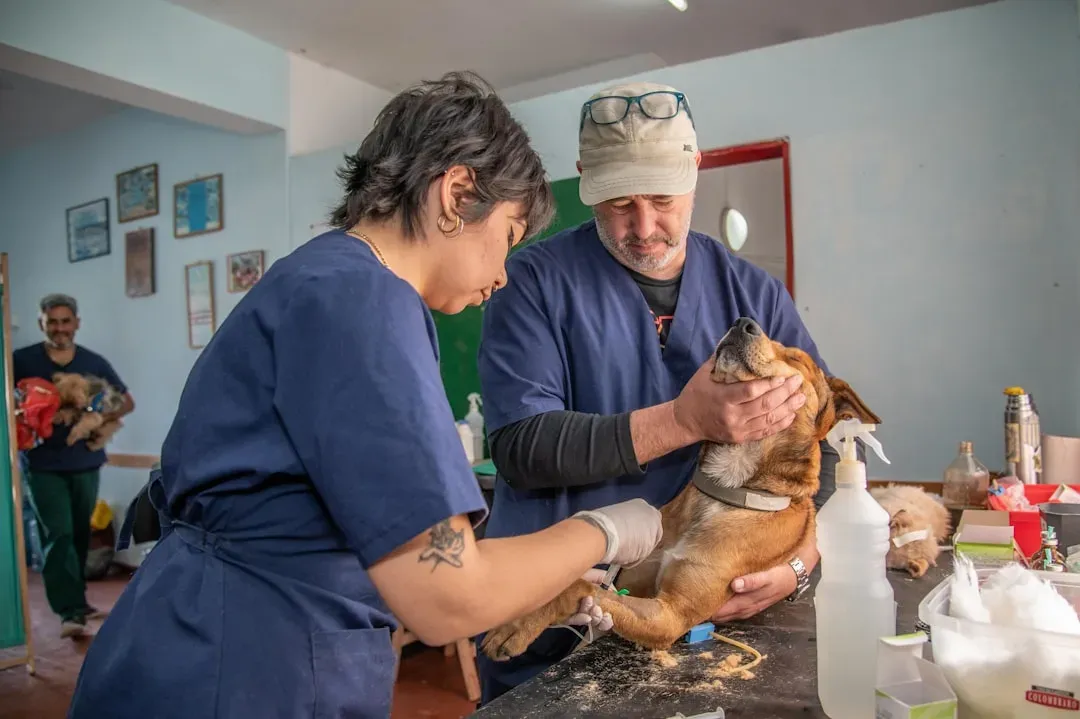
If your senior dog suddenly starts hesitating on slippery floors, that is enough reason on its own to bring it up with your veterinarian. A good vet visit for this issue typically includes watching your dog walk on different surfaces, gently checking joints for pain, assessing muscle mass, and looking for any neurologic abnormalities. In some cases, your vet might suggest X-rays, blood work, or a referral to a specialist, especially if they suspect arthritic changes, spinal problems, or another chronic condition that needs targeted care.
What matters most is refusing to shrug and say that this is “just what happens with age.” Aging increases risk, but it does not mean your dog has to live scared of your kitchen. With proper diagnosis, many senior dogs benefit from a combination of weight management, joint supplements, pain medications, physical therapy, and environmental tweaks. The goal is not to turn back the clock, but to give your dog a body they can trust again so your floors stop feeling like a threat and start feeling like home.
Conclusion: Listen To The Floor Test – Your Dog’s Body Is Speaking
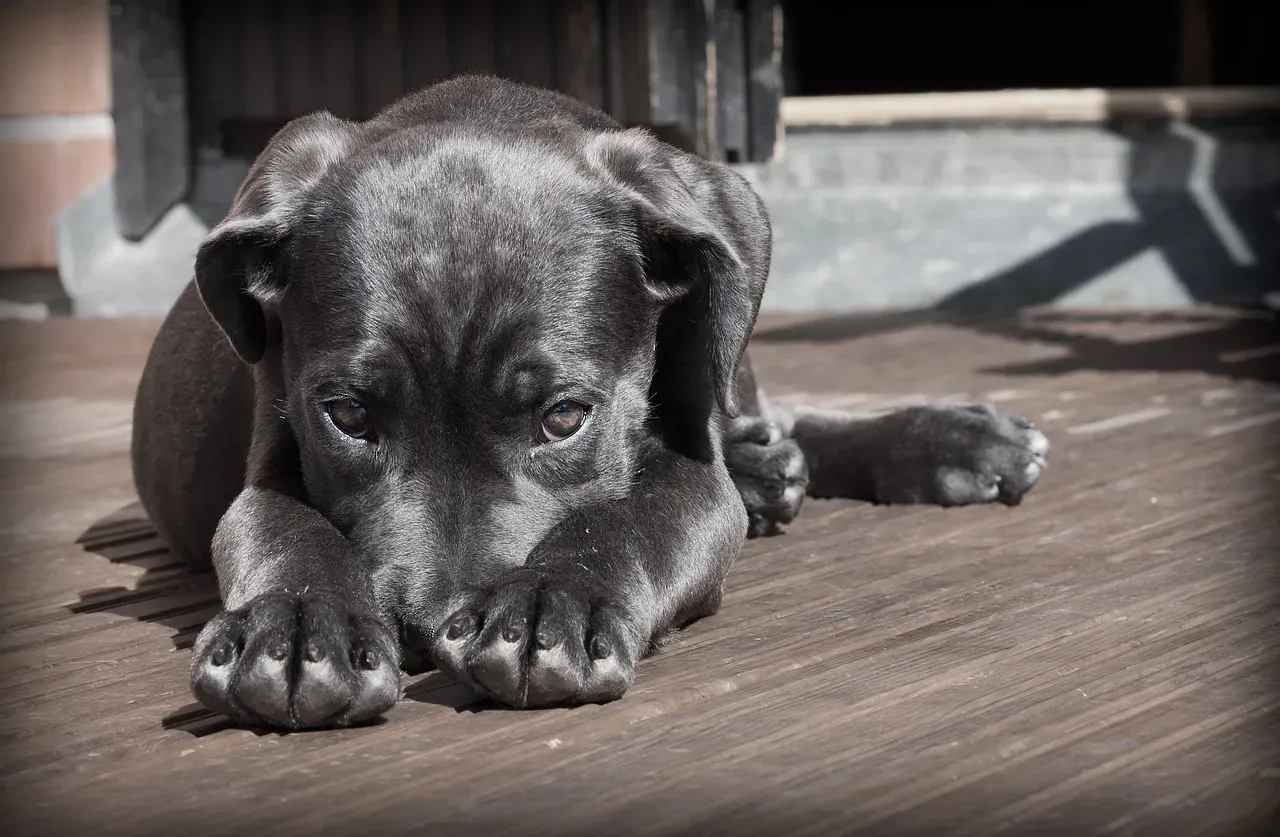
I have come to think of the “floor test” as one of the clearest ways a senior dog tells us how safe they feel in their own body. A young, comfortable dog barely registers the surface under their paws; an older dog who pauses, braces, or refuses to move is offering a blunt, honest review of their physical comfort. We can ignore that review and chalk it up to personality, or we can treat it as the early warning that it usually is and act before small issues snowball into bigger ones.
If your dog is suddenly tiptoeing on tile, you are not being dramatic by taking it seriously – you are being the kind of owner future-you will be grateful for. Getting curious, looping in your vet, and making some thoughtful tweaks at home can turn a scary, slippery gauntlet back into a safe path to the food bowl. That quiet hesitation on your kitchen floor might be your dog’s way of asking for help; the real question is, now that you know what it can mean, what are you going to do with that information?


