
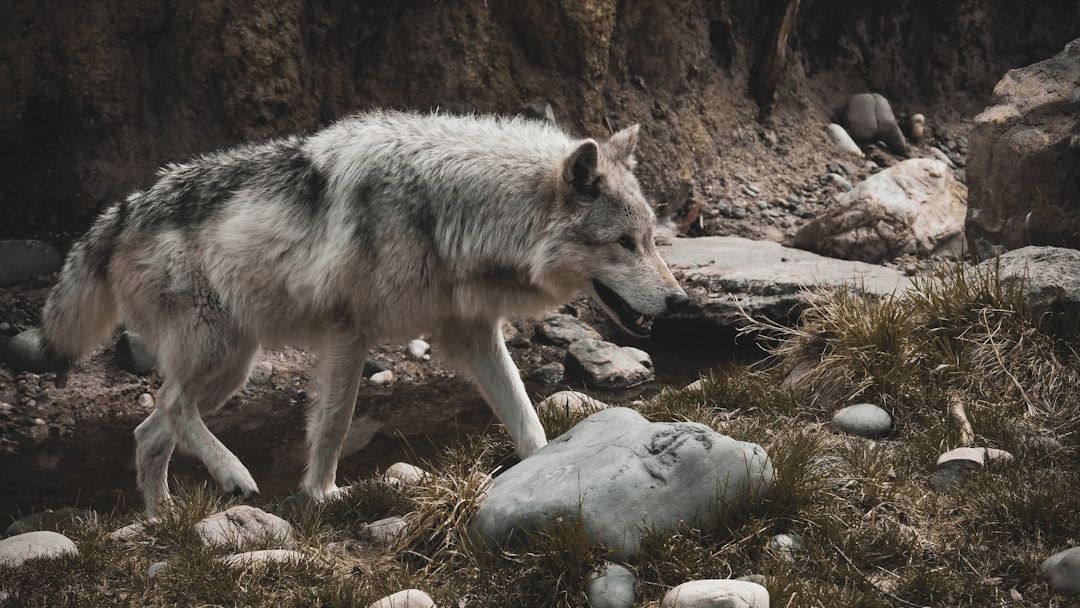
Yellowstone National Park continues to rank among the world’s strongest locations for observing wild wolves in their natural setting. The park’s wolf population has shown notable consistency in recent years, providing reliable opportunities for visitors and researchers alike. Over the past dozen years, the average stood at roughly 100 wolves organized into ten packs. Last year’s official count placed the total near 80 individuals.
Population Data in Context
The figures reflect a measured balance rather than dramatic swings. An average of 100 wolves across ten packs over twelve years suggests the ecosystem has supported these animals at a steady level. The drop to approximately 80 wolves in the most recent tally still leaves the park with a visible and active presence. Such numbers help explain why Yellowstone draws consistent interest from those seeking authentic wildlife experiences. Observers note that pack structures often influence sighting chances. Ten packs spread across the landscape can create multiple focal points for monitoring. Even with the recent count near 80, the distribution maintains potential for encounters in key areas. This stability distinguishes the park from many other regions where wolf populations remain smaller or more elusive.
Why These Counts Matter for Viewing
Consistent population levels translate directly into better prospects for seeing wolves. When numbers hover around the long-term average, the chances of locating active packs increase for those who plan accordingly. The recent count of about 80 wolves still represents a meaningful concentration compared with many other protected areas worldwide. Visitors benefit from this density when they time their trips with known movement patterns. The data also underscores the park’s role in broader conservation efforts. Maintaining packs at these levels supports ongoing study and public education. Each verified count adds to a record that helps track how the animals respond to changing conditions. This record, in turn, informs management decisions that keep viewing opportunities viable.
What Matters Now
The park has had about 100 wolves in ten packs on average, over the past dozen years, with last year’s official population count around 80 wolves.
These numbers highlight the value of sustained monitoring. They show that Yellowstone retains the capacity to host wolves at levels that support both ecological function and public interest. Future counts will reveal whether the recent figure represents a temporary dip or part of a longer pattern.
Looking Ahead
Park managers and wildlife specialists will continue to track these trends closely. The established average provides a useful benchmark against which new data can be measured. As conditions evolve, the park’s ability to sustain visible wolf populations will remain central to its reputation. This ongoing record offers a clear reference point for anyone interested in the status of wild wolves in one of their most accessible strongholds.


