
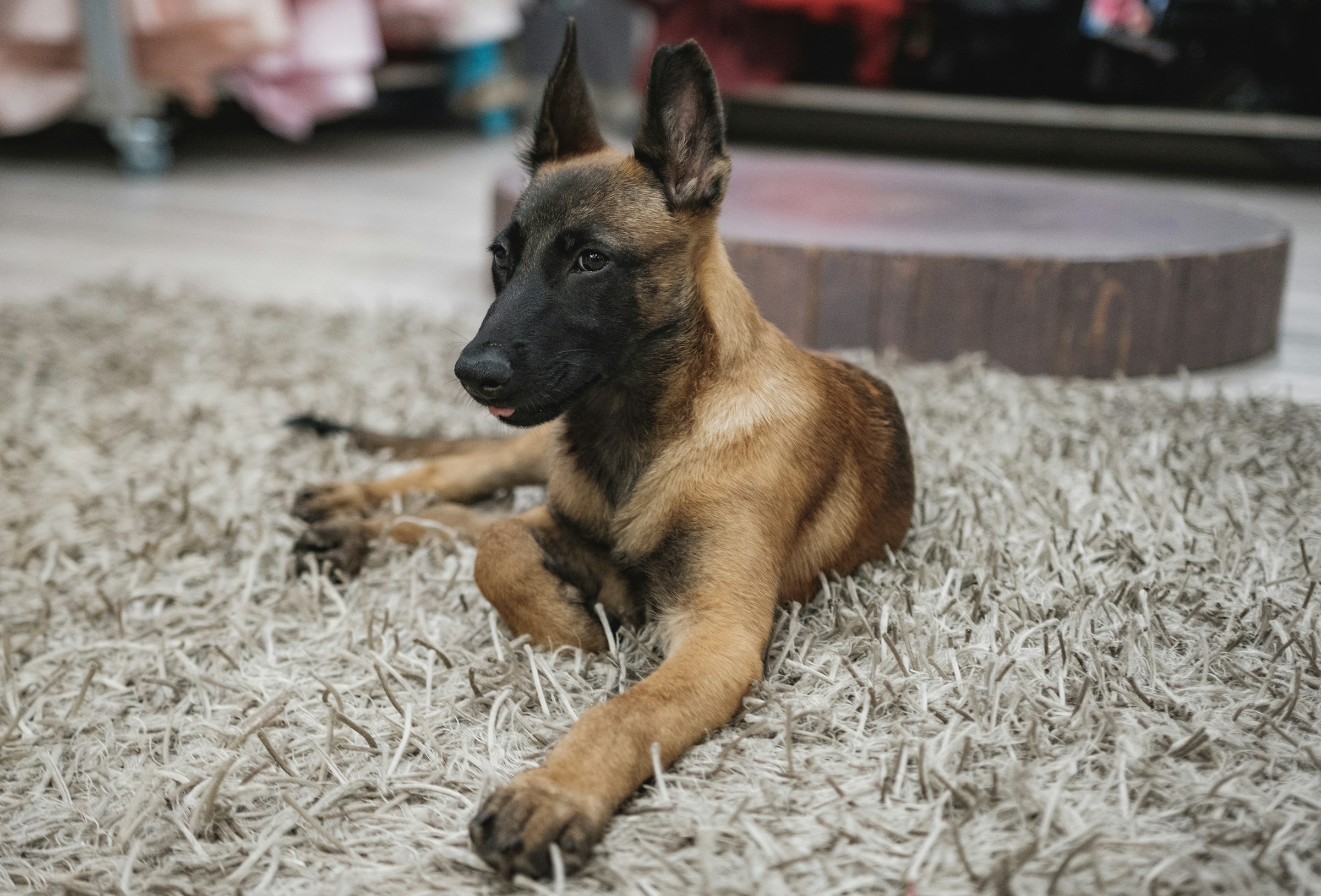
Picture this: you’ve finally retired, your alarm clock is a distant memory, and the dream is slow mornings with coffee and a dog snoozing at your feet. Then reality hits. Instead of peaceful walks and afternoon naps, you’re logging five miles before breakfast while a fur-covered rocket screams laps around your living room. That “cute puppy” you brought home? It just turned your golden years into a cardio program.
High-energy breeds can be amazing companions, but only if their needs match your lifestyle. Many were built for work: herding livestock, pulling sleds, assisting hunters, or patrolling property. In retirement, that wiring does not magically disappear just because you want to move slower. If anything, their energy becomes even more obvious when the rest of your life calms down.
Border Collie: The Genius Who Never Clocks Out
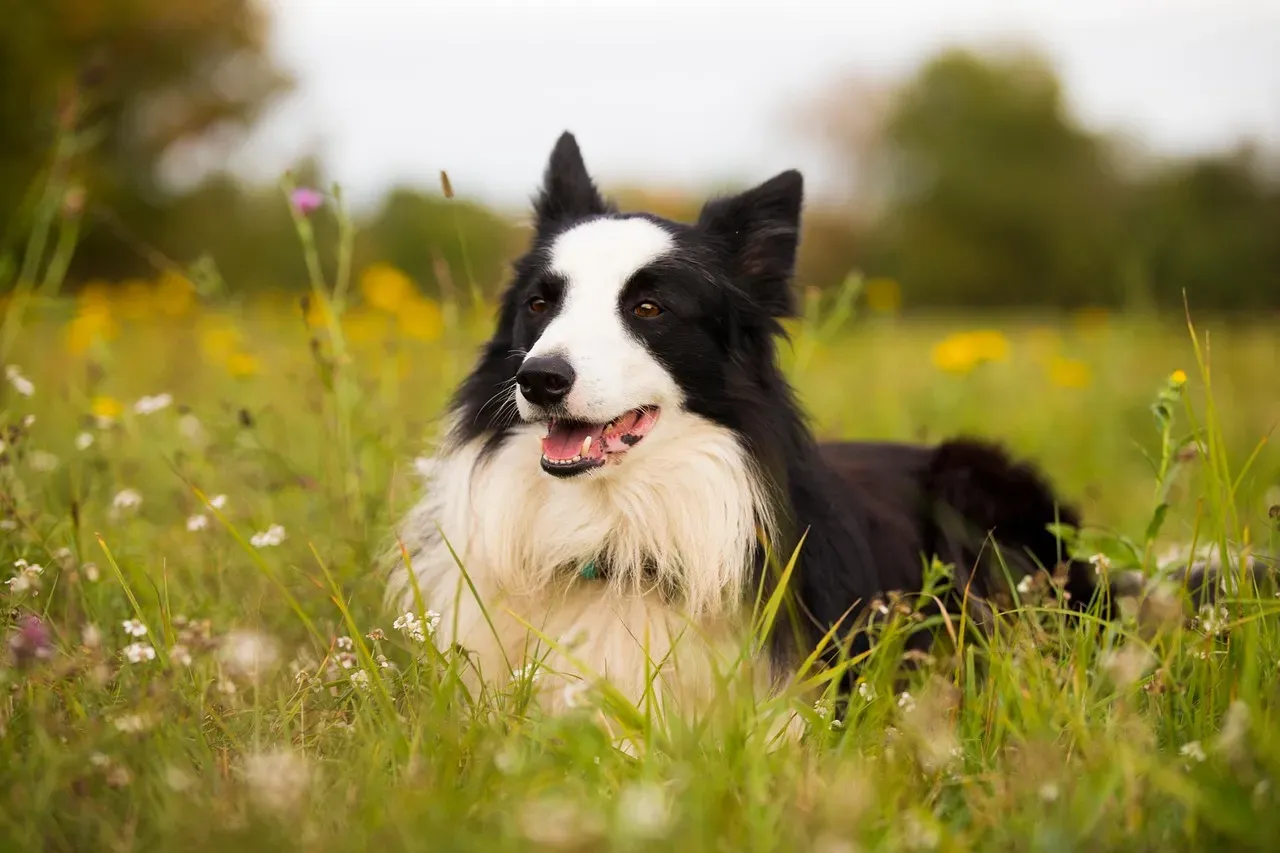
Border Collies are often ranked among the most intelligent dog breeds on the planet, and that sounds flattering until you realize you now live with a four-year-old child who drank three espressos and learned how to open doors. These dogs were bred to herd sheep over vast fields all day long, which means their default setting is “focused, intense, and ready for the next task.” For a retiree who just wants relaxed walks and occasional games of fetch, this can feel like a constant performance review from your own dog.
If a Border Collie doesn’t get enough mental and physical stimulation, it doesn’t simply get “bored”; it invents jobs. That might mean herding your grandchildren, chasing shadows, barking at anything that moves, or obsessively patrolling the yard. I once fostered a Border Collie mix who learned the entire layout of my house in a day and then tried to reorganize my life with nudges and stares. Unless you genuinely enjoy long hikes, daily training sessions, puzzle games, and giving your dog a real job, this beautiful brainiac will run circles around your retirement plans – literally and emotionally.
Belgian Malinois: The Tactical Athlete in Your Living Room
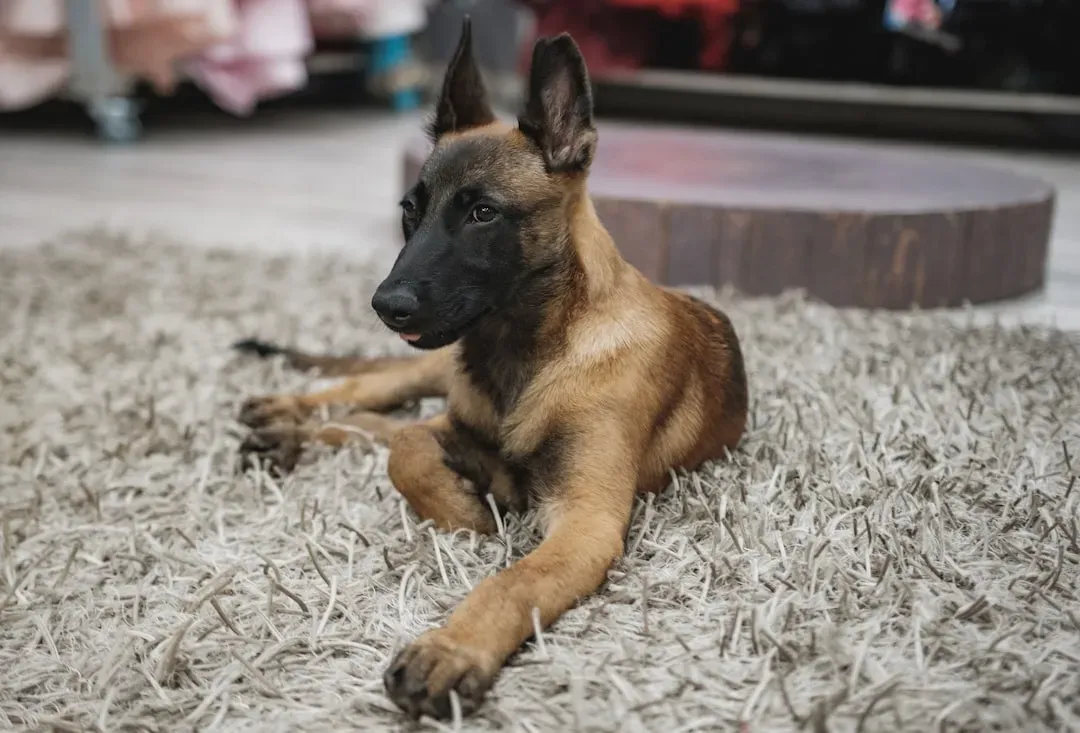
The Belgian Malinois is the dog you often see working in military and police roles, and there’s a reason they thrive there: they are intense, driven, and built for non-stop action. Bringing a Malinois into a quiet retirement home is like parking a race car in a cul-de-sac and wondering why it’s not happy with a ten-minute spin. This breed doesn’t just like activity; it craves purpose with a laser focus that can be overwhelming if you simply want a laid-back companion.
Without vigorous exercise and advanced training, a Malinois can develop serious behavior issues, from destructive chewing to anxiety and reactive behavior. They’re incredibly sensitive and often bond very deeply with one person, which can sound romantic but feel like pressure when you become the center of their universe and their only source of stimulation. To be blunt, unless you’re ready to treat training like a part-time career and exercise like a daily sport, this is not a fair match for a slower, more relaxed retirement lifestyle.
Australian Shepherd: The Cheerful Workaholic
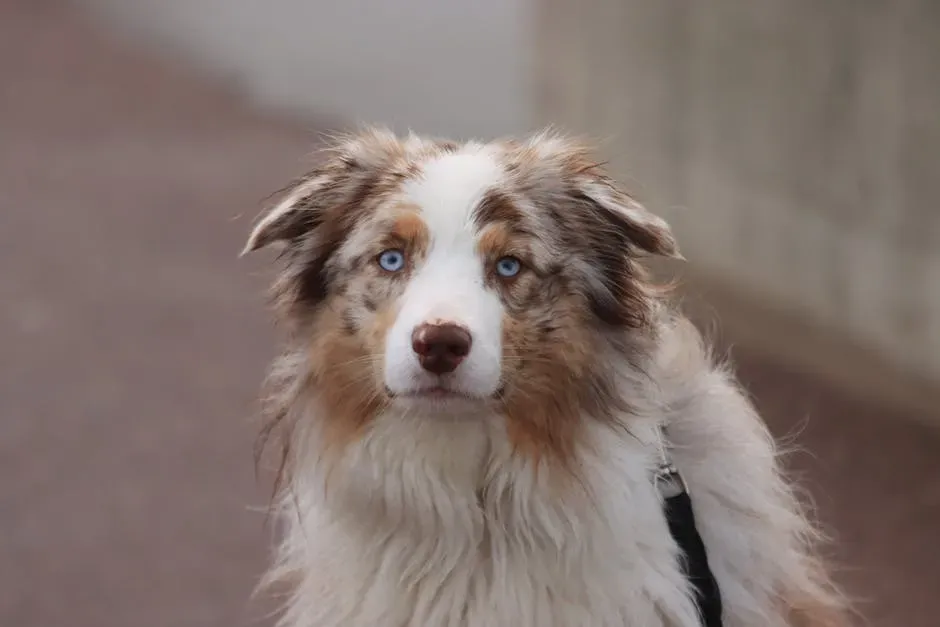
Australian Shepherds look like fluffy, friendly companions – and they are – but underneath that adorable coat is a tireless herding engine. These dogs were literally bred to move livestock across fields for hours on end. Swap “livestock” for “anything that moves,” and you get a dog that will track your every step around the house, monitor your visitors, and “help” you with chores you never asked for help with. They do not like being underemployed, and retirement can unintentionally give them way too much time to direct their energy in unhelpful ways.
When their exercise and mental needs aren’t met, Aussies often turn to herding children, chasing bikes, or barking at every rustle outside. They are smart enough to learn advanced tricks, dog sports, and complex routines, which is wonderful for active owners but exhausting if you hoped your main hobby would be gardening and brunch. If your ideal day involves quiet reading and short strolls, an Australian Shepherd might turn that dream into a constant negotiation over “just one more game” and yet another brisk walk you didn’t plan on taking.
Jack Russell Terrier: The Pocket-Sized Explosion

Jack Russell Terriers fool people all the time because of their small size. They look like the perfect compact companion for apartment living or downsized retirement homes. But inside that little body is the engine of a high-performance hunting dog, originally bred to chase and flush foxes. Instead of a calm lap dog, you get a spring-loaded comedian who can bounce off furniture, dig craters in the yard, and outlast you in any game you start.
Jack Russells need intense play, problem-solving, and clear boundaries, or they can slide into barking, nipping, and obsessive behaviors. Imagine trying to relax with a book while your dog insists every bird, squirrel, and passing car represents a matter of national security. For retirees with limited mobility, joint issues, or noise-sensitive neighbors, this constant activity and vocal energy can be a nightmare. They can be incredibly fun with the right outlet, but if you were looking for calm, this is more like signing up for a circus internship.
Siberian Husky: The Escape Artist Marathoner
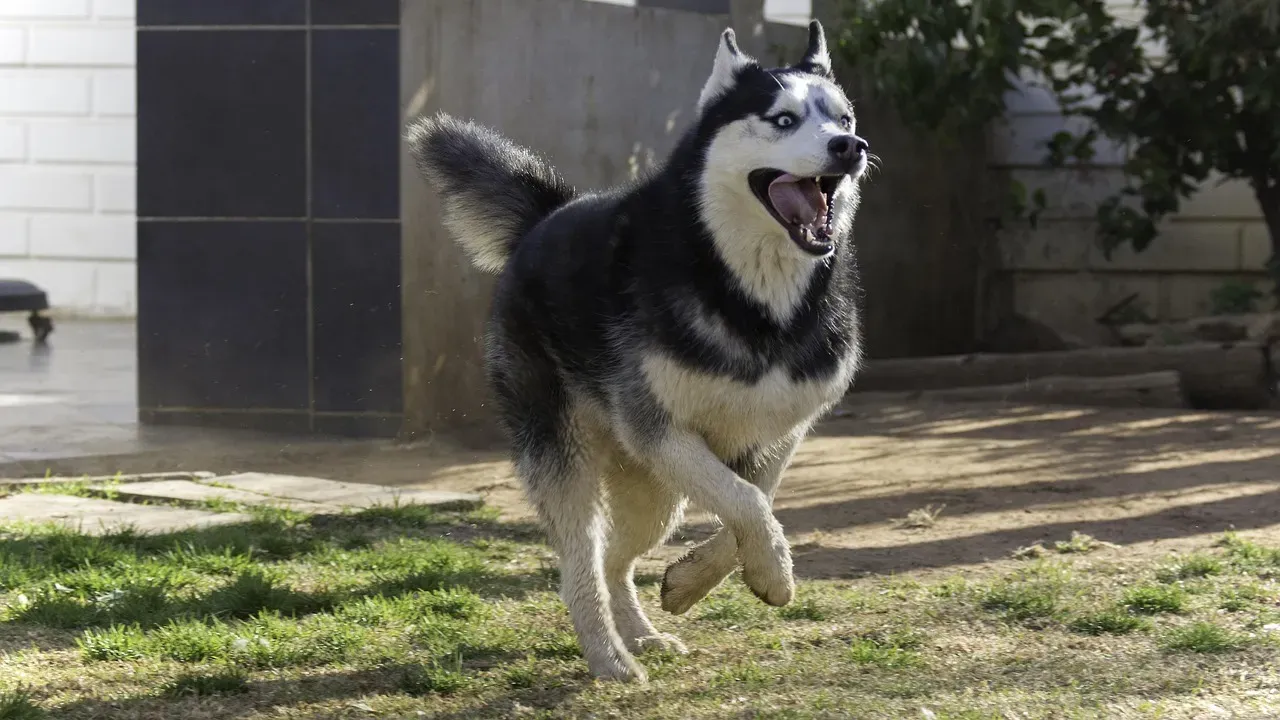
The Siberian Husky is stunning: bright eyes, thick coat, that wolfish presence that turns heads. Many retirees fall for the look and imagine leisurely snowy walks and cozy evenings. Reality check: Huskies were bred to pull sleds over long distances in harsh conditions, and their bodies and brains are still wired for movement and exploration. A simple stroll around the block is like asking a marathon runner if they’re satisfied with walking to the mailbox.
Huskies are notorious escape artists, climbers, diggers, and professional howlers. If they are under-exercised or under-stimulated, they may try to run away, sing the song of their people at inconvenient hours, or remodel your yard and furniture with surprising enthusiasm. Managing a Husky often means serious fencing, long daily exercise, and a sense of humor about fur on every surface you own. For a retiree who wants calm reliability and low maintenance, a Husky can feel like inviting a free-spirited roommate who never really agreed to your house rules.
German Shorthaired Pointer: The Elegant Endurance Machine
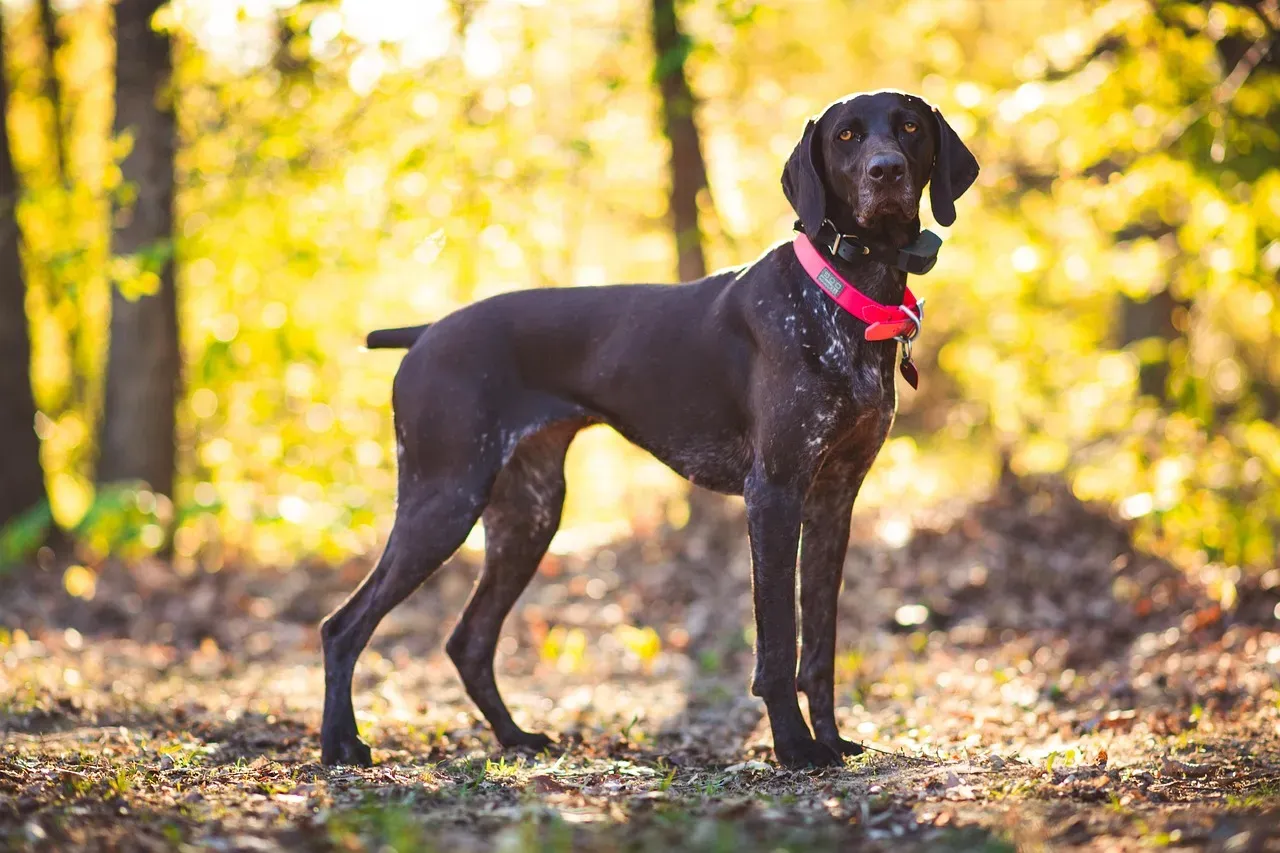
German Shorthaired Pointers are sleek, athletic, and incredibly versatile hunting dogs. They were bred to spend long days in the field, covering huge distances, pointing, and retrieving. That translates into a dog with stamina to spare and a deep need for regular, vigorous exercise. Picture a creature that sees a five-mile hike as a warm-up, not an entire day’s outing, and you get the idea. If your knees or hips are already complaining, this is not the ideal teammate.
Without structured activities – running, hiking, advanced training, or dog sports – GSPs can become restless, destructive, and pushy. They’re often very affectionate and people-oriented, which can be lovely but also means they may shadow you around the house, nudging you to get up and move when all you want is to sit. In retirement, when your energy naturally fluctuates, living with a dog that treats every day like game day can leave you feeling constantly behind. Unless you’re committed to an athletic lifestyle, this elegant powerhouse can quietly turn your free time into a never-ending exercise plan.
Weimaraner: The Velcro Athlete With Big Feelings
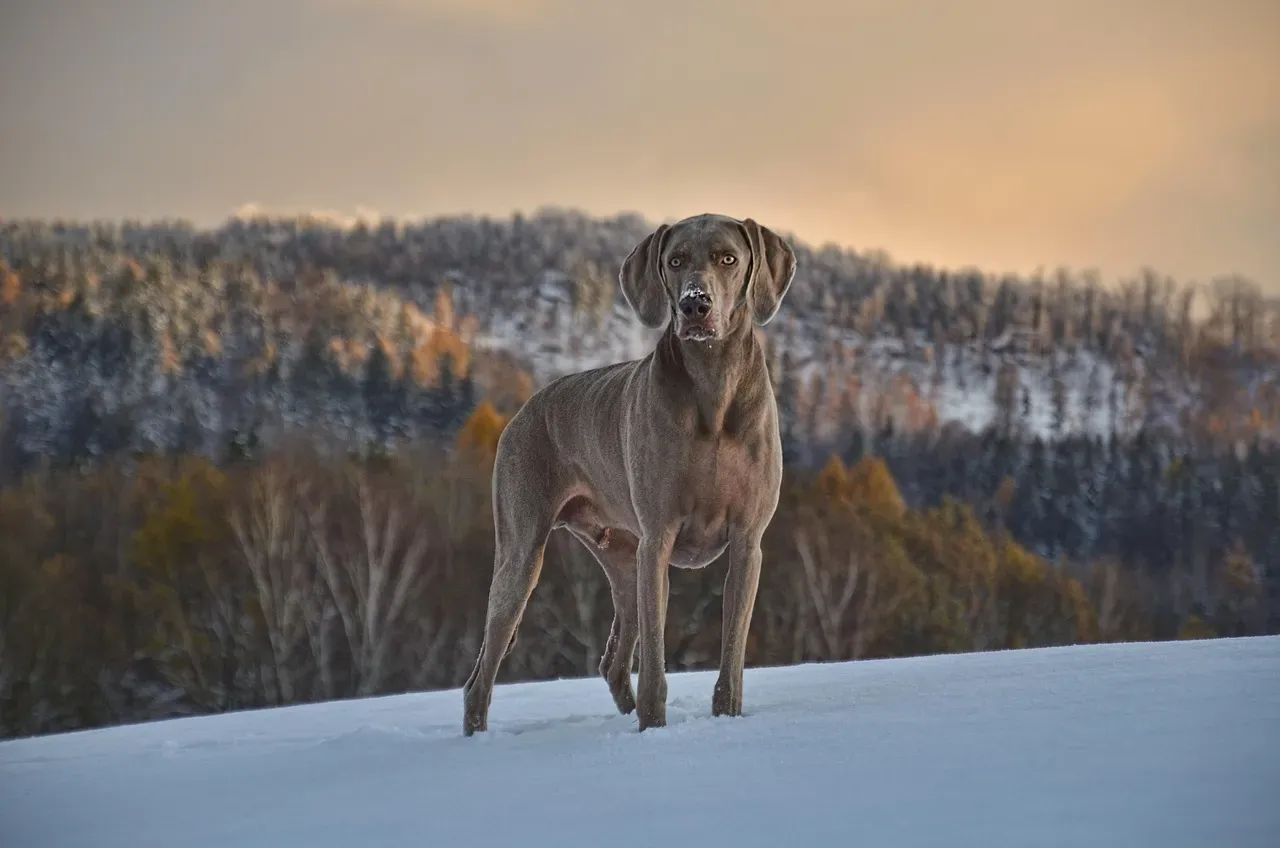
Weimaraners, sometimes called “gray ghosts” because of their coat and intense stare, are striking dogs with an emotional, people-focused nature. They were developed as hunting companions, expected to work closely and tirelessly with their humans. That close bond can feel flattering at first, but it also means they often dislike being alone and can develop separation issues if their emotional and physical needs aren’t met. For retirees who travel, volunteer, or simply like to leave the house regularly, this can turn routine outings into a guilty balancing act.
Energy-wise, Weimaraners are high octane: they thrive on running, hiking, and mentally challenging activities. Under-exercised Weims can become anxious, vocal, and destructive, chewing through furniture or doors out of stress rather than spite. I once met a Weimaraner who could open the refrigerator and select snacks; brilliant, yes, but also a reminder that brain plus energy equals potential chaos. If your idea of retirement freedom involves spontaneity, flexibility, and plenty of quiet downtime, this breed’s intensity can feel less like companionship and more like a demanding, very athletic shadow.
Conclusion: Choose a Dog for the Life You Actually Live
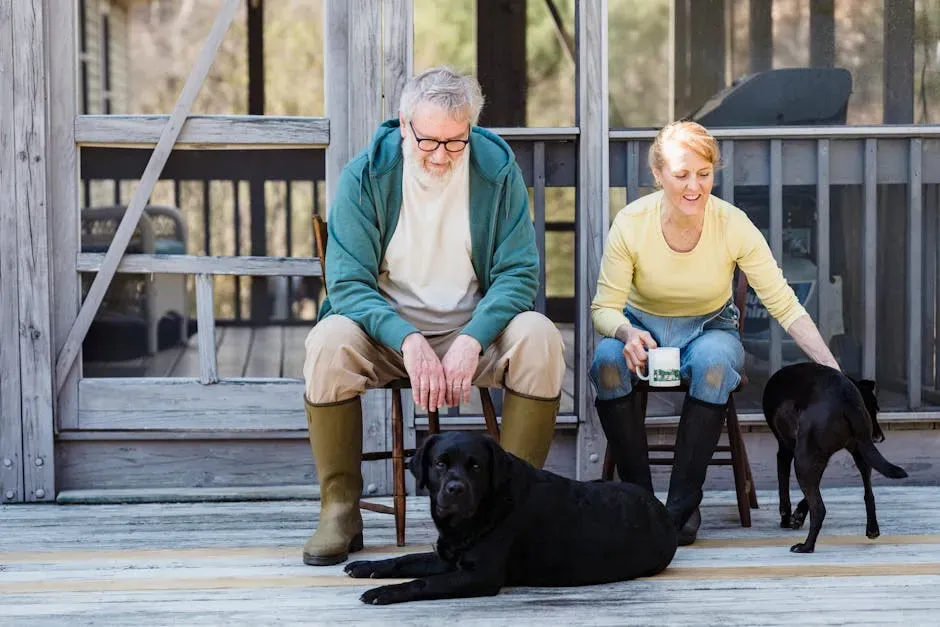
There’s nothing wrong with any of these breeds – they’re incredible in the right hands and the right lifestyle. The problem appears when the dream of retirement (slow mornings, minimal obligations, low stress) collides with a dog that was bred for nonstop work and challenge. It is not fair to you or the dog to pretend that a couple of short walks and a backyard are enough when their genetics are screaming for miles of activity and daily mental workouts.
In my opinion, the bravest and kindest choice in retirement is picking a dog that matches your real energy, not your fantasy version of yourself ten years ago. That might mean a calmer breed, an older rescue, or even a mixed-breed couch enthusiast who is thrilled with gentle strolls and long naps. Your later years deserve peace, joy, and companionship that fits, not a second full-time job you never meant to take. When you picture your ideal day five years from now, does your dream dog make that day easier – or secretly a lot harder?


