
Some dogs light up at the sight of a playmate. Others? They’d rather have you, the couch, the yard, and every toy in the house all to themselves. Not in a mean way, just in a deeply honest, slightly dramatic, “I’m the main character” kind of way. If you’ve ever met a dog who seemed personally offended by another pet existing in their line of sight, you know exactly what I mean.
This does not mean these breeds are bad, broken, or doomed to be aggressive. It just means they’re often happiest as only pets, soaking up undivided attention and avoiding the stress that comes with sharing space, resources, and you. Let’s walk through ten breeds that commonly prefer a solo life, what that actually looks like in real homes, and how to set them up to be calm, confident, and blissfully unbothered.
1. Akita
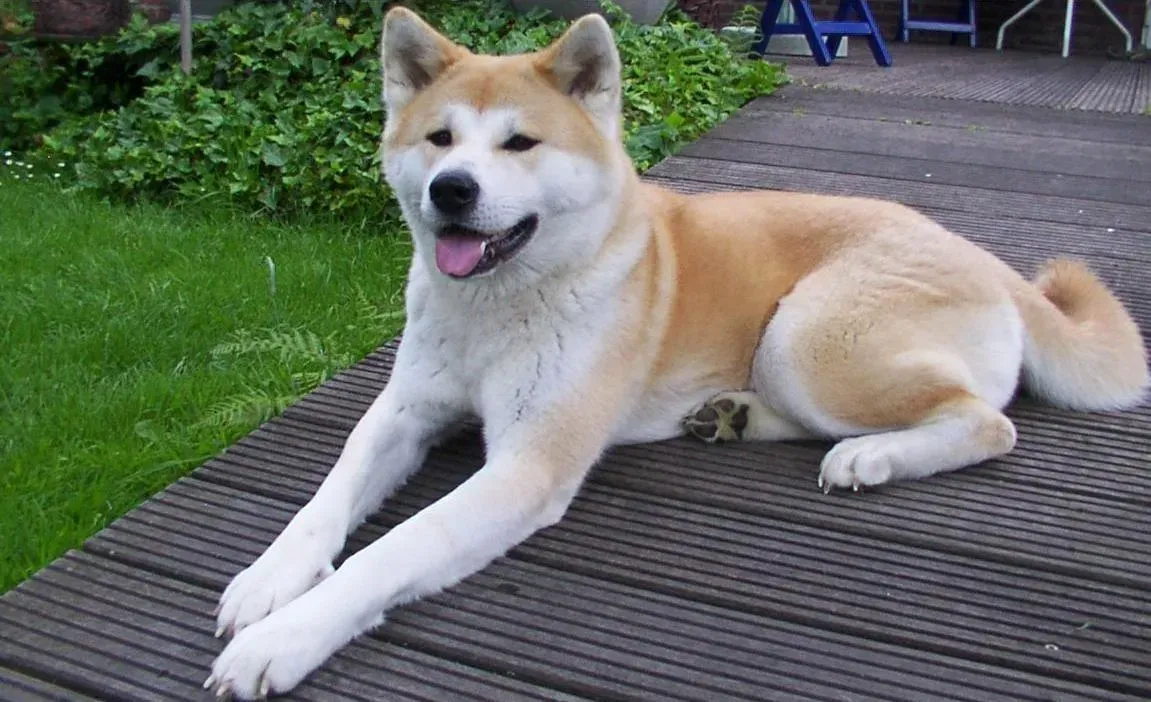
Akitas are the quiet, watchful types who act like they’re responsible for the entire household’s safety. That intense guardian instinct can make them deeply loyal to their own people, but pretty suspicious of other animals. Many Akitas simply don’t see the point of sharing their territory with other dogs or pets and can become tense or confrontational when pushed into it.
In a one-dog home, though, an Akita often softens into a surprisingly goofy, affectionate companion who just wants their circle kept small and predictable. If you love the idea of a dignified, cat-like dog who bonds hard with you but has zero interest in a dog park social life, an Akita is usually much happier without other pets in the mix.
2. Shiba Inu
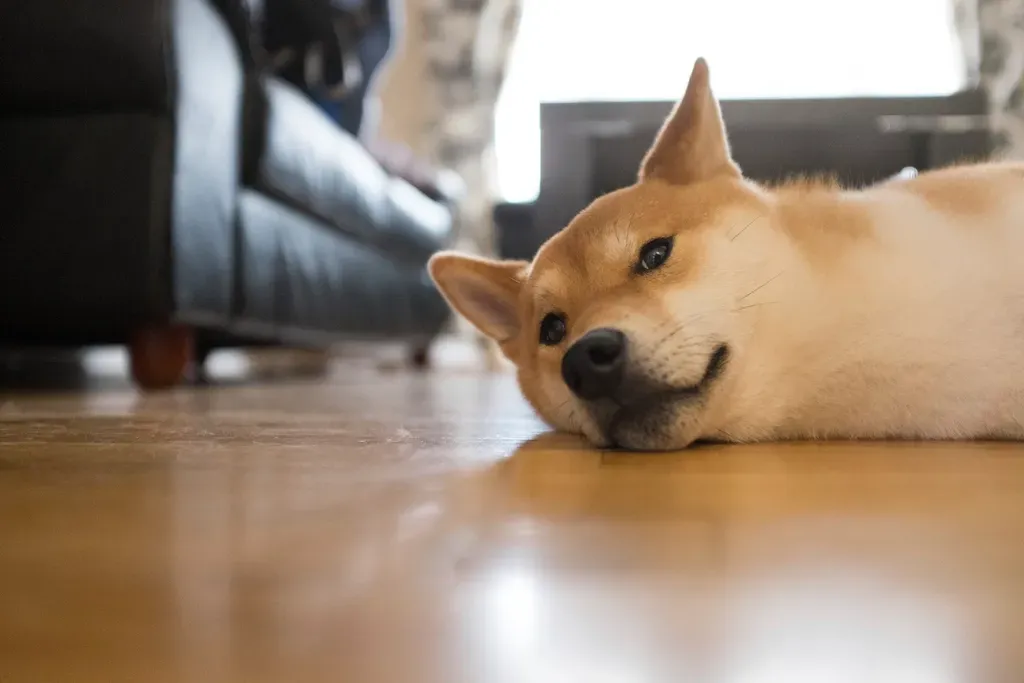
Shiba Inus are those fox-like little drama queens and kings you see all over social media, looking offended by everything. Under the cuteness, there’s a strong-willed, independent personality that doesn’t always enjoy other dogs getting in their space. Many Shibas are notorious for being selective at best, reactive at worst, especially with strange dogs or pushy housemates.
Give a Shiba their own home, their own routine, and a human or two to worship them, and they usually relax and lean into their quirky charm. They tend to prefer controlled socializing – like walks where other dogs stay in their lane – over constant in-your-face play. For a Shiba, being an only pet often means less drama, fewer conflicts, and a lot more peace for everyone involved.
3. Chihuahua
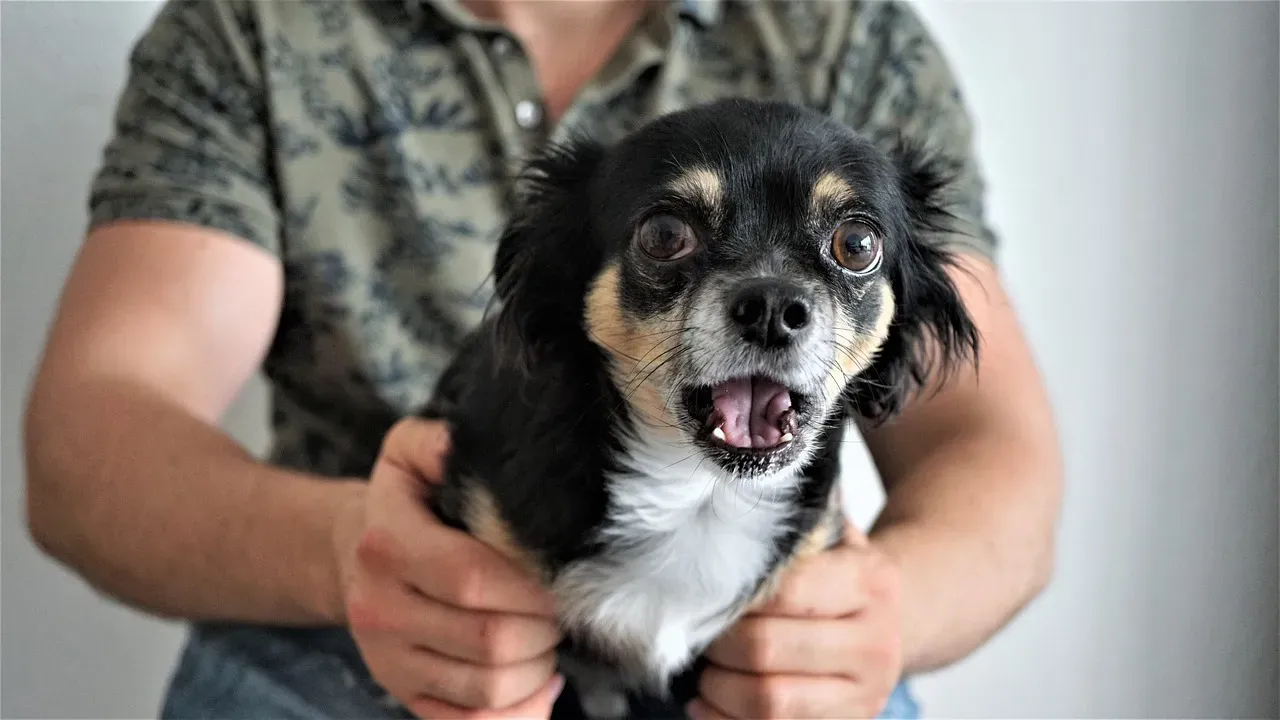
Chihuahuas have tiny bodies and enormous personalities, and they often attach themselves to one or two humans like it’s their life’s mission. Because they’re so small, life can feel overwhelming, especially around bigger dogs who play rough or don’t understand personal space. That can lead to defensiveness and snappiness, which only gets worse in a crowded, multi-pet household.
As solo pets, Chihuahuas frequently blossom into affectionate, comedic little shadows who feel safer and more relaxed when they’re not constantly on the defensive. They get to enjoy calm interactions, predictable environments, and clear access to your lap without needing to “compete.” For many of them, being the only pet is less about being selfish and more about finally feeling secure.
4. Chinese Shar-Pei
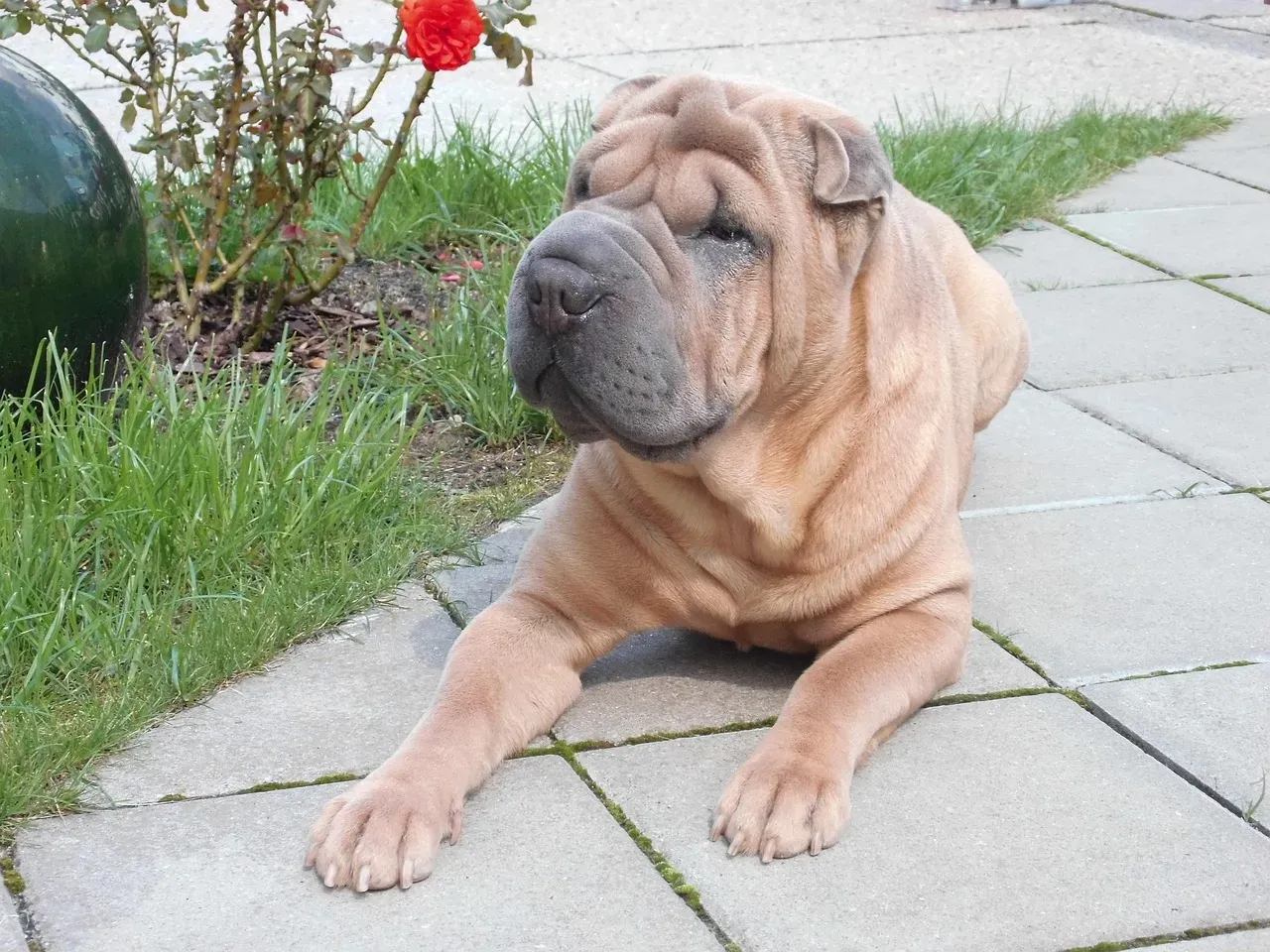
Shar-Peis are often described as serious, reserved, and stubborn, with a strong instinct to guard their family and home. Historically bred for protection and other tough jobs, they can be quite wary of other dogs and do not always appreciate unfamiliar animals entering “their” space. Dog-to-dog aggression is not rare in this breed, especially without careful management.
In a one-pet home, a Shar-Pei usually has fewer triggers and less reason to be on constant alert. That calm environment lets their softer side come through: they can be gentle, loyal, and quietly affectionate with their people. If you respect their boundaries and keep the household simple, many Shar-Peis are far happier without the chaos of additional pets.
5. Alaskan Malamute
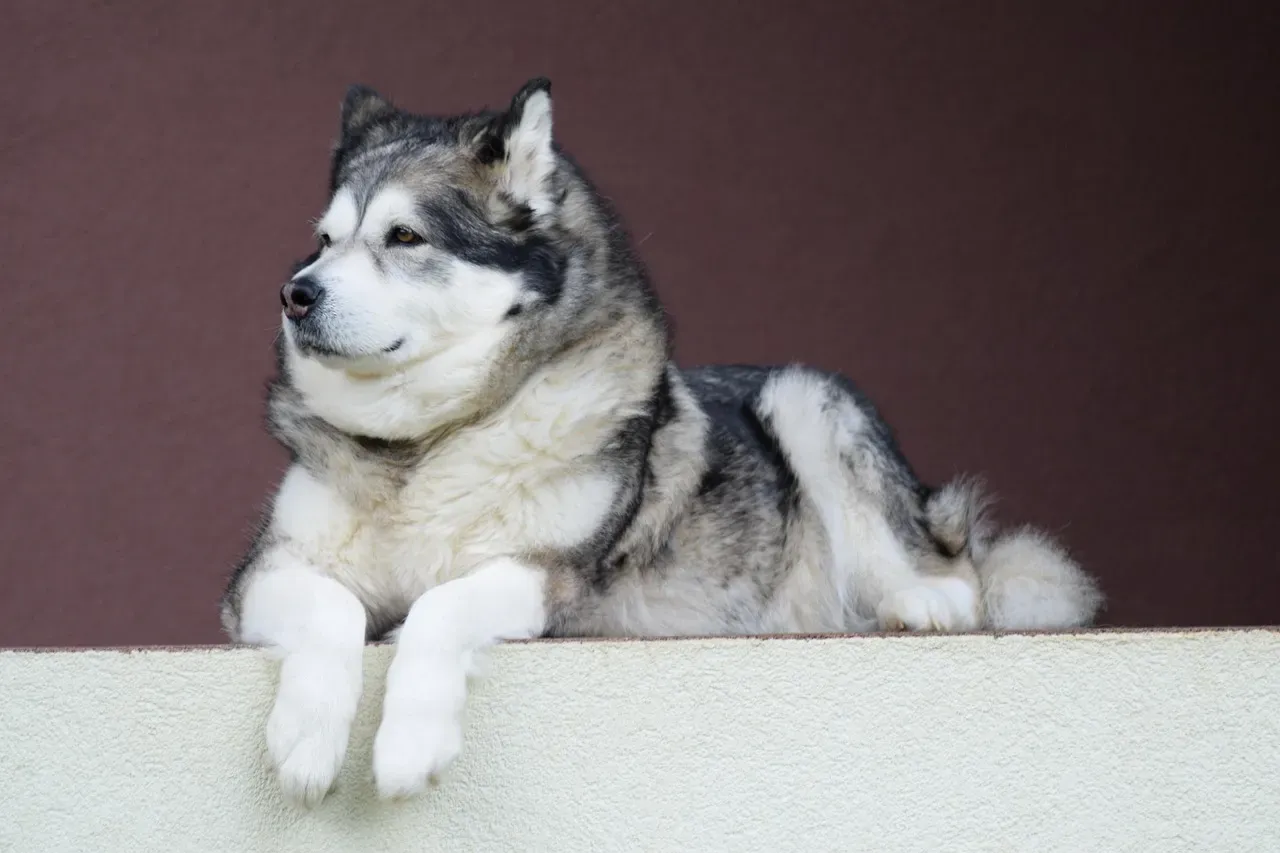
Alaskan Malamutes look like giant teddy bears, but many have a big, pushy, working-dog personality that doesn’t mix well with other animals. They can be same-sex aggressive and have a strong prey drive toward smaller pets like cats, rabbits, or even very small dogs. Add their size and power, and it’s easy to see why multi-pet setups can get risky fast.
In a home where they’re the only pet, a Malamute can focus all that energy on their humans and on healthy outlets like pulling, hiking, or long runs. There’s no tension over food bowls, no competition for space on the couch, and a lot less opportunity for conflict. If you want a big, dramatic, emotionally expressive dog who does life at full volume, they’re often best kept as an only animal.
6. Basenji
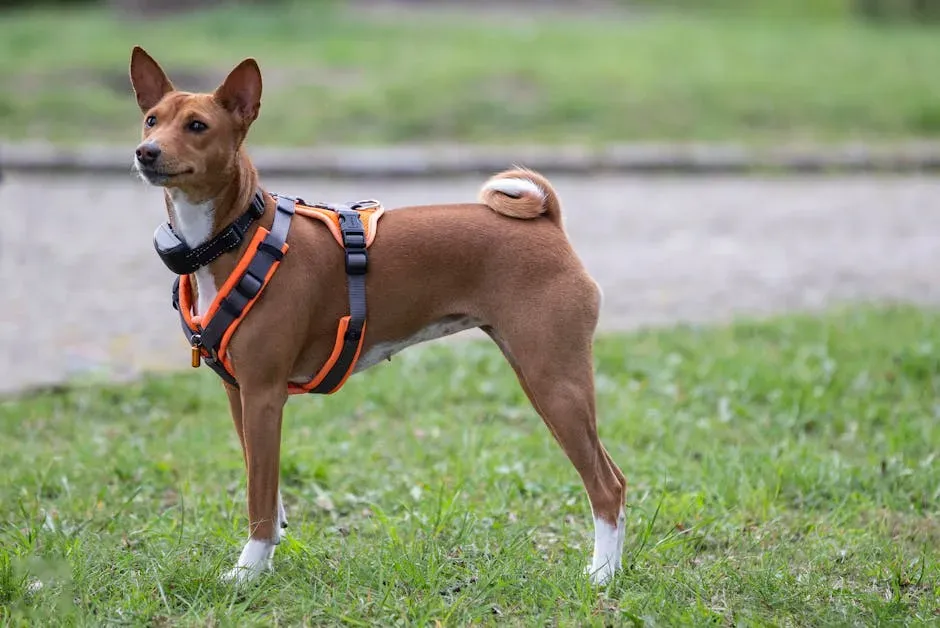
Basenjis are clever, cat-like, and often described as emotionally reserved with strangers but devoted to their chosen people. Many have a strong hunting instinct and a low tolerance for rude or overly playful dogs. They’re not always interested in wrestling or sharing resources, and they can become snappy or stressed in crowded, noisy multi-dog homes.
Give a Basenji a quiet environment and the freedom to structure their own little routines, and they usually become much more affectionate and engaging. Without the constant friction of other pets, their mischievous, curious nature becomes fun instead of frustrating. For these “barkless” dogs, a peaceful, one-pet household often feels like the right balance between stimulation and serenity.
7. Jack Russell Terrier (and Similar High-Drive Terriers)
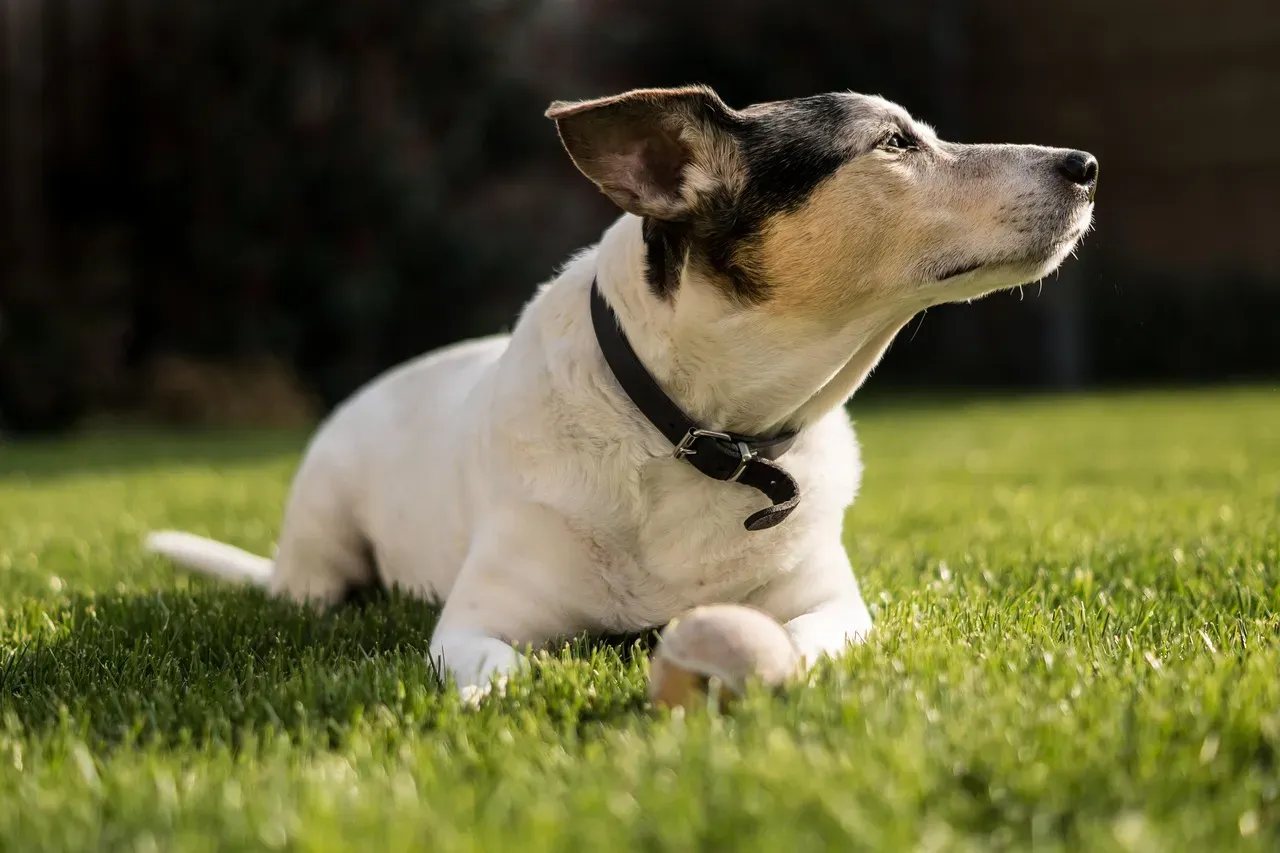
Jack Russells and their close terrier cousins are like espresso in dog form: small bodies, huge drive, and a strong instinct to chase and hunt. That intensity can spill over into how they interact with other pets, especially small animals like cats, rodents, and birds. Even with other dogs, their high energy and fearless attitude can lead to constant squabbles or full-on fights.
As only pets, high-drive terriers can direct that intensity into training, games, agility, or long adventures with their humans instead of policing other animals. They usually appreciate clear rules, one-on-one attention, and the freedom to be their wild, determined selves without constant social tension. If you love a smart, spicy dog but don’t want household drama, keeping a Jack Russell solo is often the kindest choice for everyone.
8. Chow Chow
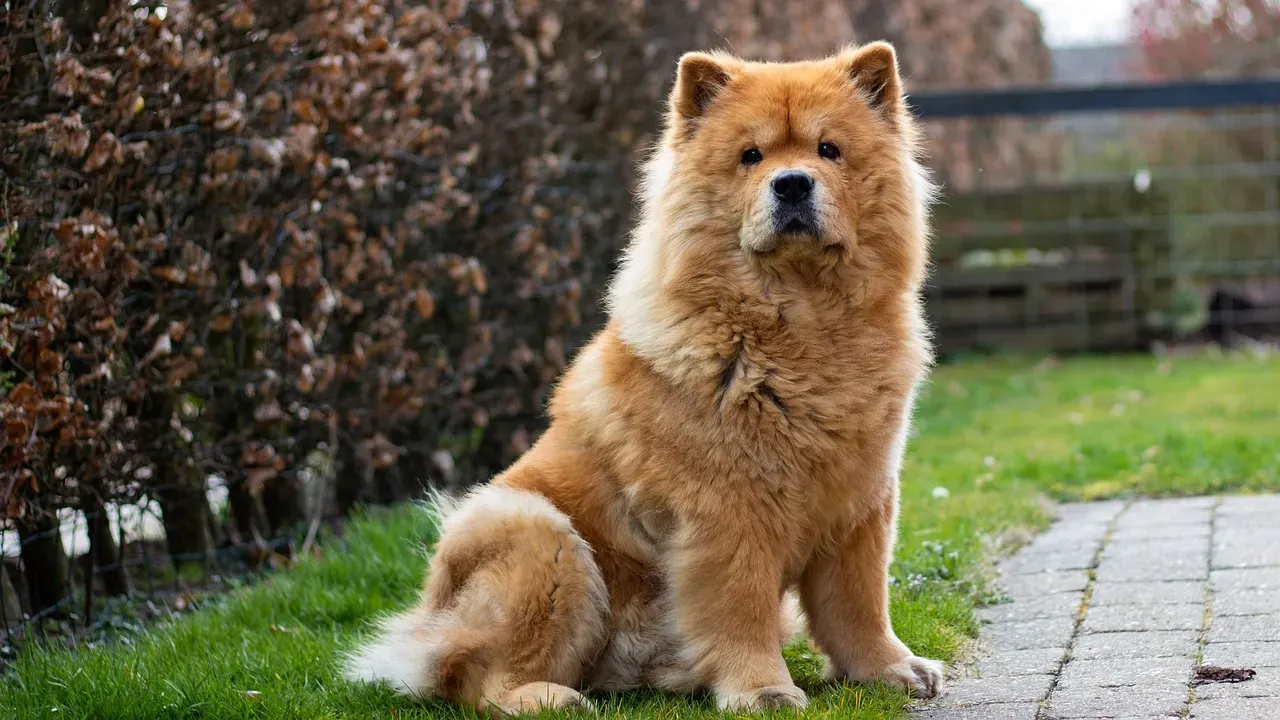
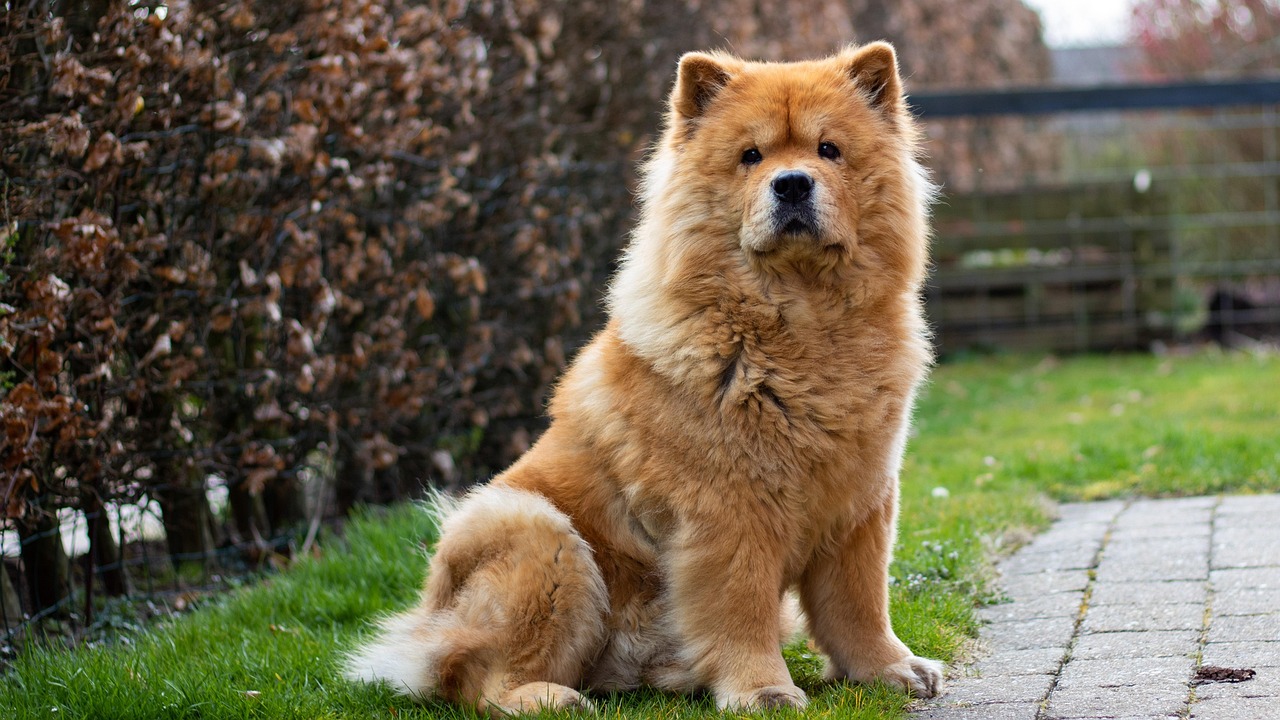
Chow Chows carry themselves like royalty and often behave more like aloof, dignified cats than typical dogs. They can be very loyal and affectionate toward their immediate family, but indifferent or even intolerant of unfamiliar dogs and other pets. Many Chows simply don’t enjoy crowded spaces, chaotic play, or sharing their humans’ attention too widely.
In a one-pet home, their world becomes simpler and easier to predict, and that’s where they tend to thrive. They can settle into a stable routine, learn to trust their people more deeply, and enjoy affection on their own terms. For a Chow, being an only pet is less about dominance and more about honoring their naturally reserved, self-contained personality.
9. Greyhound (Especially Ex-Racers)
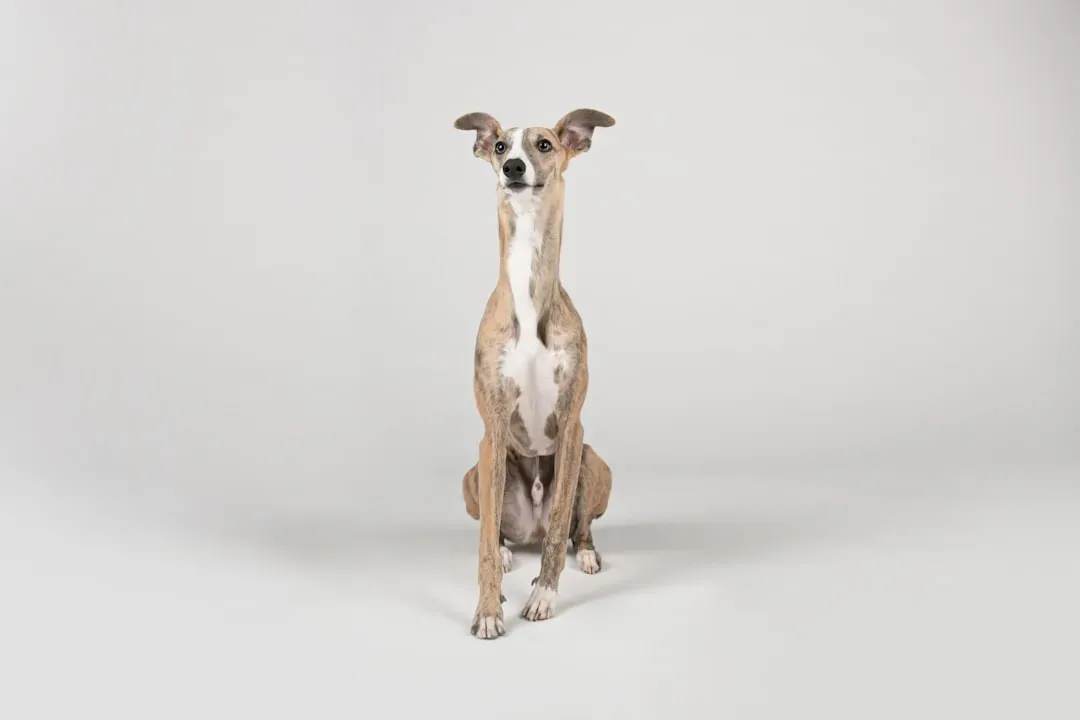
Greyhounds might surprise some people by showing up on a list like this, because many get along just fine with other dogs. But a significant number, especially ex-racing Greyhounds, have strong prey drives or specific triggers, and can struggle living with small dogs or cats. Some ex-racers are also easily overwhelmed and just don’t want the extra noise and stimulation of other pets.
When a Greyhound is placed in a quiet, one-dog household that respects their need for soft bedding, routine, and gentle handling, they often decompress beautifully. They get to enjoy their legendary couch-potato lifestyle without being startled or pestered by roommates. For many of these sensitive, sweet dogs, a solo setup feels like a well-earned retirement package.
10. American Pit Bull Terrier (and Similar Bull Breeds)
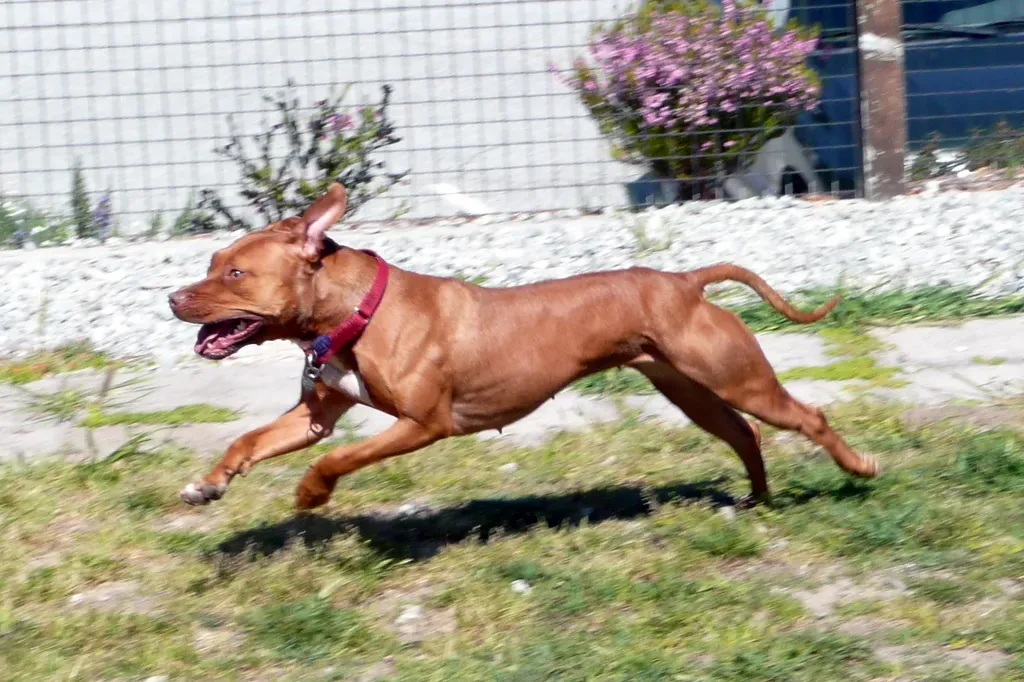
Many bull breeds are incredibly loving with humans but were historically selected with dog-on-dog aggression in mind. Even when raised carefully, some simply do not enjoy other dogs in their space and are more prone to escalating conflicts. That does not make them monsters; it just means their wiring often clashes with the fantasy of carefree dog parks and multi-dog households.
As only pets, many Pit Bull–type dogs become stable, affectionate, goofy companions without the added stress of managing other animals. You can control their environment more easily, focus on training and enrichment, and prevent situations that might push them past their limits. For a lot of these dogs, being the star of a one-dog show is not spoiling them – it is how you keep them safe, confident, and truly happy.
Conclusion: Choosing Peace Over the “Perfect” Pack
There’s a lot of pressure to believe that a “happy dog” automatically means multiple pets, constant playdates, and chaotic, social-media-ready scenes. But for the breeds on this list, that dream can quietly turn into a nightmare of stress, fights, and behavior issues. Some dogs want a village; others want a quiet house, a single toothbrush, and a one-on-one relationship with their person.
If you’ve got (or want) a dog who’s calmer, kinder, and more themselves as an only pet, that’s not a failure – it’s you listening to who they really are. When we drop the idea that every dog needs a best furry friend, we open up space for deeper, calmer, more honest bonds. In the end, would you rather chase an idealized picture of “the perfect pack,” or build the kind of home where your particular dog can finally exhale?


