
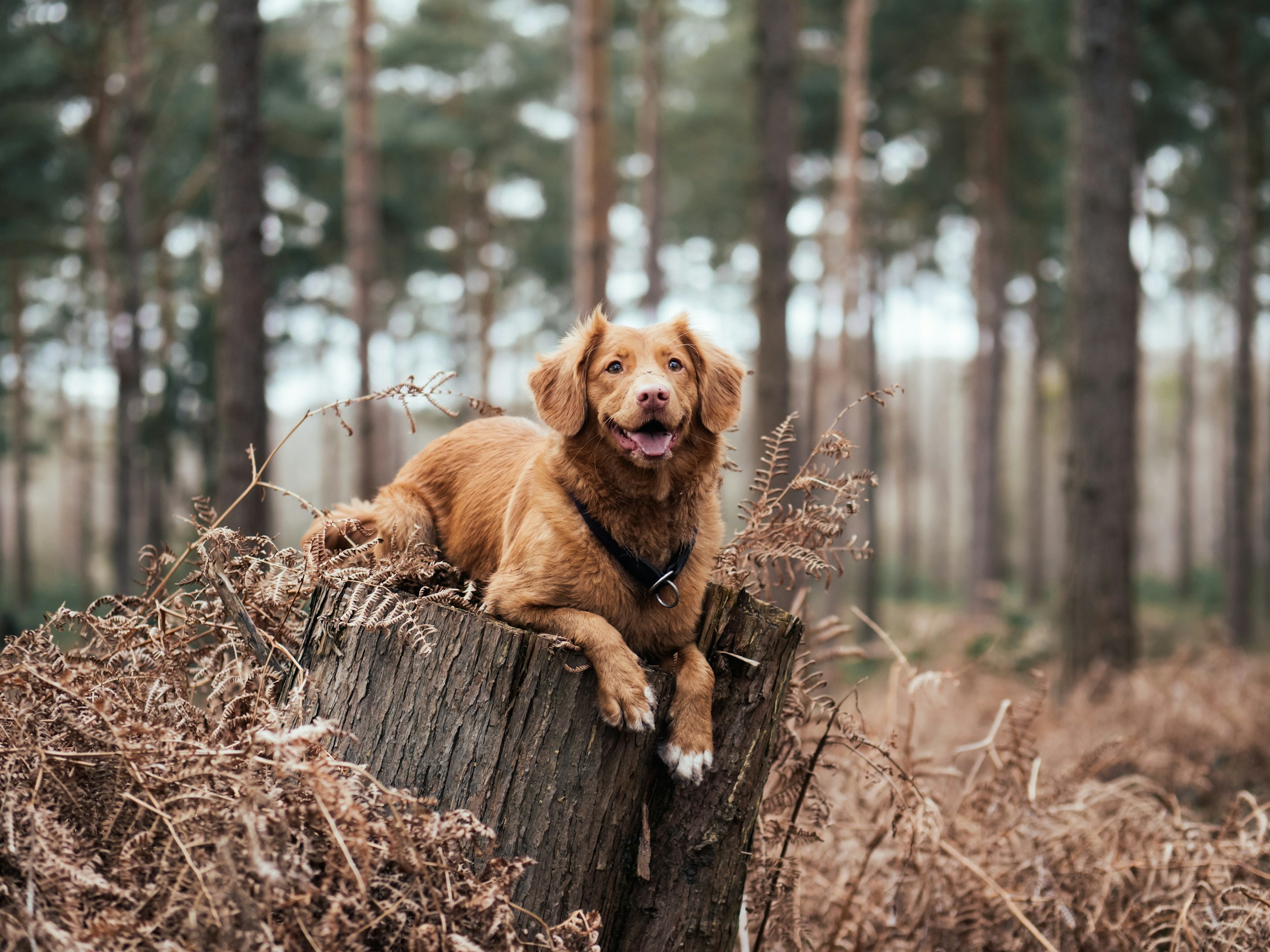
Imagine hiding a treat under one of two cups and simply pointing to the right one. A wolf stares, confused, a chimp looks back and forth, but your dog trots straight to the correct cup like it has known this game forever. That is not just a cute party trick; it is the tip of a very deep scientific iceberg about how dogs understand us. What seems ordinary to dog owners is, in fact, one of the strangest and most revealing findings in modern animal cognition research.
For years, scientists assumed our closest relatives, the great apes, would be best at understanding human gestures. Yet study after study has shown that domesticated dogs often beat chimpanzees and even human-raised wolves at reading a simple human point to find hidden food. That flips a lot of old assumptions on their head. Why would a species we did not even take seriously for decades in science be quietly outsmarting chimps at a task that depends on understanding us?
The Surprising Superpower Hidden in an Everyday Dog Trick
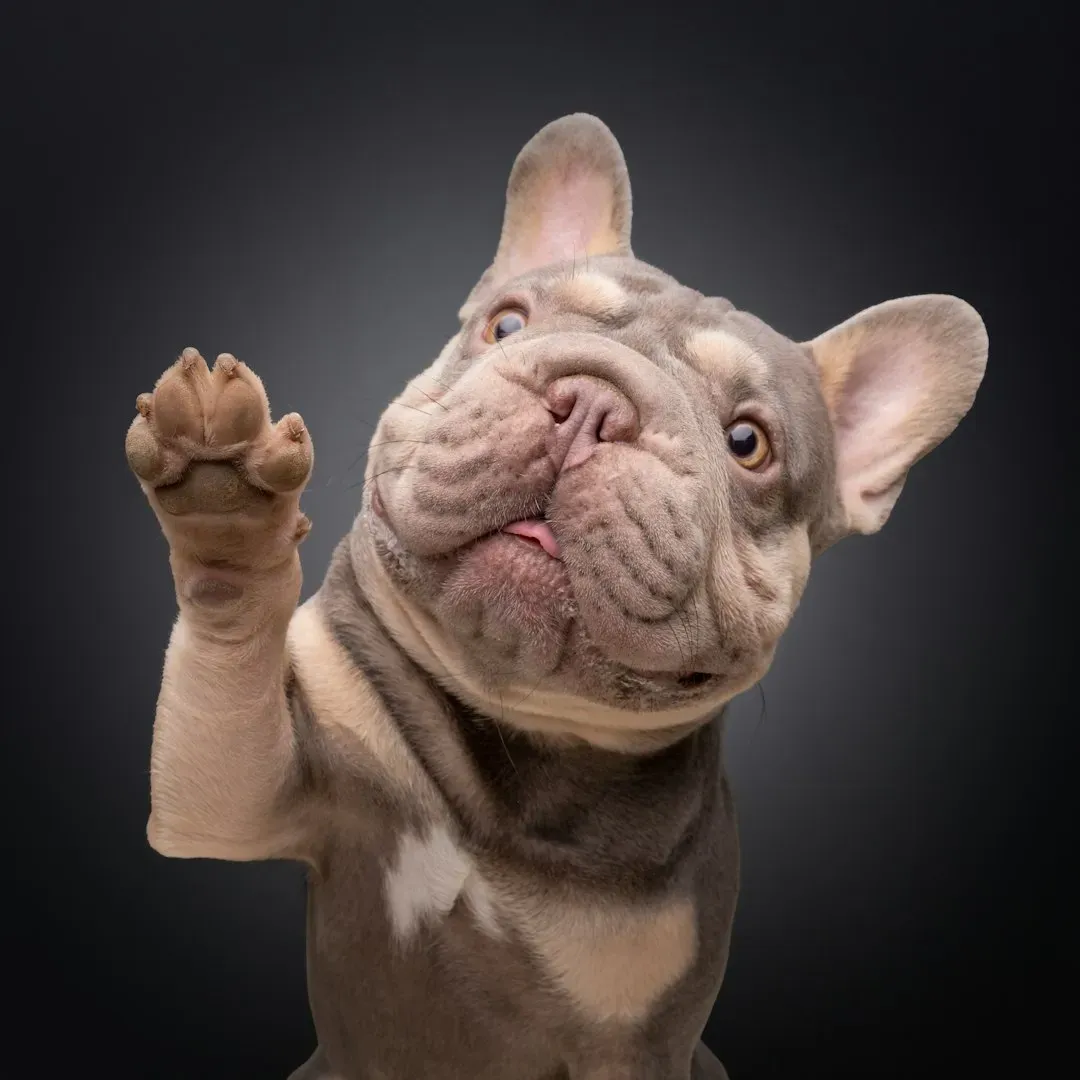
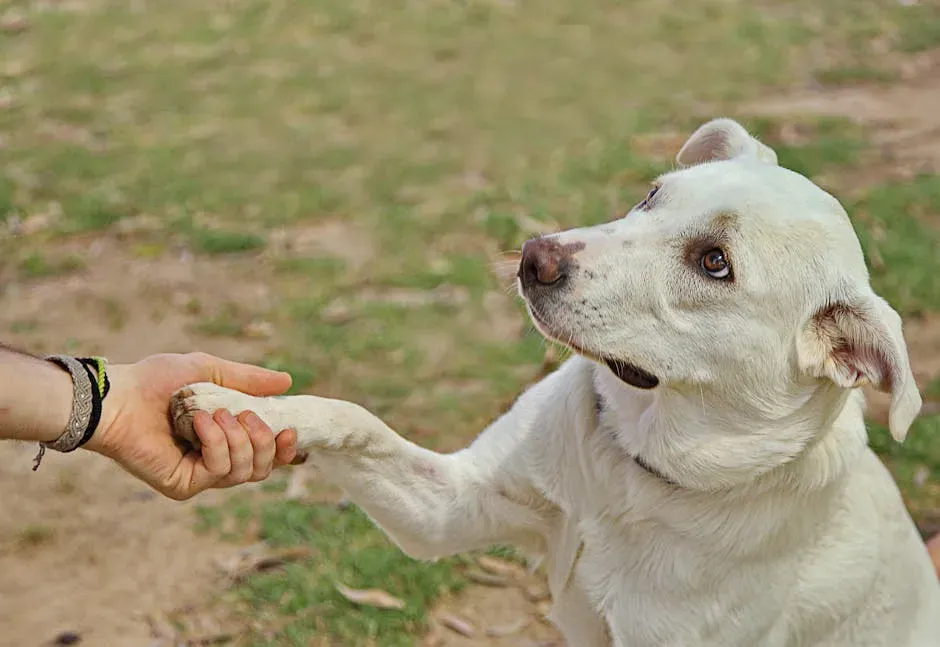
It is easy to shrug off when a dog follows a pointing finger; we see it nearly every day at home, in parks, in viral videos. But when you place that behavior in a controlled experiment, it becomes clear that something special is going on. Scientists set up simple tests: two containers, one piece of food, and a person who knows where the food is hidden. The human points, glances, or even nods toward the correct container to see whether the animal understands the cue.
Across many studies, even puppies with little training tend to choose the correct container at rates far above random chance when humans point. That is not just obedience; often the dog has never been explicitly taught, “follow a pointing hand to get food.” Instead, the dog treats the gesture as meaningful information, as if our body language is a second language it has quietly picked up by living alongside us. When you see it through that lens, everyday dog behavior suddenly looks a lot more like a superpower that we have been underestimating.
Dogs vs. Wolves: The Domestication Twist No One Saw Coming
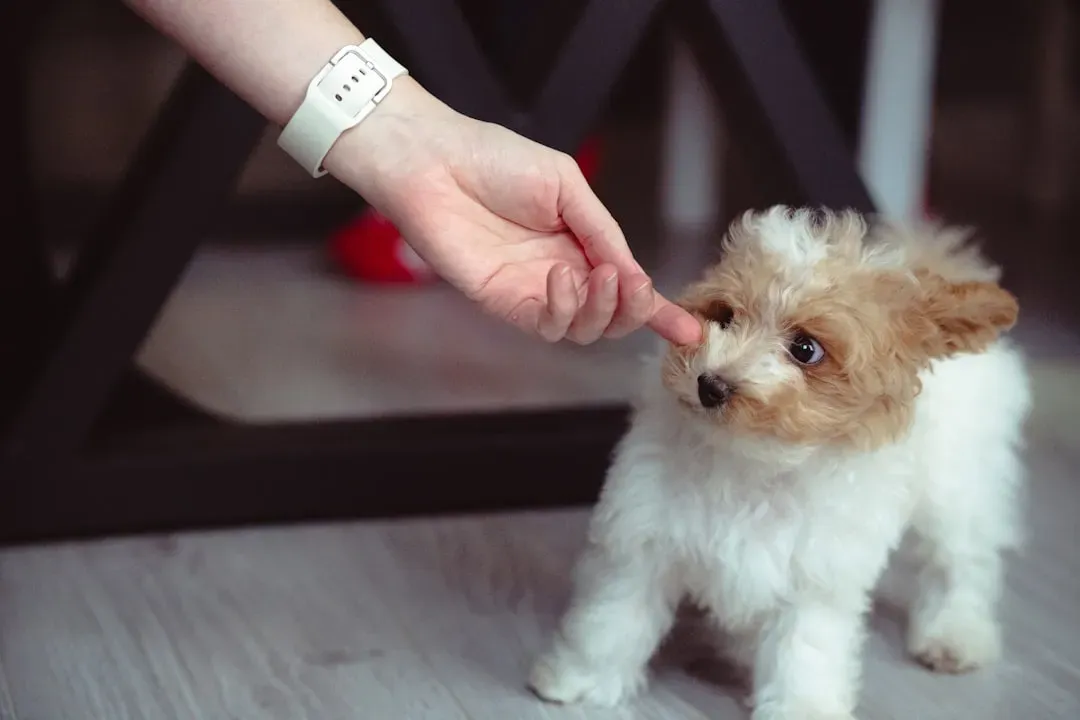
You might expect wolves, the ancestors of dogs, to be just as skillful at reading human gestures, especially if they have been socialized with people. They share most of their DNA, their basic anatomy, and a lot of their behaviors. Yet research comparing pet dogs with human-raised wolves has consistently shown a striking pattern: dogs are more likely to follow a pointing finger correctly, while wolves often ignore the gesture or do not use it reliably to find the hidden food.
That gap matters. It suggests that domestication did more than just soften wolves into friendlier companions; it appears to have reshaped how dogs pay attention to people. Over thousands of years, humans did not just select for tameness and usefulness; we accidentally or intentionally selected for animals that could read us, almost like a social partner. The result is that, in a very specific kind of social intelligence tuned to our signals, modern dogs outshine their own wild relatives, even when those wolves are individually familiar with humans.
Outperforming Chimpanzees: How Can Dogs Beat Our Closest Relatives?
Here’s the truly mind-bending part: in classic pointing experiments, dogs often outperform chimpanzees, even though chimps share a far greater chunk of our DNA and have incredibly complex minds. When chimps are tested in similar setups, they may not consistently use a human pointing gesture to locate hidden food, or they may rely on other strategies instead. While they are capable of sophisticated problem-solving, this particular social skill seems oddly difficult for them.
Dogs, on the other hand, tend to treat human pointing as an obvious clue. It is as if our dogs see our arm and finger as an arrow leading to a reward, while chimps see a random movement that is not worth trusting. This does not mean dogs are overall “smarter” than chimpanzees; chimps can excel in tasks dogs would utterly fail at, such as complex tool use. But it does mean dog intelligence is deeply specialized for reading human beings in ways our primate relatives are not. That alone should make us rethink what it means to be “intelligent.”
Why Domestication Turned Dogs into Human-Reading Specialists
The leading explanation is that domestication acted like a powerful, long-term experiment in social evolution. Early humans likely favored animals that were calm around people, easy to handle, and responsive to our signals – whether we were pointing to prey, indicating boundaries, or just calling them over. Over many generations, individuals that were better at picking up on human cues had an edge, surviving and reproducing more successfully in a human-shaped world.
Some scientists have even drawn parallels between dogs and human infants. Young children, long before they can speak, are very sensitive to pointing, gaze direction, and subtle social hints. Dogs seem to show a similar sensitivity, as if they stayed frozen at a socially attentive stage that works perfectly in our homes and communities. In that sense, domestication did not just change dogs’ bodies; it fine-tuned their minds to lock onto human faces, follow our gestures, and treat us not just as dominant animals, but as partners worth listening to.
What This Tells Us About Animal Minds and Human Uniqueness
These pointing experiments punch a hole in the idea that intelligence is a single ladder with humans on top, apes beneath, and everything else far below. Instead, they reveal a mosaic: different species are brilliant in different directions, shaped by their unique survival challenges. Chimpanzees evolved for life in complex forests, with social negotiations, tool use, and competition that reward one kind of cognition. Dogs evolved, with our help, for life inside and around human groups, where reading our intentions is a matter of daily survival and comfort.
There is also a humbling twist for us. We like to think we alone decide which animals matter and which do not, but the way dogs grasp our pointing suggests they have quietly been studying us for thousands of years. They are not just reacting; they are interpreting. When your dog correctly follows your pointing gesture, it is using a kind of social reasoning that fits surprisingly snugly into what we value as “understanding.” That blurs the line between human and non-human minds more than many people are comfortable admitting.
How This Changes Our Relationship With Dogs in Everyday Life
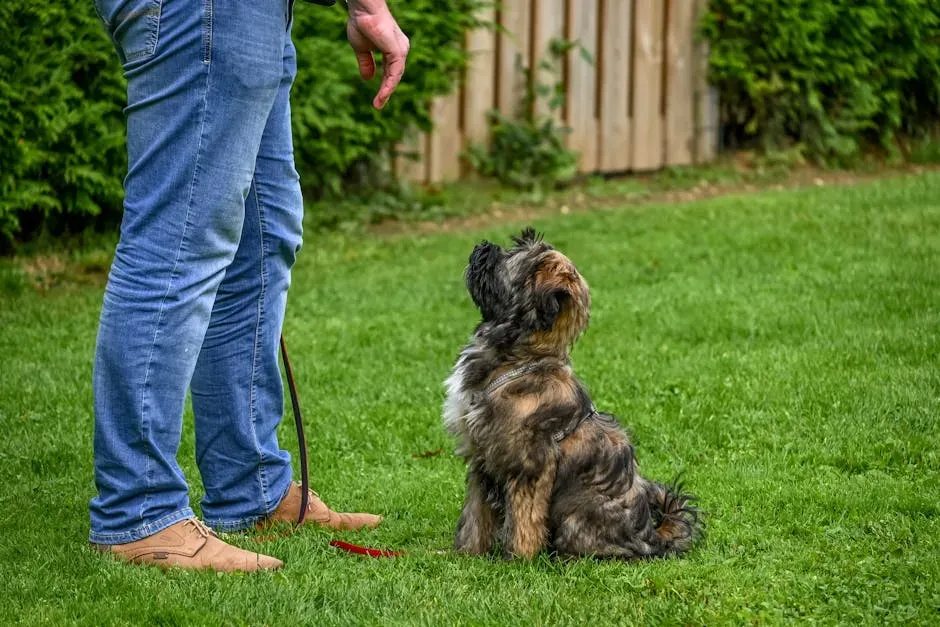
Once you realize how tuned-in dogs are to our gestures, it becomes almost impossible to see them the same way again. That quick glance they give you before deciding which way to run, that pause when you nod toward the door, even the way they check your face during a walk – all of that is part of a rich, ongoing conversation. You are constantly sending signals, often without meaning to, and your dog is constantly decoding them, turning your hand waves, body turns, and eye movements into decisions about what to do next.
For training and welfare, this is huge. It means that leaning more on clear, consistent body language is not a gimmick; it is directly aligned with how dogs naturally understand us. Instead of assuming they are being stubborn or disobedient, it might be more accurate to say they are trying to make sense of mixed signals from an animal – us – who is not always very good at communicating clearly. When you start treating your dog as a partner who is actively reading you, not just a furry robot following commands, the relationship deepens in a way that feels almost uncanny.
Opinionated Conclusion: Dogs as Our Co-Evolved Social Mirrors
To me, the fact that dogs beat both wolves and chimpanzees at following a simple human point is not just a neat trivia fact; it is a quiet revolution in how we see our place in nature. It says that intelligence is not only about raw brainpower or genetic closeness to humans, but about shared history, cooperation, and mutual attention. Dogs have essentially become social mirrors for us, reflecting back our gestures, our moods, and even our clumsy attempts at communication with an accuracy that our closest primate cousins simply do not match in this particular arena.
That is why I think we should stop treating dogs as side characters in the story of human evolution and start recognizing them as co-authors. We shaped them, yes, but they have also shaped us – emotionally, socially, and even scientifically, by forcing us to rewrite what we thought we knew about animal minds. The next time your dog follows your pointing hand to a hidden treat, you are not just watching a cute trick; you are witnessing the outcome of thousands of years of shared evolution in one tiny, wagging moment. Honestly, were you expecting dogs to beat chimps at that game?


