
Some dogs seem to burn bright and fast, while others just keep going like the canine version of a vintage car that never breaks down. If you’ve ever met a spry 15‑year‑old pup trotting down the sidewalk like a teenager, you know how magical that kind of longevity feels. It is not just about living longer, though – it is about staying playful, sharp, and comfortable for as many of those years as possible.
That’s what makes these long‑lived dog breeds so special. They are not immortal, and of course every individual dog is different, but these breeds are well known for often reaching their mid‑teens (and sometimes beyond) with the right care. Some are tiny, some are surprisingly sturdy, and a few might catch you off guard. Let’s walk through 15 breeds that are famous for stretching out the good years – and look at what actually helps them stay healthy well into old age.
1. Chihuahua: Tiny Body, Big Lifespan

Chihuahuas are one of the first breeds people mention when they talk about long‑lived dogs, and for good reason: it is common for them to reach their mid‑teens, and some sail past that into late‑teen territory. Their small size puts less strain on their joints and heart, which is one reason many Chihuahuas stay spry for so long. You will often see an older Chi still doing zoomies around the living room like it is no big deal.
That does not mean they are effortless to care for. Dental issues, patellar luxation (loose kneecaps), and heart conditions can creep up if you are not paying attention. Regular vet checkups, keeping their weight in check, and not spoiling them with too many calorie‑dense treats can make a huge difference. A Chihuahua with a sensible diet, daily movement, and good dental care can feel like a forever puppy in a senior body.
2. Dachshund: The Long Dog With a Long Life

Dachshunds – the classic “sausage dogs” – often live well into their teens when managed carefully. Despite their comical proportions, many Dachshunds are surprisingly tough and alert in old age, still sniffing every corner of the park like little detectives. Their lively personalities can make it easy to forget just how old they really are.
The drawback of that long back is the risk of spinal problems, especially if they jump off furniture or carry too much extra weight. Owners who use ramps, keep them lean, and avoid rough play that stresses the spine often see their Dachshunds stay mobile much longer. Think of them like a sports car: brilliant and fun, as long as you respect the design and do the maintenance.
3. Toy Poodle: Smart, Sensitive, and Surprisingly Hardy
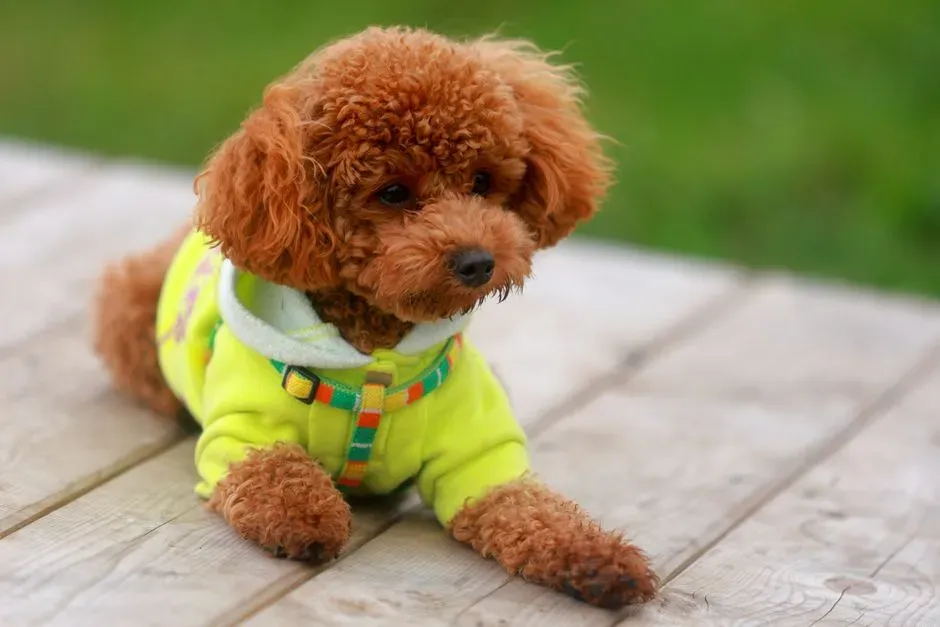
Toy Poodles combine two things that age well: a small frame and a sharp brain. It is not unusual to meet a Toy Poodle at 14 or 15 years old who is still learning new tricks, which honestly feels a bit unfair compared to how quickly humans forget where they put their keys. Their intelligence seems to keep them engaged with the world even as their bodies slow down a bit.
Like many long‑lived breeds, they can be prone to dental disease and eye issues, and some lines may have heart or joint concerns. Regular grooming is not just about looking cute; it helps you and your groomer spot lumps, skin changes, or stiffness early. Combine that with mentally stimulating games, gentle exercise, and a high‑quality diet, and a Toy Poodle can stay pretty ageless for a long time.
4. Jack Russell Terrier (and Parson Russell): Endless Energy, Lasting Health

Jack Russell Terriers have a reputation for being little chaos machines, but that same energy often comes with serious staying power. Many Jacks and their close cousins, Parson Russell Terriers, keep their active, busy personalities deep into their senior years. You will see 13‑year‑old JRTs still chasing balls like it is their life’s mission.
They are generally a robust, athletic breed, though they can be prone to eye issues and joint wear‑and‑tear from all that jumping and sprinting. Owners who channel that drive into structured exercise rather than just letting them bounce off the walls tend to have healthier, calmer seniors. Mental work – nose games, puzzle toys, training sessions – keeps their very busy brains from sliding into boredom and anxiety as they age.
5. Shih Tzu: The Little Lion With a Long Reign

Shih Tzus often look more like royalty than rugged survivors, but they are one of those toy breeds that just quietly keep going. Many Shih Tzus live well into their mid‑teens, padding around the house like wise old souls with a sense of humor. Their temperament tends to be gentle and adaptable, which can help them handle the slower pace of old age gracefully.
They do, however, need consistent grooming and eye care; that beautiful face and coat can hide problems if you are not watching closely. Dental care is also a big deal for them. When owners stay on top of brushing, trims, and regular health checks, a Shih Tzu often ages like a classic movie star – moving a little slower, maybe, but still undeniably charming.
6. Maltese: A Cloud of Fur With Staying Power

The Maltese looks delicate, but beneath the silky white coat is a surprisingly sturdy little dog that often reaches the mid‑teens. They are typically affectionate, people‑focused dogs, and that close bond means owners tend to notice any subtle changes early. That early detection is a big reason many Maltese stay in good health for so long.
Like most toy breeds, they are vulnerable to dental problems and may develop heart or joint issues as they age. Keeping them lean, brushing their teeth, and choosing a vet who is proactive about senior bloodwork can give you a lot more good years together. When well cared for, a Maltese often shifts from playful youngster to gentle, cuddly elder without ever feeling truly “old.”
7. Yorkshire Terrier: Tiny Terrier, Big Lifespan

Yorkshire Terriers are another small breed frequently associated with impressive longevity. Many Yorkies reach their mid‑teens, and some push past that, still strutting around with that terrier confidence. They tend to have big personalities inside a small body, and that feisty attitude often sticks around long after the muzzle goes gray.
They are prone to dental issues, collapsing trachea, and sometimes fragile joints, so the way you handle and protect them really matters. Using a harness instead of a collar, feeding appropriately sized kibble, and scheduling regular dental cleanings can significantly improve their quality of life in later years. A well‑managed Yorkie can be that classic “still going strong” story you tell your friends about.
8. Papillon: Butterfly Ears, Iron Constitution
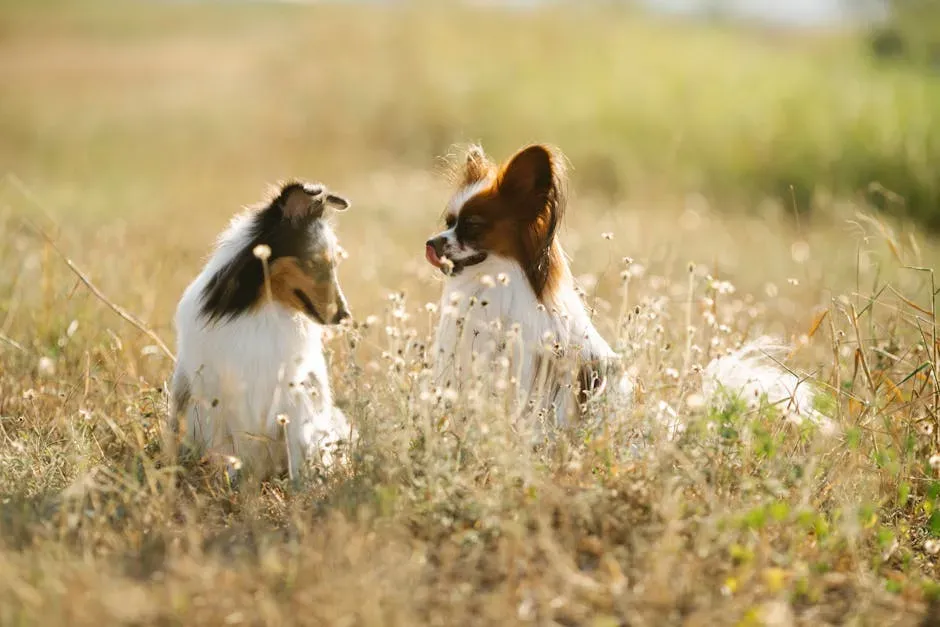
The Papillon might not be as common at the dog park, but people who know the breed often rave about their longevity. They are light, athletic, and incredibly alert, which all work in their favor as they age. Many Papillons stay sharp, agile, and eager to learn tricks long after other dogs might be slowing down.
They can have some of the usual small‑breed concerns like dental disease and patellar luxation, but overall they tend to be a healthy breed when responsibly bred. What really helps them thrive is a lifestyle that includes both mental and physical activity – things like agility, trick training, or simple backyard games. If you like the idea of a senior dog who still demands to practice new moves, the Papillon is that kind of companion.
9. Miniature Schnauzer: The Bearded Senior Athlete
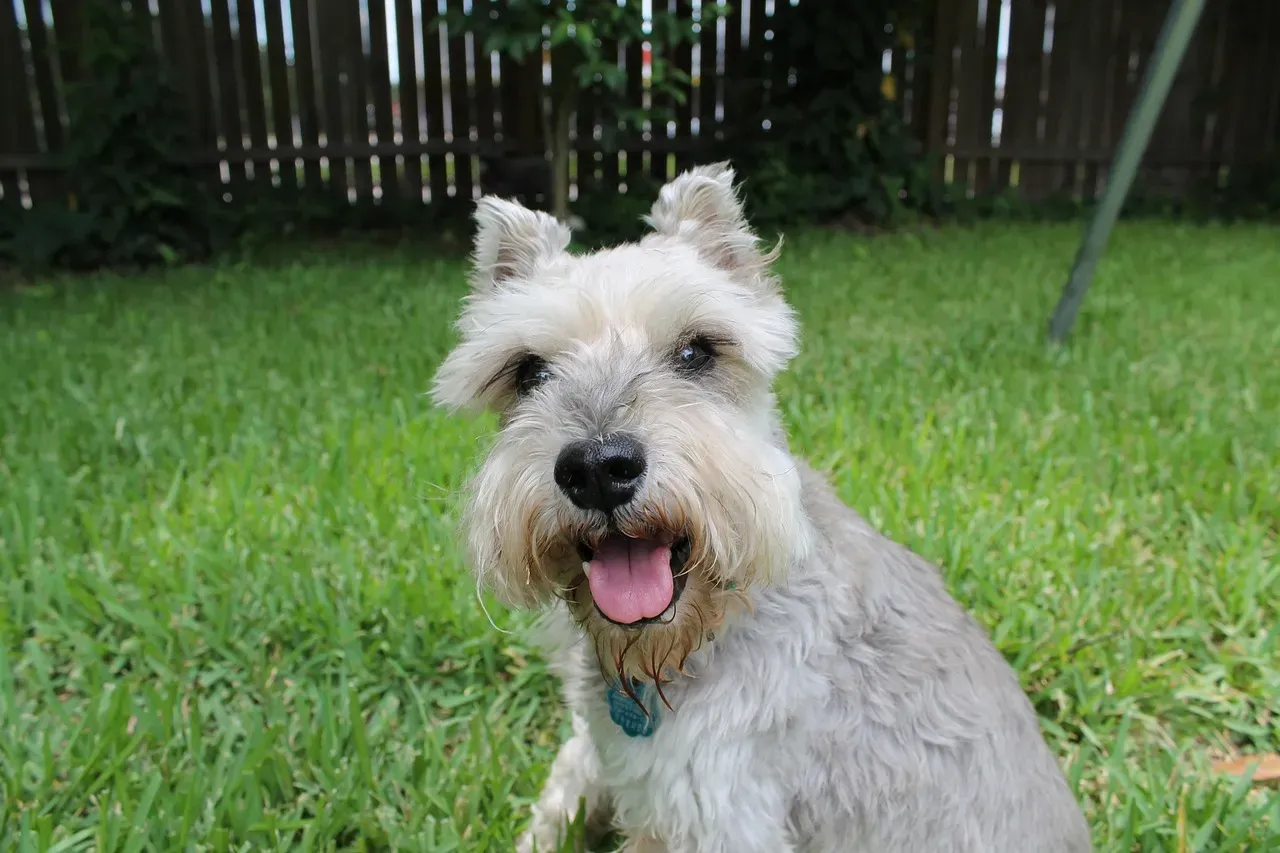
Miniature Schnauzers often age like sturdy little athletes, especially if they are kept at a healthy weight and given plenty of exercise. Many live into their early to mid‑teens and remain fairly active and engaged. Their distinctive beards and eyebrows just get more dramatic with age, giving them that wise, slightly grumpy professor look.
On the health side, they can be prone to issues like pancreatitis, diabetes, and certain lipid disorders, so diet and regular bloodwork matter a lot. A carefully managed feeding plan, limited high‑fat treats, and consistent vet monitoring can dramatically change how comfortable their senior years are. When you get that right, a Mini Schnauzer can be one of the most fun and lively older dogs to live with.
10. Beagle: A Scent Hound That Keeps On Going

Beagles are not the first breed many people think of for long lifespans, but a well‑cared‑for Beagle can absolutely reach a solid old age while staying relatively active. Their medium‑small size and generally hardy build work in their favor, and their cheerful, food‑motivated personalities keep them very engaged with daily life. You will often see older Beagles still trotting along, noses glued to the ground.
Their Achilles’ heel is weight. Because they love food and have a good appetite, it is incredibly easy for a Beagle to become overweight, which shortens lifespan and worsens joint and heart issues. Owners who are tough about portion control and make exercise non‑negotiable often end up with lean, energetic seniors who still insist on following every scent trail, even if it now takes them a bit longer.
11. Shetland Sheepdog: Graceful, Sensitive, and Long‑Lived
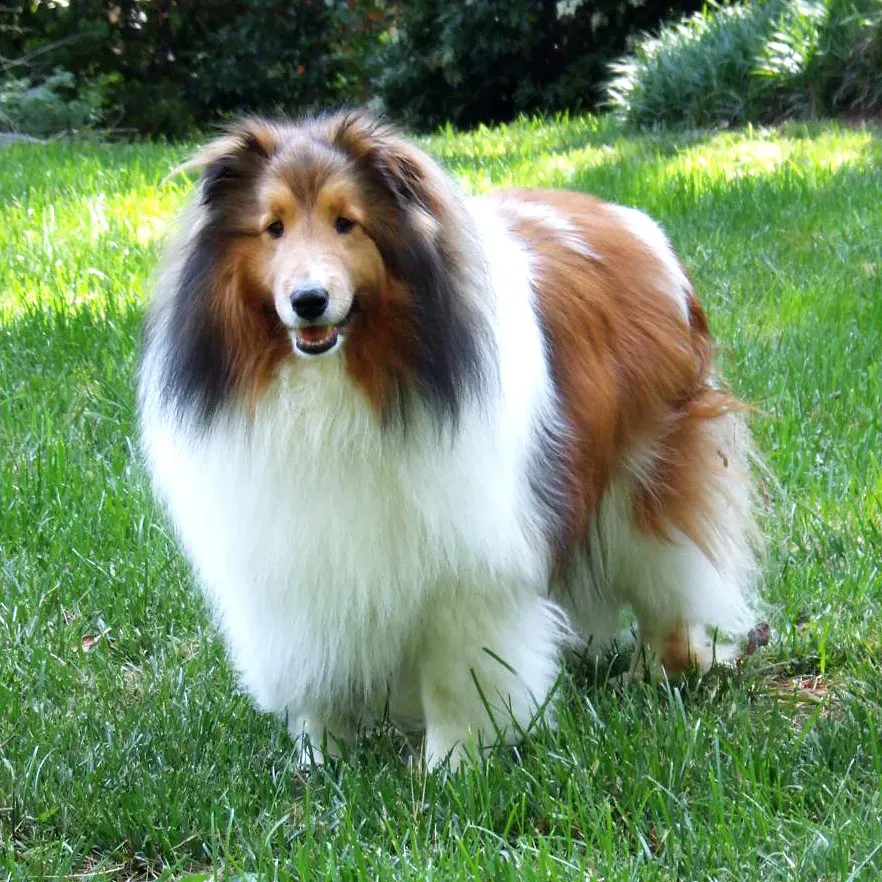
Shetland Sheepdogs, or Shelties, may surprise people who assume medium‑sized herding dogs burn out faster. In reality, many Shelties live well into their teens and age quite gracefully. They are often highly trainable, sensitive, and eager to please, which means they tend to stay mentally sharp and connected to their people throughout their lives.
Health‑wise, they can be prone to eye problems, thyroid issues, and some genetic conditions, so choosing a reputable breeder and regular checkups is important. A Sheltie with a balanced diet, consistent moderate exercise, and mental enrichment (like obedience, trick training, or herding‑style games) can be one of the most rewarding senior dogs. Watching an older Sheltie calmly survey a room, like a retired manager making sure everything runs smoothly, is strangely comforting.
12. Border Terrier: Tough Little Companion With Staying Power
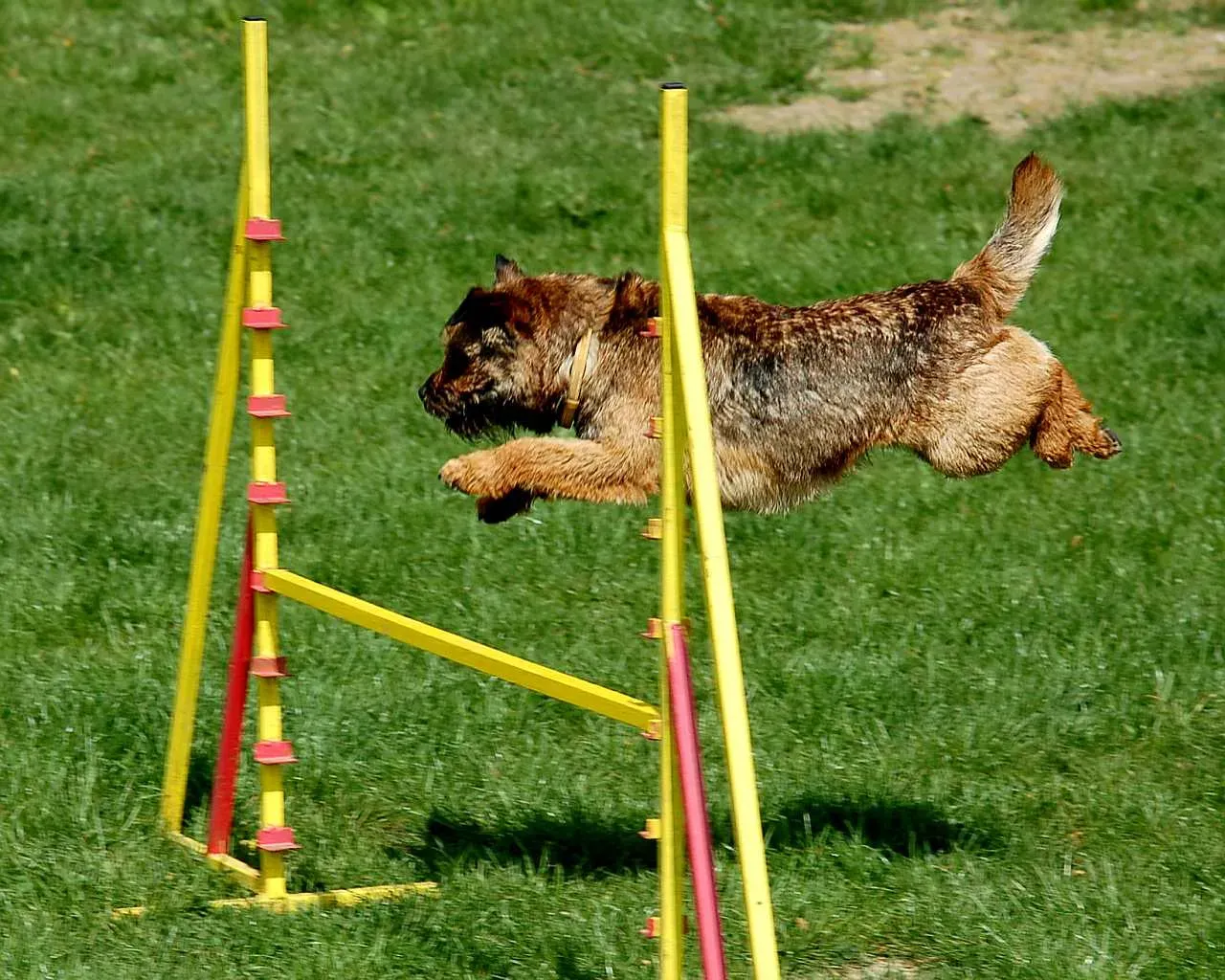
Border Terriers are not as flashy as some other breeds, but they quietly rack up a lot of solid, healthy years. They were originally bred as working terriers, and that background left them with a robust, weather‑resistant body and a practical kind of stamina. Many Borders live into their teens and stay surprisingly agile and curious along the way.
They do benefit from good weight control and plenty of exercise; if you let a Border Terrier turn into a couch potato, you are wasting a wonderful trait set. Common concerns include dental issues and the usual senior dog problems, but overall they are known as a relatively healthy breed. Give them regular walks, interesting smells, and sensible vet care, and you will likely end up with a scruffy little old friend who still insists on coming along for every adventure.
13. Lhasa Apso: Ancient Watchdog, Long Modern Life
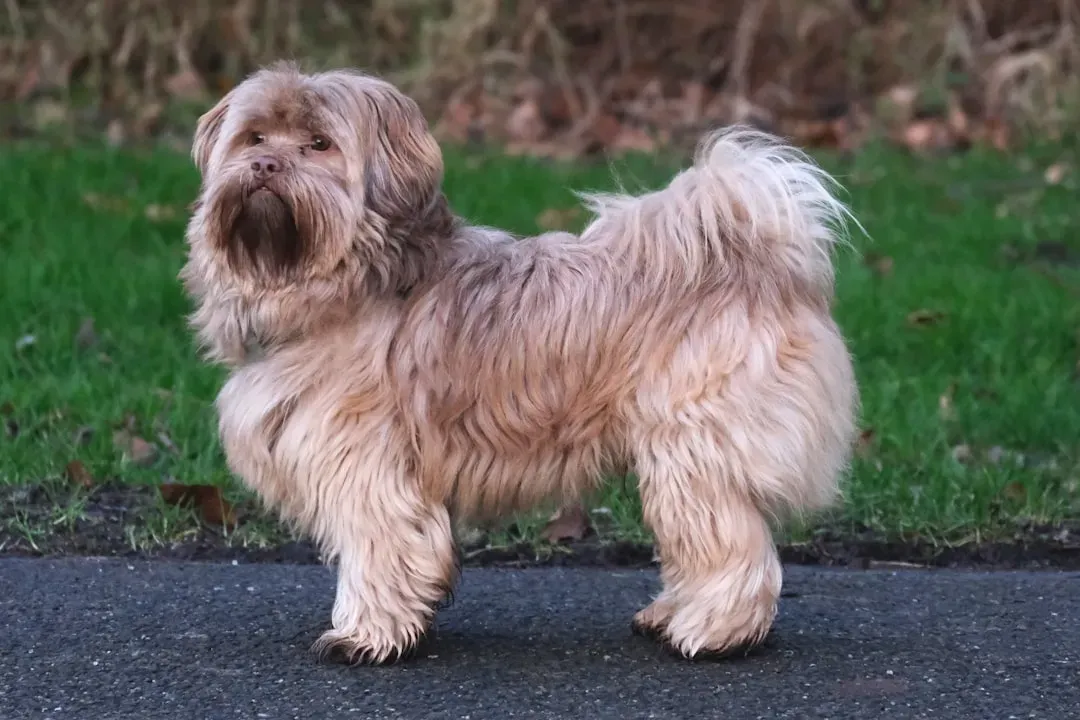
The Lhasa Apso originated as a sentinel dog in Tibetan monasteries, and they seem to have brought that calm, watchful energy into modern life. Many Lhasas live into their mid‑teens, and even as seniors they often retain a dignified, slightly aloof presence. They tend to bond closely with their families and may stay protective and alert well into old age.
They do have grooming needs similar to Shih Tzus and can develop eye and skin issues if their coats are not well maintained. Still, with regular trims, good nutrition, and preventative veterinary care, Lhasas can be surprisingly low‑drama as they age. If you like the idea of an older dog who spends the day quietly observing everything like a tiny philosopher, the Lhasa Apso fits that role beautifully.
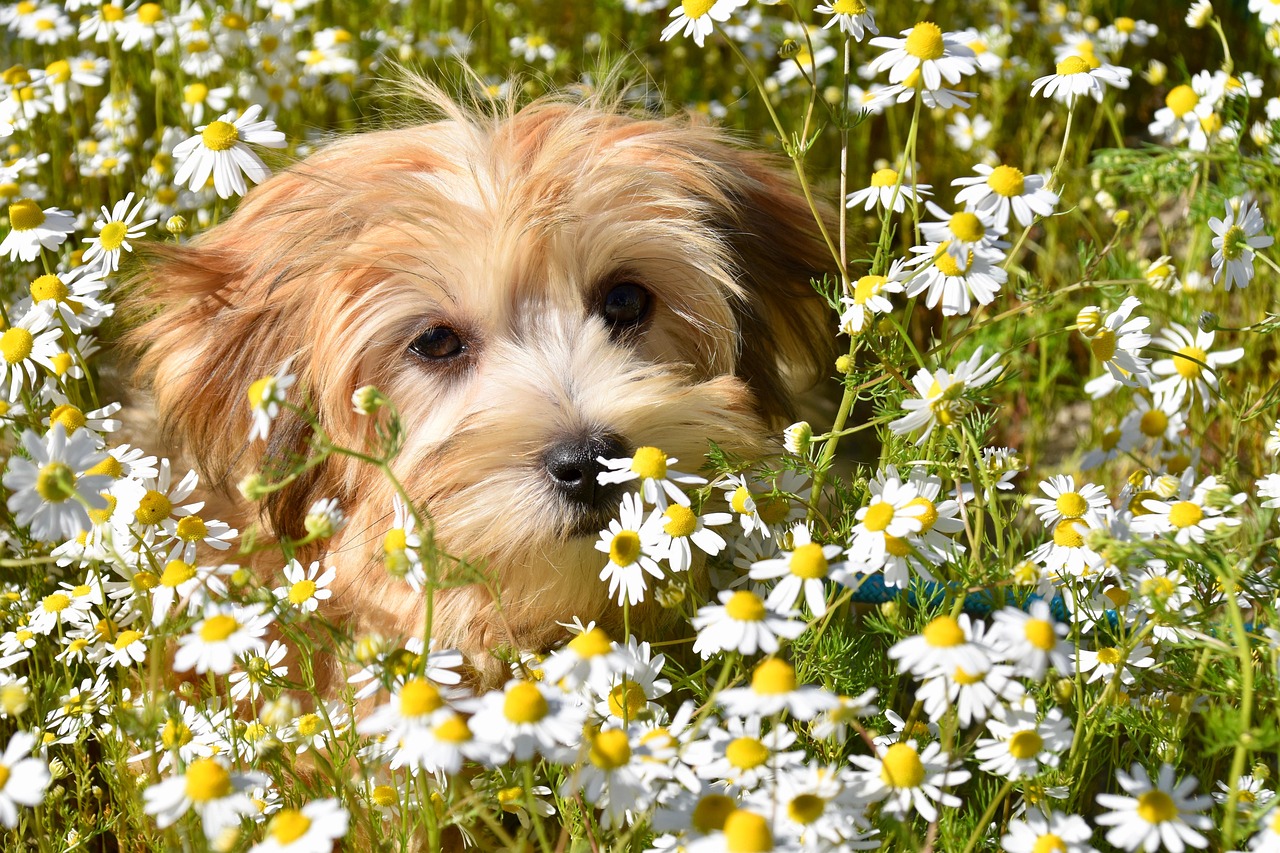
14. Havanese: Social Butterfly With a Long Runway
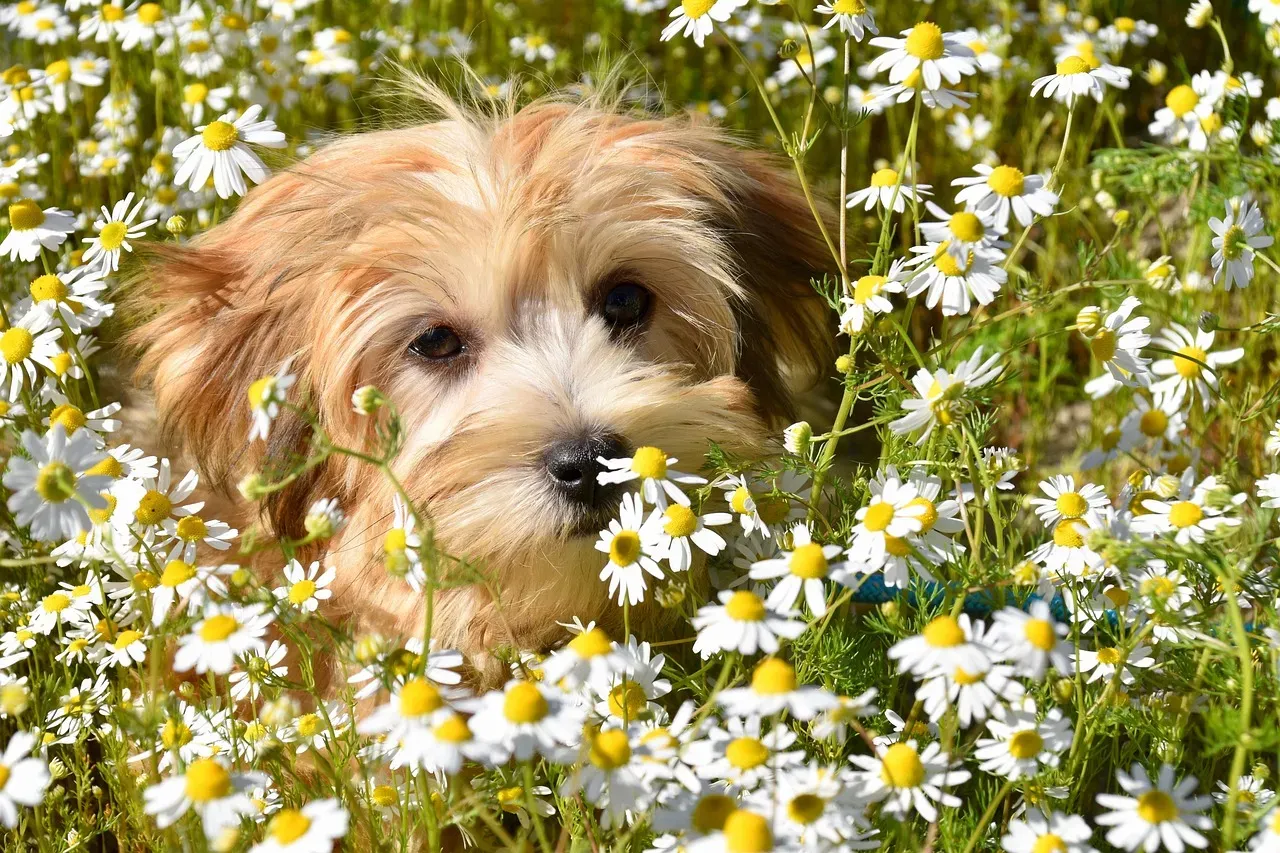
The Havanese is a charming little companion breed that often combines a long lifespan with a very people‑centered personality. Many Havanese live into their mid‑teens and remain playful and affectionate for much of that time. They love being part of daily family life, which means they tend to get a lot of interaction and movement naturally.
As with other small, long‑lived breeds, dental health, weight management, and regular grooming are key. They can have some genetic issues depending on the line, so starting with good breeding and staying consistent with vet visits is important. When owners treat them like the social, intelligent dogs they are – not just living plush toys – Havanese often age into very content, emotionally tuned‑in seniors.
15. Mixed‑Breed and “Mutt” Dogs: Hybrid Vigor and Happy Surprises
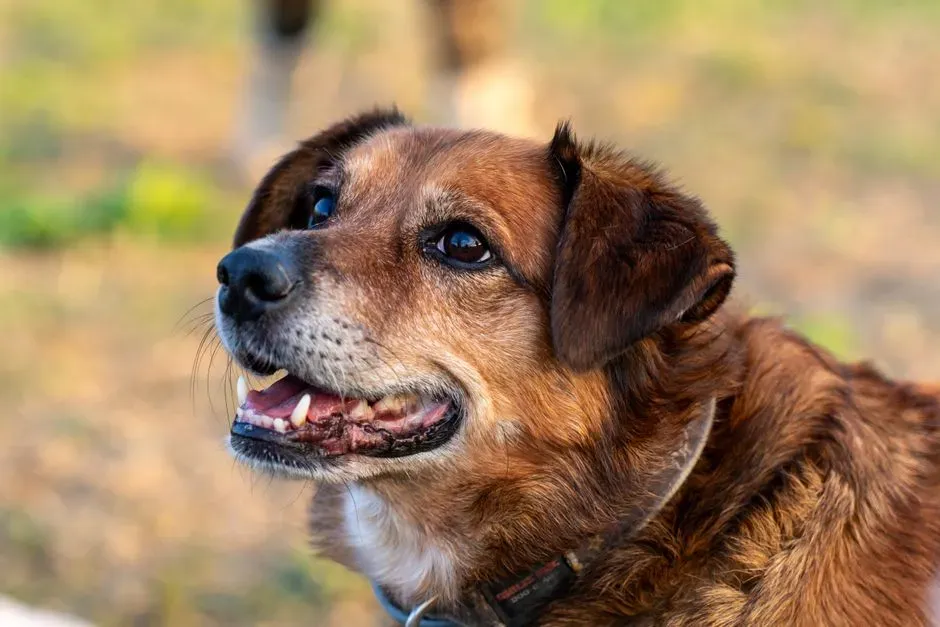
It might sound less glamorous than listing a rare breed, but mixed‑breed dogs deserve a real spotlight in the longevity conversation. Many shelter mutts, especially small to medium ones, live long, stable lives and stay healthy well into old age. There is a concept often discussed called hybrid vigor, where mixing different gene pools can reduce the chances of certain inherited diseases clustering in one dog.
Of course, mixed‑breed dogs are not magically immune to health issues; some inherit the weaknesses of both parents rather than the strengths. That said, when you pair a reasonable size, a balanced lifestyle, and regular veterinary care, mutts can absolutely rival – and sometimes outlive – purebred dogs. I have met more than one scruffy, nobody‑knows‑what‑he‑is shelter dog comfortably cruising at 16 or 17, and it is hard not to see them as living proof that a little genetic mystery can be a beautiful thing.
Conclusion: Longevity Is Part Genetics, Mostly Lifestyle

Looking at these long‑lived breeds side by side, you start to notice a pattern: most of them are small to medium, relatively athletic, and not exaggerated in shape. Genetics absolutely matter, and some breeds just have a better shot at long life than others. But what really stands out is how much difference everyday choices make – weight, exercise, mental stimulation, dental care, and catching problems early often matter more than the name on the pedigree.
My honest opinion? Instead of chasing the single “longest‑living” breed like a magic ticket, it makes more sense to pick a dog whose energy and needs actually fit your life, then commit hard to caring for that dog well. A Chihuahua, a Beagle, or a mystery mutt can all age beautifully if you give them a sensible routine, a healthy diet, and a lot of love. In the end, the most surprising thing is not just how long some dogs can live – it is how full and joyful those extra years can be when we do our part. Which of these breeds could you picture trotting happily beside you 15 years from now?


