
Every dog owner knows that uncanny feeling when their dog just seems to sense that something is wrong. Maybe your pup suddenly won’t leave your side on a day you feel off, or they nudge a spot on your body that later turns out to be important. It feels almost magical, but there’s growing scientific interest in how some breeds in particular seem wired to pick up on illness, stress and subtle changes in their humans.
Of course, no dog is a doctor, and not every individual within a breed has the same talent. But across real-world stories, medical detection dog projects and decades of living side by side, certain breeds consistently stand out. Let’s walk through nine of them, and why they might just be the four‑legged early‑warning systems we never knew we needed.
Labrador Retriever

Labrador Retrievers are basically the overachievers of the dog world when it comes to medical detection. Their powerful noses, gentle mouths and easygoing personalities have made them a top choice for programs that train dogs to detect cancer, diabetes-related blood sugar changes and even infections from human scent samples. Labs are often used in research projects that explore how dogs can identify volatile organic compounds linked to disease in breath, sweat or urine.
What makes Labs unusually good at this is a mix of raw sensory power and personality. They’re food‑motivated, eager to please and rarely spook easily, which matters when working in busy hospitals or public spaces. In regular homes, that same sensitivity and people focus can show up as a Lab who hovers around you more when you’re stressed, sick or in pain, lying carefully against you or nudging you until you pay attention to what your body is trying to say.
Golden Retriever

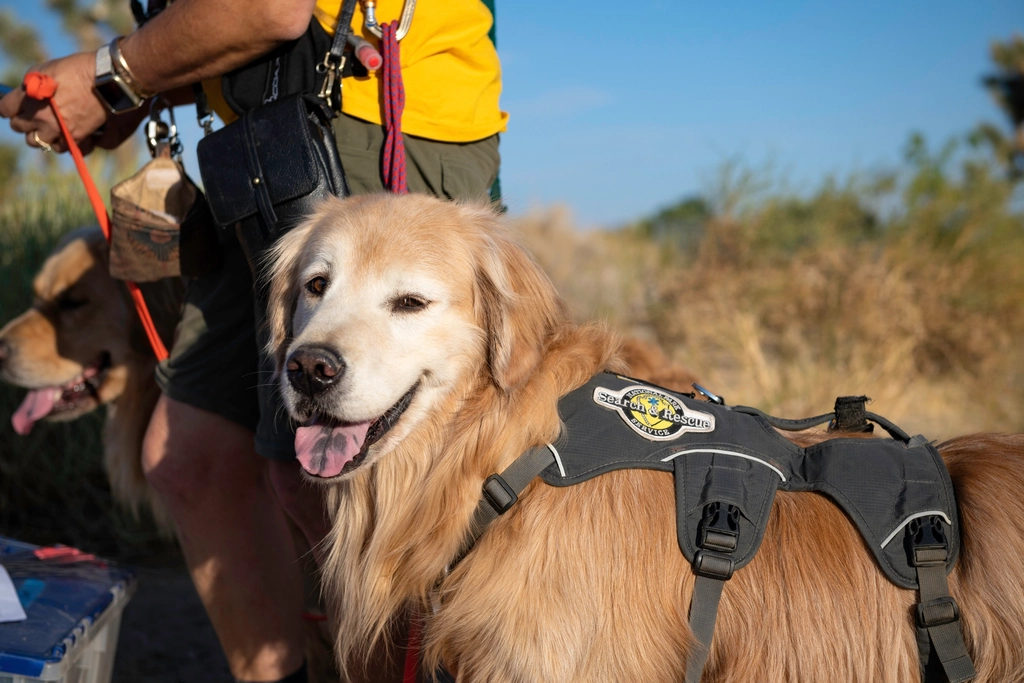
Golden Retrievers bring a softer, almost emotional radar to the table along with an excellent nose. They’re one of the most common breeds used as assistance and therapy dogs, and out in the real world many Goldens have been reported to relentlessly sniff or paw at moles, lumps or specific body areas that later turned out to be medically significant. Their calm but persistent nature means they often quietly insist that something is off, long before a human would think to see a doctor.
Goldens also seem especially tuned in to emotional health. People living with anxiety, depression or chronic conditions often describe their Golden becoming more clingy, watchful or gentle on days when symptoms flare. It’s not that the dog understands diagnoses; it’s that they pick up shifts in breathing, posture, smell and routine, then adapt with comforting closeness and a kind of patient, steady presence that can make hard days feel survivable.
German Shepherd

German Shepherds are best known for police and military work, but that same sharp nose, focus and trainability make them extremely capable illness detectors. They’ve been used in programs that train dogs to spot subtle changes in smell associated with seizures, blood sugar swings and certain infections. Their intensity works in their favor here: once a Shepherd learns a target odor or pattern, they tend to lock onto it with impressive reliability.
Living with a German Shepherd, you really feel how observant they are. They notice when your gait changes, when you wince slightly getting off the couch, or when you’re uncharacteristically quiet. Many owners describe their Shepherds physically blocking them from leaving the house during migraine warnings or panic attacks, or refusing to settle until the person sits or lies down. It can feel bossy in the moment, but often it’s the dog reading the situation better than anyone else.
Poodle

Poodles might look refined and a little fancy, but behind the haircut is a seriously sharp brain and a nose on par with the best working breeds. Standard Poodles in particular are increasingly used as medical and psychiatric service dogs, supporting people with diabetes, epilepsy and post‑traumatic stress. Their low‑shedding coats make them more suitable in clinical or allergy‑sensitive settings, so they show up often in organized detection programs.
At home, Poodles tend to become little health barometers for their people. They’re observant, almost nosy, and very tuned into patterns and routines. When something disrupts that pattern – restless nights, slowed movement, changes in scent from sweat or breath – they often react with new attachment, hovering or pacing. It’s like living with a highly sensitive roommate who notices every tiny change and quietly flags it by being closer, clingier and more alert around you.
Beagle

Beagles are basically noses with legs. Originally bred for scent work in the field, their olfactory abilities are so strong that they’re widely used in customs and agricultural inspection, sniffing for contraband or prohibited food items. That same ultra‑sensitive sense of smell can also be harnessed to detect illness, and Beagles have been involved in research on cancer and infection detection from human samples.
At home, a Beagle’s curiosity and scent obsession can translate into an unusual interest in you when something is off. Owners sometimes notice their Beagle repeatedly sniffing a particular spot, licking a patch of skin or being abnormally clingy on days of illness. They’re less naturally serious than some working breeds, so their alerts may look more like playful insistence than solemn warning, but underneath the goofy exterior is a dog that can smell changes in your body long before you feel them fully.
Border Collie
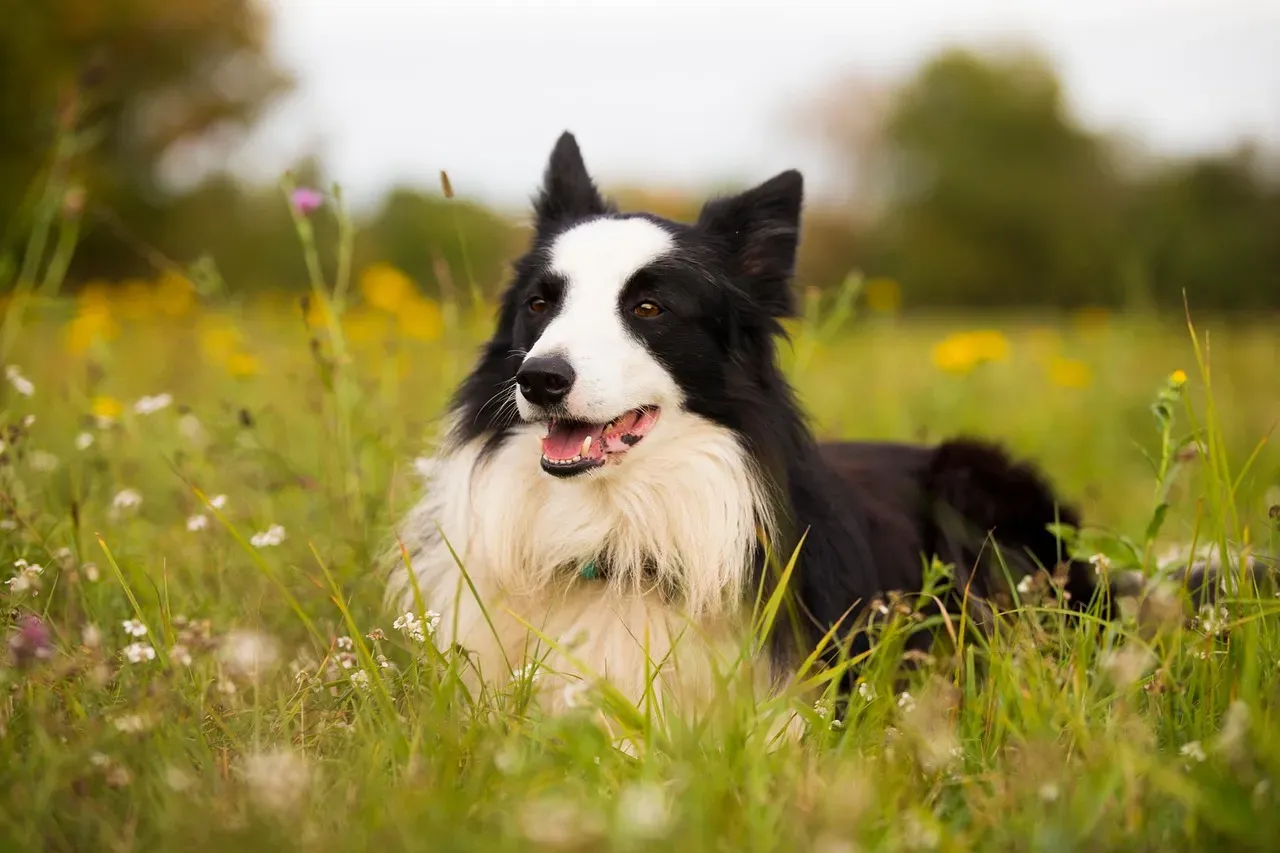
Border Collies are known as the brainiacs of the dog world, and while they’re not always the first breed people think of for medical detection, their combination of intelligence and sensitivity makes them surprisingly strong candidates. Their senses are acute, and more importantly, they notice and remember patterns with obsessive detail. When a Collie lives closely with a person, they quickly build a mental map of what “normal” looks like for that human.
When illness creeps in, even subtly, Border Collies often respond by changing their behavior: refusing to leave your side, staring intently, gently herding you away from stairs or crowds, or repeatedly nudging you to rest. Because they can be intense and a bit anxious, it can feel like they are overreacting. But often, that hyper‑awareness is exactly what allows them to pick up on the earliest shifts in your mood, coordination or energy that others totally miss.
Boxer

Boxers are goofy, high‑energy and expressive, but they also have a long history as guardians and close family companions. That blend of playfulness and protectiveness often shows up as a strong instinct to monitor the people they love. Some Boxers have been reported to repeatedly nose or paw at spots that later turned out to be tumors or infections, and their tendency to stare intently at their humans can be an early sign that they’ve noticed something we have not.
Unlike some more reserved breeds, Boxers usually make their concern very obvious. If they sense something is wrong – whether from a shift in your scent, posture or breathing – they may become unusually calm, plant themselves on your feet, or lean their full weight into you. Living with a Boxer, you quickly learn that when your loud, clownish dog suddenly goes quiet and serious around you, it might be time to listen to what your body has been trying to tell you.
Cavalier King Charles Spaniel

Cavalier King Charles Spaniels are often called velcro dogs, and that extreme closeness makes them finely tuned to their humans’ emotional and physical states. They are widely used as emotional support and therapy dogs, especially for people dealing with chronic illness, anxiety or pain. Their gentle nature and small size mean they can quietly snuggle in bed or on the couch, providing warmth and comfort when you feel your worst.
Because they spend so much time pressed up against their humans, Cavaliers notice small changes in heart rate, breathing, muscle tension and body temperature just through touch and proximity. People often notice their Cavalier becoming more still and watchful when a flare‑up, panic attack or migraine is coming on, long before obvious symptoms appear. It can feel like the dog is reading your mind, but really they’re reading your body more closely than anyone else ever does.
Mixed Breed and Rescue Dogs
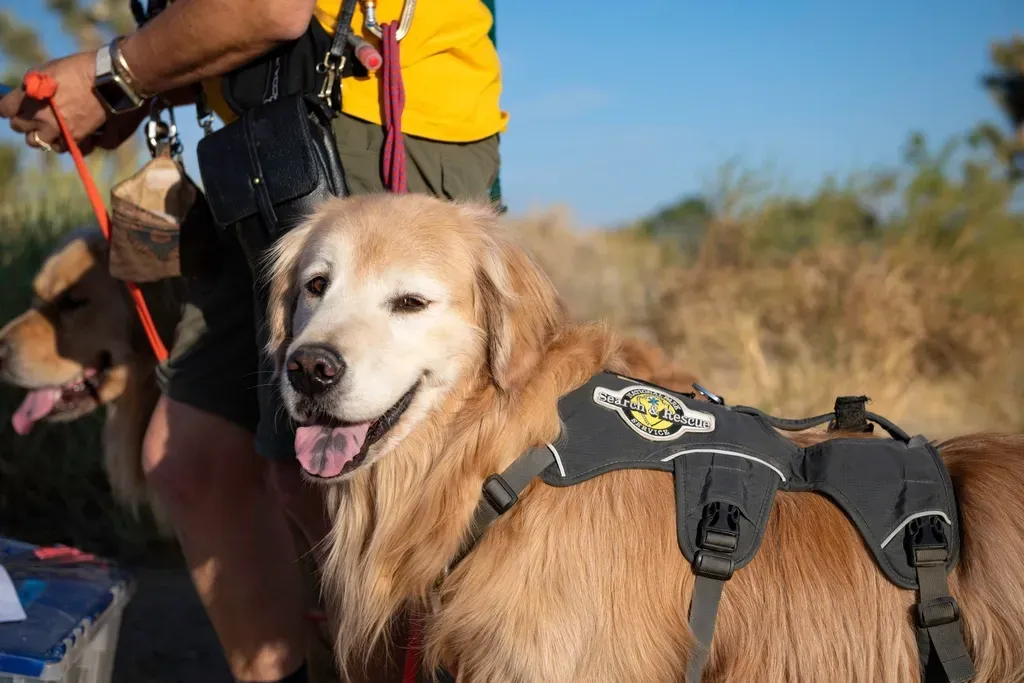
It might sound surprising, but many of the most astonishing illness‑detection stories come from mixed breed and rescue dogs with zero formal training. When you combine the genetics of scent‑driven and people‑oriented breeds, you often end up with dogs that are naturally gifted at picking up changes in their humans. Shelters and rescues are full of dogs whose sharp noses and deep attachment could, with the right guidance, rival any purebred detection dog.
On a personal note, I once lived with a scruffy rescue who would suddenly refuse to leave my side on nights before I got sick, curling around my stomach as if he knew a storm was coming. At the time I wrote it off as coincidence, but looking back, the pattern was hard to ignore. Stories like that are everywhere, and they underline a simple truth: extraordinary illness‑detecting ability isn’t just about breed; it is also about the unique bond a particular dog forms with a particular person.
Conclusion: Dogs Are Not Doctors, But They Are Remarkable Early‑Warning Systems

When you look at Labradors, Goldens, Shepherds, Poodles, Beagles, Border Collies, Boxers, Cavaliers and all the mixed‑breed wonders, one thing becomes clear: some dogs really do seem to have an extraordinary knack for sensing illness in the people they love. Their noses pick up chemical changes, their eyes catch tiny shifts in movement, and their hearts are tuned to our routines and moods in a way that is hard to fully explain. They are not miracle workers, and they absolutely do not replace medical care, but dismissing their signals outright feels, at this point, almost willfully blind.
My own opinion is that we should take our dogs’ strange, insistent behavior more seriously – especially when a usually relaxed dog becomes oddly focused on a body part, or shadows us with out‑of‑character intensity. The science is still catching up, and not every alert means a hidden disease, but treating these moments as gentle nudges to check in with our health seems like a smart, low‑risk choice. In the end, if the worst case is an extra visit to your doctor and the best case is catching something important early, listening to your dog might be one of the simplest, most loving forms of self‑care you can practice. The next time your dog acts like they know something you don’t, will you stop and pay attention?


