
If you’ve ever watched your dog stop halfway down a blazing Phoenix sidewalk and give you that defeated look, you already know desert summers are a different beast. Arizona heat is not just “a little warm” weather; it’s an almost hostile environment where the ground burns paws, the air feels like a hair dryer, and shade becomes more valuable than gold.
Some dogs are quietly suffering in that world, even when they look “fine” on the outside. Others, surprisingly, seem to handle triple-digit days with a shrug and a nap. Let’s walk through the breeds that have the toughest time in Arizona’s brutal heat, plus the ones whose bodies and backgrounds give them a real advantage when the mercury soars.
1. English Bulldog: Built Like a Furnace in the Desert
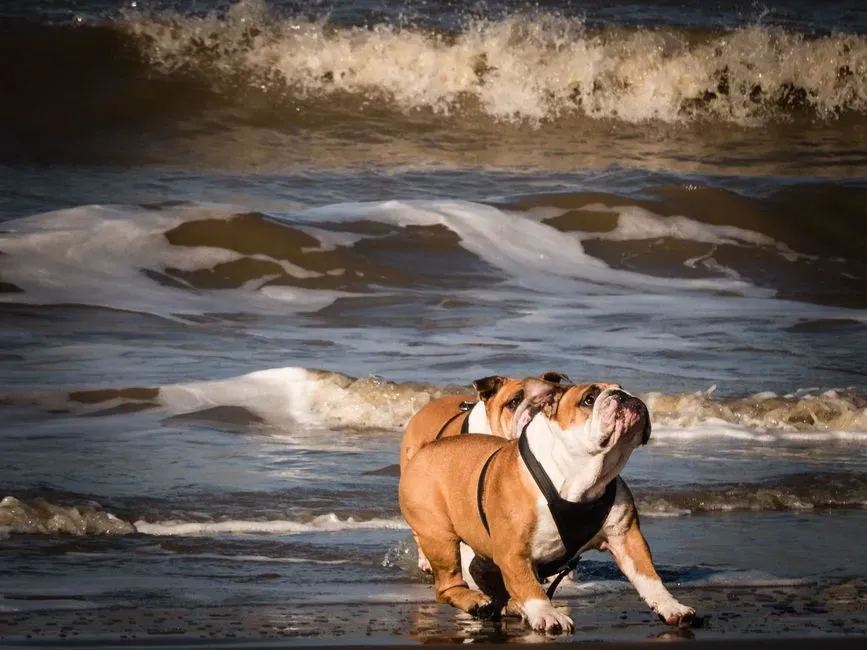
English Bulldogs might be adorable walking meatballs of personality, but in Arizona heat they are almost walking emergencies. Their short, pushed-in snouts mean they cannot move air efficiently, so they overheat frighteningly fast, sometimes just from a short stroll or a few minutes of play outside. Add their stocky bodies, thick skin folds, and tendency to pack on weight, and you’ve basically got a dog wrapped in a heavy coat with a tiny air intake.
Even in the shade, a Bulldog can get into trouble before you realize what’s happening, because panting for them is already compromised. For many bulldog owners in Arizona, the “summer routine” ends up becoming dawn walks, late-night potty breaks, and strict air-conditioning rules during the day. If you own one, treating them more like a fragile senior citizen than a rugged outdoor buddy is not overprotective at all; it’s survival strategy.
2. Pug: Small Size, Huge Heat Risk

Pugs look like they should be perfect apartment dogs for warm places, but that smashed nose is a major liability when it’s over one hundred degrees outside. They rely heavily on panting to keep cool, yet their airway is narrow and sometimes partially obstructed due to the way their skull is shaped. That means their internal “cooling system” is already running at half power before the summer even starts.
On top of that, many pugs are a little plump and love to be right next to their humans, which often means following you into hot backyards, sun-soaked patios, or overheated cars. In dry desert air, they can go from slightly warm to dangerously overheated in what feels like no time. For a pug in Arizona, the best life is basically one of indoor luxury, filtered light, cool floors, and very carefully timed outings.
3. French Bulldog: Trendy Dog, Terrible Heat Tolerance
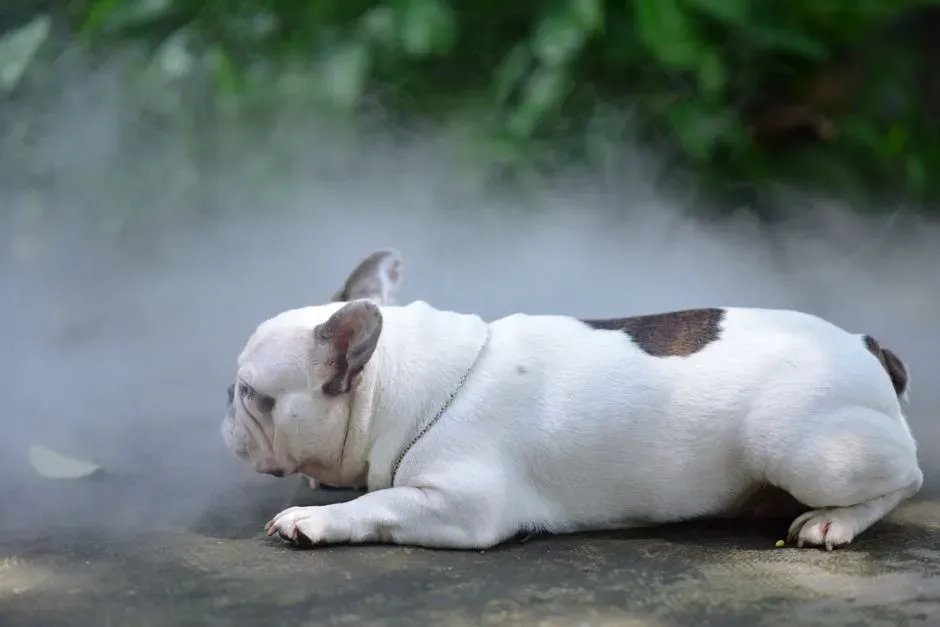
French Bulldogs are everywhere on social media, but Arizona summers are absolutely not made for them. Like their English cousins, they’re brachycephalic, which is a fancy way of saying their nose and airway are shorter than nature ever intended. That short airway struggles badly in extreme heat, especially when humidity spikes during monsoon season and panting becomes even less efficient.
Many Frenchies are also quite muscular and compact, which means there is more body mass holding in heat. You’ll often see them lounging on tiles, flopping in front of fans, or stretching out like frogs just to find cooler surfaces. A French Bulldog in Arizona needs air conditioning as much as you do, and in some cases even more; they aren’t a good match for people who like long hikes or patio brunches in the blazing sun.
4. Boxer: Athletic, But Not a Desert Runner

Boxers look like they should be unstoppable athletes, yet they’re another brachycephalic breed that can quickly run into trouble in high temperatures. Their snouts are longer than a bulldog’s, but still shorter than a typical “heat-tolerant” dog, which limits their ability to vent hot air efficiently. When you mix that with their high energy levels, you get a dog that wants to sprint but whose body cannot safely keep up in desert conditions.
Many Boxer owners underestimate how quickly their dog can overheat because the dog keeps pushing, tail wagging, eyes bright, until suddenly they are wobbling or collapsing. In Arizona, that means boxers do best with intense exercise limited to very early mornings or cooler months, with indoor enrichment doing most of the heavy lifting in summer. Think nose work, puzzle toys, and short indoor training sessions instead of midday fetch marathons.
5. Saint Bernard: Mountain Rescue Dog in a Baking Oven
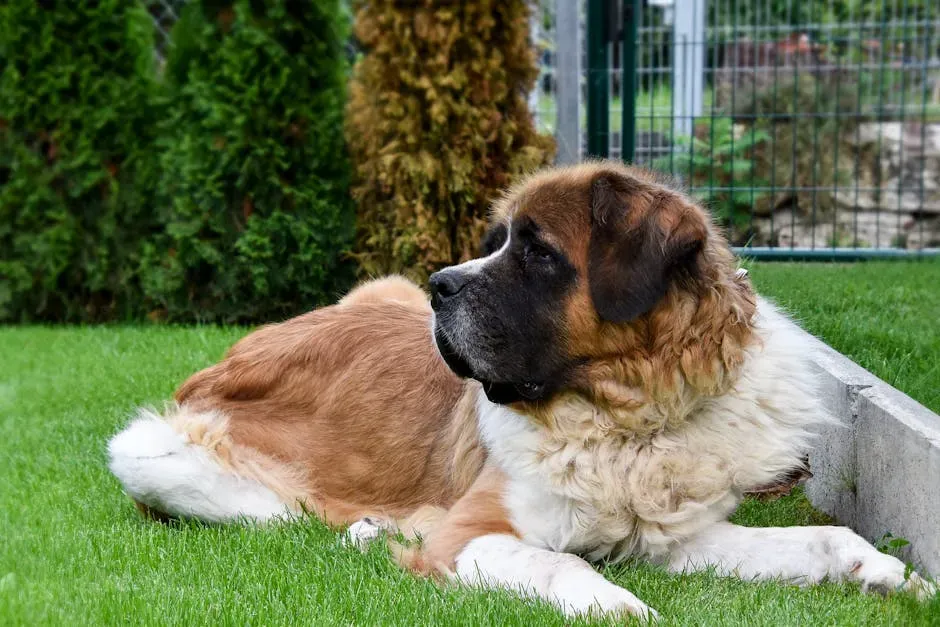
Saint Bernards were literally bred for cold, snowy mountain rescues, and then people brought them to Arizona and wondered why they struggle. They carry a massive, heavy body under a very thick coat, which works like a high-end winter jacket that never comes off. In the desert, that much insulation becomes a liability, trapping heat against their skin and making it much harder to cool down once they warm up.
Even if you keep their coat brushed and manage shedding, their sheer body size and weight force their heart and lungs to work harder just to move around. That extra work becomes dangerous when the ground, the air, and the sun all feel like they’re radiating heat right back at them. For a Saint Bernard in Arizona, outdoor time needs to be brief, careful, and almost always during the coolest pockets of the day.
6. Siberian Husky: Designed for Snow, Not Scottsdale
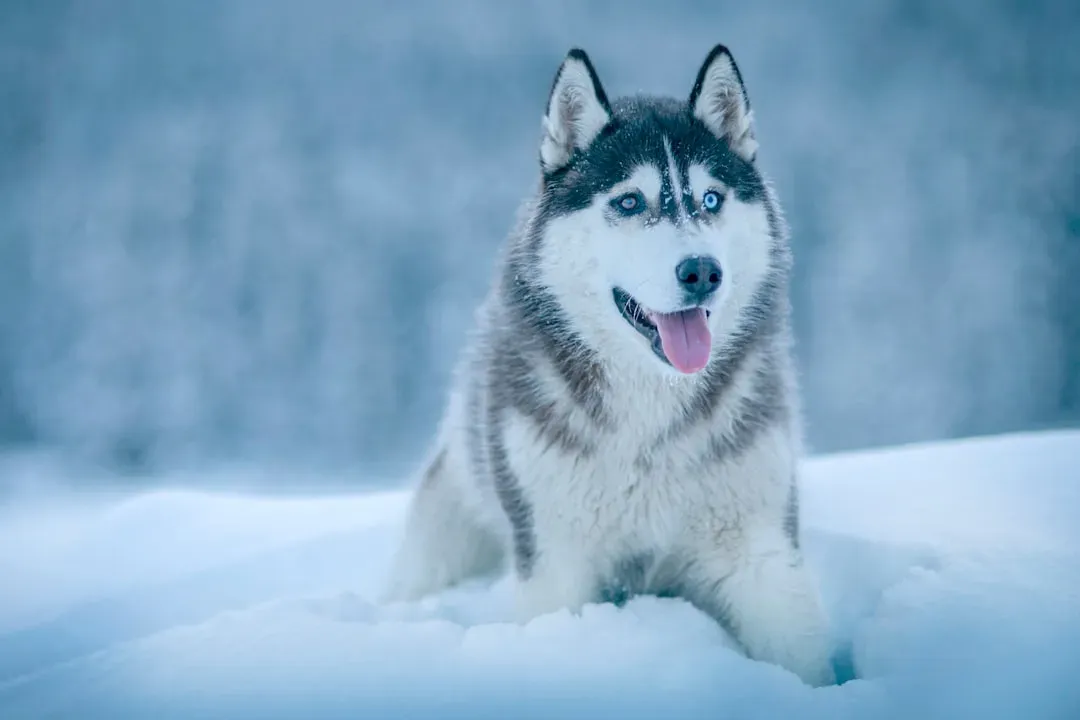
Siberian Huskies are legendary for pulling sleds across frozen landscapes, not for trotting on sizzling Phoenix sidewalks. Their double coat is impressive and does offer some protection from direct sun, but it also holds heat, especially if they cannot escape to a genuinely cool environment afterward. Huskies often act like they’re fine because they have endless energy, but their internal temperature can creep into dangerous territory while they are still trying to drag you on a run.
Owners sometimes believe shaving them is the solution, yet that can actually make things worse by exposing their skin and disrupting the way their coat works. In Arizona, the real answer is more about lifestyle than grooming: keep them in air conditioning during the day, use cooling mats, and reserve serious exercise for dusk or dawn only. A bored husky will chew a couch; an overheated husky can end up in an emergency clinic, and that’s a much harder problem to fix.
7. Alaskan Malamute: Fluffy Furnace on Four Legs
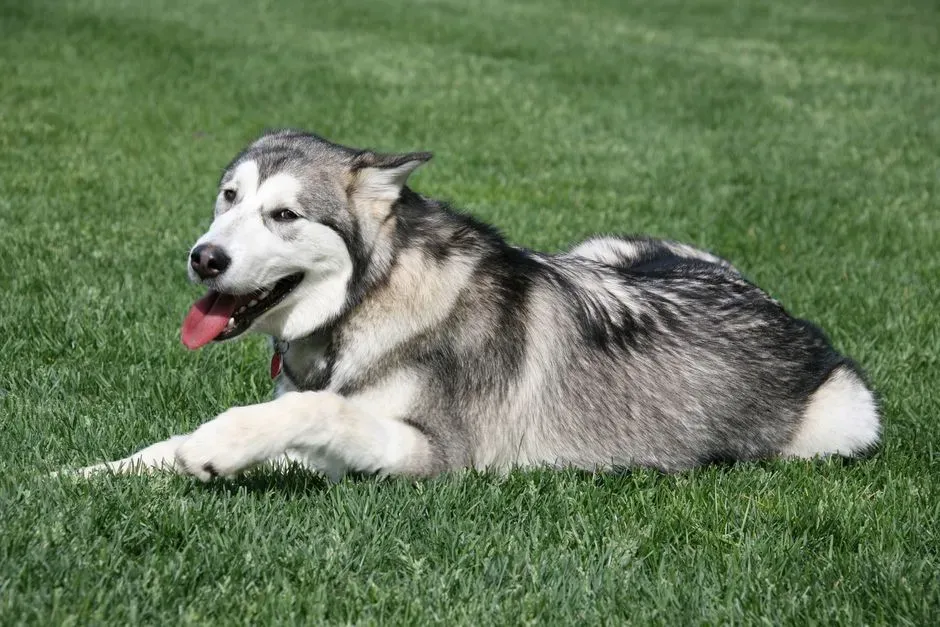
Alaskan Malamutes are like Huskies on steroids: heavier, denser, and with even more coat packed onto their bodies. They were developed to work hard in brutal cold, which means they’re extremely efficient at holding in warmth, the exact opposite of what you want in a relentless desert climate. That lush fur can trap heat close to the skin, so even when you feel a breeze, it may not be reaching where it needs to go.
Many Malamutes also have that classic working-dog mentality where they push through discomfort, giving you very little warning until they suddenly hit a wall. In Arizona, they need strict heat management that may feel extreme to some people: cold indoor spaces, minimal mid-day activity, constant access to water, and shaded, ventilated outdoor areas if they must be outside. Honestly, they are one of the clearest examples of a dog that simply does not align well with desert living.
8. Chow Chow: A Lion’s Mane in the Wrong Climate
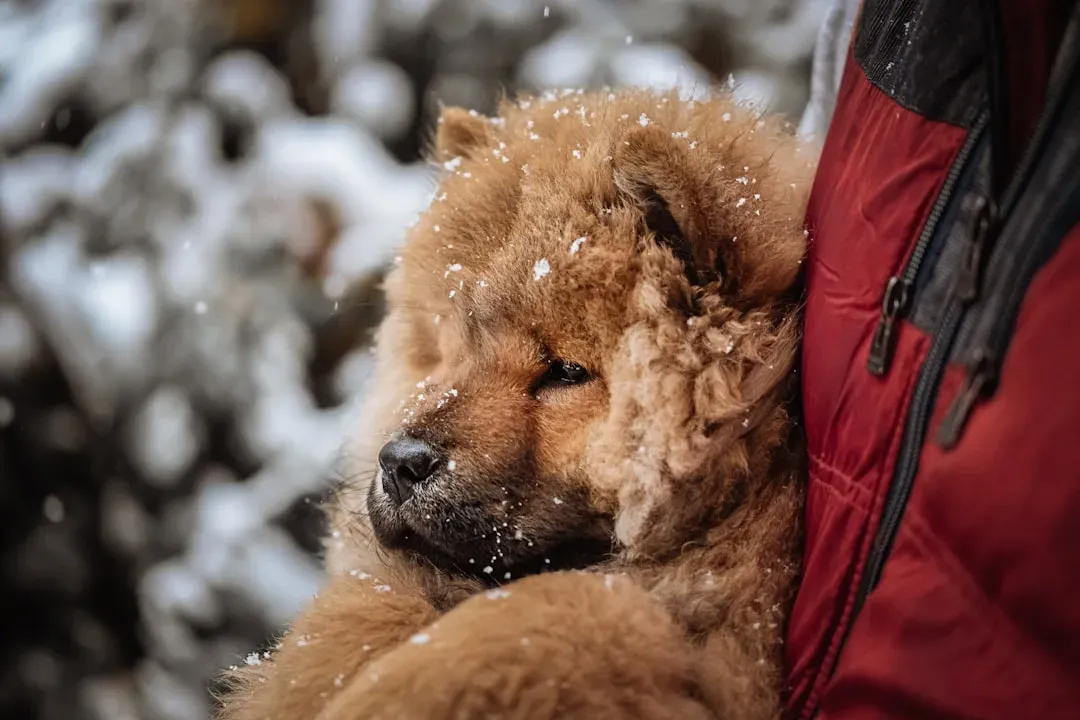
Chow Chows carry what looks like a lion’s mane, and in Arizona that dramatic fur becomes a heavy, hot blanket. Their dense double coat traps heat and reduces effective air circulation around the skin, particularly if it gets matted or is not brushed out regularly. Pair that with a somewhat compact, sturdy body and a predisposition for certain health issues, and you get a dog that can struggle badly once temperatures climb into triple digits.
Chows are not typically hyperactive, but even moderate activity can be a problem when the air feels like it is straight out of a preheated oven. Short potty breaks, careful yard time under cover, and plenty of indoor lounging are essential in summer. If you adopt a Chow Chow in Arizona, you are signing up for serious coat maintenance and year-round vigilance about heat, not just a cute bear-faced companion.
9. Golden Retriever: Friendly, Fluffy, and Easily Overheated
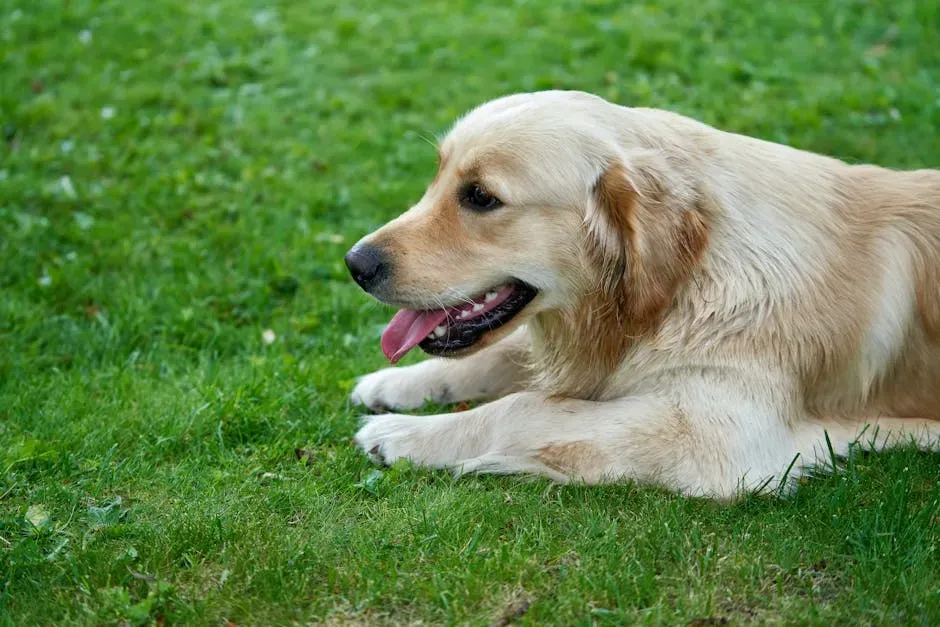
Golden Retrievers are often seen as “go anywhere, do anything” family dogs, but harsh desert heat can be tougher on them than many people realize. Their medium to long double coat, especially when thick, holds onto warmth, and they tend to be enthusiastically active, which raises body temperature quickly. You’ll often see goldens keep playing fetch or swimming until they reach genuine exhaustion, and in scorching conditions that can tip into dangerous overheating.
They are not as dramatically heat-sensitive as some brachycephalic breeds, but they still need very cautious management in Arizona summers. Early-morning exercise, frequent breaks, and access to cool indoor rest spots make a huge difference for them. With smart routines and plenty of shade and water, a Golden can do okay here, but they absolutely fall on the “struggles more than people expect” side of the chart.
10. German Shepherd: Working Dog, But Not a Desert Tank by Default
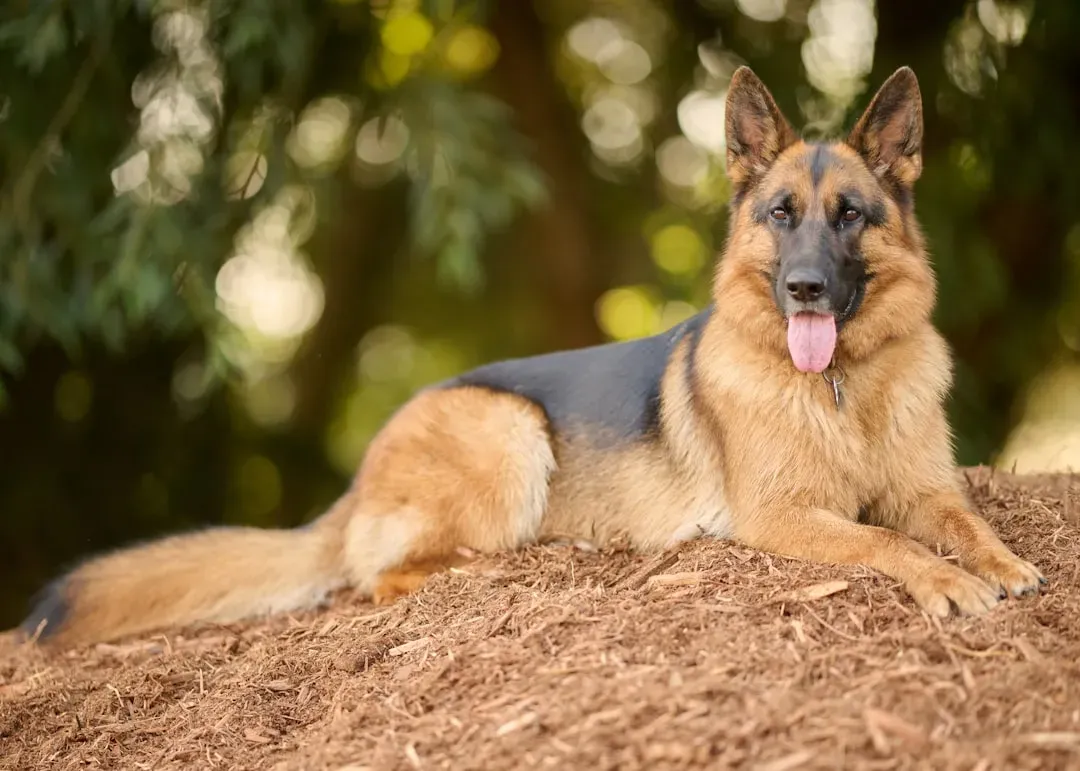
German Shepherds are famous as working dogs, so people sometimes assume they can handle anything, including brutal heat. In reality, many shepherds have dense double coats that can trap heat, particularly those bred for cooler climates with very plush fur. When they are used as active police or protection dogs in Arizona, handlers typically monitor them closely because they can overheat under heavy workload and direct sun.
For family pets, it is often the combination of coat density, activity level, and weight that creates risk. A fit, lean shepherd with plenty of shade and water will do better than an overweight one lounging on hot concrete, but even the fittest need strict limits during the hottest hours. They sit in a kind of middle ground: not the absolute worst for heat, but definitely not “desert-proof” the way some owners hope.
11. Saluki: Desert Royalty Built for Long, Hot Distances
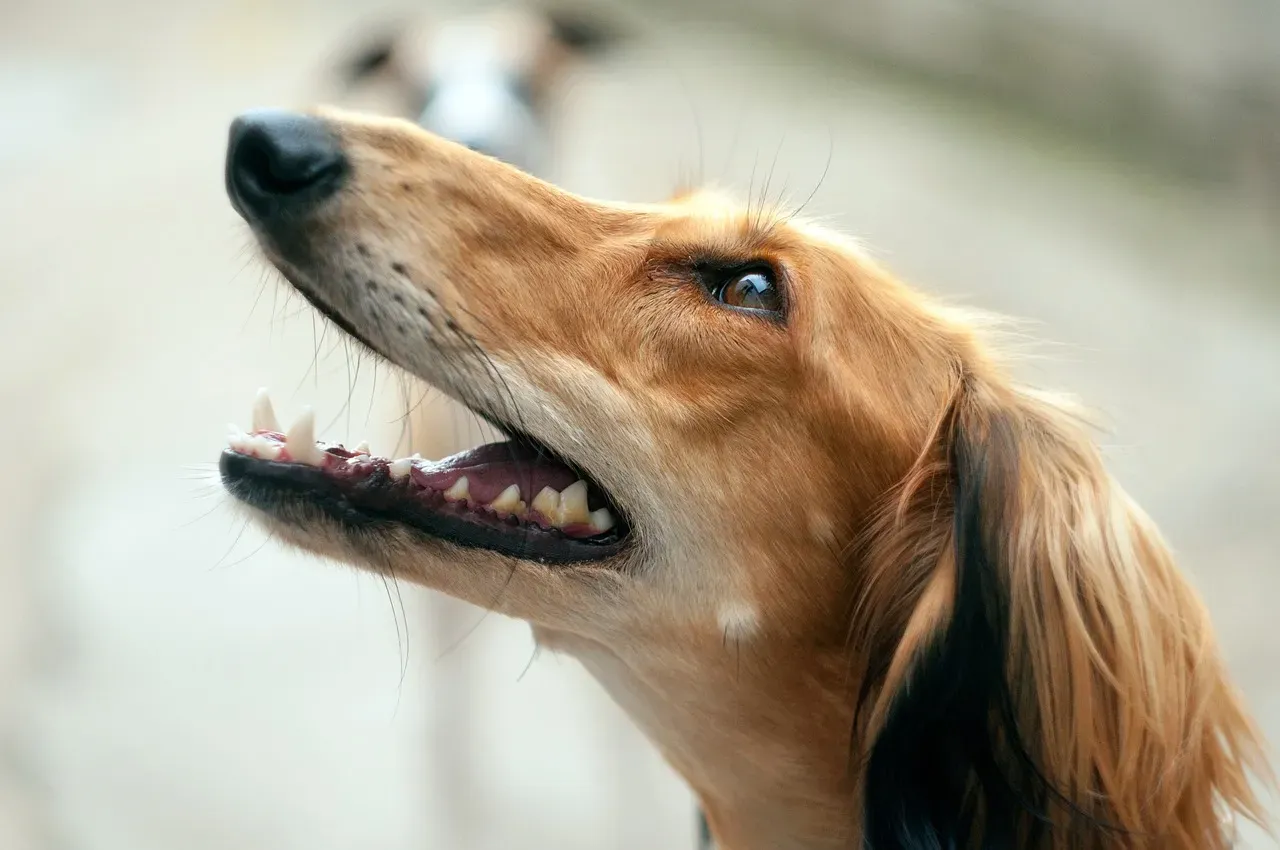
Now for the dogs that practically feel like they were custom-ordered for Arizona: the Saluki is near the top of that list. Originating from Middle Eastern desert regions, Salukis have a slim, aerodynamic body, long legs, and usually a relatively thin coat, all of which help heat dissipate quickly. Their build reduces the amount of body mass that can trap warmth, and their long limbs keep more of them away from blazing ground surfaces.
Salukis are natural runners, yet they tend to pace themselves with a fluid calmness that suits hot climates better than explosive, frantic activity. With shade, water, and reasonable scheduling, they can handle desert living far more comfortably than many popular breeds. Watching a Saluki move lightly across sandy terrain really does feel like seeing a dog in the environment it was originally meant to inhabit.
12. Basenji: Small, Sleek, and Heat-Savvy
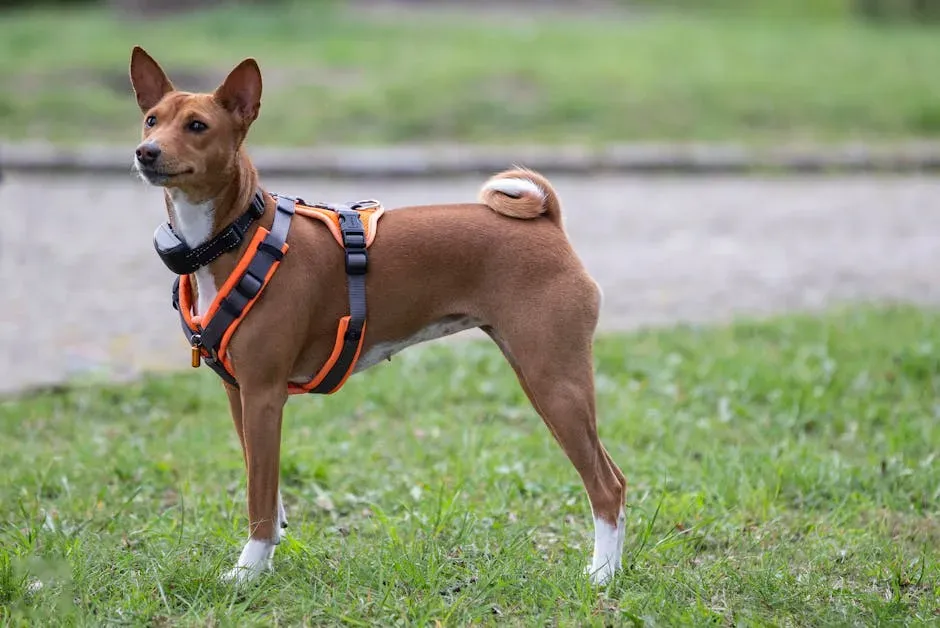
Basenjis come from equatorial Africa, so intense sun and warmth are part of their ancestral story. They carry a very short, tight coat that does not trap much heat and a lean, athletic build that helps them cool off faster than bulkier breeds. Because they are small to medium in size, they simply generate less heat during movement compared to a giant working dog pushing its limits.
These dogs are also famously cat-like, often choosing where to lie and how to move with a kind of calculated self-preservation that fits a hot climate. In Arizona, a Basenji with access to shade, cool flooring, and fresh water can adapt quite well as long as walks are kept to safer hours. Their natural tendency to avoid unnecessary exertion in uncomfortable conditions is an underrated advantage when the desert is at full blast.
13. Pharaoh Hound: Streamlined for Sun and Sand

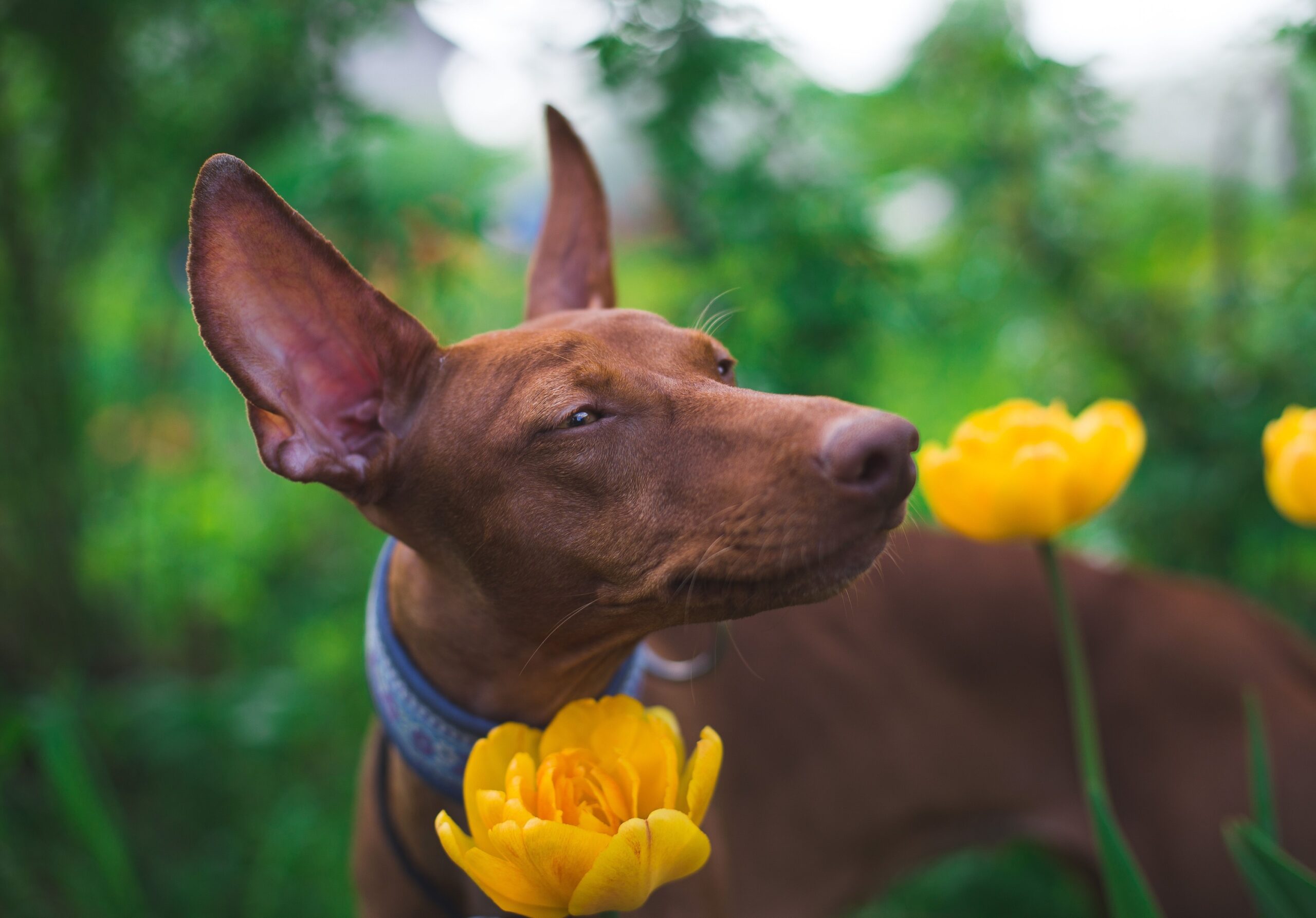
The Pharaoh Hound has the kind of sleek, minimal coat that makes instant sense in a place like Arizona. Originating from the Mediterranean region, this breed has long legs, a lean frame, and very little insulation, which allows heat to escape easily. Their skin is often a warm reddish-brown shade that can still get hot in the sun, but overall their design is far closer to “desert runner” than “mountain sled dog.”
They are active and playful, yet they usually do best with bursts of exercise rather than relentless, heavy labor. That pattern aligns nicely with desert life, where short runs during cooler windows and lazy afternoons in the shade are the safest routine. With sensible management, a Pharaoh Hound can be one of the more comfortable companions in a state that spends months above the comfort zone for many other breeds.
14. Ibizan Hound: Lightweight Body, Big Heat Advantage
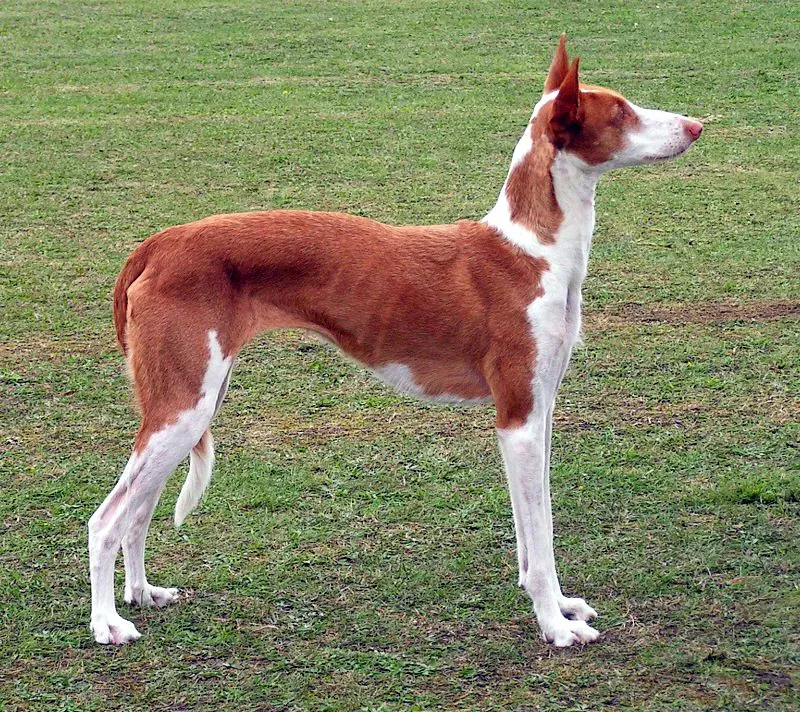
Ibizan Hounds come from the Balearic Islands in the Mediterranean, a region where intense sun is nothing new, even if not quite on Arizona’s level. They have a tall, slender body and minimal body fat, both of which reduce heat storage and help them cool off more rapidly. Their coat is short and can be either smooth or wire, but in either case it does not form the dense insulation seen in many northern breeds.
They are agile jumpers and hunters, yet their physical lightness gives them an edge in hot weather compared to heavy, barrel-chested dogs. In Arizona, an Ibizan that gets early-morning exercise and midday naps in a cool house will usually handle the climate better than many long-haired family favorites. They are an example of how body structure and regional origin quietly work together to make a breed more heat-compatible.
15. Chihuahua: Desert-Sized Dog With Surprising Heat Resilience
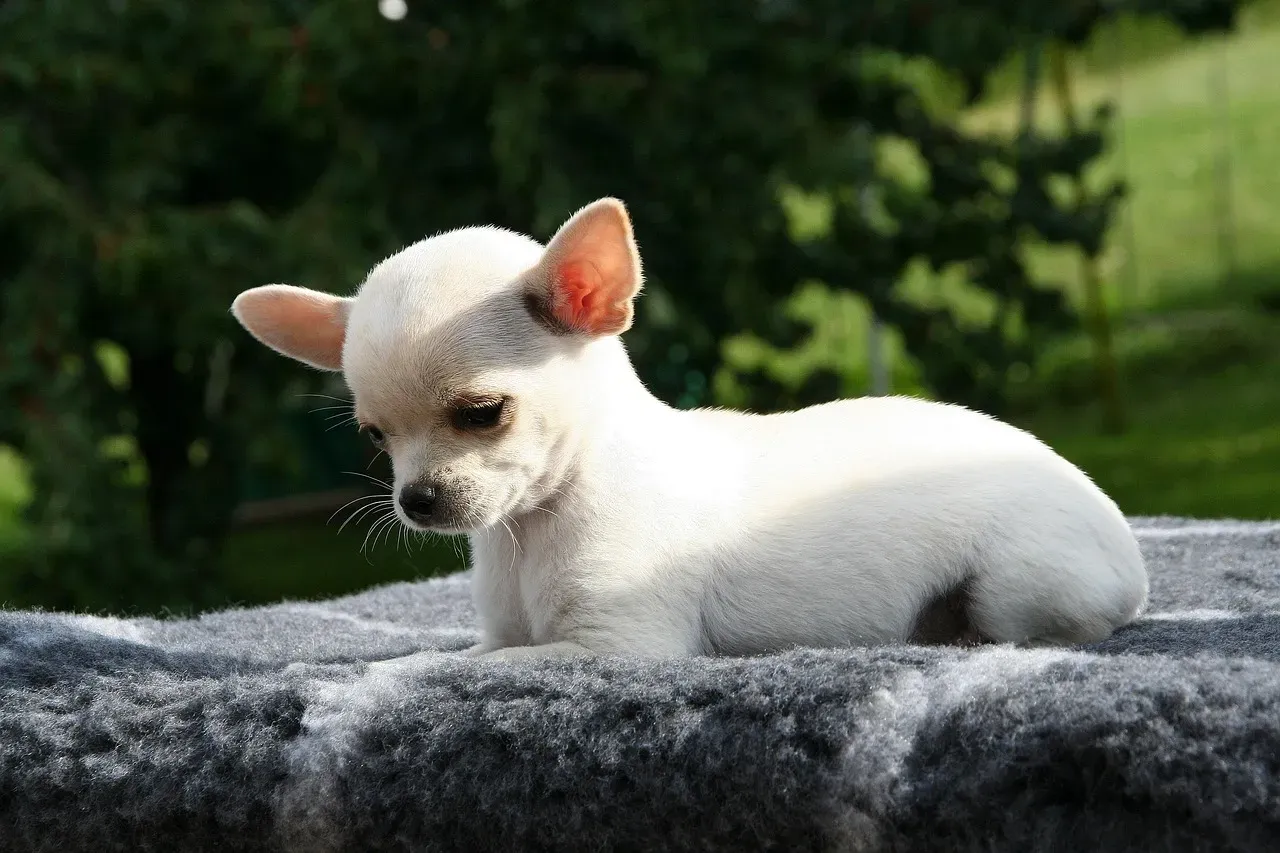
Chihuahuas may be tiny, but that actually works in their favor when it comes to extreme heat. Their small bodies generate less heat during movement, and many have very short coats that do not trap much warmth. In a place like Arizona, that means they can often handle short walks and outdoor potty breaks with less strain than large, hairy breeds, especially if you avoid the brutal middle of the day.
Of course, their small size also means they are closer to the scorching ground and can overheat or burn their paws more quickly if the pavement is hot. So they still need smart protection: shaded routes, cool grass, and indoor time when the sun is at its harshest. But if you compare them to a giant fluffy breed, the Chihuahua is quietly one of the more desert-friendly choices, as long as you respect their limitations.
16. Whippet: Built Like a Breeze, Not a Boulder
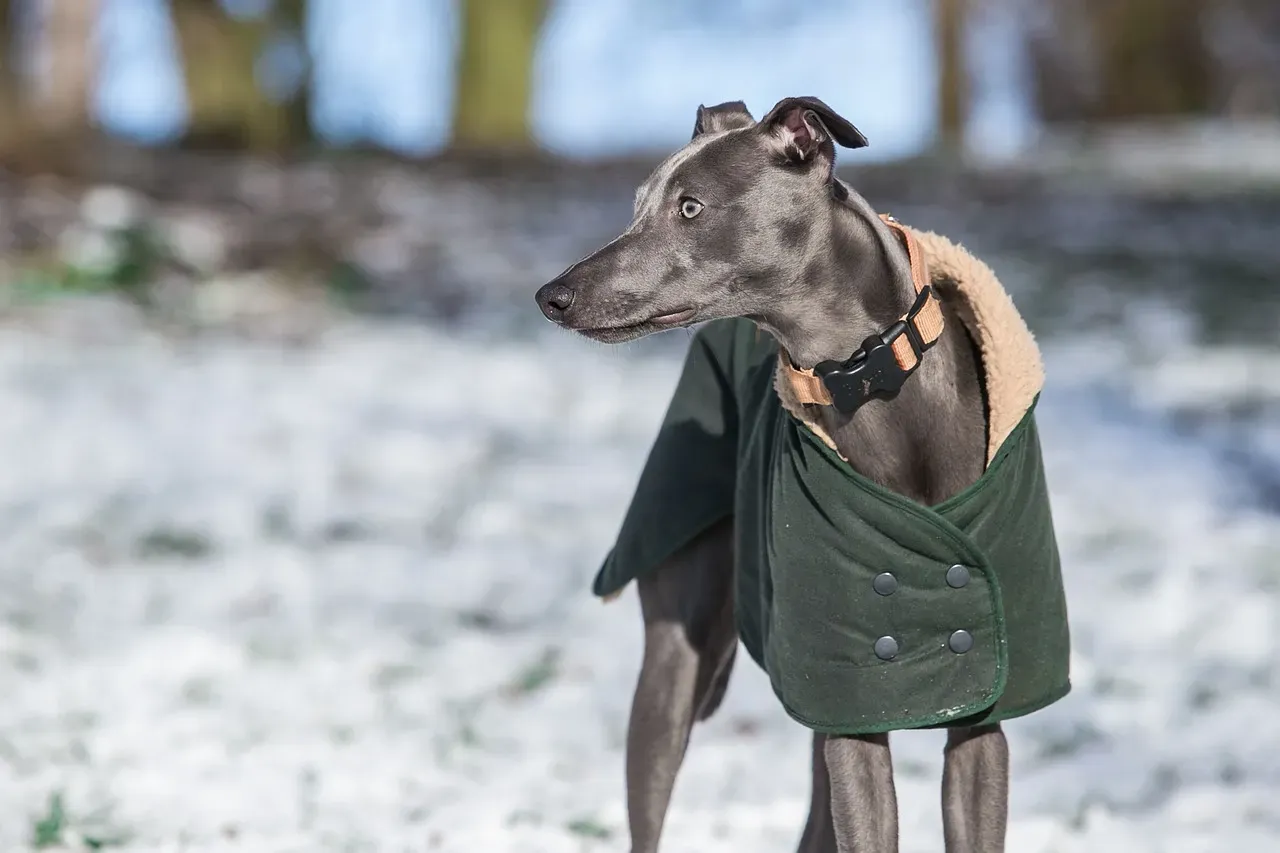
Whippets are often called “poor people’s racehorses,” and their build is almost tailor-made for warm climates. They are incredibly lean, with thin skin and a very short coat, which lets them dump heat quickly once they finish a sprint. Unlike some working dogs that keep grinding through discomfort, whippets are usually happy to race, then collapse into a long, lazy nap, which aligns perfectly with how you should operate in the heat.
Their tall, light frame also means less surface area pressed against hot surfaces, and they are not burdened with heavy, trapping fur. In Arizona, a whippet that gets a fast run at sunrise and then spends the rest of the day on a cool couch is living the dream. Among medium-sized breeds, they stand out as one of the more naturally heat-friendly options, provided you still guard them from blazing pavement and direct midday sun.
17. Greyhound: Racing Past the Heat, Then Resting Smart
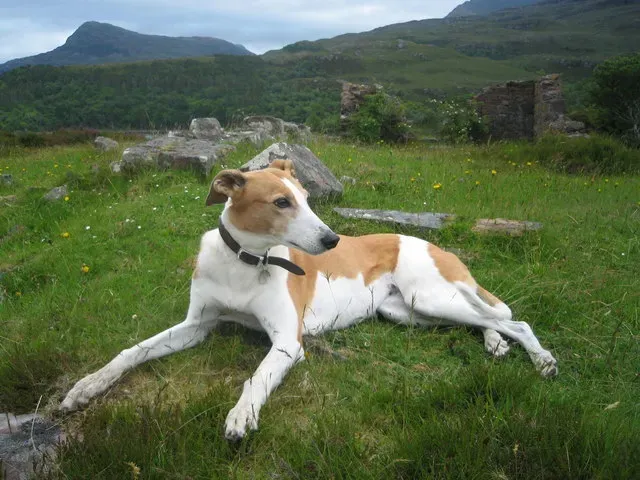
Greyhounds share many advantages with Whippets but on a larger scale: very slim bodies, long legs, and almost no extra insulation. Because they have such low body fat and fine coats, they can release heat efficiently and rarely suffer from the suffocating warmth that clobbers thicker-built dogs. After a bit of activity, they settle into their famous couch-potato mode, which is exactly what the desert demands from its residents during the hottest hours.
These retired racers often adapt well to Arizona as long as owners pay attention to sun exposure and ground temperature. Their skin can burn more easily because it is so exposed, so they still need shade and sometimes even lightweight protection if outside for long. But from a pure physiological standpoint, they fare far better in sustained heat than many of the fluffy and short-nosed breeds that people often mistake as “tough.”
18. Canaan Dog: A Natural Desert Survivor
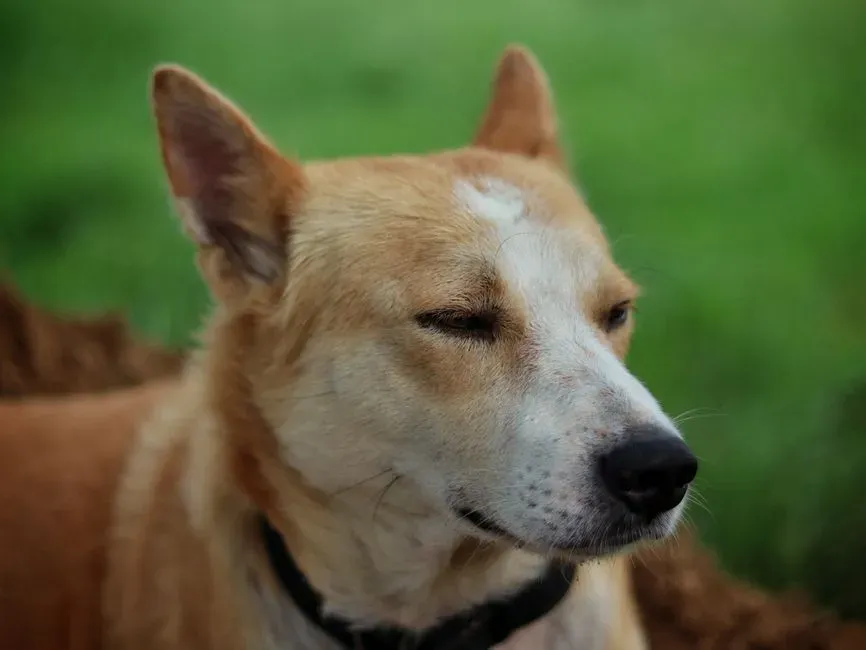
The Canaan Dog originates from the Middle East, where harsh, arid landscapes and strong sun are part of everyday life. They have a weather-resistant coat that is not excessively thick, along with a balanced, athletic build that allows them to work in heat without the dangerous bulk of some larger breeds. This combination makes them surprisingly well suited to climates that mirror their region of origin, including desert-like conditions.
Canaan Dogs are also known for being smart, self-preserving, and somewhat independent, traits that can help them regulate their own activity when the environment is unforgiving. In Arizona, that often translates to a dog that naturally seeks shade, avoids frantic overexertion, and conserves energy when the ground feels like a stovetop. Among all the breeds on this list, they are one of the clearest examples of a dog that is not just coping with the heat, but genuinely adapted to it.
Conclusion: Matching the Dog to the Desert
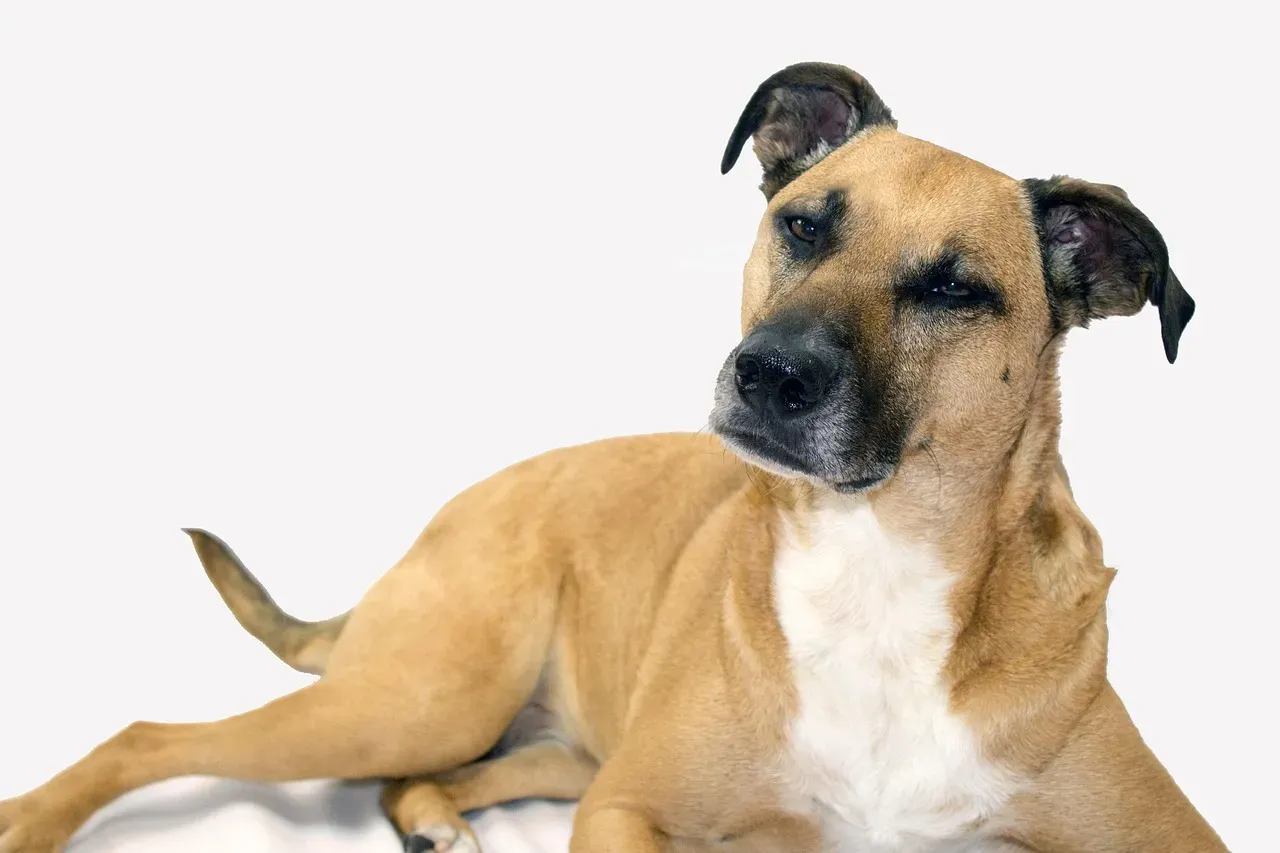
When you line these breeds up side by side, a simple pattern jumps out: short noses, heavy coats, and bulky frames are a nightmare in Arizona, while lean bodies, longer snouts, and minimal insulation are a quiet blessing. In a state where stepping outside at the wrong time feels like opening an oven door, ignoring heat tolerance and just picking a dog based on looks or trends is, frankly, irresponsible. I have seen too many well-meaning owners shocked by how fast their “tough” dog collapses after a few minutes of sun.
If you live in the desert, choosing or caring for a breed is not just about cuteness or popularity; it is a real health decision that can mean the difference between a comfortable pet and a constant emergency risk. Whether you already share your home with a heat-sensitive Bulldog or a heat-savvy Saluki, the responsibility is the same: build your dog’s life around the climate you actually have, not the one you wish you did. Looking at your own dog and your own routine, would you say you have truly designed their world for Arizona, or are you just hoping they can endure it?


