
If you’ve ever watched your dog step outside in a Nevada summer, freeze, squint at the sun, and immediately drag you back to the AC, you know not every breed was built for desert life. Some pups are basically walking space heaters wrapped in fur coats, and Nevada’s dry, blazing weather can go from uncomfortable to dangerous for them way faster than many people realize.
On the other hand, some breeds surprise people. They may not be “desert natives,” but their body type, coat, and energy level make them surprisingly decent companions for hot, dry climates, as long as you’re still careful. Let’s walk through both sides: ten breeds that really struggle in Nevada’s desert heat, and ten that tend to cope better than you’d expect.
1. Siberian Husky – A Snow Dog in a Solar Oven
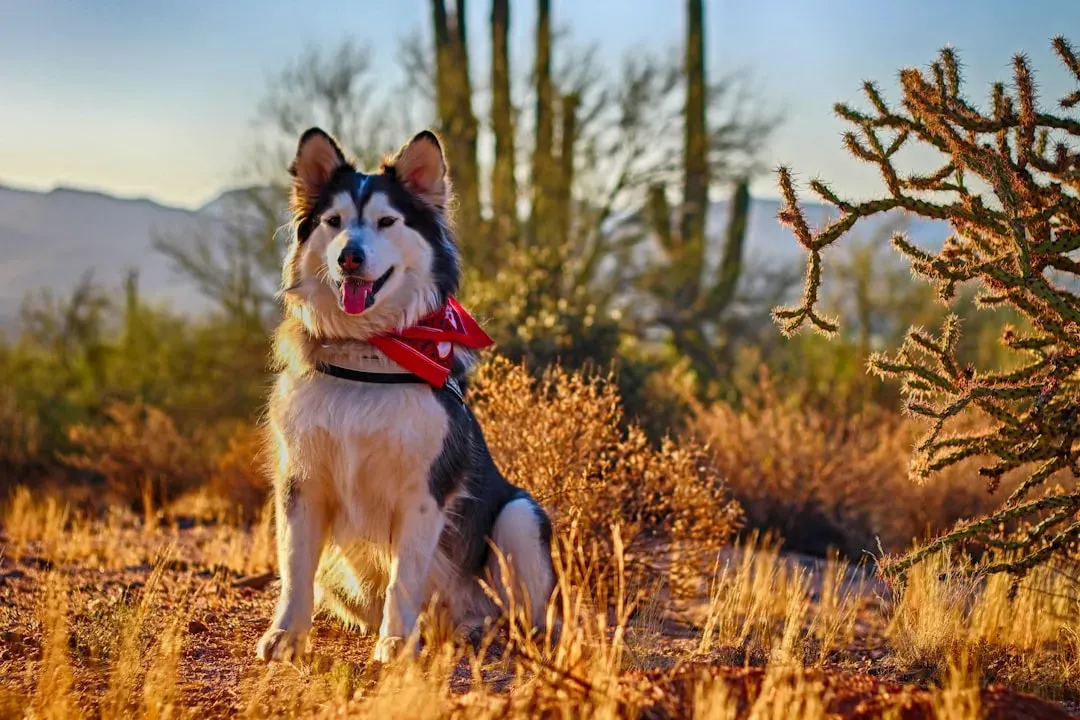
Siberian Huskies are literally designed to pull sleds in freezing temperatures, so dropping one into Nevada’s desert summer is like tossing a winter jacket into a sauna. Their thick double coat traps heat, and even though that coat offers some insulation, they still overheat quickly when temps soar and the sun is brutal. Many huskies also have high energy levels, which means they want to run right when it’s most dangerous for them.
In Nevada, huskies often do better if their lifestyle is adjusted around the weather: dawn and late-night walks, no midday runs, and constant access to shade and cool surfaces. They can live in hot places, but they don’t thrive in that dry, scorching heat without serious human intervention. If you picture snow and pine trees when you look at your dog, you can bet Nevada’s desert is pushing them to the edge of what’s comfortable.
2. Alaskan Malamute – Built for Ice, Not Asphalt
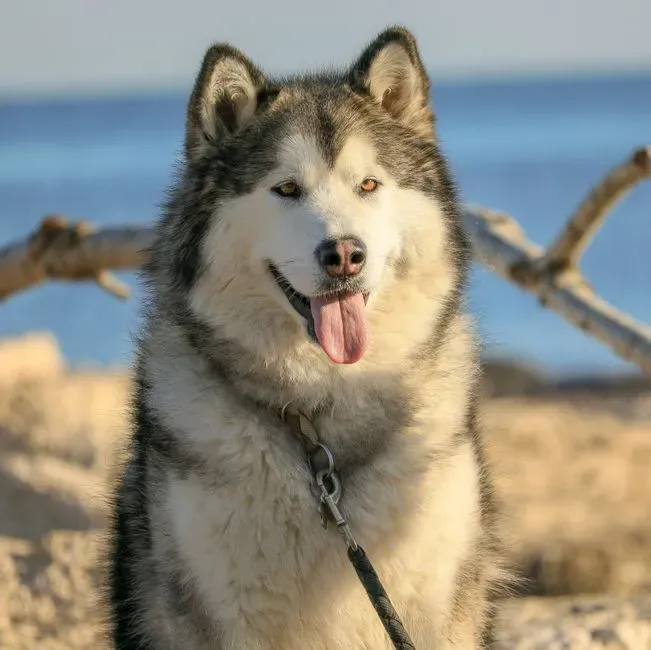
Alaskan Malamutes are like huskies’ bigger, bulkier cousins, with an even denser double coat and heavy build meant for brutal cold. That same thick insulation that keeps them warm on frozen terrain works against them on blistering desert sidewalks. Their bodies just hold onto heat, and they can struggle to cool down efficiently in high temperatures.
In Nevada’s hot, dry climate, malamutes are at real risk of overheating if exercise and outdoor time aren’t strictly limited and timed. You pretty much have to plan their lives around the sun, with air conditioning becoming a non-negotiable part of their environment. They might look majestic on a rocky desert backdrop for a quick photo, but in real day-to-day life, this is a cold-weather dog trying to survive in the wrong chapter of the book.
3. Saint Bernard – The Walking Furnace
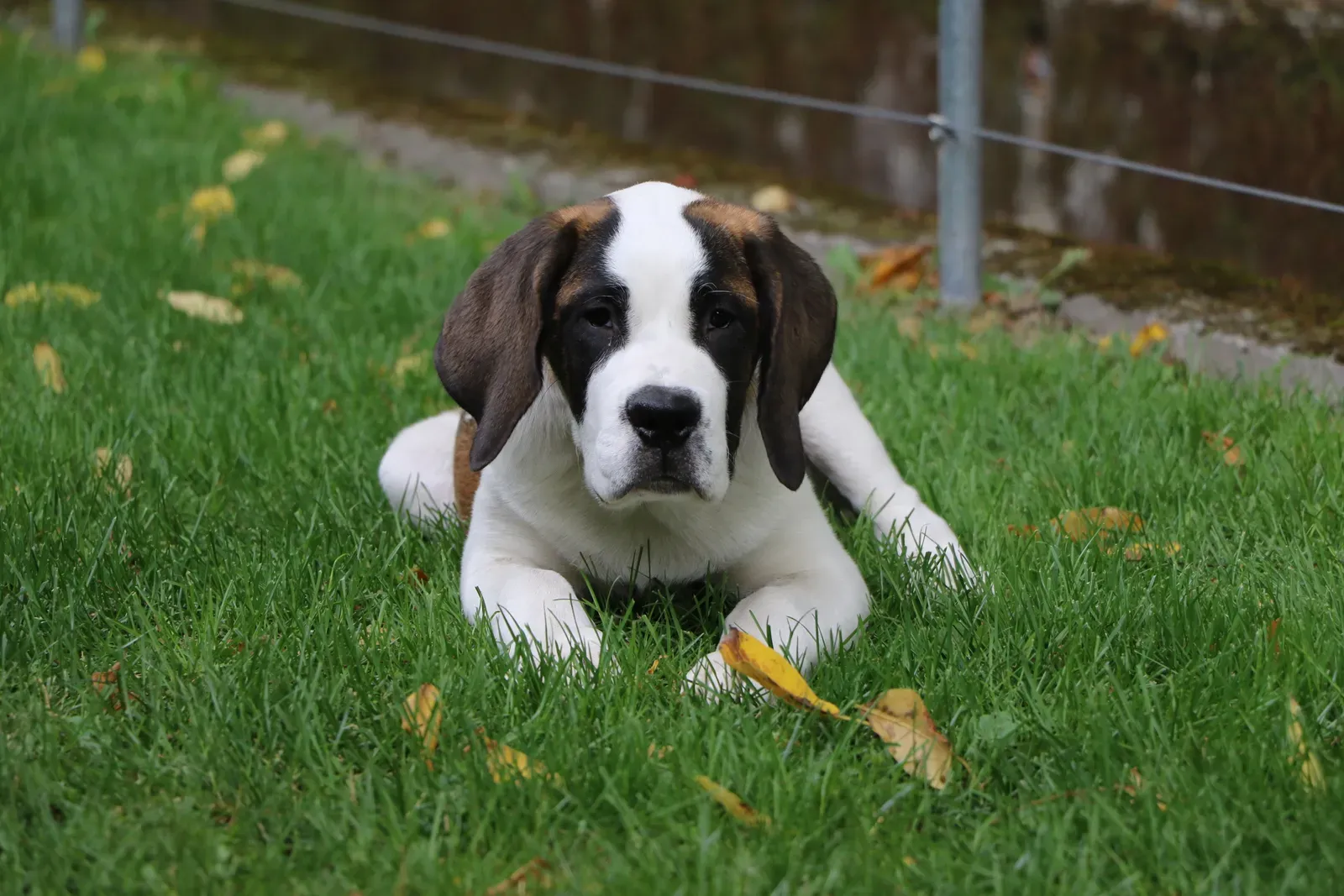
Saint Bernards have that classic mountain-rescue look for a reason: they were bred to work in cold, snowy conditions and carry a massive, powerful body under a thick coat. In Nevada’s desert heat, that combination is a problem. Their size makes it harder for them to dissipate heat, and the heavy fur acts like a quilt when all they really need is a cotton sheet.
Even a short walk in summer can leave a Saint Bernard panting heavily and drained, especially on hot pavement and dry, dusty trails. They’re better off living in cooler climates or at least in Nevada homes where owners are hyper-aware of shade, water, and limiting exertion. When a breeze finally comes through on a desert evening and a Saint Bernard flops down in front of a fan, you can almost feel the relief from across the room.
4. English Bulldog – Low Heat Tolerance and Breathing Challenges

English Bulldogs are already famous for breathing issues thanks to their flat faces, and heat makes that situation even more complicated. In Nevada’s dry desert climate, hot air and low humidity can make it harder for them to cool themselves through panting, which is basically their only built-in cooling system. Their compact build and tendency toward low stamina add another layer of risk.
Even a few minutes of play in the midday sun can push a bulldog into dangerous territory with overheating or heatstroke. They’re the kind of dog that genuinely needs an indoor, climate-controlled lifestyle in places like Nevada, plus short bathroom breaks in the shade rather than long hikes. If you want a bulldog and live in the desert, you’re also signing up to be their personal temperature manager, whether you meant to or not.
5. Pug – Cute Snorts, Serious Heat Sensitivity

Pugs are tiny, but their problems in the heat are big. As another brachycephalic (short-nosed) breed, they simply do not move air through their respiratory system as efficiently as longer-nosed dogs. When desert temperatures spike, their ability to cool themselves via panting is severely limited, and they can go from “a little warm” to “in real trouble” in a scary short amount of time.
In Nevada’s desert environment, pugs generally need to live like indoor roommates who just visit the outside world in short, supervised trips when the sun is low. Owners often learn to read even subtle signs of stress: slower movement, louder breathing, or a refusal to walk further. The bottom line is that this is a lap dog, not a Lake Mead trail partner, and Nevada’s summer heat will remind you of that quickly.
6. French Bulldog – Trendy but Trouble in High Heat
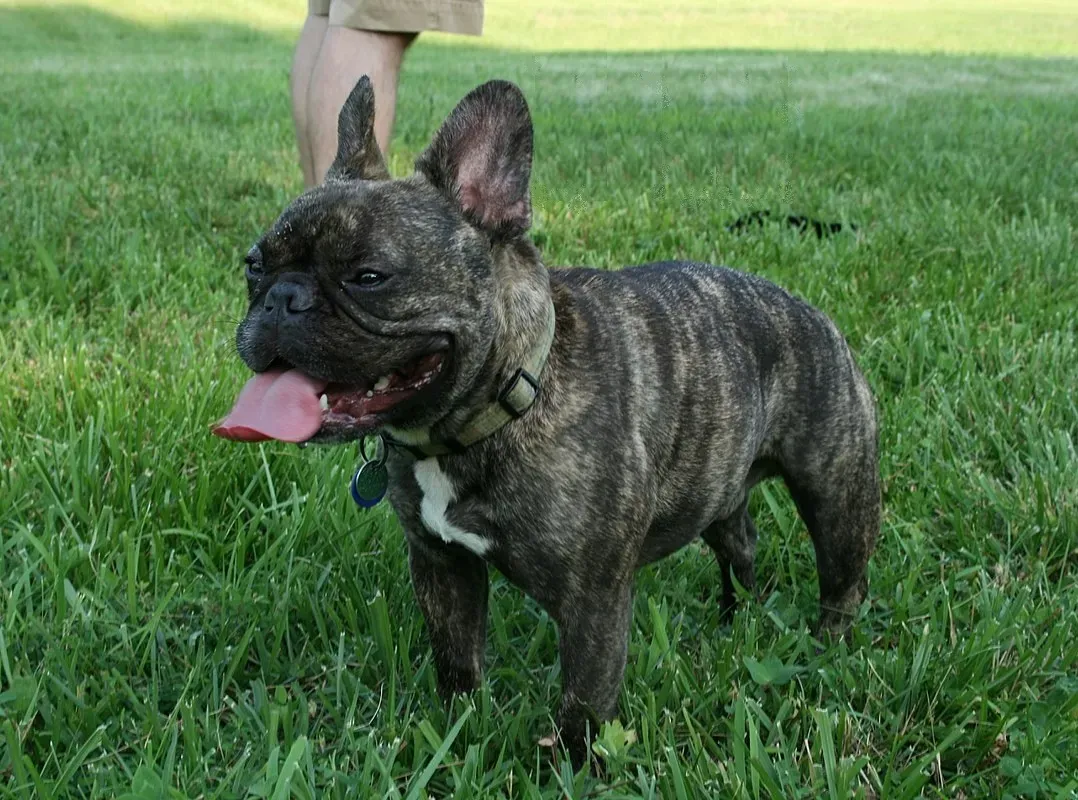
French Bulldogs have become wildly popular, but popularity does not equal suitability for every climate. Like English Bulldogs and pugs, they have short snouts and compromised airflow, which makes panting much less effective for cooling. Combine that with Nevada’s scorching, dry air and intense sun, and you have a dog that really struggles outdoors once the temps climb.
Many Frenchies in hot climates end up living very indoor-focused lives, especially during the long desert summer season. Short walks on cool surfaces, avoiding the hottest hours, and being extra cautious about car rides become non-negotiable habits. They might look charming on an Instagram hike, but in reality, they’re one of the last dogs that should be roughing it in the desert without serious precautions.
7. Chow Chow – Lion Mane Meets Desert Sun
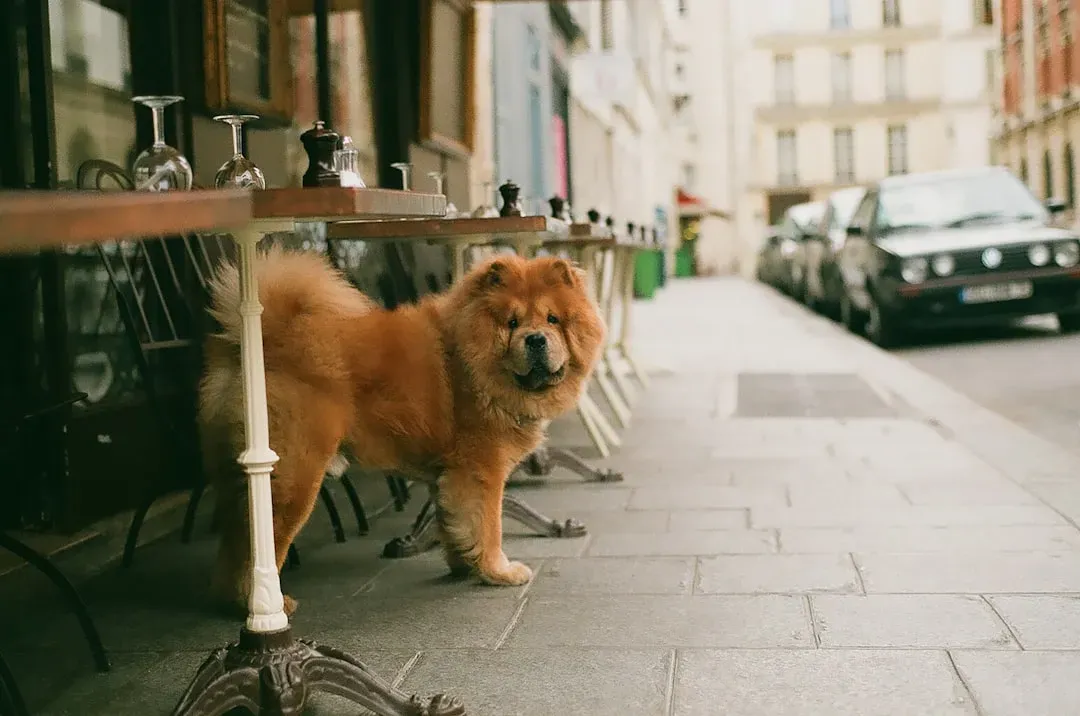
Chow Chows come with a thick, fluffy coat and a mane that looks incredible in photos and terrible in Nevada’s August heat. Their dense fur was meant for colder conditions and can trap heat against the body, making it harder for them to stay comfortable in a hot, dry environment. Some chows also have a more reserved, low-energy demeanor, but that doesn’t erase their underlying sensitivity to heat.
In the desert, even simple activities like a slow walk around the block can become risky during peak heat hours. Owners often have to rely on early-morning and late-night outings, plus careful grooming and constant access to cool indoor spaces. When a gust of hot wind comes across a parking lot, that big fur coat goes from impressive to deeply impractical in a heartbeat.
8. Newfoundland – A Cold-Water Lifeguard in the Wrong State
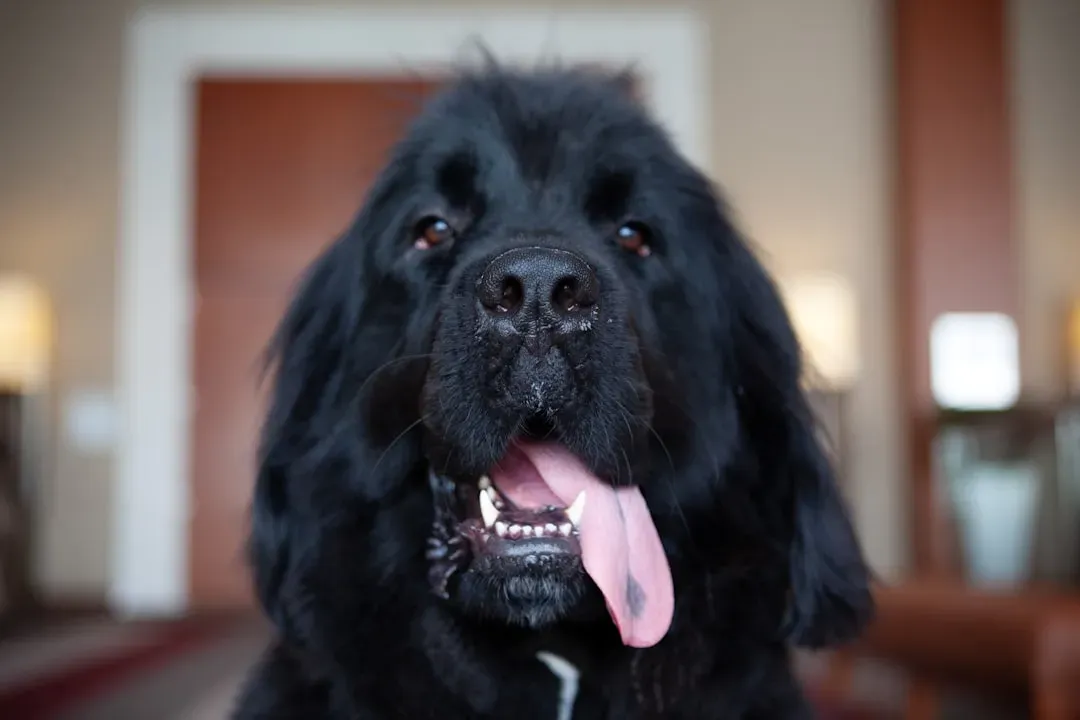
Newfoundlands are giant, gentle dogs bred to work in cold waters and harsh northern climates, and their thick, water-resistant double coat says it all. In Nevada’s desert, that same coat can hold in too much heat and make them overheat very quickly. Their sheer size and slower metabolism do not pair well with intense sun and hot ground underfoot.
Living with a Newfoundland in the desert often means centering their entire routine around the temperature: super early or super late walks, minimal exertion outdoors, and constant shade or AC access. Splash pads, kiddie pools, and cool tile floors become essential instead of “nice extras.” It’s almost like someone took a dog designed for foggy coastlines and dropped them into a hair dryer set to high.
9. Pekingese – Royal Lapdog, Not Desert Trekker
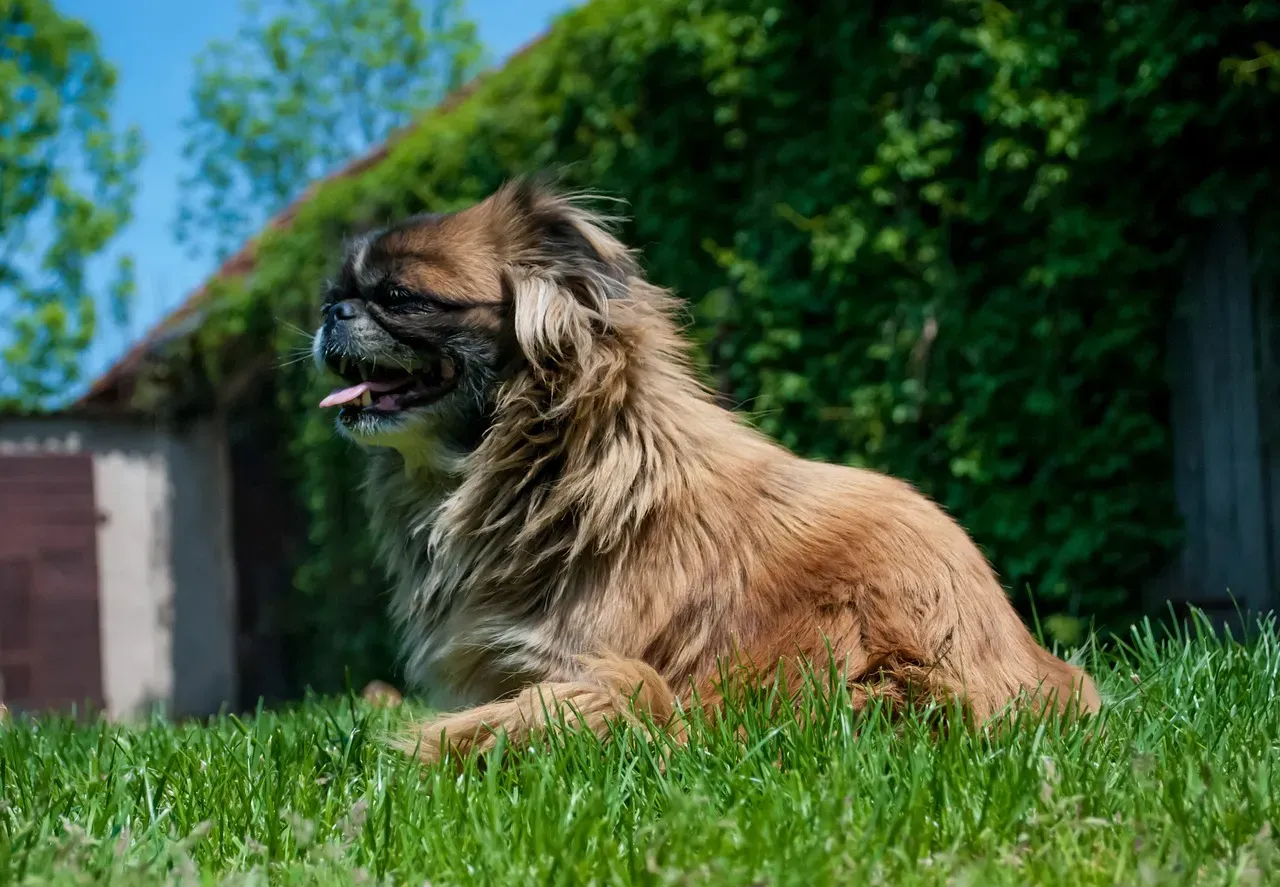
Pekingese dogs have long, abundant coats and a short snout, a combination that makes them especially vulnerable in hot desert weather. Their heavy fur can keep heat close to the skin, while their brachycephalic faces make panting less efficient for cooling. What might seem like a gentle summer day to a person can feel overwhelming to this little breed.
In Nevada, Pekingese generally do best as pampered indoor dogs with very limited exposure to harsh sun and heat. Short bathroom breaks, quick shaded walks, and plenty of grooming help them cope, but this is not the dog you take out on bright desert hikes. They were historically treated like royalty, and honestly, in the desert, they still need to live like it to stay safe.
10. Shih Tzu – Long Hair and Low Heat Tolerance

Shih Tzus are another small, flat-faced breed with a naturally long, flowing coat that people often keep for its beauty. That long hair, especially if not trimmed or properly maintained, can turn into a heat trap in Nevada’s dry, punishing sunlight. Their shorter muzzle also makes it harder to move enough air while panting, so they can overheat more quickly than many owners expect.
In Nevada’s desert climate, Shih Tzus usually need shorter, more practical haircuts, lots of indoor time, and very carefully timed walks. Think slow strolls at dawn rather than midday errands or long outdoor brunches. They can absolutely live in hot places, but the lifestyle has to be tailored around their limitations instead of pretending they’re little desert explorers.
11. Basenji – Lean, Short-Coated, and Heat-Aware
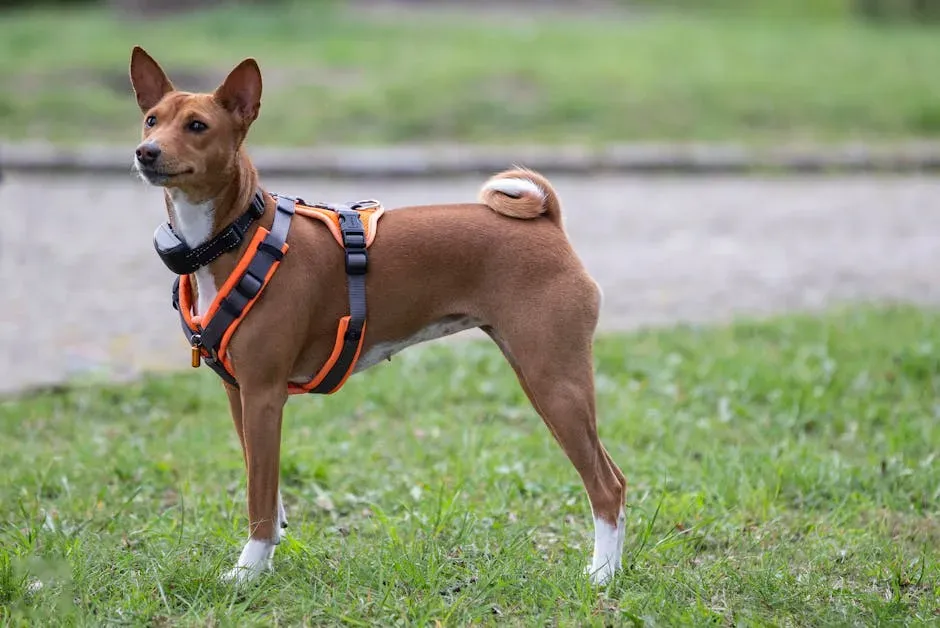
Now for the dogs that handle Nevada’s heat a bit better, at least relatively speaking. Basenjis are a lean, athletic breed with a short, fine coat and a body that sheds heat more easily than heavy, double-coated dogs. They were originally developed in warm regions of Africa, so a hot, dry climate is not completely unfamiliar to their basic design.
In Nevada, a Basenji can still overheat like any dog, but their build and coat give them a bit of an advantage over fluffier or flat-faced breeds. They often self-regulate, seeking shade and resting during the hottest parts of the day if given the option. As long as you provide water, breaks, and avoid extreme midday outings, they’re often surprisingly comfortable in a desert setting.
12. Pharaoh Hound – Desert Style Built In

Pharaoh Hounds look like they walked out of an ancient desert painting, and their build reflects that heritage. They are slim, long-legged, and covered in a short, sleek coat that doesn’t trap as much heat as dense fur does. Their body shape allows heat to dissipate more efficiently, which is an asset in hot, dry environments similar to Nevada’s.
While they are active and need exercise, Pharaoh Hounds typically cope well with early-morning or evening runs in warm climates when appropriately managed. They still need the usual desert precautions: no hot pavement, lots of water, and access to cool areas. But compared to heavy-coated or brachycephalic breeds, they are often far better suited for life under a blazing sun.
13. Ibizan Hound – Light Frame, Light Coat
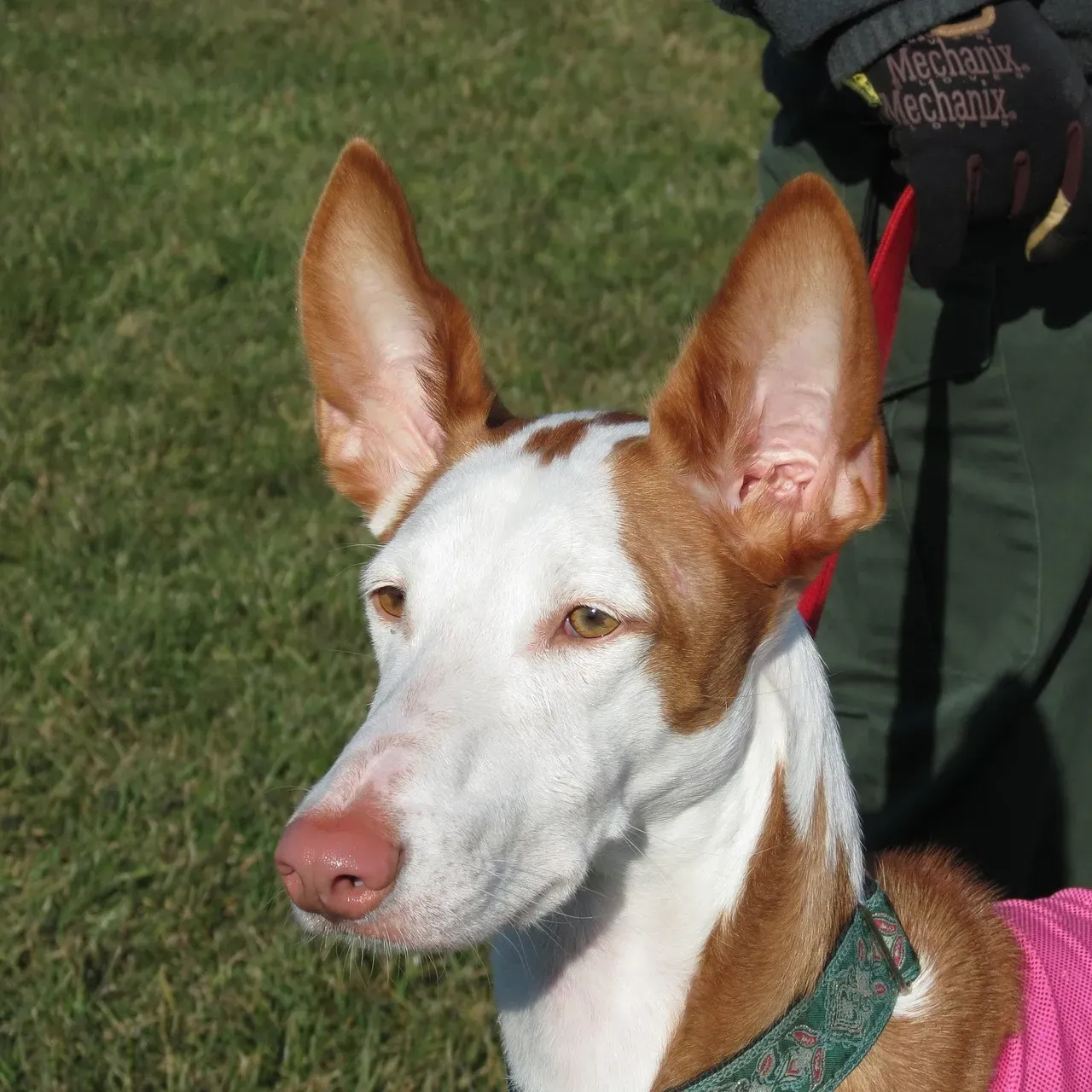
Ibizan Hounds are another slim, athletic sighthound with a short, light coat and long legs, which helps keep their bodies cooler. Their relatively low body fat and lack of dense fur make it easier for them to handle higher temperatures with proper care. They were developed in warm Mediterranean regions, so heat tolerance is a built-in part of their background.
In Nevada, an Ibizan Hound can usually enjoy outdoor time more safely than a thick-coated working dog, especially if you time exercise for cooler parts of the day. They still need shade and fresh water and can absolutely get into trouble if pushed too hard, but they start from a better place biologically. Think of them as the desert runners of the dog world – light, quick, and better adapted than most to warm air and dry trails.
14. Saluki – Graceful and Desert-Ready
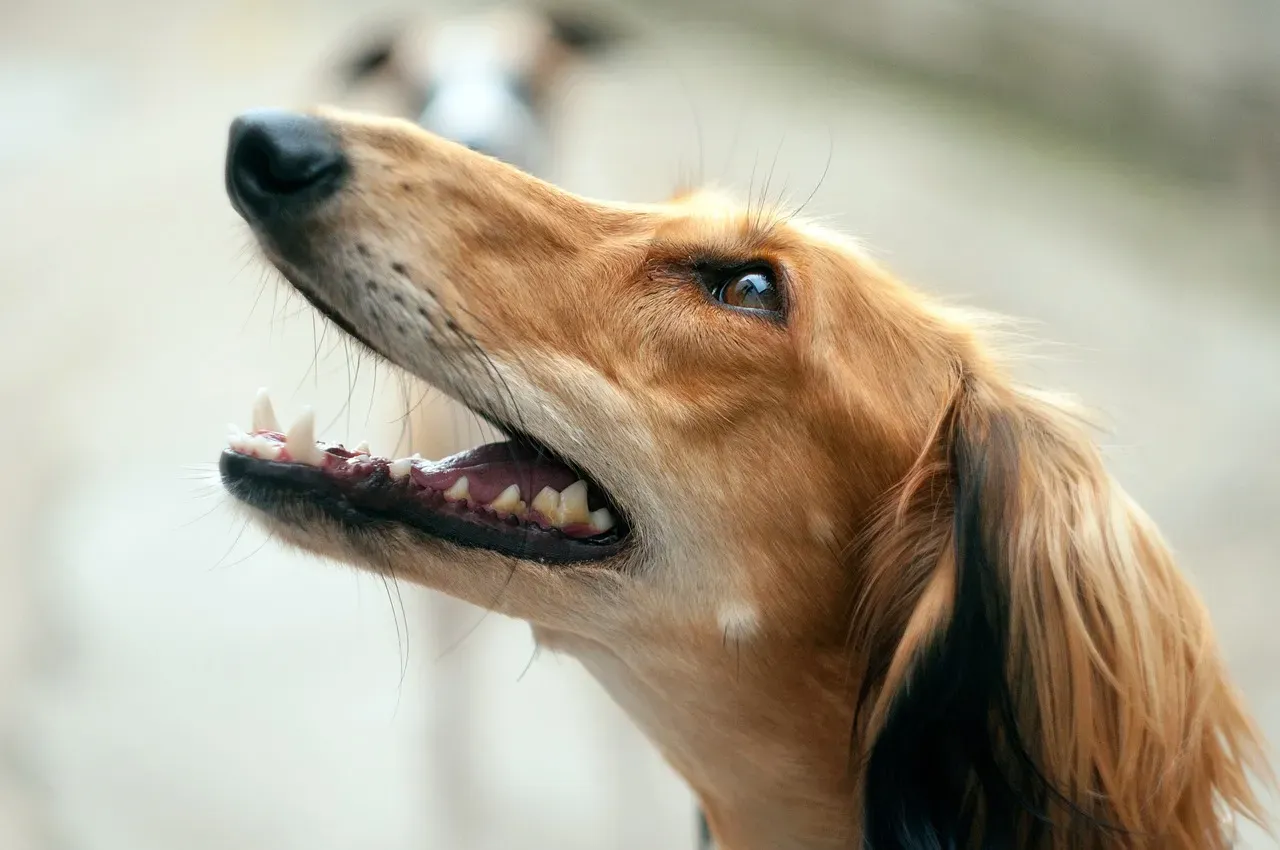
Salukis share a lot of traits with other desert-bred hounds: a slim build, narrow chest, and fine, short coat that allows for better heat escape. Historically associated with Middle Eastern deserts, they are more naturally comfortable in hot, arid conditions than many other breeds on this list. Their long legs keep their bodies higher off hot ground, which can help a bit in harsh landscapes.
In Nevada, a Saluki can be a good fit for active people who plan their runs or hikes for sunrise or sunset. They are not invincible in high heat, but they’re not fighting against a thick double coat or compromised breathing structure either. When handled thoughtfully, they often look like they belong in that glowing red-rock landscape rather than fighting against it.
15. Whippet – Minimal Coat, Maximum Efficiency
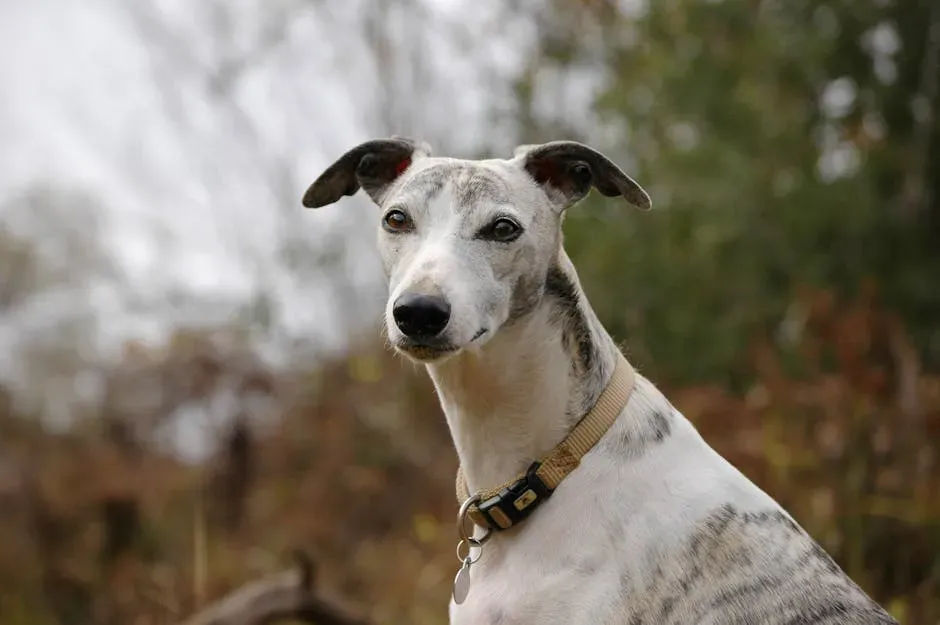
Whippets are famously lean, with a very short, fine coat and a body built for sprinting and cooling off quickly. They do not have layers of insulating fur or a bulky frame, which gives them an edge in hot, dry environments like Nevada’s. Their slim build allows body heat to dissipate faster than in heavy-bodied dogs, especially when they can rest in shade.
Living with a Whippet in the desert often means balancing bursts of exercise with long lounging sessions indoors. They can enjoy desert life more comfortably than a cold-weather working breed, but still need the usual protections: watching the clock, checking the ground temperature, and always bringing water. Compared to a husky or Saint Bernard, though, a Whippet is practically designed for surviving a heatwave with style.
16. Italian Greyhound – Tiny, Delicate, but Heat-Competent
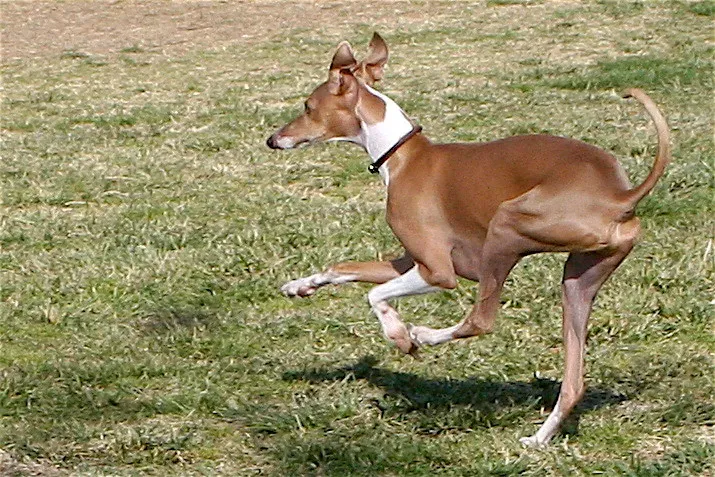
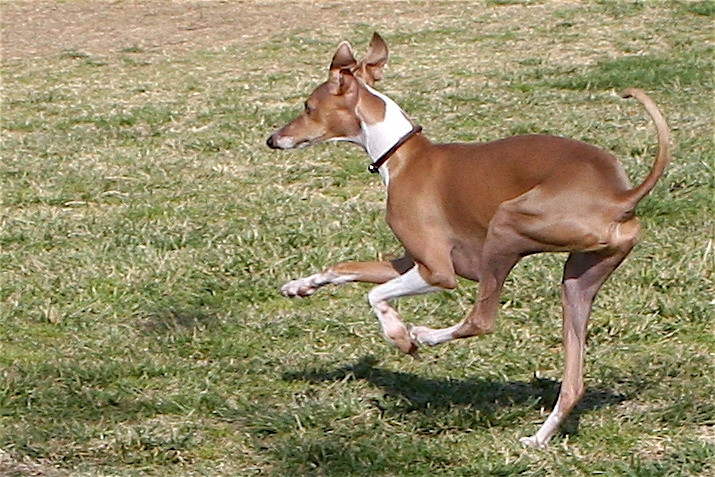
Italian Greyhounds are smaller cousins of larger sighthounds and share the same basic advantages: a very short coat and a lean, elegant frame. Their lack of insulating fur means they lose heat more easily, which is helpful in hot weather but can make them chilly in air conditioning or winter. In Nevada’s desert heat, that minimal coat is more of a blessing than a curse, as long as you protect them from sunburn.
Owners in hot, dry states often find that Italian Greyhounds are comfortable with brief outdoor trips even when it is fairly warm, so long as they avoid direct blazing midday sun. These dogs enjoy quick zoomies and then happily retreat to cool indoor spaces. They almost feel like a reminder that not every dog needs a fluffy coat to be cute, especially when the thermometer keeps climbing.
17. Chihuahua – Small Body, Big Desert Attitude
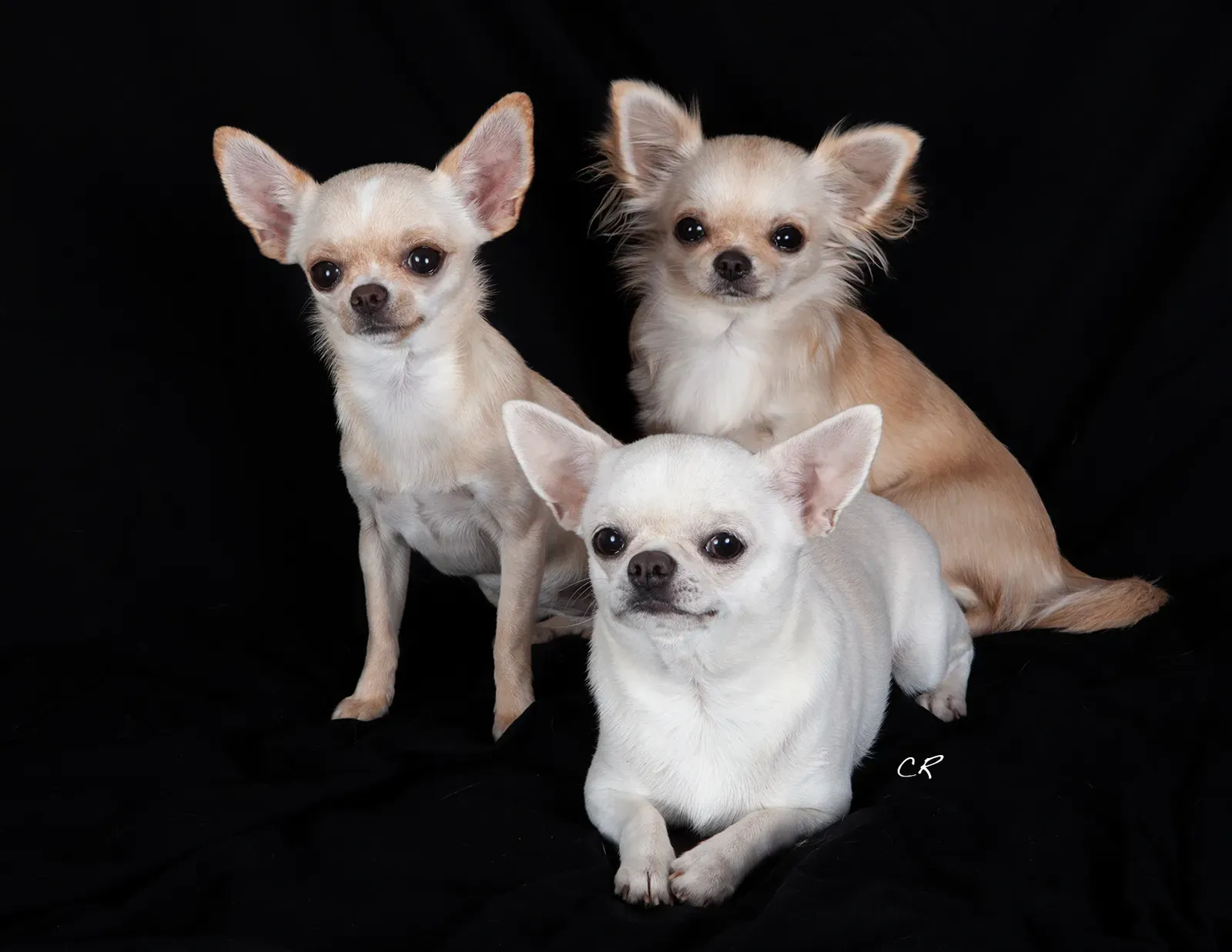
Many Chihuahuas, especially short-haired ones, actually handle desert climates reasonably well compared to larger, fluffier breeds. Their small size means they generate less body heat, and their short coat does not trap warmth the way a double coat does. In hot, dry places like Nevada, you’ll often see them trotting around quite comfortably in the shade while bigger dogs are already panting hard.
That said, their tiny bodies can also overheat or dehydrate quickly if pushed, so they still need access to cool spaces and plenty of water. The key difference is that, with basic precautions, many Chihuahuas adjust well to desert living and often appear less bothered by the heat than more heavily built dogs. They may look fragile, but in the right circumstances, they’ve got real desert-survivor vibes.
18. Doberman Pinscher – Sleek Coat and Athletic Build
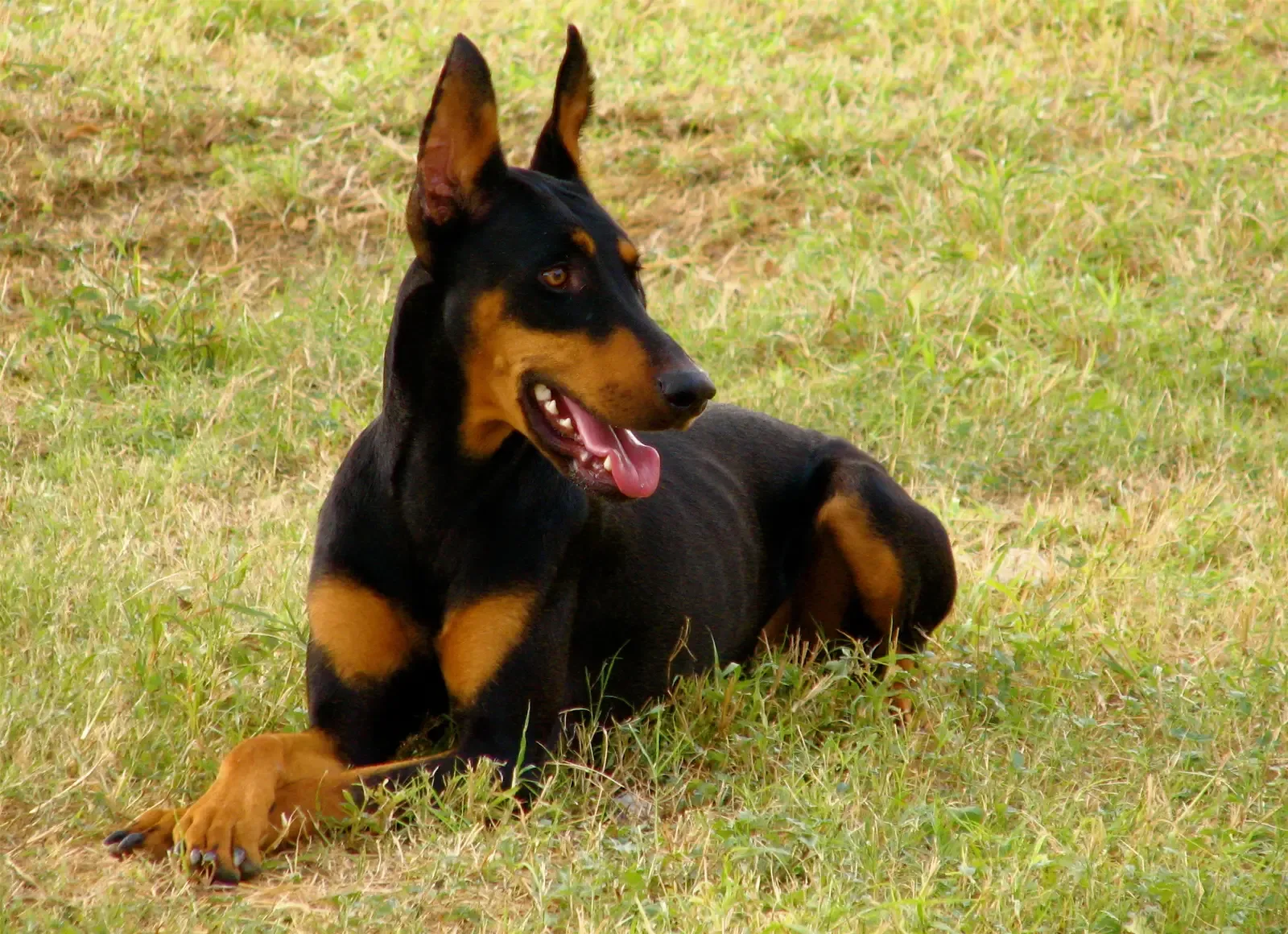
Dobermans have a short, smooth coat and a muscular but not overly bulky build, which allows them to handle hot weather somewhat better than thick-coated working dogs. Without a heavy layer of fur trapping heat, they can cool down more efficiently, especially if they are conditioned gradually to exercise in warm conditions. Their longer snouts also allow more effective panting compared with brachycephalic breeds.
In Nevada, many Dobermans can lead active lives with early-morning jogs, shaded yard time, and controlled outdoor play. They still face obvious heat risks if left on hot concrete or in direct sun too long, but they are not battling biology the way a husky or bulldog is. With a thoughtful routine, they can be surprisingly solid companions in a desert environment.
19. Belgian Malinois – High Energy, but Physically Heat-Capable
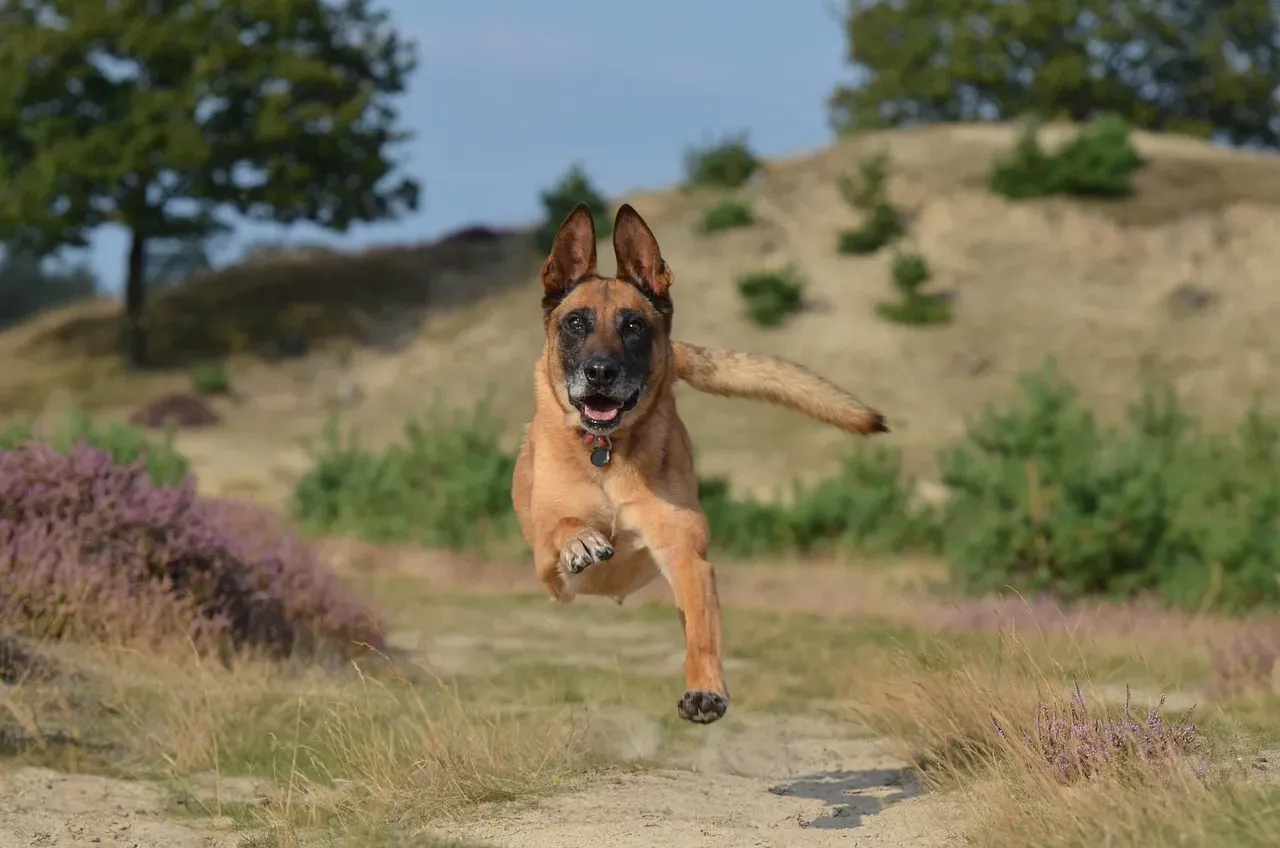
Belgian Malinois are intense, high-drive working dogs used in many demanding roles, including in hot climates. They have a short, close-lying coat and athletic build that, physically speaking, handles heat better than thick northern double coats. Their body type allows for better heat dissipation, and many have been successfully used in warm, dry regions with careful management.
The catch in Nevada is their mindset: they will keep working far beyond what is safe if you do not step in. So while their bodies can handle heat better than many cold-weather breeds, they rely heavily on human judgment to prevent overheating. In the right hands, they can do well in the desert, but they’re proof that physical suitability still needs smart, responsible handling.
20. Canaan Dog – Naturally Suited to Harsh, Arid Conditions
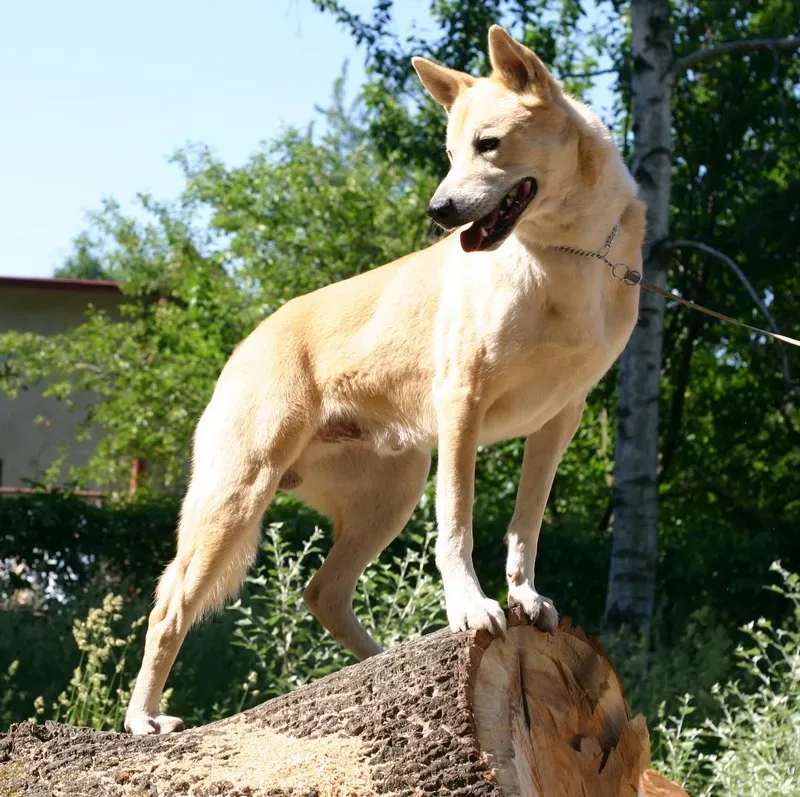
Canaan Dogs originated in the Middle East and were shaped by life in tough, arid landscapes, which gives them a built-in advantage in hot, dry climates. They have a medium-length double coat that offers some insulation but is not as overwhelmingly heavy as dogs bred for snow and ice. Their body structure and instincts often help them seek shade, conserve energy, and manage heat more naturally.
In Nevada, a Canaan Dog can adapt quite well if given standard precautions like water, shade, and limited midday exertion. They’re not immune to heat issues, but they’re starting from a design closer to desert survival than the average family pet. Watching a Canaan Dog calmly choose the shadiest spot while other breeds flop around desperately searching for relief can feel like watching a local who already knows exactly how to handle summer.
Conclusion – Heat Tolerance Is Biology First, Lifestyle Second
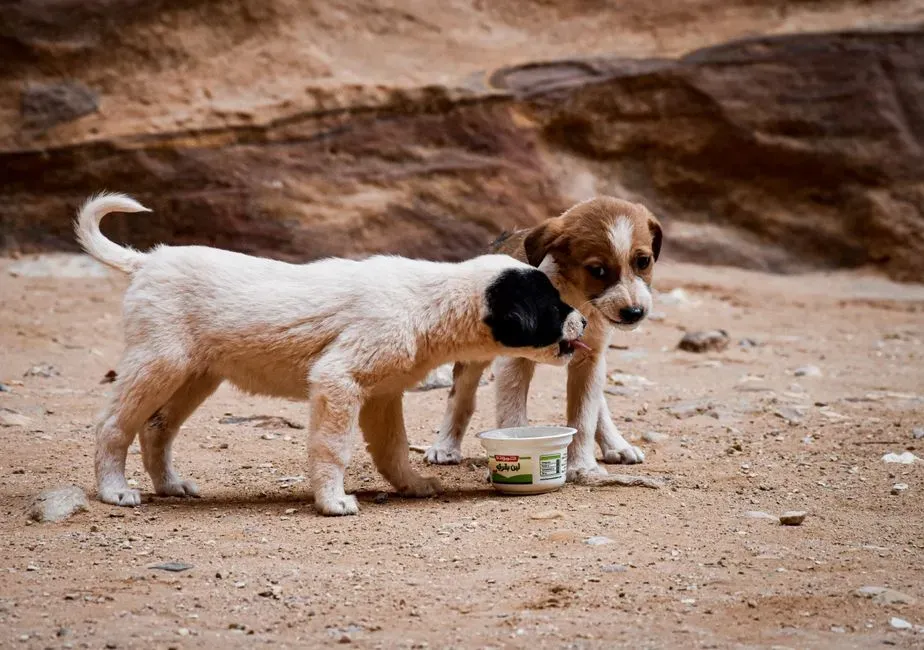
Looking at these breeds side by side, it becomes pretty clear that Nevada’s desert heat is not just “a little uncomfortable” for some dogs; it’s almost a full-on mismatch with how their bodies were built. Thick coats, huge frames, and short snouts all stack the deck against cold-weather and brachycephalic breeds, no matter how much they may want to run with you on that glowing desert trail. On the flip side, lean, short-coated, desert-bred or sighthound-type dogs have a genuine advantage – but even they are not magic; they still need shade, water, and smart scheduling.
In my view, living with a dog in Nevada is less about forcing them to fit your lifestyle and more about respecting the body they came with. If you share your life with a husky or bulldog there, you take on the job of managing their environment like a full-time lifeguard. If you choose a Whippet, Basenji, or Canaan Dog, you’re starting closer to what the climate demands, but responsibility does not disappear. Maybe the real question for any desert dog owner is simple: are you willing to love your dog enough to plan your life around the sun?


