
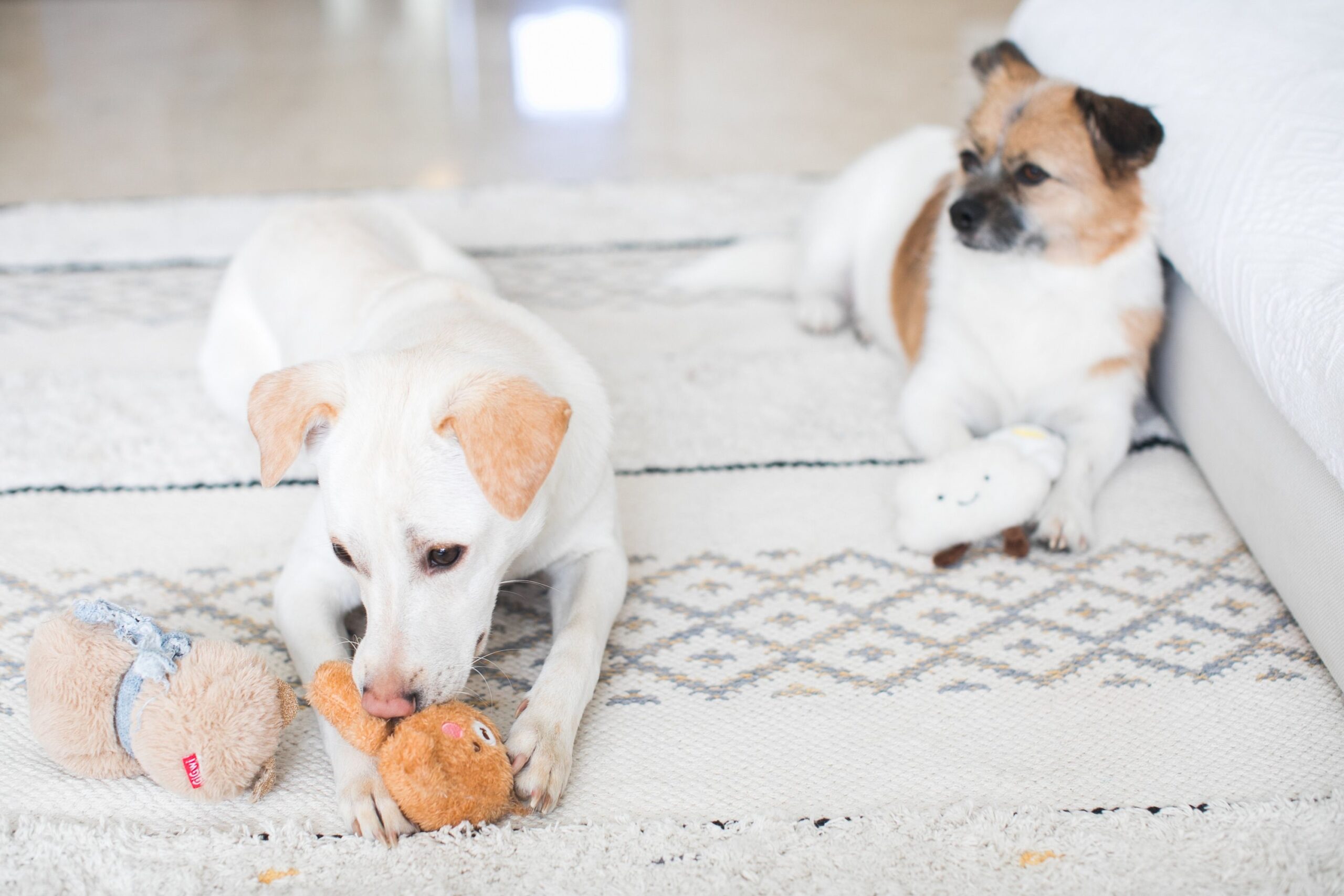
You know that moment: you open the door, your dog locks eyes with you, then sprints off to grab their favorite toy like it is the most urgent mission on earth. Most of us laugh, assume they are begging us to play, and maybe feel a little guilty if we are too tired to throw it. But what if that toy grab is less about fetch and more about what your dog is desperately trying to tell you about how they feel inside?
Once I started really learning about dog body language and emotional needs, I could not unsee it. The toy was not just a toy anymore. It was a signal of excitement, relief, stress, habit, or even love, all wrapped into one goofy, squeaky package. When you understand what is actually going on in that tiny, powerful moment, you stop seeing “a dog with a toy” and start seeing a whole inner world your dog has been trying to share with you all along.
The Toy Is An Emotional Lightning Rod, Not Just An Invitation To Play
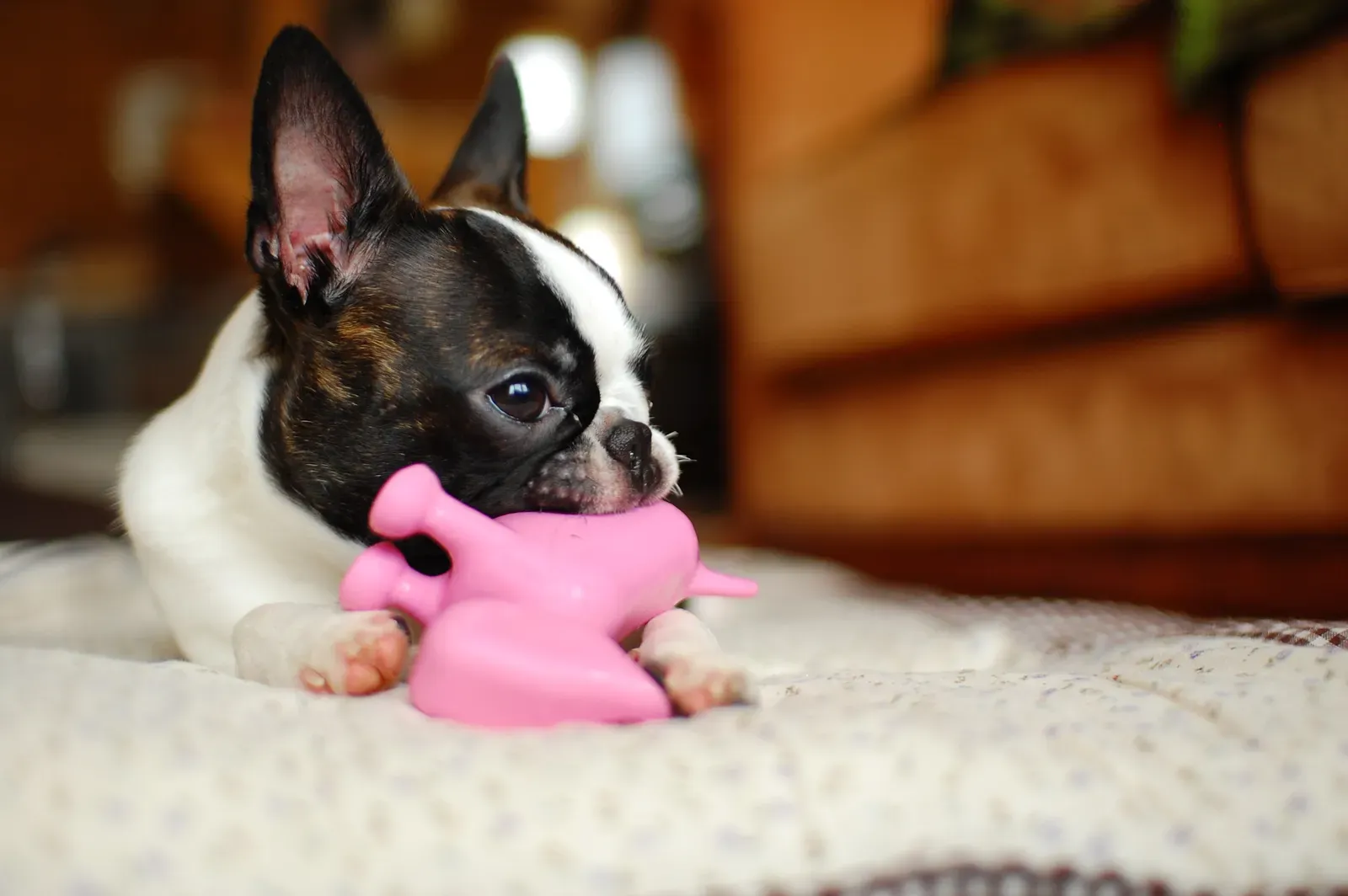
The most surprising truth is that when your dog rushes to grab a toy as you walk in, they are often trying to manage a huge wave of emotion. Dogs feel intense bursts of excitement, relief, and sometimes anxiety when their person comes home, and they need somewhere to put all that energy. The toy becomes an emotional lightning rod, a safe object they can bite, carry, and shake instead of jumping, mouthing, or barking uncontrollably at you.
Think of it like you fiddling with your phone or keys when you are nervous or excited: it is not about the object itself, it is about what it does for your feelings. Your dog grabbing that toy the second you step inside is their way of saying, “You’re back, I’m overwhelmed, and this helps me handle it.” Once you see it that way, you realize they are not just being cute; they are regulating their own emotional storm in real time.
They Are Saying “I Missed You So Much” In The Most Dog Way Possible
Many dogs struggle to be calm during reunions, especially if you have been gone for a while. Their heart rate goes up, their bodies flood with stress and excitement hormones, and then suddenly you are back in front of them. Grabbing a toy is often their way of expressing joy and attachment without exploding into chaos, like jumping on you or zooming around the house. It is a love letter, just written in slobber and squeaks instead of words.
When my own dog started greeting me with her favorite stuffed animal clamped in her mouth, tail doing helicopter spins, I used to think she was just obsessed with that toy. Over time, I realized she only did it when I had been away longer or when she seemed extra amped up. It was not about the toy; it was about me. The toy was her bridge between “I can’t handle how happy I am” and “I’m trying really hard to be polite and gentle with you.”
Your Dog Might Be Self-Soothing After A Stressful Alone Time
For some dogs, especially those that find alone time a bit stressful, the toy greeting is a coping strategy. The house has been quiet, maybe they heard noises outside, maybe they paced a little or waited by the door, and then suddenly, their safe person appears. All that built-up tension needs a release. Grabbing a toy and carrying it around, chewing, or squeaking it intensely can be their way of calming themselves down and easing that leftover stress.
This does not automatically mean your dog has severe separation anxiety, but it can hint that being home alone is emotionally demanding for them. If you notice your dog always rushes to a toy, pants a little, clings to you, or seems extra wired when you come back, they might be saying, “That was hard for me, and this helps me cope.” Seeing it this way can turn annoyance about chewed toys into compassion and curiosity about how to make their time alone feel safer and more predictable.
The “Gift” Of The Toy Is A Social Ritual And A Sign Of Deep Trust
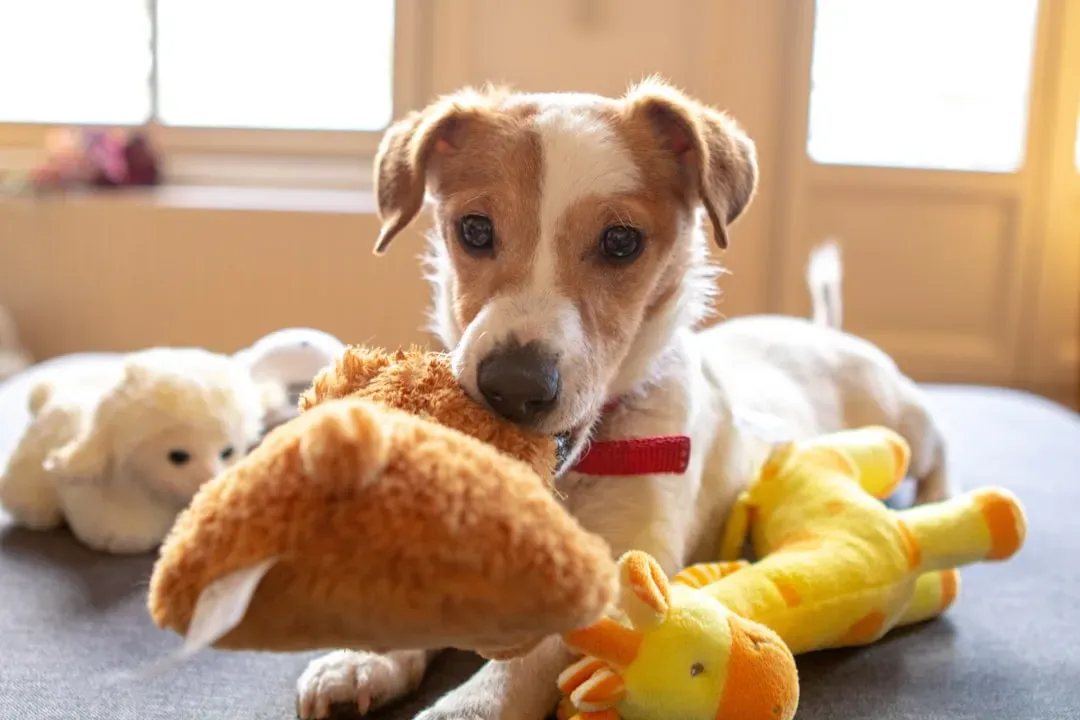
Sometimes, the toy is not just for them – it is for you. Many dogs develop a ritual of bringing their person a toy, shoe, or random object the moment they arrive, almost like a welcome gift. This can be rooted in natural dog behavior like sharing prized items with trusted group members, or simply a learned routine that feels good and comforting to them. It is their way of blending, “I’m happy you are here” with “Look what I have; I’m including you in my world.”
When a dog is willing to pick up something they love and carry it to you instead of running off to guard it, that is a quiet sign of confidence and trust. They are not hiding their favorite thing; they are proudly parading it in front of you. To them, it can be a social handshake, a ritual that says, “We are a team, and I want you in on this moment.” You might not care about that ragged stuffed dinosaur, but to your dog, sharing it with you is a big emotional move.
Body Language Around The Toy Tells You What They Are Really Feeling
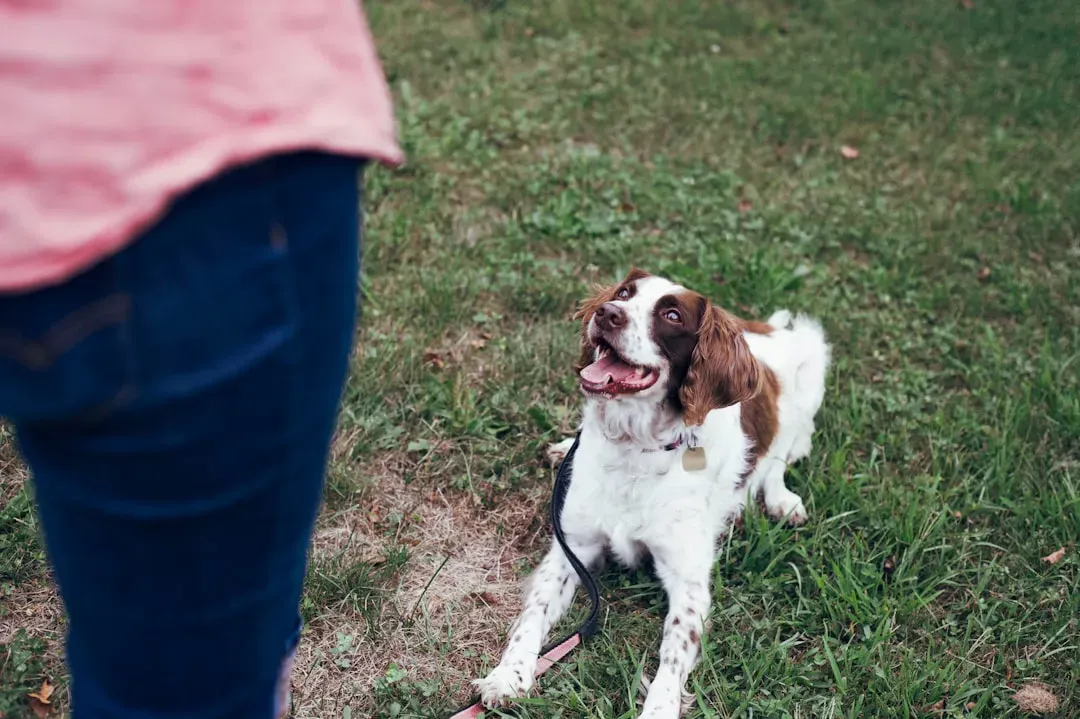
The toy itself is only half the story; your dog’s body language fills in the rest. A loose, wiggly body, soft eyes, and a gently wagging tail often mean, “I’m happy and excited to see you, this feels fun and safe.” In that case, the toy greeting is mostly joyful emotion and habit. But if you notice stiff posture, wide eyes, frantic panting, pacing, or an almost desperate insistence on shoving the toy into your hands, that might signal higher stress or over-arousal instead of pure playfulness.
Pay attention to the little details: do they drop the toy and move on quickly once you acknowledge them, or do they seem unable to settle without intense play? Do they cling tightly to the toy like a comfort blanket, maybe even carrying it around for a long time after you come home? Those patterns help you decode whether this is a happy ritual, a coping tool, or a sign that your dog is a bit overwhelmed and might need calmer, more soothing interactions instead of high-energy games right away.
How You Respond Can Either Calm Their Emotions Or Wind Them Up More
Your reaction in that first minute after walking in can shape how your dog feels for the rest of the evening. If you immediately launch into high-pitched excitement, loud praise, and wild tug games, you might accidentally crank their already intense emotions up even higher. For some dogs, that is fun but exhausting; for others, it keeps them stuck in a loop of over-arousal that is hard to come down from, leading to jumping, nipping, or general chaos later.
On the other hand, calmly greeting them, offering gentle affection, speaking in a relaxed tone, and maybe acknowledging the toy without turning it into a full-blown event can help them decompress. You can still play – just with intention. Sometimes the kindest thing you can do is take a few minutes for quiet connection first, then invite them into a structured game once they have settled. That way, the toy becomes part of a healthy emotional rhythm, not a switch that flips them into overdrive every time you come home.
Seeing The Toy As Communication Changes Your Whole Relationship
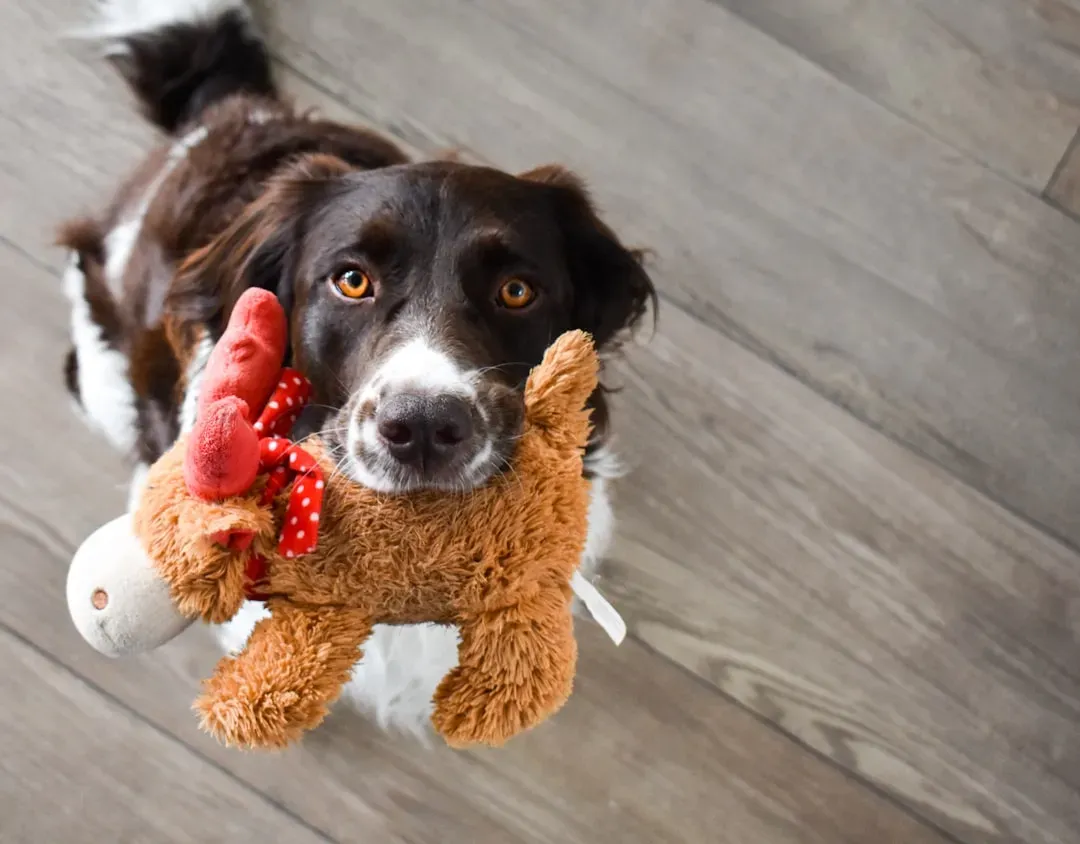
Once you realize your dog is not simply nagging you to play, but actually communicating how they feel, it shifts something deep in the relationship. That everyday moment at the door stops being background noise and becomes a small but powerful conversation. You start to ask questions in your head: Are they joyful? Overwhelmed? Coping? Inviting me into a ritual that matters to them? That curiosity alone makes you a more responsive, empathetic guardian.
Here is my honest opinion: ignoring or brushing off that toy moment as “just a dog thing” is like ignoring your best friend every time they try to tell you how their day went. You do not need to overanalyze every squeak, but you do owe your dog the respect of paying attention. If you treat the toy greeting as emotional communication instead of a trivial quirk, you will begin to notice patterns, meet their needs more thoughtfully, and build a relationship that feels less like ownership and more like a true, mutual bond. And really, once you see it that way, could you ever go back to thinking they just wanted another round of fetch?


