
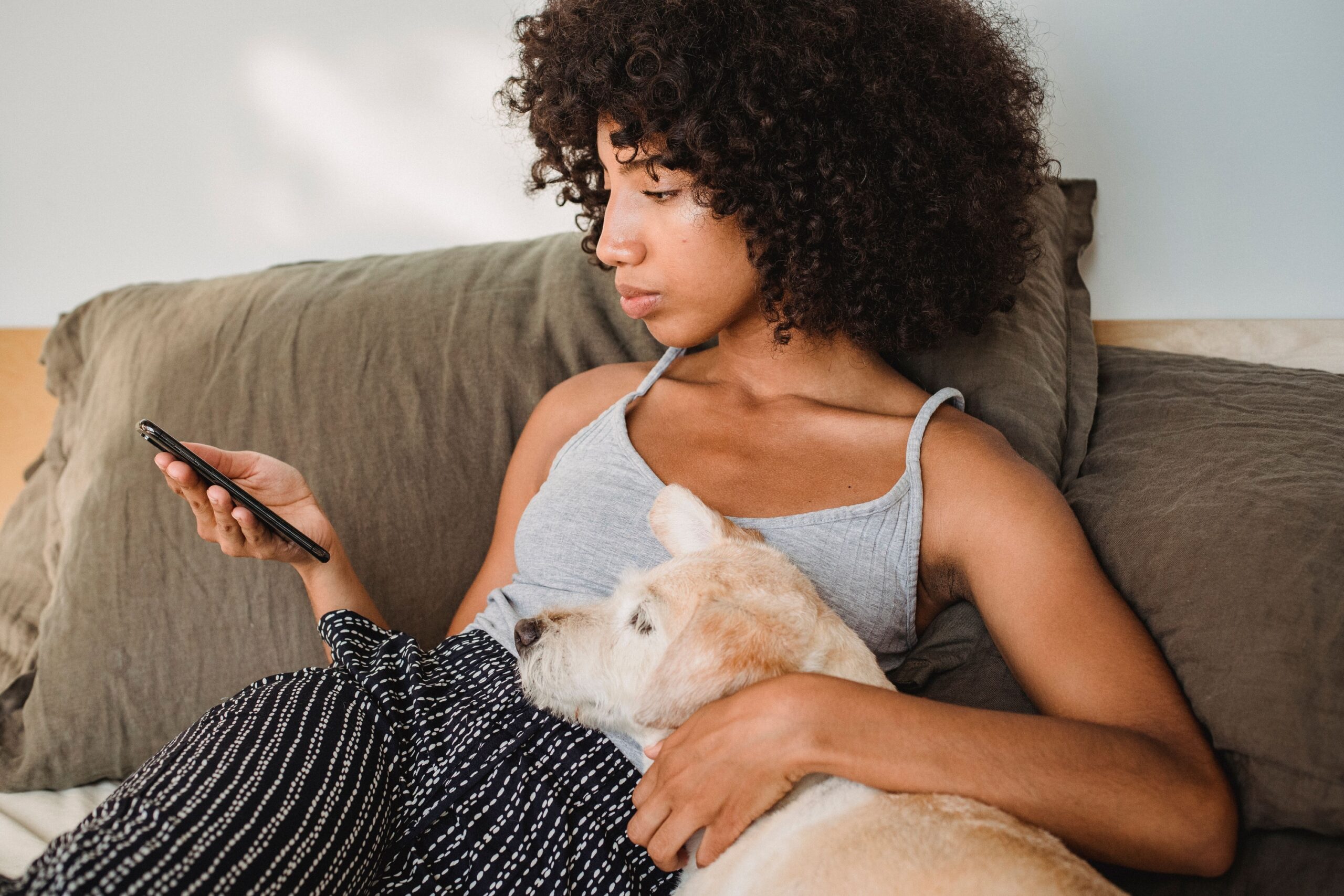
You know that feeling when your dog gives you that long, silent stare from across the room, and you brush it off as nothing? That might be the moment their heart quietly cracks a little. Dogs may not speak our language, but they are experts at reading our patterns, our moods, and the tiny ways we pull away from them without even realizing it.
What hurts most is that many of the things that deeply affect your dog are things you probably do on autopilot. Not because you are cruel or careless, but because life is busy, stressful, and distracting. Once you see these everyday habits through your dog’s eyes, though, it becomes very hard to unsee them – and that is exactly where the real change starts.
Ignoring Them When You Come Home

Think about the last time you walked through the door and your dog practically exploded with joy – tail wagging, body wiggling, maybe even a happy bark or two. For your dog, that moment is the highlight of their entire day. When you breeze right past them to check your phone, drop your bag, or start talking to someone else, they do notice. To them, it can feel like throwing a party and having the guest of honor walk straight past without saying a word.
This does not mean you have to make every entrance into your house a dramatic reunion scene. But a few seconds of eye contact, a soft “hey, buddy,” a gentle head scratch, or a calm cuddle tells your dog they matter. When you consistently ignore them at the door, you are quietly teaching them that their excitement, their love, and their wait for you all day long are not that important – and over time, that can dim their spark more than you think.
Being Glued To Your Phone Instead Of Being Present
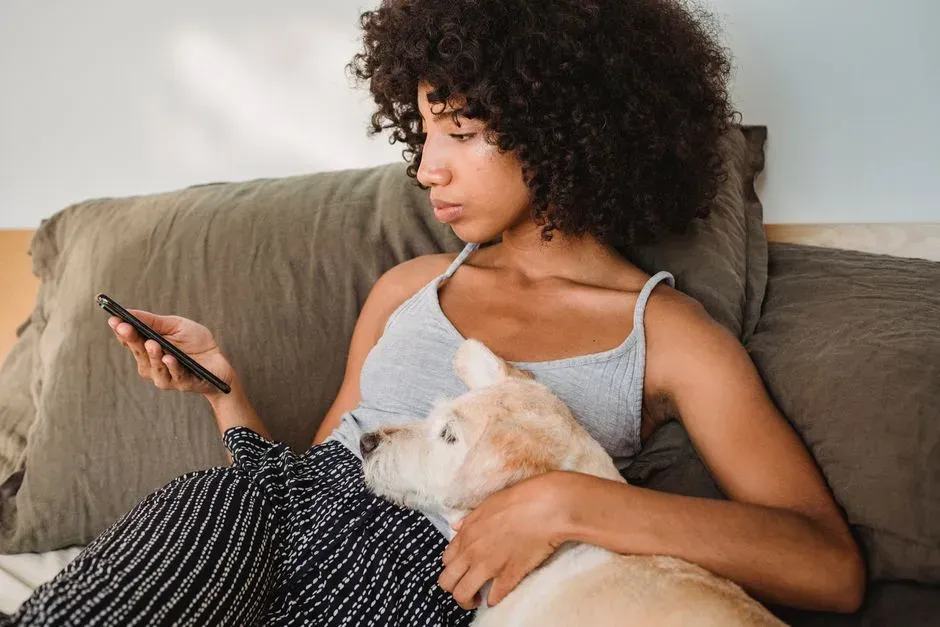
If your dog could talk, I genuinely believe one of their biggest complaints would be about the little glowing rectangle in your hand. Dogs are constantly reading our body language: where our eyes go, how our shoulders sit, which way our feet point. When you are home but your attention is sucked into your phone, your dog feels that gap. You are physically there but emotionally checked out, and they can sense that disconnect in a way that feels oddly similar to being ignored.
I have caught myself scrolling on the couch while my dog sat right at my feet, toy in her mouth, just staring up at me. That look hit harder than any notification ever could. You do not need to transform every minute into “quality time,” but building small phone-free rituals – a walk without earbuds, ten minutes of focused play, a few minutes of calm petting before bed – tells your dog they outrank the endless stream of distractions. When the screen always wins, it sends a quiet, painful message: “You’re background noise.”
Yelling Or Snapping When They Are Just Confused
Most dogs are not trying to be “bad.” They are trying to figure out what on earth we want from them in a world full of confusing human rules. When we suddenly yell, slam something down, or snap at them for chewing something, barking, or having an accident, they usually do not connect the dots the way we assume. What they experience instead is a person they love turning scary and unpredictable. For a sensitive dog, that is not just stressful – it is heartbreaking.
Over time, a dog who is frequently yelled at can become anxious, shut down, or oddly clingy and nervous around you. Calm, consistent guidance, rewards for the behavior you like, and setting up the environment so they are less likely to fail are far more effective and far kinder. Imagine trying to learn a new job in a foreign language and the trainer just shouts every time you guess wrong. That is what we put dogs through when anger becomes our default response. Your dog is not out to get you; they are just trying to survive in a human world they did not design.
Not Letting Them Sniff, Explore, Or Just Be A Dog
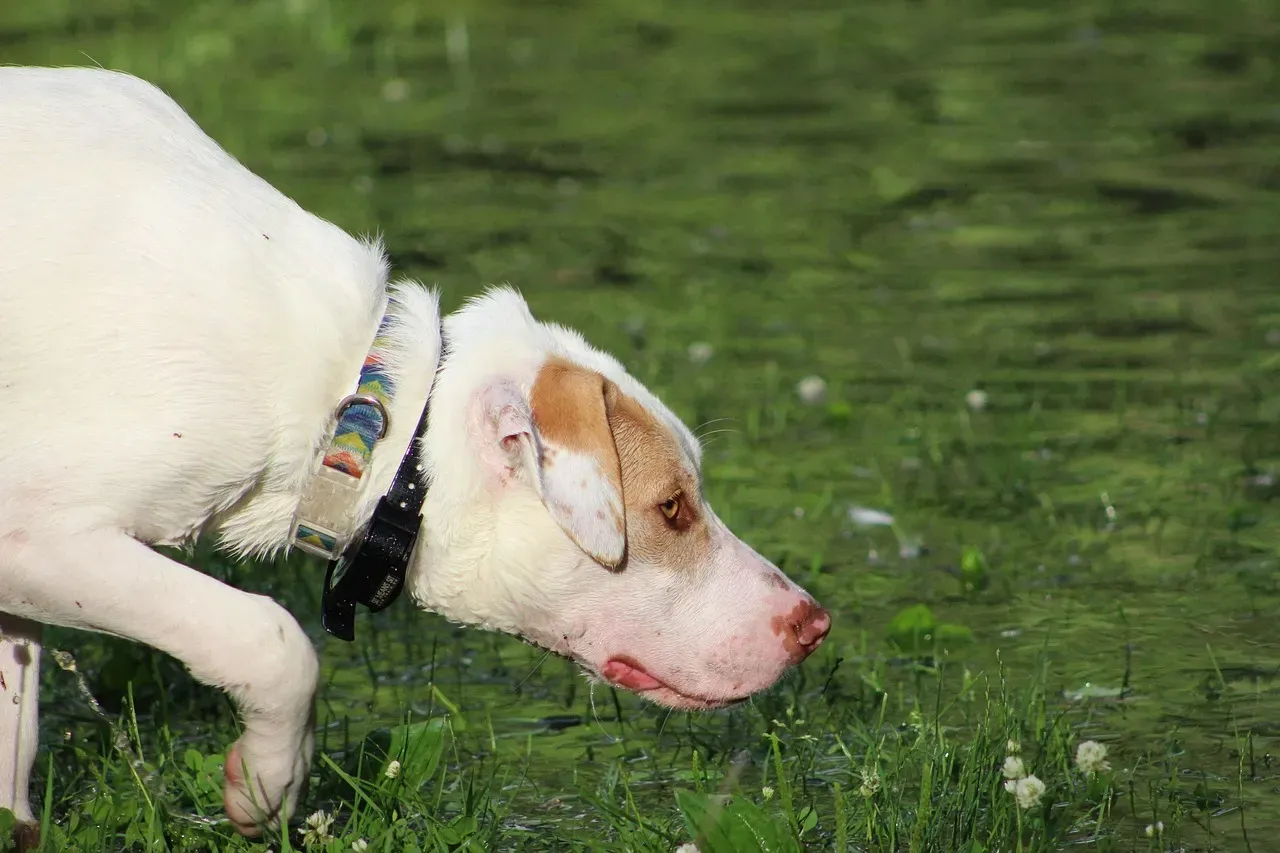
To a dog, a walk is not just exercise – it is their social feed, their news channel, and their mental workout all rolled into one. When we rush them down the street, constantly tugging the leash, pulling them away from every tree, or insisting on a perfect heel the whole time, we turn their most enriching part of the day into a tight, controlled march. They may obey, but that quiet frustration builds up, and their world slowly shrinks from full color to muted grey.
Dogs experience the world through their nose. Letting them sniff is not a pointless delay; it is how they decompress, gather information, and feel mentally satisfied. A walk with frequent sniff breaks, a little freedom within safe boundaries, and the chance to move at their pace now and then can change their whole mood. When you always rush them, it is like dragging a kid through a candy store and saying they are not allowed to even look. They will keep walking with you, because they love you – but a small piece of joy gets left behind every time.
Leaving Them Lonely For Long Stretches Without Enrichment

Modern life often means long workdays, commutes, and errands, and many dogs spend hours alone. They might “get used to it,” but that does not mean their hearts are fine with it. Dogs are social animals; they are wired to be part of a group. When we leave them alone for most of the day, with nothing to do and no mental stimulation, many quietly sink into boredom, stress, or low-level sadness. Some show it by destructive behavior or constant barking; others just sleep their way through a life that could have been so much richer.
We cannot always change our schedules, but we can change how those lonely hours feel. Food puzzles, safe chew toys, rotating enrichment games, a dog walker, a trusted dog-sitter, or even a friendly neighbor who pops in can make a huge difference. Fewer days of total isolation and more days of varied, interesting, dog-centered experiences add up. Your dog does not need a perfect life; they need a life where their needs as a social, curious, feeling creature are taken seriously, not treated like an afterthought.
Conclusion: They Notice More Than You Think – And That Is The Whole Point
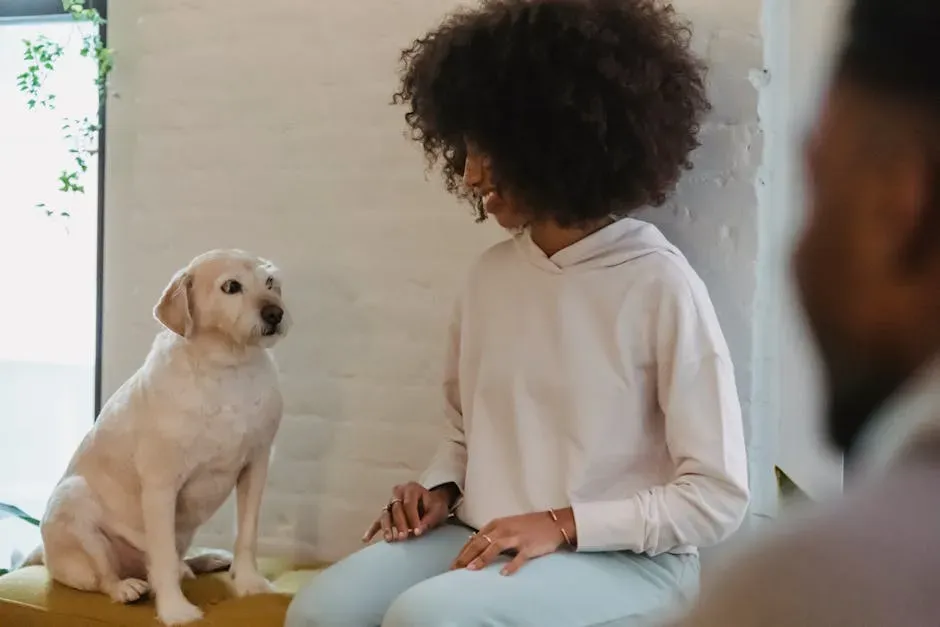
Here is the uncomfortable truth: your dog is probably far more tuned in to you than you are to them. They notice when you rush past them at the door, when your eyes never leave the screen, when your voice turns sharp, when the walks become rushed errands, and when the house feels empty for most of the day. You might see those things as “just life,” but to your dog, they are the emotional climate they live in, day after day. In my opinion, loving a dog means being brave enough to admit where we fall short – and willing enough to do better.
The good news is that small, consistent changes matter more than grand gestures. A few focused minutes when you get home, a calmer tone, a slower walk, a puzzle toy on a busy day – those are the tiny stitches that mend the little cracks we cause without meaning to. Your dog’s heart is softer, more forgiving, and more observant than we usually give them credit for. The real question is not whether they notice, but whether we decide to notice back. Now that you see things from their side, what will you change first?


