
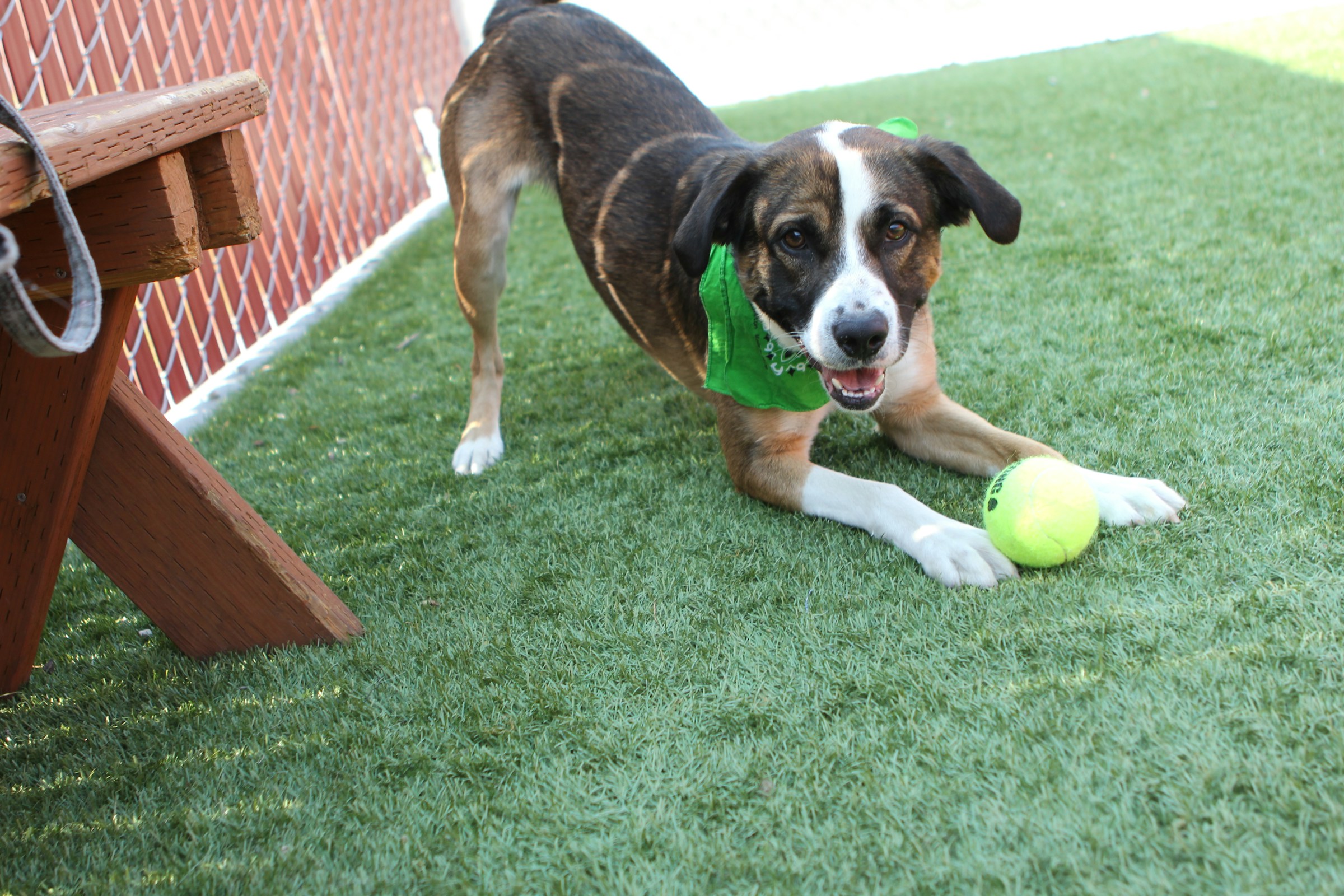
You walk through the door, drop your keys, and there it is: your dog’s full-body stretch, front legs out, hips high, tail maybe doing that slow happy swish. It looks casual, almost lazy, like they just woke up from the world’s longest nap. But that moment is not random at all. It is a tiny, silent conversation that says far more than most people realize.
Once you start paying attention, you’ll notice it happens with almost suspicious timing: the second your dog spots you, that stretch appears like clockwork. They are not warming up for a jog or copying your yoga routine. They are communicating in a language built from instinct, emotion, and subtle social signals. And once you learn to read it, you will never see your dog quite the same way again.
The “Greeting Stretch”: More Than Just a Morning Yawn
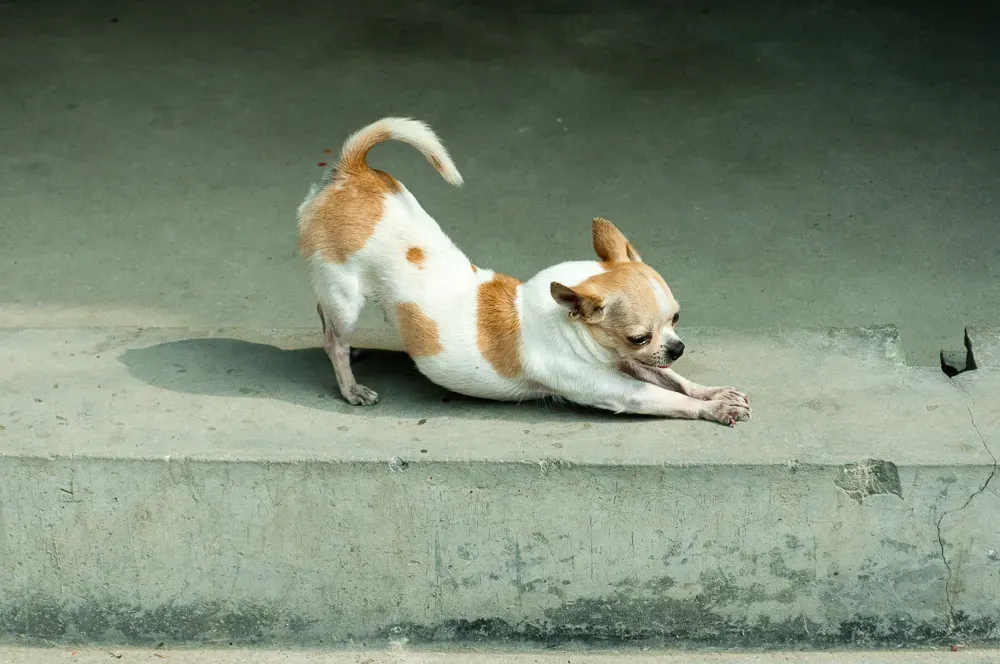
Have you noticed how your dog seems to “stretch hello” instead of just wagging hello? That front legs-forward, chest low, hips up posture that shows up right when you walk into the room is often described as a greeting stretch. It looks like a casual limbering up, but in dog body language, it is closer to a friendly wave combined with a smile. Dogs often reserve this particular move for people or animals they feel comfortable and safe around.
What makes it so fascinating is the timing. If your dog was truly just loosening stiff joints, you’d see the same stretch at random times, not specifically when you return, call their name, or make eye contact. Instead, many dogs seem to “save” this stretch for key social moments. That suggests it is not just about muscles; it is about saying, in the most dog way possible, that they are happy to see you and ready to interact.
Play Bow or Stretch? How to Tell What Your Dog Is Really Saying
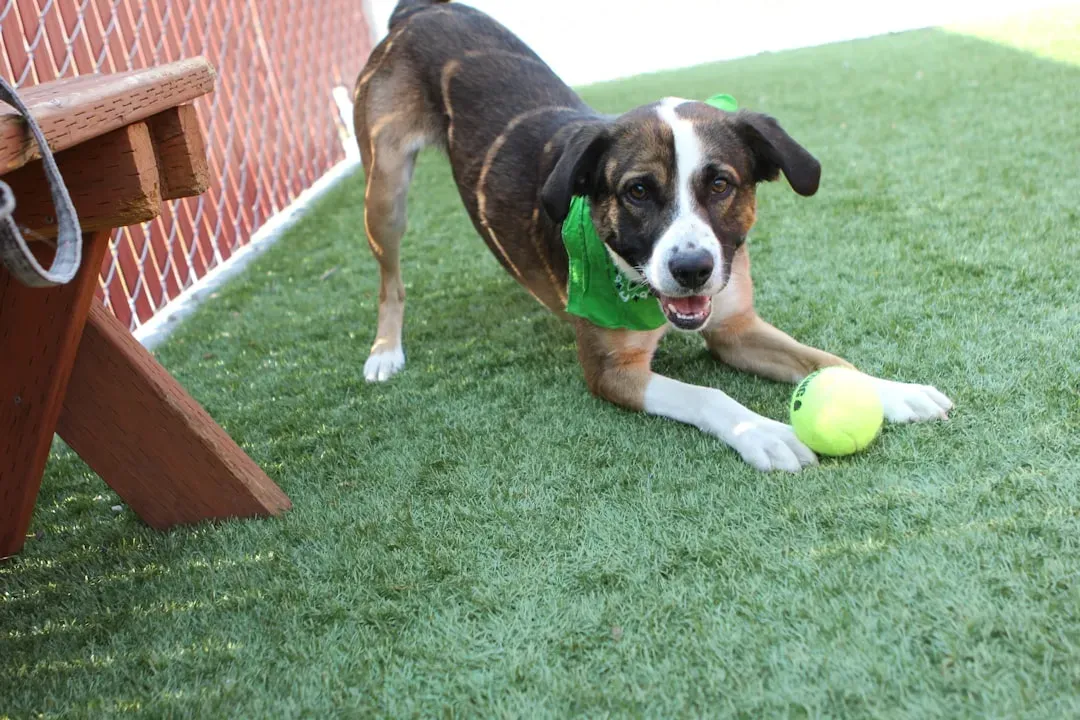
Here’s where things get interesting: the greeting stretch looks very similar to the classic play bow, and sometimes they are basically the same move used in slightly different ways. In both, your dog’s front end goes down, rear end stays up, elbows may touch the floor, and the back might form a little arch. The difference lies in the context and the vibe. A true play bow is often bouncy, full of energy, and followed by zoomies, toy grabbing, or goofy side hops.
A greeting stretch is often softer and more deliberate. Your dog may hold the pose a bit longer, sometimes with slow tail wags, squinty eyes, or even a relaxed sigh. The energy is calmer, more like a friend casually leaning in for a hug rather than someone shouting “let’s wrestle right now.” Think of the play bow as the dog version of shouting “game on,” and the greeting stretch as a warm, slightly flirty “hey, I like you, let’s hang out.” The body posture might match, but the emotional intention can be very different.
A Silent Love Letter: Comfort, Trust, and Emotional Safety
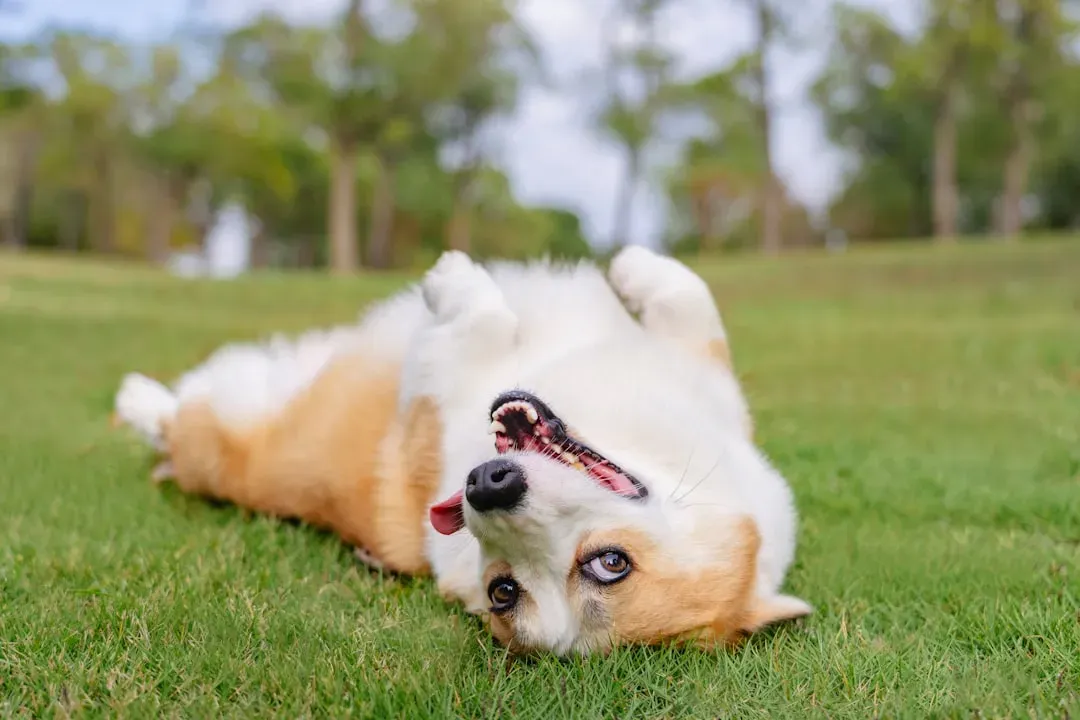
When a dog chooses to stretch right in front of you, they’re putting themselves in a vulnerable, slightly silly position. In the animal world, showing your belly area or lowering your chest can be risky if you do not trust who is in front of you. So if your dog is doing that move the second you walk in, it is often a sign of strong emotional safety. In other words, they are relaxed enough around you to let their guard down and be playful.
This is one of those everyday behaviors that is easy to dismiss, but emotionally, it is huge. Dogs that feel anxious, threatened, or uncomfortable are more likely to stay tense, keep their body upright, or avoid direct interaction. That casual stretch, right in your line of sight, is like a quiet confession: “I’m good with you. You’re my safe person.” You might not be thinking about attachment, trust, or emotional wellbeing when you drop your backpack, but your dog absolutely is – just not in words.
Why It Feels So Personal: Your Bond Shapes Their Body Language
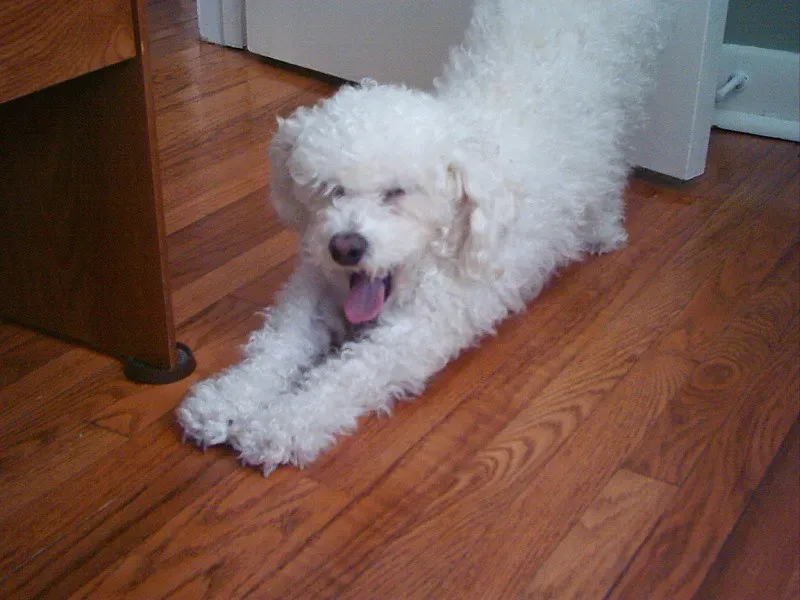
Not every dog greets every human with a stretch, and that is an important clue. Many dogs reserve this move for the people they are genuinely bonded with, usually the ones who feed them, walk them, play with them, or simply show them consistent kindness. Over time, your routines become their emotional anchor, and their body language adapts around you. That stretch becomes almost like a reflexive ritual wrapped in affection.
I used to think my own dog was just extra lazy whenever I came home, until I noticed he did that long, dramatic stretch only for me and maybe one or two close friends he adored. For casual visitors or strangers, he might wag, sniff, or bark, but the stretch never appeared. That pattern drove home a simple truth: this was not generic behavior, it was personalized communication. Your dog’s stretch is not just a stretch; it is a body-language nickname they use specifically for the people who matter most.
Reading the Whole Picture: Tail, Eyes, Ears, and Movement
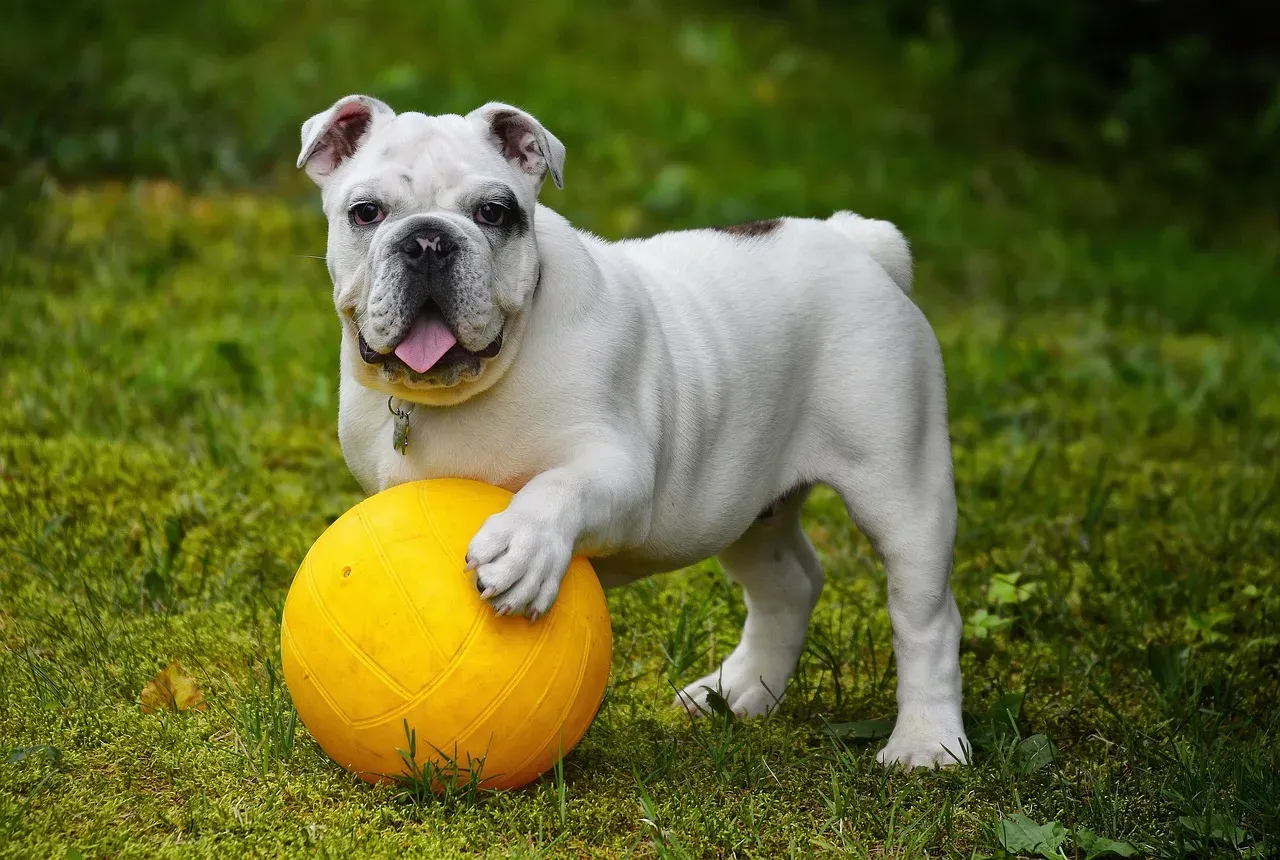
The stretch on its own is meaningful, but the rest of your dog’s body turns the volume up or down on the message. If their tail is doing that loose, medium-height wag, eyes are soft, ears relaxed, and their body flows into a little wiggle or gentle approach, you are almost certainly seeing affection and friendliness. It is like a multi-part sentence where the stretch starts the conversation and everything else fills in the emotional details.
On the flip side, if the posture seems stiff, the tail is tucked or frozen, the ears are pinned back, or your dog holds the position while looking tense, you might be seeing more stress than joy. Dogs rarely communicate in single signals; they layer cues like brushstrokes in a painting. Learning to read the combination of stretch plus face plus tail can help you avoid misreading their feelings, and it gives you a more honest window into what your dog is really experiencing in that moment.
Should You “Stretch Back”? How to Respond in a Way Your Dog Understands
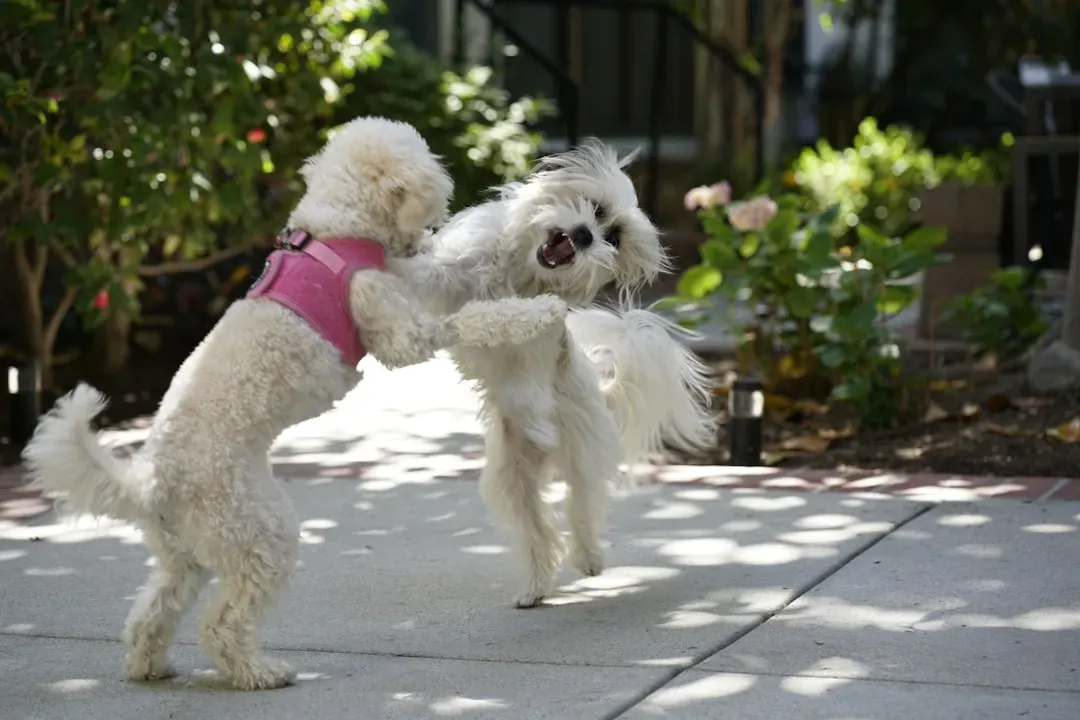
You do not need to drop into a yoga pose to reply, although if you’ve ever joked about mirroring your dog, you are not alone. The best way to answer their greeting stretch is with social signals that dogs typically interpret as friendly and safe. A slightly softer voice, a relaxed posture, crouching down a bit, or patting your legs as you invite them over are all ways of saying, in their emotional language, “I see you too, and I’m happy you’re here.” Many dogs will respond by stepping closer, nudging, or offering more playful behaviors.
If your dog’s stretch flows into clear play signals, like quick side-to-side movements, paw taps, or running to grab a toy, that is your cue to lean into it. Toss a ball, start a gentle tug game, or just have a little silly moment on the floor. When you consistently reward that greeting stretch with positive, calm attention, your dog learns that your reunion is not just a neutral transition in the day. It becomes a cherished mini ritual that strengthens your bond in small but powerful ways.
Beyond Cute: Why This Little Habit Actually Matters
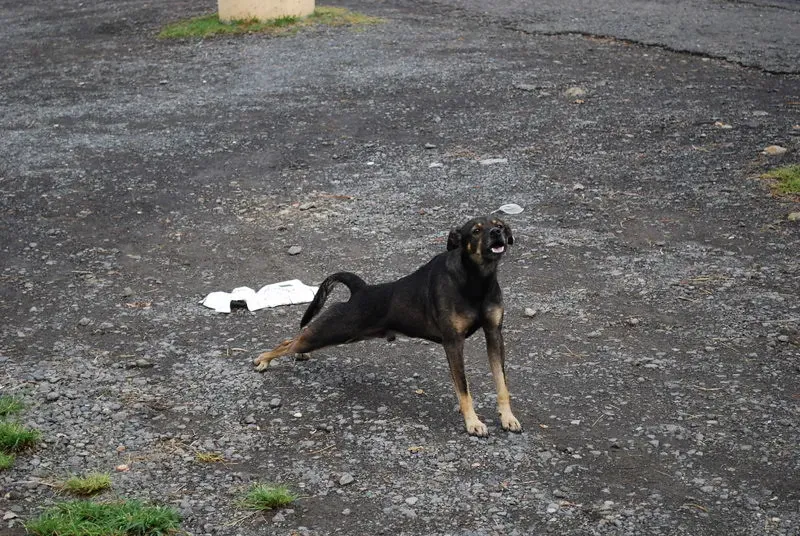
It’s tempting to file this behavior under “adorable but trivial,” but paying attention to things like the greeting stretch can transform the way you relate to your dog. The more fluent you become in their body language, the easier it is to notice shifts – like when a normally stretchy, wiggly dog suddenly greets you in a stiff, quiet way. That kind of change can hint at pain, stress, or emotional strain long before more obvious symptoms appear. Your dog’s subtle habits are often your first early-warning system.
Personally, I think dismissing these small signals is a little like ignoring the tone of someone’s voice and only caring about the words. You miss half the story. When your dog stretches the moment they see you, they are not just loosening tight muscles; they are signing their name on the relationship, again and again, day after day. To me, that means we owe it to them to notice, to respond, and to take that language seriously – even if it looks, on the surface, like just another lazy stretch. Next time you walk through the door and see those paws slide forward, will you still think it is just about muscles, or will you see the quiet sentence they are writing for you?


