
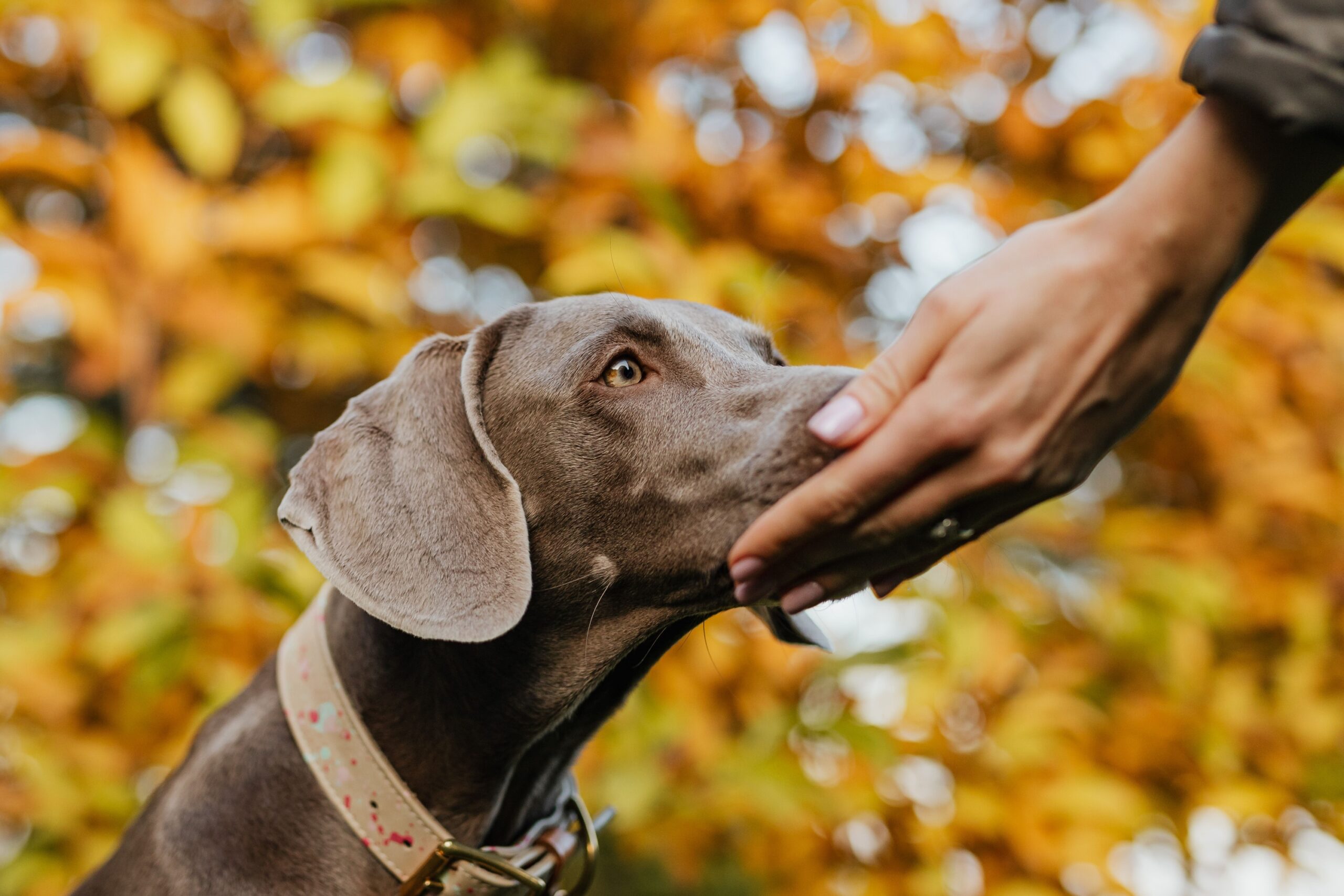
If you’ve ever had your dog bury their nose in your arm, or obsessively lick your hands after you come home, you’ve probably wondered what on earth they’re getting out of it. To you, it might feel like affection mixed with a bit of slobber. To your dog, your skin is closer to an interactive map: a live, constantly updated dashboard full of clues about where you’ve been, how you feel, and even what you’ve eaten.
It sounds almost mystical, but it’s really biology and chemistry working together in a way that we humans can barely imagine. While we scroll through social feeds to learn what’s going on, your dog scrolls through scent feeds written all over your skin. Once you start seeing yourself the way your dog does – a walking, breathing, emotional roadmap – they suddenly make a lot more sense.
Your Dog’s Nose Is a Supercomputer, Your Skin Is the Data Stream
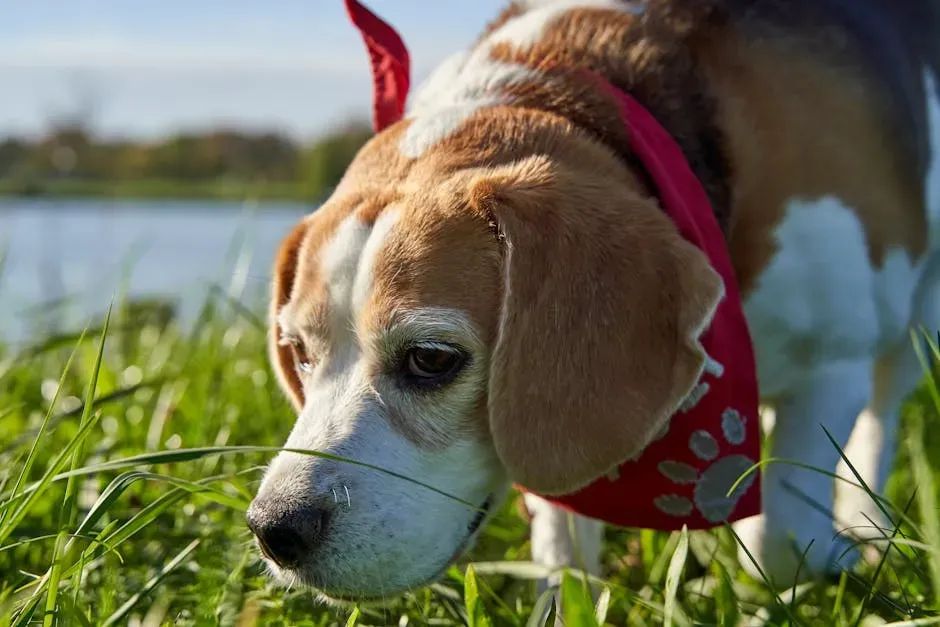
Here’s the wild part: your dog lives in a scent-first world, while you live in a sight-first one. Their nose can pick up tiny traces of odor that are completely invisible to you, including the subtle cocktail of sweat, skin oils, and environmental smells that constantly coat your body. To a dog, your skin is not just “you,” it’s a layered story they read in a single sniff.
Think of your dog’s nose as a powerful search engine and your skin as the entire internet history. Every time they inhale near your wrist or neck, they’re pulling up a detailed profile: human, known, safe, feeling this way, came from here, touched that. What feels like a quick nuzzle to you is a massive data download to them, and they are very, very good at it.
Sweat, Skin Oils, and Bacteria: The Secret Scent Code You Don’t Notice
Your skin constantly produces sweat and sebum (skin oil), and both of those mix with the bacteria that naturally live on your body. That might sound gross, but it’s exactly this living mix that creates your unique smell – like your personal scent fingerprint. Even when you think you “don’t smell,” you absolutely do to your dog, and your scent is as distinct and recognizable to them as your face is to another human.
These tiny molecules evaporate off your skin and rise into the air, settling into your clothes, bed, and even your couch. Your dog’s nose catches all of it. When they bury their face in your armpit or behind your knees, they’re going straight to the scent hot spots where your chemical identity is strongest. They’re not being weird – they’re going to the clearest part of the map.
Smells That Tell Your Dog Where You’ve Been and Who You’ve Seen
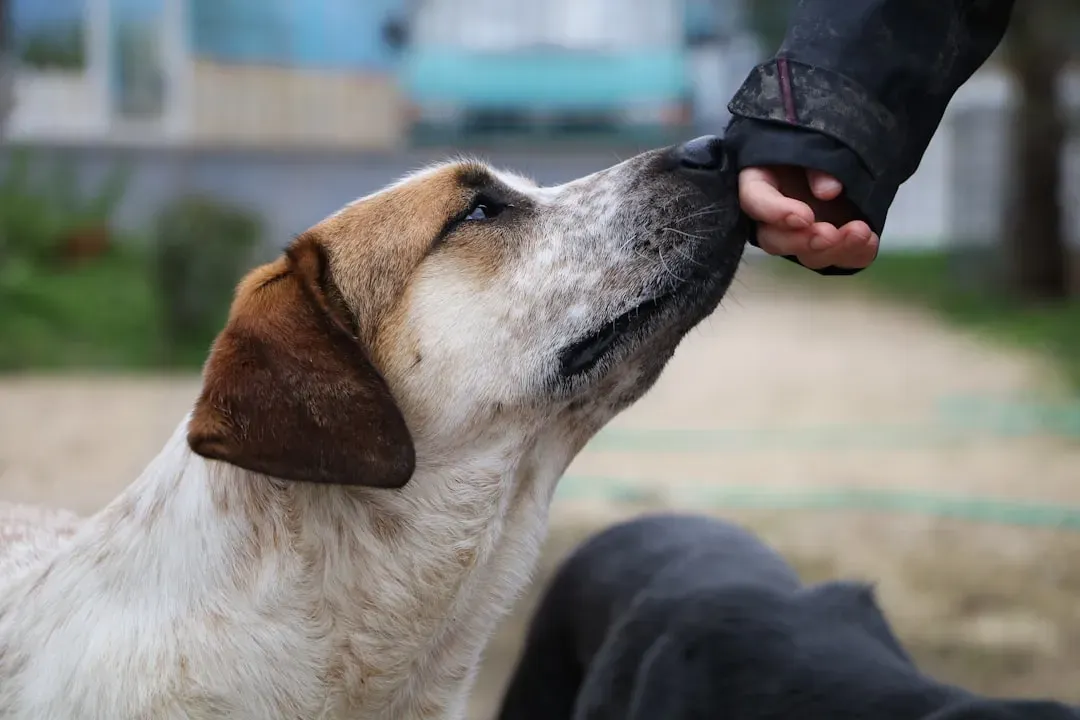
Every time you step outside, your skin picks up microscopic traces of the world around you. Touch a shopping cart, pet another dog, lean against a tree, or sit on a bus seat, and tiny molecules from those surfaces transfer onto your hands, arms, and clothes. You barely register it, but your dog does, instantly, the moment you walk back through the door.
That’s why you might notice your dog going extra hard on your hands after you’ve visited a friend with pets or spent time outside. They can smell the other dog, the grass, the food you handled, and even different people you brushed past. To them, your skin is a report that says: “Today I met a golden retriever, held a plastic bag, touched a metal railing, and walked through wet leaves.” No wonder they seem fascinated.
Hormones, Emotions, and Illness: How Your Skin Reveals Your Inner State
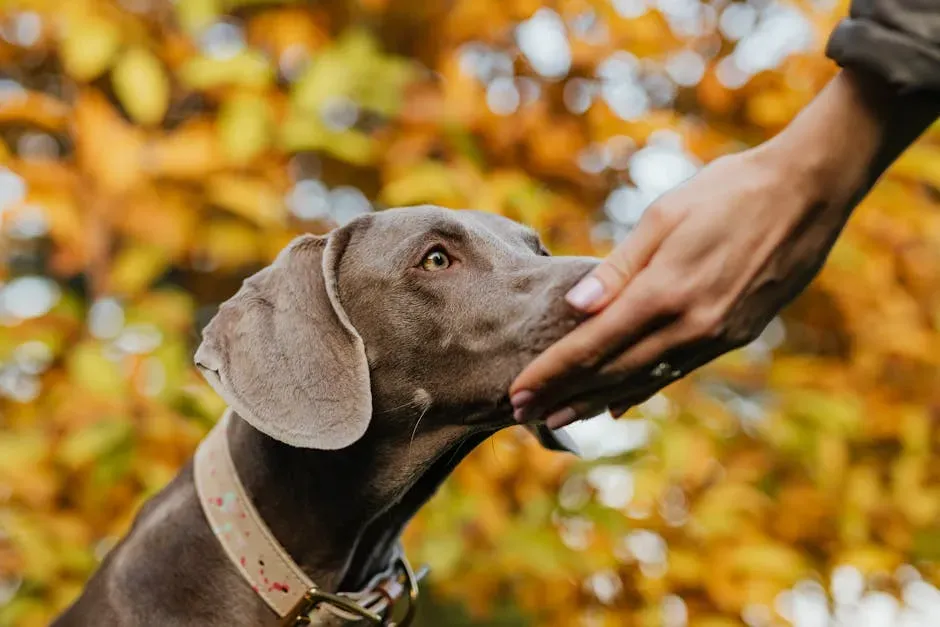
Here’s where it gets really intimate: your internal state leaks out through your skin, and your dog can often sense it before you can name it yourself. Changes in stress hormones, blood sugar, or even subtle shifts in your metabolism can alter your body odor in tiny ways. You don’t consciously smell different when you’re anxious, happy, or tired – but your dog can detect those differences in the scent rising off your skin.
That’s part of why dogs seem to know when you’re upset or not feeling well and suddenly cling to you, sniff you more closely, or gently lick your hands. Your “roadmap” doesn’t just show where you’ve been; it also shows how you are right now. To your dog, the smell of your skin when you are calm and relaxed is as familiar and comforting as your voice, and any shift in that smell can be a big emotional signal.
Why Licking You Feels So Important to Your Dog
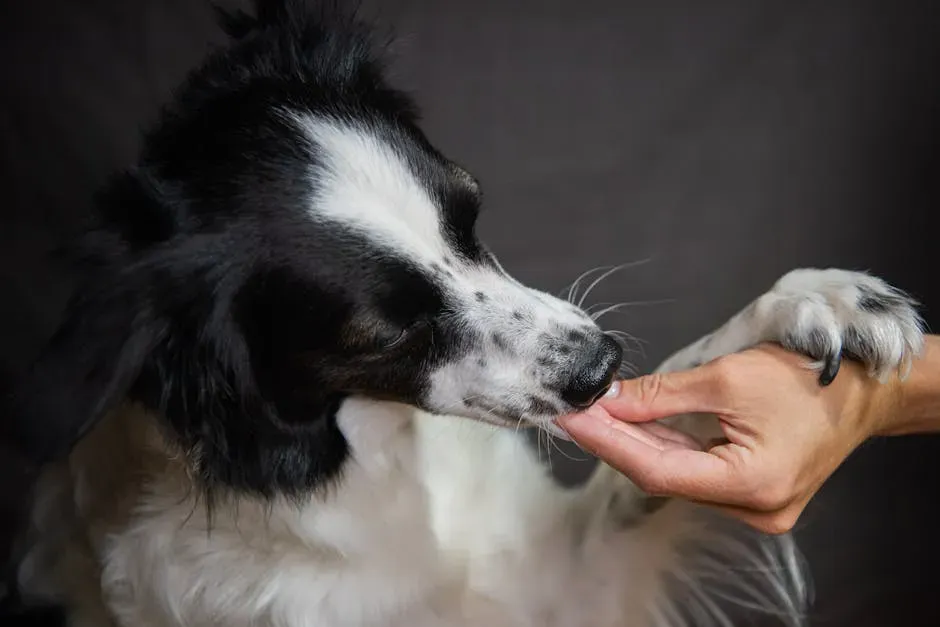
When your dog licks your skin, it’s not only about love or begging for the salty taste of sweat, though both can play a part. Licking is another way of sampling your scent in detail, like zooming in on a map. Your sweat, tiny skin flakes, lotion, and even traces of what you ate all end up on the surface of your body, and licking lets your dog collect that entire package up close.
On top of that, licking can be soothing for dogs, similar to how humans might fidget or hug when they feel emotional. It lets them combine physical closeness, scent gathering, and a little bit of self-comfort in one ritual. When they lick your hand while you’re stressed or sad, your dog could be both checking your emotional “readout” and offering what comfort they know how to give.
Your Scent Map Extends to Your Clothes, Bed, and Favorite Spots
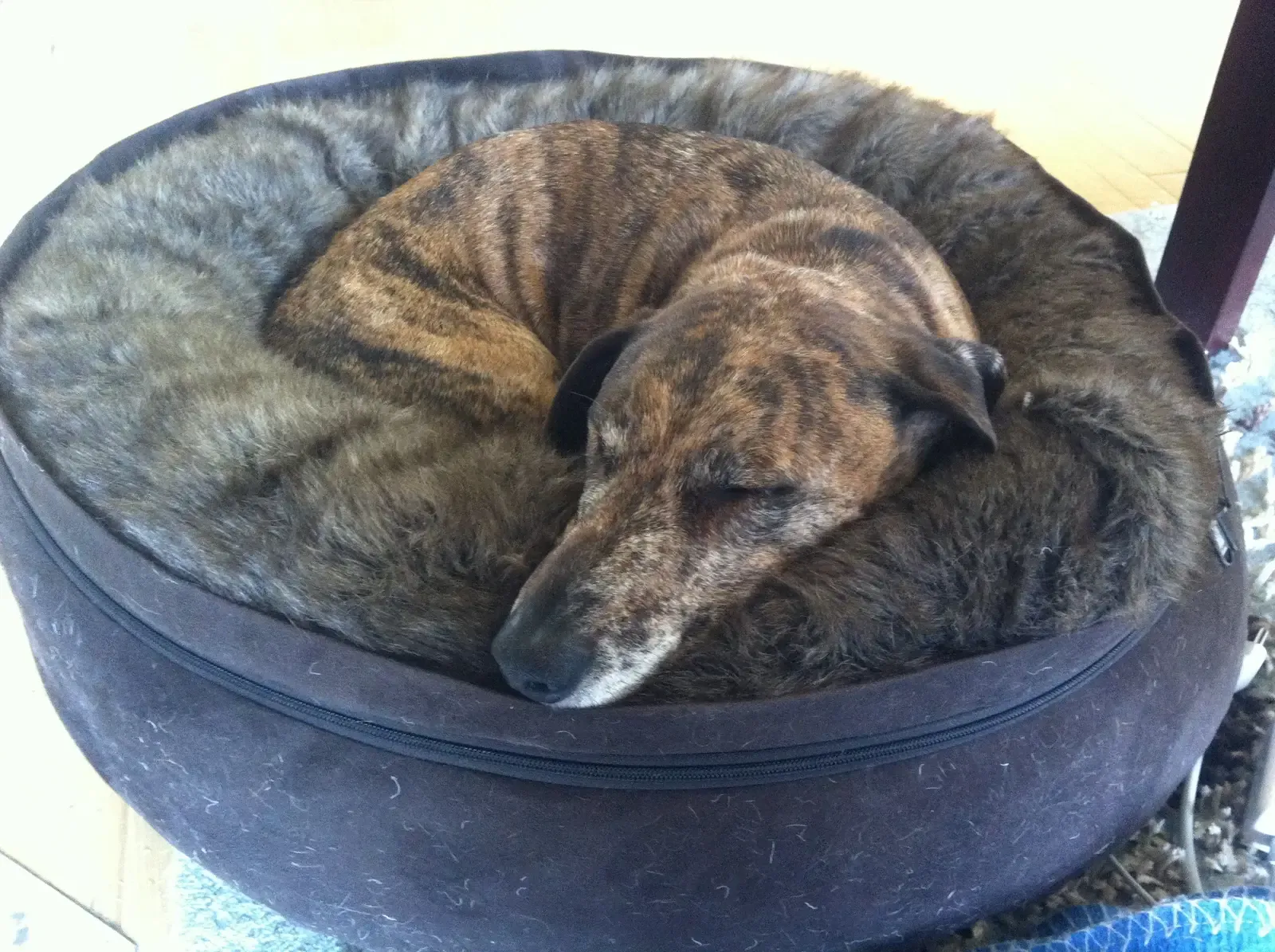
Your skin doesn’t just keep your roadmap to yourself; it exports it everywhere you go. Every time you sit on the couch, lie in bed, or wear a hoodie, tiny particles from your skin and sweat settle into those fabrics and surfaces. That’s why your dog loves curling up in your dirty laundry or on your side of the bed – those are the places where your scent map is concentrated and layered over time.
From your dog’s point of view, your house is a landscape of scent zones, with certain spots that scream “you were here.” When you’re away, those scent-heavy places can be incredibly comforting, almost like a replay of your presence. This is also why dogs can get anxious when everything suddenly smells different, for example after a deep clean or a big move; their familiar roadmap gets scrambled.
How to Respect the Roadmap While Still Living Like a Human
Knowing that your skin is constantly feeding your dog information does not mean you have to stop showering or skip deodorant. Dogs are amazingly adaptable and can learn to recognize you through whatever products you normally use, blending your natural scent with your favorite soap or perfume. Consistency tends to matter more than total “naturalness,” so you do not need to smell like a hiking trip to be recognizable.
What you can do, though, is be more intentional about how you use your scent to support your dog. Leaving a worn t-shirt in their bed when you travel, letting them sniff your hands when you come home, or allowing a few seconds of “nose time” instead of pushing them away immediately can go a long way in helping them feel secure. You might find it strangely comforting too, once you think of it as your dog simply reading the story written on your skin.
Conclusion: You Are a Walking Story, and Your Dog Knows Every Chapter
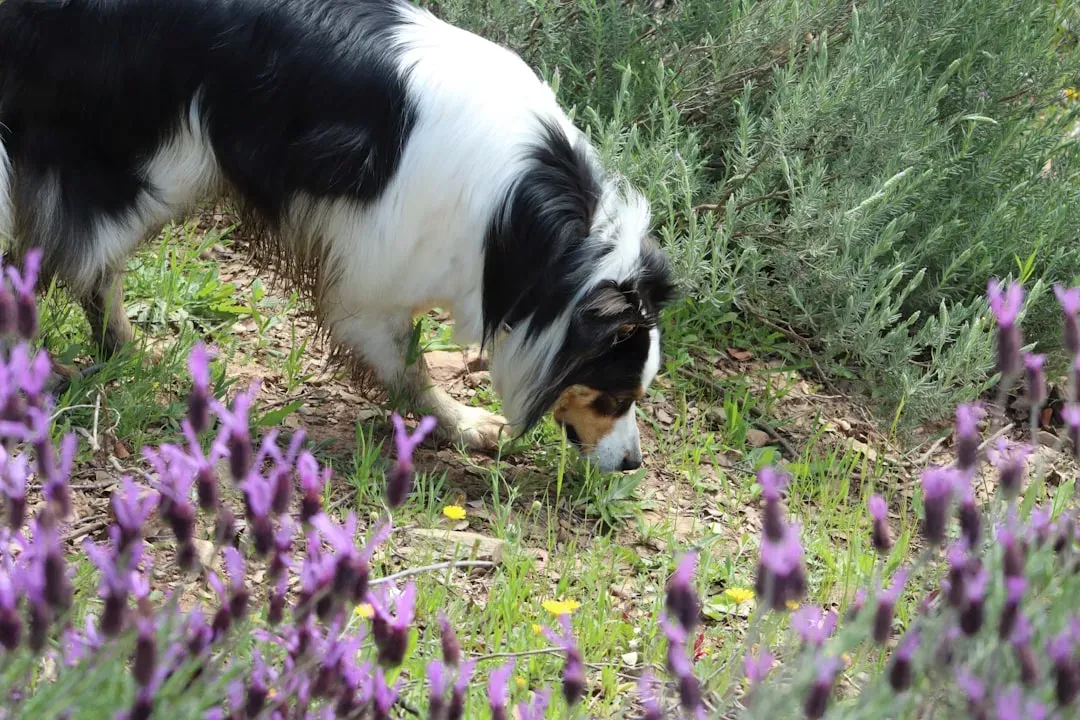
When you zoom out, the idea that your skin is a living roadmap is not poetic exaggeration – it’s exactly how your dog navigates your world. Your sweat, oils, bacteria, hormones, environment, and habits all combine into a scent signature that your dog tracks with a level of detail you will probably never fully grasp. They do not just see you walk into a room; they smell where you came from, how long you were gone, and what kind of mood you dragged back with you.
I personally find that both humbling and kind of beautiful. We spend so much time trying to explain ourselves with words, while our dogs are quietly reading us through chemistry alone. Next time your dog presses their nose to your skin or starts that relentless hand-licking routine, you might feel less annoyed and more curious: what chapter of your story are they picking up today?


