
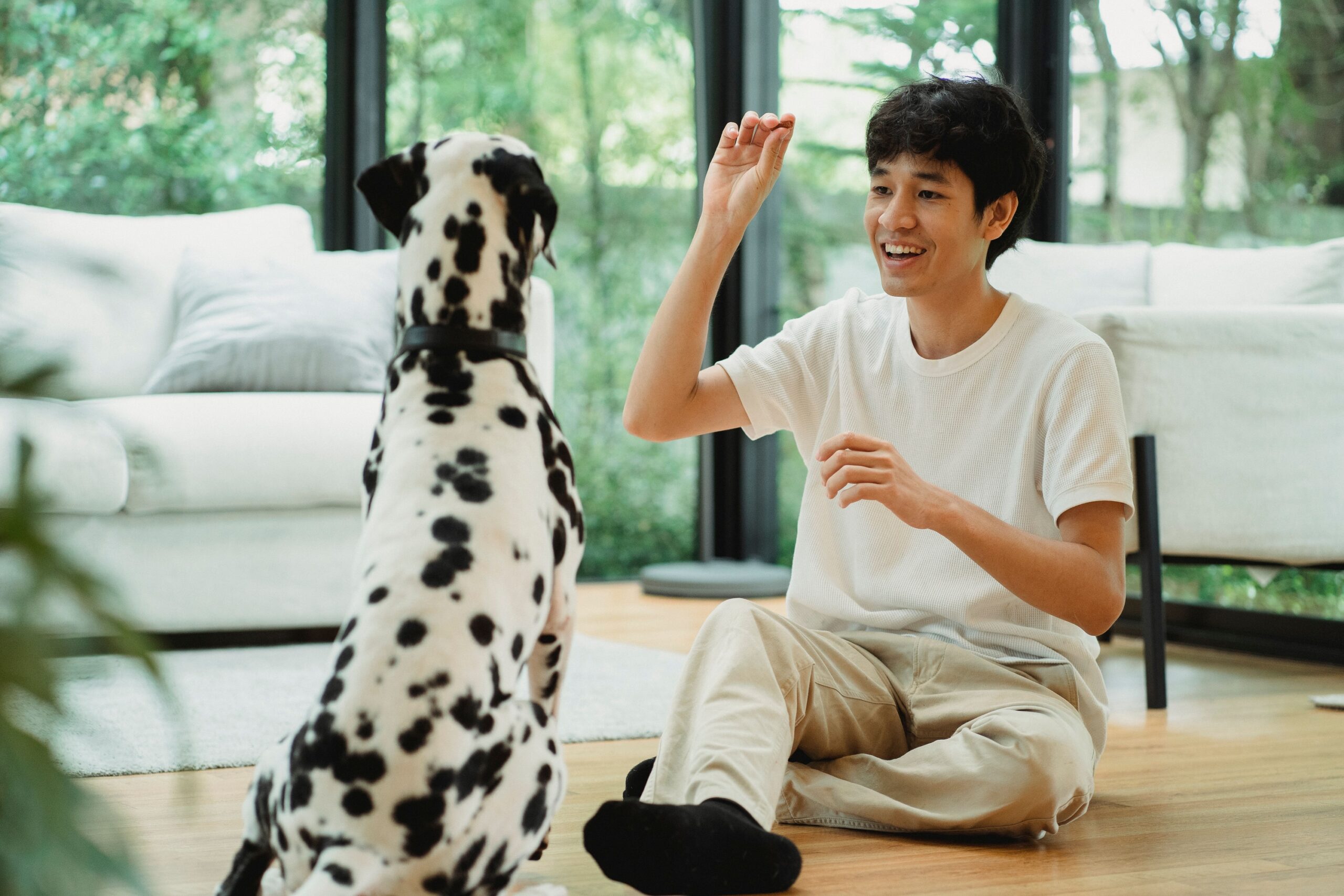
If you’ve ever seen a dog shrink away from a hand, avoid eye contact, or suddenly stop listening to someone they once adored, you’ve seen what broken trust looks like. The hardest part is that it rarely happens because the person is cruel; it usually happens because they simply did not understand how deeply dogs feel, remember, and interpret our behavior.
Most of us truly love our dogs, but love alone is not enough if our daily actions quietly teach them that we’re unpredictable, unsafe, or not worth listening to. The scary part? Many of the things that chip away at a dog’s trust are things people still consider “normal” dog ownership. Once I realized that a few habits I thought were harmless were actually stressing my own dog out, I never looked at our relationship the same way again.
1. Using Harsh Punishment Or Yelling When They Make Mistakes
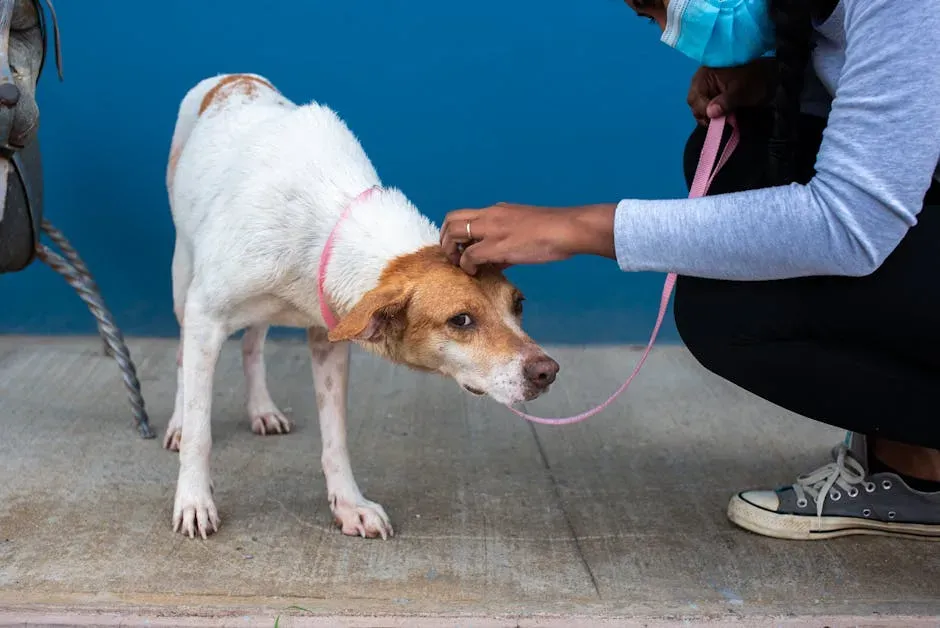
Imagine messing up at work and instead of calm feedback, your boss gets in your face and shouts. You’d probably stop trying new things, right? That’s exactly what happens to a lot of dogs when every accident, chewed shoe, or training mistake is met with yelling, leash jerks, or physical corrections. To a dog, loud, angry outbursts feel random and scary, especially when they do not understand what you wanted in the first place.
Over time, a dog that is repeatedly punished can become quieter, more shut down, or more reactive. They are not being stubborn; they are trying to avoid the next explosion. The tragic part is that the human often thinks the dog suddenly “knows they did wrong” because they see those guilty-looking body signals, when in reality the dog is simply bracing for punishment. Calm, consistent teaching builds confidence and trust; explosive reactions tell your dog that you are unpredictable and unsafe when they make inevitable mistakes.
2. Forcing Unwanted Physical Contact And Ignoring Their Signals
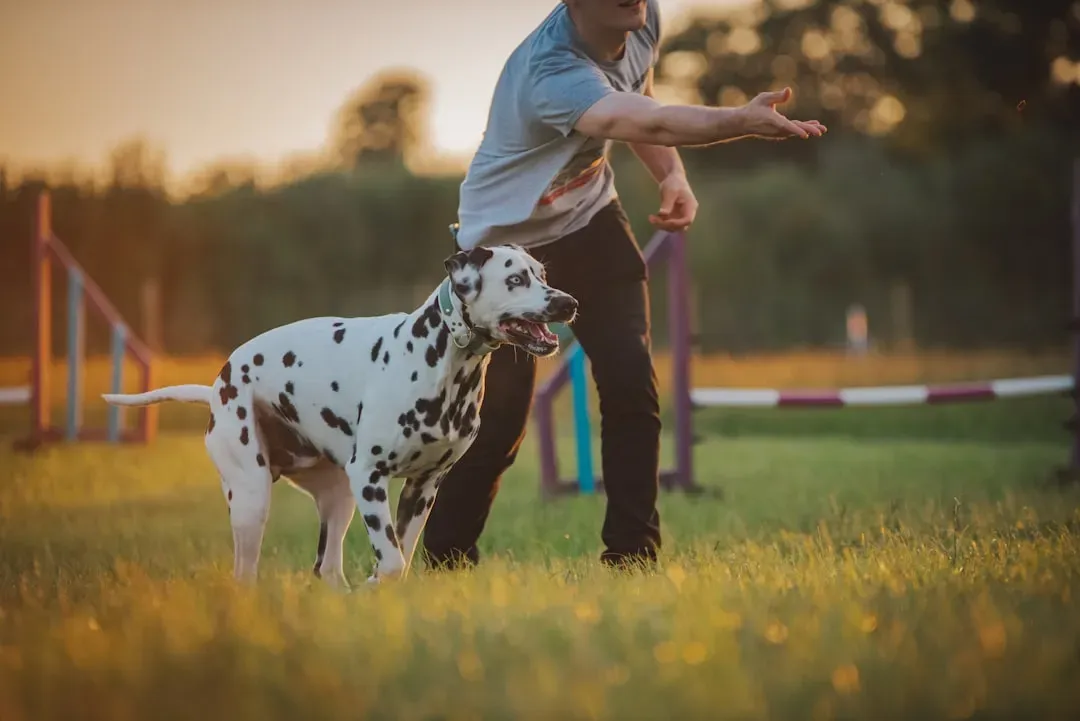
Most people assume dogs love every hug, kiss, and squeeze, but many do not. A lot of dogs find direct hugging, looming over them, or constant face-touching uncomfortable or even threatening. When a dog licks their lips, turns their head away, stiffens up, or tries to move, they are politely saying they’ve had enough. If their human ignores that message and keeps going, the dog learns that their attempts to communicate do not matter.
This is how you can unintentionally raise a dog that tolerates touch instead of enjoying it. Over months and years, a dog may begin to avoid certain people, slink away when a hand reaches out, or even snap when pushed too far. It is not that the dog suddenly “turned” one day; it is that they spent a long time being overruled. Respecting your dog’s body language – backing off when they say no, changing how you pet them, giving them choice – tells them you are listening and that they can trust you not to cross their boundaries.
3. Being Inconsistent With Rules, Routines, And Training
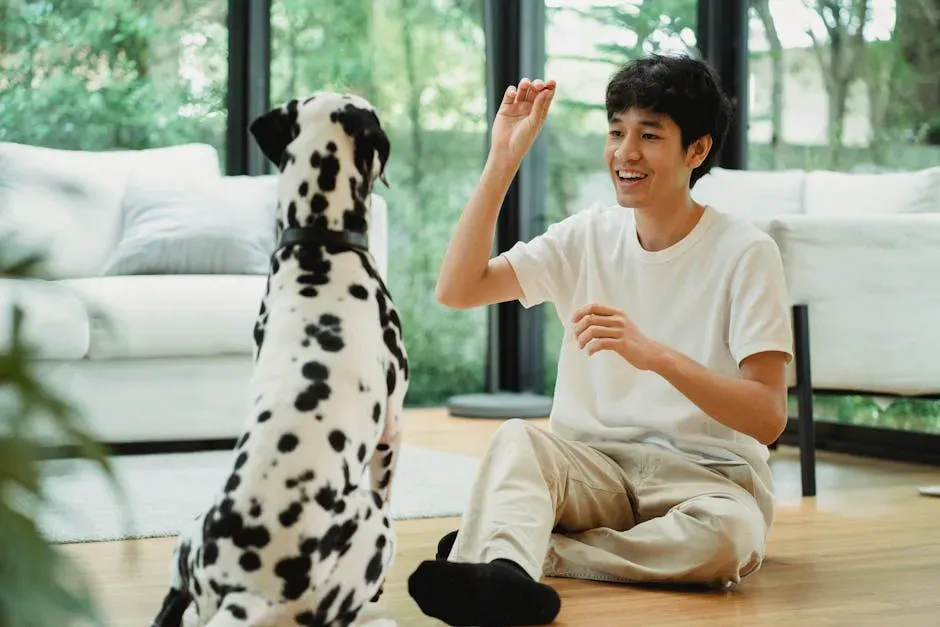
Dogs thrive on predictability. When the rules keep changing, it feels like the floor is constantly shifting beneath their paws. One day they are allowed on the couch, the next day they get scolded for it. Sometimes jumping up is “cute,” other times it earns them a knee in the chest. When people are inconsistent like this, dogs have no stable pattern to follow, so they just guess – and often get it wrong.
That guessing slowly erodes confidence and trust. Instead of feeling safe and clear about what you want, they become anxious, clingy, or shut down because nothing they do ever seems quite right. Consistency does not mean being rigid or joyless; it means keeping the basic rules, cues, and responses the same so your dog can relax. When your reactions are stable and fair, your dog does not have to constantly worry about surprising you or stepping into trouble they did not see coming.
4. Flooding Them With Fears And Calling It “Socialization”
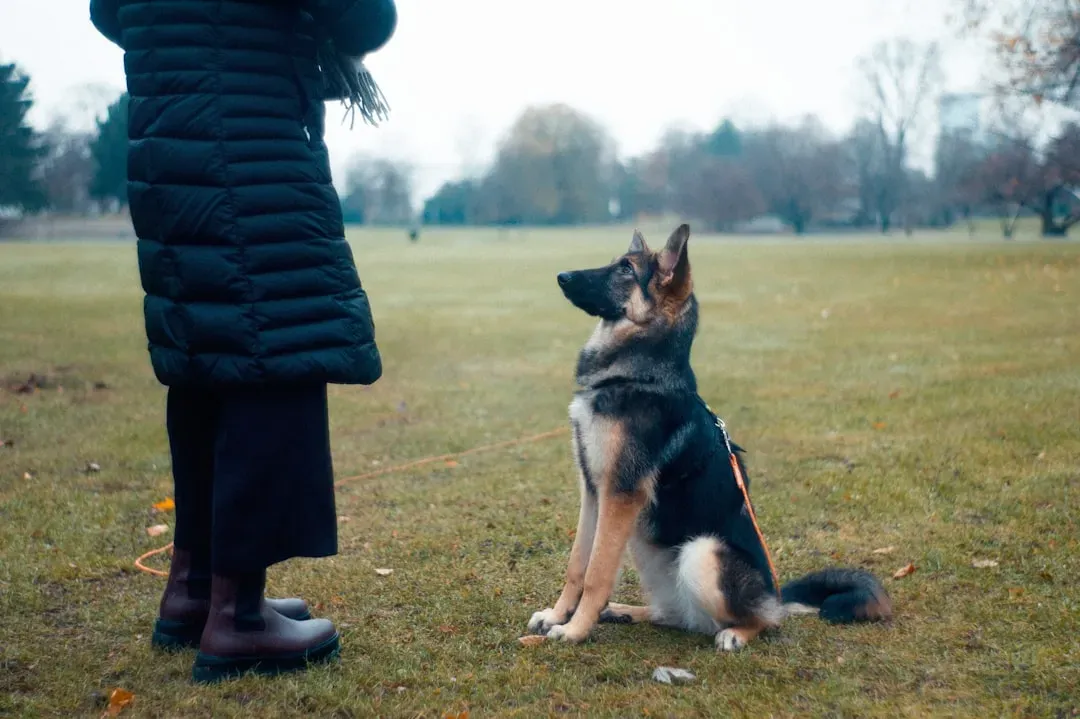
There is a harmful myth that the best way to help a scared dog is to throw them into the deep end: drag them through busy streets, force them to meet lots of strangers, or make them endure loud environments until they “get used to it.” In reality, overwhelming a dog with frightening experiences is a fast way to convince them the world – and sometimes you – cannot be trusted. If every outing turns into sensory overload, they will start to dread leaving the house or even seeing the leash come out.
Real socialization and confidence-building are guided and gentle. They mean starting at a distance where your dog feels safe, pairing new things with positive experiences, and allowing them to retreat when they are overwhelmed. When instead you push past their limits, especially if you physically drag them or ignore their pleas to stop, they do not just become more afraid of the trigger. They also learn that you are not a safe base who will protect them from situations that feel too big. Eventually, some dogs shut down, while others start reacting with barking and lunging because no one ever showed them another way.
5. Withholding Attention, Play, Or Affection As A Routine “Training Tool”
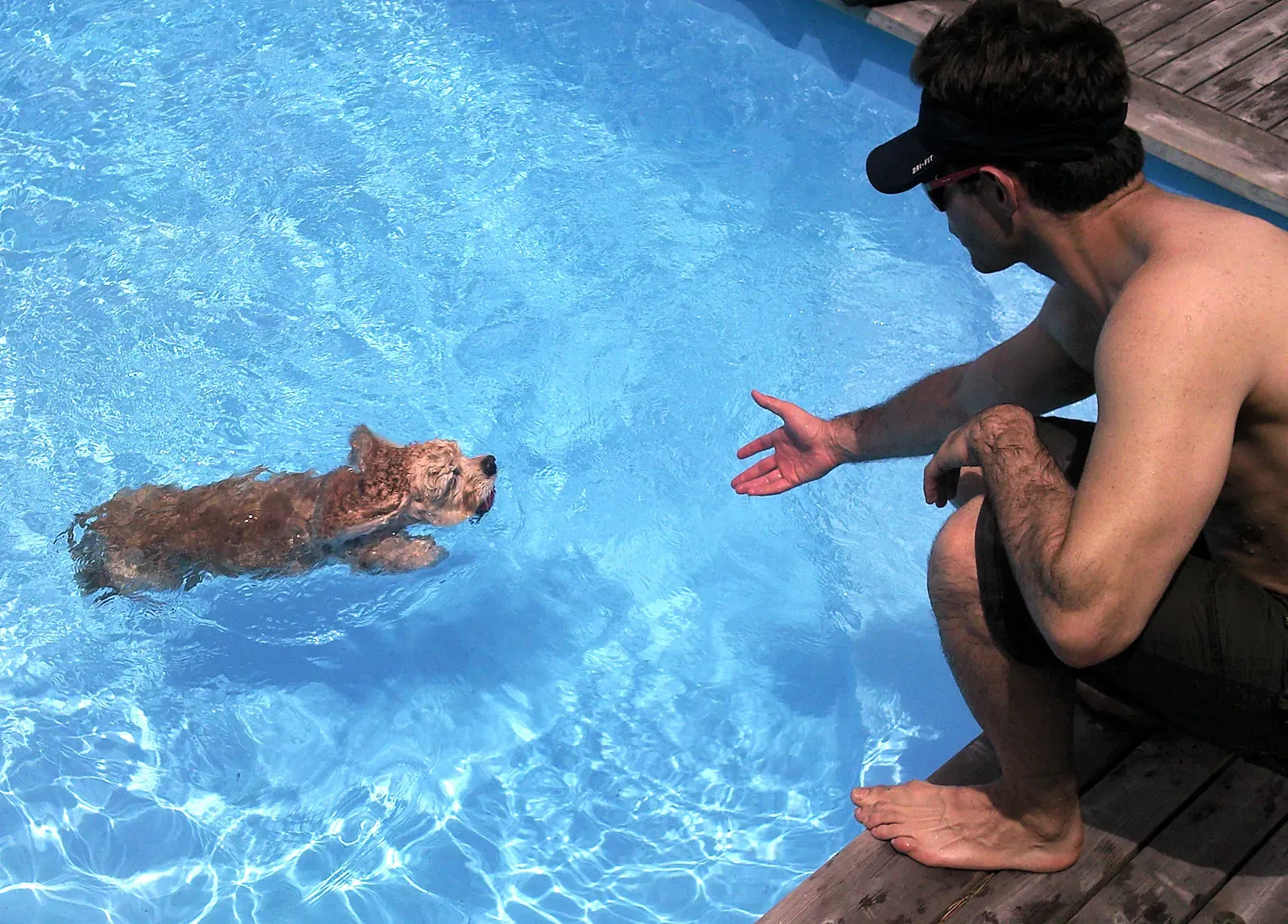
Dogs are social animals; connection with their person is not a luxury, it is a need. While briefly turning away or pausing play can be helpful during training, using coldness as a constant tool – ignoring your dog for long stretches to “teach independence,” withholding affection when they seek comfort, or rarely engaging in play – can quietly fracture their trust. To a dog, this can feel like living with a roommate who never really looks at you.
Over time, many dogs in this situation stop trying to interact and appear “chill” or “low maintenance,” when they are actually resigned. Others may get pushy, demanding, or destructive, not because they are bad, but because they are starved for engagement. A trusting dog-human bond is built on daily moments of joy, calm touch, silly play, and simple conversation. When your dog learns that you reliably show up for them emotionally, they are far more likely to listen, relax, and feel secure in your presence.
6. Leaving Them To Cope Alone With Pain, Illness, Or Long-Term Stress
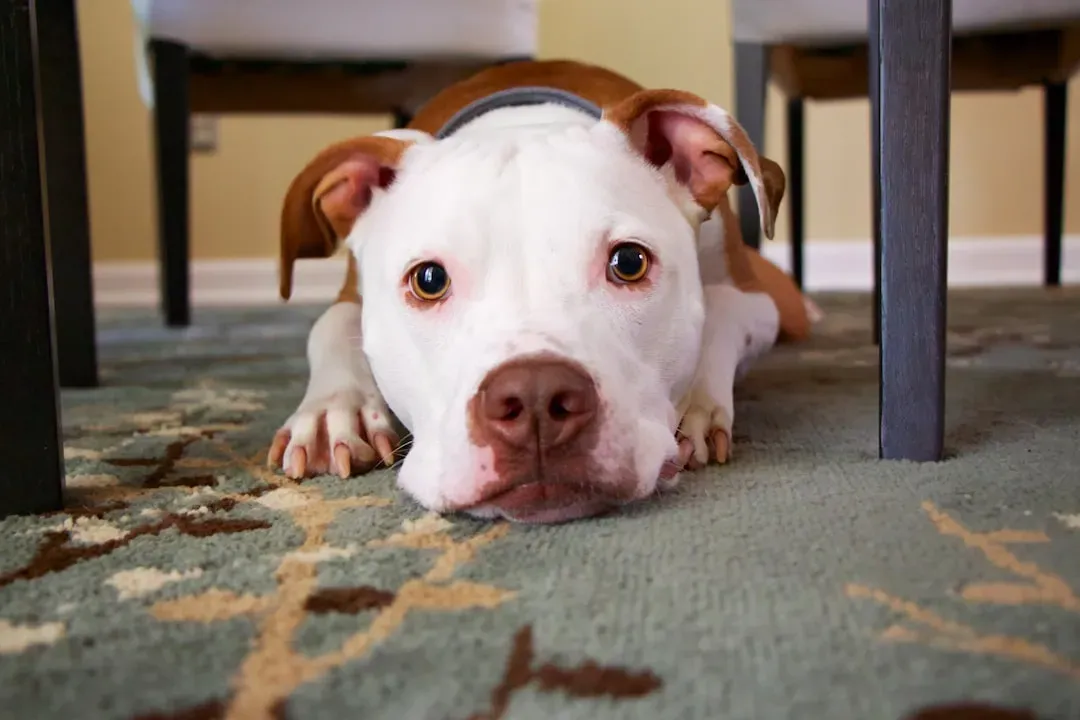
Dogs are famously stoic, which makes it easy to miss the quieter signs of suffering. A dog that suddenly slows down on walks, hides more often, growls when touched in one area, or seems “grumpy” might be in pain. If their discomfort is brushed off as bad behavior or “old age” and they are scolded or pushed through it instead of being helped, trust breaks in a subtle but profound way. The person who should be their safe place becomes a source of pressure and dismissal when they are most vulnerable.
The same is true for chronic stress: being left alone far beyond what they can tolerate, living with constant conflict in the home, or enduring rough handling from visitors or other pets without you stepping in. When a dog learns that no one comes to their aid, they stop looking to you for safety. On the flip side, seeking vet care promptly, adjusting exercise for their comfort, stepping in to interrupt bullying from other animals, and giving them a predictable, calm environment all send one powerful message: when life is hard, you have someone in your corner.
Conclusion: Trust Is Built In The Quiet Moments You Think Do Not Matter
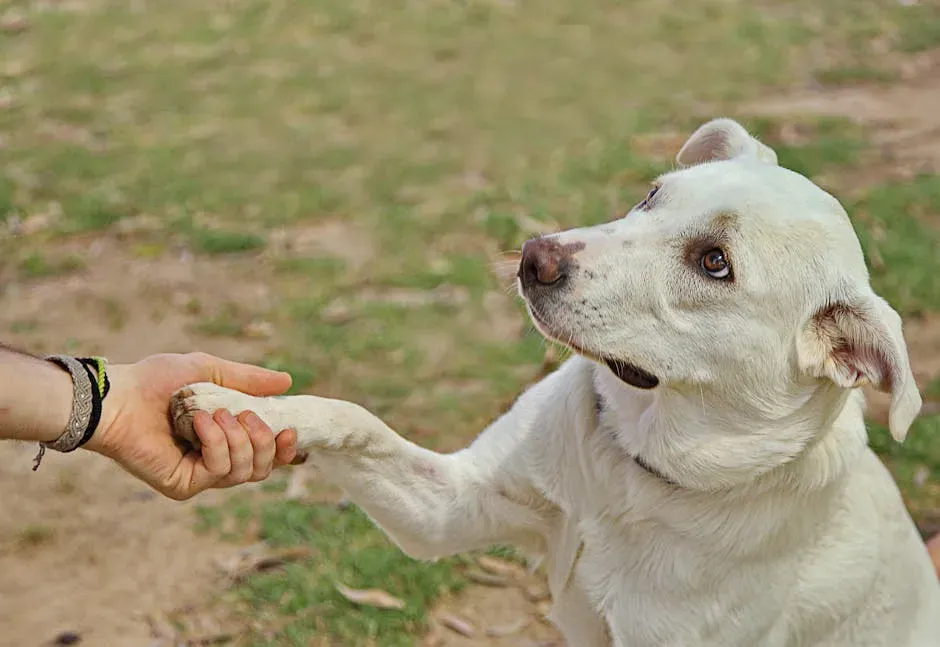
The hardest lesson I learned with my own dog was that trust is not made or broken in one dramatic event. It is shaped in a thousand small interactions: the way you respond when they are scared, the patience you show when they are confused, the respect you give when they ask for space. A dog that cowers, shuts down, or “misbehaves” is often not being difficult; they are telling the story of what they have been taught to expect from the humans around them.
Choosing to be a trustworthy person to your dog sometimes means unlearning what you were told was normal: ditching harsh punishments, stopping the forced hugs, slowing down instead of flooding them with fears, and treating their emotional life as real and important. It is not about being perfect; it is about being consistently safe, clear, and kind so your dog can relax into the relationship instead of bracing for the next blow, literal or emotional. When you look at your dog today, are you the person they can rely on when the world feels confusing – or just another unpredictable part of it?


