
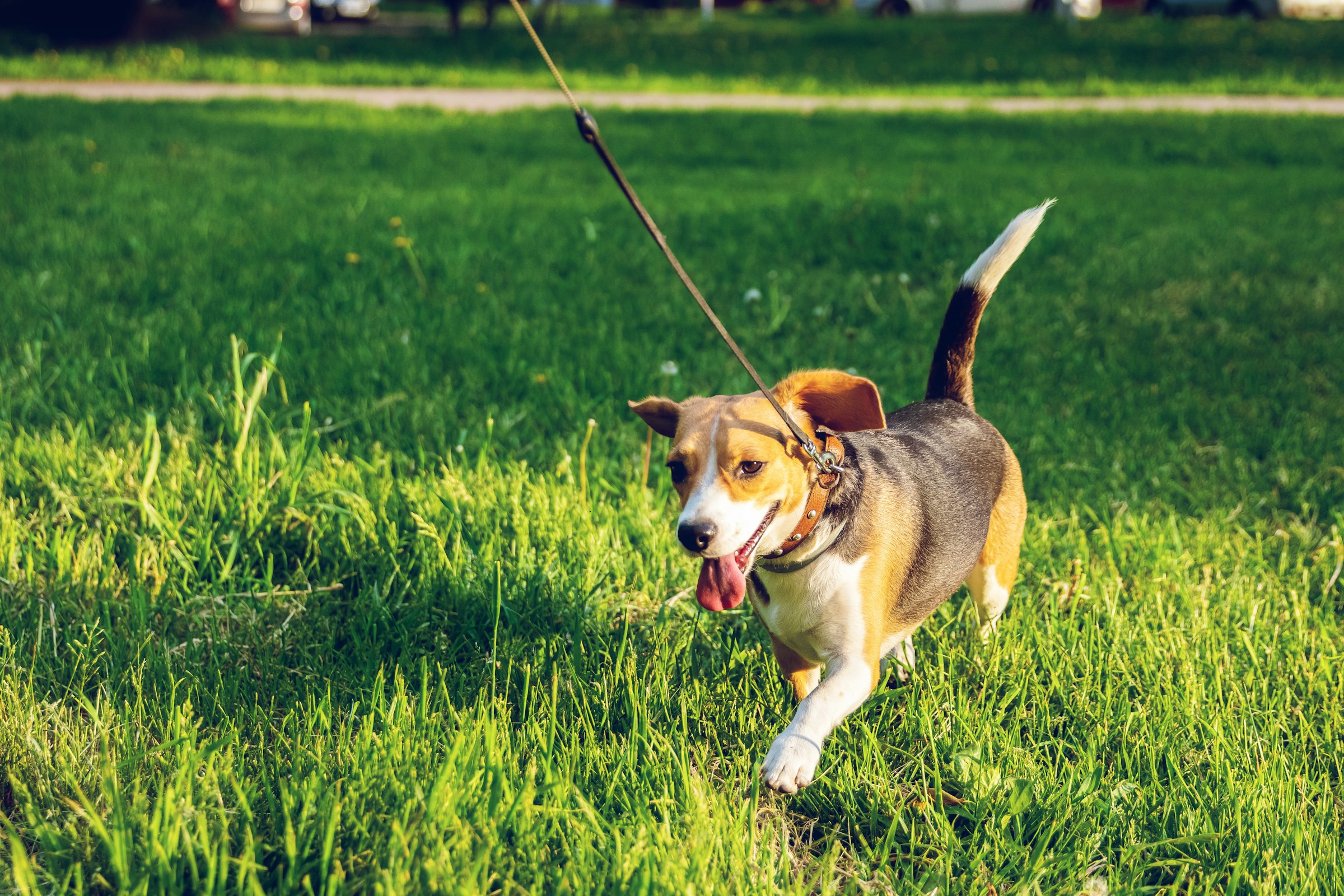
You know that moment when your usually sweet, goofy dog suddenly turns into a tense, barking maniac the second another dog appears at the end of the street? Off leash at the park, they’re fine, even friendly. On leash, it can feel like you’re walking a completely different animal. It is confusing, frustrating, and honestly a little embarrassing.
Animal psychology has a surprisingly clear explanation for this: restraint changes the way dogs can respond to social situations. When we clip on a leash, we are not just keeping them safe; we are also limiting their choices, their body language, and their escape routes. That shift alone can completely change how they feel and how they behave. Once you see the world from your dog’s perspective, a lot of “bad behavior” suddenly makes a strange kind of sense.
Why Restraint Changes the Rules of Dog Social Life

Imagine walking into a crowded room with your hands tied behind your back and someone else steering you by the shoulders. You would probably feel more tense, more defensive, and way less in control. That is not far off from how some dogs feel on a tight leash, especially around unfamiliar dogs or people. The restraint itself becomes part of the social equation, not just a neutral safety tool.
In normal dog-to-dog interactions, there is a dance of approach, retreat, curves, and pauses. A leash restricts that natural choreography, forcing dogs into head-on approaches or preventing them from moving away when they need space. Social encounters that might have been neutral or even positive off leash can suddenly feel threatening, rushed, or inescapable when the dog’s options are cut down to almost nothing.
Fight, Flight, or… Nowhere: When Escape Is Not an Option

At the core of many behavioral reactions is a simple survival system: fight, flight, or freeze. Dogs rely heavily on the option to move away when something feels risky. Off leash, a worried dog can arc around another dog, sniff the ground to de-escalate, or simply leave. On leash, the “flight” door is often slammed shut, especially if the leash is short or held tight.
When a dog cannot create distance, the only tools left may be barking, lunging, or growling to try to push the scary thing away. What looks like aggression is often a desperate attempt to create space in a situation where the dog cannot simply walk off. I used to think my own dog had “turned aggressive” on leash, until I realized he was just yelling, in dog language, that he felt cornered with no way out.
Body Language on a Leash: Mixed Signals and Misunderstandings
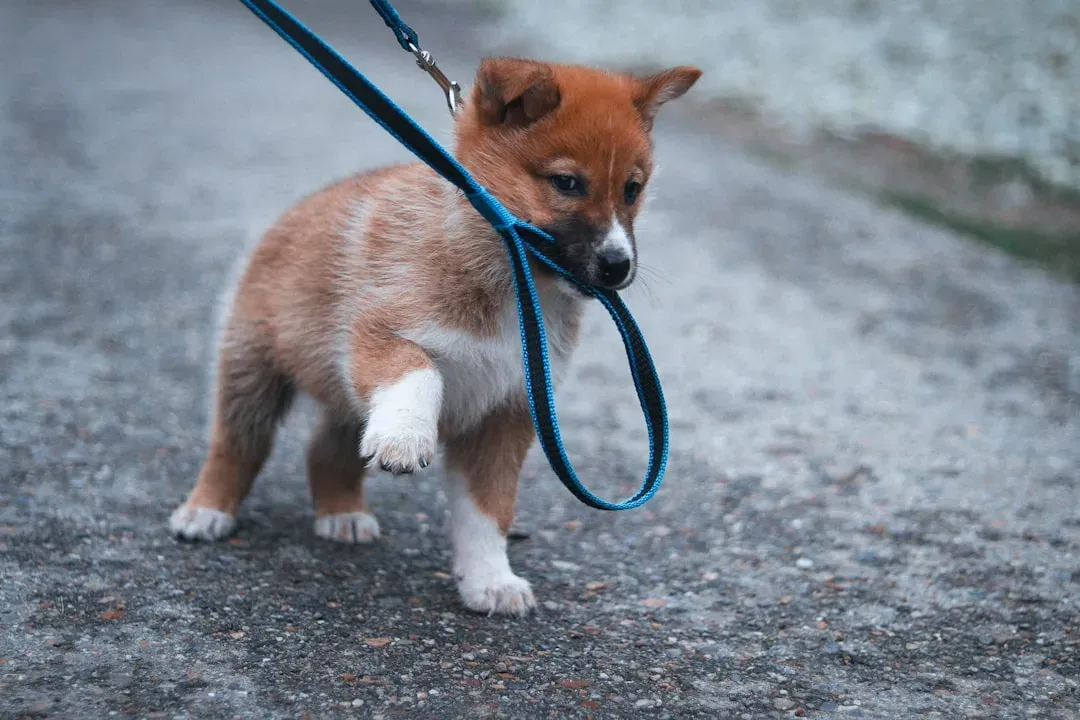
Dogs use their whole bodies to communicate: the curve of their path, the angle of their head, the looseness of their spine, even how they shift their weight. A leash, especially when tight or attached to a front-clip harness or head halter, can distort that natural body language. A dog might be pulled into a stiff, straight, head-on approach that screams challenge, even if they did not intend it that way.
To the other dog, this can look like rude or confrontational behavior, and the response may be defensive or hostile. Now you have two dogs, both slightly confused and a bit uncomfortable, locked into a social interaction neither of them fully chose. No wonder things can escalate. From our human angle, we just see “a reactive dog,” but underneath that is a tangle of mixed messages and blocked communication.
Human Emotions at the End of the Leash
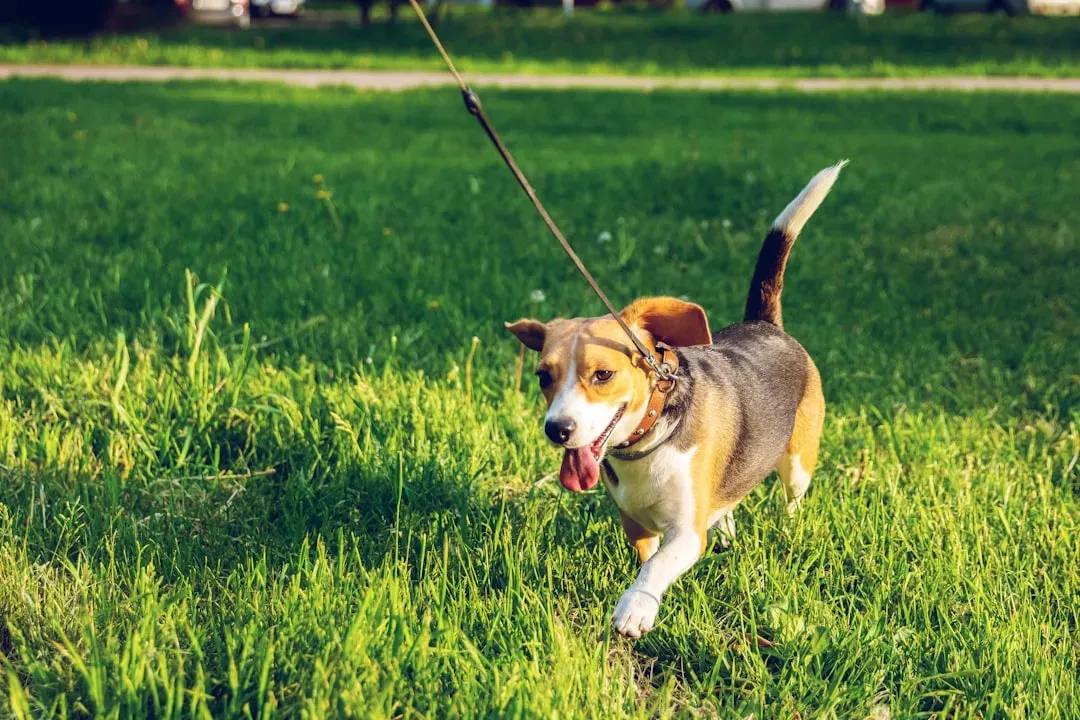
There is another big player in all of this: you. Dogs are incredibly good at picking up micro-tensions in our posture, our breathing, and the way we hold the leash. If you see another dog and instantly tense up, wrap the leash tighter, or hold your breath, your dog feels that shift. To them, it can be a signal that something is wrong or dangerous.
Over time, a feedback loop can develop. The dog reacts because they are anxious or frustrated; the human anticipates the reaction and tightens up sooner; the dog reads that tension as a warning and reacts even faster. I have absolutely been that person scanning the street for triggers, already anxious three houses before we pass another dog. Once I softened my body, loosened the leash a bit, and worked on my own mindset, my dog’s behavior improved more than I wanted to admit.
Frustration, Barrier Effects, and “Let Me Say Hi!”
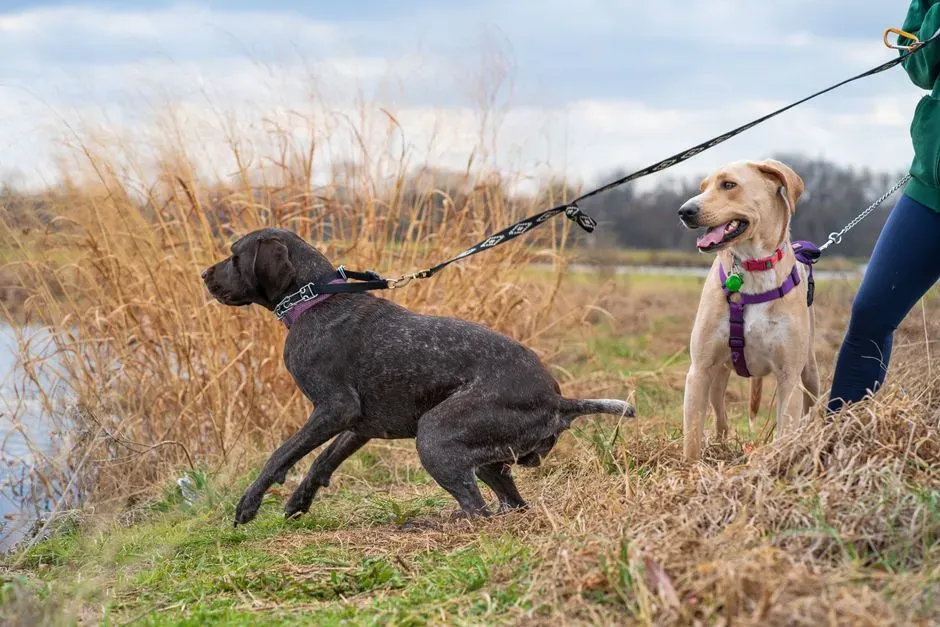
Not all leash reactivity comes from fear. Sometimes it is pure frustration. A highly social, excited dog who loves other dogs may see a potential playmate but be physically prevented from running up to them. The leash, the street, or even a fence becomes a barrier that turns happy anticipation into pent-up energy. That bottled-up excitement can easily tip into barking, whining, and lunging.
This is sometimes called a barrier effect: the very thing that keeps dogs apart can make them react more strongly. A dog that plays beautifully at the park might still bark and lunge at dogs on the sidewalk when they cannot get to them. From their point of view, the leash is that annoying friend holding them back from the party, and their loud reaction is the canine version of yelling about it.
Training the Leash, Not Just the Dog
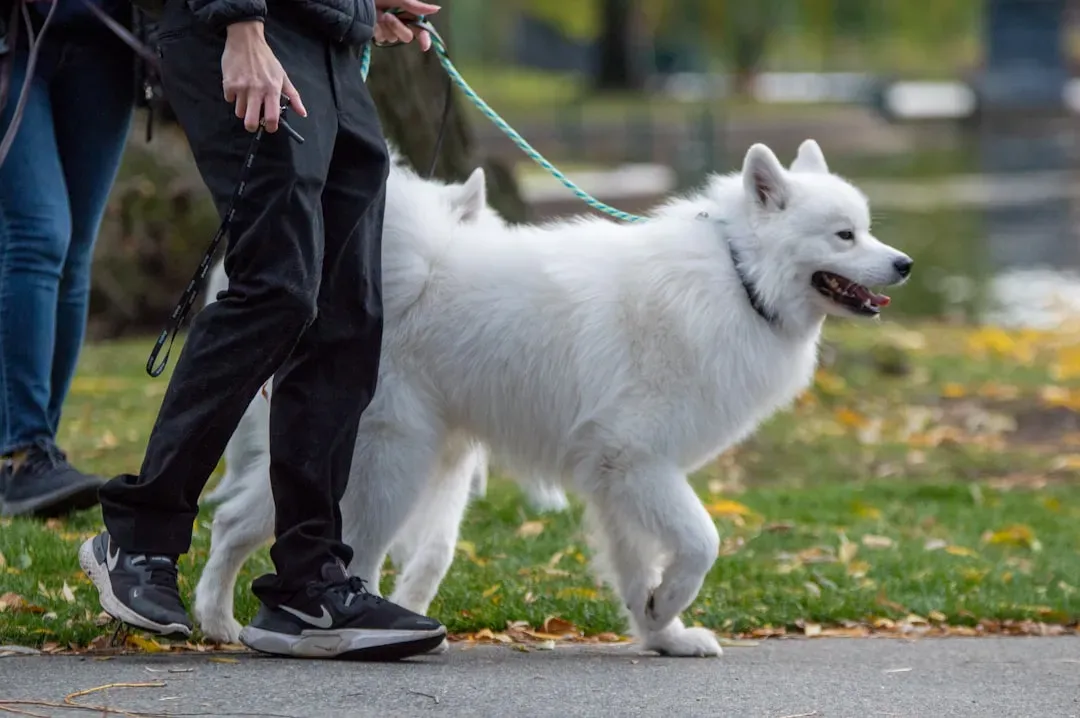
Many people approach leash issues as if the dog is the only problem, but the leash itself is part of the relationship. Loose-leash skills, thoughtful equipment choices, and predictable routines can all change how a dog feels about being restrained. A comfortable harness, a slightly longer leash, and a human who resists the urge to constantly reel the dog in can make everyday walks feel less like a power struggle and more like a shared activity.
Rewarding calm behavior before your dog reaches their boiling point, increasing distance from triggers, and teaching simple focus cues can gradually reshape their emotional response. It is less about “correcting bad behavior” and more about teaching the dog that, even on a leash, they still have choices and safety. When the leash becomes a cue for guidance rather than restriction, everything about the dog’s social behavior tends to soften.
Rethinking “Good” and “Bad” Dogs: An Opinionated Take

I think we are far too quick to label dogs as “reactive,” “aggressive,” or “bad on leash” without ever asking whether we have set them up to succeed. Restraining an animal, then expecting them to handle complex social situations with perfect grace, is a very human expectation. We would never judge a person’s entire character based on how they behave while stuck in a traffic jam, yet we often do something similar to dogs on a tight leash in a busy world.
The more we learn from animal psychology, the harder it is to see leash reactivity as simple disobedience. To me, it looks like a communication problem born from restraint, mixed signals, and environmental pressure. Instead of blaming the dog, we could admit that our tools and habits are part of the issue. If we start treating the leash as a shared language rather than a control device, we might finally see our dogs not as problems to be fixed, but as partners trying to cope in a world they never chose. When you clip that leash on tomorrow, will you see the walk from your side only, or from theirs too?


