
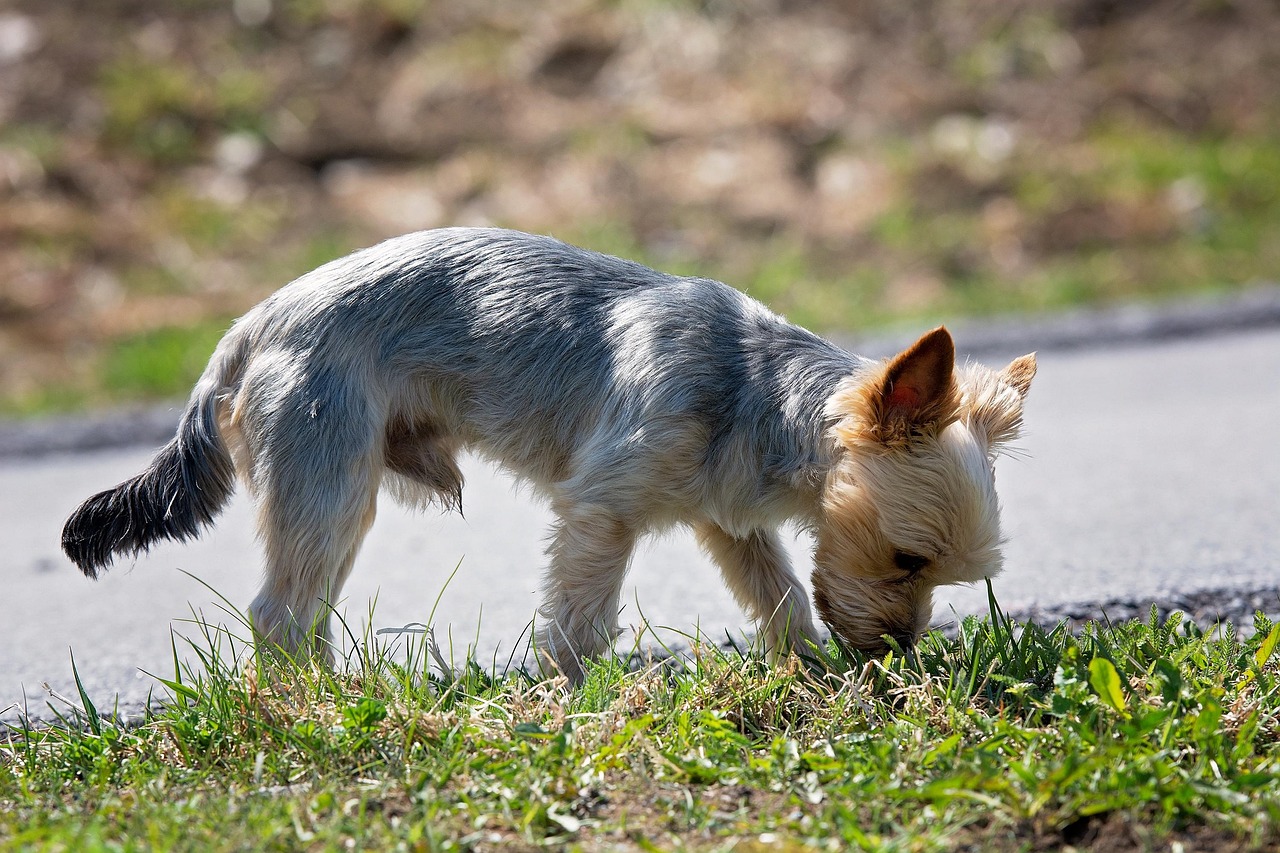
You know that slightly embarrassing moment on a walk where you’re standing there, leash in hand, while your dog is glued to one tiny patch of grass like it holds the secrets of the universe? It can feel frustrating, even a bit awkward, especially when you’re in a hurry and they’re acting like that one spot is more interesting than you are. But from your dog’s perspective, that patch of grass really might be a page in a living, breathing neighborhood novel.
What looks like stubbornness or distraction is actually a complex act of reading, decoding and even fact-checking chemical messages left behind by other animals. You cannot smell any of it, and you never will, but your dog can. Once you start seeing these long sniff sessions as your dog scrolling through a social feed rather than defying you, those pauses on the sidewalk suddenly feel a lot less annoying – and a lot more magical.
The Patch Of Grass Is Basically Your Dog’s Social Media Feed
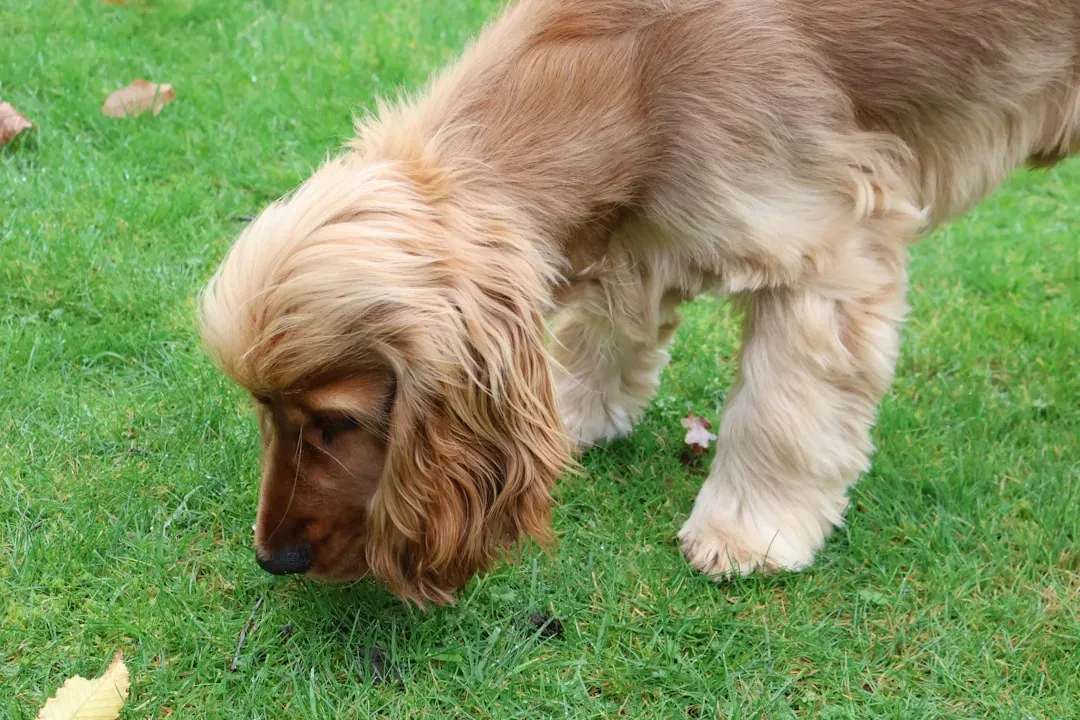
When your dog plants their nose in one tiny patch and just…stays there, they are not zoning out; they are catching up on the local news. A single spot of grass can hold information about who walked by, their age, sex, health, stress level, and even what they last ate. Dogs can detect incredibly faint odor molecules, far beyond anything our noses are capable of picking up, so what seems like “just grass” to you is like a crowded comment section to them.
Think of it like this: you might quickly glance at your phone and then end up ten minutes deep into messages, posts and photos you did not plan to open. Your dog is doing something similar, only their “screen” is the ground and their feed is made of layered smells instead of pixels. Once you understand that, it makes more sense why they do not just sniff once and walk away; they are scrolling, replaying and cross-checking, and to them that is genuinely important work.
Behind Every Sniff Is A Nose Built Like A Biological Supercomputer
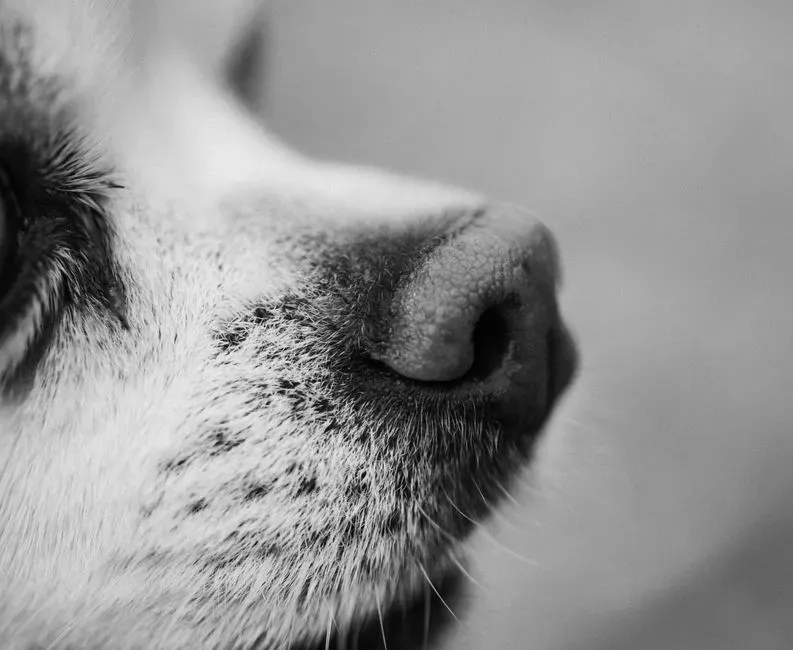
We tend to underestimate what dog noses can do because we experience the world mostly through our eyes. A dog’s nose, though, is engineered for scent in a way that almost feels unfair. They have far more scent receptors than humans and a specialized internal structure that separates breathing from smelling, which lets them pull in continuous streams of scent data while still getting enough air. To a dog, every puff of air is full of detailed information, not just a vague whiff.
On top of that, dogs have an extra scent-processing organ in the roof of their mouth that helps them interpret certain chemical signals, especially those related to other animals. When they lick the air or chatter their teeth a bit after a sniff, that is them routing odors to this extra system for a deeper read. So while you are thinking, “Why are you still on this one spot?”, your dog’s brain is lighting up, sorting and filing chemical clues with the intensity you might bring to piecing together a mystery book.
Grass Holds Stories Of Who Was There, When, And How They Felt
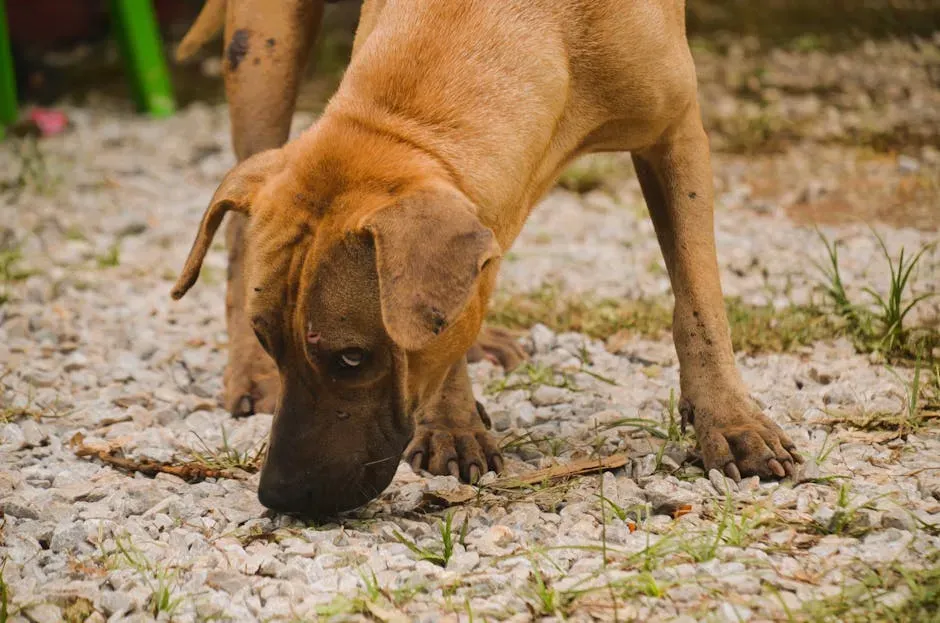
What exactly are they “reading” on that patch? Mostly, it is information other animals have left behind in urine, gland secretions, skin cells, and tiny traces of fur and saliva. Those scents do not just say “a dog was here”; they can signal if that animal was confident, anxious, sick, in heat, young, old, or well-fed. Your dog might be piecing together that a nervous, younger dog passed through earlier in the day, or that a confident older male likes to mark this particular corner.
In a way, the ground around you is like a constantly updating guestbook. Each sniff is your dog cross-referencing who is in the neighborhood, which routes are popular, and whether any potential threats or exciting opportunities have appeared. That is one reason they can look almost serious when they sniff – ears slightly forward, body focused, tail at a thoughtful mid-height. They are not checking out; they are checking in.
Sniffing Isn’t Just Information Gathering – It’s Emotional Regulation
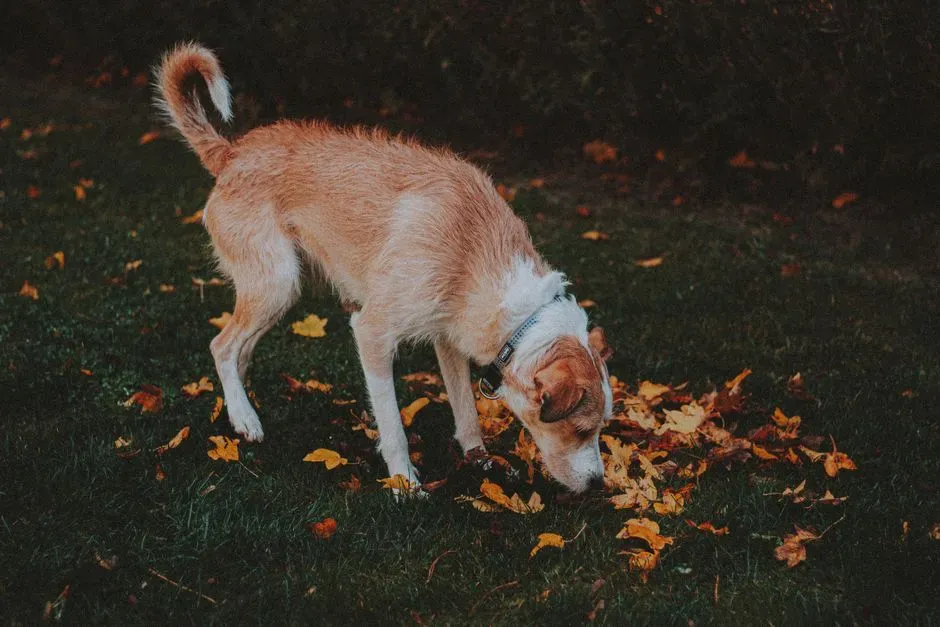
There is another layer to those long sniff breaks that often gets overlooked: smelling can calm dogs down. Following a scent trail or deeply investigating a patch of grass engages their brain in a focused, almost meditative way. It gives them something clear and satisfying to do, which can help ease anxiety and reduce overall arousal, especially in stimulating or noisy environments.
I have seen nervous dogs on city streets go from tense and wired to visibly softer after just a few minutes of being allowed to sniff without being rushed. It is similar to how some people feel better after working on a puzzle or doodling during a stressful day. Telling a dog to “hurry up” every time they try to read the ground is a bit like yanking a book out of someone’s hands when they are using it to unwind.
When Your Dog “Ignores” You, They’re Actually Prioritizing Important Data
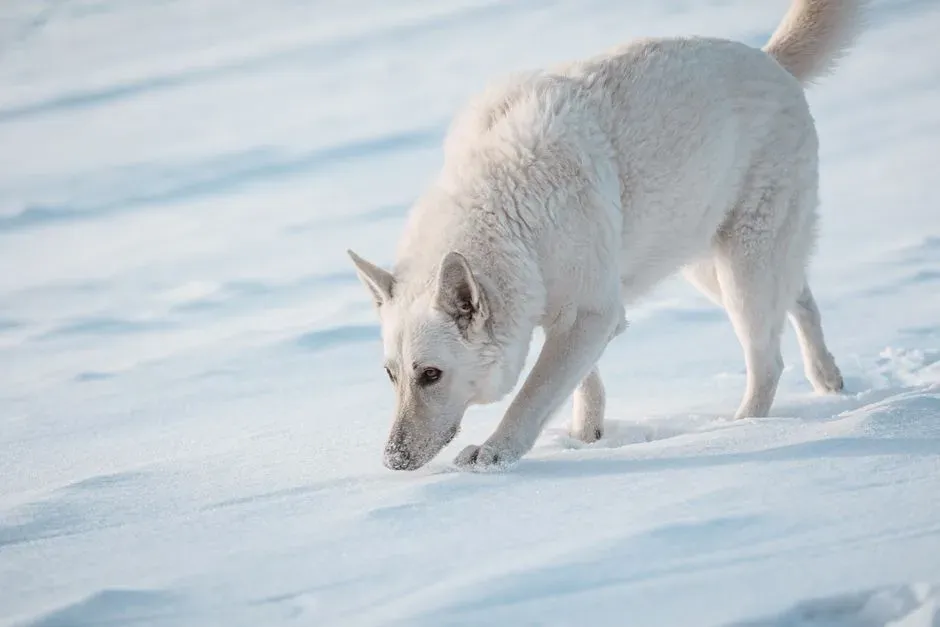
From a human point of view, it can feel like a personal snub when your dog refuses to move or respond because they are locked onto a scent. In reality, their brain is doing something deeply instinctive: prioritizing potential survival information over everything else. For a species that evolved relying heavily on smell to find food, avoid danger and seek social contact, ignoring an intense scent would almost be irrational.
That does not mean your dog does not care about you; it means their ancient wiring sometimes wins out over your modern schedule. They are not thinking, “I prefer this grass to my human,” but more like, “This smells important, I should finish reading before I move on.” When you view it in that light, their behavior starts to feel less like disobedience and more like them being very good at being a dog.
How To Balance Letting Your Dog “Read” With Actually Getting Somewhere
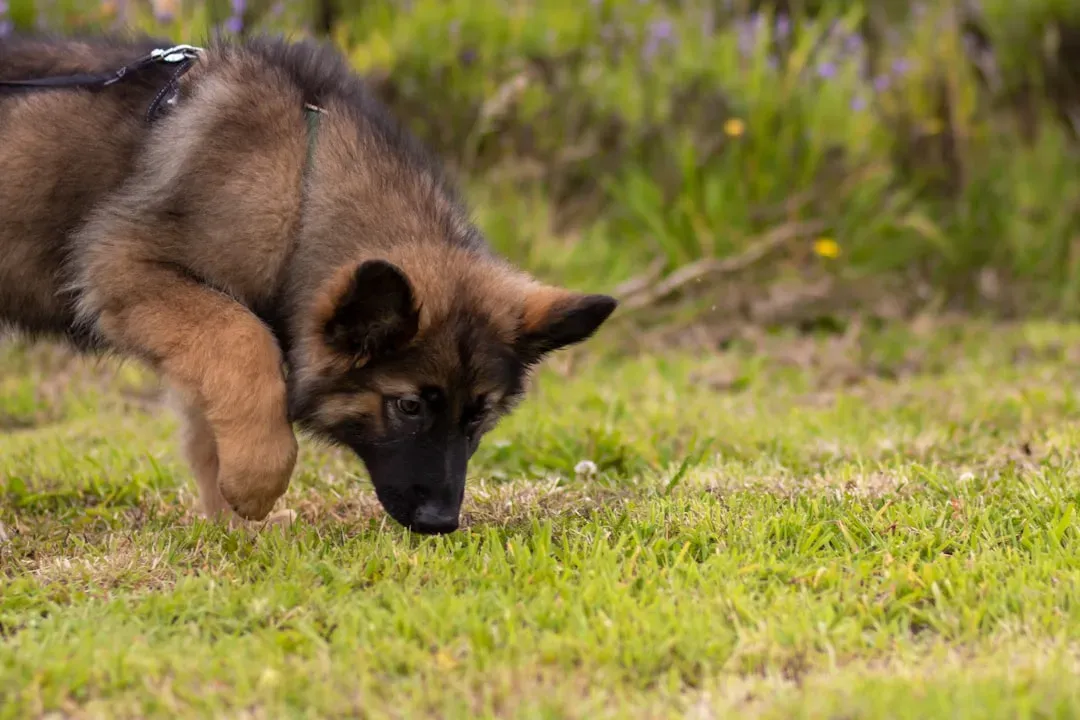
Of course, real life exists: you have places to be, buses to catch, kids to pick up. You do not have to surrender every walk to endless sniff breaks, but it helps to build in dedicated “reading time.” One simple approach is to have parts of the walk where you intentionally slow down and let your dog choose the pace, followed by sections where you gently encourage forward movement. Over time, many dogs learn that they will get chances to read, which can make them more willing to move on when you ask.
Using a cue like “go sniff” for free-sniff time and “let’s go” when it is time to walk can also give your dog clearer expectations. It is a bit like telling a kid, “Ten more minutes at the playground, then we head home.” You are not taking away their joy; you are putting structure around it so both of you can enjoy the outing. That kind of compromise respects your dog’s needs without letting your whole day revolve around one heroic clump of grass.
What Your Dog Really Needs From You When They’re Lost In A Scent Story
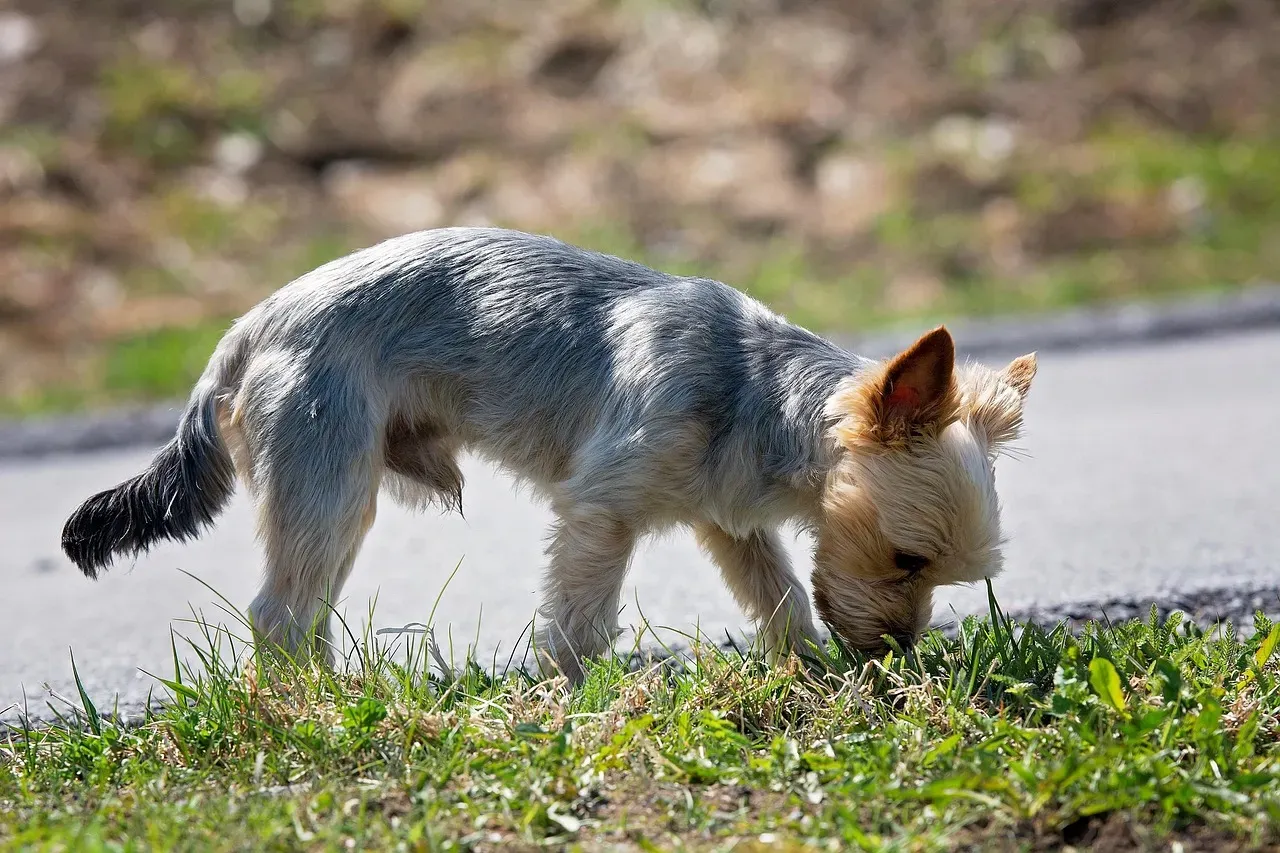
At the heart of all this is a shift in perspective: instead of seeing long sniff sessions as a problem, you can start to see them as a window into your dog’s real world. Your dog does not need you to join them in smelling everything – that is literally impossible for you – but they do benefit when you show patience and curiosity. Even standing quietly while they work through a scent story can deepen your bond, because they get to be fully themselves in your presence.
If anything, those slow moments invite you to step out of your own mental scroll for a second. While your dog reads chemical poetry written in grass and dirt, you might notice the sky, feel the air, or just breathe a little. In a life that often pushes us to rush from one thing to the next, there is something oddly grounding about letting a creature you love stop and smell what you cannot. I will admit I used to tug the leash and hurry dogs along; now, I often catch myself thinking, “Alright, finish your chapter, then we’ll go.”
Conclusion: They’re Not Being Rude – They’re Being Remarkably Dog
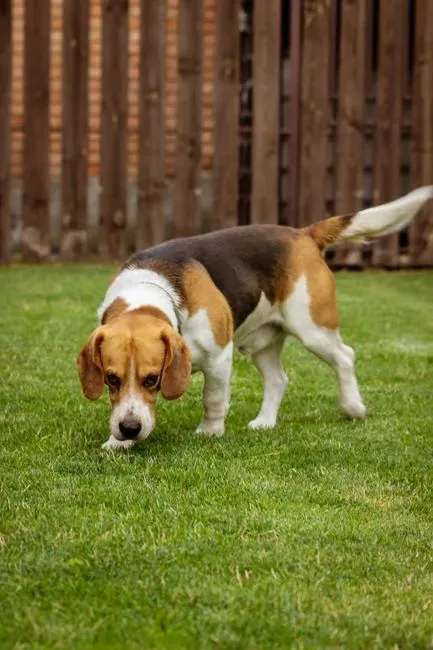
So the next time your dog seems glued to one patch of grass while you stand there wondering why you even own a watch, remember this: they are not ignoring you, they are immersed in a world you simply cannot perceive. Their brain, nose and instincts are doing exactly what they were designed to do, and that is not a flaw – it is the point of having a dog in the first place. In my view, rushing them through every sniff because we are impatient says more about our habits than their manners.
Letting your dog read their scent stories does not mean you never set boundaries, but it does mean respecting that their priorities are not wrong just because they are different. You chose a species that experiences life through smell, and this is what that looks like in practice: nose down, tail up, attention absorbed, for what feels like forever on a square foot of grass. Maybe the real question is not why your dog spends so long there, but why we are so quick to assume our timeline matters more than their world. If you had their nose for a day, would you ever hurry past another patch of grass again?


