
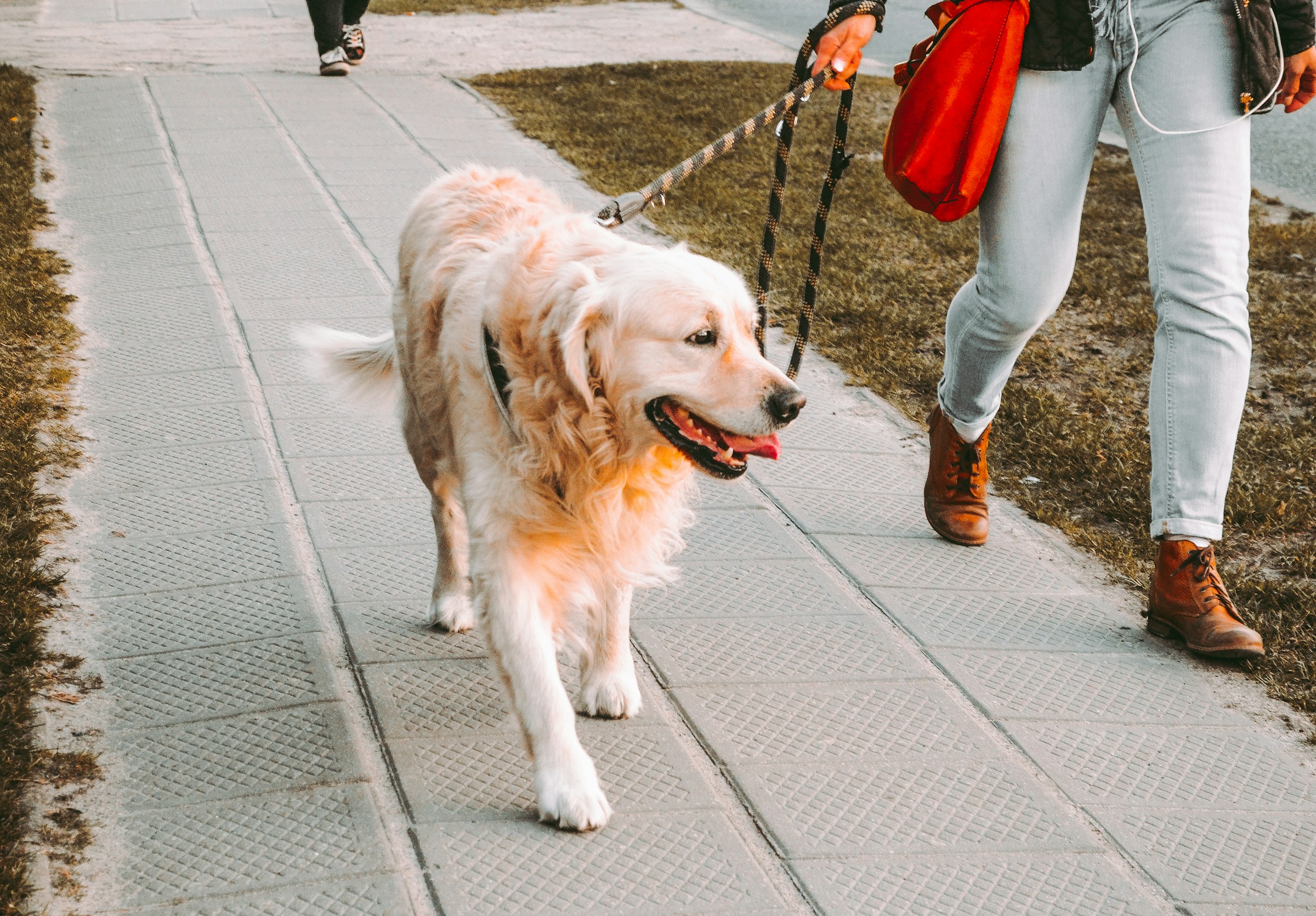
You’re halfway down the block, coffee in one hand, leash in the other… and your dog suddenly slams on the brakes. They dig in, stare at one particular street, driveway, or stretch of sidewalk, and absolutely refuse to go forward. It’s easy to sigh and assume they’re just being dramatic or disobedient. But what if that “stubborn” moment is actually your dog quietly telling you: something around us has changed?
Dogs live in a world of scent, sound, and subtle shifts that our human senses completely miss. When they stop short in one direction but happily trot the other way, they may be reacting to something very real and very specific in the environment. Understanding that difference can be the line between labeling your dog “difficult” and realizing they just might be the most observant member of your household.
The Myth of the “Stubborn” Dog
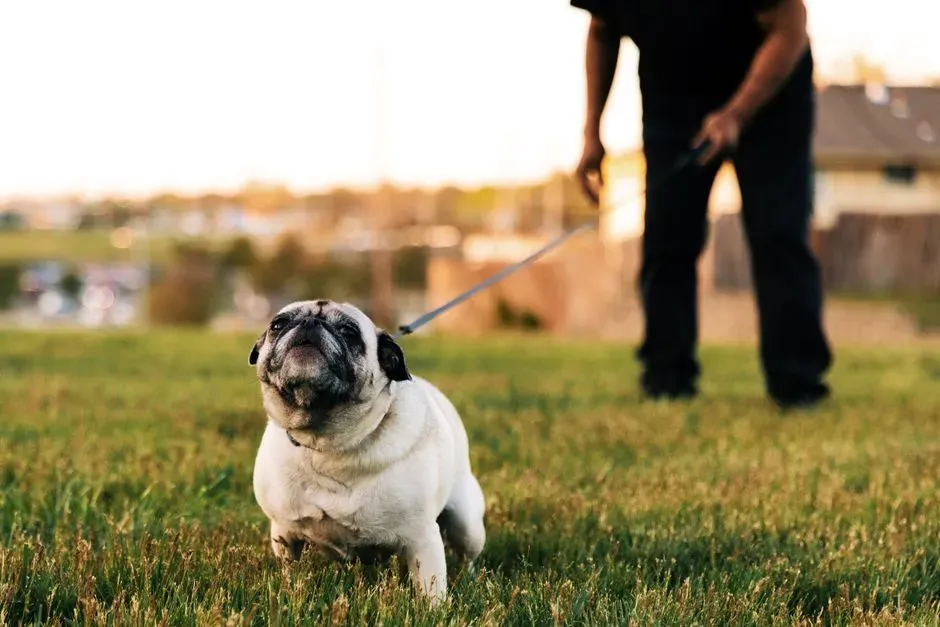
One of the biggest mistakes we make as dog owners is assuming every refusal is a power struggle. When a dog suddenly digs in at a certain corner or refuses one particular street, many people jump straight to “they’re testing me” or “they’re being lazy.” In reality, most dogs aren’t sitting there plotting; they’re reacting to information we don’t have access to, like a strange smell or distant sound.
I’ve seen this play out with countless dogs who were called stubborn, only to discover later there was a construction site, a loose dog, or even a high‑pitched alarm they could hear long before any human noticed. Once you start from the assumption that your dog is communicating rather than defying, their behavior suddenly feels a lot less personal and a lot more like a clue you’re supposed to investigate.
Dogs Sense the World Very Differently Than We Do
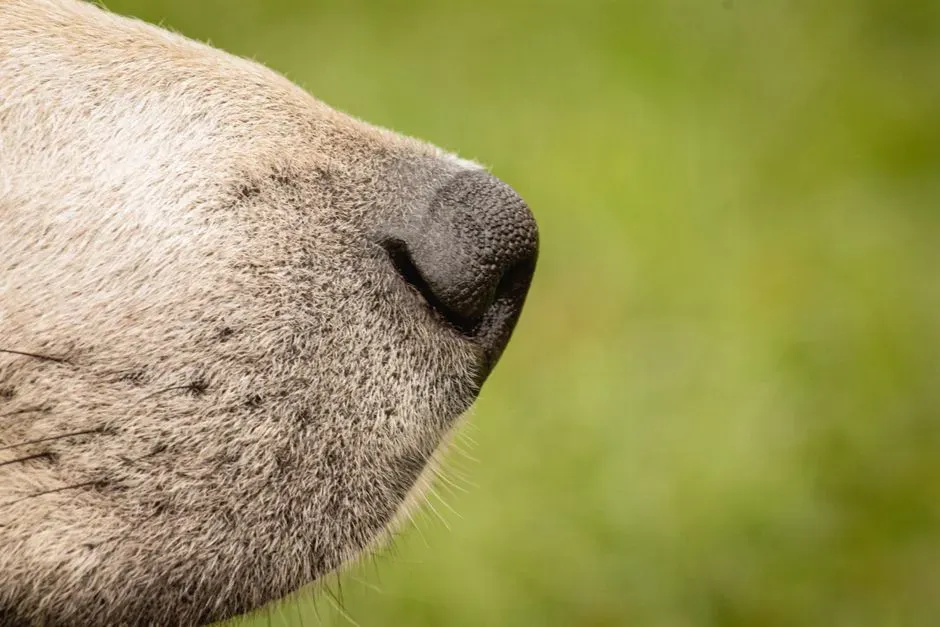
When your dog slams on the brakes, it’s worth remembering that their primary way of moving through the world is with their nose and ears, not their eyes. A dog’s sense of smell is vastly more sensitive than ours; they can pick up tiny changes in scent that are completely invisible to us. That stretch of sidewalk that looks exactly the same to you might carry the fresh scent of a new dog, a wild animal, spilled chemicals, or even a person they associate with fear or excitement.
Their hearing is also tuned to higher frequencies and subtler sounds. Your dog may balk at walking past one house because there’s a faint buzzing from an electric device, a yappy dog behind a window, or distant fireworks that your ears simply filter out. To them, it’s like you insisting everything is fine while standing in front of a speaker they hear blaring at full volume. From that angle, their “refusal” looks a lot more like self‑protection.
Fear, Pain, and Negative Associations Can Be Route‑Specific
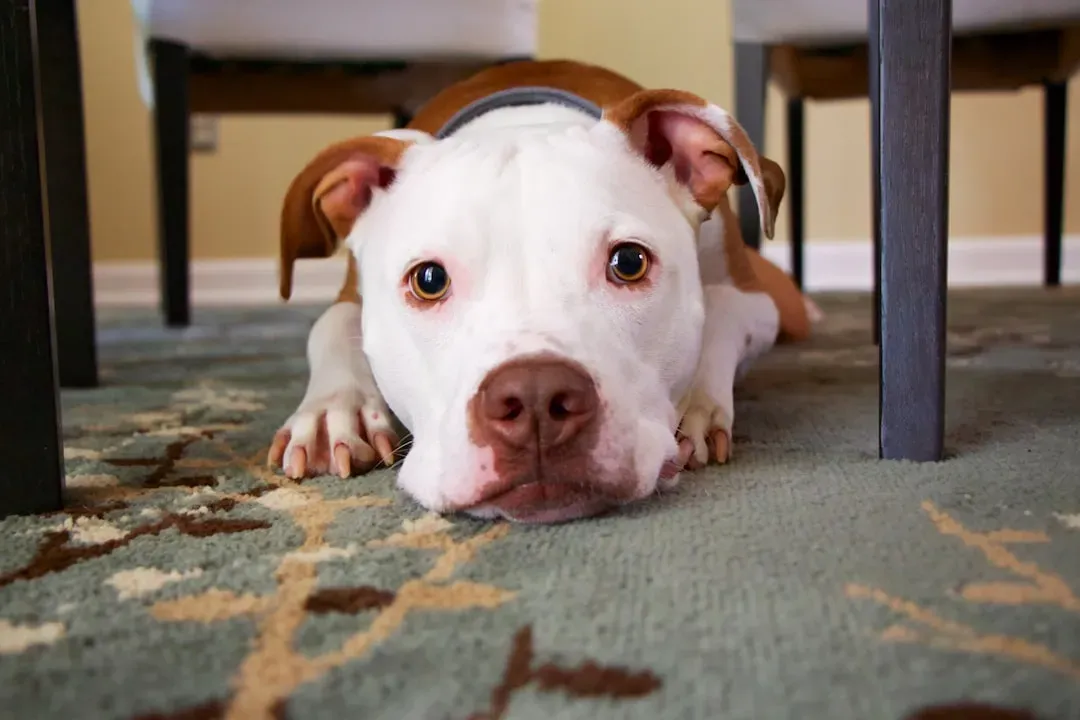
Sometimes a dog’s sudden refusal is their way of saying: “Something bad happened over there.” If they were startled by a loud truck, chased by an off‑leash dog, or scolded harshly on a specific route, they can form a powerful negative association with that direction. Dogs are very good at connecting places with emotional memories; one scary event on a single corner can be enough to write that location off in their mind.
Pain can play into this too in surprisingly precise ways. A dog with a sore joint, paw, or back may resist walking on a hill, a certain surface, or a longer route in one direction because they know, from experience, that it will hurt more. The fact that they walk happily the other way confuses people, but if one direction leads to rough pavement, steep inclines, or longer distances, it makes sense. They’re not being dramatic; they’re editing out the parts of their world that feel uncomfortable or unsafe.
Invisible Environmental Changes: Smells, Sounds, and Energy
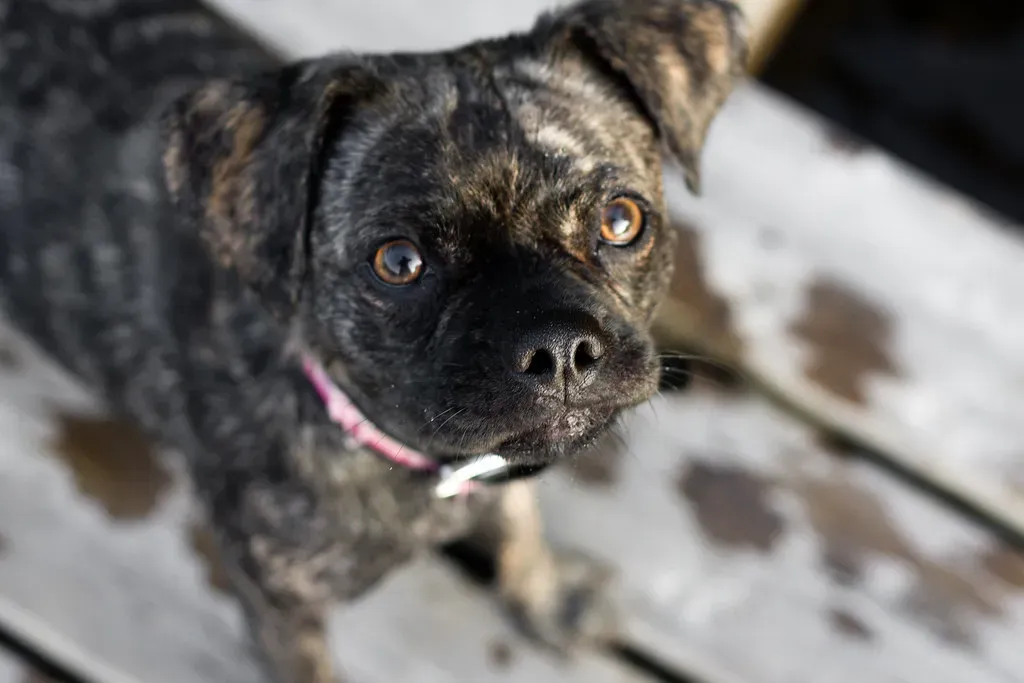
The environment changes far more often than we notice. A new neighbor moves in with a reactive dog, someone starts grilling in their backyard, a delivery truck idles in a driveway, or a jogger starts a regular route at the same time as your walk. Your dog might refuse a direction because they can smell that grilling smoke, hear that barking dog, or anticipate that delivery truck long before you even see it.
Even things we don’t think of as “stimuli” can matter. Scent from wildlife like raccoons or coyotes, residue from lawn chemicals, or unfamiliar human scents can all send up quiet red flags for some dogs. I’ve had a dog that would suddenly refuse to pass a yard on days the lawn had just been treated, even when I couldn’t smell anything at all. To them, the world is layered with invisible signals; refusing to walk one way can be their simple way of saying, “Today, this doesn’t feel right.”
Health Red Flags Hiding in Walking Habits
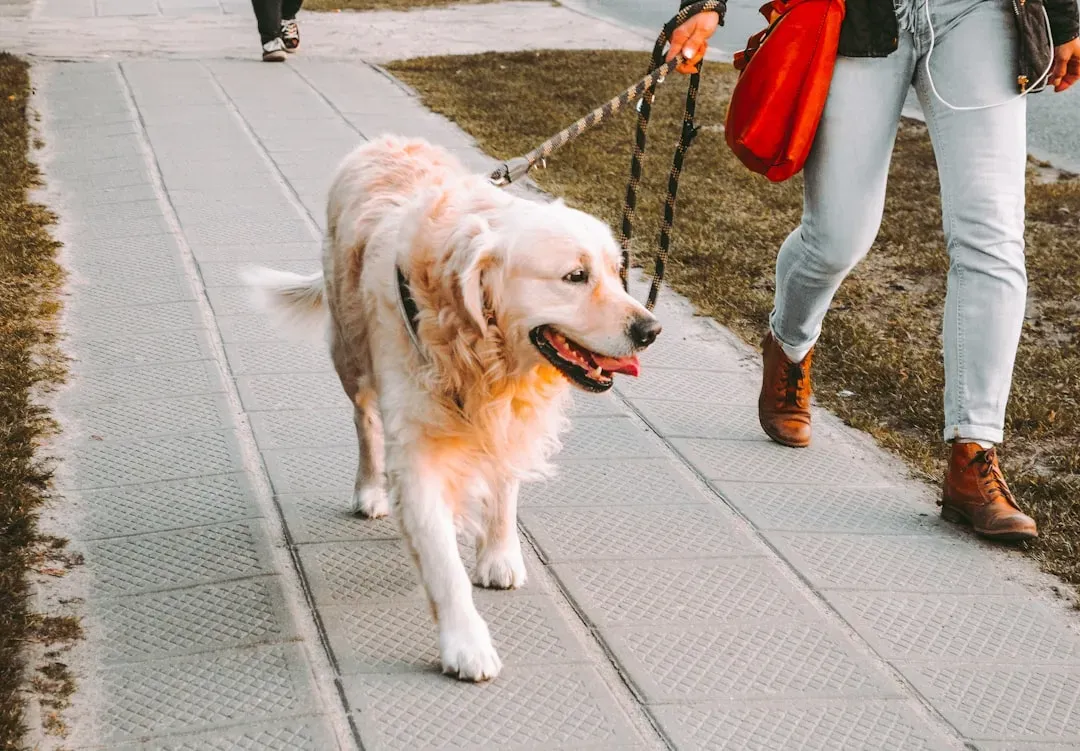
While environment often plays a role, a dog’s sudden refusal to walk in a given direction can also hint at medical issues that only show up under certain conditions. A dog with early joint problems might avoid routes with stairs or inclines that make that leg or hip ache more. A dog with vision changes might be uncomfortable walking toward bright sunlight, glare, or busy traffic where shapes and movement feel overwhelming.
There are even cases where neurological issues, vestibular problems, or heart and lung conditions make certain kinds of exertion harder. If your dog is reluctant in just one direction that happens to be longer, hotter, windier, or more physically challenging, their body may be drawing boundaries they can’t verbalize. Any sudden, persistent change in walking behavior is a good excuse for a vet check, not because you should panic, but because catching subtle health issues early is usually far easier on both your dog and your wallet.
Behavior vs. Communication: How to Read the Difference
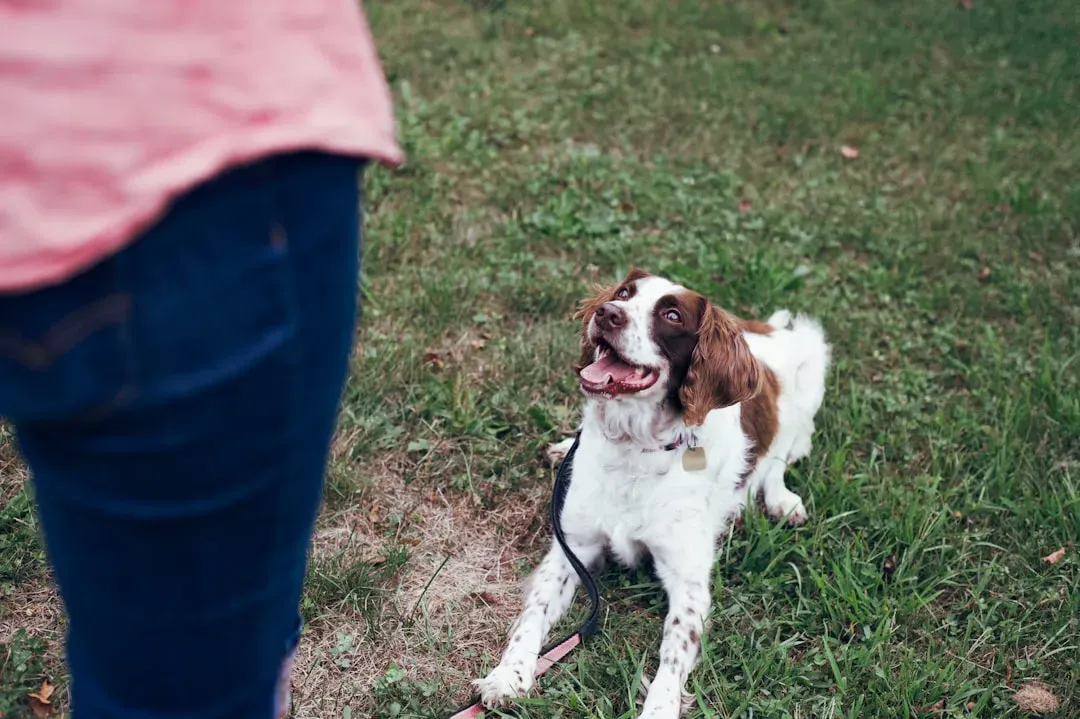
So how do you know if your dog is “just being difficult” or genuinely worried about something in the environment? The answer lies in their body language and patterns. A dog who is simply trying to control the walk may pull hard toward what they want, but they usually don’t look wide‑eyed, tail‑tucked, or hyper‑alert. A dog reacting to an environmental trigger, on the other hand, often shows signs of tension: stiff posture, ears pinned or scanning, frequent looking back at you, or refusal to take treats.
It also helps to watch for consistency. If they always refuse that exact corner, time of day, or direction, there’s probably more going on than random stubbornness. Try gently changing variables: walking at a different time, crossing to the opposite side of the street, shortening the route, or offering high‑value treats. If their comfort level changes based on those adjustments, you’ve gathered useful information that a trainer or vet can help you interpret. In other words, you’re treating your dog less like a misbehaving child and more like a partner with a different set of senses.
Practical Ways to Support Your Dog When They Say “No”
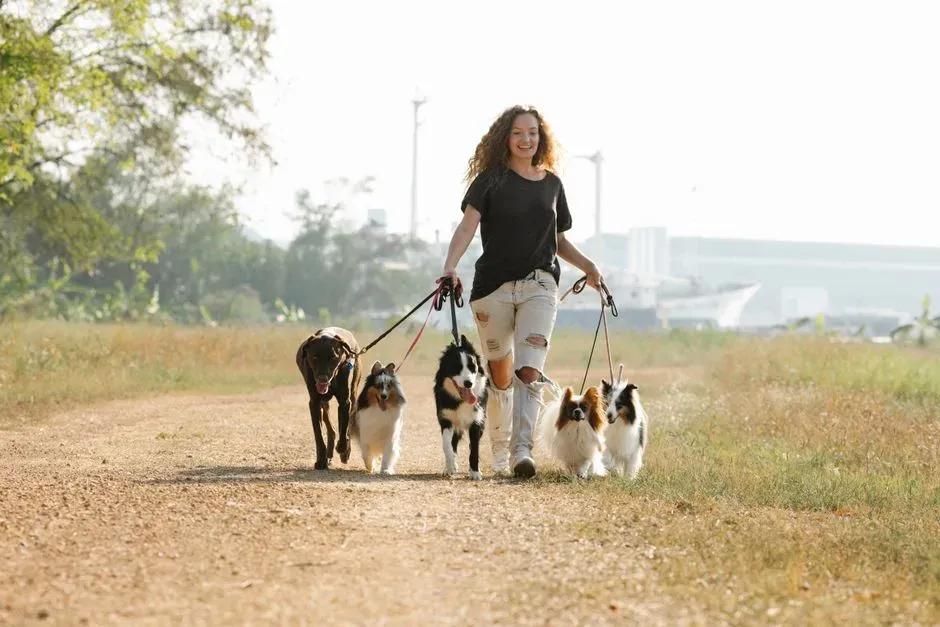
When your dog suddenly refuses to walk in one direction, start by pausing instead of dragging. Take a breath, soften the leash, and really look around. Maybe you’ll notice the delivery truck, the kids on scooters, the barking dog behind the fence, or the wind gusts that make everything creak. Even if you can’t spot the exact trigger, the simple act of respecting their hesitation is powerful; it builds trust and teaches your dog that you’re listening, not just insisting.
From there, you can experiment with gentle accommodations. Try a small detour, offer a treat party for looking at the scary direction without forcing them to march toward it, or gradually reintroduce that route with shorter approaches over time. If the refusal is sudden, extreme, or paired with signs of pain or panic, loop in your veterinarian and, if needed, a qualified trainer or behavior professional. The goal isn’t to bubble‑wrap your dog from every challenge, but to show them that you’re on their side when the world feels off.
Conclusion: Your Dog Might Be the Smartest Sensor You Own
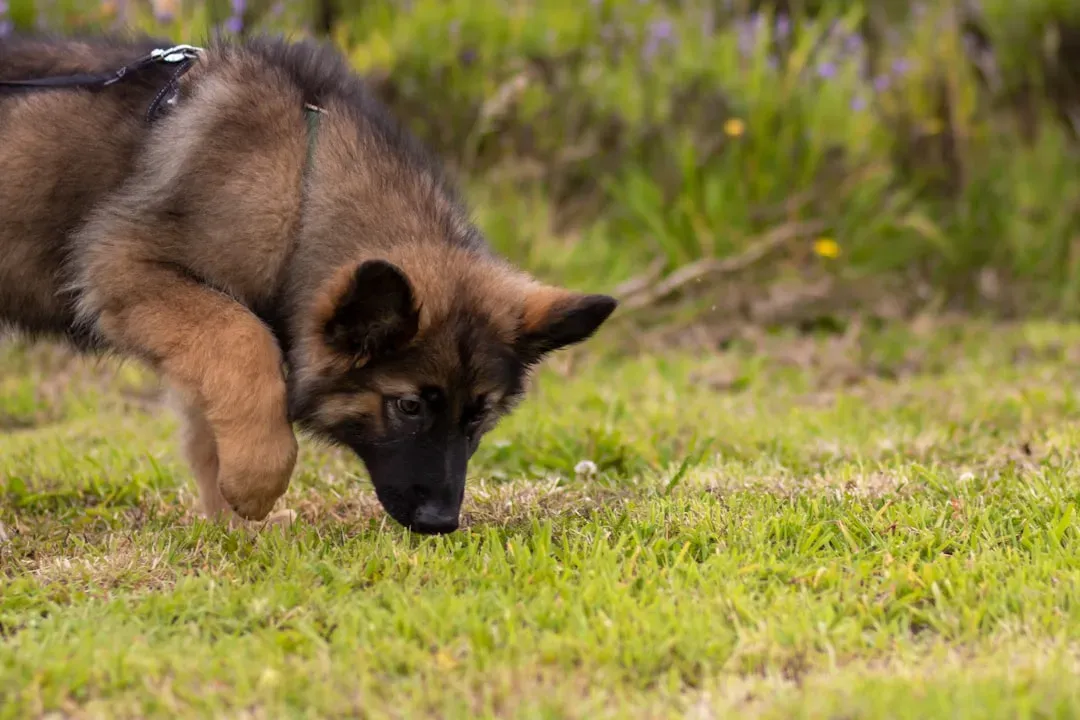
When a dog plants their feet and says no to one particular direction, it’s tempting to roll your eyes and label them spoiled or stubborn. But that moment of resistance is often one of the clearest reminders that our dogs are constantly reading the world in ways we cannot. They may be picking up on new scents, unfamiliar sounds, painful terrain, or old memories that change how safe a place feels. Ignoring that input just because we can’t perceive it ourselves is like throwing away a perfectly good smoke alarm because we don’t see any flames yet.
It’s my personal opinion that we’d have far fewer “behavior problems” if more people treated these small walking refusals as data instead of disobedience. Your dog is not always challenging your authority; many times, they are simply making a different decision with better information. Next time your dog suddenly refuses to go in one direction, what happens if, instead of dragging them along, you pause and ask yourself: what might they be noticing that I’m missing?


