
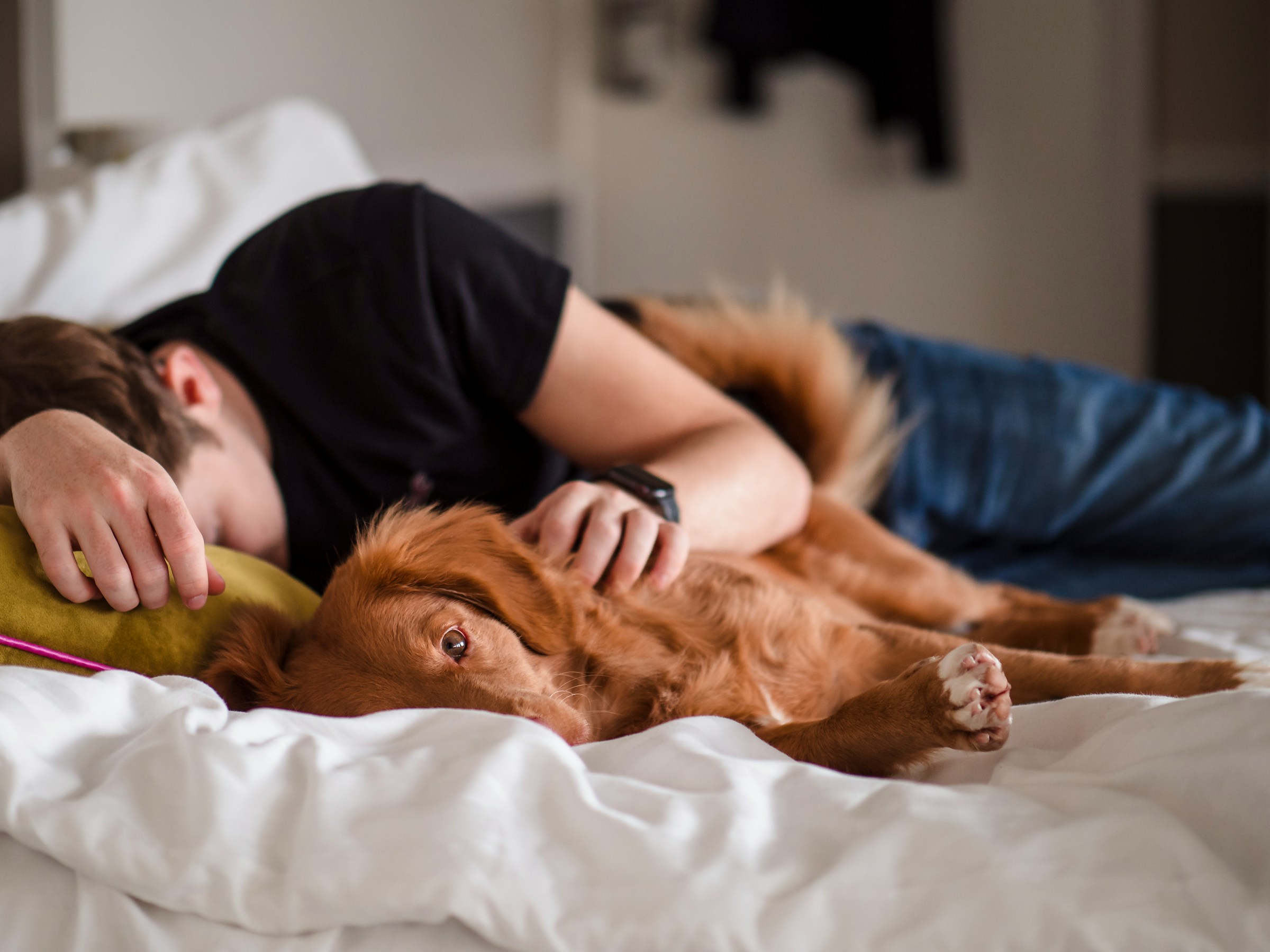
Ever watch your dog pass out for the fifth time before noon and wonder, “Are you seriously tired again, or just dramatic?” You’re not alone. Dog sleep can be confusing, especially when one moment they’re in deep snoring mode and the next they’re zooming around the house like a furry tornado. We’re told that puppies sleep a lot and seniors slow down, but in real life, there’s way more going on under that fluffy surface.
The truth is, how much sleep your dog really needs is shaped by a whole mix of factors: age, yes, but also breed, daily routine, health, environment, and even your own lifestyle. Once I started paying real attention to my own dog’s sleep patterns, I realized I wasn’t just learning about his rest – I was getting a window into his physical and emotional wellbeing. Let’s dig into what’s actually normal, what’s not, and how to tell the difference.
Sleep Basics: What “Normal” Looks Like for Most Dogs
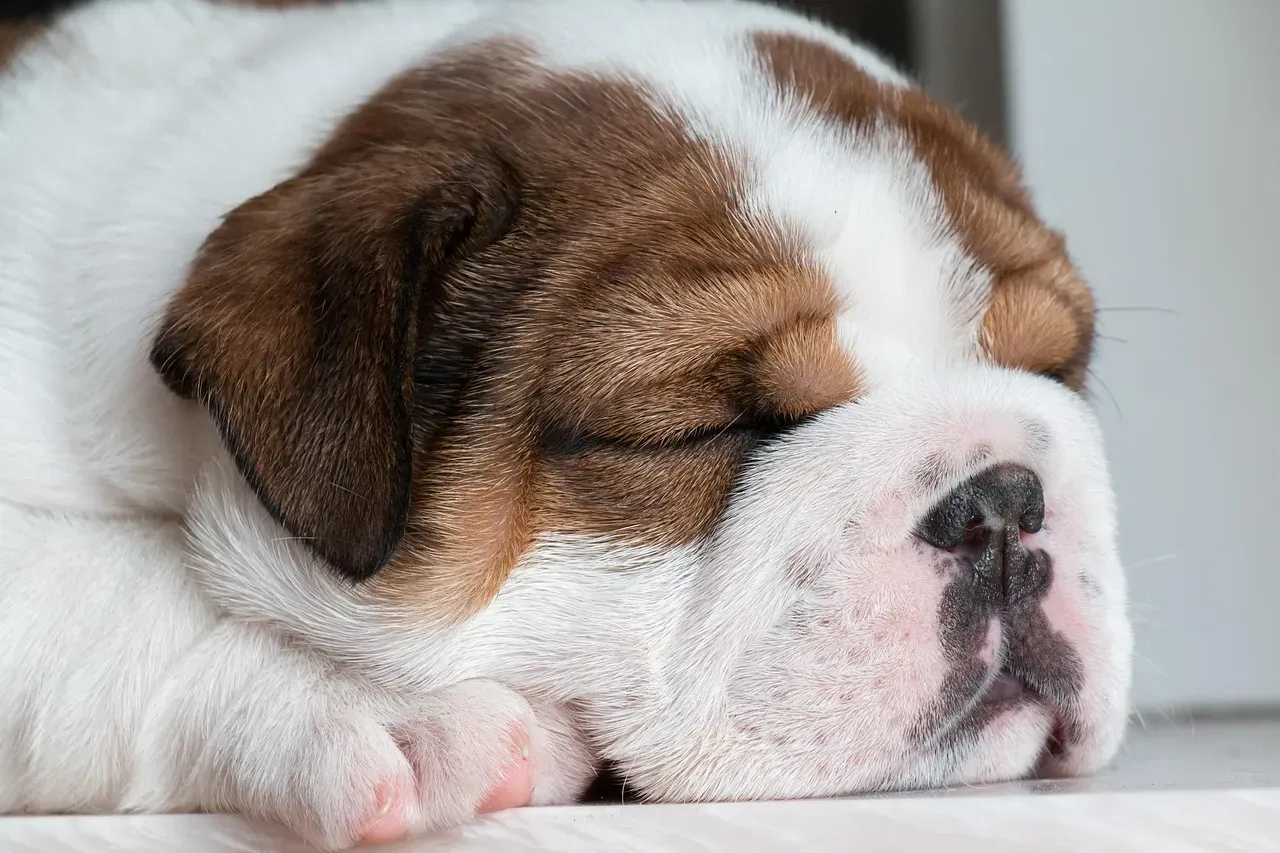
Here’s the surprising part: it’s completely normal for healthy adult dogs to sleep for a big chunk of the day, often somewhere around half the day or more when you count both nighttime sleep and naps. Unlike humans, who usually compress most of our sleep into one long stretch, dogs are polyphasic sleepers, which is a fancy way of saying they take lots of short sleep episodes over 24 hours. That’s why they can go from deep sleep to ready-to-play in what feels like seconds.
You’ll usually see your dog cycle through deeper sleep and lighter dozing throughout the day, often choosing quiet spots where they feel safe. Some dogs will have one main long sleep overnight and several shorter naps during daytime, while others seem to graze on sleep all day in little bits. If your dog has a fairly consistent pattern that matches your household rhythm and they wake up easily and happily, you’re probably looking at a perfectly normal sleep schedule.
Age Really Does Matter – But It’s Only the Starting Point
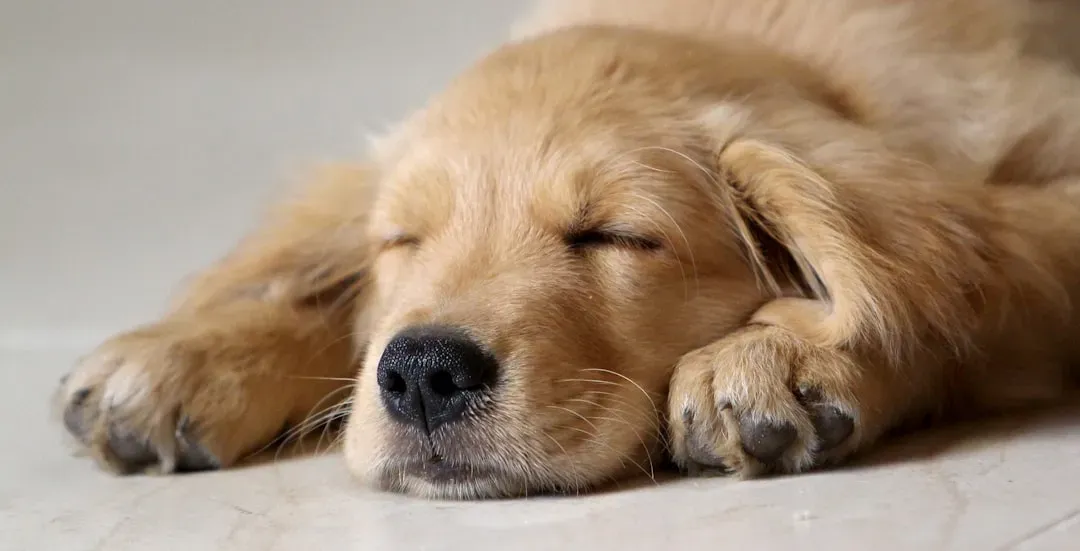
Age is the easiest piece of the puzzle, and it does create a general framework. Puppies are like tiny furry babies: they often sleep most of the day because their brains and bodies are in overdrive growing, learning, and processing every little thing. It’s completely expected for puppies to have bursts of wild energy, then crash hard and sleep as if they just ran a marathon, even if they only chased a leaf.
Healthy adult dogs tend to settle into a more stable rhythm, with a mix of nighttime sleep and regular naps that might add up to around half to most of the day. Seniors, on the other hand, often go back to needing more total rest because moving around takes more effort, joints can ache, and their bodies just need more downtime. Still, if you only look at age, you’ll miss a lot of signs, because a lazy young adult or an unusually wired senior can be telling you something else is going on.
Breed, Size, and Energy Level: The Hidden Sleep Drivers
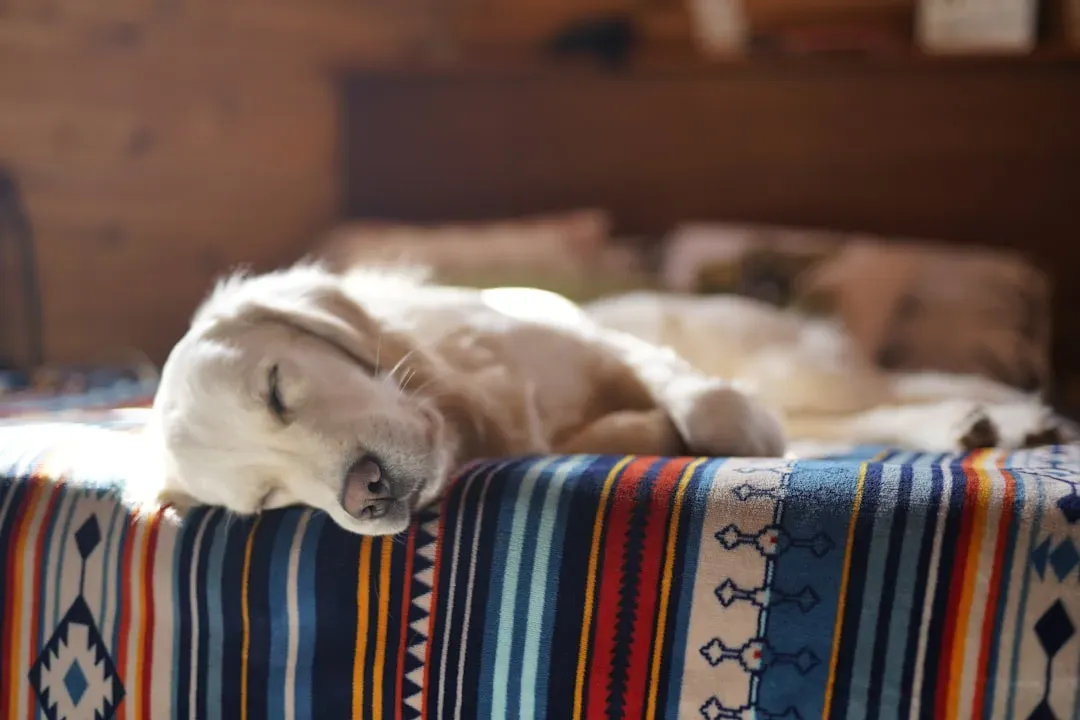
Think about the difference between a laid-back giant breed and a wiry little working dog – of course their sleep needs won’t be identical. Larger dogs tend to lean toward more total sleep and more couch time, partly because carrying that big body around is more demanding. Many giant or heavy breeds are naturally more sedentary, which often shows up as longer or more frequent naps, especially after activity.
On the other hand, high-drive working or herding breeds might appear more restless or alert, sleeping in shorter chunks and springing up at the slightest noise. That doesn’t always mean they need less sleep overall, but they might take it in lighter, more fragmented patterns and be more sensitive to stimulation. Knowing your dog’s breed tendencies and original purpose – hunter, guardian, lap companion, herder, sled dog – can explain a lot of why they crash hard or seem constantly “on.”
Activity, Boredom, and Environment: How Daily Life Shapes Sleep
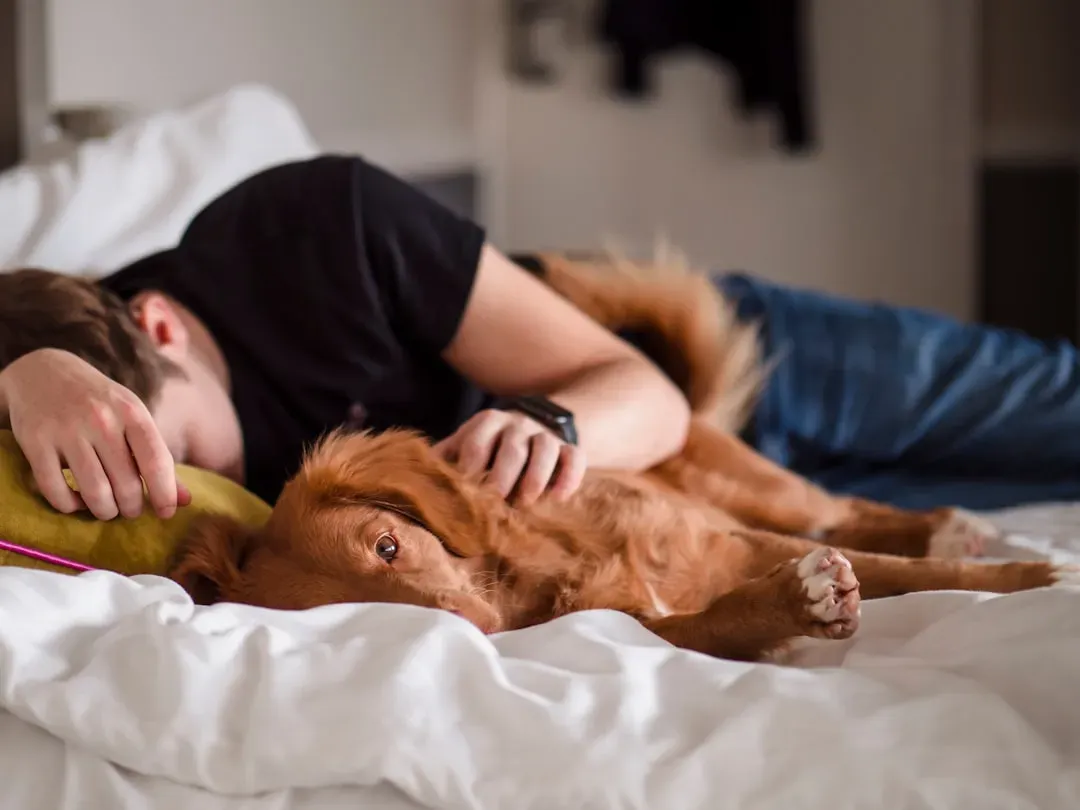
Your dog’s daily routine is one of the most powerful, and underrated, forces shaping their sleep. A dog who gets meaningful physical exercise and real mental engagement – walks that involve sniffing, training games, puzzle toys, social time – tends to sleep more deeply and more satisfyingly. You might notice that after a good, interesting day, your dog conks out at night and seems genuinely restful instead of restless or needy.
On the flip side, an under-stimulated dog might sleep a lot out of sheer boredom, not true relaxation. That type of dog sleep often looks like light dozing and pacing between naps, jumping up at every sound, and needing constant attention. The environment matters, too: loud homes, unfamiliar visitors, or chaotic schedules can keep a dog on alert, while a predictable routine, cozy sleeping spots, and clear quiet times help them actually rest instead of just collapsing in exhaustion.
Health, Pain, and Stress: When Sleep Is a Red Flag
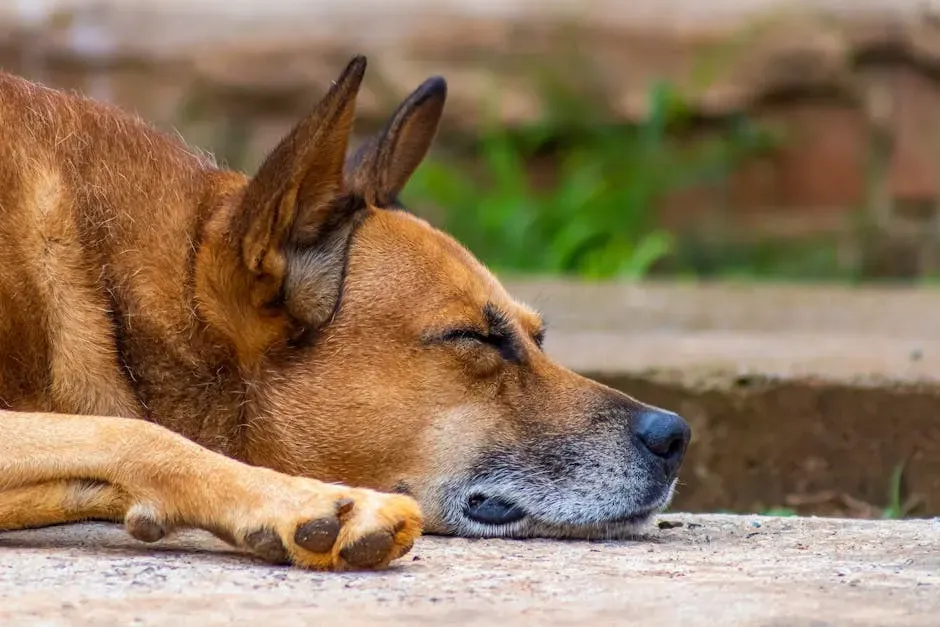
Sometimes changes in sleep are your first clue that something’s wrong, long before other obvious signs show up. A dog who suddenly starts sleeping a lot more than usual, or seems hard to wake, might be dealing with pain, illness, or underlying conditions like hormonal imbalances or metabolic issues. Likewise, a dog who sleeps way less than normal, pacing at night or constantly shifting positions, may be uncomfortable or anxious.
Stress and anxiety can twist sleep into a mess. A worried dog may only doze lightly, startle easily, or wake frequently during the night, similar to how a stressed human lies awake replaying the day. If you notice big shifts in your dog’s sleep pattern – more naps, fewer naps, restless nights, new snoring or weird breathing – and nothing in their routine has really changed, it’s worth treating that as a real signal and talking with a veterinarian rather than brushing it off as them just being “lazy” or “dramatic.”
How to Tell If Your Dog Is Getting the Right Amount of Sleep
Instead of obsessing over a magic number of hours, it’s more useful to zoom out and look at the whole picture of how your dog acts when they are awake and asleep. A well-rested dog generally wakes up alert, willing to engage, and able to focus for their age and personality. They might nap a lot, but when they’re up, they participate in life: they’re curious on walks, they play when invited, they eat consistently, and they bounce back from activity with normal tiredness, not total collapse.
In contrast, a dog who’s not sleeping well or is oversleeping often shows it in their mood and behavior. Think irritability, clinginess, lack of interest in activities they usually enjoy, or odd crankiness with other pets or people. Keeping an informal mental log – or even jotting notes for a couple of weeks – about when your dog tends to sleep, how easily they settle at night, and how they act during the day can reveal patterns you’d otherwise miss and help you spot problems sooner.
Simple Tweaks to Help Your Dog Sleep Better (and Live Better)
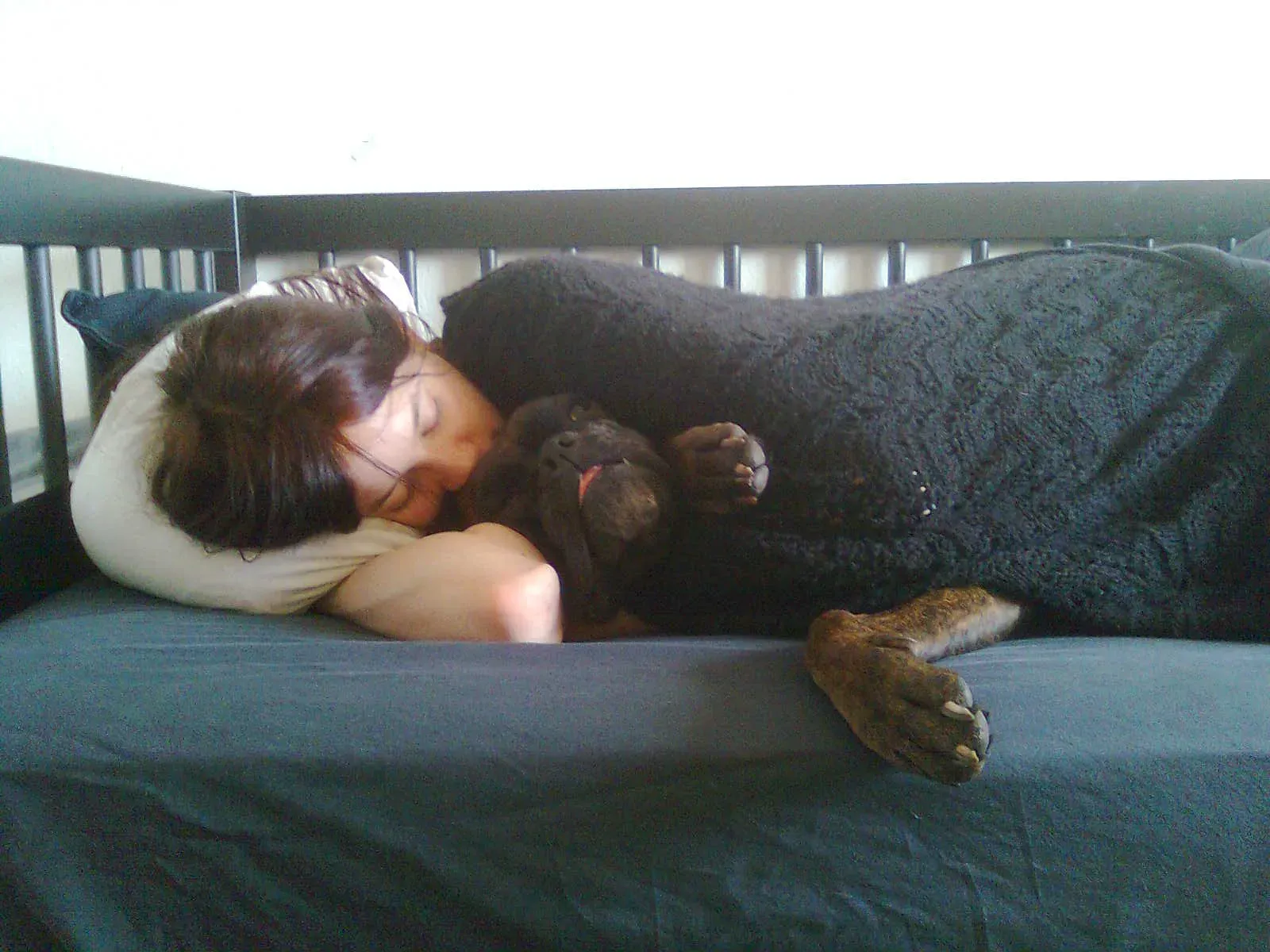
You don’t need to overhaul your life to improve your dog’s sleep, but a few small, consistent changes can make a real difference. Start with a predictable daily rhythm: regular meal times, roughly similar walk times, and a gentle wind-down routine before bed, just like you might do for a child. A comfortable, quiet sleeping area away from constant foot traffic, bright lights, and loud TVs tells your dog it’s safe to fully relax.
Layer on good-quality activity during the day – not just throwing a ball a hundred times, but mixing physical exercise with brain work like training, sniffing games, or learning a new trick. If your dog is anxious or restless at night, work on calmness long before bedtime with decompression walks, soothing play, or simple relaxation exercises. And if you ever have that nagging feeling that something about your dog’s sleep just isn’t right, trust your gut and get a professional opinion rather than waiting it out.
Conclusion: Your Dog’s Sleep Is a Mirror of Their Whole Life
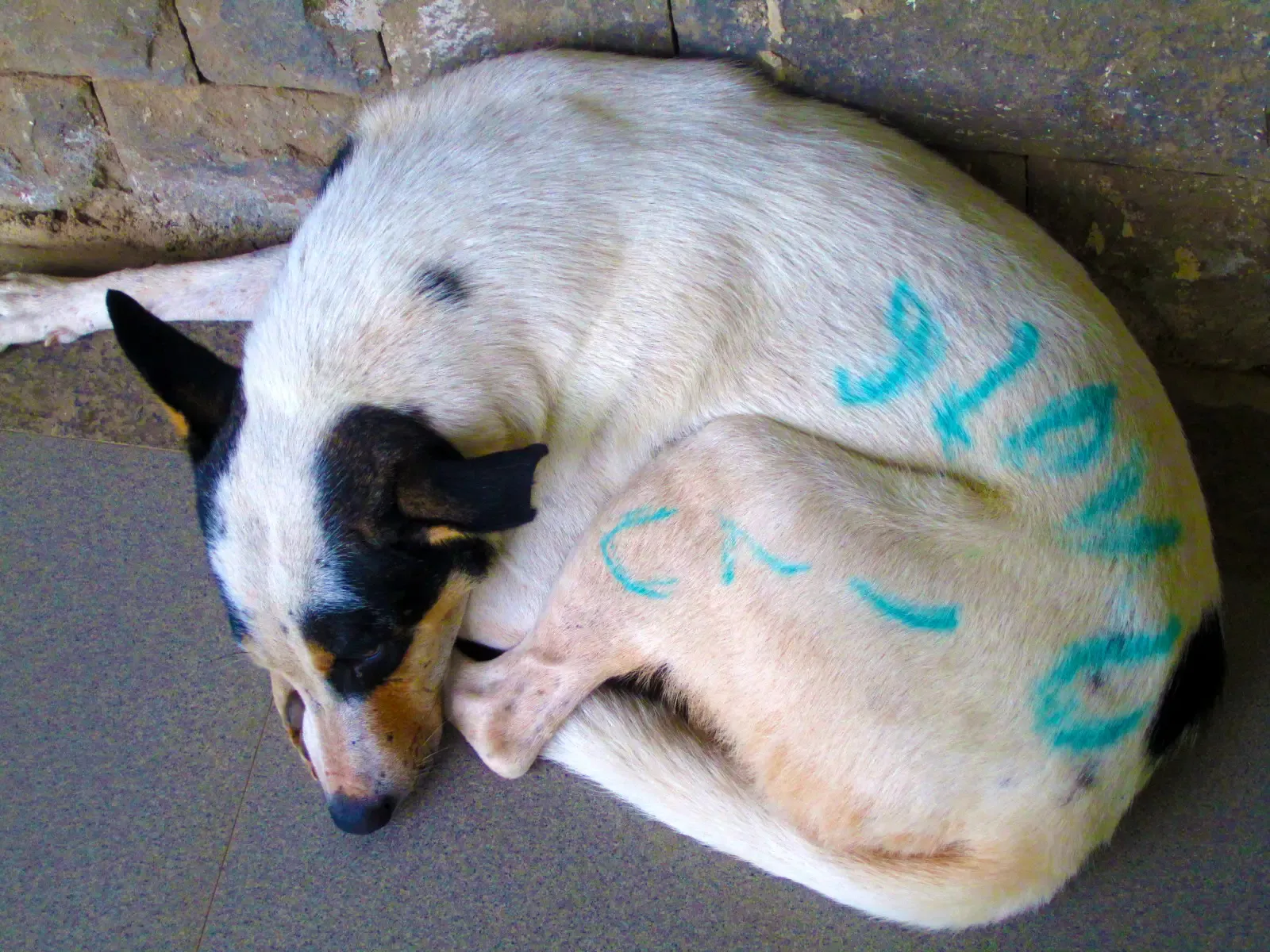
When you look closely, your dog’s sleep is not just about how old they are or whether they’re “lazy” or “hyper” – it’s a mirror reflecting their health, their emotions, their environment, and even the way you live with them. I’ve come to believe that one of the most loving things we can do for our dogs is to pay attention to the quiet moments, not just the fun ones: the way they curl up, where they choose to rest, how often their eyes drift shut during the day. Those details tell you if their world feels safe, satisfying, and comfortable.
That’s why I’m firmly on the side of treating sleep as a vital sign, not a throwaway detail. If we notice patterns, support healthy routines, and take changes seriously, we’re not just helping them sleep better – we’re improving their whole quality of life. Next time you see your dog snoozing for the third time before lunch, maybe ask yourself: are they just peacefully recharging, or are they trying to tell you something with every nap?


