
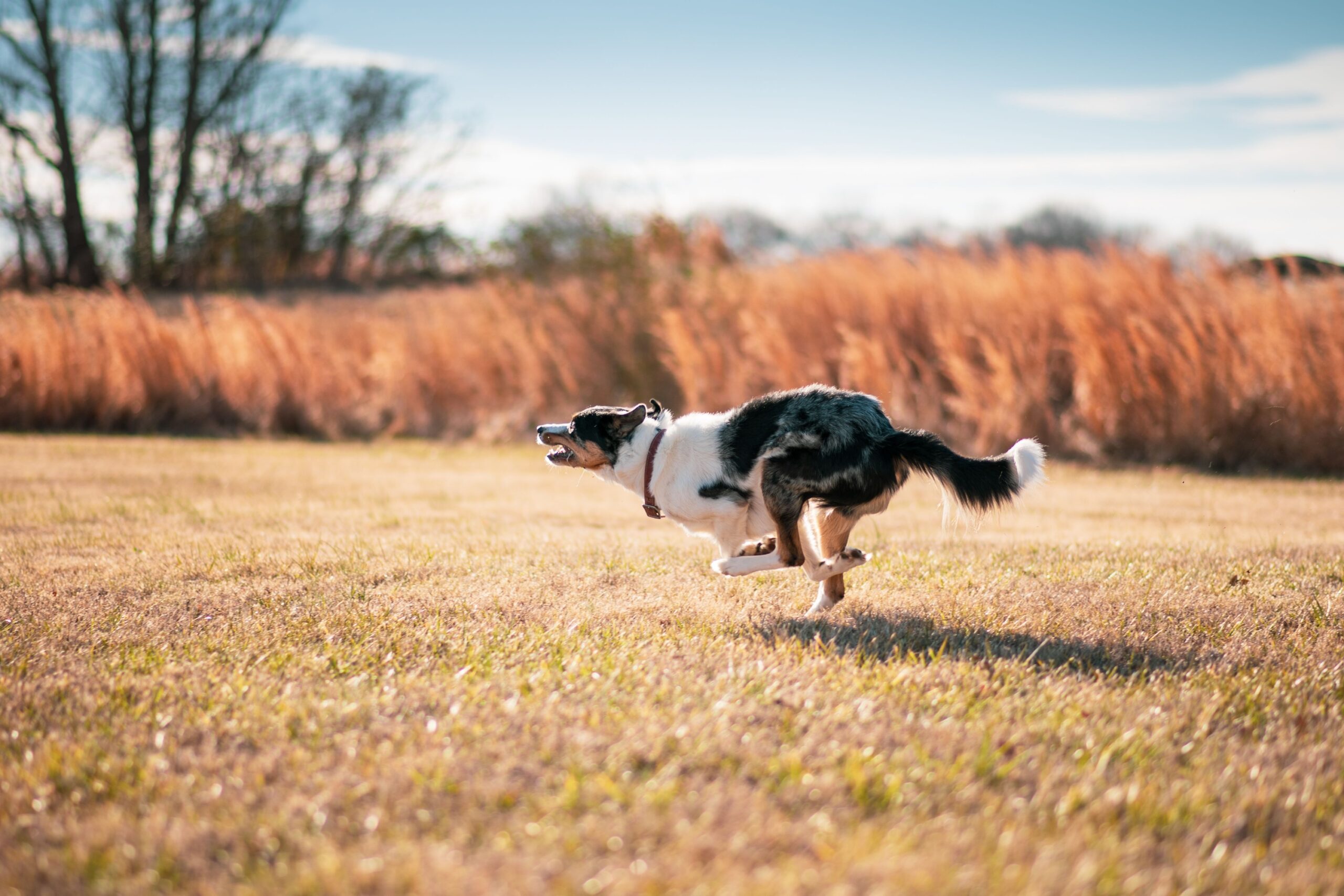
If your dog suddenly blasts off across the living room like a furry rocket, skids around the coffee table, and tears down the hallway with wild eyes, you might think they’ve lost their mind. A lot of people write this off as a dog just being “crazy” or “hyper,” but dog psychology paints a more interesting picture. Those intense bursts of zoomies are often less about random hyperactivity and more about an emotional release your dog doesn’t know how to express any other way.
Once you start seeing zoomies as bottled-up joy, stress, or frustration exploding out in fast motion, your dog’s behavior feels less annoying and more understandable. The chaos actually has a pattern. In this article, we’ll break down what’s really going on in your dog’s brain and body during those wild laps, when you should enjoy the show, and when you should see it as a sign that your dog needs something more from you.
What Zoomies Actually Are (And Why They Look So “Crazy”)
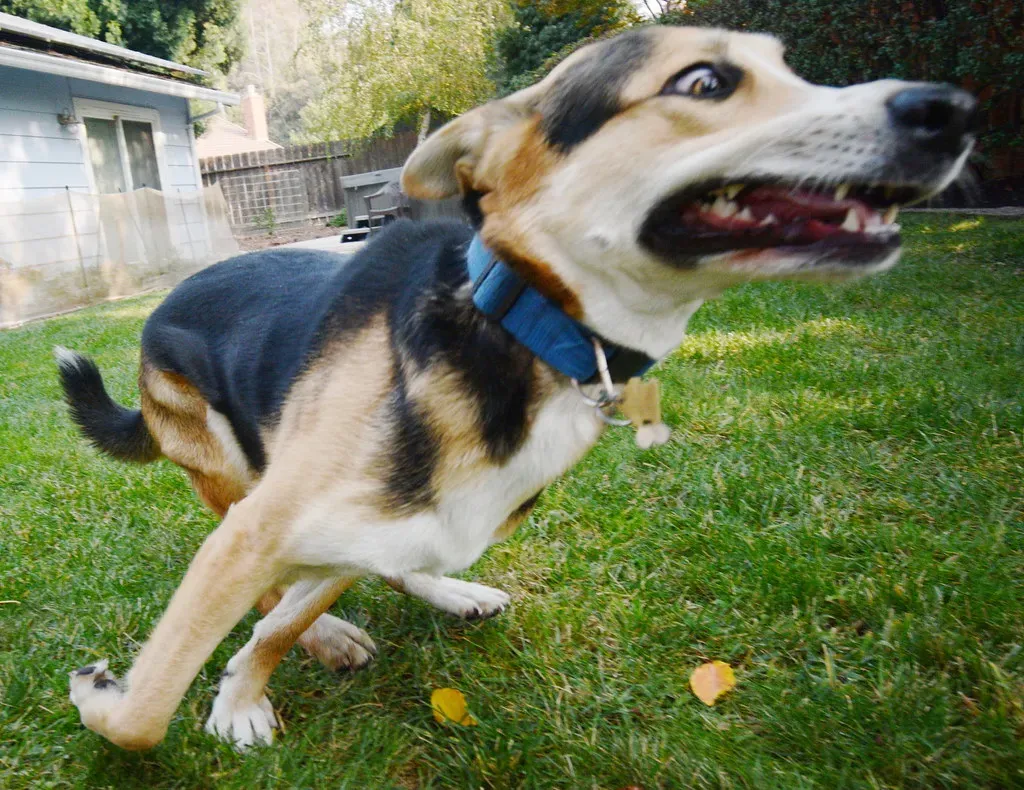
Those sudden, frantic sprints around the house have a name in behavior science: frenetic random activity periods, often shortened to FRAPs. It sounds technical, but it basically means a short burst of intense movement that appears out of nowhere and ends just as suddenly. From a psychological point of view, zoomies are a physical outlet for pent-up arousal in the nervous system, which can be excitement, stress, or a mixture of both.
Think of a shaken-up soda can: if you never let the pressure out slowly, at some point it’s going to explode, and it won’t be neat. Dogs do not have long, thoughtful conversations about their feelings – movement is often their language. Zoomies are their nervous system’s way of discharging excess energy and emotion fast, which is why your relaxed dog suddenly turns into a blur for thirty seconds, then flops down like nothing happened.
Built-Up Excitement, Not Just “Hyper” Energy
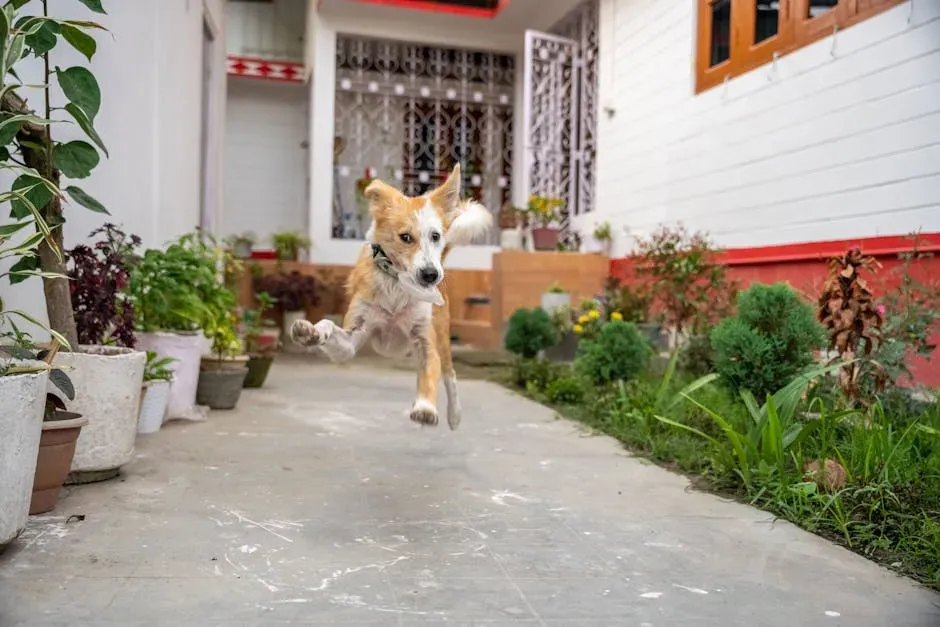
Many owners label zoomies as proof their dog is simply hyperactive or “too much,” but more often it’s delayed excitement finally leaking out. Maybe your dog stayed calm through a long, boring afternoon or behaved politely while guests were over, and the moment things quiet down their body goes, “Now I can finally let loose.” The zoomies are not random; they’re a rebound from holding it together.
This is especially common in dogs that have to suppress themselves a lot – apartment dogs, very social dogs who rarely get to interact, or puppies asked to be “calm” all the time. I’ve noticed that when my own dog has a day that’s more controlled and structured than usual, the evening zoomie session is almost guaranteed. It’s a reminder that excitement does not vanish just because we want a calm dog; it waits, and eventually it has to go somewhere.
Emotional Release: Joy, Stress, and Everything In Between
Zoomies are often adorable, but emotionally they can be layered. Some dogs zoom after a bath or grooming, which many find stressful, like they are shaking off the experience with their entire body. Others explode into zoomies when their favorite human comes home, after a fun training session, or when finally let off leash – those are bursts of pure joy and relief rolled together.
In dog psychology terms, this is an arousal shift: your dog’s emotional state suddenly changes, and movement helps them handle the surge. Dogs cannot journal or vent to a friend, so they offload feelings through their muscles. That’s why zoomies after a mildly stressful event can look almost identical to zoomies from happiness – the body is just trying to get back to balance either way.
How to Tell Normal Zoomies From a Problem

Most of the time, zoomies are normal and healthy, especially if your dog can stop when you call them, avoid crashing into furniture, and returns to a calm state afterward. You’ll usually see loose body language: a relaxed face, soft eyes, a playful “smile,” and a bouncy, curved body. It looks wild but not frantic, like a kid laughing while running in circles at recess.
Red flags appear when zoomies look more like frantic escape attempts. If your dog is repeatedly slamming into doors, unable to respond to you at all, or constantly doing high-speed laps indoors because they almost never get real exercise, then it may be a coping behavior rather than just fun. Zoomie-like behavior that is obsessive, very frequent, or paired with signs of anxiety – pacing, whining, chewing themselves – can signal that your dog’s emotional cup is overflowing too often.
Common Triggers: When Dogs Are Most Likely to Zoom

Patterns matter. Many dogs zoom right after a bath, after being crated, or at predictable times like late evening. That “witching hour” burst is classic in young dogs who had a long, under-stimulating day; by nightfall, all the leftover energy and feelings surface at once. Others zoom after successful potty trips outside when they are puppies, almost like a tiny celebration sprint.
Changes in environment and pressure can be triggers too. A dog who held it together at the vet might zoom frantically the moment they get back home, burning off leftover stress. Dogs also zoom after play sessions with other dogs, when they are slightly over-excited, or after training where their brain worked hard. When you start linking the zoomies to what happened in the previous hour, they stop looking random and start telling you a story about your dog’s day.
Helping Your Dog Release Energy in Healthier Ways
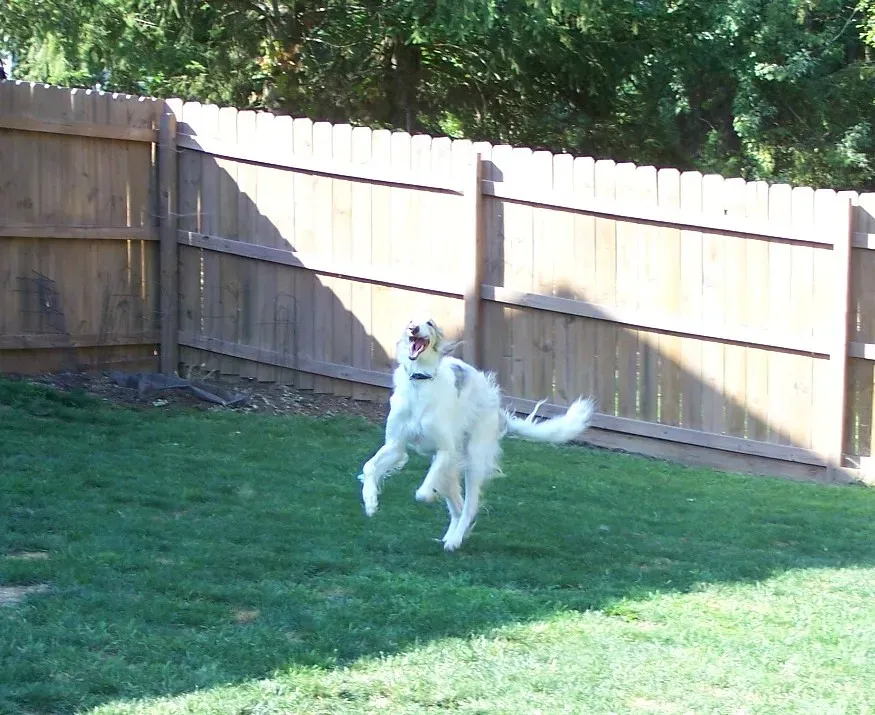
If zoomies are your dog’s main outlet, that’s a sign they probably need more structured ways to spend both physical and mental energy. Regular walks at a pace that actually challenges them, off-leash running in safe areas, or flirt pole play in the yard can all help take the edge off. Mentally, short training sessions, simple nose work games, and puzzle feeders can tire the brain in a way that leaves less pressure to explode later.
It also helps to respect your dog’s natural rhythm instead of fighting it constantly. If you know your dog gets the evening crazies, build in a play or training session before that time. I’ve found that when I intentionally give my dog a solid outlet, the zoomies that follow turn into quick, joyful laps instead of chaotic, furniture-dodging chaos. The goal is not to kill the zoomies completely, but to make sure they are a fun bonus, not a desperate release.
Safety First: Managing Zoomies Indoors and Outdoors

Even healthy zoomies can be risky if they happen in the wrong place. Slippery floors, tight hallways, glass tables, or a crowded living room become obstacle courses at high speed. If your dog regularly zooms indoors, rugs, runners, and giving them clear pathways can prevent crashes. Sometimes simply moving low coffee tables or blocking access to stairs during known zoomie times is enough to keep everyone safe.
Outdoors, a securely fenced yard is ideal, but not everyone has that. Long lines, safe open fields, or enclosed dog parks at quieter times can offer space to sprint without danger. The key is not to punish zoomies but to shape the environment so your dog can express that built-up excitement without smashing into something or bolting into the street. Think of it as childproofing for brief, joyful chaos.
What Zoomies Reveal About Your Dog’s Inner World

When you stop seeing zoomies as “bad behavior” and start viewing them as emotional data, your whole relationship with your dog shifts. Those wild laps often say, “I finally feel free,” or, “That was a lot and I need to shake it off,” or simply, “Life feels amazing right now.” They show you where excitement and stress build up in your dog’s day, where they might need more outlet, and where they might be holding too much in.
In my opinion, zoomies are one of the clearest reminders that dogs are not little robots who exist to obey; they are emotional, sensitive creatures whose bodies carry their feelings. Instead of scolding or rolling our eyes, we can get curious: Why now? What changed? What does this burst of chaos say about how my dog experiences their world? When you look at it that way, the next time your dog tears around the house, you might feel less annoyed and more honored to witness that burst of honest, unfiltered dog joy. Did you expect something that simple to be so revealing?


