
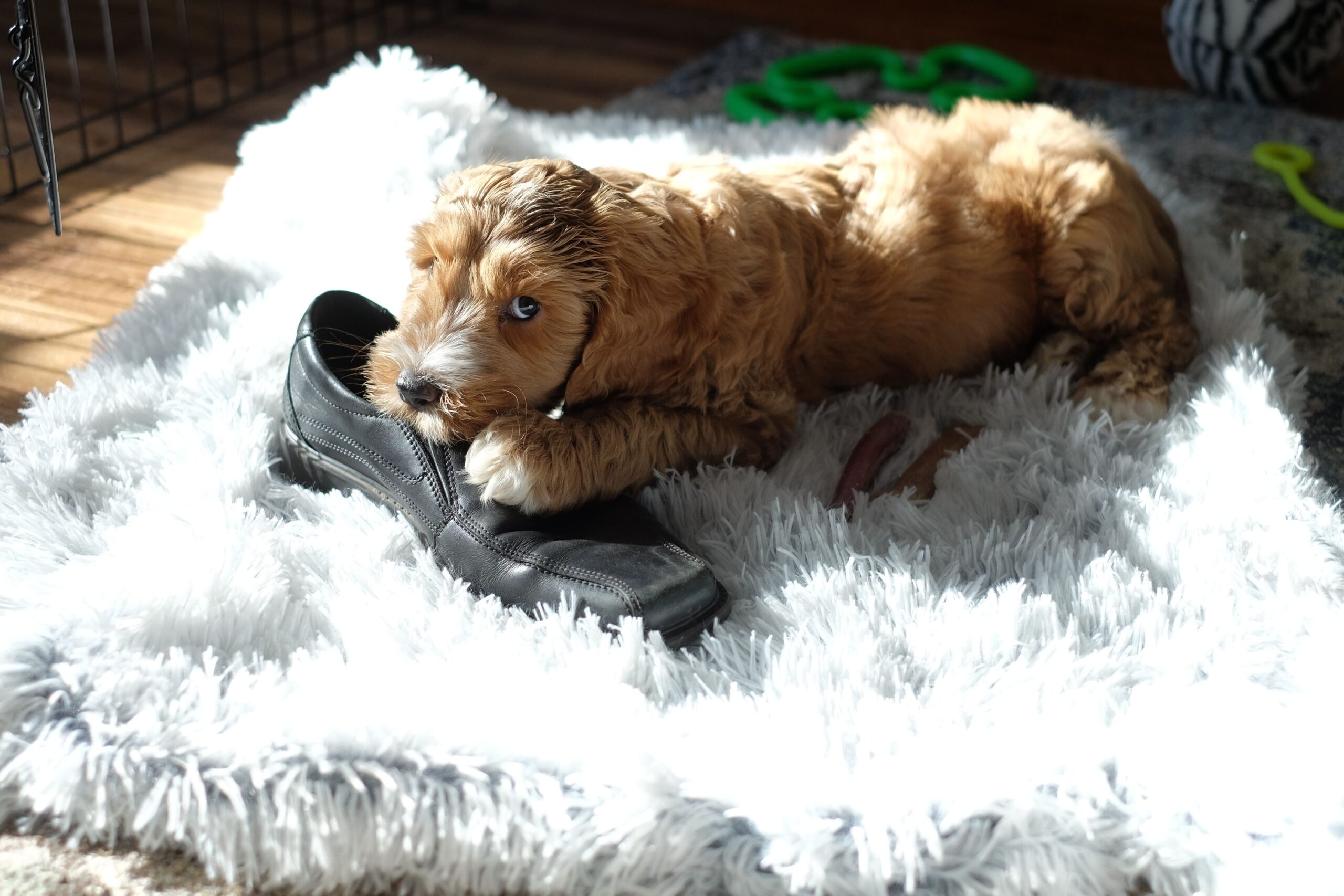
You know that feeling when you reach for your shoes and suddenly you’re not alone anymore? Your dog appears like they teleported, eyes wide, tail twitching, watching every move like it’s the season finale of their favorite show. It can be flattering, a little funny, and honestly, sometimes a bit creepy. But underneath that intense stare is a brain that’s quietly putting pieces together and making predictions about your life.
Dogs are constantly reading us, and your shoe ritual is basically their spoiler alert for whatever comes next. Are we going for a walk, leaving them alone, heading to the car, or just stepping outside for a moment? Your dog probably already knows before you do. Once you understand what’s really going on in their head, that stare stops feeling random and starts looking like a surprisingly smart, emotionally loaded conversation.
The Surprising Truth: Your Dog Is Predicting the Future
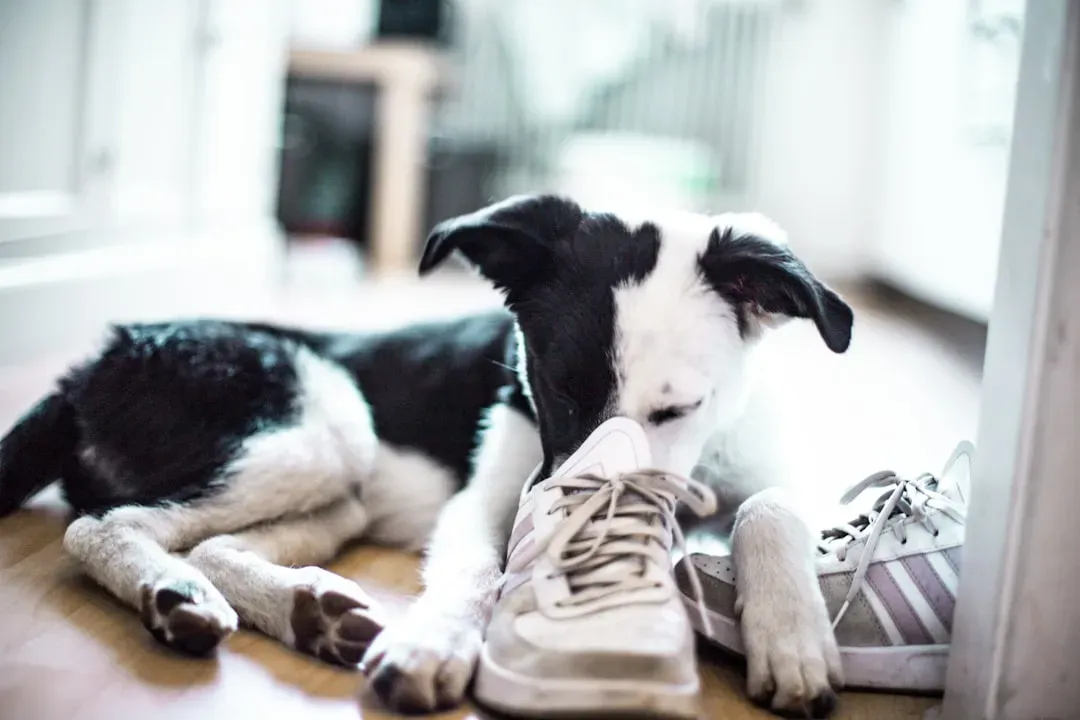
Here’s the wild part: when your dog watches you put on your shoes, they’re not just staring at you, they’re running a prediction. Over time, they’ve noticed a pattern: shoes mean something is about to change. Maybe most of the time, shoes mean the best part of their day is coming, like a walk around the block. Other times, shoes mean they’re about to be left alone, and suddenly the energy in the room feels completely different to them.
Dogs are masters at picking up what behavior experts call “cues.” They string these cues together like dominoes: you stand up, grab socks, reach for shoes, jingle keys. By the time your foot is half in a sneaker, they’ve already guessed the outcome. To them, you’re not just putting on footwear; you’re announcing the future, and they’re deciding how to react emotionally to what they think is coming next.
How Dogs Learn Routines (And Why Shoes Are a Big Deal)
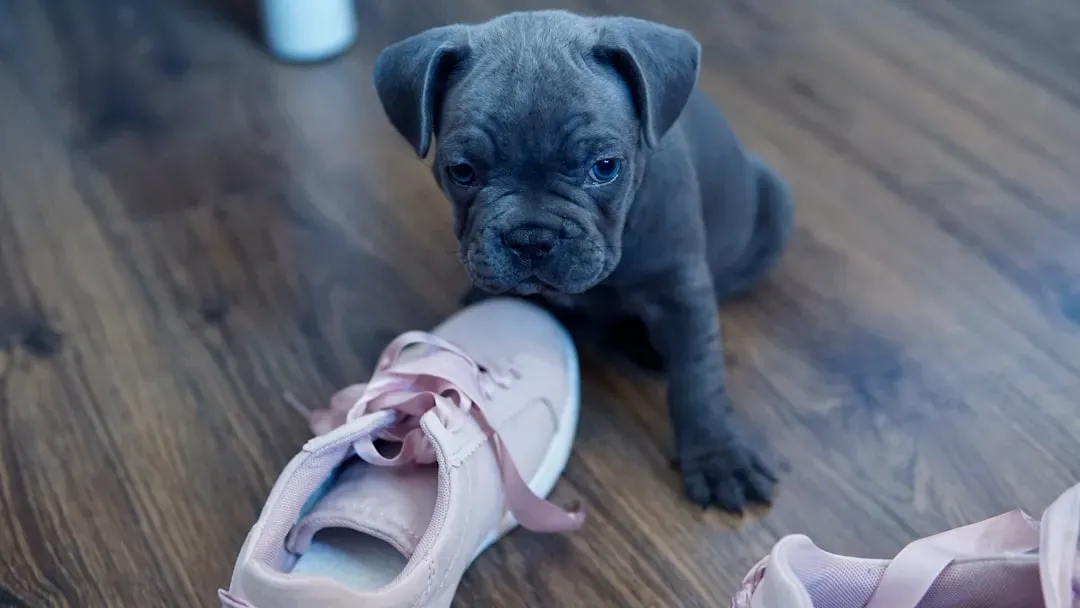
Your dog didn’t sit down with a calendar and study your schedule; they learned your routines the same way we learn a catchy song: repetition, emotion, and timing. Every single day, they watch what you do and connect it to how it makes them feel. If putting on your shoes is usually followed by you leaving for work, your dog builds that link in their brain, even if you never once “taught” it to them on purpose.
Because shoes are such a strong part of our daily rituals, they become powerful signals in a dog’s world. Think of your shoes like a big, flashing headline in their mental newsfeed: “Something’s happening!” Over weeks and months, that simple act of lacing up turns into a story your dog can almost recite from memory, and their stare is them checking which version of the story they’re about to get today.
Walk Time vs. Alone Time: The Emotional Rollercoaster Behind That Stare
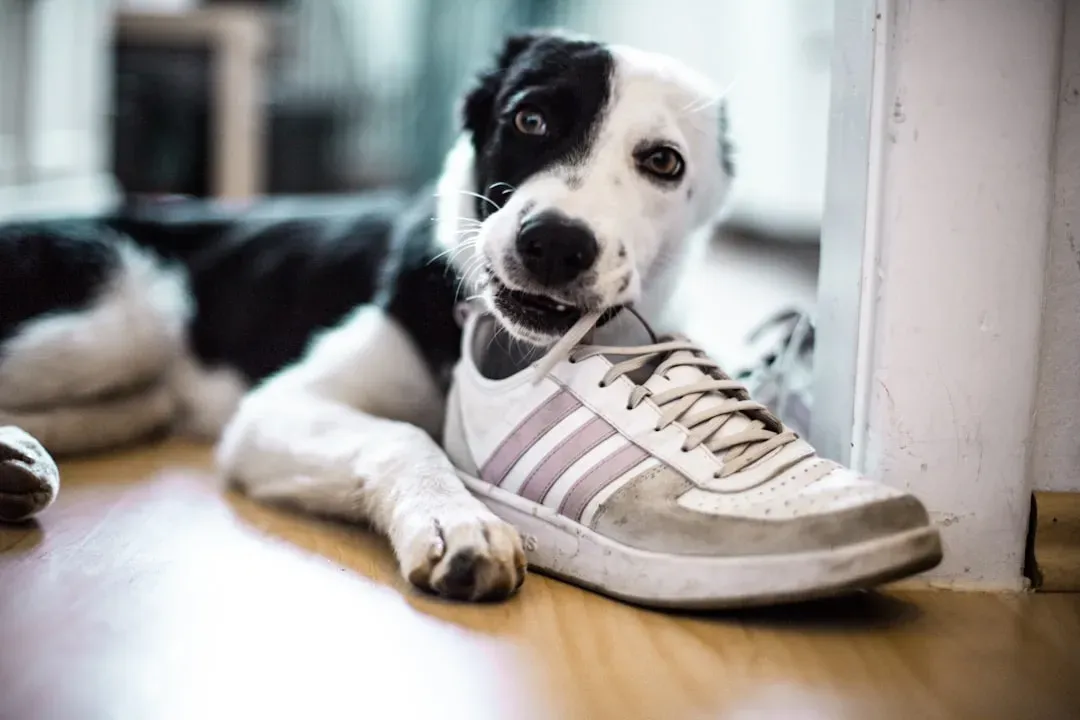
One of the most heart-tugging parts of this is how differently your dog can feel depending on what your shoes usually mean. If your sneakers almost always lead to a walk, excitement builds the second you bend down. You might see spinning, pacing, barking, or that hopeful little head tilt that says, “Is it walk o’clock? Please say yes.” In that moment, your shoes are the opening scene to their favorite adventure.
On the other hand, if your dress shoes or work boots usually lead to you walking out the door without them, your dog might watch more quietly, ears low, body still, eyes tracking every move. They’re bracing themselves for the moment the door closes. The same simple act – putting on shoes – can trigger joy or worry depending on what they expect comes next, and that emotional contrast is exactly what makes their gaze feel so intense.
Shoes as Signals: Body Language, Sounds, and Tiny Details They Notice
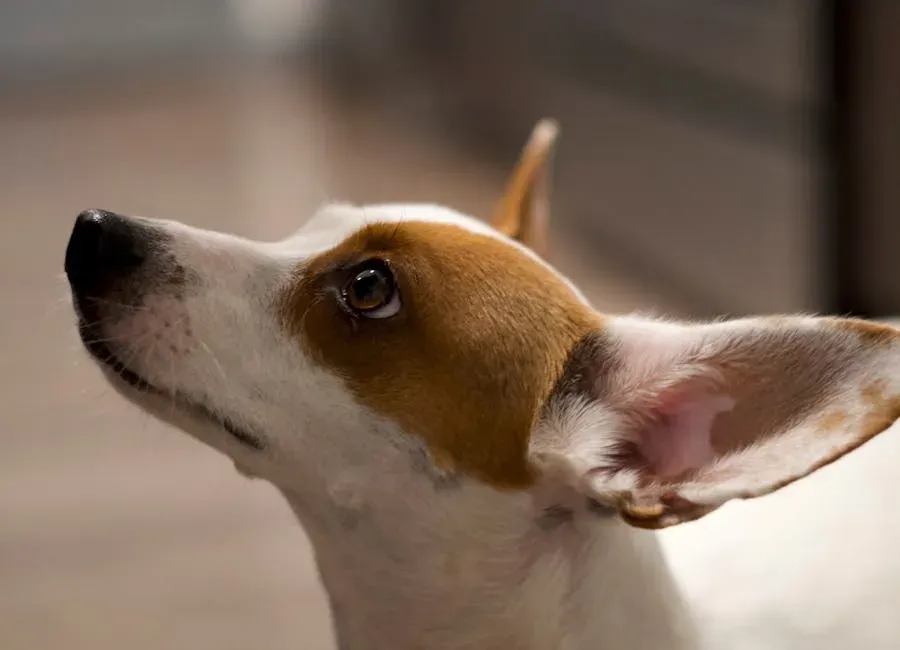
Your dog isn’t just staring at the shoes; they’re watching the whole scene: your posture, your speed, your tone of voice, even the timing of the day. Morning shoes might “mean” work, while evening shoes might “mean” a relaxed stroll. They notice whether you’re rushed, relaxed, grumpy, or cheerful, and they use that extra information to sharpen their prediction.
There’s also the soundscape: the squeak of a closet door, the clack of heels, the scrape of a boot on the floor, the jingle of keys dropping into a pocket. To us, it’s background noise. To them, it’s like a soundtrack that tells them which version of the story they’re getting. That’s why sometimes your dog reacts before you even touch your shoes; one sound from across the room, and they’re already at the door, ready to commit to whatever’s coming.
Is It Separation Anxiety or Just Smart Anticipation?
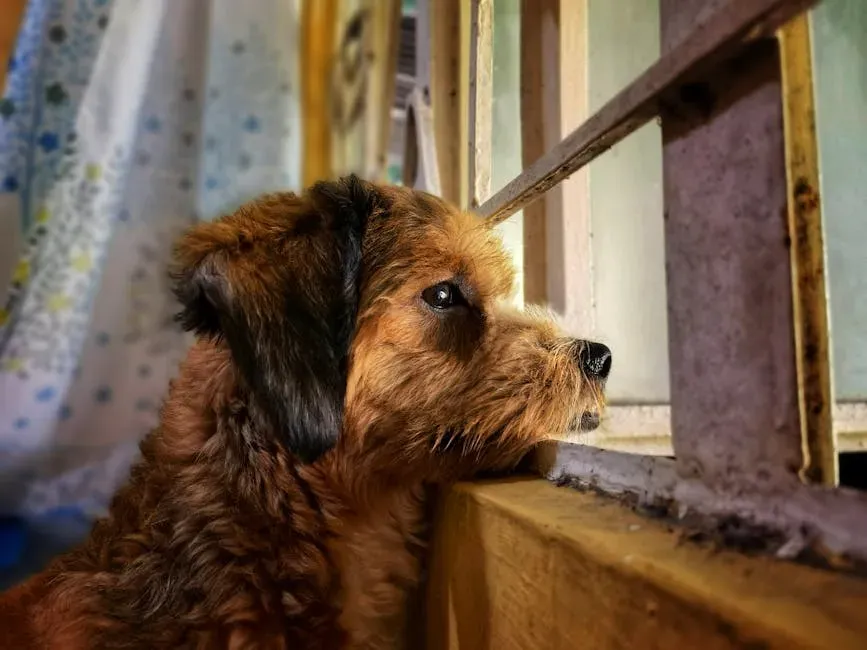
Here’s where things get real: not every dog watching you put on your shoes is simply curious or hopeful. For some, that moment feels like the countdown to something really stressful. If your dog starts pacing, whining, drooling, shaking, or trying desperately to block the door every time you grab your shoes, it may be less about routine and more about anxiety. They’re not just predicting the future; they’re dreading it.
Distinguishing between normal anticipation and separation anxiety matters. A dog who’s just observant may watch closely, maybe whine once, and then settle when you leave. A dog with true anxiety will struggle to calm down, and the distress can spill over into destructive behavior or nonstop barking after you’re gone. In other words, the shoe moment becomes emotionally loaded, and that watchful stare is them signaling that this part of the story really hurts.
How to Make the Shoe Moment Less Stressful (and More Fun)
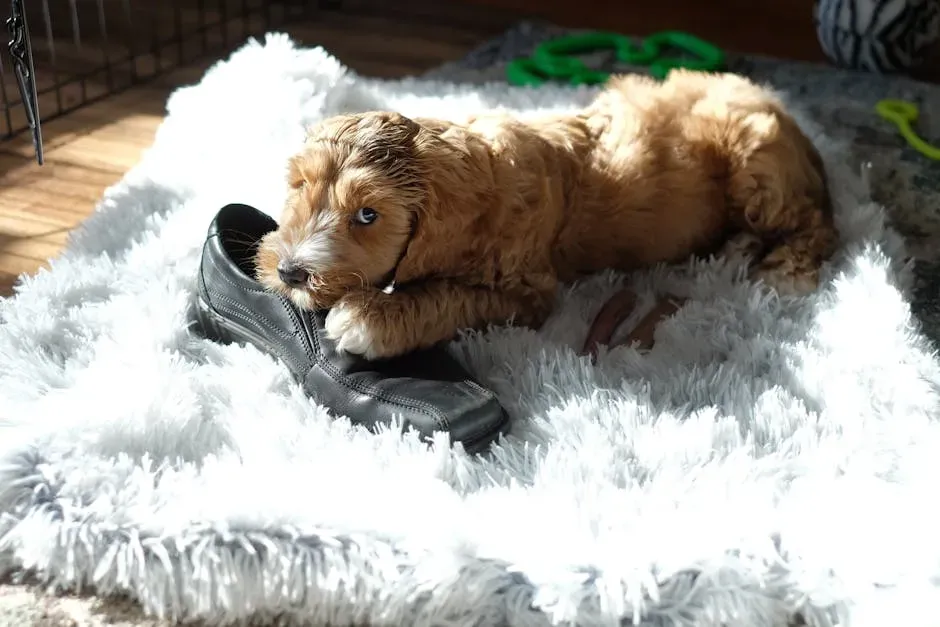
The good news is, you can rewrite the script in your dog’s mind. One simple strategy is to break the tight link between shoes and leaving. Sometimes put your shoes on and then just walk around the house, grab a snack, or sit on the couch for a few minutes. Other times, put on shoes and toss a treat or start a short play session. Over time, your dog learns that shoes do not always equal goodbye, and the intensity of that anxious stare can start to soften.
You can also build new, positive associations by deliberately pairing shoes with good stuff. For anxious dogs, a special treat or puzzle toy that only appears when you’re getting ready to leave can turn that moment into a little more of a win. For energetic dogs, adding short surprise walks or quick backyard adventures when you lace up helps tilt the emotional balance in favor of excitement rather than worry. Small tweaks to your routine can make that daily scene feel a lot kinder from their point of view.
What Your Dog’s Shoe Obsession Really Says About Your Relationship
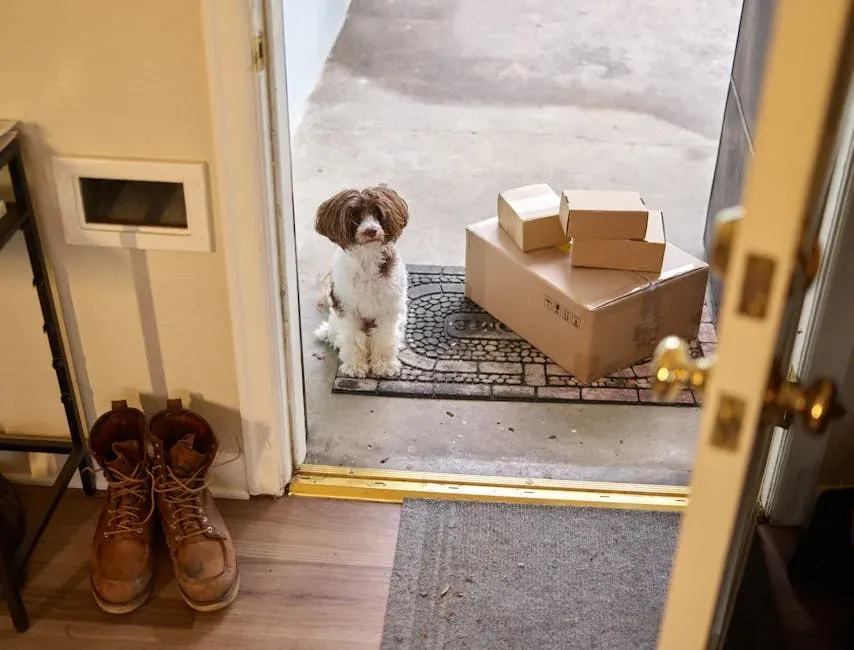
Underneath all the behavior science and routine-learning, there’s a softer truth: your dog watches you put on your shoes because your choices shape their entire day. You are the center of their universe, and your tiny human rituals – from grabbing your bag to tying your laces – are the signals that tell them who they get to be in the next hour: your hiking buddy, your couch guardian, or the one waiting by the door until you’re back.
Personally, I’ll admit I used to roll my eyes when my dog hovered around me every time I reached for my sneakers. It felt clingy and a bit much. But once I realized she had quietly learned my patterns and was just trying to prepare herself – hoping for the best, bracing for the worst – that stare hit me differently. Now, I see it as a question she’s asking me every day without words: “What kind of day are we about to have together?”
Conclusion: Your Shoes Are a Conversation, Whether You Notice It or Not
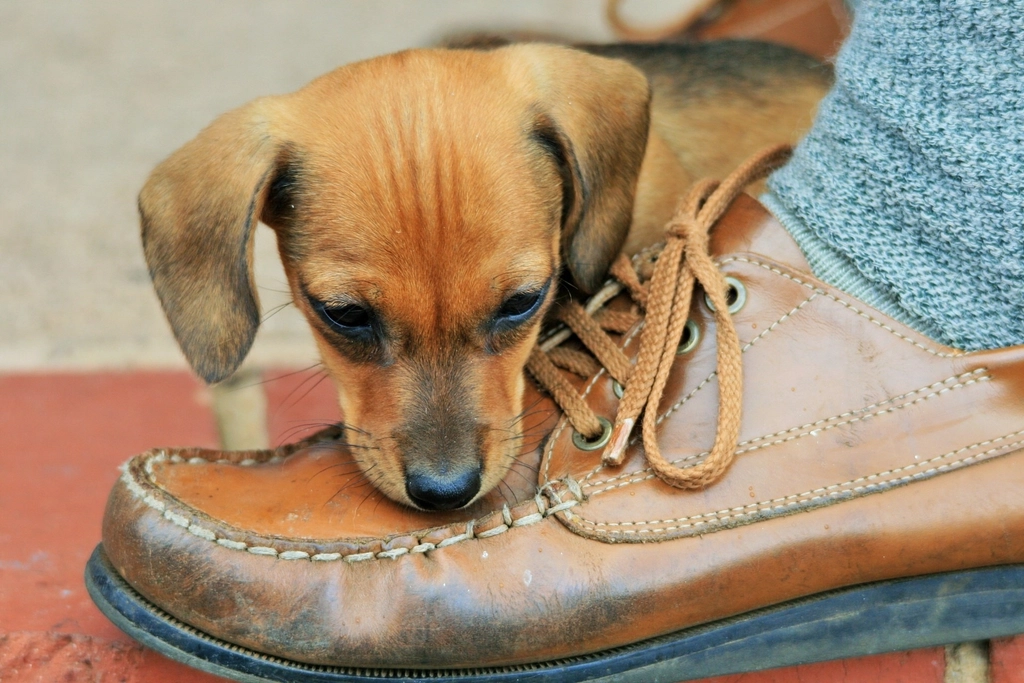
If you strip it down, your dog watching you put on your shoes isn’t weird or random – it’s proof that they’ve been paying attention to you far more closely than you’ve noticed. They’ve built a whole internal map of your habits and stitched their emotions to it, so that something as ordinary as a sneaker or a boot can feel like a promise or a warning. In my view, we underestimate just how much of our lives our dogs quietly memorize, and how deeply those predictions shape their moods.
So the next time you catch that intense stare as you lace up, treat it like an invitation rather than background noise. Ask yourself what your shoes mean to your dog in that moment, and whether you can tip the balance a little more toward joy and a little less toward dread. In the end, those couple of seconds before you head out the door might be one of the most important “conversations” you have with them all day. Now that you know what that stare might really mean, what story do you want your shoes to tell?


