
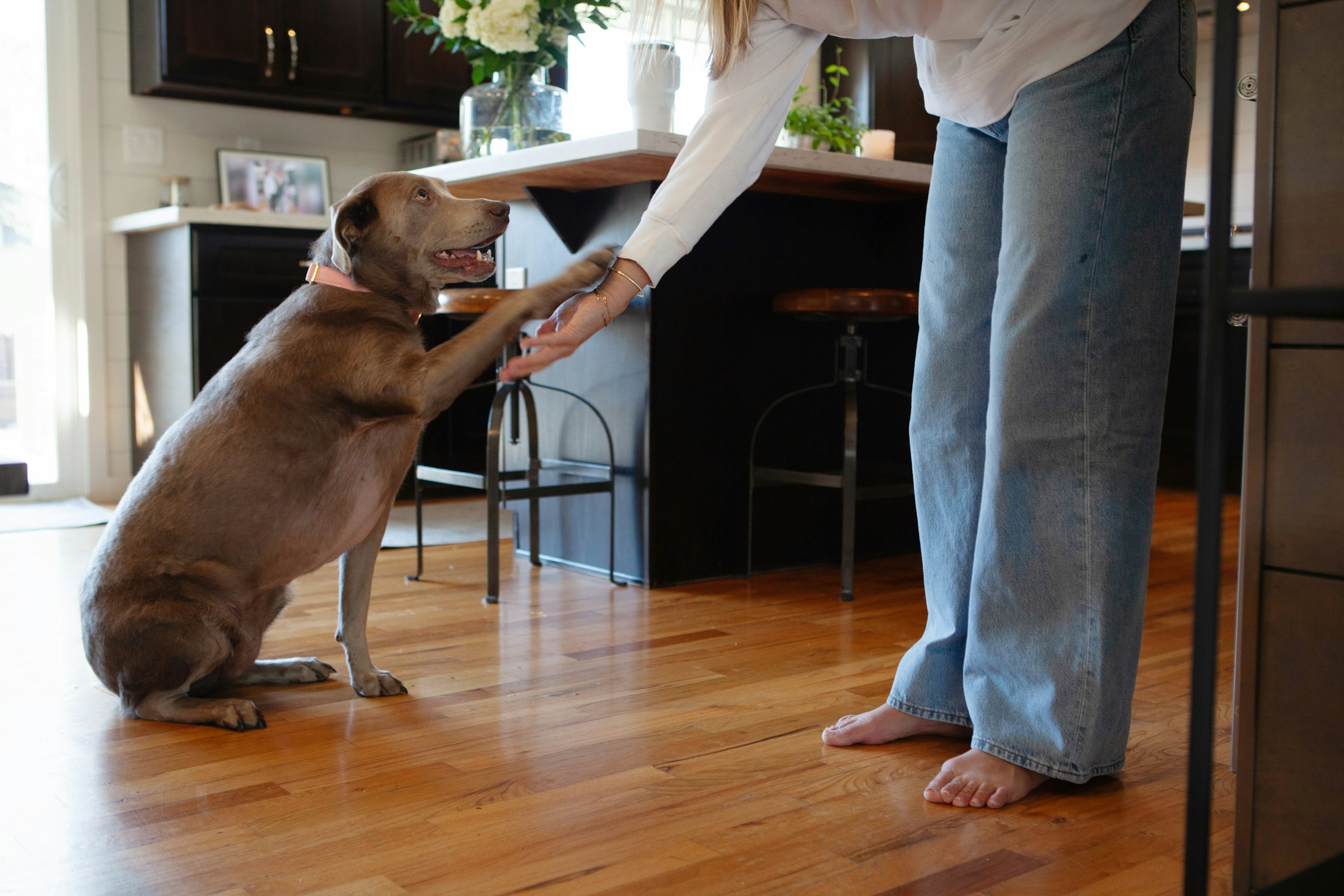
You know that tiny sting you feel when your dog hops on the bed, sighs dramatically, spins in a circle, and then…turns their butt right toward your face? It is so easy to think, “Wow. Rude.” It can feel a bit like being chosen last in gym class, especially if you secretly wanted that picture‑perfect moment of them curling into your chest like a movie scene. But dog behavior is rarely that simple or that human, and that “rejection” you think you’re seeing is almost always something very different.
Dogs have their own quiet language of safety, trust, and comfort, and it doesn’t always look like the cuddly Instagram photos you see online. Sometimes, feeling deeply secure means giving you their back, stretching out across the bed, or sleeping just far enough away that you can’t physically spoon them. Once you understand what’s actually going on, that turned back stops feeling like an insult and starts looking like one of the biggest compliments your dog can give you.
Why Your Dog’s Back May Be The Biggest Compliment They Can Give You
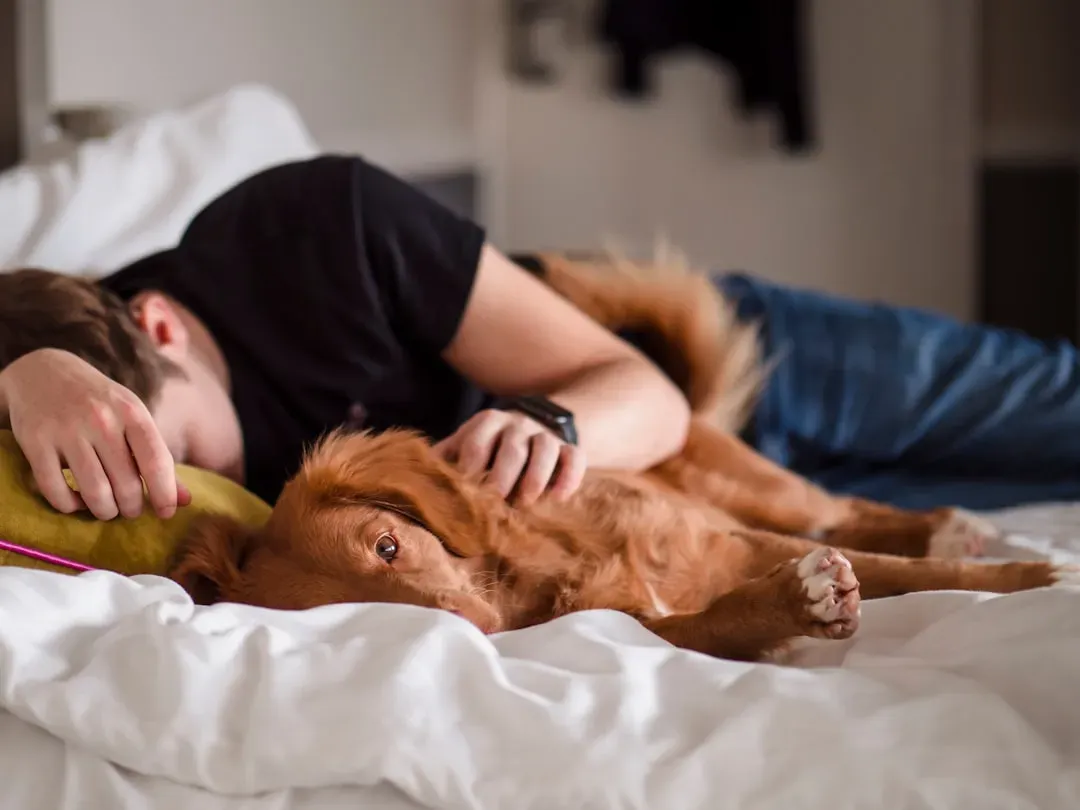
It sounds backward, but when a dog sleeps with their back toward you, they’re often doing the emotional equivalent of handing you their diary and walking away. In dog terms, exposing their back means they’re willingly putting themselves in a slightly more vulnerable position. They’re trusting that you’re not a threat, you won’t grab or startle them, and you’ll let them rest in peace.
Think of it like a friend who feels comfortable enough to fall asleep on your couch during movie night, snoring and drooling with zero shame. They’re not ignoring you; they feel at home. Your dog is doing something similar: relaxing the “guard” muscles, letting go of constant vigilance, and leaning on you as their safe zone without needing eye contact or constant physical reassurance.
The Difference Between Human Cuddles And Dog Comfort
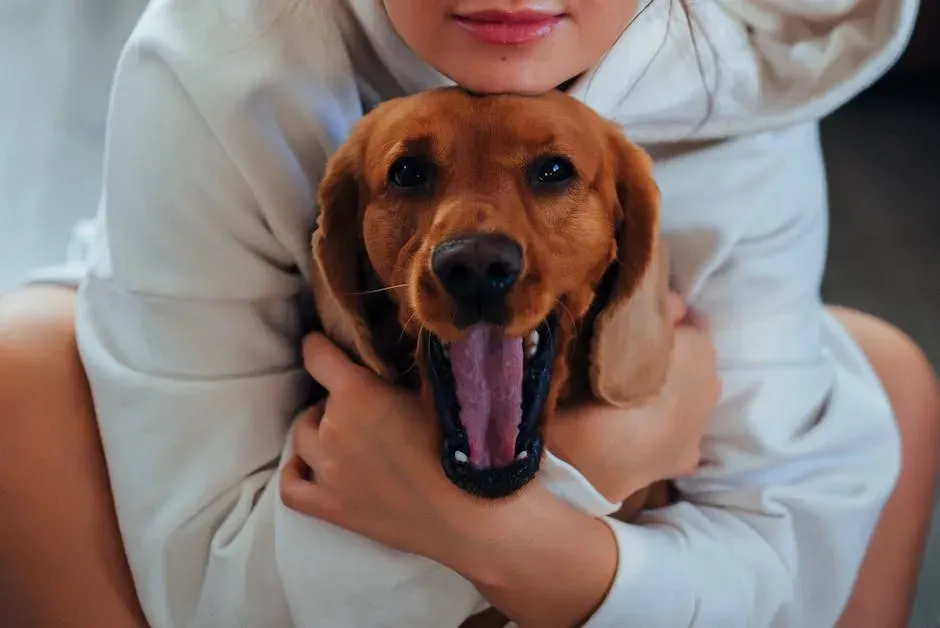
We humans tend to equate closeness with face‑to‑face cuddling, hand‑holding, and eye contact. It’s our version of emotional Wi‑Fi, a way to feel connected and reassured. Dogs, however, didn’t evolve with the same rules. For many of them, being nose‑to‑nose can feel a little intense, almost like someone standing too close in an elevator.
So while you might crave that sweet moment of your dog resting their head on your chest, they may feel more comfortable connecting in quieter, sideways ways: leaning their weight against your legs, resting their head on your ankle, or yes, sleeping with their back pressed against you. To them, this can be the perfect blend of togetherness and breathing room, which is honestly a pretty healthy relationship model.
Reading The Rest Of Their Body: Is It Trust Or Tension?
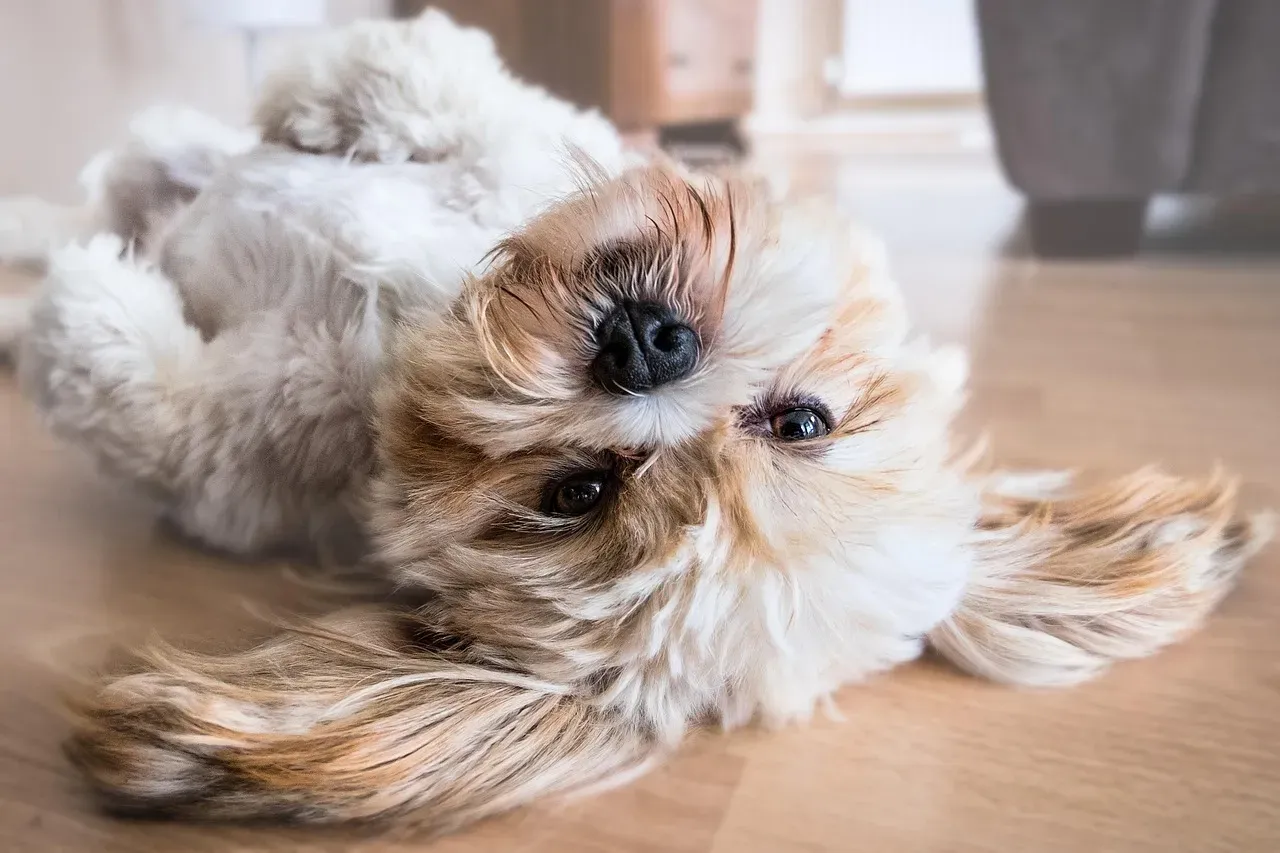
The real secret isn’t just where your dog’s back is; it’s what the rest of their body is saying. A dog who is relaxed, breathing evenly, with loose muscles, soft ears, and maybe a little sleepy sigh now and then is broadcasting comfort, even if their butt is pointed straight at you. That’s a dog who feels safe enough to fully switch off.
On the other hand, if your dog is stiff, hyper‑alert, constantly shifting, or flinching when you move, that turned back might be more about uncertainty or stress than trust. Context matters: are they new to your home, recovering from a scary event, or still figuring you out? Watching the whole picture instead of fixating on position helps you tell the difference between a dog that’s snubbing you and a dog that’s quietly saying, “I’m good here. You’ve got me.”
Pack Instincts: How Wolves And Wild Dogs Sleep Together
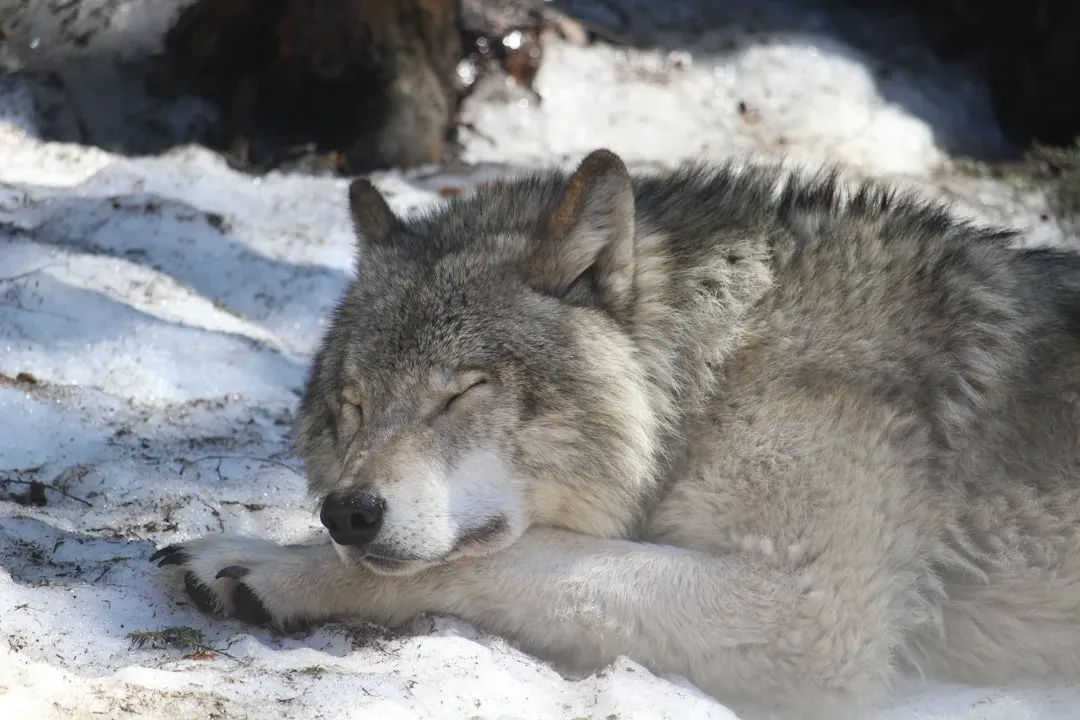
In the wild, sleeping is one of the riskiest things an animal does, so the way dogs position themselves around others is rooted in survival. Wild canids often rest back‑to‑back or side‑by‑side in a way that covers multiple directions at once, spreading responsibility and protection through the group. It is a practical way to stay warm, share scent, and keep watch without everyone staring at each other face‑on all night.
When your dog lies with their back to you, they may be echoing that deep, ancient instinct: you face one way, they face another, and together you “cover” the room. They are not thinking in military strategy terms, of course, but that pack logic still hums quietly in their DNA. From their perspective, you’re simply part of the sleeping formation now, which is a surprisingly intimate kind of promotion.
Personal Space, Dog‑Style: Why Some Pups Don’t Want To Be Spooned
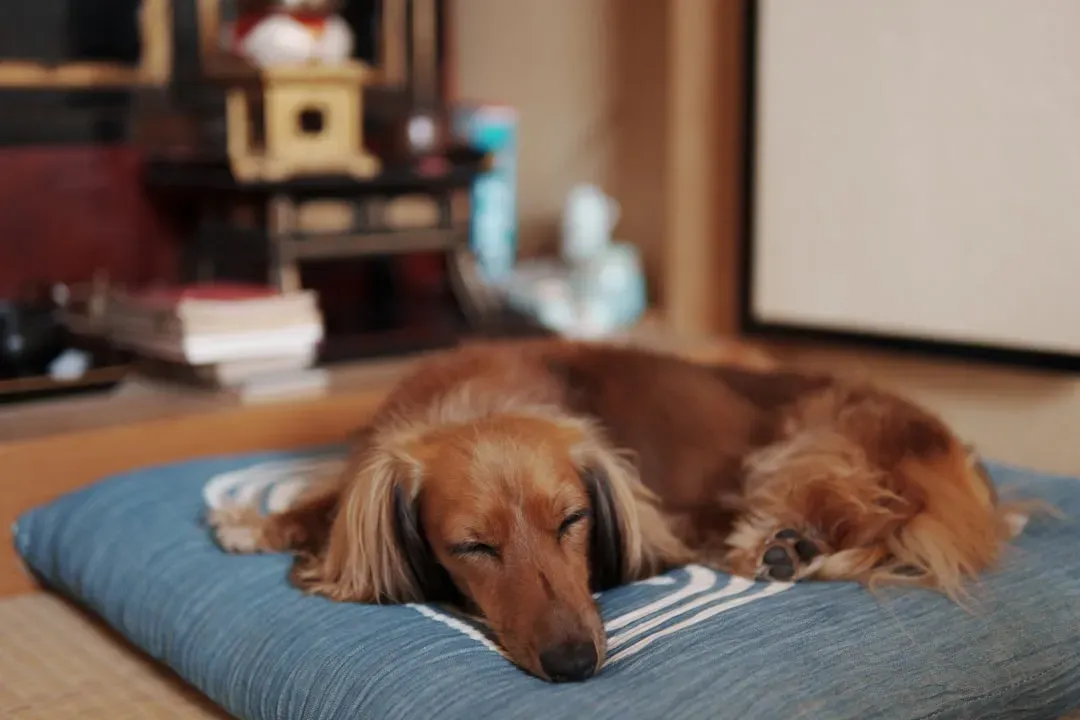
Some dogs are natural Velcro personalities who will wedge themselves into your armpit at every opportunity. Others love you just as fiercely but prefer a little personal space when they sleep. Just like people, dogs have individual comfort zones. Being tightly wrapped up or held can feel cozy to one dog and mildly claustrophobic to another.
I learned this the hard way with a dog who adored me during the day but always turned away from my attempts to spoon at night. For a while, I took it weirdly personally. Once I stopped trying to force a human version of affection on him and let him choose his spot, he actually started choosing to sleep closer, often with his back pressed lightly against my legs. It was like he was saying, “I love you, but let me breathe, okay?”
When A Turned Back Might Signal Discomfort Or Avoidance
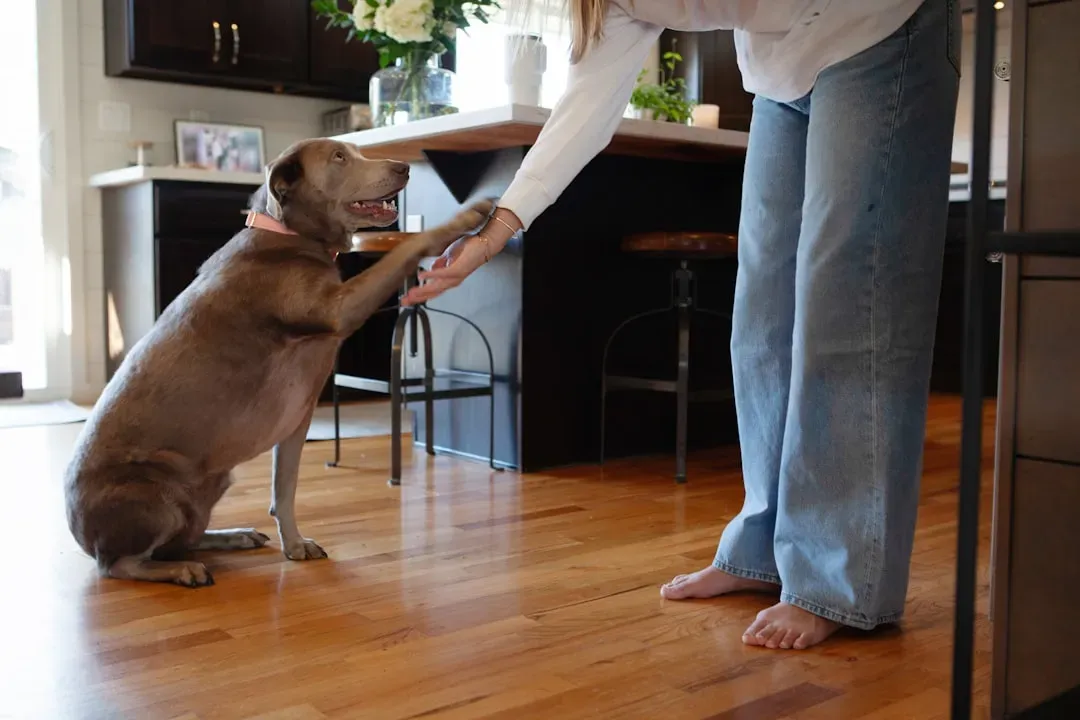
Of course, not every turned back is a love letter. Sometimes, a dog genuinely is trying to avoid interaction, and that deserves respect. If your dog consistently moves away when you reach for them, stiffens up at your touch, or chooses to sleep far from you even when given options, it might be a sign they’re uncomfortable, in pain, anxious, or not fully confident around you yet.
Changes are especially important to notice. If your previously snuggly dog suddenly starts sleeping with their back to you and seems withdrawn, restless, or unusually touchy, it could hint at physical discomfort or emotional stress. In those cases, it is less about decoding a sleeping pose and more about zooming out: talking with a vet, looking at recent changes in the home, and giving them extra patience as you figure out what they’re trying to tell you.
How To Respond: Affection On Their Terms, Not Just Yours
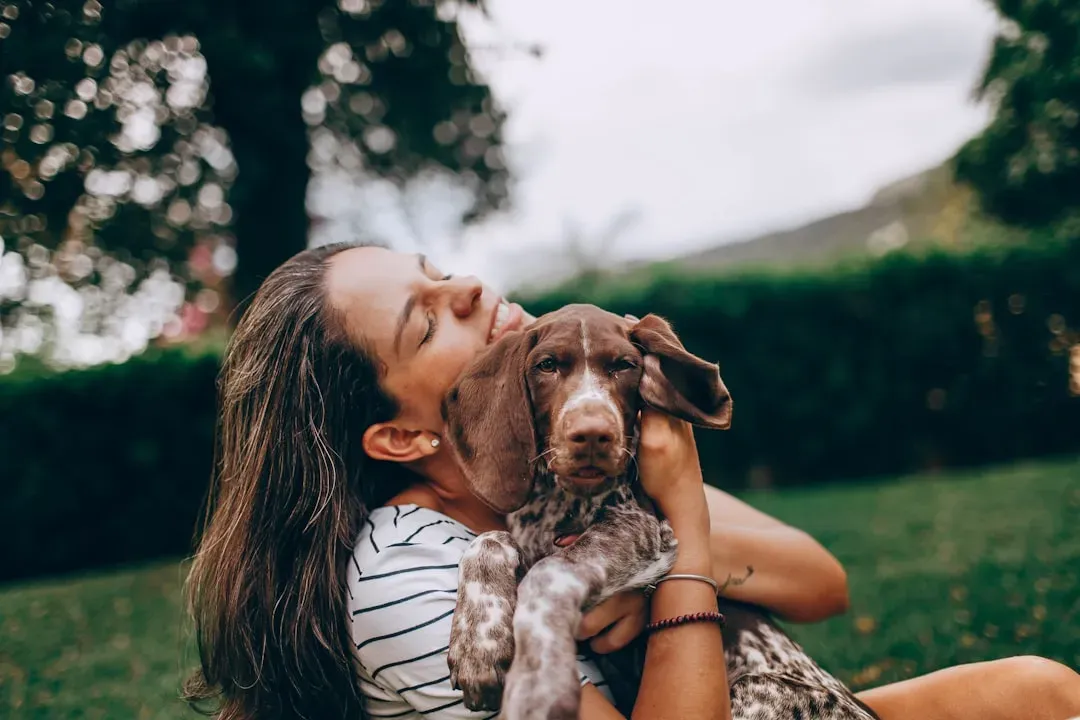
Instead of constantly trying to reposition your dog into your ideal cuddle pose, experiment with letting them lead. Offer the space, pat the bed or couch, and then stay still. See where they naturally choose to lie, how close they come, and what kind of touch they seem to enjoy. You might be surprised by how affectionate they become when they feel they have a real choice.
You can also build connection in ways that have nothing to do with sleeping positions: play sessions that end with a flop at your feet, calm petting when they approach you, slow walks where they get to sniff and explore. All of these moments fill up the emotional “bank account” between you. That way, whether they sleep wrapped around your head like a hat or turned away at the edge of the mattress, you know the relationship is rich, not fragile.
Conclusion: Your Dog’s Love Story Might Just Be Facing The Other Way
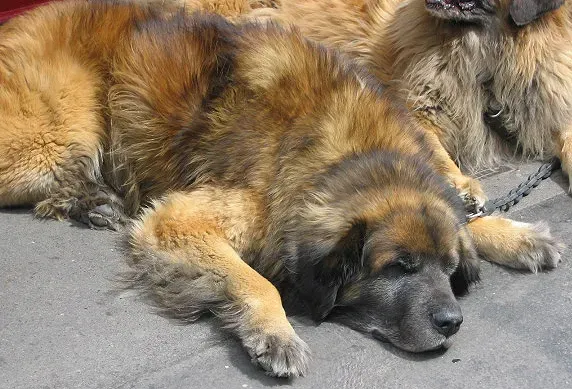
It’s tempting to judge your dog’s love by how much they mimic human romance scenes, but that’s a pretty unfair standard to hold a completely different species to. A dog sleeping with their back toward you is often expressing something quieter and deeper than clingy affection: unguarded trust, emotional safety, and the confidence that you will protect them even when they are not watching you. In a world where so many creatures have to stay on high alert, the luxury of truly relaxing around you is a huge statement.
Personally, I’ve come to see that turned back as its own kind of “I love you,” just written in a language that does not revolve around eye contact and hugs. If we can let go of our need to script the scene and instead pay attention to what our dogs actually choose, the relationship gets a lot more honest – and a lot more interesting. The real question is not whether your dog is facing you in bed, but whether they feel safe enough to forget about you for a while and still trust you completely; when you think about it that way, which would matter more to you?


