
You know that feeling when your dog follows you into the bathroom, then five minutes later wanders off and decides you’re suddenly… too much? Some breeds are deeply devoted to their people, yet they quietly crave more personal space than their cuddly reputation suggests. They love you to bits, but they also need room to breathe, think, and just be a dog.
If you’ve ever wondered why your affectionate pup occasionally gets up and leaves in the middle of a cuddle session, this one’s for you. Let’s walk through ten family-loving breeds that can be velcro one moment and distant roommates the next. Understanding that tension between love and space can turn confusion or hurt feelings into real respect – and a much happier life together.
1. Shiba Inu – The Cat Trapped in a Dog’s Body
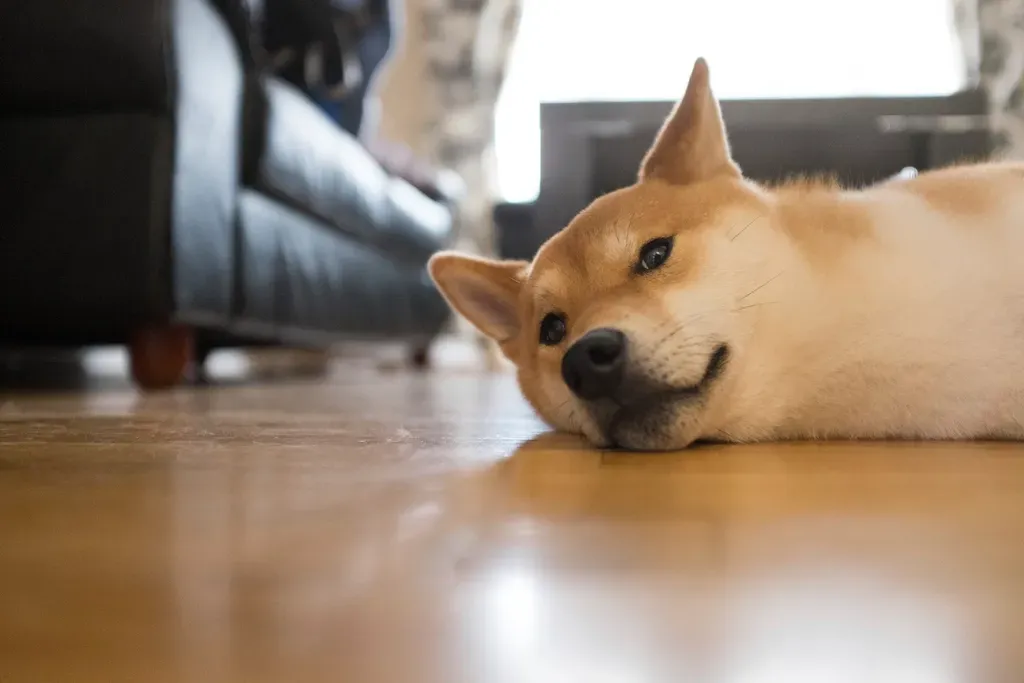
The Shiba Inu might adore its family in a deep, loyal, almost unshakeable way, but it absolutely does not want you hanging on it all day. This is the classic “love you, now go sit over there” dog: attached to its people, alert to where you are, and yet fiercely protective of its personal bubble. Many Shibas will happily nap in the same room as you, quietly watching the world, but they don’t feel the need to be touching you every second.
Living with a Shiba can feel like living with a cat that occasionally remembers it’s technically a dog. They can be affectionate on their own terms – leaning on your leg, accepting gentle scritches – then hopping off when they’ve had enough. If you push too much hugging or handling, they can get prickly or stressed. For families, this means teaching kids to respect boundaries: invite, don’t grab; offer, don’t insist. When you honor that space, a Shiba’s trust and bond become incredibly strong.
2. Chow Chow – The Dignified Guardian With a Quiet Heart
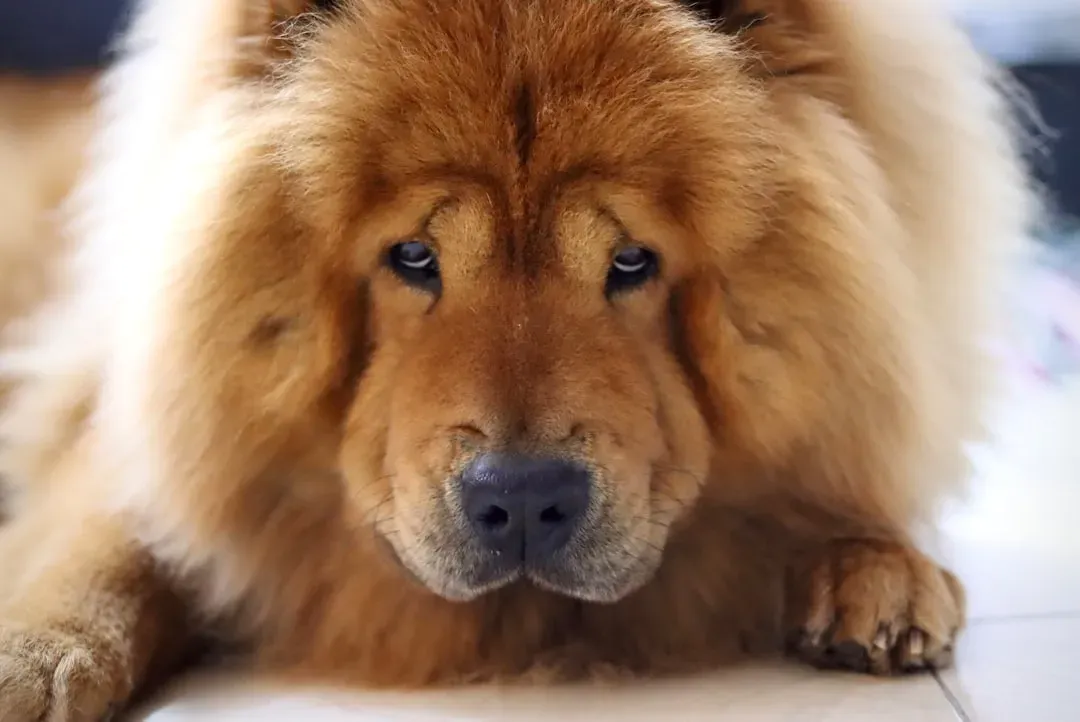
Chow Chows look like walking teddy bears, which is hilariously misleading if you assume that means they want to be treated like stuffed animals. These dogs often deeply love their primary person or family, but they show it in low-key, almost reserved ways. They’ll follow you from room to room, keep an eye on who comes near the house, and quietly position themselves between you and anything they find suspicious.
What they do not typically want is constant handling, tight hugs, or endless fussing. A Chow can feel crowded very quickly, and when that dignity is not respected, they may shut down, move away, or become irritable. They’re the grandparent of the dog world: soft heart, strict boundaries. Give them a cozy spot nearby, let them approach you for affection, and you’ll discover a loyal, steady presence that is more about peaceful companionship than nonstop cuddling.
3. Basenji – The Affectionate Free Spirit
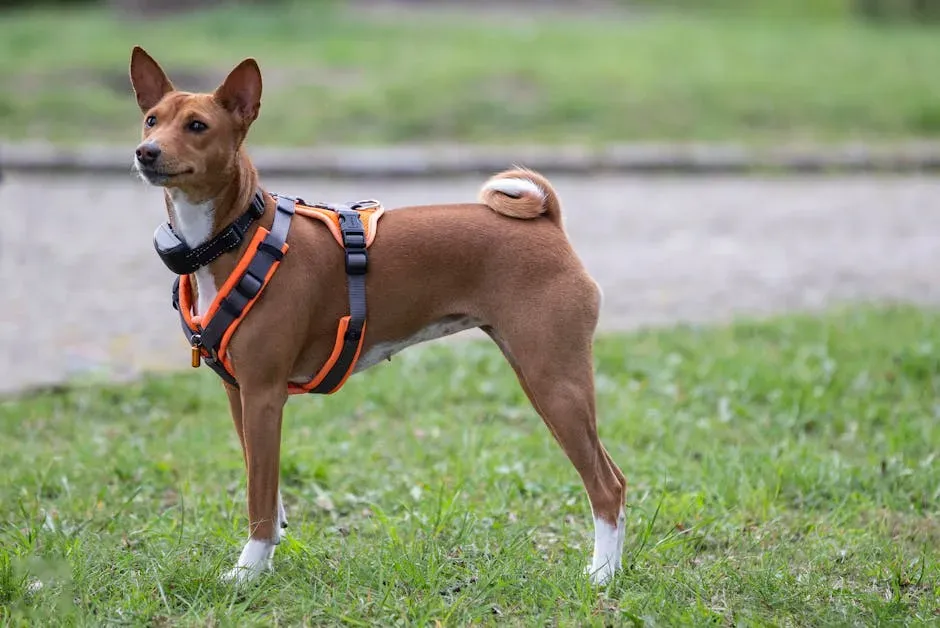
Basenjis are famous for being “barkless,” but what really stands out in daily life is how independent they are, even while being strongly attached to their families. They often form tight bonds with their people, love playing and interacting, and enjoy curling up near you – note the word “near,” not necessarily “on.” They want to be involved without feeling smothered, a bit like that friend who loves hanging out but really needs alone time afterward.
If you crowd a Basenji with nonstop petting and handling, they can quickly become restless and pull away. They’re curious explorers and thinkers, happiest when they can observe, investigate, and then choose when to come back for affection. Many Basenji owners describe them as having a strong mind of their own, which is half the charm and half the challenge. When you respect that inner independence, their affection feels even more special – because it is clearly a choice.
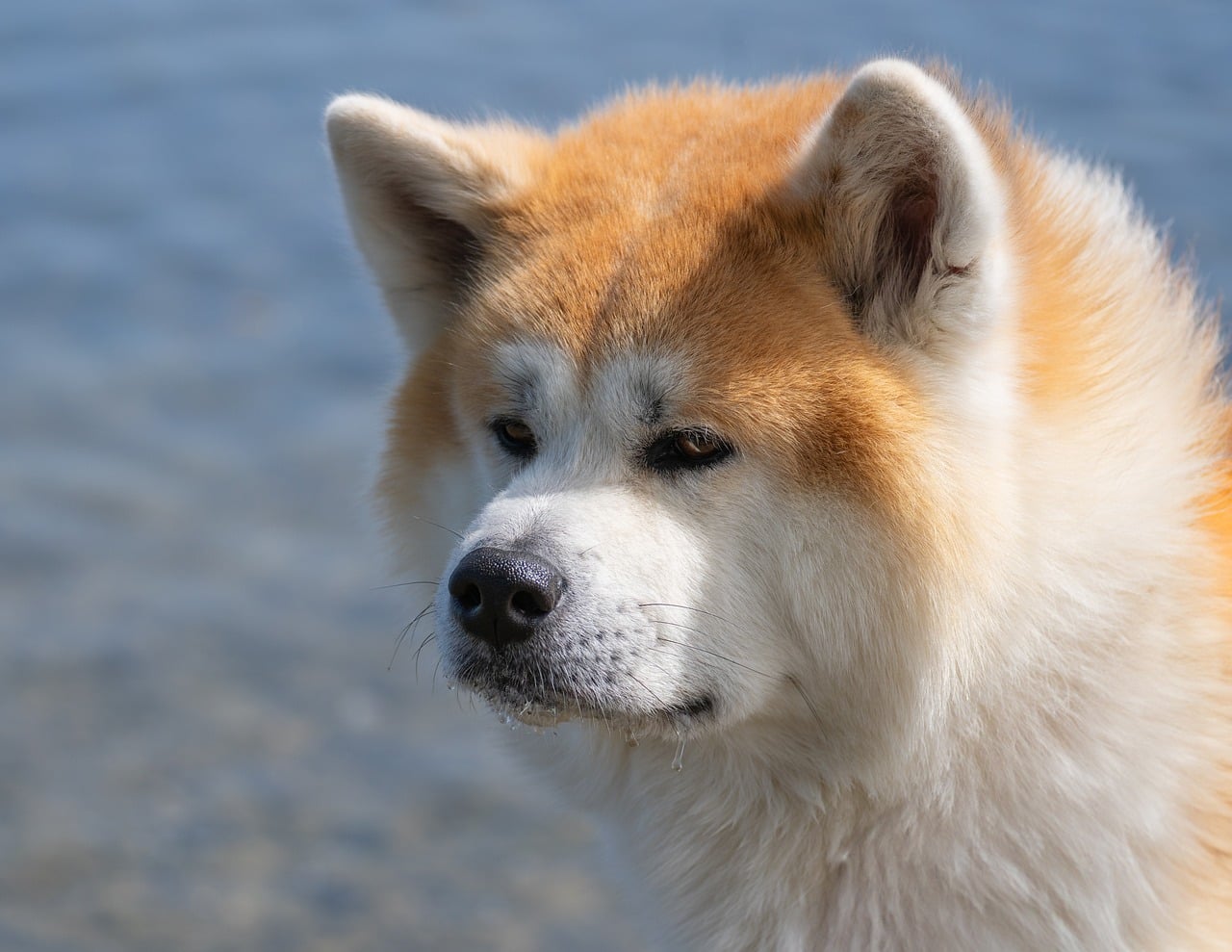
4. Akita – Devoted to the Core, Yet Selectively Affectionate
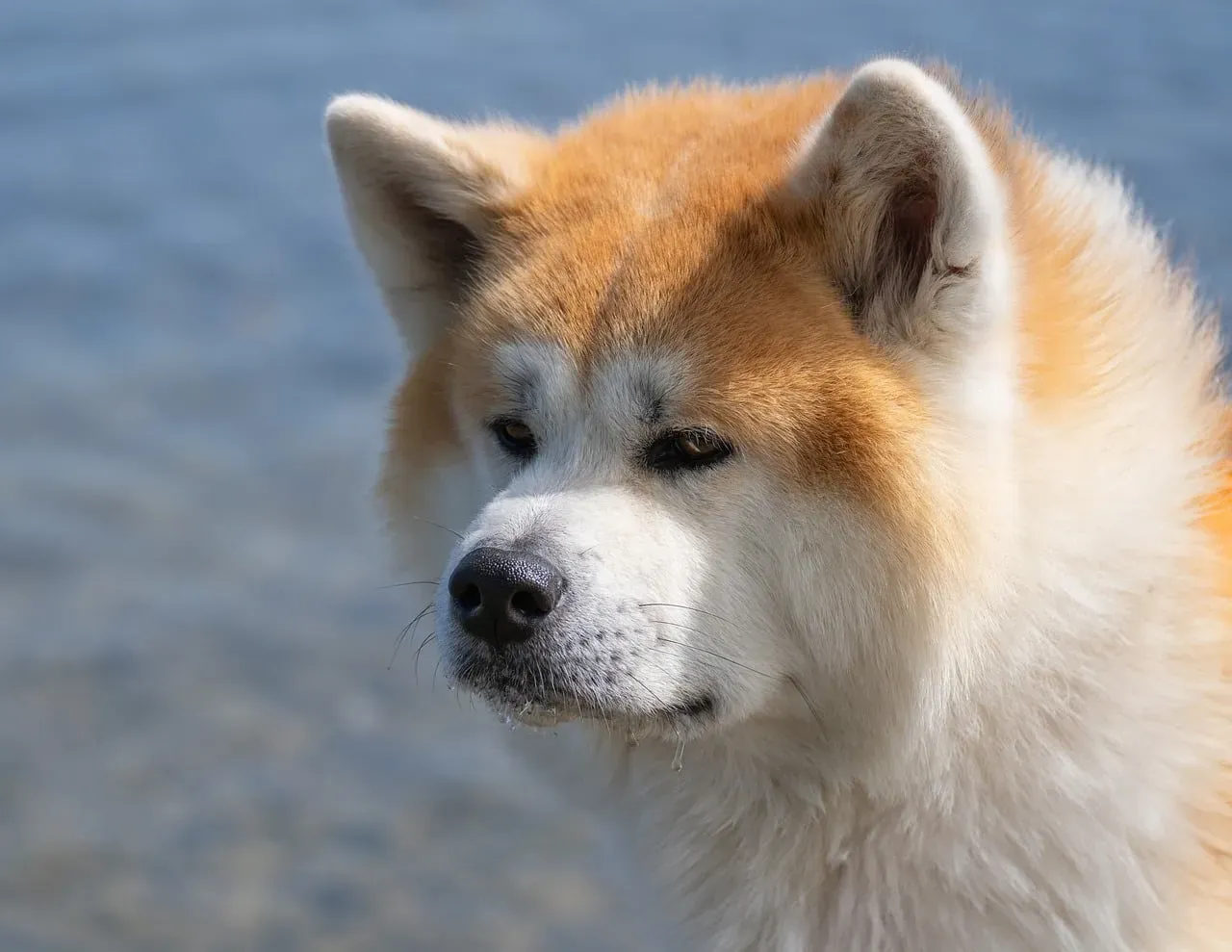
Akitas are often intensely devoted to their families, sometimes forming a special bond with one or two key people. They are famous for their loyalty and protective nature, but that does not automatically translate into being a snuggly couch shadow. Many Akitas prefer a calm, respectful presence over constant physical affection. They want to be with you, but not always touching you.
Because of their size and power, pushing into their space or forcing unwanted contact is not just rude – it can be risky. These dogs thrive in households where people understand that love is not measured only in cuddles. Give an Akita a comfortable spot in the same room, involve them in family life, and offer affection in moderate, calm ways. In response, you often get a dog that quietly watches over you like a guardian who cares more than they’ll ever show with wagging and licking.
5. Afghan Hound – The Glamorous Introvert
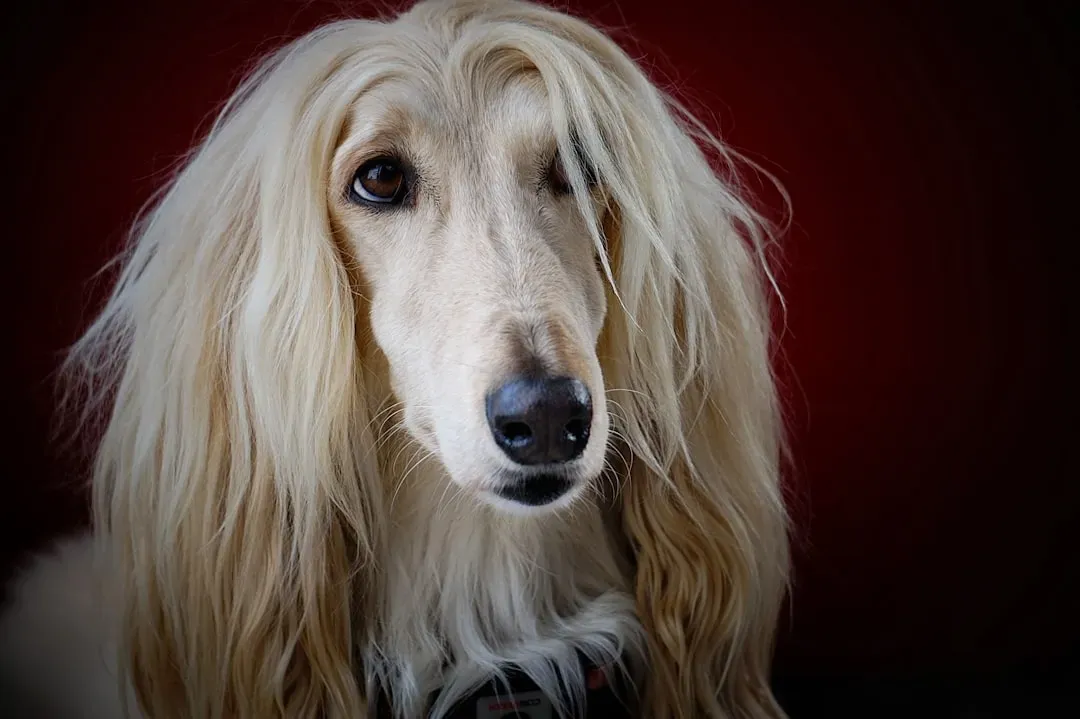
Afghan Hounds look like they walked off a fashion runway, and they often act like it too: poised, elegant, and just a little bit aloof. That aloofness can make people think they don’t care about their families, but that’s usually wrong. Many Afghans are quite attached to their people, enjoying gentle company and familiar routines. They just tend to show it with calm proximity and soft attention rather than over-the-top displays.
These dogs often prefer their personal space to be treated like an invisible velvet rope. They may choose to lounge nearby, gaze at you from across the room, or quietly enjoy being brushed and handled in short, respectful sessions. If you’re expecting a clingy, in-your-lap dog, you might feel snubbed. But if you lean into their style and allow them to float in and out of close contact, the relationship starts to feel more like a mutual respect between two personalities than simple owner and pet.
6. Shar-Pei – The Wrinkly Dog With Firm Boundaries
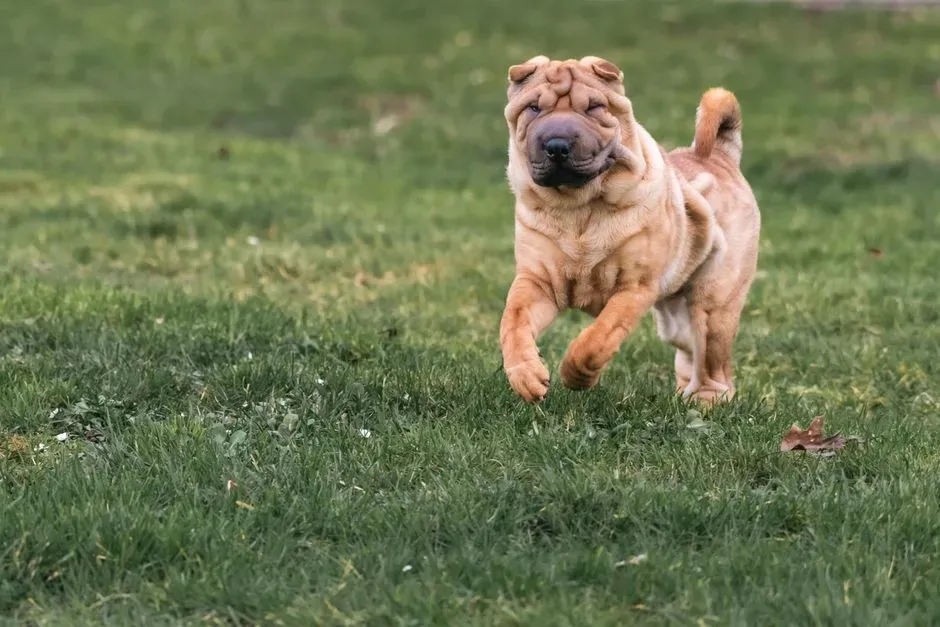
Shar-Peis are one of those breeds that look endlessly squishable, which is a terrible trap for unsuspecting humans. Under those wrinkles is a dog that is often deeply loyal and protective of its family but not nearly as tolerant of constant hugging as its appearance suggests. Many Shar-Peis like to be near their people and may follow them around the house, quietly supervising the day.
However, they tend to have clear opinions about when and how they are touched. Pushy affection, rough handling, or ignoring their signals can make them withdraw or become annoyed. They’re more into calm, steady companionship than frantic play or nonstop petting. When you provide them with their own comfortable spot, allow them to choose when to come close, and keep interactions respectful, you usually uncover a very steady, quietly affectionate dog who values trust above all.
7. Chinese Crested (Especially the Powderpuff) – Sensitive but Not Always Snuggly
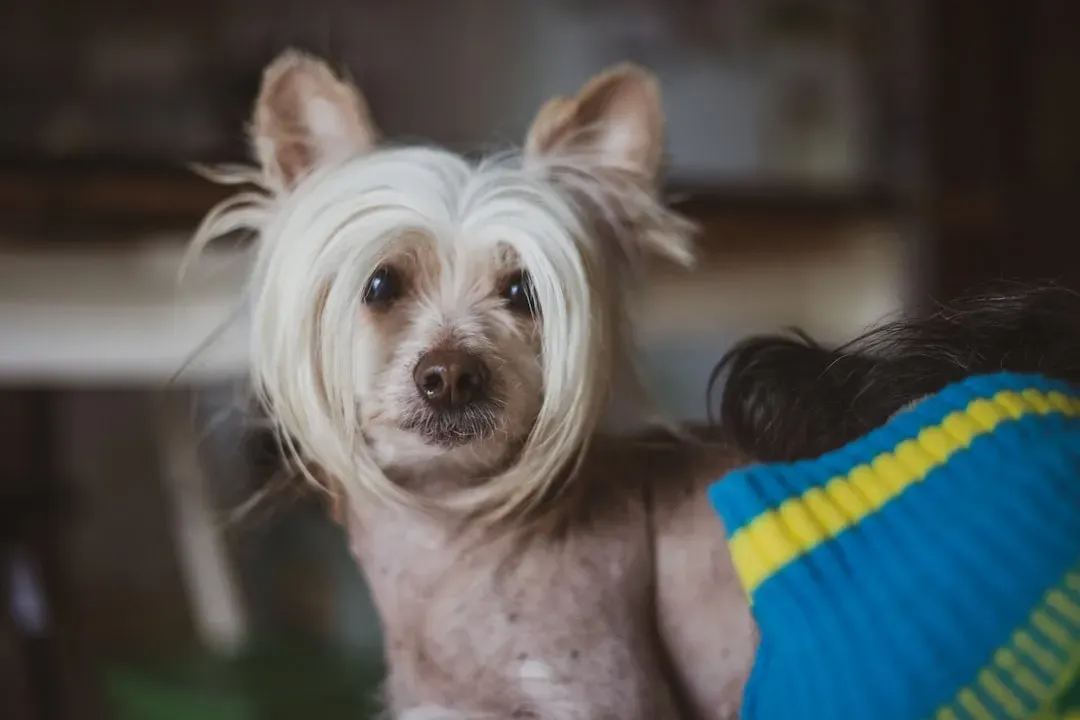
Chinese Cresteds, especially the fully coated Powderpuff variety, are often described as affectionate and people-oriented, and that can absolutely be true. They like being close to their humans and often enjoy being involved in everyday life. But they are also surprisingly sensitive dogs, both emotionally and physically, and that sensitivity means they can get overwhelmed by too much contact, noise, or chaos.
Some Cresteds happily curl up in a lap, while others prefer to sit beside you or at your feet rather than be held tightly. They can become stressed if children are too grabby or if adults ignore their body language. A calm environment, gentle handling, and the option to move away to a safe, cozy spot are crucial. When they know they can retreat without being chased down for more cuddles, they tend to relax and offer affection more freely, on their own terms.
8. Alaskan Malamute – Big Love, Big Need for Breathing Room
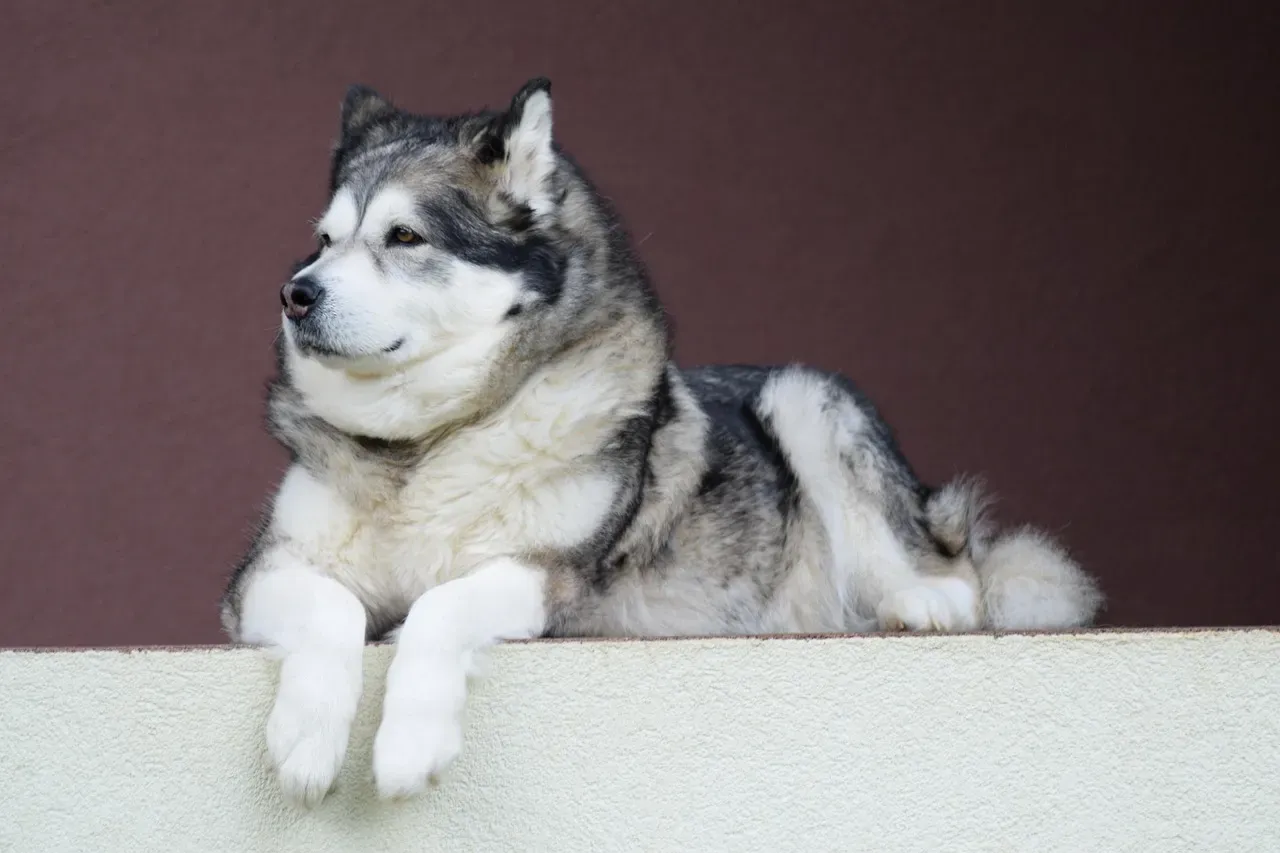
Alaskan Malamutes are typically friendly, social dogs that often get along well with their families and enjoy being part of the action. They can be goofy, playful, and expressive, and they usually like having their people around. But they also have a strong working-dog streak and a level of independence built into their DNA. Being glued to a person twenty-four hours a day is not really what they were designed for.
Many Malamutes are happiest when they have both companionship and physical freedom: space to stretch out, a yard to roam, or at least room in the home where they can flop down without being constantly touched. Too much hugging or crowding can irritate them or make them feel trapped, especially if they are already tired or overstimulated. Think of them as that friend who loves group trips but absolutely needs their own room at the end of the day. Respect their need for breathing room and you’re likely to see more relaxed affection and far fewer conflicts.
9. Saluki – Gentle, Loving, and Emotionally Private
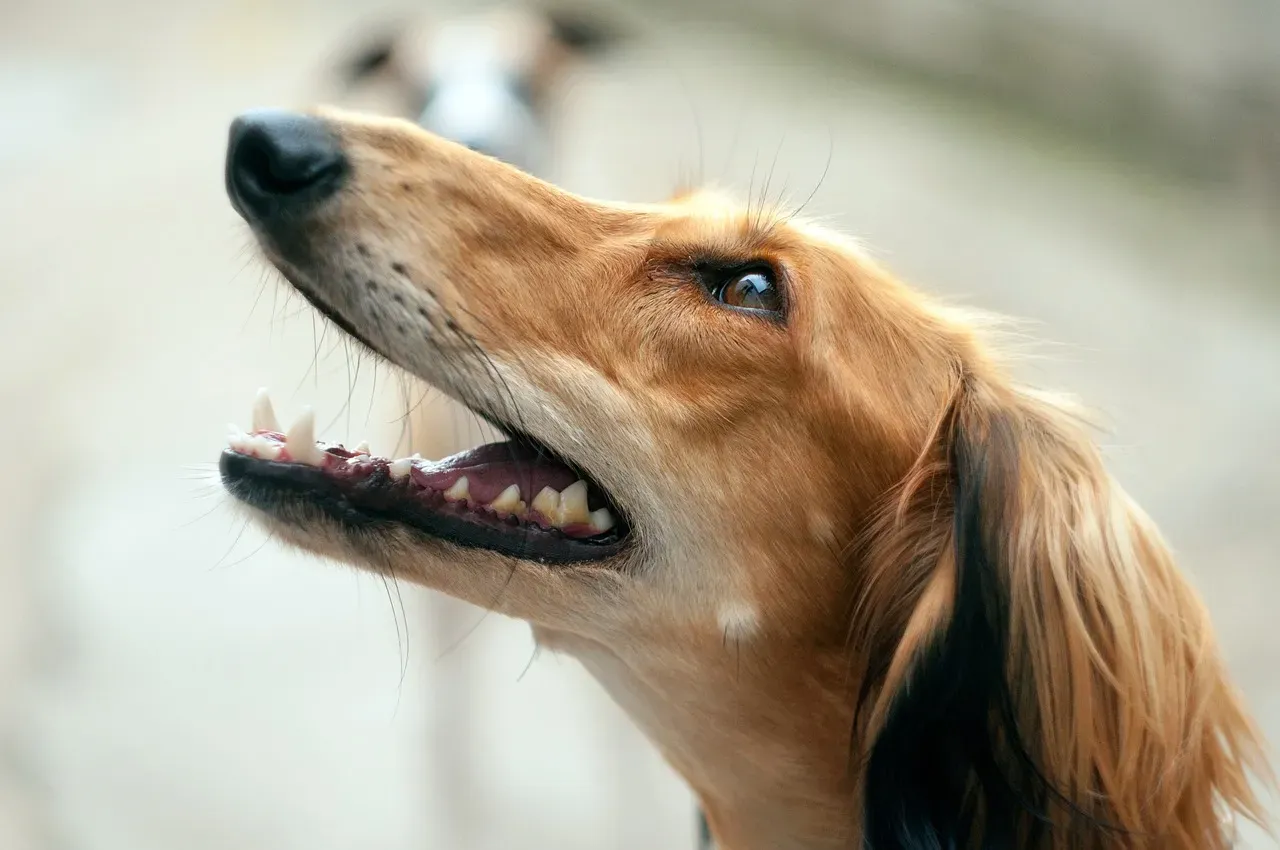
Salukis are gentle sighthounds with a reputation for being affectionate yet reserved. They often bond deeply with their families and can be surprisingly sensitive to mood and tone. Still, they are not usually the type to climb all over you or demand endless petting. Instead, they often prefer quiet togetherness: sharing a room, lying on the couch nearby, and keeping an elegant, slight distance.
Too much physical intensity – rough housing, constant hugging, or being cornered – can make them uncomfortable or even anxious. They are more like emotional introverts: they feel deeply, they notice everything, but they don’t always want that connection expressed through big, loud gestures. Give them a calm home, gentle contact, and the freedom to move away when they want, and you’ll often find their loyalty and tenderness showing in small, touching moments that feel incredibly sincere.
10. Standard Poodle – Brainy, Loving, and Quietly Selective About Touch
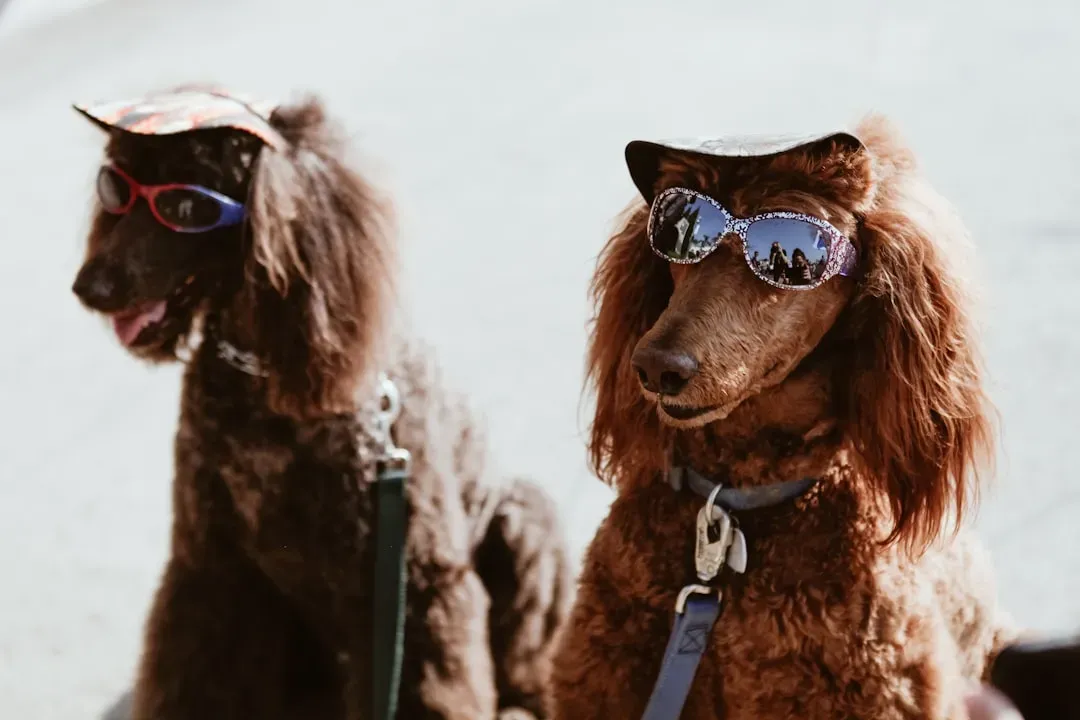
Standard Poodles are often labeled as family dogs because they’re generally smart, trainable, and affectionate. Many of them really do adore their people and like being involved in family life. But there’s a twist: a lot of Standards are quite particular about how they’re touched and handled, and they can get overwhelmed by constant physical attention, especially from kids who mean well but don’t read signals yet.
These dogs often show their love by shadowing you from room to room, checking in with eye contact, and participating in whatever you do. Then, when they’re done, they politely move to their bed or a favorite spot and simply want to rest without being fussed over. If you can accept that their devotion doesn’t always come in the form of cuddles on command, you’ll start noticing all the quieter ways they say “I love you” – and you’ll avoid turning a sensitive, brilliant dog into one that feels cornered or cranky.
Why Loving Your Dog Includes Respecting Their Space
I still remember the first time a dog I adored got up and left the couch right when I thought we were having a perfect snuggle moment – I took it personally. Only later did I realize that I was treating affection like a one-way street. Dogs, just like people, have comfort zones, preferences, and limits, and some breeds are simply wired to need more personal space even when their hearts are fully yours.
The truth is, a dog walking away, shifting position, or choosing to rest alone is not rejection – it’s communication. The most loving thing we can do is listen to that message instead of insisting on what makes us feel good. When you start seeing space as part of the relationship rather than a threat to it, everything changes. Your dog relaxes, trust deepens, and the affection they do offer feels more real, because it’s freely given. So, when your dog steps off your lap and lies a few feet away, will you take it as a snub – or as a sign that they trust you enough to be honest about what they need?


