
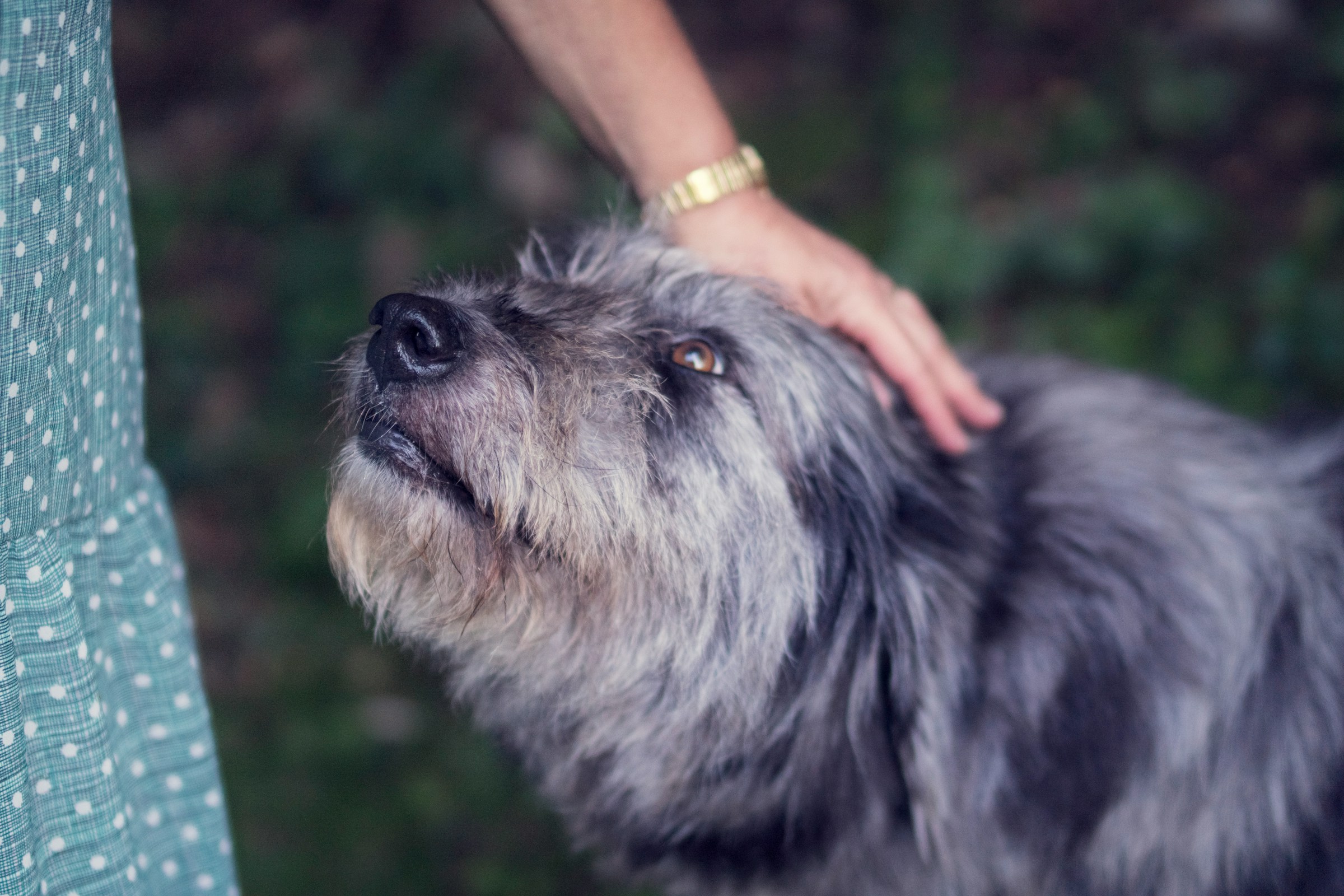
Most people assume an old dog’s story ends with one word: slower. Less barking, more sleeping, a gray muzzle parked by the heater – case closed. But spend real time with a senior dog once the kids have grown, the visitors have thinned out, and the house has settled into something calm, and you’ll notice this assumption is almost insulting to what’s actually happening.
They’re not fading. They’re changing – quietly, deliberately, in ways almost nobody talks about. Long-time trainers, behaviorists, and owners who’ve paid close attention describe a whole second personality that only surfaces once the noise clears. Here’s what that looks like, one gentle shift at a time.
#1 – They Start Choosing One “Quiet Room” As Their Safe Base
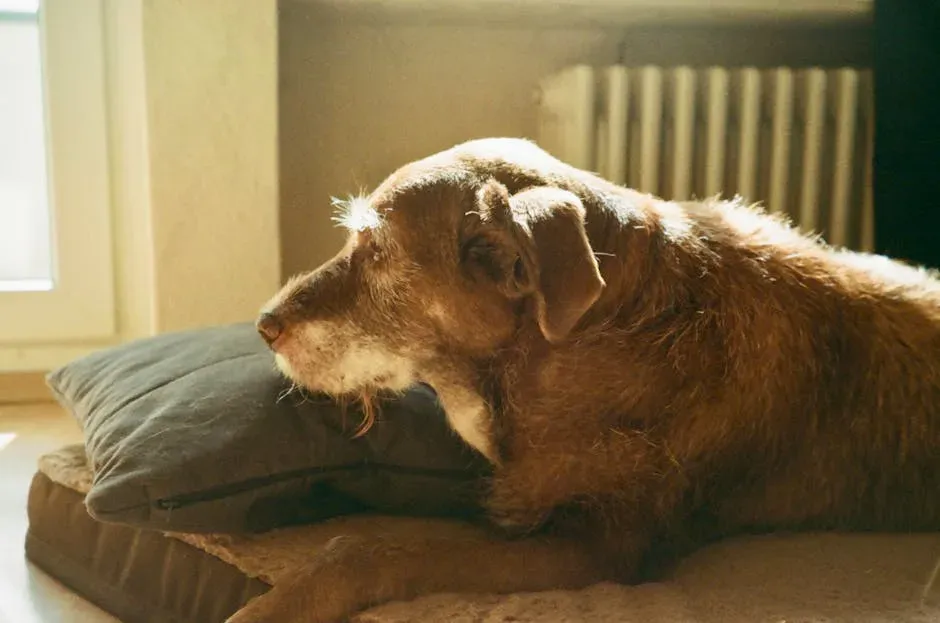
Old dogs stop flopping down just anywhere. Instead, they start scouting – testing a few rooms over several days like they’re apartment hunting – before settling on one spot as home base. It’s usually wherever you spend the most still, quiet time: the office, the living room corner, the foot of the bed.
Once they’ve claimed it, they commit hard. Some senior dogs will spend 70 to 80 percent of their day in that one room, circling less and deciding faster than they used to. They’ll still tolerate the rest of the house, but this one square of floor becomes something close to sacred – not unlike an older person who has “their chair” by the window and quietly defends it.
#2 – They Replace Barking With Long, Silent Listening Sessions
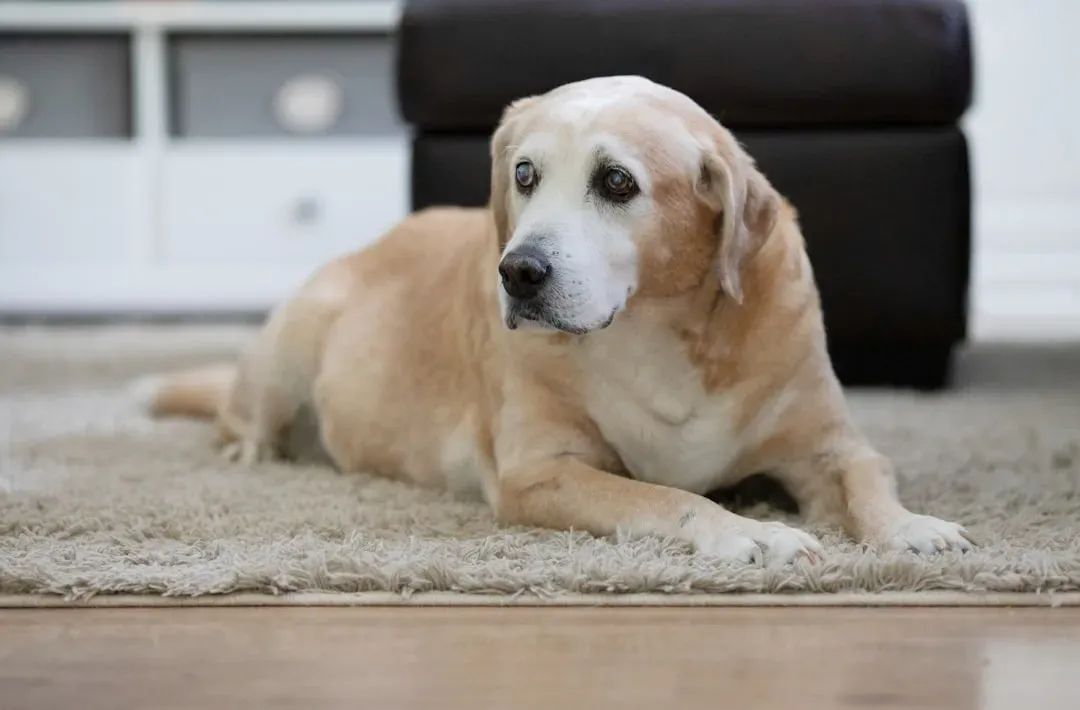
Instead of exploding at every creak or car door, an aging dog starts pausing. Ears lift, eyes track the sound, and then – nothing. The bark that used to fire off instantly gets replaced by several long seconds of quiet evaluation, like they’re weighing whether it’s even worth the energy.
Owners often mistake this for checking out, but it looks more like the opposite. Aging dogs seem to get pickier, not lazier, about what deserves a reaction. They save the alarm system for what actually matters – your footsteps, your voice down the hall, the door that means you’re really home – and let everything else pass through unremarked.
Fast Facts
- Vets generally classify dogs as “senior” around age 7 for large breeds and closer to 10-12 for small breeds
- Age-related hearing changes are common in older dogs, which can affect how quickly they react to sound
- Selective response to noise is often read as a sign of comfort and trust, not disinterest
#3 – They Begin Shadowing You With Slower, More Intentional Steps
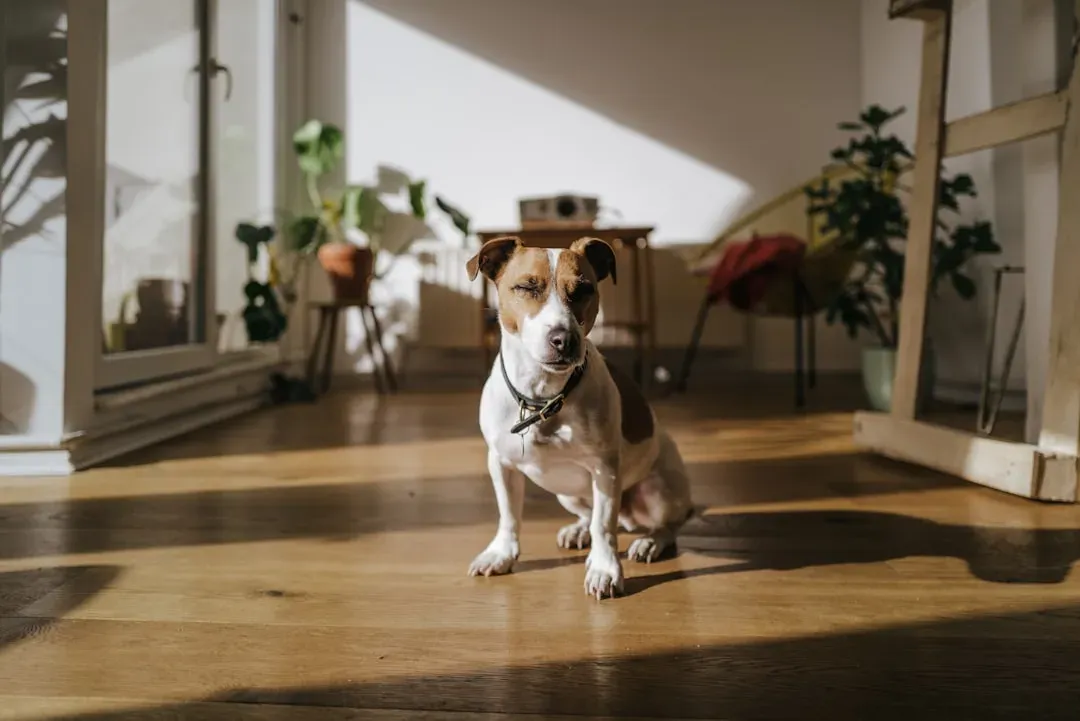
Puppies chase. Grown dogs follow. Old dogs shadow – and it’s a completely different rhythm. When the house quiets down, you’ll see them move toward whatever room you’re in with slow, careful steps, staying a few feet back but never losing sight of you.
It’s not clinginess and it’s not anxiety. It’s economy. Older dogs cut out the pointless trips to the kitchen or the yard and spend their limited energy on “quality following” instead – as if they’ve quietly done the math and decided that being near you is simply the best use of the steps they have left.
#4 – They Develop Soft, Almost Whisper-Like Vocalizations

As the barking fades, something smaller and stranger often takes its place: a kind of gentle talking. A breathy whine here, a low grumble there, a soft “mmph” the second you sit on the couch. It doesn’t sound demanding like a puppy yap – it sounds more like a check-in. You still there?
These sounds tend to show up during the calmest stretches of the day – late evening, early morning, quiet Sunday afternoons – when your dog is relaxed enough to speak without urgency. Many senior-dog specialists read this as genuine emotional communication rather than random noise. Some owners find it charming. Others find it oddly moving. Either way, it’s a strangely intimate little habit.
#5 – They Start Creating Tiny Rituals Around Your Movements
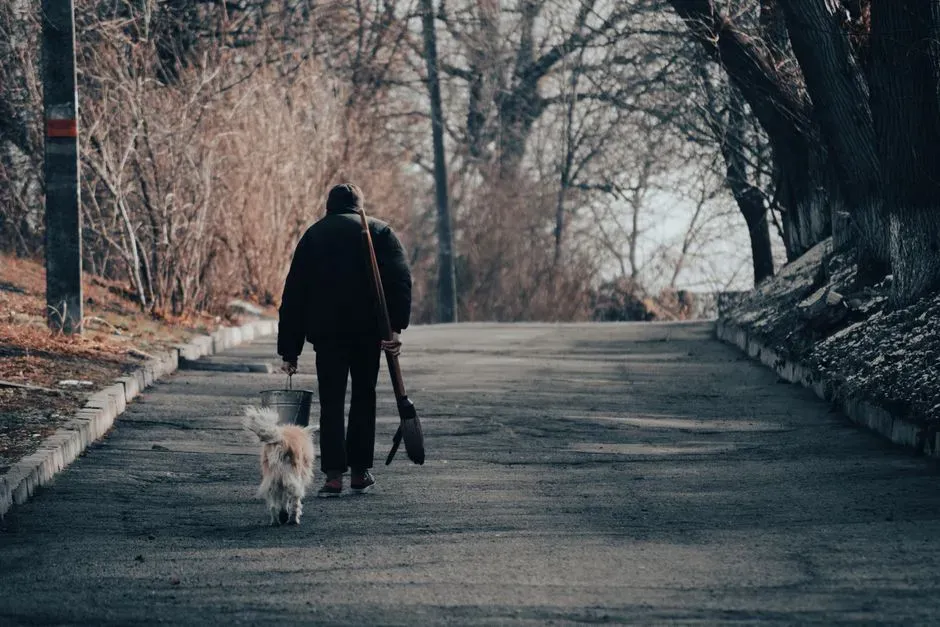
A loud, chaotic house keeps dogs reactive. A calm one lets them plan. Old dogs are notorious for building small, precise rituals around your most boring habits – and once the ritual is set, they follow it like clockwork.
Maybe they stand in the exact same corner every time you make coffee. Maybe they reposition at your feet the second you pick up your phone at night. This isn’t randomness, it’s choreography – and it reveals something people rarely expect: your dog isn’t just adapting to you anymore. In old age, the relationship flips, and they start quietly programming their whole day around yours. Break the pattern and watch them look genuinely confused, even a little offended.
#6 – They Nap Less Deeply, But More Often, Near Doorways
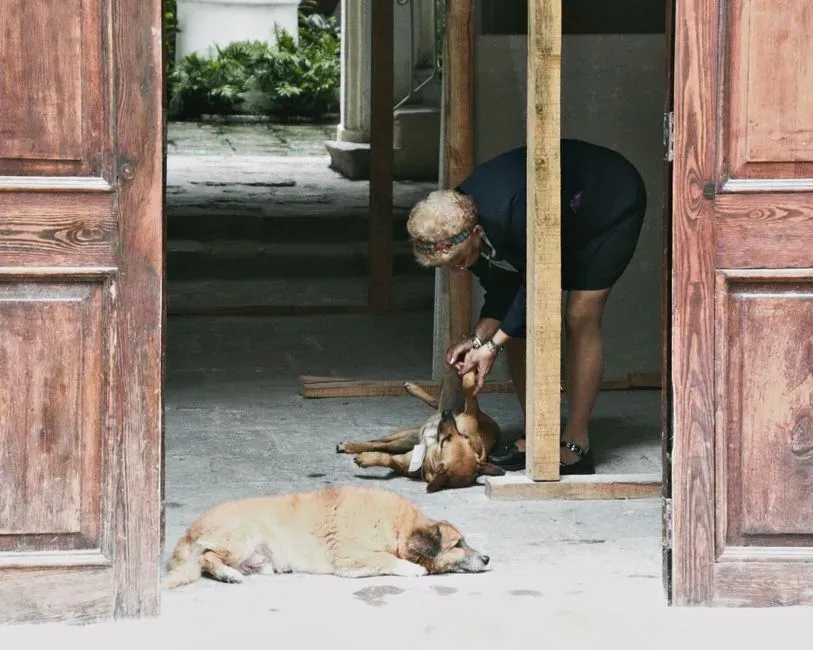
One of the gentlest and most telling changes in an old dog is a sudden fondness for doorways – not blocking them, just near them. The hallway edge, the bedroom threshold, the corner where the living room opens up. Behaviorists sometimes call this “sentinel napping,” a light, half-alert doze they can snap out of instantly.
It looks like laziness, but the placement is too consistent to be accidental. A doorway gives options: see who’s coming, move if needed, retreat if tired. In a quiet, low-stress home, an old dog no longer needs constant vigilance – so instead of staying wound up like a young watchdog, they choose strategic comfort, resting just close enough to the action to never really miss it.
Worth Knowing
- Senior dogs often nap in short, frequent cycles instead of one long uninterrupted stretch
- “Sentinel napping” near doorways lets a dog rest while keeping clear sightlines open
- Reduced need for constant vigilance is a common sign of a calm, trusting home environment
#7 – They Rediscover Old Toys But Play With Them Completely Differently
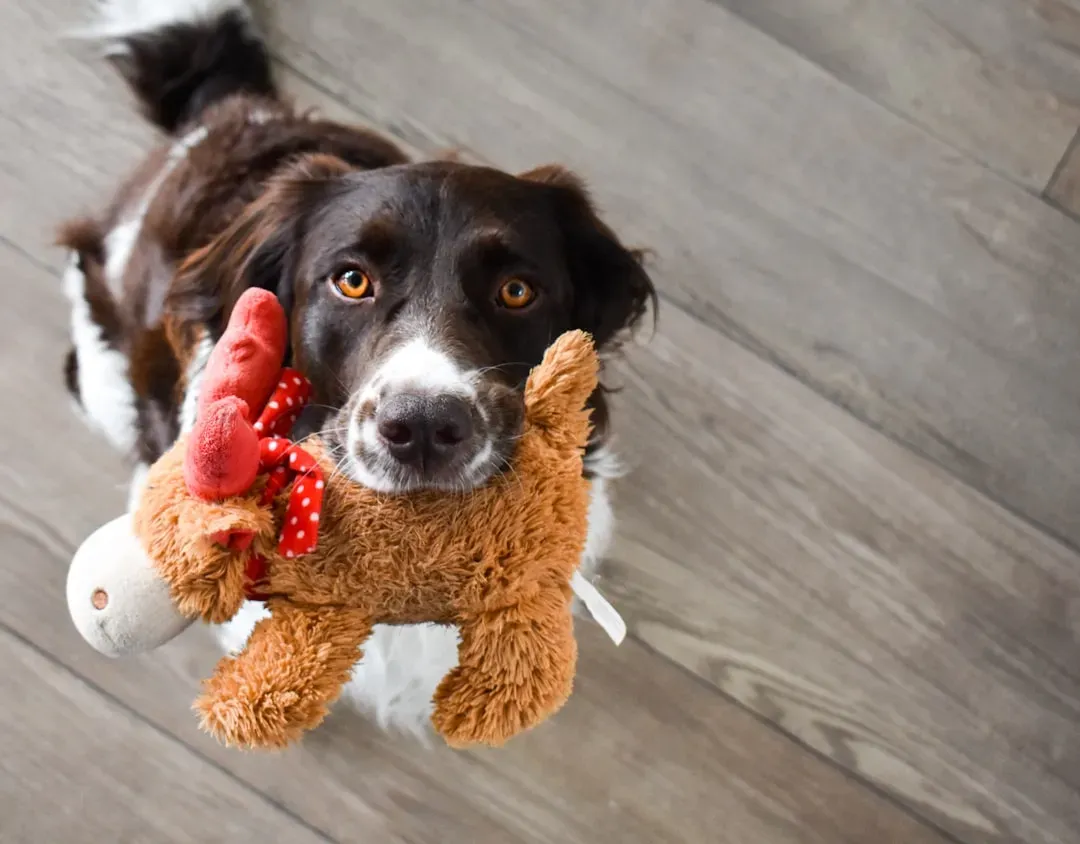
People assume old dogs simply grow out of toys. In a quiet house, the opposite often happens – with a twist. Instead of the frantic tug-of-war or wild fetch of their younger years, you’ll catch them gently mouthing an old favorite, carrying it from room to room, or just lying with it tucked between their paws.
Short, calm bursts of play get followed by long stretches of contented rest. What’s surprising is how often the toy is an old one, something from years earlier, almost like revisiting a familiar song rather than discovering something new. It isn’t nostalgia in the human sense, but it’s close enough to make you wonder – and some experts consider it one of the most overlooked signs of emotional memory in aging dogs.
#8 – They Become Extremely Gentle About Claiming Space on the Couch or Bed
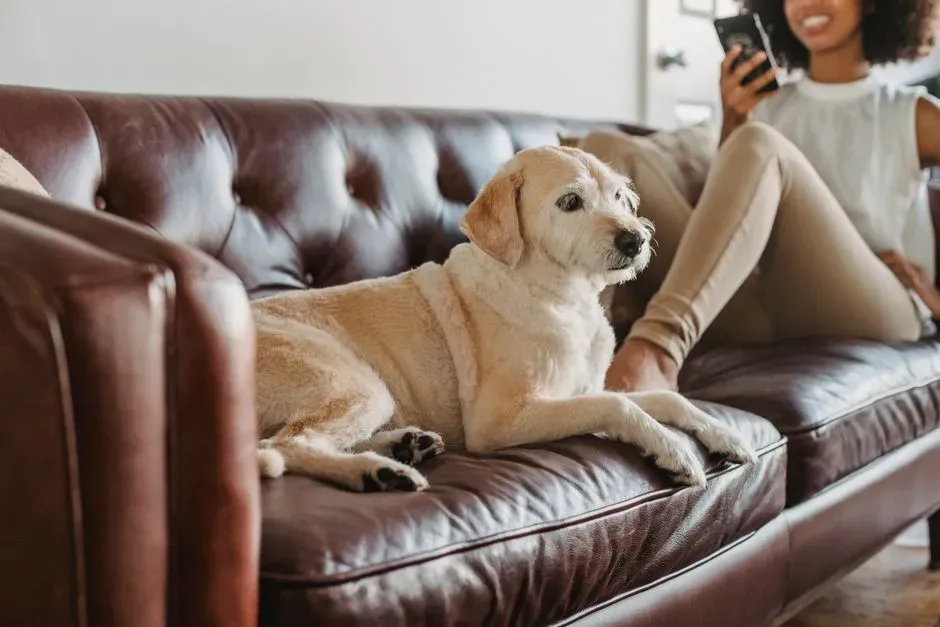
A younger dog leaps, flops, or shoves its way into your space without a second thought. An old dog asks first. They’ll stand near the couch, glance at you, maybe offer a small huff or a paw tap before slowly, carefully climbing up – sometimes taking a full minute just to settle.
It’s a strangely polite negotiation for something as simple as a cushion. In a calm home, senior dogs seem to understand boundaries more clearly, edging closer over time instead of sprawling in immediately. The pushiness disappears, but the need for closeness never does – what’s left is a quiet, almost respectful question: is there room for me here, too?
#9 – They Spend Long Periods Simply Watching You, Not Asking for Anything
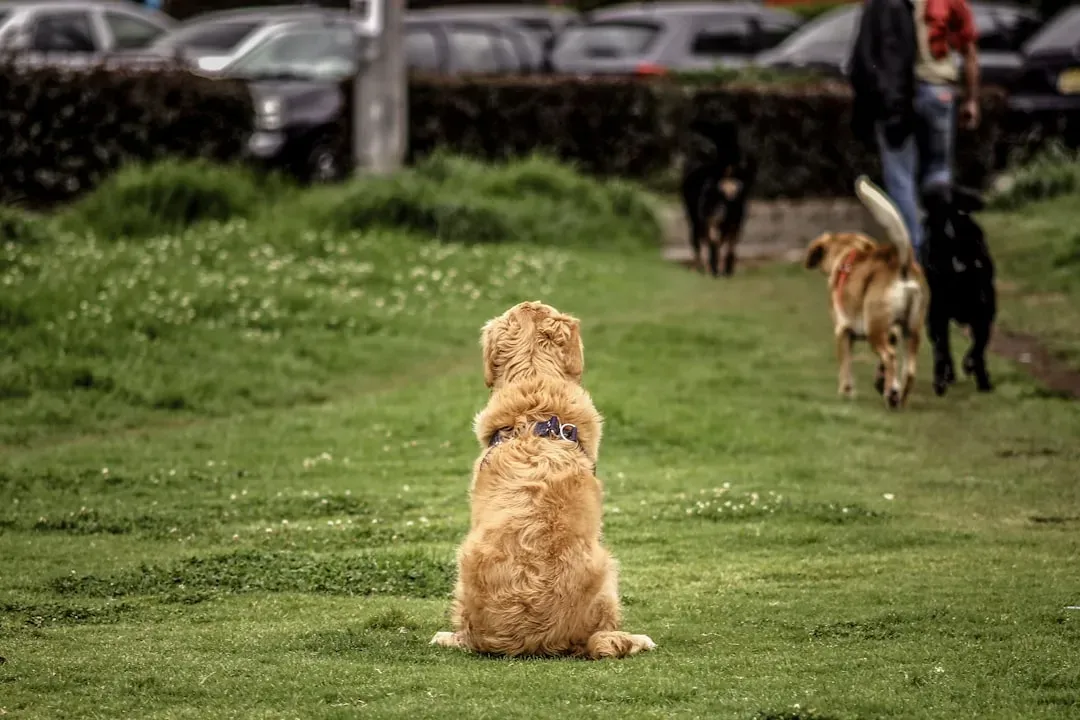
This is the one that catches most owners off guard. In a loud house, dogs are constantly reacting to doorbells, footsteps, kids, chaos. In a quiet one, an old dog ends up with long stretches of nothing to do – except watch you. Not staring in a strange way, just calm, steady observation, sometimes for ten or twenty minutes at a stretch.
There’s no pawing, no whining, no agenda behind it. Many experts describe this as a form of emotional monitoring – your dog simply keeping tabs on their person because connection now matters more than activity. They’ve quietly traded doing things with you for the simpler act of being near you, and in dog terms, that trade is a big deal.
#10 – They Get Surprisingly Picky About Food, But Not Always for the Reason You Assume
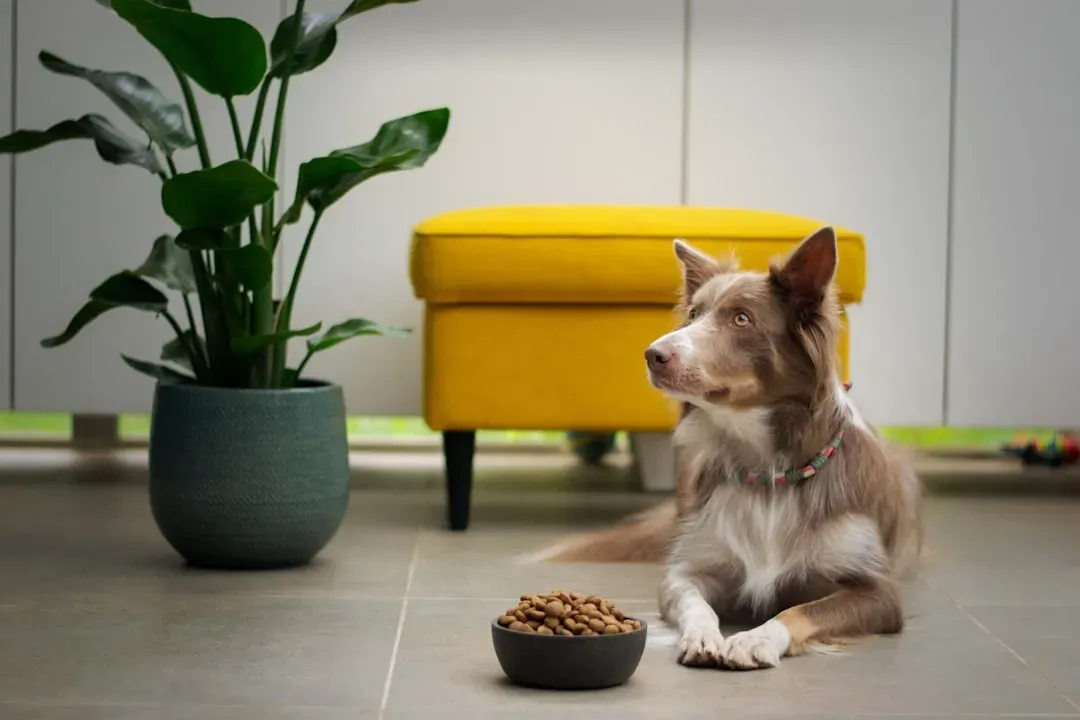
When the household chaos fades, so does mealtime chaos – and suddenly your old dog might sniff, hesitate, or walk away from food they used to inhale. Owners tend to panic or blame the brand, but the real explanation is usually more layered: slower digestion, changing smell and taste sensitivity, dental discomfort, or joint pain that makes certain eating postures harder.
Here’s the part people don’t expect: some senior dogs get picky not just from physical decline, but because a quiet, safe environment finally gives them permission to refuse what they never actually loved. In a busier house, they ate fast out of competition or excitement. Now, with no pressure, their real preferences finally surface. That doesn’t mean you should ignore sudden changes – a vet check is still worth it – but it isn’t always a crisis. Sometimes it’s just honesty.
Quick Compare
- Physical causes: dental pain, joint discomfort, weaker sense of smell or taste
- Environmental causes: less mealtime competition, calmer routine, genuine preferences finally surfacing
- What stays the same: a vet check is still the right first step for any sudden change
#11 – They Start Preferring Cooler, Firmer Spots Over Fluffy Beds
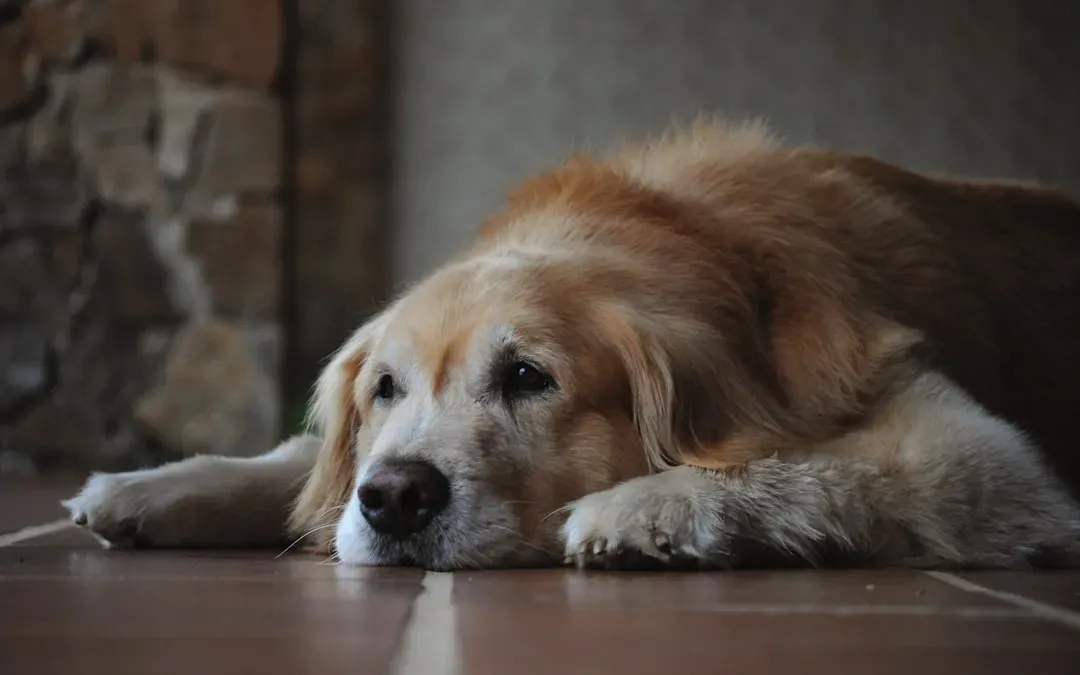
Everyone buys their senior dog the softest, plushest bed money can find – and then watches, baffled, as the dog chooses the hardwood floor instead. It looks like rejection, but it’s usually just biomechanics. Arthritic joints often struggle to push up out of an overly squishy surface, and warm, fluffy beds can make an older body overheat faster than it used to.
Firm, supportive surfaces tend to reduce joint strain for many aging dogs, which is exactly why that cool patch of tile suddenly looks so appealing. It’s not ingratitude for the expensive bed sitting three feet away – it’s strategy. They want somewhere they can rise from easily and cool off quickly, and that quiet, deliberate choice says more about their aging body than any limp ever could.
#12 – They Start Enjoying Micro-Walks With Intense Sniffing Instead of Distance
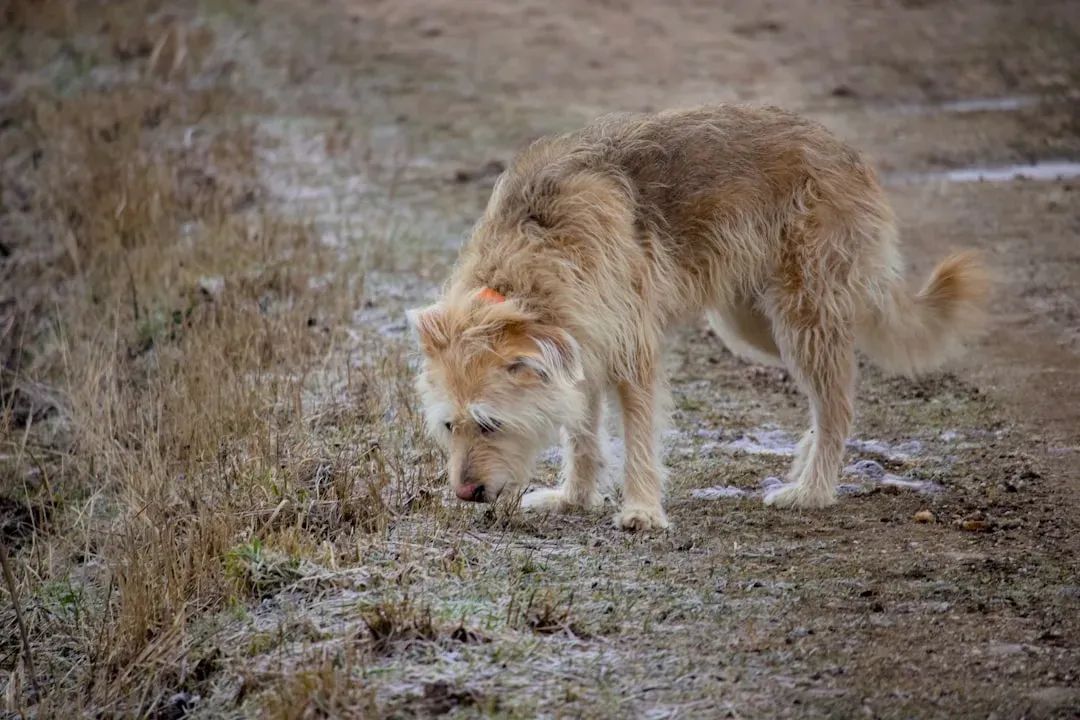
As life slows down, walks change shape entirely. Old dogs start trading long, brisk routes for what owners often dismiss as “lazy stops” – sniffing every blade of grass, every fence post, every scrap of scent along the sidewalk. In reality, they’re redefining what a good walk even means.
Distance and speed stop being the point. Scent exploration becomes the whole event. Sniffing is mentally richer for a dog than almost anything else they encounter outside, and for an old dog, five unhurried minutes on a quiet street can be more satisfying than a thirty-minute march ever was. A calm house lets owners actually notice this shift – and lets the dog, finally freed from the pressure to keep pace, walk exactly the way they want to.
#13 – They Begin Taking Themselves to Bed Earlier, Often Before You Do
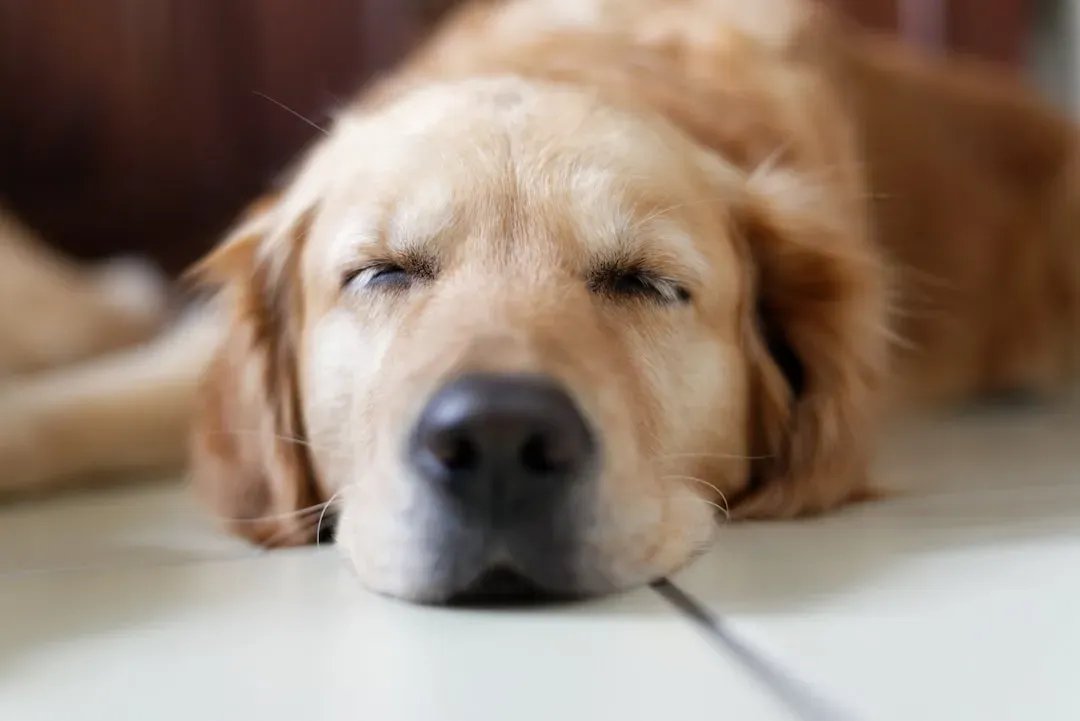
In a louder house, dogs tend to stay up until the last light clicks off, afraid of missing something. In a quiet one, a new behavior appears: self-directed bedtime. They simply stand, walk to their chosen spot, let out a long sigh, and tuck themselves in – sometimes an hour or two before you even think about it.
It looks like withdrawal, but it’s closer to confidence. A dog who feels genuinely safe will choose rest over monitoring, because they’ve finally decided the house can run itself for a while. Some owners take it personally, like their dog has “checked out.” In reality, it’s the opposite – an old dog who stops supervising every move is a dog who believes, deep down, that their world is stable.
At a Glance
- Adult dogs typically sleep around 12 to 14 hours a day; seniors often need even more rest
- Dogs are generally considered “senior” starting around age 6-7 for large breeds, 10-12 for small breeds
- Confident, secure dogs tend to settle faster and wake less often through the night
#14 – They Quietly Shift From Needing You to Trusting You
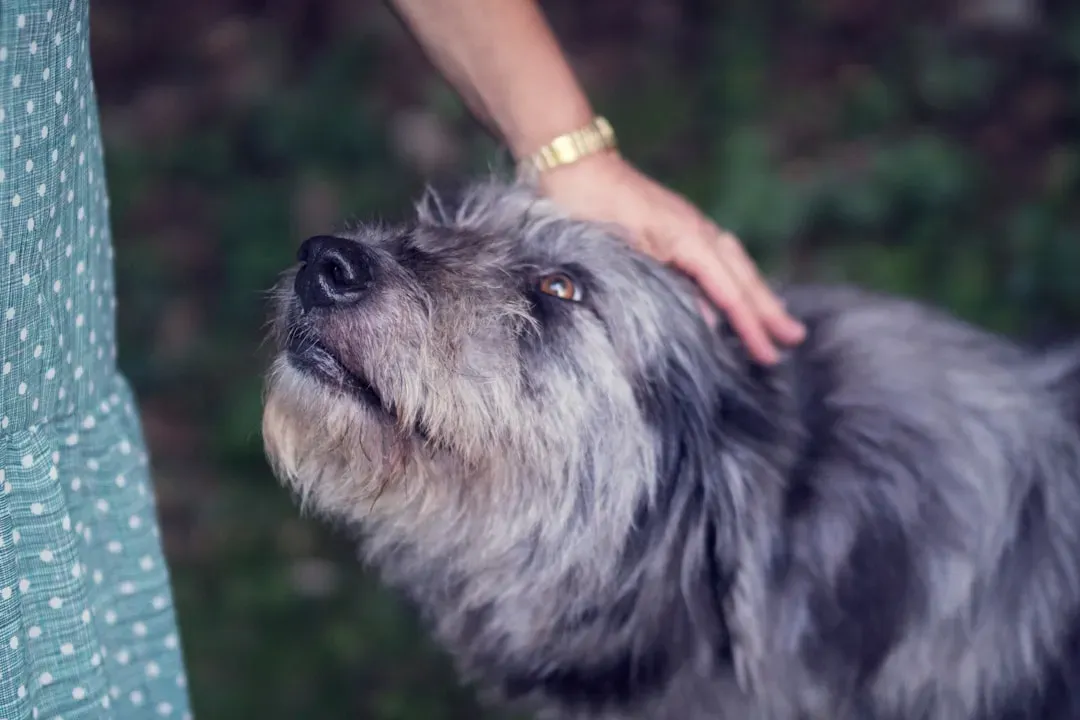
This is the gentlest change of all, and honestly, the heaviest one to sit with. In a loud, busy life, dogs mostly operate on need: feed me, walk me, entertain me, protect me. In the stillness of a quiet house, many senior dogs make a psychological shift that most owners completely miss – they stop seeking and start trusting.
You’ll see it in small ways. Less panic when you leave the room, more calm waiting. Fewer frantic greetings, more soft tail wags and relaxed eyes. They’re not less attached to you – they’re more secure in you. That steady, quiet presence at your feet isn’t indifference. It’s the final, matured form of the bond, the moment they stop checking whether you’ll come back and simply decide that you will.
The Bottom Line

Old dogs don’t get boring when the house grows quiet – they get precise. They edit their whole world down to what actually matters: one safe room, one worn-out toy, the best doorway in the house, the gentlest possible way to ask for space beside you. Chaos gets swapped for ritual, barking for listening, distance for quiet trust.
Most people mislabel all of this as decline, and honestly, that’s the part that bothers me. It isn’t decline. It’s a dog who has finally stopped auditioning for your attention and started simply resting in it. If you’ve never lived with a senior dog through a calm season of life, you’ll probably call this overthinking. If you have, you already know it’s the opposite – you’re watching a lifetime of love settle into its final, softest shape. Which of these have you caught your own old dog doing?


