

Every vet has had this moment: an owner is halfway out the door, hand on the leash, when they toss out an offhand comment – “oh yeah, he’s been drinking a ton of water lately” – like it’s nothing. The vet’s stomach drops. That “nothing” has usually been happening for months, and it just quietly explained the whole case.
Vets don’t expect you to diagnose your own pet. What frustrates them is the waiting – the sugar-coating, the “it’s probably just old age,” the small red flags that get mentally filed away instead of said out loud. Here are the 13 things veterinarians wish you’d mention the moment you notice them, not the next time you happen to be in the room.
#1 – “They’ve Been Drinking and Peeing More Lately”
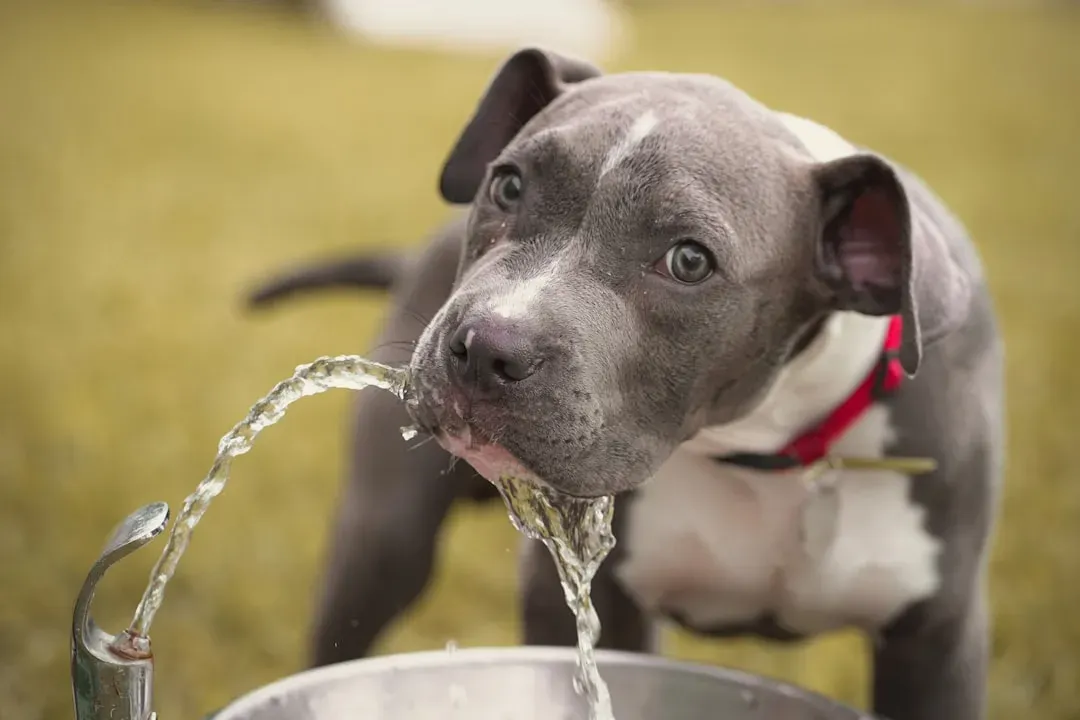
Most people shrug off extra thirst as “it’s hot out” or “she just loves her water bowl.” Vets don’t get to shrug it off. A sudden jump in how much your pet drinks or how often they pee is one of the loudest silent alarms in veterinary medicine, and it usually starts long before anything else looks wrong.
Increased thirst can point to kidney disease, diabetes, Cushing’s disease, or a urinary problem brewing under the surface. If you’ve noticed yourself refilling the water bowl twice as often, or finding new puddles in the house, that’s not a quirk – it’s information your vet needs now, not six months from now when you casually mention, “oh yeah, that’s been going on a while.”
- How often you’re refilling the water bowl
- New accidents in the house that weren’t happening before
#2 – “They’re Scratching, Licking, or Chewing… a Lot”

Owners love to assume “it’s just allergies” and ride it out. Vets see something much less casual: an animal in chronic, grinding discomfort that can’t tell you in words how miserable it’s become.
Excessive scratching, paw-nibbling, or constant licking under the tail is almost never a personality quirk. It’s usually pain, infection, parasites, or deep skin inflammation your pet has no way to escape. And “I didn’t see any fleas” doesn’t rule anything out – most of these irritations come from something microscopic or need just one or two bites to set off weeks of chaos. Left alone, chronic itching can literally rewire nerve pathways into a lifelong, hard-to-manage condition, and repeated ear or skin infections can turn resistant to standard meds. Catching it early is cheap. Waiting turns it into a lifestyle.
Worth Knowing
- Allergies (food, environmental, or flea-bite) are the single most common cause of chronic itching
- Just one or two flea bites can trigger weeks of intense scratching, even if you never spot a flea
- Untreated itching often leads to secondary skin and ear infections that resist standard treatment
- Early treatment is dramatically cheaper and easier than managing a long-term flare-up
#3 – “Their Poop Has Looked… Off”
Talking about poop isn’t glamorous, but it’s exactly where vets wish owners would overshare. Most people say “stool’s normal,” then a minute later admit it’s actually been soft, mucus-y, bloody, or strangely black for weeks. That’s not normal – that’s a clue being ignored.
Stool changes can point to parasites, inflammatory bowel disease, food intolerance, bleeding ulcers, or even cancer. Black, tarry poop can mean digested blood. Red streaks can mean fresh bleeding lower in the GI tract. Chronic soft stool isn’t “just their thing” – it’s a pattern your vet needs details on: how long it’s been happening, and whether there’s been a diet change, new treats, or a trash raid. A quick photo can speed up diagnosis more than you’d think.
#4 – “They’ve Started Limping or Moving Differently”

Owners love to say, “he’s not in pain, just a little stiff.” Vets hear that sentence and mentally translate it: he’s been in pain for months, and nobody noticed until it got obvious. Animals are remarkably good at hiding discomfort – it’s survival instinct, not toughness.
Any new limp, bunny-hopping gait, hesitation on stairs, or refusal to jump should be treated as pain until proven otherwise. It could be arthritis, a ligament tear, hip dysplasia, or a spinal issue. Many people wait until the pet can barely stand, by which point compensatory injuries and muscle loss have already set in. “Just old age” is almost always code for untreated pain – and modern vet medicine is very good at managing it, if you speak up before it snowballs.
#5 – “Their Breath Suddenly Got Really Bad”
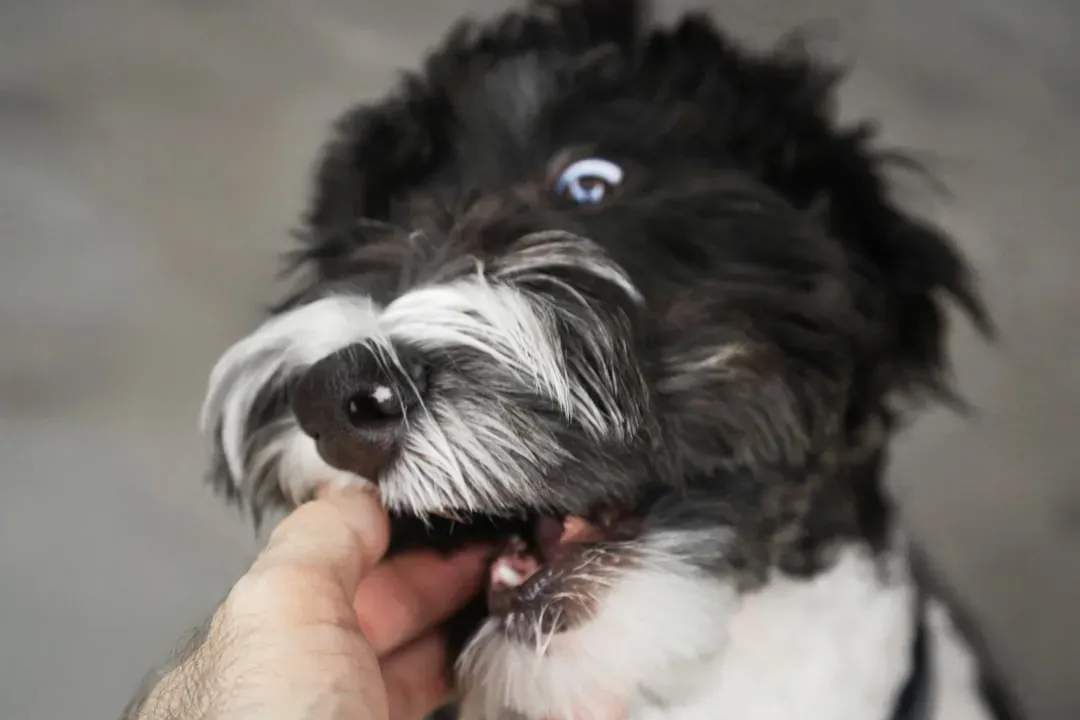
People joke about “dog breath” like it’s an adorable personality trait. Vets look inside those mouths and see something that would horrify most owners if it were a human patient. Chronic bad breath is not just gross – it’s usually a sign of dental disease, infected gums, or rotting teeth causing real, constant pain.
Bacteria from an infected mouth can enter the bloodstream and put stress on the heart, liver, and kidneys. Owners often wait until their pet stops eating entirely, or yelps mid-chew, before saying a word. By then, multiple extractions and aggressive treatment are usually unavoidable. Watch for pawing at the mouth, dropping food, or chewing only on one side – and say something the moment breath changes, not years after it’s already bad.
#6 – “They’ve Been Coughing or Breathing Weird”

A reverse-sneeze video for social media clout? Cute. A “funny” cough that never actually goes away? Not cute at all. Owners routinely mention a random cough months after it started, like it’s a fun fact instead of a symptom.
Coughing, wheezing, or any change in breathing pattern can signal heart disease, a collapsing trachea, chronic bronchitis, asthma – yes, cats get it too – or even lung tumors. That “goose honk” cough in small dogs is a textbook collapsing trachea sound. That raspy “smoker’s cough” in an older dog is often heart failure quietly knocking. Track when it happens – at night, after exercise, when excited – and whether there’s gagging, foam, or blue-tinted gums. By the time breathing trouble looks obvious to you, it’s already an emergency; early reporting can add years, not weeks.
Quick Compare
- Goose-honk cough: often signals a collapsing trachea, especially common in small breeds
- Raspy, wet cough: can point to early heart failure in older dogs
- Cough after exercise or excitement: worth flagging even if it seems brief and mild
- Cough with blue-tinted gums: treat as an emergency, not a wait-and-see situation
#7 – “They’ve Gained or Lost Weight Without Trying”

People love to say, “we just figured he was getting a little chunky,” as if weight only ever comes down to snacks. Unexplained weight change is often one of the very first visible signs of endocrine disease, organ failure, cancer, or chronic inflammation – long before anything else shows up.
Vets regularly see pets that “suddenly got skinny” over months, and nobody called because the pet was still technically eating. Or cats that balloon in size while everyone laughs it off as “floofy,” ignoring the strain it’s putting on joints, heart, and insulin regulation. Weight loss with a normal or increased appetite is a massive red flag. Weight gain paired with lethargy can point to thyroid or Cushing’s issues. You don’t need a scale – just say, “I can suddenly feel his ribs” or “her harness doesn’t fit anymore.”
#8 – “They’re Acting ‘Off’ or Hiding More”

This is the one owners second-guess the most, and vets wish they wouldn’t. You know your pet’s baseline better than anyone. If your outgoing dog suddenly turns clingy, withdrawn, or snappy, or your social cat starts disappearing under the bed, that’s not an attitude problem – it’s a medical symptom wearing a disguise.
Behavioral shifts are often how animals show pain, nausea, hormonal imbalance, cognitive decline, or a low-grade infection nobody’s found yet. Too many people chalk it up to “a phase” until something dramatic happens – a seizure, a collapse, a bite that comes out of nowhere. Watch for snapping when touched in a new spot, sudden fearfulness or pacing, or a cat that refuses to greet you anymore. Stress and environment can play a role, sure, but your vet would much rather rule out pain first than discover, too late, that “moody” was actually “miserable.”
#9 – “There’s a New Lump, Bump, or Weird Skin Thing”

Most owners wait far too long to mention a new lump because they’re terrified of what it might be. Ironically, that fear-driven delay is exactly what makes worst-case scenarios more likely. Any new lump, bump, or fast-growing mass deserves a mention the moment you find it – especially if it changes size, bleeds, or feels tethered to deeper tissue.
Vets don’t roll their eyes at “just a little bump.” They would far rather aspirate a harmless fatty lipoma than meet a baseball-sized tumor that could have been caught months earlier. Note when you first noticed it and whether it’s grown, firmed up, or changed color. Even a benign lump can eventually interfere with walking, sleeping, or wearing a harness – and early testing is usually quick and simple. Waiting to “see if it goes away” is rarely a strategy that pays off.
Fast Facts
- Note the date you first found the lump and how quickly it seems to be changing
- Fast-growing, firm, or tethered lumps get priority attention over soft, slow-growing ones
- A simple needle aspiration can often identify a lump in minutes, right in the exam room
- Even a benign lump can eventually interfere with movement, sleep, or wearing a harness
#10 – “They Had Diarrhea or Vomiting… and It’s Not Just Once”

Everyone wants to believe that one pile of vomit was just something the dog ate off the sidewalk. Sometimes that’s true. It’s the repetition where owners quietly under-report, and vets end up paying for it in diagnostic guesswork later.
Repeated vomiting, off-and-on diarrhea, or “sensitive stomach days” are not just personality quirks – they can point to pancreatitis, a GI foreign body, chronic inflammatory disease, parasites, kidney or liver trouble, or even endocrine disease. Plenty of pets have been vomiting once a week for months before anyone mentions it, by which point they’re already dehydrated or losing weight. Speak up sooner if there’s blood, coffee-ground material, black stool, or vomiting paired with lethargy and no appetite. Early GI conversations are how you avoid a weekend ER bill that wrecks your savings.
#11 – “They’ve Started Having Accidents in the House”

An older dog suddenly peeing indoors isn’t “being bad.” A puppy who was doing fine and suddenly regresses isn’t necessarily just stubborn. House-soiling changes are one of the most under-reported early warnings in veterinary medicine, mostly because owners are embarrassed.
Accidents can signal urinary tract infections, bladder stones, incontinence, kidney disease, diabetes, Cushing’s disease, cognitive decline, or even arthritis – it genuinely hurts to squat and hold a posture. Too many owners quietly manage the mess at home and say nothing until it becomes unbearable. Mention when it started, whether it’s leaking during sleep versus squatting but not making it outside, and any straining, blood, or vocalizing while peeing. Punishing a dog for a pain-driven accident is heartbreaking – and completely avoidable if you’d just said something sooner.
#12 – “They Missed a Dose, a Flea Treatment, or a Heartworm Pill”

This is the “little” thing owners hide, and vets genuinely wish they wouldn’t. People routinely say “we’re up to date,” then later admit, almost sheepishly, that heartworm meds were missed for three months or the flea dose was wrong for the pet’s weight.
Gaps in prevention carry real risk: heartworm infection, flea infestations, tick-borne disease, and resistant parasites that are far harder to treat once established. Your vet isn’t there to judge you – they need the truth to choose the right tests and treatments. Saying “I think we’re good” when you’re really not leads to misdiagnosis, wasted money, and sometimes permanent damage. Always mention missed or late heartworm prevention, skipped flea/tick doses, off-brand products bought online, or accidentally giving dog medication to a cat. Honesty here doesn’t embarrass your vet – it protects your pet.
At a Glance
- Heartworm prevention missed for even one month can leave a real window for infection
- Flea and tick products dosed for the wrong weight may not fully protect your pet
- Off-brand or online-only parasite products can vary widely in actual effectiveness
- Giving dog-labeled medication to a cat can be dangerous, even in small amounts
#13 – “Something Just Feels Wrong… Even If I Can’t Explain It”
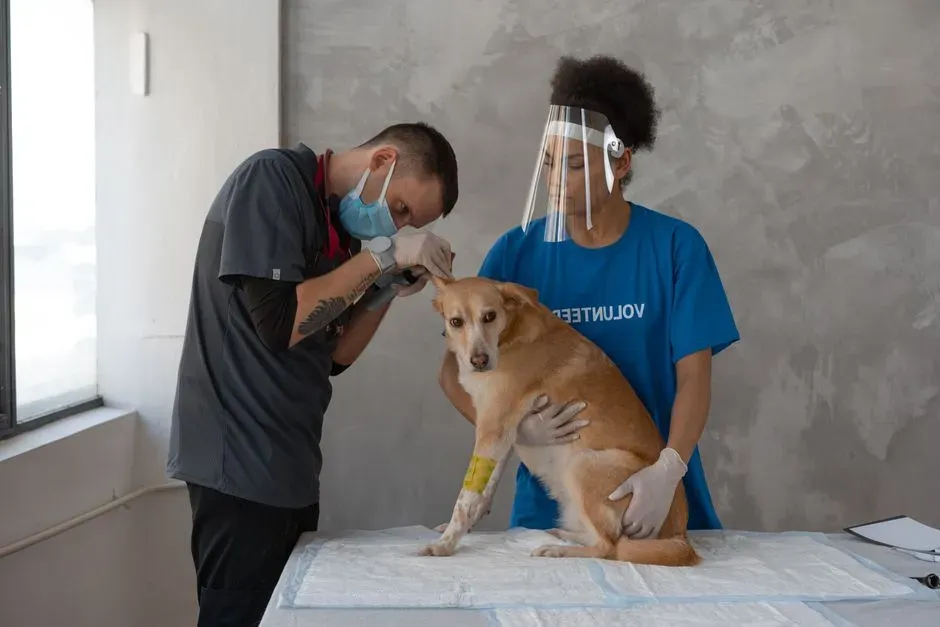
This is the comment vets secretly respect the most, and the one owners say the least. You live with your pet every single day. If your gut is quietly telling you “they’re not themselves,” that instinct is often more accurate than anything you’d find searching symptoms online at midnight.
Maybe it’s how they look at you, how they get up off the floor, how they sleep, or some tiny shift in routine you can’t quite put into words. Some of the most serious diagnoses a vet ever makes start with a sheepish owner saying, “I don’t know, something’s just off” – and they’re usually right. Vets would rather hear “I feel silly, but…” or “I can’t explain it, can we just check?” than learn six months later that you waited because there wasn’t a “clear” symptom to report. Your intuition paired with their training is a genuinely powerful combination. Ignoring that quiet alarm is one of the costliest mistakes an owner can make.
The dog was made for man, not man for the dog; and the greatest happiness of the dog is to sacrifice itself for the master.
Arthur Schopenhauer
The Bottom Line
Veterinarians aren’t frustrated that owners don’t know every disease by name. They’re frustrated by the waiting. The pattern is brutally consistent: small changes get dismissed as quirks, “old age,” or “just allergies,” until they snowball into pain, organ damage, and a thousand-dollar emergency visit that could have been a fifty-dollar office exam months earlier.
Here’s the uncomfortable truth: by the time a problem looks obviously serious to you, it’s usually been quietly building for weeks, sometimes months. The most useful thing you can do for your pet isn’t another toy or a fancier bag of food – it’s opening your mouth early, about the weird thirst, the new lump, the subtle limp, the accident on the rug, the mood that just feels wrong.
Call it overreacting if you want. I’d call it the difference between more years and more good years. If your vet has ever begged you to mention something sooner, you already know exactly what I’m talking about.


