
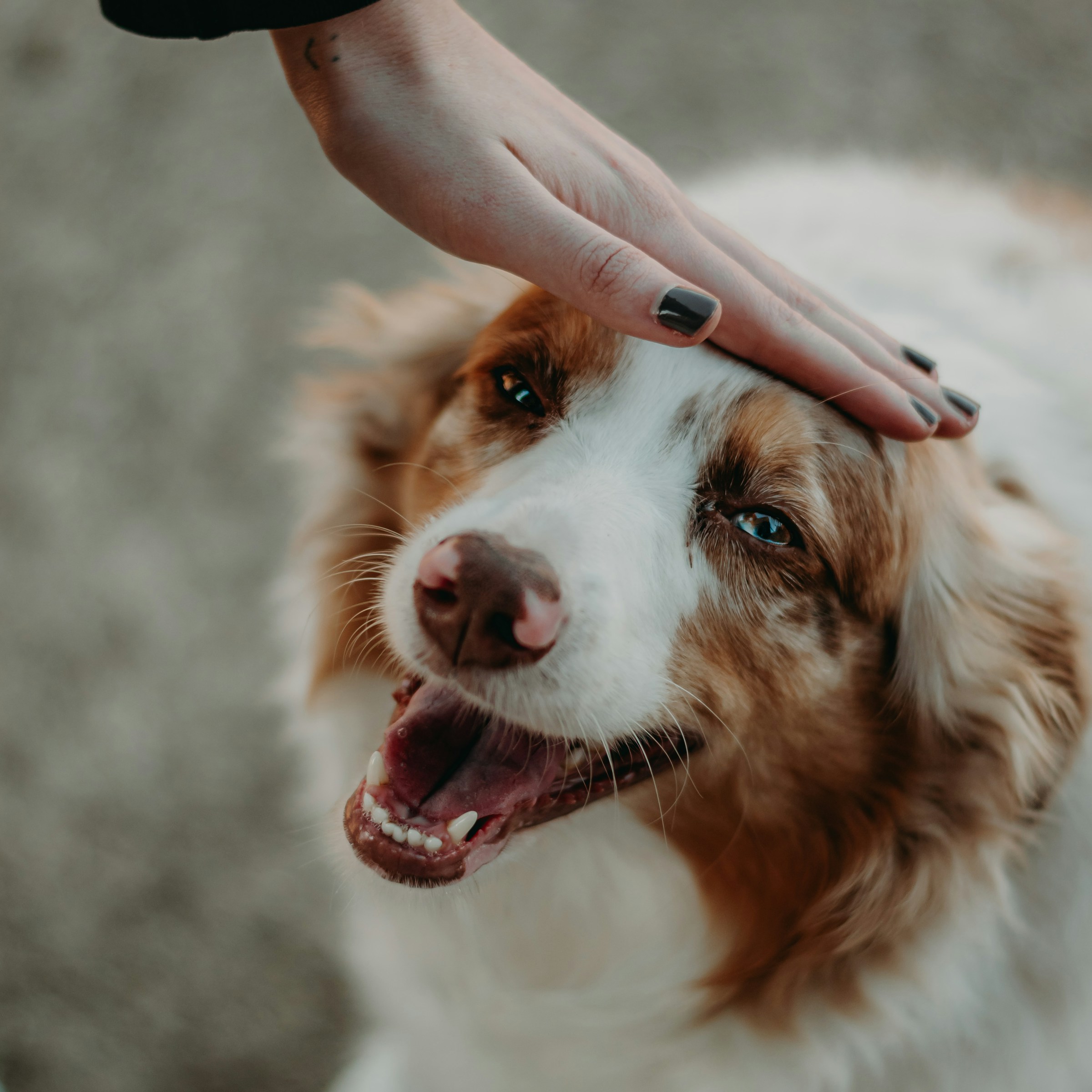
You walk through the door and your dog loses it – spinning, whining, maybe even leaking a little pee from sheer excitement. You laugh it off as “classic dog.” A veterinarian watching that exact same scene isn’t seeing love. They’re running a checklist.
Every inch of tail height, every twitch of an ear, every extra second of hesitation before your dog reaches you is quietly being read by anyone trained to notice it. Some of it really is joy. Some of it is a body trying to tell you something is wrong, weeks before bloodwork would ever catch it. Here are the 13 things vets clock in the first ten seconds of a homecoming – and once you know them, you won’t watch your dog run to the door the same way again.
#13 – The Speed of the Approach
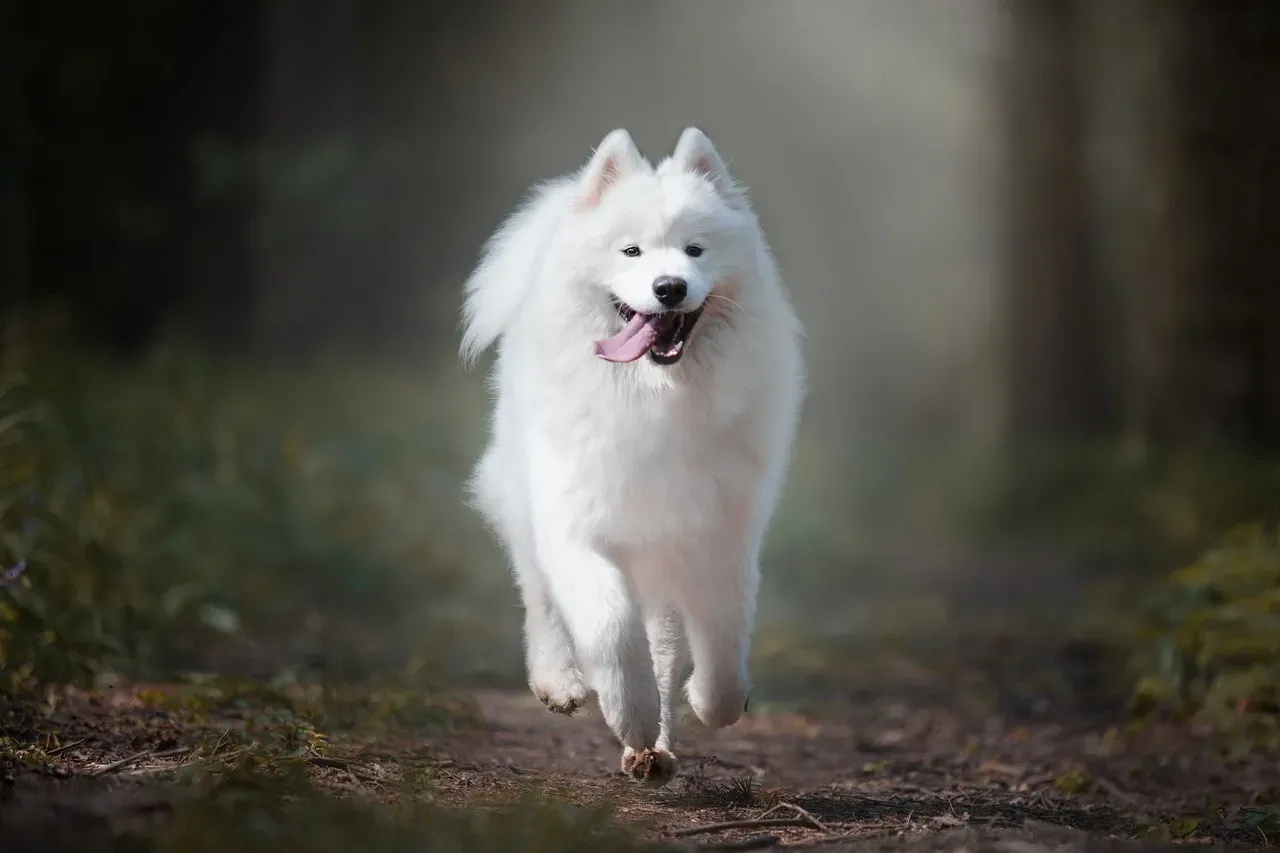
Vets don’t just see a happy run; they see a mobility test happening in real time. A dog that sprints to the door one month and slowly shuffles the next is waving a red flag. A suddenly slower greeting can mean joint pain, early arthritis, or even heart or lung trouble making breathing harder than it should be.
Most owners miss this because the dog still looks happy, just less dramatic about it. Vets care less about raw speed and more about the change in speed. A previously high-energy greeter who starts hesitating, lagging, or choosing the couch over the doorway is telling on itself. A change in speed is more important than the speed itself. That’s why vets often ask a simple question: “Does he still rush to greet you like he used to?”
That’s just the warm-up. What vets watch for next involves a body part most owners barely glance at.
#12 – Where the Tail Points (Not Just If It Wags)
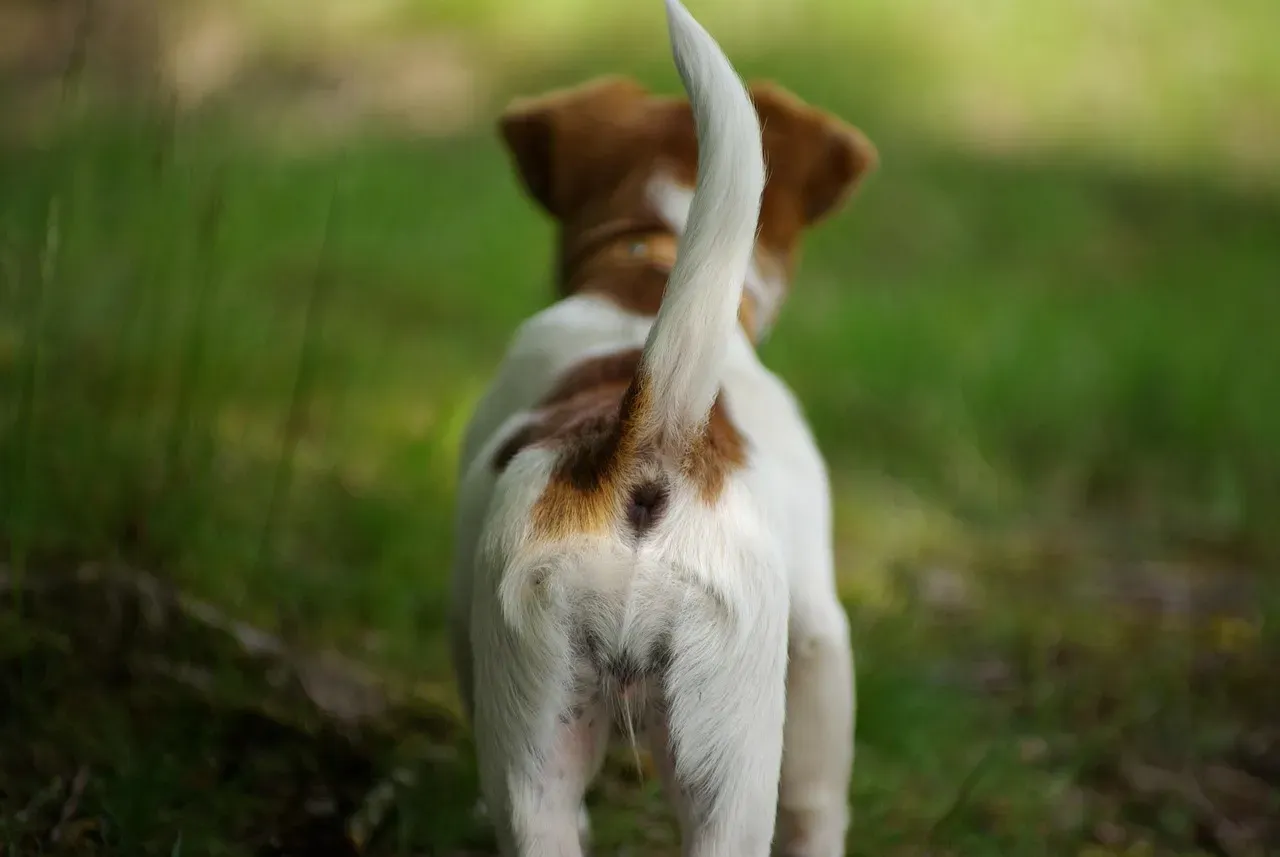
Everyone obsesses over wagging. Vets obsess over direction and height. A tail held high and stiff with a fast, tight wag can mean tension or over-arousal, not friendliness. A low, tucked tail with tiny flickers signals fear or uncertainty, while a relaxed, neutral tail sweeping loosely side to side is usually the real happy zone.
They also watch for asymmetry. A tail that always tilts, or only wags strongly to one side, can point to pain, nerve issues, or an old injury around the hips or spine. Sudden changes in tail height – going from high and loose to low and frozen – can be an early stress warning. Most people only clock “tail up or down.” Vets see a whole spectrum of emotional and physical data.
Quick Compare
- High + stiff, fast wag: tension or over-arousal, not friendliness
- Low + tucked, tiny flicks: fear or uncertainty
- Neutral height, loose sweep: the true relaxed-happy zone
- Asymmetrical or one-sided wag: possible pain or old injury
Tails get all the attention. Ears tell an even bigger story.
#11 – The Ears and Forehead “Question Mark”
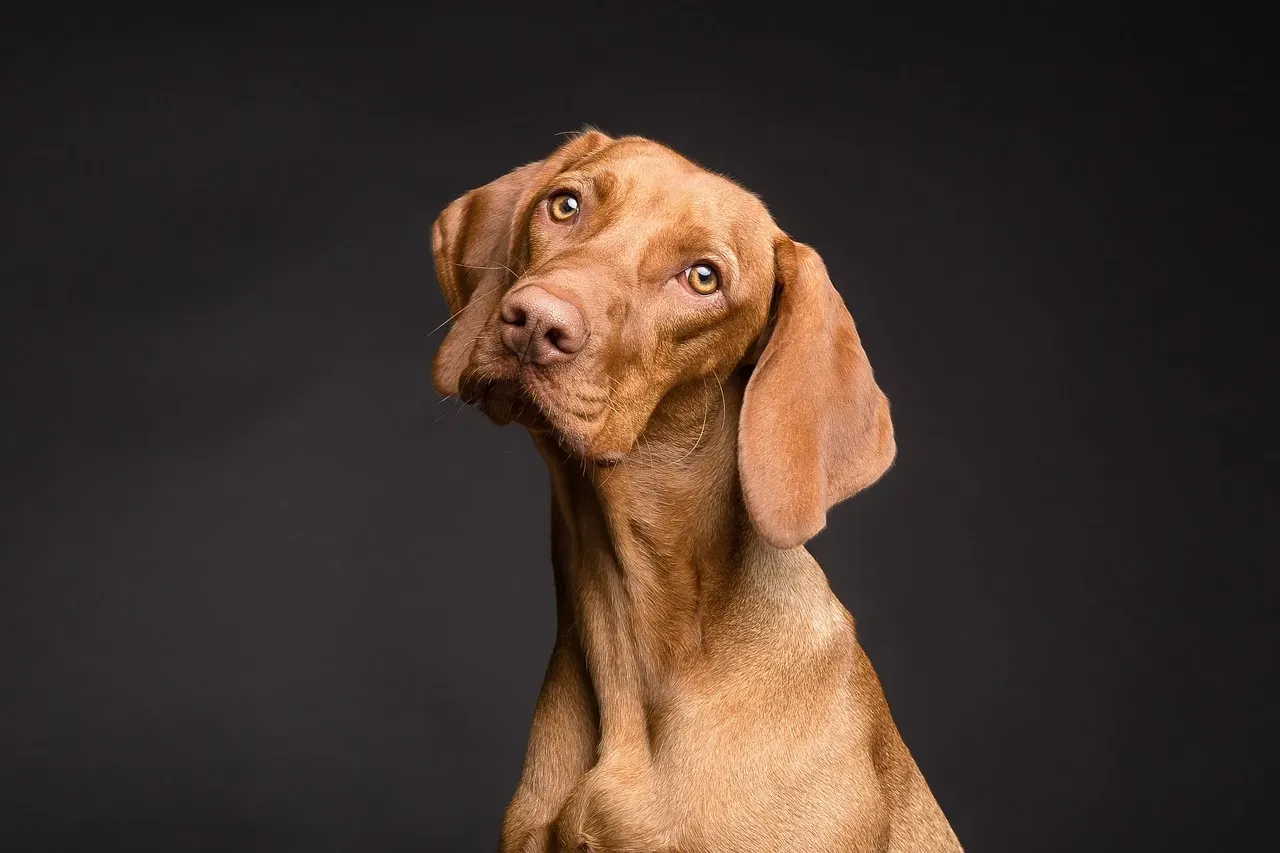
Veterinarians watch the ears before they watch the feet. Ears pinned tightly back combined with a wrinkled forehead say, “I’m conflicted or worried,” even if the tail is going a hundred miles an hour. Ears up and forward with a relaxed face usually signal genuine curiosity and confident excitement.
A dog can be wagging and still be stressed – the ears often give it away. Vets also notice subtle asymmetry: one ear slightly lifted, the other pinned tight, paired with wide eyes and a stiff body. That half-happy, half-worried look can mean the dog is anxious about something in the environment, or about your mood. It can also be a quiet sign of hearing loss if the dog no longer orients its ears toward you at all.
Ears are only half of it. The nose reveals something owners almost never think to check.
#10 – How Much the Dog Uses Its Nose on You
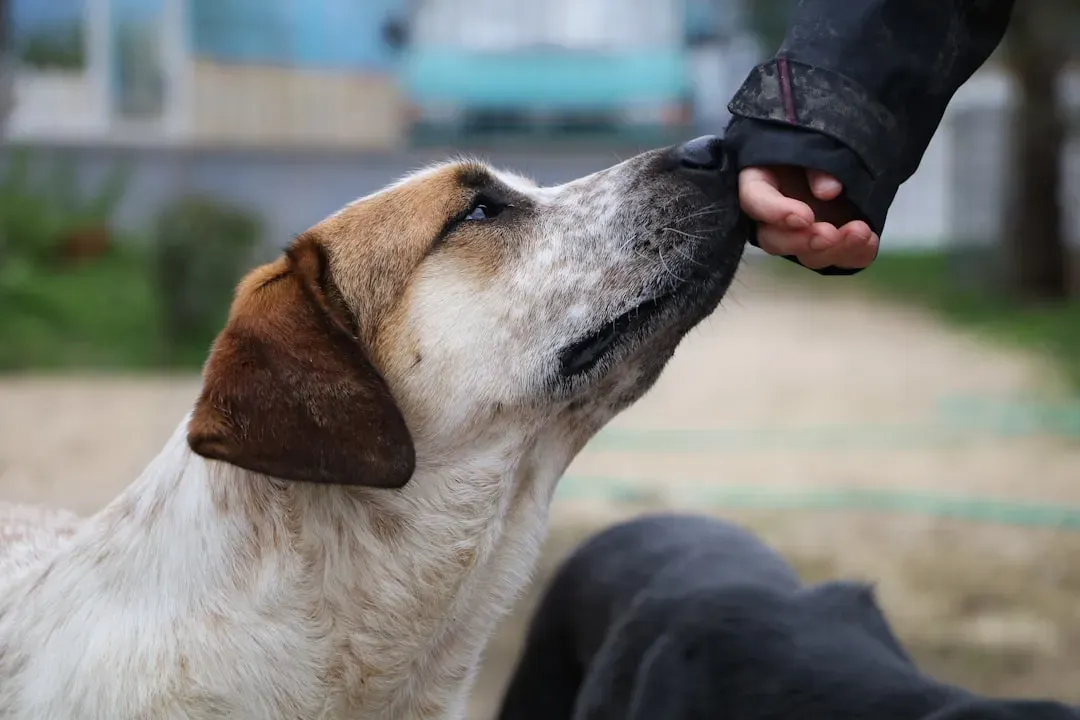
Most people think sniffing is just nosiness. To a vet, intense sniffing during a greeting is a mental health check. A dog that gently investigates your hands, shoes, and clothes is running a quick scan – where have you been, who did you touch – and that’s a sign of engagement and normal canine curiosity.
Vets get far more interested when sniffing disappears entirely or turns obsessive. A dog that suddenly skips the sniff altogether may be tired, low, or in some cases dealing with early cognitive decline or a nasal or respiratory issue. Frantic, nonstop sniffing paired with pacing and whining, on the other hand, can point to high anxiety, especially in scent-driven breeds. Losing interest in smell is a bigger red flag than most owners realize.
Sniffing is subtle. What comes next is impossible to miss.
#9 – Jumping Up vs. Grounded Greetings
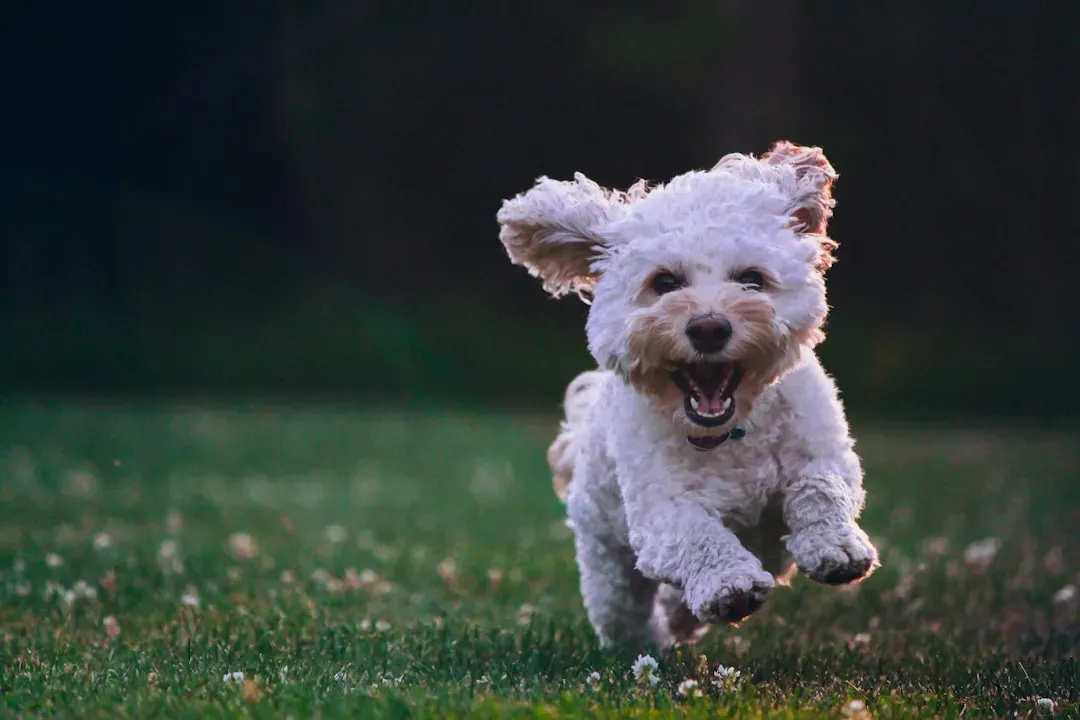
To owners, jumping up is bad manners. To vets, it’s information. Young, physically comfortable dogs often leap toward faces because that’s simply how dogs greet each other – nose to nose. But when a dog who has jumped its whole life suddenly stops, vets don’t just praise the “good behavior.” They start checking for joint pain, back issues, or muscle weakness.
A dog that quit jumping may not have suddenly become polite. It may hurt. On the flip side, a dog that slams its whole body into people, claws up legs, and can’t stay grounded even with training is often living in near-constant over-arousal. Many behavior-focused vets now see this less as “cute enthusiasm” and more as a sign of poor emotional regulation, often fueled by chronic boredom or anxiety.
Jumping is obvious. The eyes are where the real truth hides.
#8 – The Eyes: Soft Squint or Hard Stare
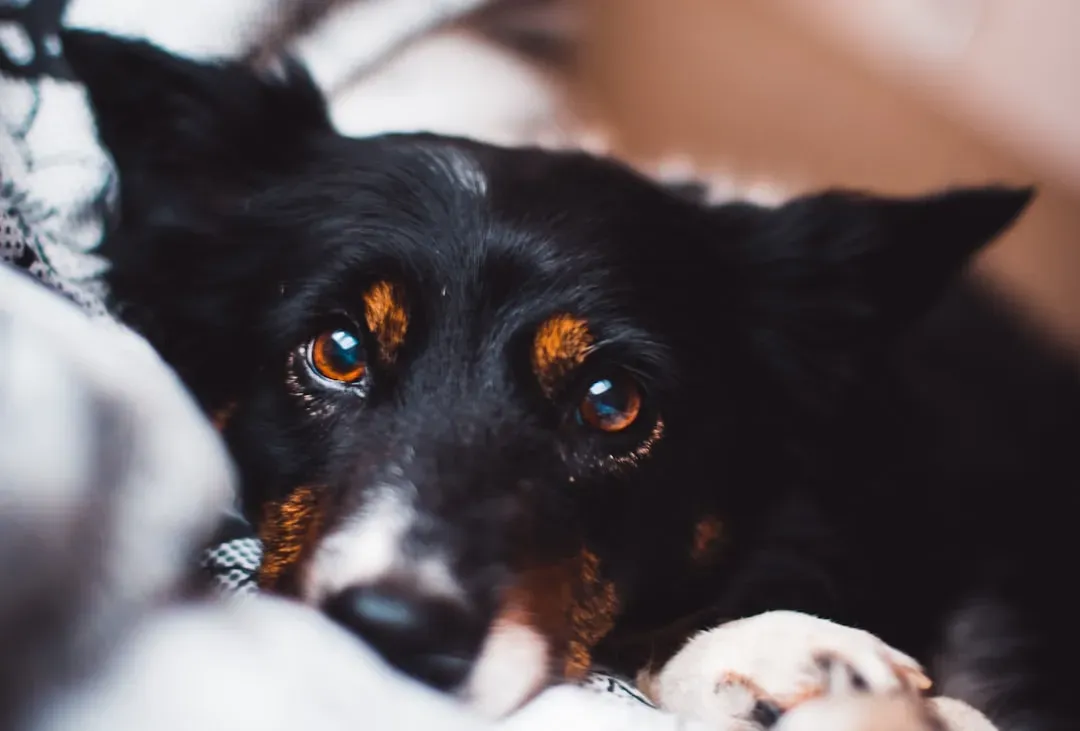
Veterinarians give a lot of weight to eye shape. Soft, slightly squinty eyes with easy blinks usually mean the dog is genuinely relaxed and happy to see you. “Whale eye” – where the white of the eye shows at the edges – paired with a stare and a frozen body is a stress signal, even if the tail is still wagging.
Most people miss stress because they only watch the tail, not the eyes. A dog that avoids eye contact entirely during greetings might just be shy or polite in dog language, and context matters here. Has the dog always done this, or is it new? A sudden shift from bright eye contact to avoidance can mean illness, cognitive change, or fear of being scolded the moment the owner walks in.
Eyes are quiet. What a dog says out loud is a whole different signal.
#7 – Vocalization: Silence, Whining, or “Storytime”
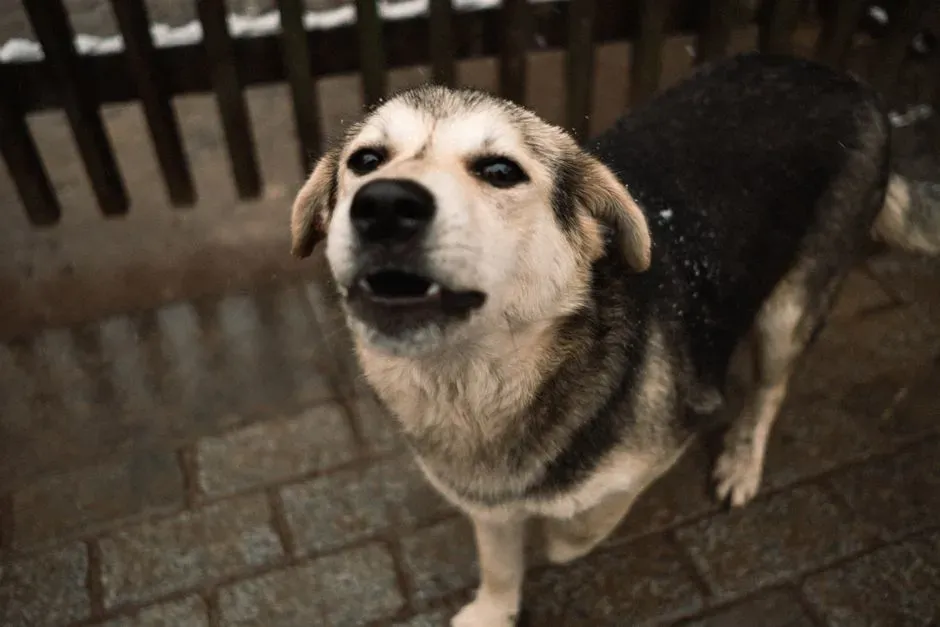
Owners often chalk up barking and whining to personality. Vets listen to how the dog is vocalizing. A brief excited bark or playful “woo-woo” paired with a loose body is typically just joy. Persistent high-pitched whining and pacing that doesn’t settle even after you’re inside is a separation anxiety red flag, not cute excitement.
Vet behaviorists also notice dogs who greet in total silence, especially if they used to be chatty. A suddenly quiet, withdrawn greeter who hangs back may be dealing with pain, labored breathing, or emotional shutdown. On the other extreme, dogs that scream, howl, or bark nonstop on every single arrival often have a nervous system stuck in high gear. Some experts argue that’s less “love” and more chronic distress.
At a Glance
- Short excited bark + loose body: normal joy
- Nonstop high-pitched whining: possible separation anxiety
- Sudden silence from a once-chatty dog: possible pain or shutdown
- Screaming or howling on every arrival: nervous system stuck in high gear
Sound is one clue. What’s in your dog’s mouth is another.
#6 – Whether the Dog Brings You a Toy (and What It Means)
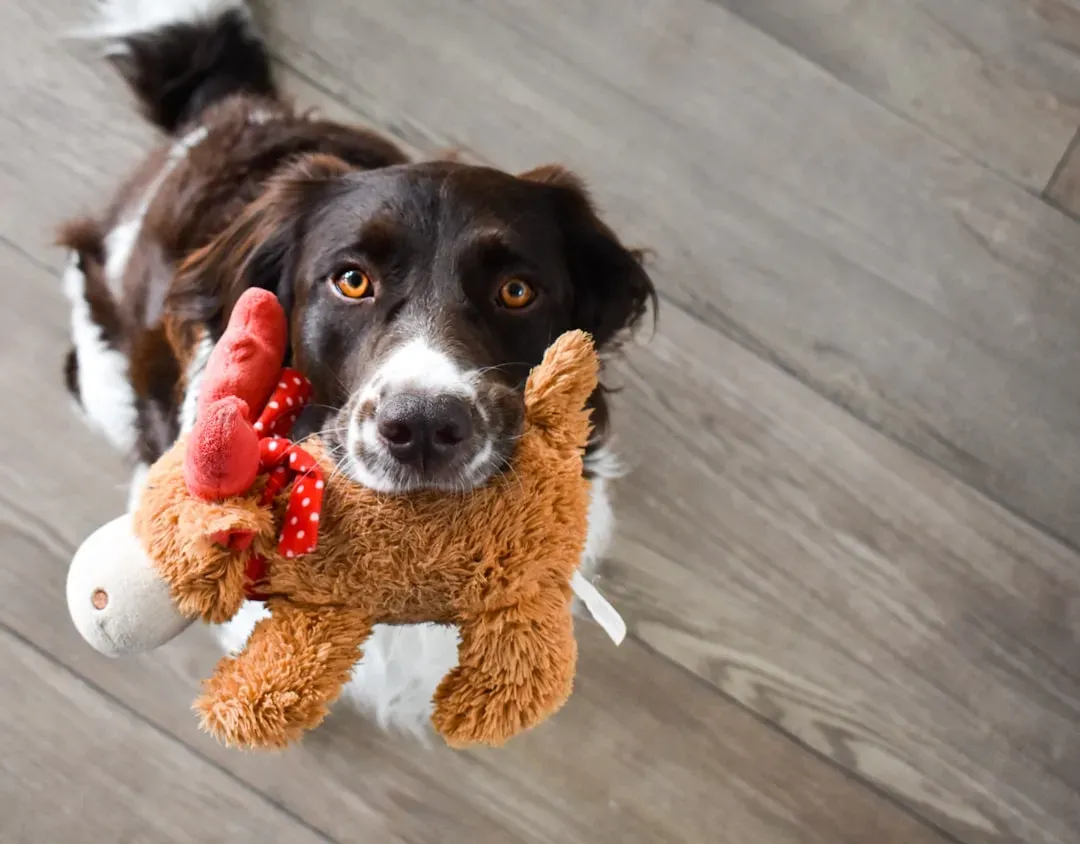
Many owners assume a dog bringing a toy is always an invitation to play. Vets know it’s more nuanced. A dog that calmly trots up with a toy, tail loose and body relaxed, is usually offering a social bridge – a way of saying, “let’s interact safely.” It’s common in confident, well-adjusted dogs. It can be a sign of emotional security and a positive association with your return.
Vets get curious when a dog seems physically incapable of greeting without grabbing something – a toy, a shoe, a sock, your sleeve. That “must-have-object” pattern can be a displacement behavior, a way of managing overwhelming excitement or anxiety by self-soothing through chewing or clutching. If greeting toys tip into resource guarding or frantic tugging, behavior-savvy vets read it as a coping mechanism gone sideways, not a quirky habit.
Toys are a soft tell. Body posture is the loud one.
#5 – The Whole-Body Wiggle vs. Stiff Statue
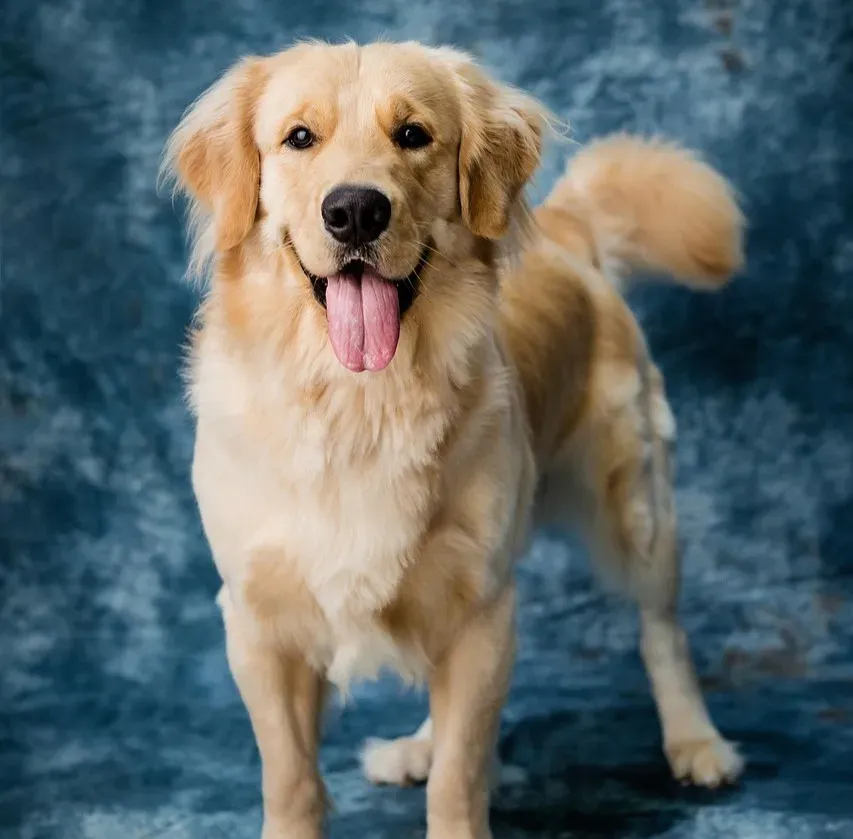
Veterinarians love the classic “wet noodle” greeting: the spine curves, hips sway, tail wags in big arcs, and the dog might even fold into a C-shape. That whole-body wiggle is one of the clearest signs of relaxed, genuine joy. It tells a vet the muscles are loose and the nervous system isn’t on high alert.
They worry far more about dogs who greet like statues – tail wagging only at the tip while the rest of the body stays stiff and forward. That combination of stiffness and intense focus can hint at fear, defensiveness, or over-arousal that tips into snapping under pressure. Plenty of bites “out of nowhere” actually started with exactly this kind of tense greeting that nobody recognized in the moment. While social media loves calling a stiff dog “protective,” many vets quietly read stiffness at the door as an early warning, not a badge of loyalty.
Why It Stands Out
- Loose spine and swaying hips signal a genuinely relaxed nervous system
- Tail wagging only at the tip (not the whole body) can mean tension
- Forward-leaning stiffness with intense focus often precedes defensive snapping
- A true “wet noodle” greeting is one of the most reliable comfort signals a dog gives
The wiggle is the good news. What happens after it stops matters just as much.
#4 – How Quickly the Dog Can Settle After Greeting
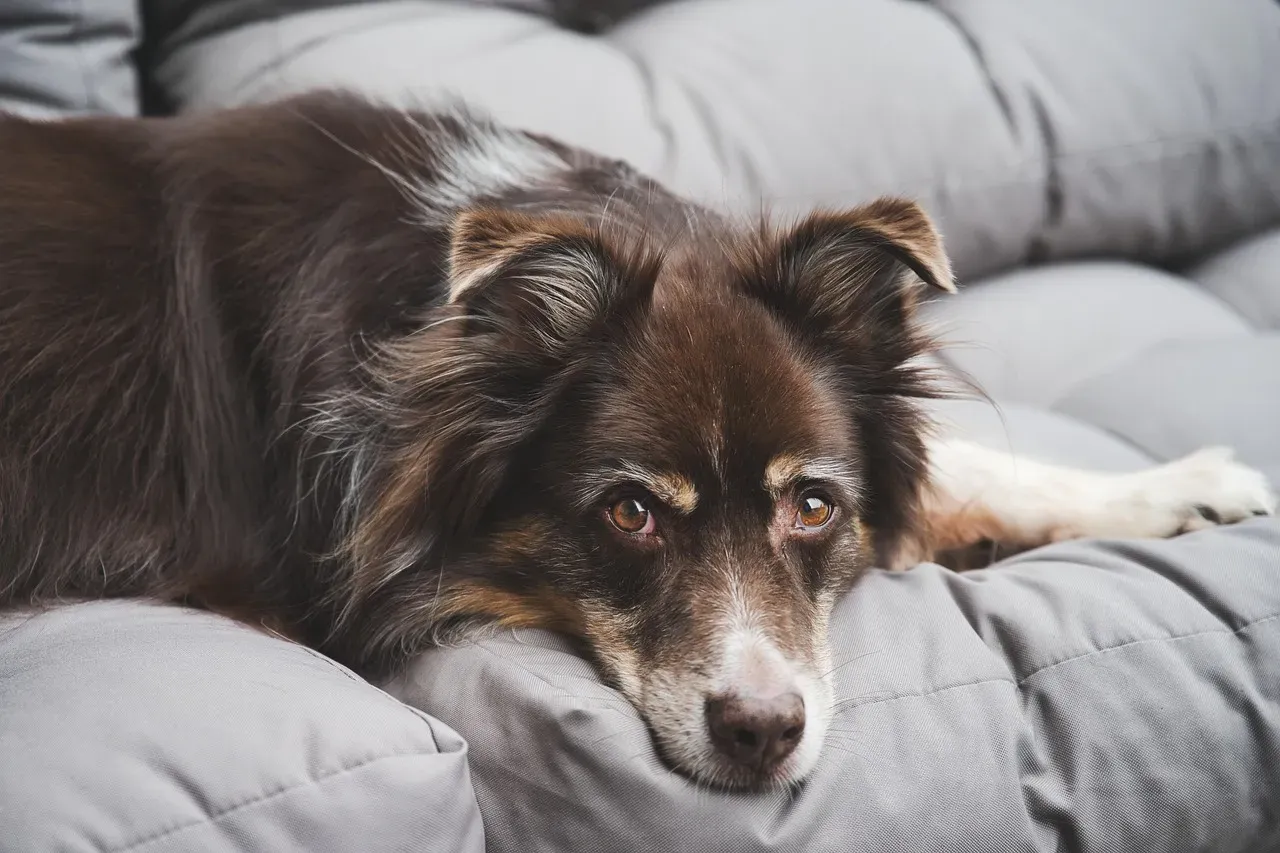
The greeting itself matters, but vets pay just as much attention to the cooldown. A dog that rushes up, wiggles, gets a quick hello, then settles onto its bed or grabs a toy and relaxes is showing a healthy, well-regulated nervous system. The ability to come down from excitement is a major sign of emotional stability.
When a dog simply can’t switch off – pacing, panting, shadowing the owner from room to room, unable to lie down – vets start thinking about anxiety disorders, poor boundaries, or even medical issues like hyperthyroidism or pain. Many owners mistake this for loyalty or “Velcro dog” charm, but behavior specialists often see something sadder underneath: a dog who never fully feels safe unless it’s physically glued to a person. That kind of chronic hyper-attachment tends to backfire as severe separation anxiety.
Settling down is one piece. Some dogs won’t even come to you first.
#3 – Whether the Dog Checks the Environment Before It Checks You
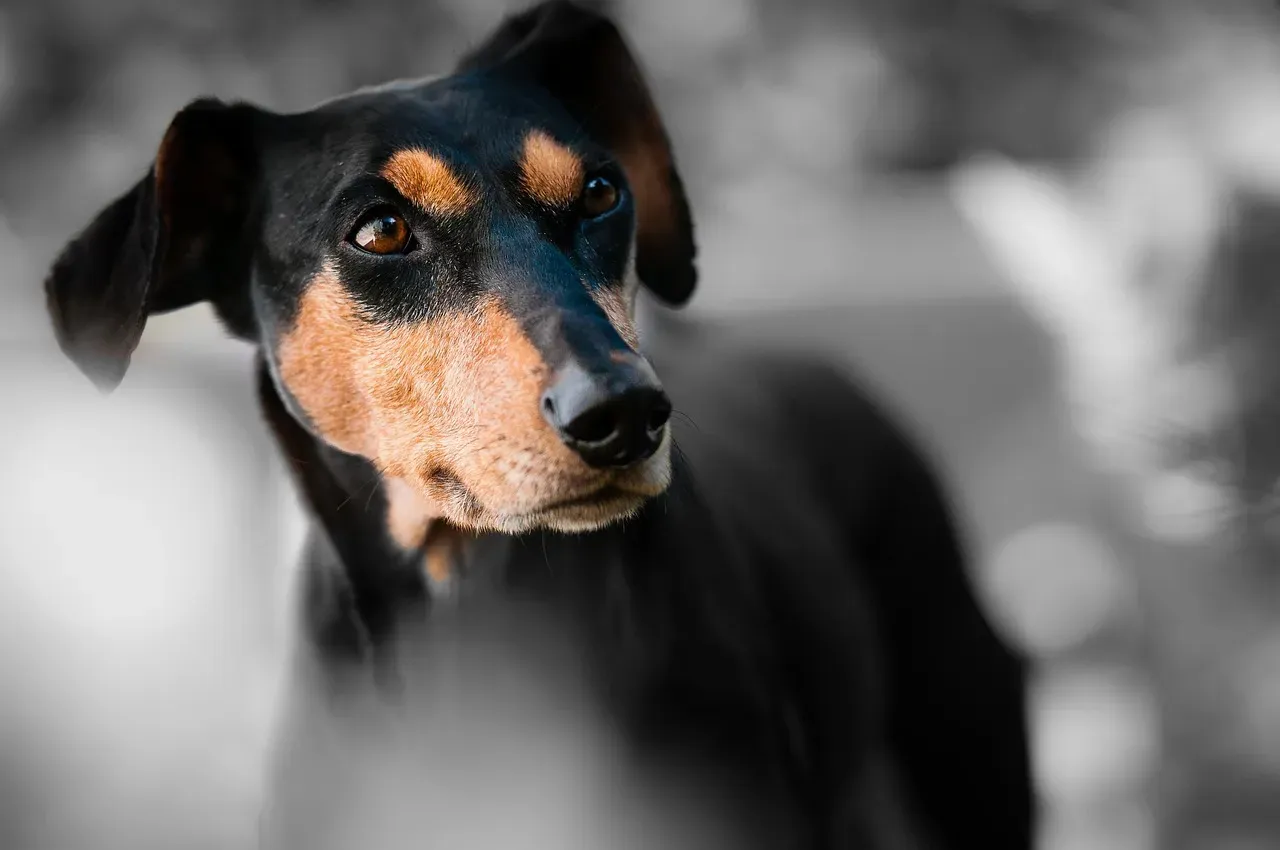
Most people think a dog rushing past them to scan windows and doors is just being rude. Some vets see something more complicated. A dog that ignores its owner entirely to patrol the house, bark at the yard, or race to specific rooms might be running perimeter checks in its own mind. Dogs who can’t relax until they’ve “secured the house” may be living in a constant state of mild vigilance.
On the flip side, a dog that approaches the owner first, checks in physically or visually, and only then casually explores the room is usually the more secure one. Vets also flag sudden changes – a dog that starts obsessively checking windows every time you walk in could be reacting to a new stressor: noise outside, tension between family members, a new pet, or a scary event that happened while home alone. It’s less about dominance and more about what the dog has decided its job is.
That’s about territory. Next is about absence – and it’s the one vets take most seriously.
#2 – Delayed or Absent Greeting
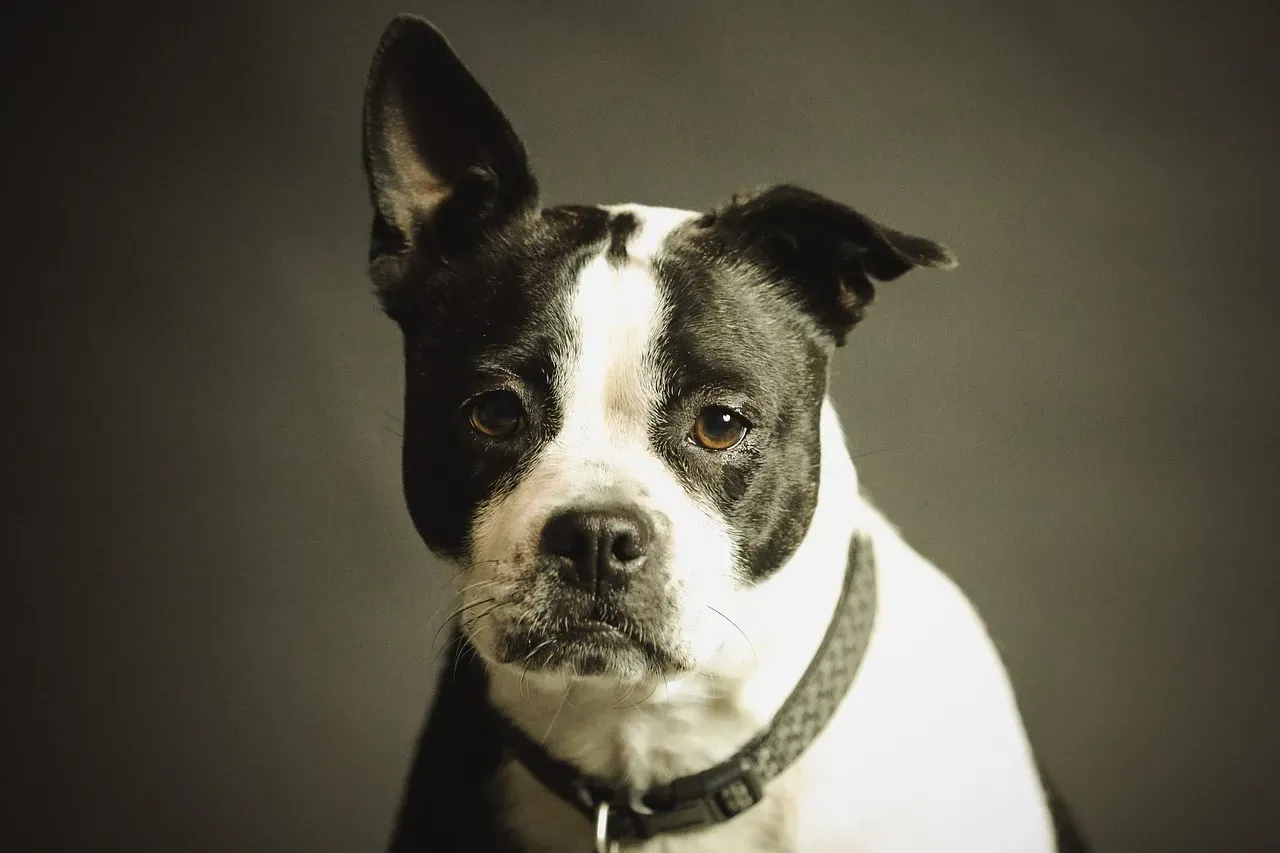
Owners often brush off a missing greeting as “he’s just tired,” but vets take it seriously, especially if it’s new. A dog that used to sprint to the door and now stays in bed, doesn’t lift its head, or only ambles in minutes later might be in pain, exhausted, or genuinely unwell. In many cases, a fading greeting is one of the earliest clues of chronic illness or age-related decline.
Behaviorally, a dog that hides, slinks away, or refuses to approach when the owner comes home might be afraid of punishment or living in an unpredictable environment. Vets will often ask bluntly: “Has he ever been scolded right when you walked in?” Because if homecomings are paired with yelling about accidents or chewed shoes, some dogs start dreading that key-in-the-door moment. That’s not guilt. That’s fear, and vets can tell the difference.
Everything above is a single moment. The last one is the pattern that ties it all together.
#1 – Micro-Changes Over Time (The Part Owners Almost Always Miss)
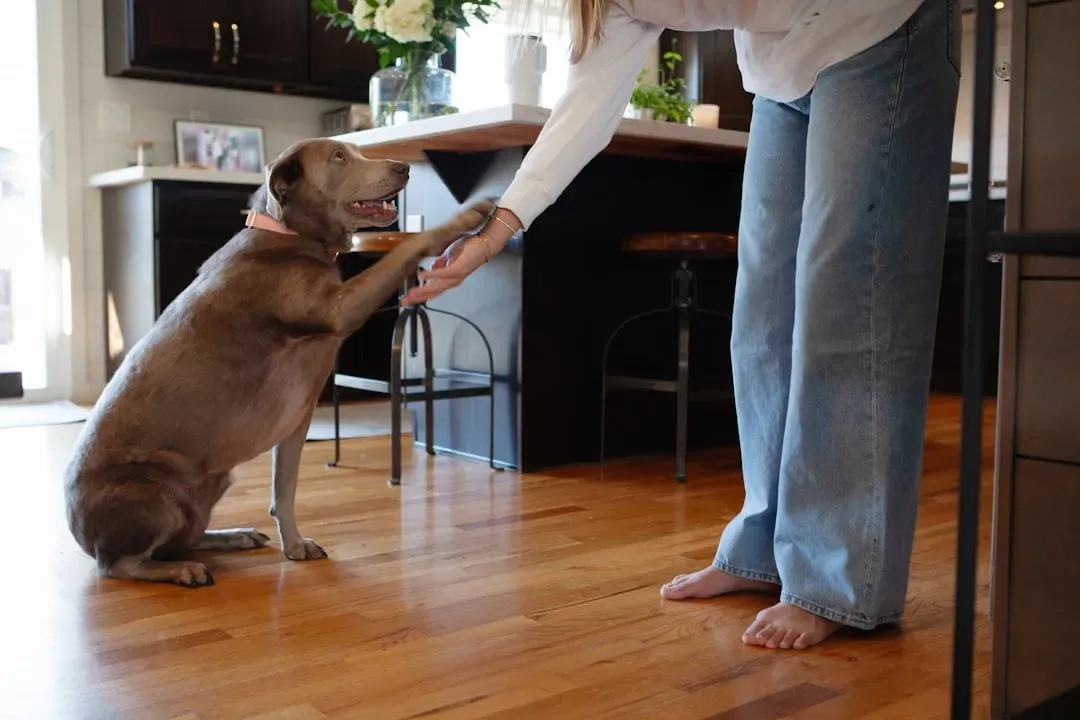
The single biggest thing vets notice isn’t one behavior – it’s the pattern. A greeting that slowly shifts over weeks or months tells a story: less bounce, more hesitation, a tail sitting a little lower, eyes a bit duller, the wiggle missing, the whole thing shorter than it used to be. These micro-changes often show up long before lab tests flag anything wrong.
Vets who know a dog well ask one deceptively simple question: “Does she greet you the same way she did last year?” Owners are often stunned to realize the answer is no. Some vets argue your dog’s hello is a better early-warning system than its annual checkup. Changes in greeting can hint at rising pain from arthritis or dental disease, growing anxiety or separation distress, or cognitive decline in senior dogs. While social media celebrates the over-the-top reunion video, plenty of vets quietly trust the small, everyday greeting as the truest health barometer a dog has.
Fast Facts
- Less bounce, a lower tail, and shorter greetings often build up gradually over weeks
- Duller eyes or a missing wiggle can appear before lab tests catch anything
- Arthritis, dental pain, anxiety, and cognitive decline can all quietly reshape a greeting
- Comparing this year’s hello to last year’s is one of the simplest health checks an owner can do
The Bottom Line
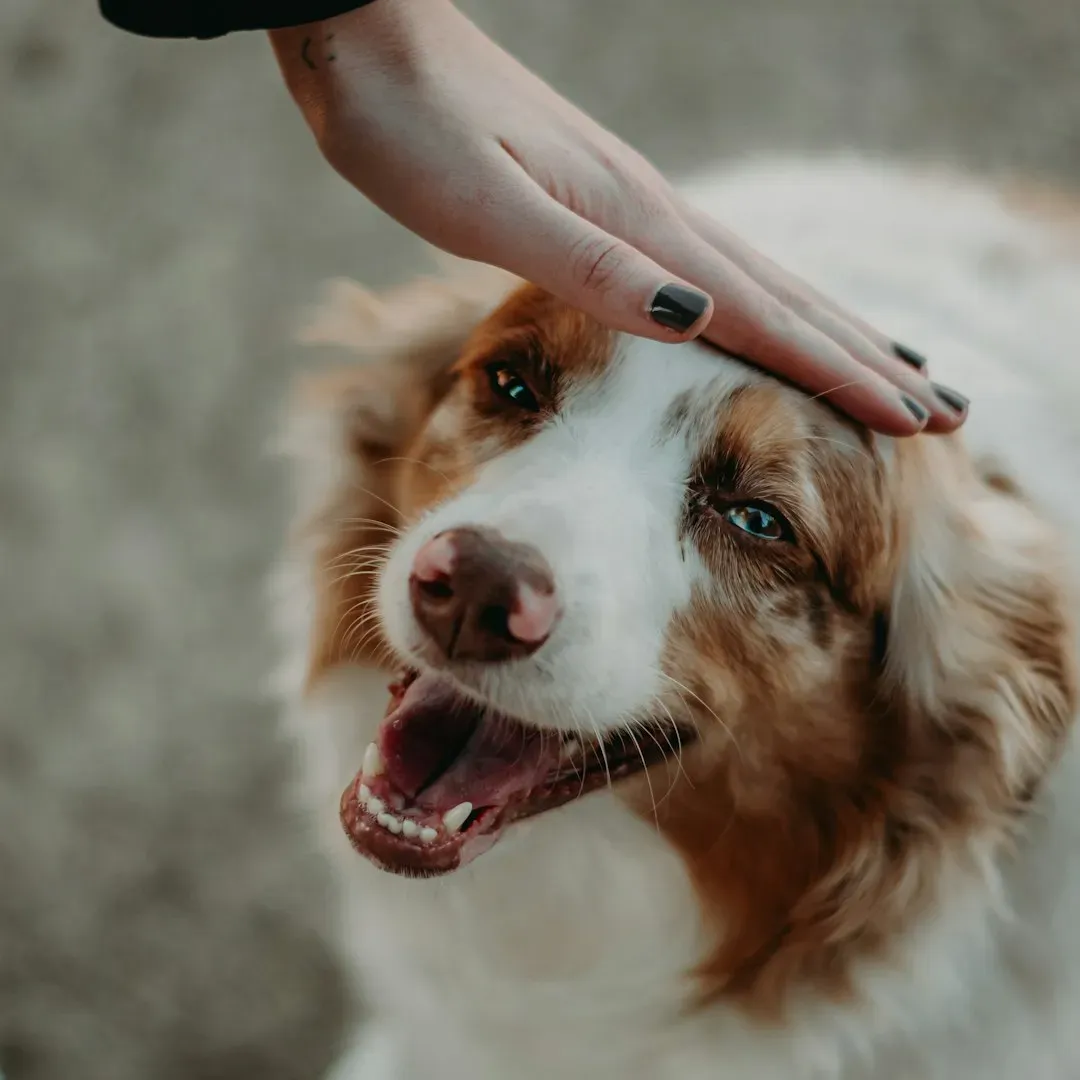
When vets watch a dog greet its owner, they’re not just seeing “aww, cute” – they’re reading posture, timing, tail height, eye shape, vocal tone, and what the dog does after it walks through the door. The most uncomfortable part of all this: tiny shifts in that daily hello often flag pain, stress, or illness long before owners notice anything else.
A dog that greets more slowly, less often, or more frantically isn’t being dramatic. It’s handing you data. Plenty of the “sweet quirks” we’ve normalized – relentless jumping, screaming at the door, clinging to your ankles, total indifference – aren’t love stories at all. They’re coping strategies wearing a happy costume. Pay attention to the hello. It’s telling you something your dog can’t say out loud.


