
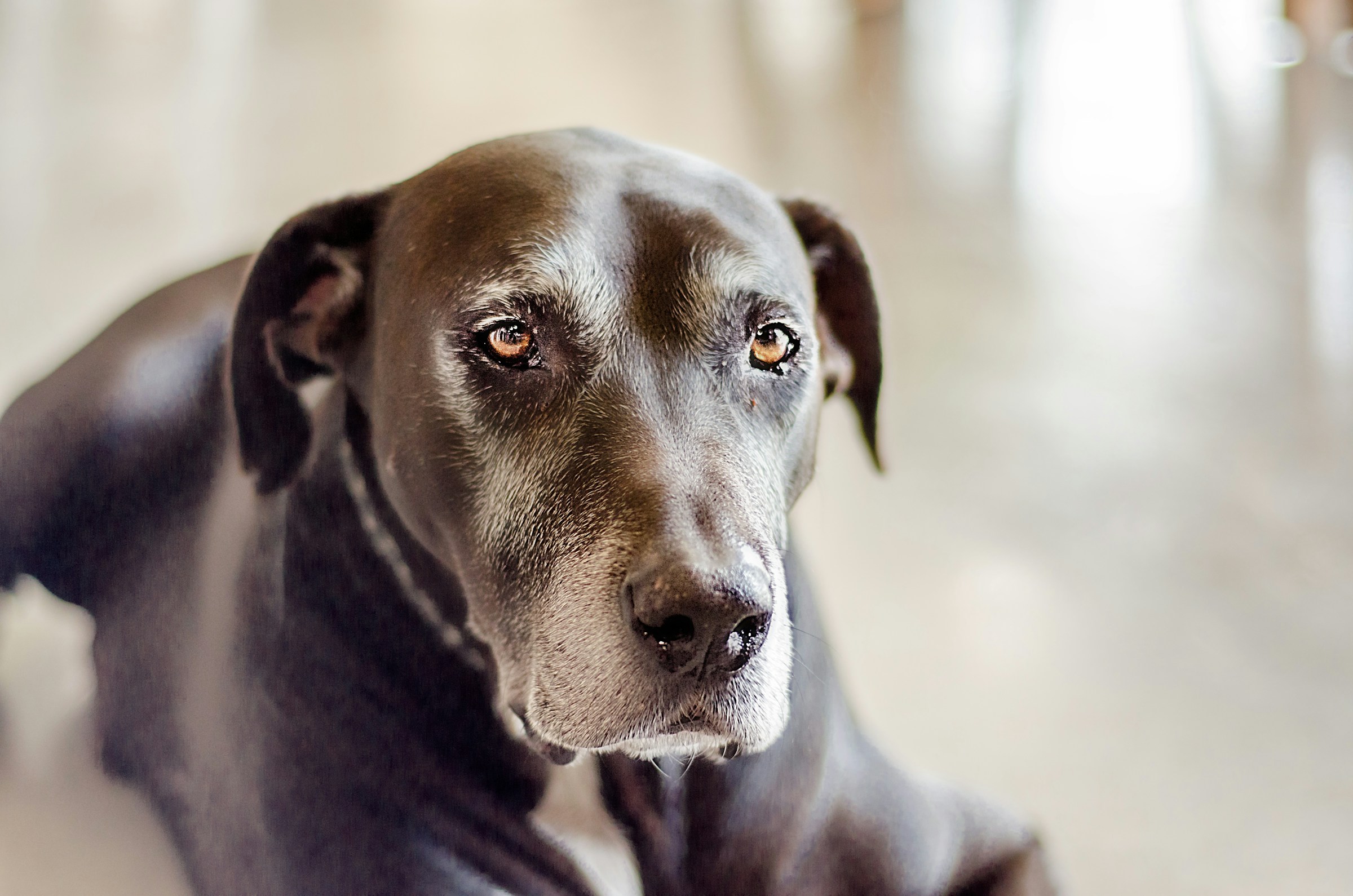
Most people think making an old dog’s final months easier comes down to more treats and a softer bed. Vets and hospice workers who sit with dying dogs every week will tell you something different – the changes that actually matter are tiny, specific, and almost invisible from the outside.
None of these 13 mercies will win you likes on Instagram. But they can quietly erase pain, cut down on 2 a.m. panic, and make an old dog’s last chapter feel less like a slow decline and more like a season worth living. Here’s what the people who watch dogs age up close actually do differently.
#1 – Elevate the Food and Water Bowls
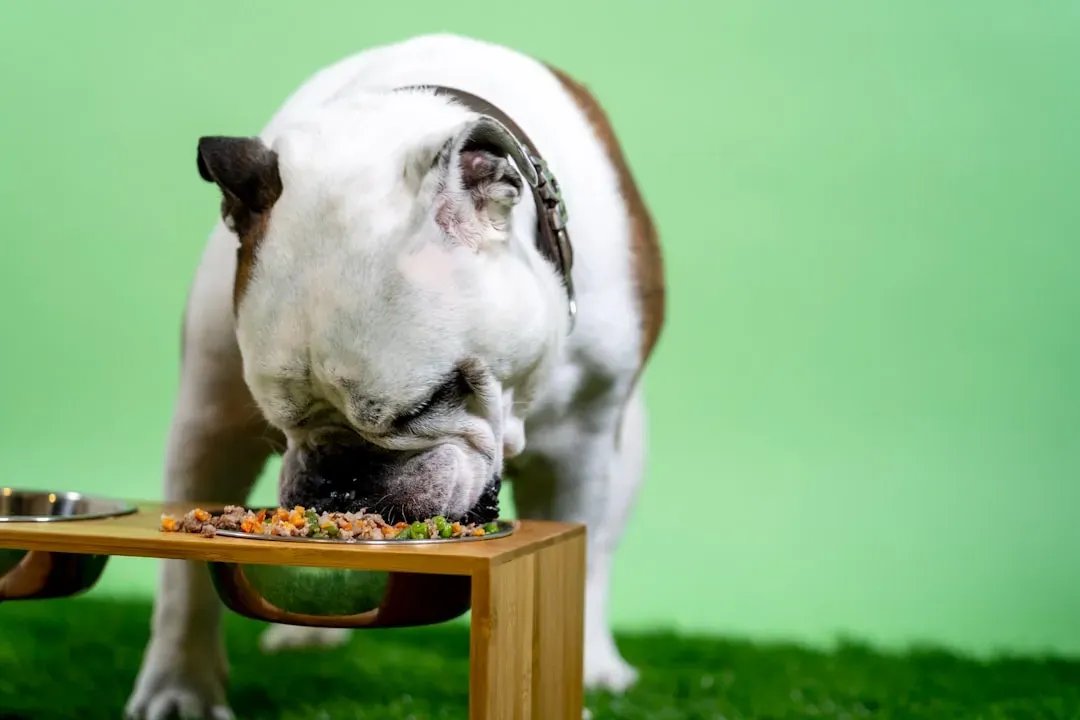
Aching necks and stiff shoulders hurt more than most owners realize. Making a senior dog crane down to a floor-level bowl every single meal is a lot like asking someone with arthritis to do toe-touches three times a day, forever. Raising the bowls to chest height is a small mechanical fix, but it takes real strain off the joints and makes swallowing noticeably easier.
- Use a stable stand, or even a sturdy stack of books under the bowls.
- For megaesophagus or throat issues, vets often suggest a slight upward angle instead.
You’ll often see a dog start eating with more confidence the moment bending down stops hurting – for a frail senior, that can be the difference between finishing dinner and walking away hungry. Some owners worry elevated bowls cause bloat, but that research is mixed and mostly aimed at large, healthy dogs, not hospice cases. For a stiff 14-year-old Lab, the comfort trade-off is usually worth it.
#2 – Non-Slip Paths Through Their Whole Route
Most people throw down one rug by the front door and call it done. But for a senior with weak hind legs, every slippery patch of tile or hardwood becomes its own little obstacle course – and that constant uncertainty spikes both anxiety and fall risk. The real mercy is mapping their actual daily route and making the entire path safe, not just one spot.
- Watch where they really go: bed, water, yard, favorite couch, back again.
- Anywhere they hesitate or scrabble for grip needs a rubber-backed mat or runner.
It might look a little chaotic to have foam tiles and yoga mats zig-zagging through your living room, but it can prevent the fall that tears a ligament or bruises an already-arthritic hip. Some owners insist their dog is fine on hardwood because that’s how it’s always been. Maybe at six years old. At sixteen, one bad slip can cost you weeks of comfortable time you’ll never get back.
Fast Facts
- Arthritis is thought to affect as many as 80% of dogs once they pass age 8, making joint pain one of the most common senior issues.
- Hips, knees, elbows, and the lower back tend to be the joints that give out first.
- Many stiff dogs never actually limp – hesitation on stairs or slowness after a nap is often the earliest real clue.
#3 – A Cooling or Warming Comfort Zone

Old dogs lose their ability to regulate body temperature the way they used to. That’s why a senior dog pants hard in a room that feels mild to you, or shivers somewhere you’d consider perfectly warm. A few small temperature tweaks can free up energy their body would otherwise waste just trying to stay comfortable.
- In warm weather: a cooling mat, a fan on low, shade, and access to cool tile floors.
- In cold weather: a supportive bed away from drafts, and a light sweater for thin-coated or underweight dogs.
A lot of people assume a fluffy bed solves everything, but thick cushions can trap heat around a dog with heart or breathing problems, making nights miserable instead of restful. On the other end, leaving a bony, arthritic dog on a cold floor pulls heat straight out of already-painful joints. The goal isn’t to baby them – it’s to stop their body from fighting the room so that limited energy goes toward healing and simply being present with you.
#4 – Pain Meds That Match Their Actual Day, Not Just Their Weight
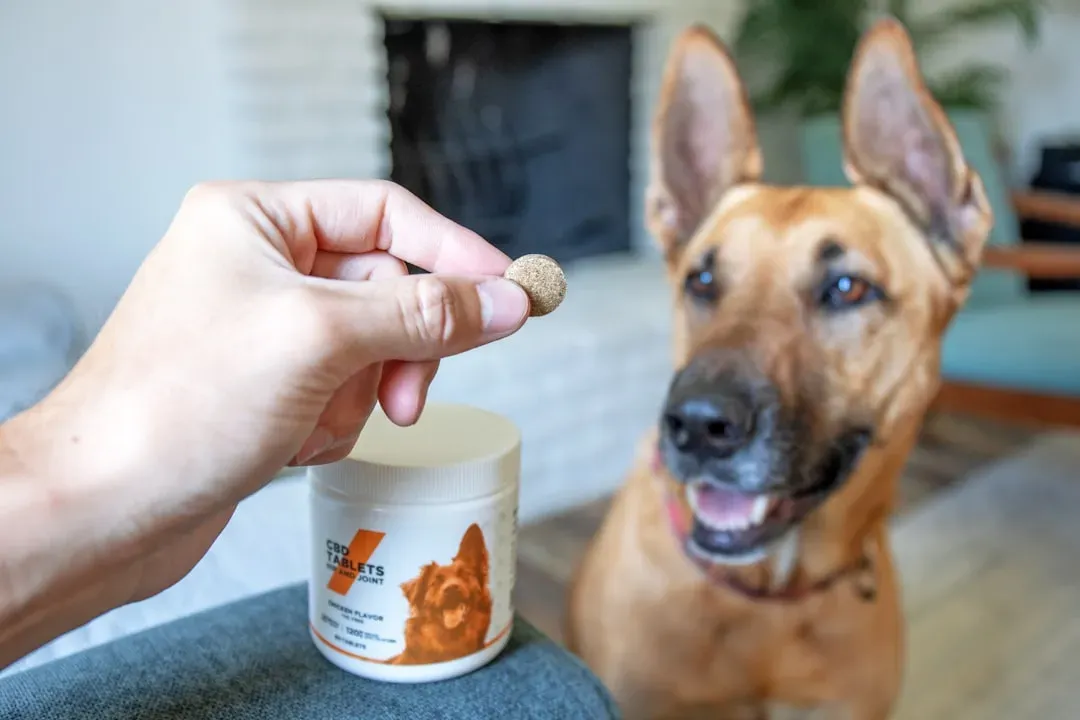
Most owners accept the first pain prescription and never question it again. But vets will quietly admit that dogs are under-treated for chronic pain constantly, especially in their final year. Weight-based dosing is only step one – what actually matters is how your dog moves and behaves hour by hour, not what a chart says they should need.
- Hesitation on stairs or getting into the car, even if they “still do it.”
- Subtle panting at rest, licking at joints, or avoiding certain sleeping positions.
These small signs usually mean current pain control isn’t enough, or isn’t timed right. Sometimes the fix isn’t a stronger drug at all – it’s splitting doses differently, adding a nerve-pain medication, or trying joint injections or laser therapy. Never DIY a pain plan, but being the squeaky wheel who tells the vet, “I think she’s still hurting,” can be the difference between merely surviving and actually being comfortable for whatever time is left.
#5 – Short, Predictable Micro-Walks Instead of Guilt Walks
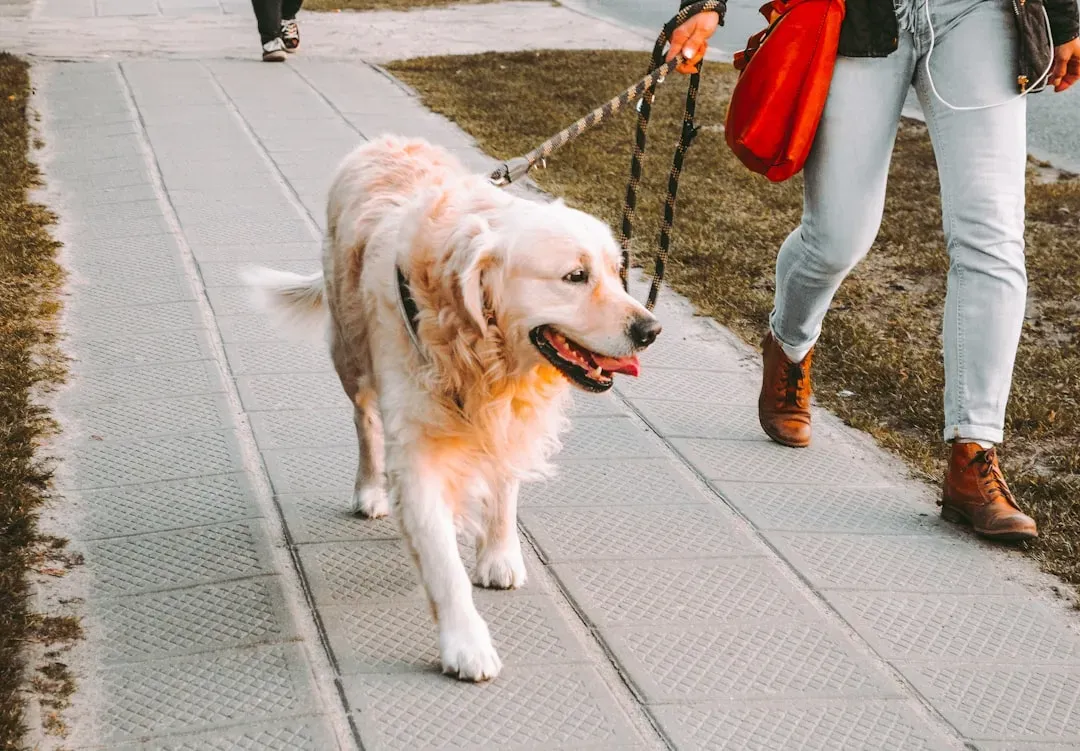
Most people drag an old dog on the same long walk they’ve always done, telling themselves the dog still loves it. The truth is often more complicated: many seniors are exhausted by the distance but thrilled by the routine, the smells, and simply being outside with you. The mercy is separating that emotional need from the physical demand.
- Try 3 to 6 tiny outings a day, even if it’s just to the end of the block or a lap of the yard.
- Let them sniff as long as they want; cut the distance, never the experience.
Sniffing is genuinely a brain workout and a mood booster, and for a cardiac or arthritic dog, a five-minute sniffari can do more good than a thirty-minute forced march. You’ll often notice better appetite and calmer evenings once they’re not overdone by 3 p.m. Neighbors might raise an eyebrow at how “short” your walks look – ignore them. They’re not the ones seeing the limping, the restlessness, or the 2 a.m. collapse after an ego-driven long walk.
#6 – Night-Lights and a Clear Bathroom Plan
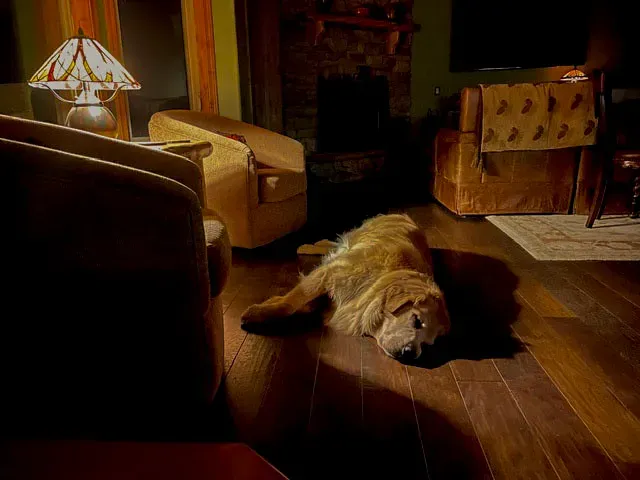
Cognitive decline and failing vision are brutally common in old dogs, but they rarely announce themselves loudly. Instead they show up quietly – getting stuck in corners, pacing at night, “forgetting” house training that took years to build. One of the kindest mercies you can offer is to stop treating accidents as disobedience and start treating them as a medical reality.
- Soft night-lights along the path to the door, water bowl, and bed.
- A realistic bathroom plan: a later last trip outside, early-morning let-outs, and pee pads or turf as backup.
Many seniors simply can’t hold it for 10 to 12 hours anymore, and forcing that isn’t discipline – it’s kidney strain and quiet distress. A pad set up near a dog who’s panicking at the door at 3 a.m. isn’t spoiling them. It’s respecting a failing body that still, desperately, wants to be clean.
#7 – Grooming for Comfort, Not for Cute
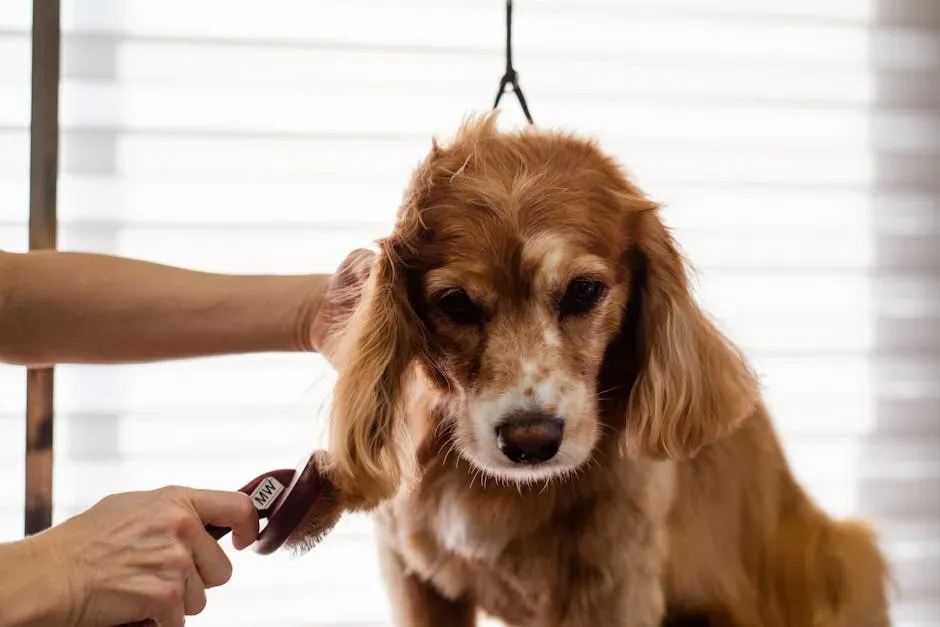
A lot of owners quietly stop grooming old dogs because “they don’t care how they look anymore.” The problem is that matted fur, overgrown nails, and dirty ears aren’t just cosmetic – they’re actively painful. Shifting your grooming mindset from vanity to comfort is one of the most underrated mercies on this entire list.
- Keep nails short so every step doesn’t jam an arthritic toe.
- Brush out friction zones like armpits, behind the ears, and under harnesses to prevent mats.
- Keep the rear area clean for dogs dealing with incontinence or soft stool.
Skip the fancy cuts and bows if they cause stress, and look for a groomer experienced with seniors, or do short, gentle sessions at home with plenty of treats and zero rush. Living inside a tight, pulling coat or walking on talon-length nails hurts with every single step. A pragmatic, comfort-first groom can make lying down, getting up, and even being touched feel safe again.
Worth Knowing
- Overgrown nails can rotate the foot slightly, changing how weight lands on already-arthritic joints.
- Matted fur traps moisture against the skin, which can quietly trigger hot spots and infections.
- Long-haired seniors dealing with incontinence are especially prone to urine scald if the rear isn’t kept trimmed and clean.
#8 – A One Safe Room When the House Gets to Be Too Much

As mobility and hearing fade, a busy household can become genuinely overwhelming – the doorbell, kids thundering through, different floor levels, all of it stacking up. Many hospice vets quietly recommend building one ultra-predictable safe room where your dog can relax without constantly working to keep up with the chaos around them.
- Their best bed, water, and a non-slip floor.
- Easy access to the yard or to pee pads.
- Consistent lighting and minimal sudden noise.
This isn’t banishment – it’s giving an overtaxed nervous system a real break. You’ll often notice less anxious panting and pacing once they have a defined base camp to retreat to. Some families resist this, insisting their dog has “always been part of everything.” That’s fair emotionally, but a body and brain that are failing find a sensory circus exhausting. You can still invite them into family time; just give them somewhere built entirely around ease to return to.
#9 – Soft, Structured Routines for a Confused Brain
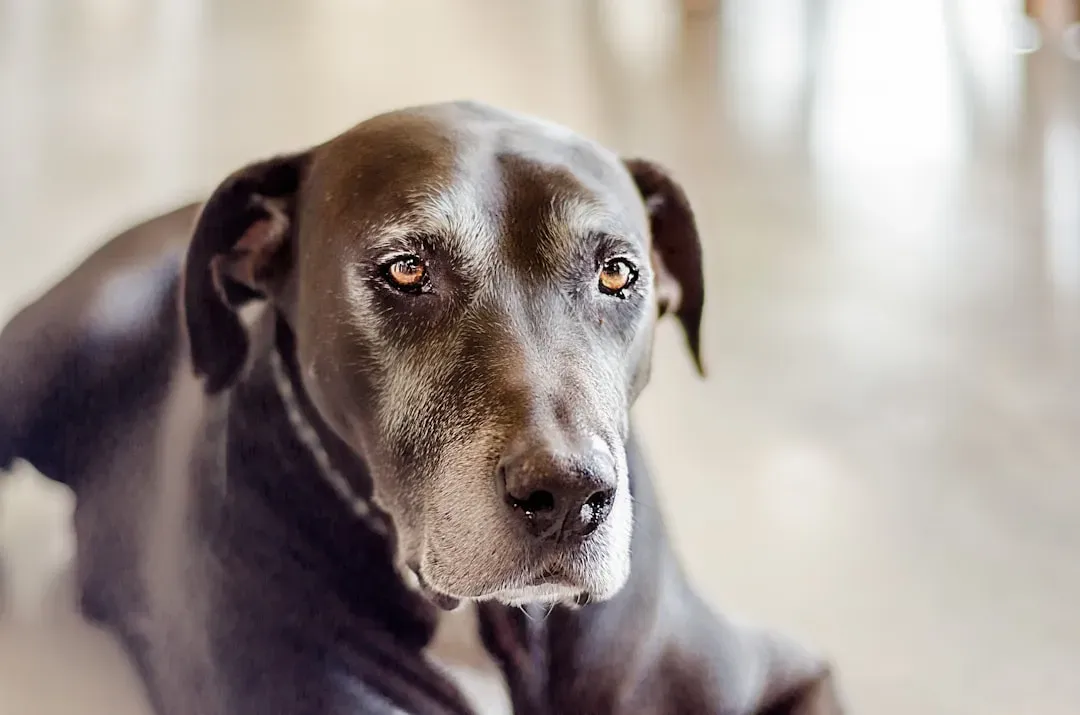
Canine cognitive dysfunction, or doggy dementia, is far more common than most people realize. A dog who stands staring at a wall, circles the wrong way, or seems “lost” in a house they’ve lived in for years isn’t being strange – their brain wiring is genuinely misfiring. One of the kindest things you can offer is a routine so predictable it becomes its own kind of comfort blanket.
- Wake, bathroom, breakfast, gentle enrichment, nap – same order, every day.
- The same time window for walks, medications, dinner, and lights-out.
You’re not trying to stimulate them with novelty here – you’re doing the opposite, making life repetitive enough that confusion has fewer chances to creep in. Simple cues, like the same phrase before a walk or the same light switching on before bed, help anchor them. It might feel boring for you, but routine acts like a painkiller for a confused brain, and many owners notice far less nighttime pacing and random barking once the day runs like a timed recipe instead of an improvisation.
At a Glance
- Roughly 28% of dogs aged 11 to 12 show at least one sign of cognitive decline; that climbs to around 68% by age 15 to 16.
- Despite how widespread it is, only a small fraction of cases ever get formally diagnosed by a vet.
- Classic signs include staring blankly at walls, nighttime pacing, and “forgetting” long-held house training.
#10 – Letting Go of Food Rules to Keep Them Eating
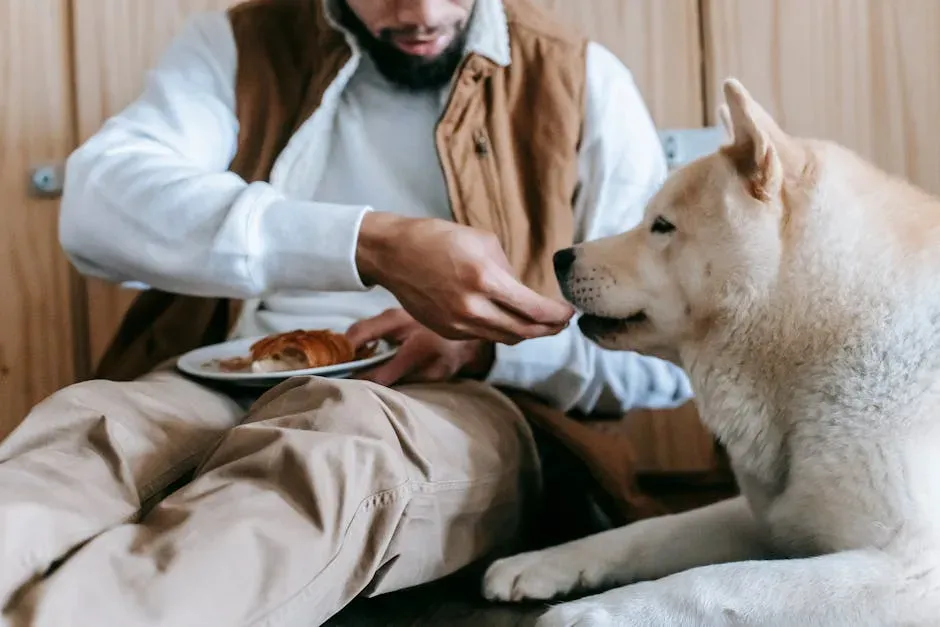
This is the mental shift a lot of owners secretly need permission for. We’re conditioned to obsess over the “perfect” diet, but in the final months, calories and enjoyment often matter more than textbook nutrition, especially when nausea, dental pain, or organ failure are already in the picture.
- Warm food slightly to make the aroma stronger and more appealing.
- Add safe toppers like low-sodium broth, boiled chicken, or vet-approved canned food.
- Offer smaller, more frequent meals if big portions feel overwhelming.
With your vet’s blessing, this is often the season to quietly retire the “no people food, ever” rule. A bit of scrambled egg, a dab of peanut butter, or some soft cheese might be the thing standing between eating something and eating nothing at all. Purists might argue that’s not their regular food – in hospice terms, that’s exactly the point. You’re not trying to model-feed a show dog anymore; you’re trying to keep an old friend from fading away hungry.
#11 – Mobility Helpers That Preserve Dignity
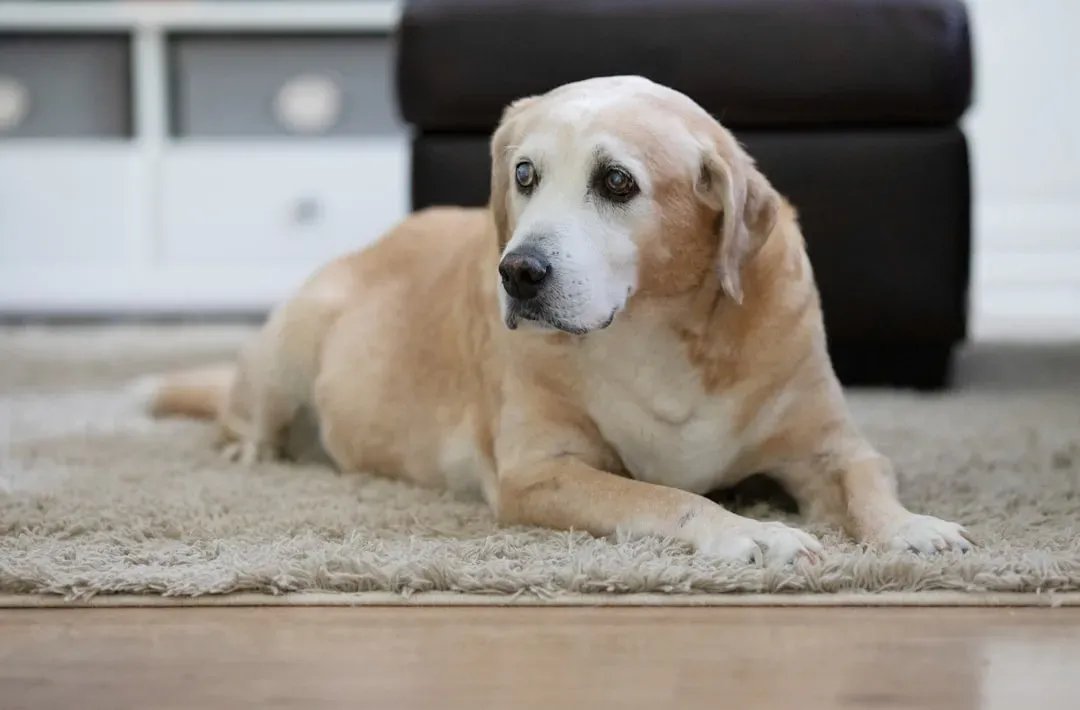
Many owners wait far too long to try harnesses, ramps, or slings because they feel like “too extreme” a step. In reality, mobility aids usually restore independence rather than taking it away. The goal was never to keep them walking unaided at any cost – it’s to keep them moving without agony.
- Rear-end support harnesses for stairs and getting in and out of the car.
- Ramps for the couch, bed, or car instead of risky jumps.
- Orthopedic beds firm enough for them to actually push off from.
You might feel awkward the first time you lift your dog’s hind end like a suitcase handle. They usually don’t – most seniors visibly relax once stairs no longer mean the possibility of slipping or crashing down. Wheelchairs and slings can look dramatic, and some people will project their own discomfort onto you. But ask any rehab vet what’s truly undignified, and they’ll tell you: it’s collapsing on the floor, sliding in urine, or being stranded because the legs just gave out. The right gear buys back normal moments.
Quick Compare
- Support harness: Best for quick lifting help on stairs and curbs; easiest option to introduce first.
- Ramp: Best for repeated daily use at the car, bed, or couch; removes jumping from the equation entirely.
- Cart or wheelchair: Best for dogs with real hind-end weakness who still want to move, sniff, and explore.
#12 – Choosing Joy Days on Purpose, Not by Accident
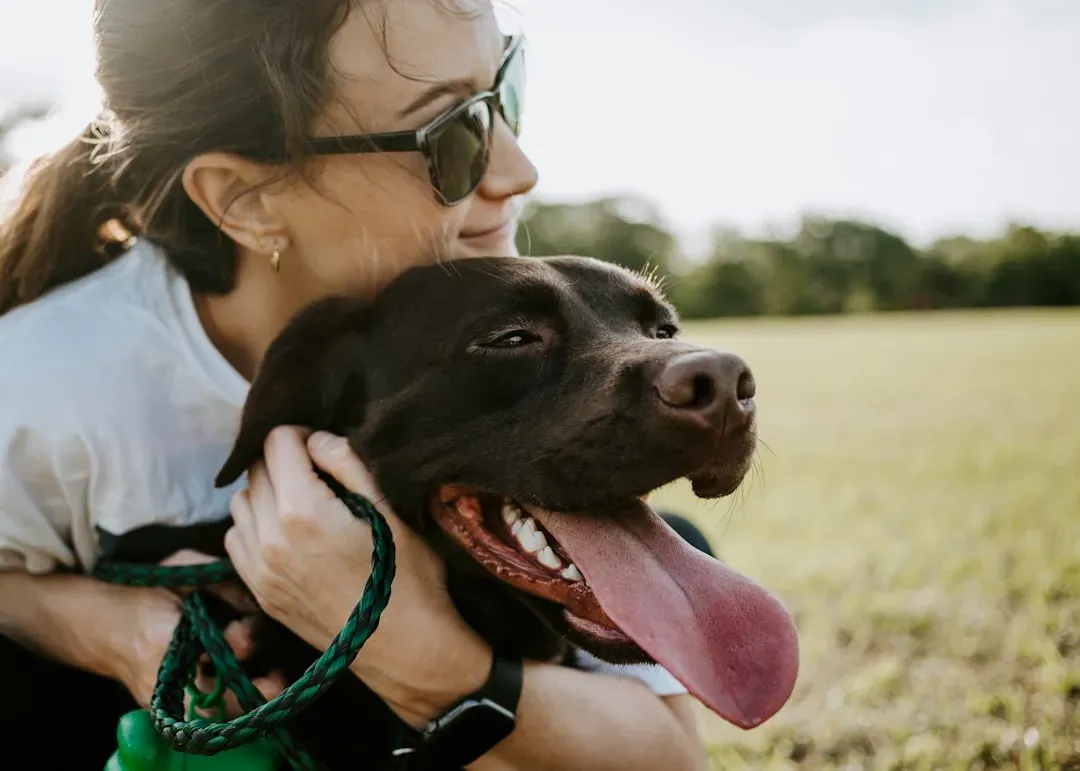
Most people try to cram one big, chaotic “last day” full of treats and tears at the very end. Hospice-minded vets often suggest something gentler instead: planned joy days scattered through the final months, where you deliberately break the usual rules and make the world delightful on purpose.
- A car ride to their favorite lookout spot, windows cracked for maximum smells.
- That forbidden fast-food burger, cleared with your vet first if health issues are severe.
- Hours of couch cuddles with zero guilt about the to-do list.
The key is doing this before they’re on the edge of crisis, while they can still genuinely enjoy it. You’re front-loading good memories instead of trying to squeeze them into a body that’s already shutting down. Some people worry this is “spoiling” a dog or making goodbye harder. In practice, regret usually comes from all the joy you didn’t give while you still could – not from the joy you did.
#13 – A Clear, Compassionate Plan for the Very Last Day
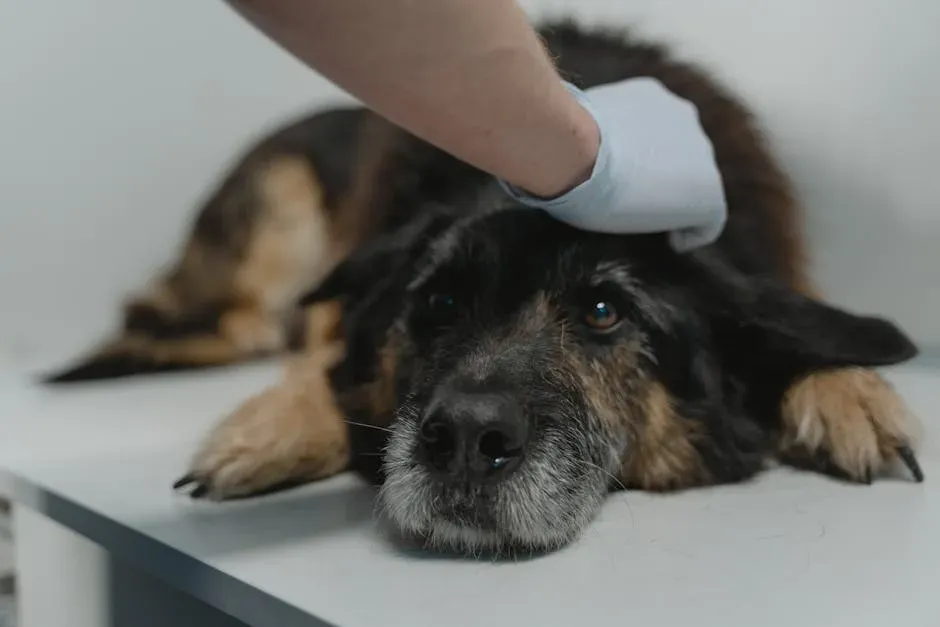
Here’s the part almost nobody wants to talk about, and where the most quiet harm tends to happen. The single greatest mercy you can offer an old dog is a thoughtfully timed, peaceful goodbye, not a panicked rush to the emergency room at 2 a.m. once they’re already in crisis.
- Ask your vet what specific signs mean “it’s time” for your dog’s particular condition.
- Decide in advance where you’d prefer euthanasia to happen, at home or at the clinic.
- Talk through sedation options ahead of time, so the process starts calm and pain-free.
You’re not playing God here – the disease already did that. Your role is simply deciding whether their last chapter ends in panic and struggle, or in a quiet room, in your arms, before the worst suffering hits. Hospice vets say the regret they hear more than any other isn’t acting too soon. It’s waiting just one more day. This isn’t about being brave. It’s about being kind exactly when it matters most.
The Bottom Line
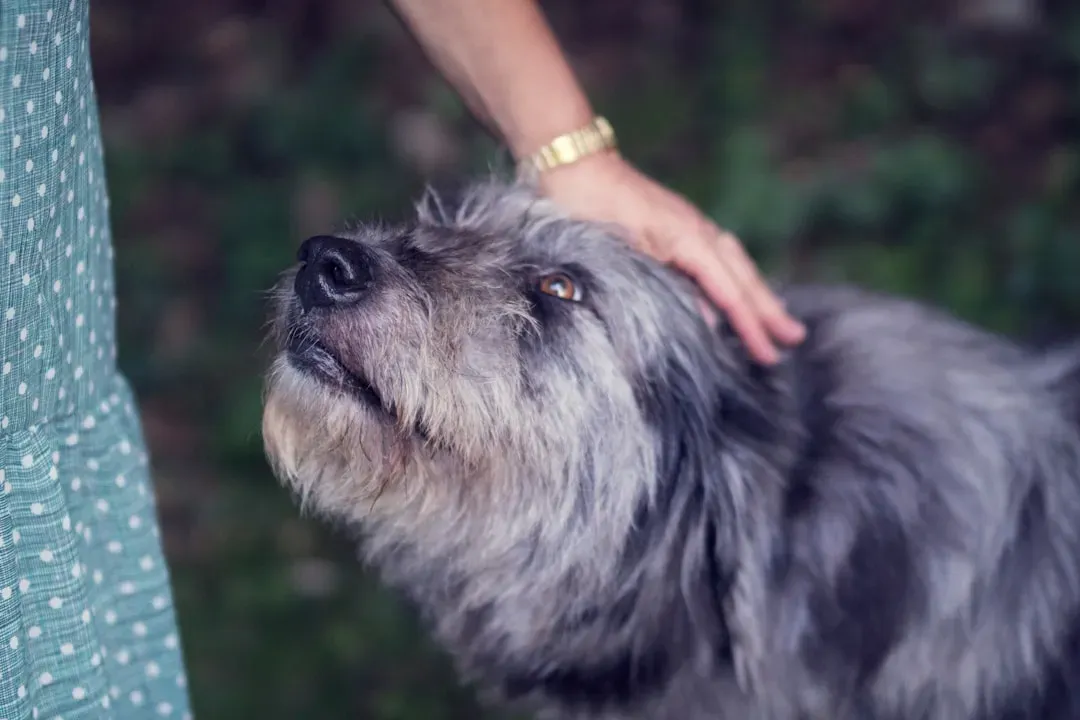
Strip away the social media noise, and making an old dog’s last months genuinely easier was never about matching some perfect “dog parent” image. It’s dozens of small, unglamorous mercies stacked on top of each other: raising bowls, padding slick floors, adjusting meds, forgiving accidents, loosening food rules, and yes, planning a good death instead of dodging the conversation entirely.
None of this will go viral. But together it can turn desperate, painful weeks into something quieter, gentler, and far more dignified for both of you. Some people will push back on choices like early mobility aids or planned euthanasia, and that’s fair – these calls are deeply personal. The one mistake that isn’t fair to your dog is pretending time isn’t running out. So which of these mercies are you already giving, and which one do you wish someone had told you about sooner?


