
Most people assume a dog’s love is simple math: whoever fills the bowl and holds the leash wins the affection. That might be true for a six-month-old puppy. It is not true for a fourteen-year-old dog who has watched you through a decade of moves, breakups, bad years, and ordinary Tuesdays.
Owners who’ve stayed with the same dog through their senior years describe something stranger and more specific: a quiet, almost ceremonial shift in who that dog performs certain behaviors for at all. Not tricks. Not obedience. Small, private acts of trust that only show up for one person. Here are fourteen of them, and by the end, you’ll probably recognize your own dog in at least half of these.
#1 – They Let Their Whole Body Go Limp, Only With You
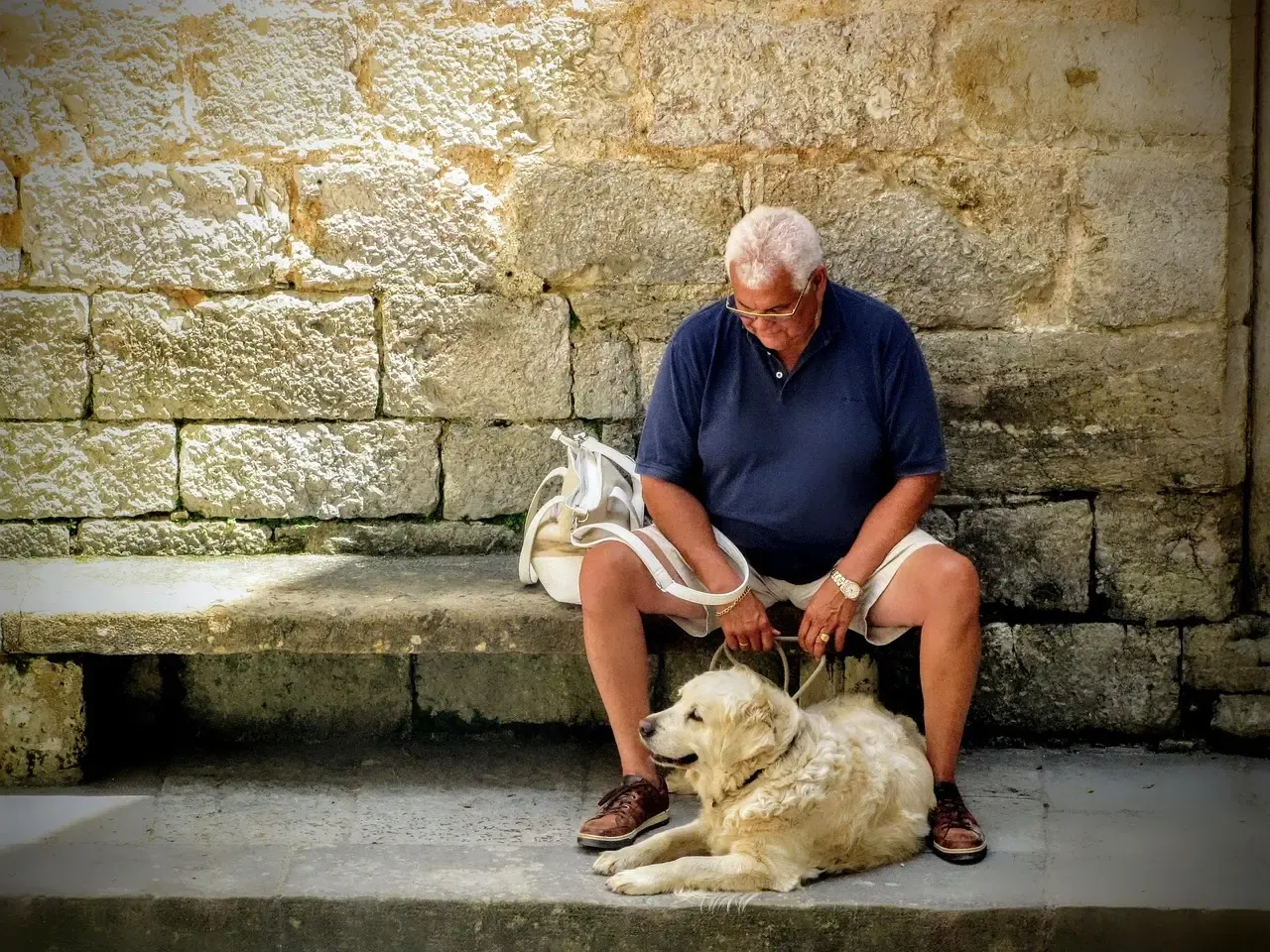
Old dogs get stiff, sore, and quietly anxious about the world in ways they never used to be. So when you watch an aging dog fully unclench, it means something. Around their person, their body actually drops into safety: the deep sigh, the slow blink, the dead-weight flop against your leg. That level of surrender isn’t a default setting. It’s earned.
With almost everyone else, an old dog stays polite and a little guarded, even with family they see every day. With you, they stretch out, snore, roll onto their back, joints and all. Watch their eyelids the next time they settle against you: those long, heavy blinks are the physical signature of trust, and most senior dogs only hand it to one person.
#2 – Their Eyes Track You Even When Their Body Won’t
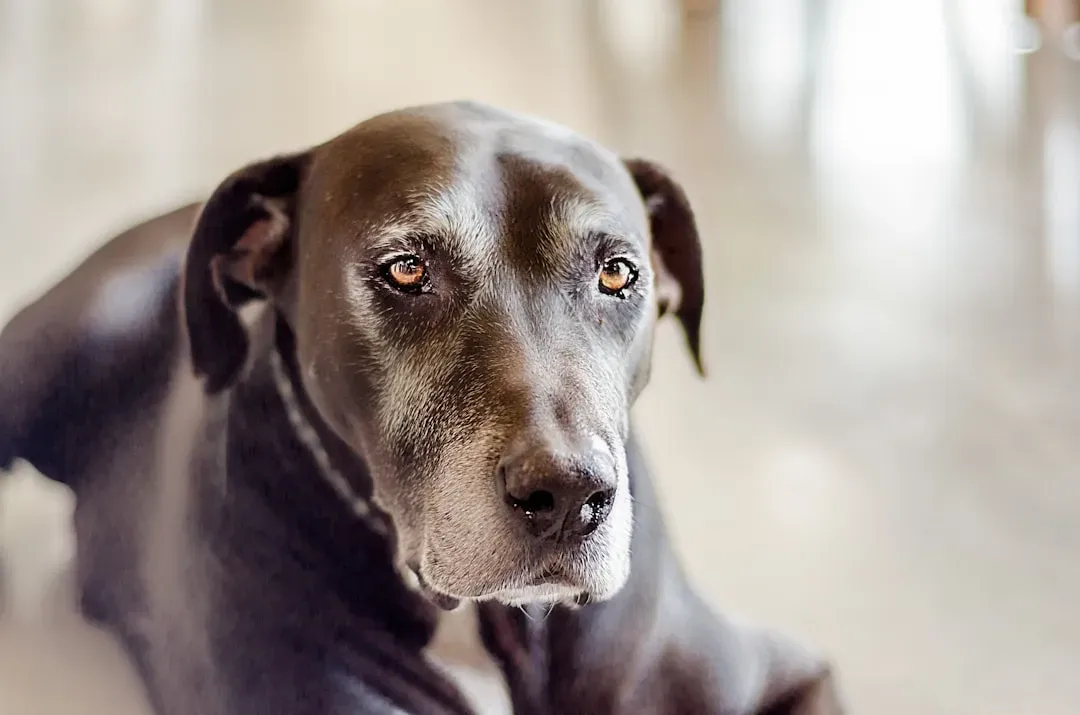
Puppies follow you room to room because they physically can’t stand to be apart. Old dogs often don’t have the energy for that anymore, so what changes is not the loyalty, but the method. The person who stayed gets something quieter: the dog stays put on the couch, but its eyes swivel and follow you around the room like a slow security camera.
It’s easy to miss, until you realize they simply don’t bother doing it for anyone else in the house. Their head lifts the second your car hits the driveway. Their ears twitch at your specific footsteps on the stairs. That’s not random affection, it’s rationed attention, and an old dog spends its limited supply on the one human who’s shown up for every breakfast, every vet visit, and every scary night.
#3 – They Choose the Uncomfortable Spot Just to Be Near You
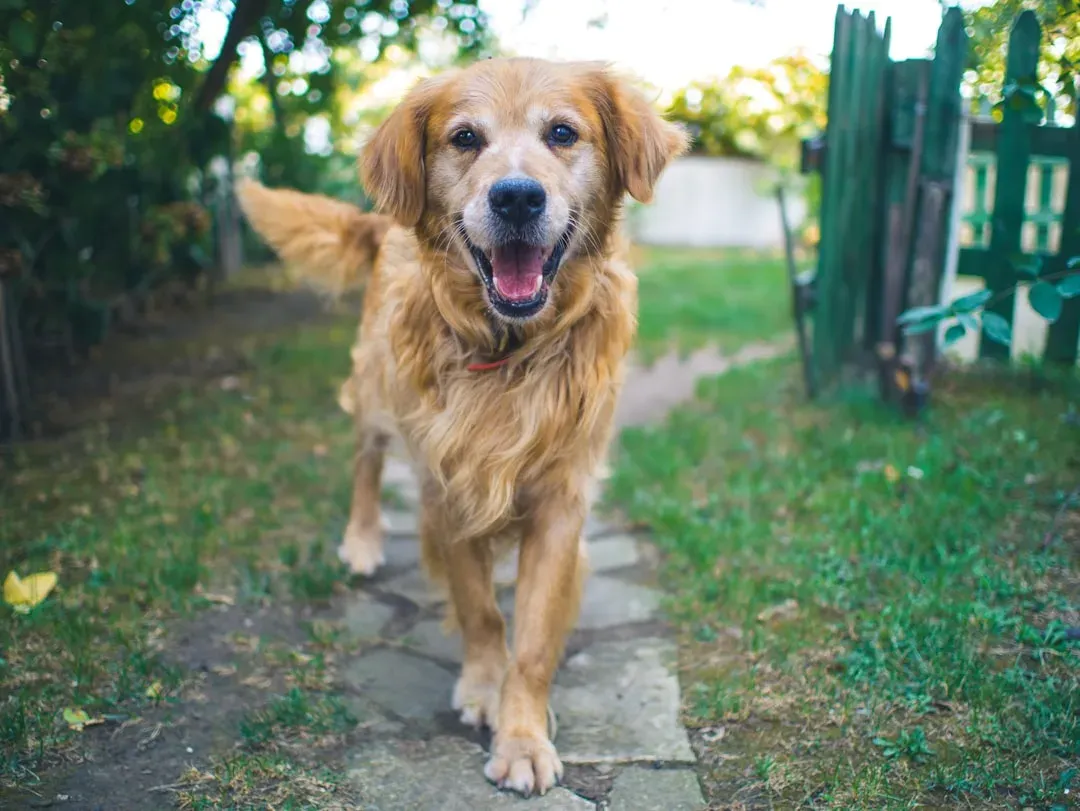
Every senior dog knows exactly where the softest bed in the house is. They also know which spot on the floor makes their hips ache and which stairs make their knees wobble. And yet, for one person, they’ll break their own comfort rules without hesitation.
They’ll pick the hard floor beside your desk over the orthopedic bed across the room, just to stay near your feet. This isn’t clinginess, it’s a trade-off they’re making on purpose: a little physical pain in exchange for feeling safe. People who call this “spoiling the dog” are missing the real story. In their final years, dogs quietly reveal who matters most by choosing where they’re willing to hurt a little.
Fast Facts
- Vets typically classify dogs as “senior” anywhere from age 5 in giant breeds to age 10 in small ones.
- Senior dogs generally sleep 16 to 18 hours a day, several hours more than they did as younger adults.
- Joint stiffness, slower rises, and stairs hesitation are among the most visible everyday signs of aging.
#4 – They Only Let Your Hands Help Them
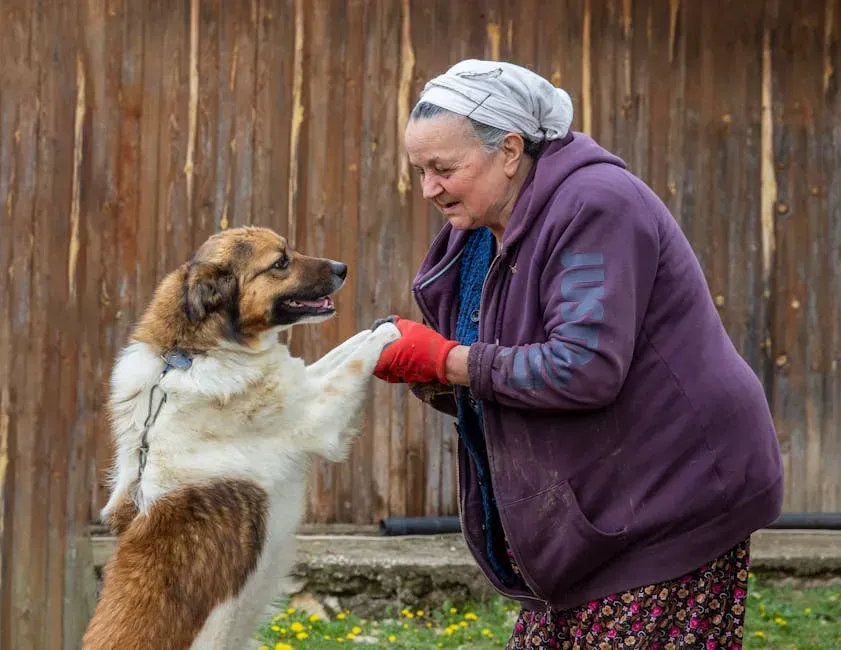
Old dogs get proud, and pride shows up in strange ways, like refusing to be lifted, guided, or fussed over by anyone who isn’t their person. Try to help them into the car and you’ll often see it immediately: they stiffen and resist for almost everyone, but for you, they simply lean in and let it happen.
They’ll let you clean a weepy eye, check a strange new lump, or hold their collar tight when the fireworks start, none of which they’d tolerate from a stranger or even a familiar relative. That’s not habit. That’s consent. A senior dog trusts very few people with its dignity, and if you’re one of them, you already know it from those quiet, struggle-heavy moments nobody else sees.
#5 – They Run to You When They’re Scared, Never When They’re Bored
A young dog crosses the room for play, food, or chaos. An old dog makes far fewer trips, so when it does move, there’s almost always a reason behind it. For the person who stayed, that reason is usually fear, and you become their designated safe room.
During thunderstorms, sudden arguments, or the unsettling sight of suitcases coming out, that dog will drag its tired body across the house specifically to find you, not whoever happens to be closer. Other people in the room can offer pats and soft voices, and the dog will walk right past all of it. It isn’t about who loves them most. It’s about whose comfort has actually worked, tested over ten-plus years of scary moments.
#6 – They Stop Hiding Their Weak Moments Around You
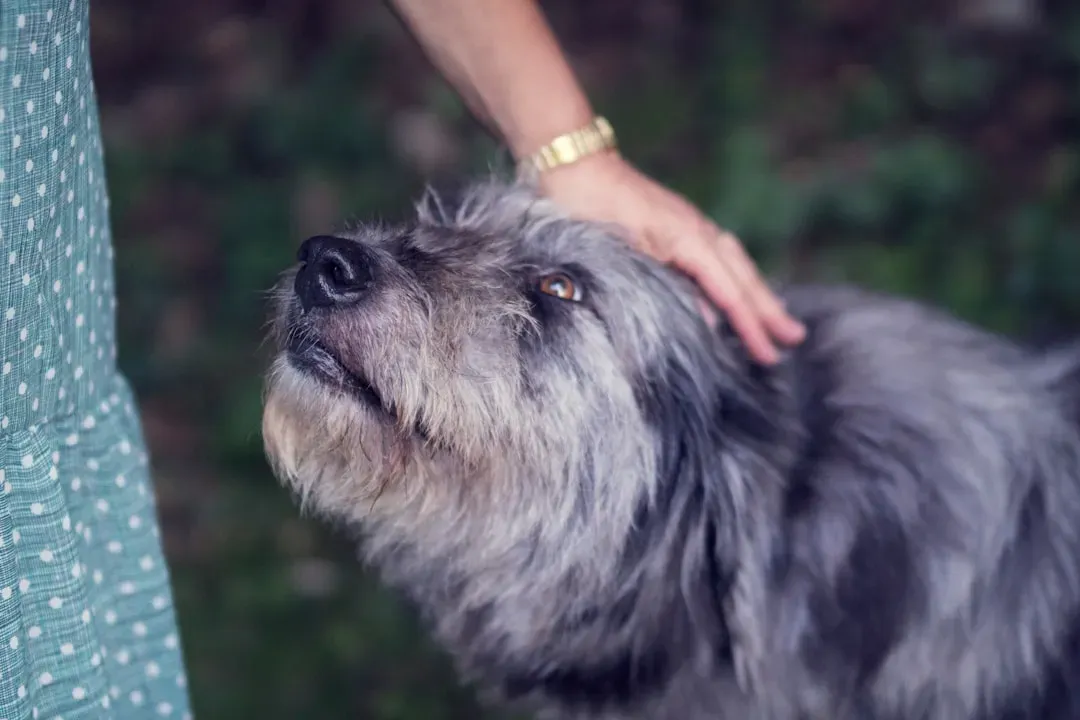
People assume dogs are open books, but older dogs especially learn which behaviors get them laughed at, corrected, or moved away from, and which ones are safe to show. Over years together, the person who stayed usually becomes the only one who sees everything: the confused 3 a.m. pacing, the odd rituals around a water bowl, the disoriented moments that come with an aging brain.
They’ll wake you gently in the middle of the night instead of anyone else down the hall. They’ll let you witness them slip on the floor or struggle to stand back up, the exact kind of vulnerable moment most dogs instinctively try to hide. That’s not carelessness. That’s a dog choosing the one human it believes will respond with help instead of frustration.
Worth Knowing
- Cognitive changes affect an estimated 28% of dogs aged 11 to 12, climbing to roughly 68% by ages 15 to 16.
- Common early signs include nighttime pacing, disorientation, and staring blankly at walls or corners.
- Many owners mistake these symptoms for ordinary aging instead of a manageable condition worth a vet visit.
#7 – They Slow Their Whole Walk Down to Match Yours
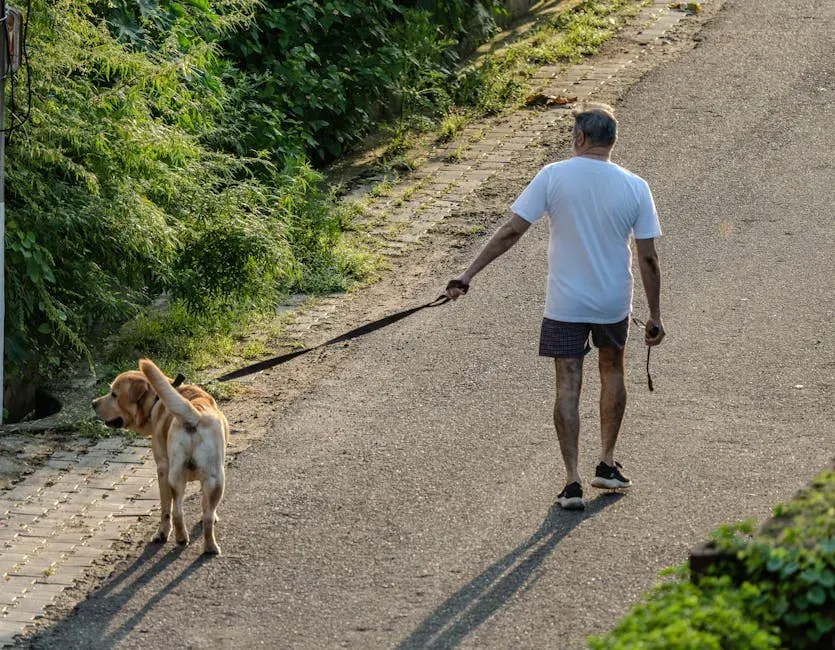
Puppies drag you down the street. Middle-aged dogs set their own pace and expect you to keep up. Seniors, if they trust you, quietly start doing the opposite: matching yours. You’ll notice them glancing back more often on walks, checking in, adjusting their stride without being asked.
Some owners are startled to find their old dog suddenly “refusing” to walk comfortably with other family members. That’s not stubbornness, it’s a mental map built entirely around one person’s habits, their usual turns, their pause spots by the mailbox. With anyone else, the walk feels chaotic and unfamiliar. With you, it’s routine, and for an aging brain, routine is survival.
#8 – They Break Their Own Training, Just for a Few More Minutes Near You
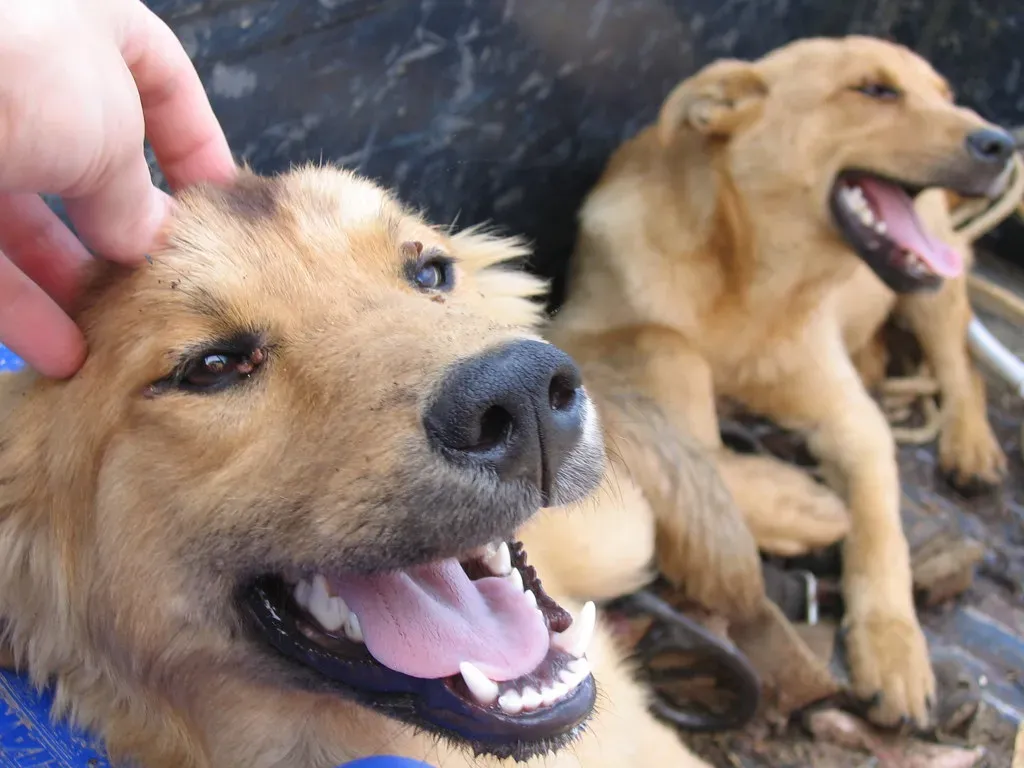
Here’s the strange part nobody warns you about: a perfectly well-trained senior dog will sometimes “misbehave” only for their person, and not in a cute, social-media way. They’ll sneak onto your side of the bed but never anyone else’s. They’ll creep closer at the table only when you’re the one eating.
It isn’t a training failure. It’s a quiet, repeated test: will you still let me be close, even now, even old, even slower than I used to be? Some people crack down and push the dog away. Others recognize the trade being made, obedience for proximity, and let it slide. That particular gamble is almost always reserved for the one person whose “no” has always been fair.
#9 – They Refuse to Fully Sleep Until You’re Home
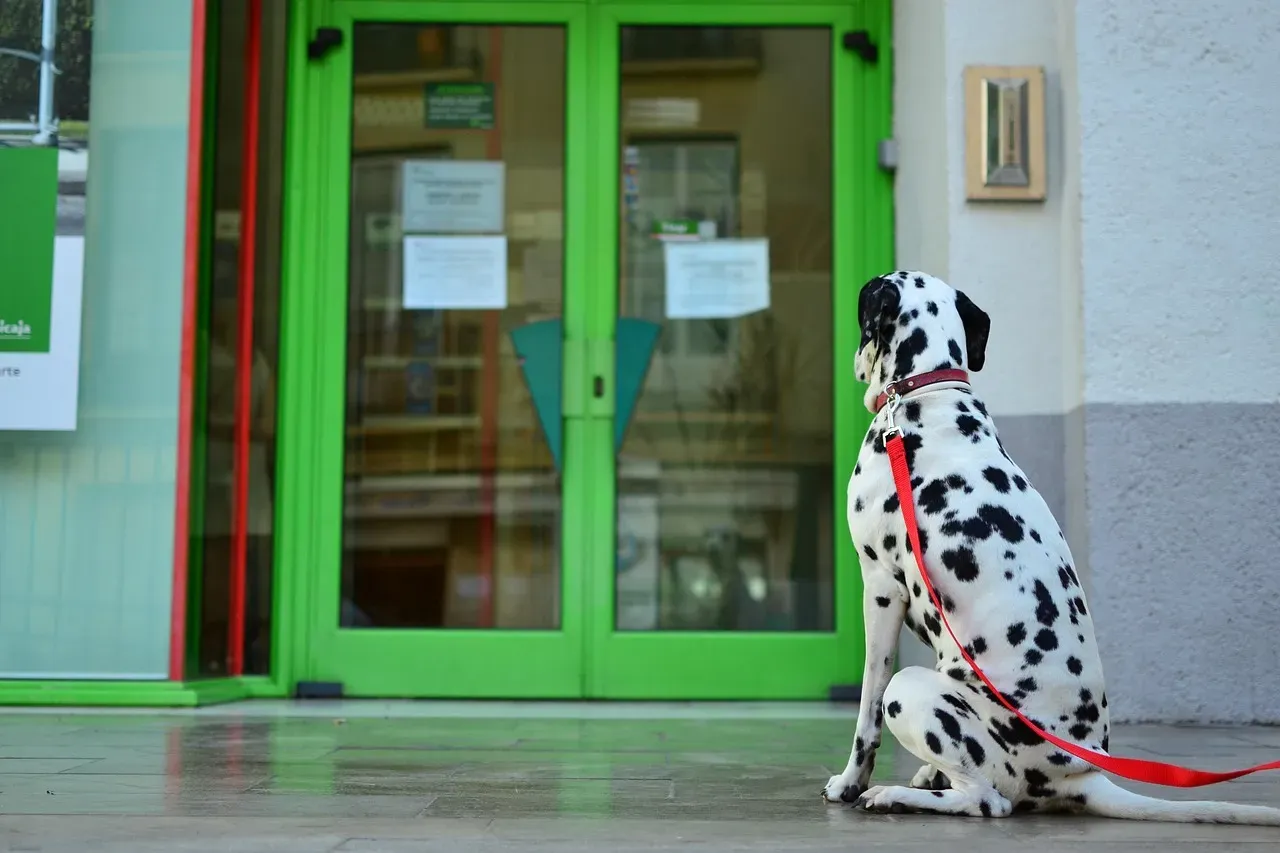
Senior dogs sleep more, but that sleep comes lighter and harder to hold onto. Plenty of long-time owners notice something unsettling: their old dog won’t actually settle down for the night until one specific person is home, no matter how late.
Everyone else in the house can go to bed. That dog will hover in the hallway, pace, or half-doze by the door until your key turns in the lock, and only then does it finally relax. Change your shift or leave for a weekend and watch the pattern break, restlessness even with familiar caretakers in the house. This isn’t puppy-style separation anxiety, it’s timeline anxiety. Your presence is the final checkbox an aging brain needs before it’s allowed to power down.
Quick Compare
- Normal senior sleep: long naps, easy waking, still lighting up for meals and walks.
- Worth watching: restless pacing at night, sleeping through favorite routines, or a flipped day-night schedule.
- The tell: gradual and content is aging, sudden or withdrawn deserves a vet check.
#10 – Their Hello Gets Quieter, Not Louder
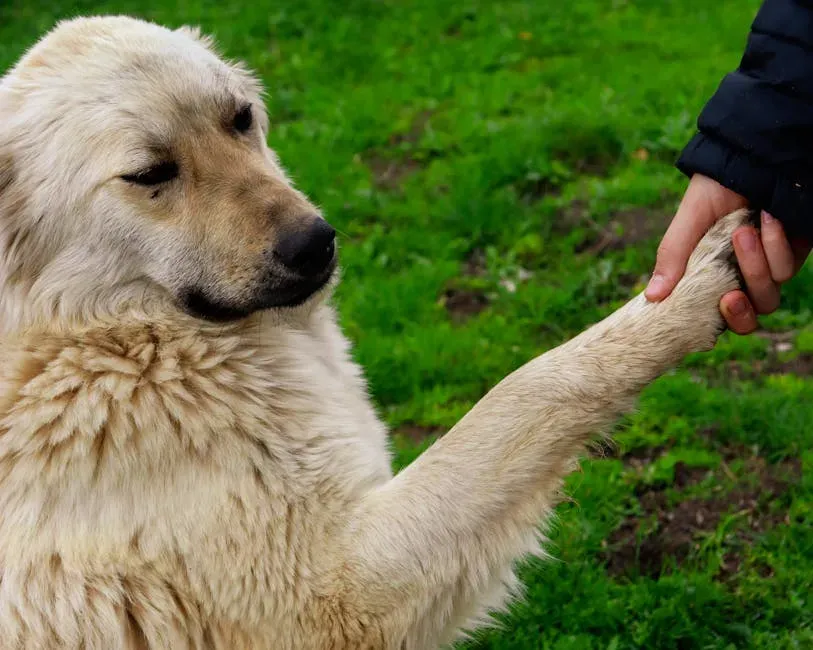
Everyone assumes a big, jumping, barking greeting is what love looks like. In old dogs, it’s often the exact opposite. The person who stayed frequently gets something much smaller: a slow tail thump, a soft whine, a gentle head press into the thigh.
For acquaintances, an old dog may not even bother getting up. For you, it will push through stiff joints, shuffle to the door, and offer that quiet, almost reverent hello anyway. It’s the canine version of a grandparent squeezing your hand instead of leaping to their feet, same depth of feeling, smaller container. As Milan Kundera once put it about the bond itself:
Dogs are our link to paradise. To sit with a dog on a hillside on a glorious afternoon is to be back in Eden, where doing nothing was not boring, it was peace.
Milan Kundera
#11 – They Guard You from Three Feet Away Instead of Thirty
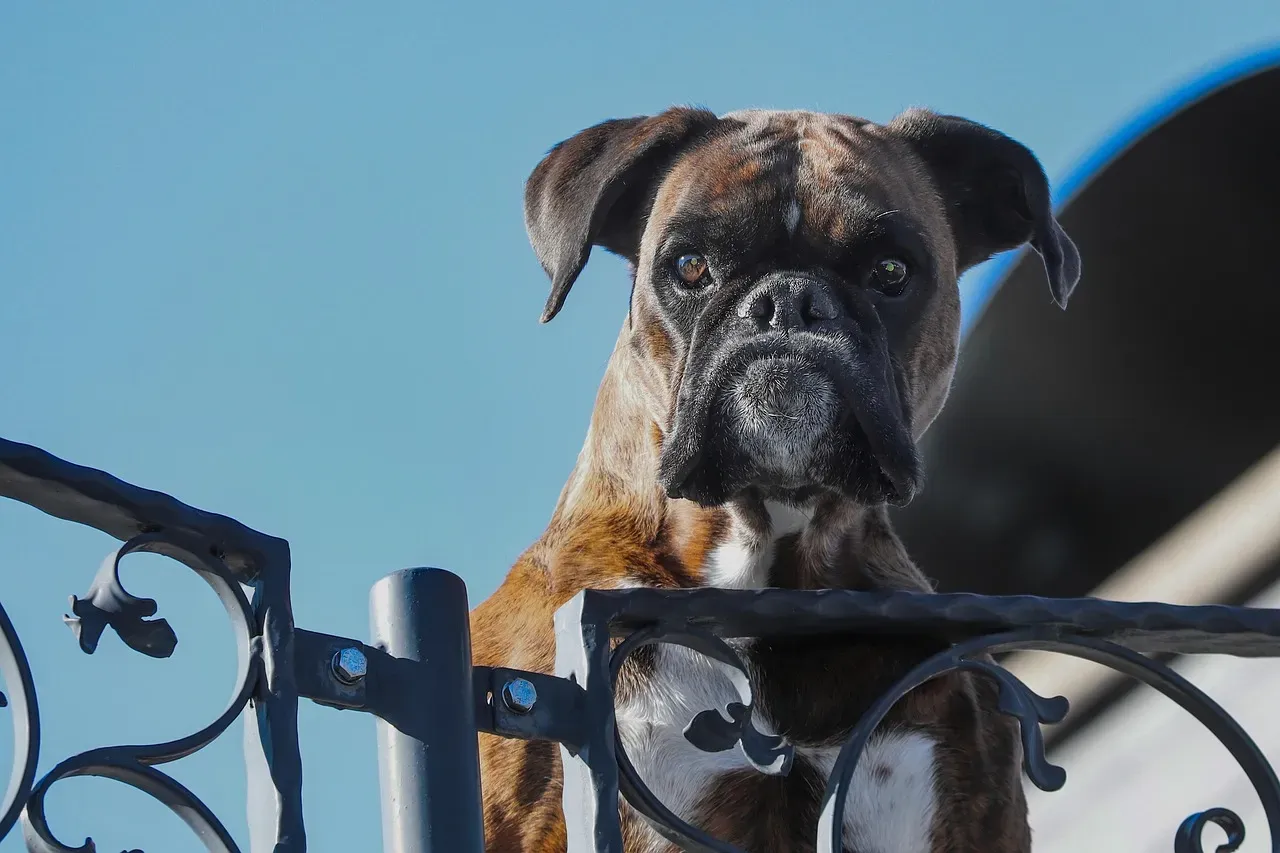
Most old dogs retire from the obvious watchdog role, less barking at the window, less scrambling to check every noise. But for one person, that protective instinct never fully shuts off, it just changes shape. You’ll catch them quietly positioning themselves between you and the front door, or between you and a stranger, with zero fanfare.
They watch your reaction to new visitors more closely than they watch the visitors themselves. They tuck in closer to your side of the bed on nights you’re sick or upset. The bark and the sprint are gone, but the monitoring never stops, ten years of studying your moods doesn’t just switch off because the joints slowed down.
#12 – They Respond to Your Tone Long After They’ve Stopped Listening to Words
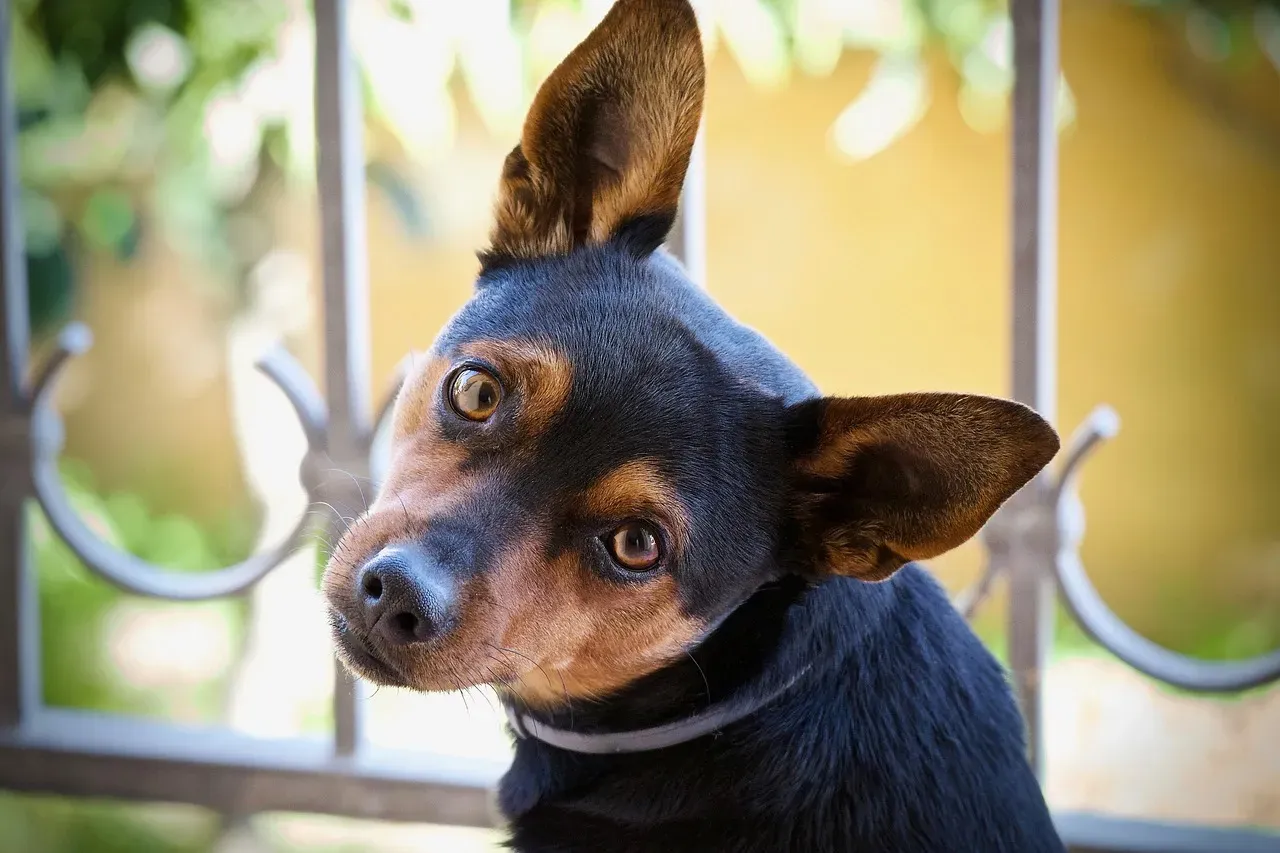
By the time a dog is old, sit, stay, and come are background noise unless there’s a real reason to obey. What actually shifts with age is who they bother tuning in to at all. For the person who stayed, the specific words barely matter anymore, it’s your tone they’re locked onto.
Say complete nonsense in your usual voice and an old dog will still tilt its head, relax its shoulders, or wag. Other people can shout a clear command and get almost nothing back. That’s not just fading hearing, it’s selective attention. A dog with dimming senses pours what focus it has left into the one voice that has reliably meant food, walks, comfort, and safety for years.
#13 – They Seem to Save Their “Lasts” for You
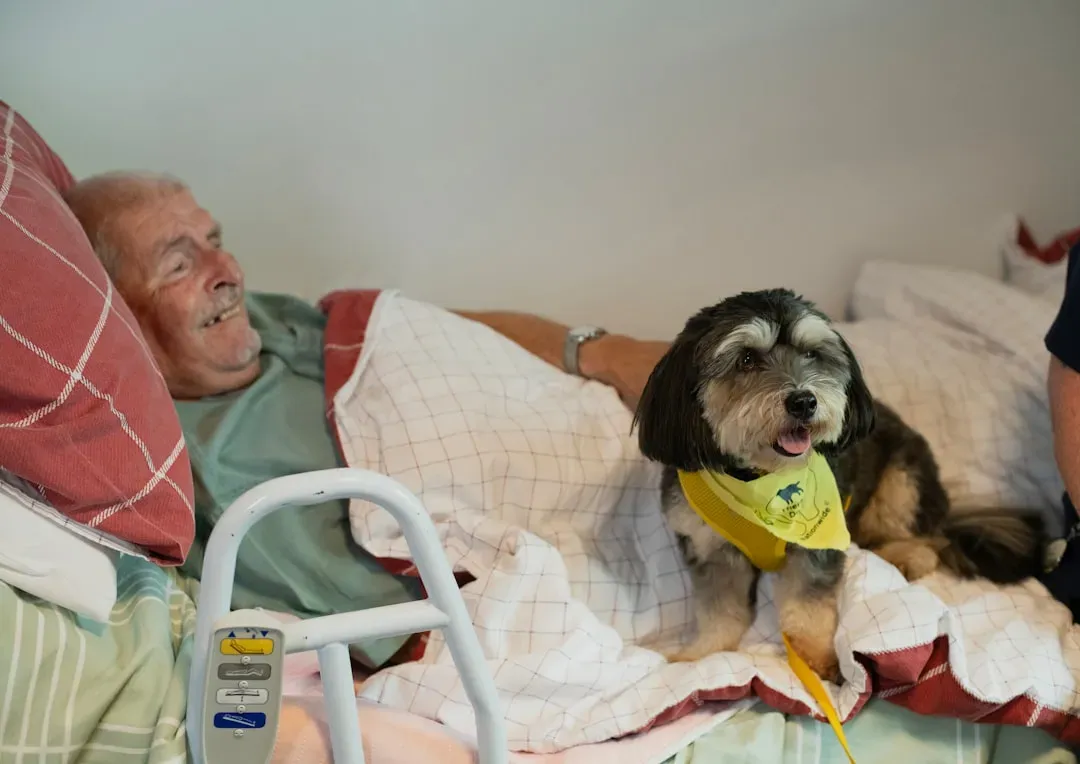
This is the one people argue about most, and it’s easy to see why. Not every dog gets to choose the circumstances of its final stretch. But when they do have a choice, many older dogs appear to reserve certain “lasts” for one specific person: the last really good walk, the last real appetite, one final burst of play.
They’ll suddenly insist on lying in your room instead of the living room. They’ll rally for one more round of tug only when you’re the one holding the toy. Some dogs even seem to hold on until a traveling owner walks back through the door, then finally let themselves rest. It isn’t provable science. But enough long-time owners and vets have watched the pattern repeat that it’s hard to wave away.
At a Glance
- Many dogs in their final chapter show a sudden preference for one person’s room or side of the bed.
- Appetite and energy can rally briefly around a returning or favorite person.
- Vets often describe this as a dog seeking comfort from whoever it trusts to feel safest with.
#14 – They Let You Be There When It Matters Most
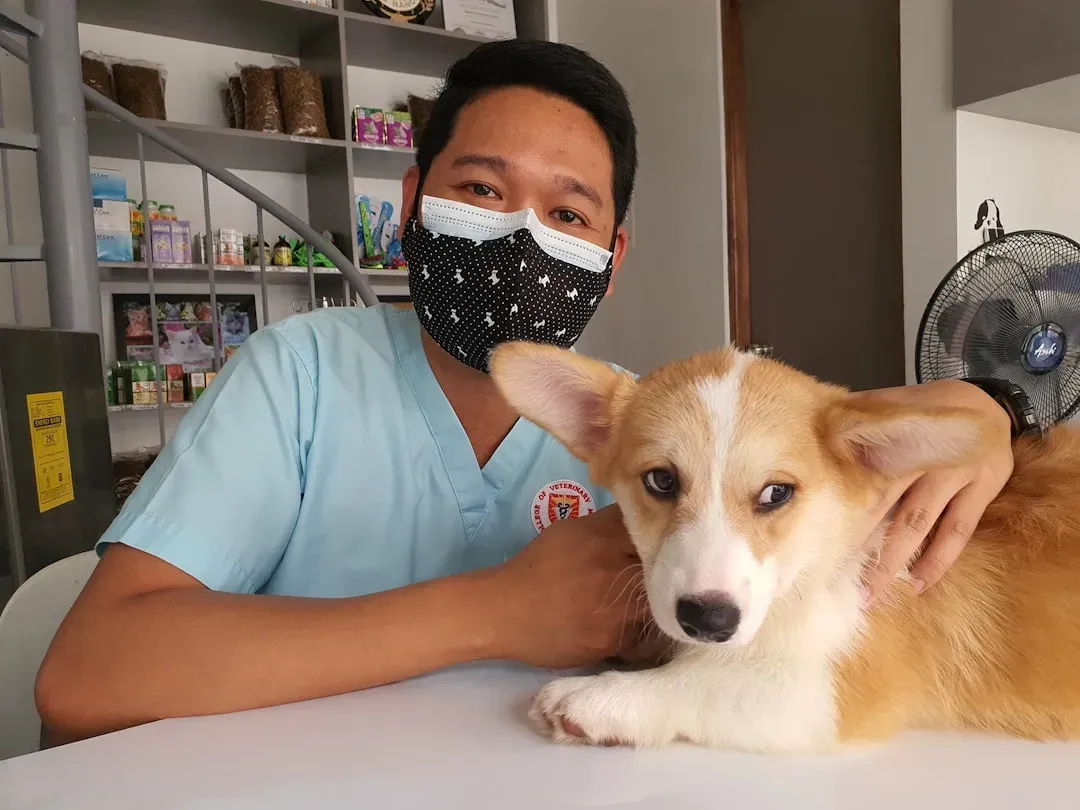
Here’s the hard, unpopular truth: instinct tells most dogs to hide weakness and slip away alone. But a dog who has spent a lifetime learning that “with you” means “safe” will often do the opposite in its most vulnerable moment. It will seek you out. It will let you hold it.
They’ll rest their head against your hand in a clinic room. They’ll struggle to turn just enough to see your face, even when it costs them effort they don’t have to spare. This isn’t a movie moment, it’s a brutal, deliberate act of trust, choosing to let you witness what every animal instinct says to hide. They don’t extend that to someone who shows up for occasional cuddles and photos. They save it for the one who stayed through the vomit, the accidents, the medication schedules, and every canceled plan that love quietly demanded.
The Bottom Line
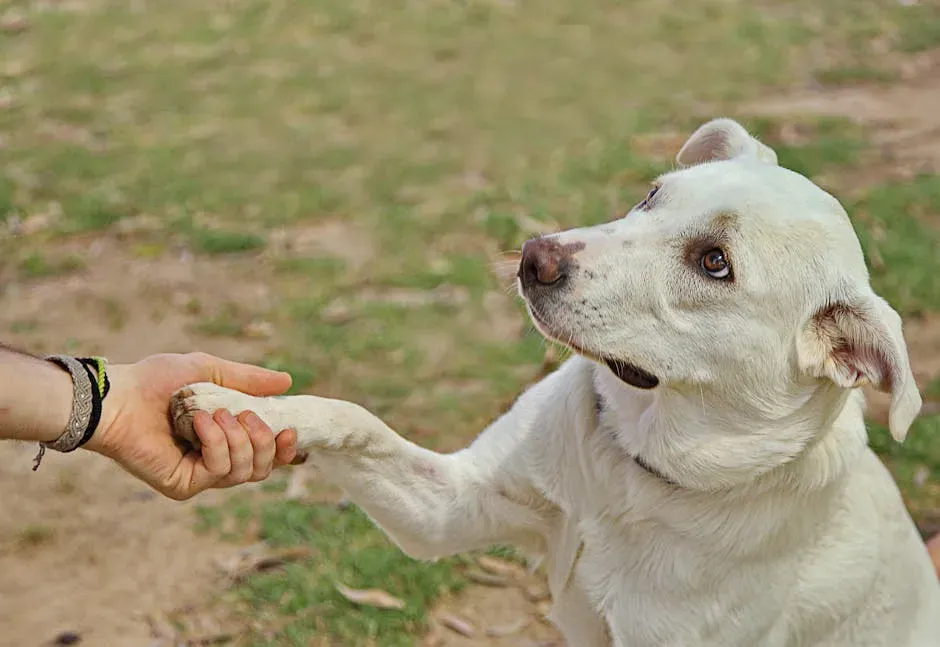
An old dog never writes a thank-you note and couldn’t care less about a perfect caption. It says everything it needs to say through inconvenient, easy-to-miss actions: dragging a tired body to your door during a storm, letting only your hands lift it when the pain flares, quietly breaking its own comfort rules just to sleep close enough to hear you breathe.
People love to say “a dog is just a dog.” That’s a comforting lie. A dog is a ledger. It keeps exact, silent records of who stayed once things stopped being cute, fast, and easy, and it pays that loyalty back in a thousand small, private ways you’ll never fully be able to explain to anyone who wasn’t there. If you’re the person who stayed, you already have the most honest version of love that animal had left to give, and no one can talk you out of knowing it.


