
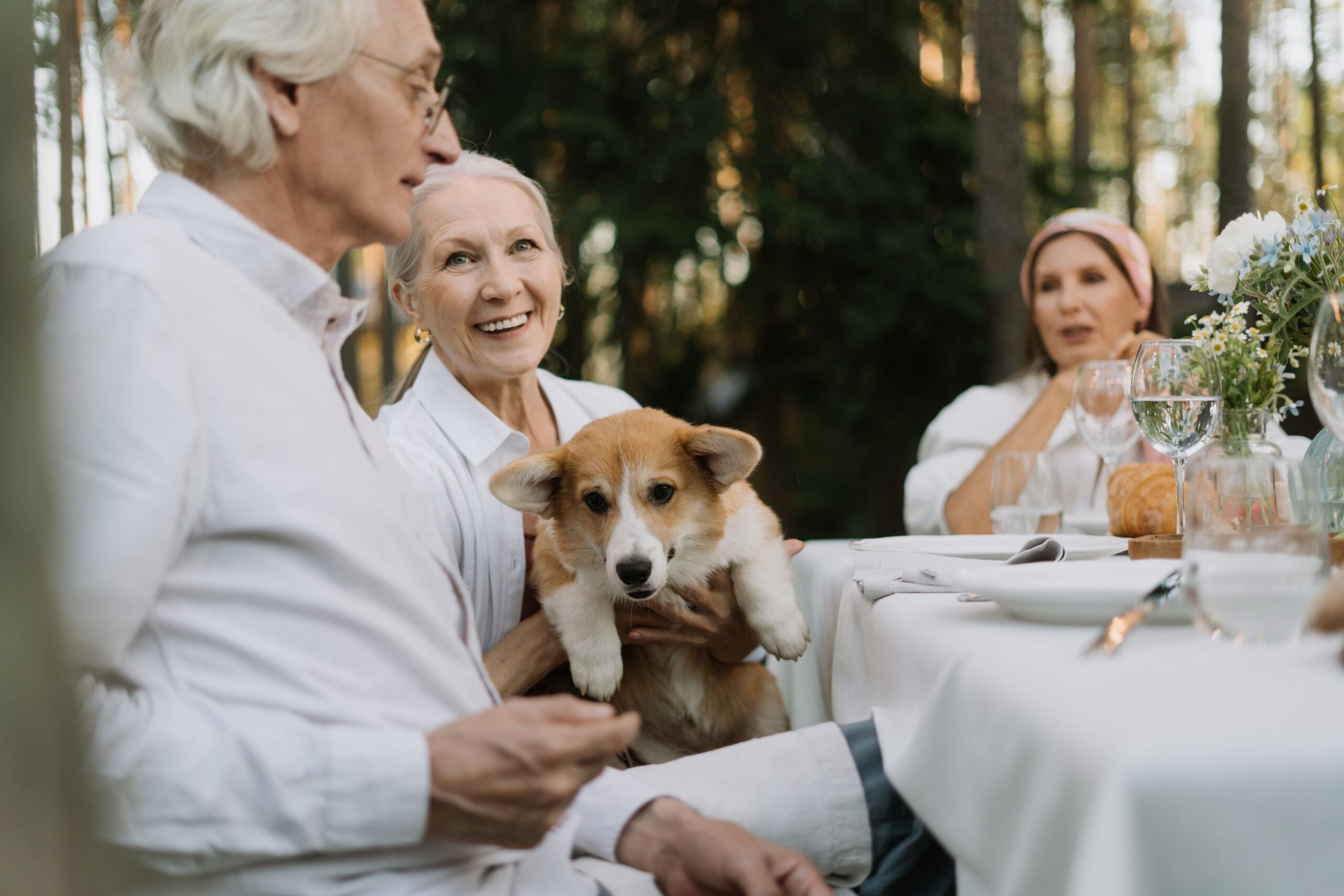
Give a dog a brand-new squeaky toy and a worn-out bedtime ritual, and most of them will choose the ritual every single time. That’s not a cute exaggeration – it’s the part of dog behavior most owners completely misread.
The truth is your dog isn’t guarding objects at all. They’re guarding a secret internal schedule, and messing with it can trigger more anxiety than taking away their favorite bone ever could. Here are the 14 tiny routines dogs protect like sacred territory, counting down to the one nearly every dog defends above all else.
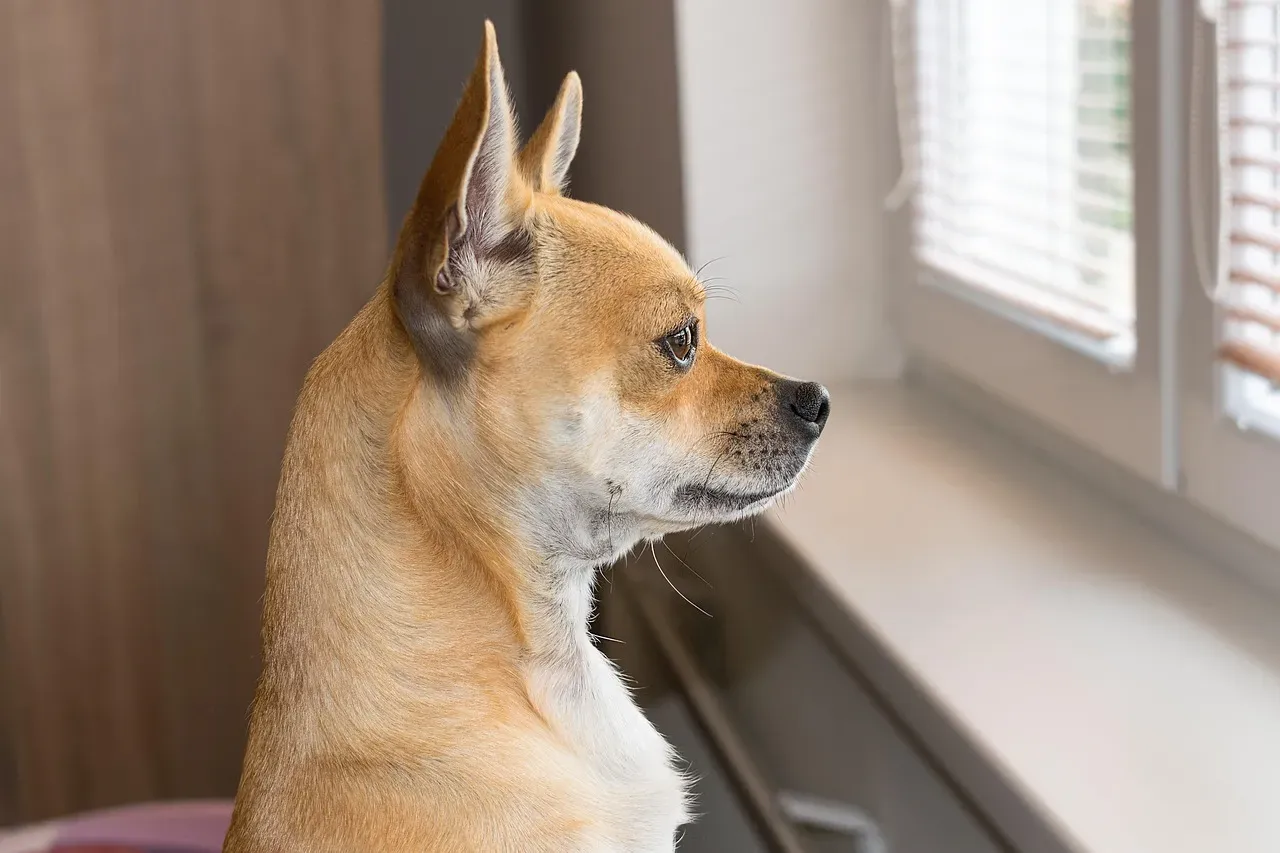
#14 – The Exact Spot at the Window for Neighborhood Surveillance
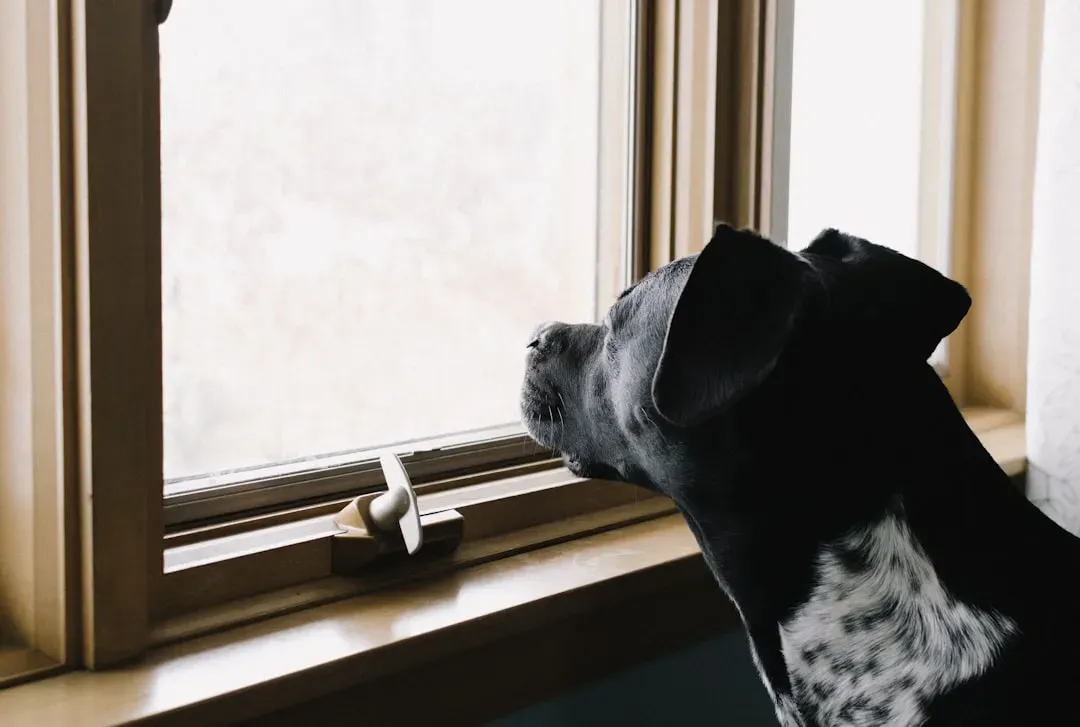
Your dog doesn’t just “like” looking out the window. That particular spot is their personal control tower, the place where they track mail carriers, squirrels, and that one suspicious leaf blowing down the street.
Move the chair, close the blinds, or block that angle, and many dogs react like you just canceled their favorite show mid-episode. You’ll see whining, pawing, and creative attempts to reclaim that view, because to them it’s not scenery – it’s a job.
For a lot of dogs, “window duty” happens on a schedule: right before the kids walk home, just before dinner, or the moment the trash truck usually rumbles by. They check, they sniff, they watch, and the routine hardens into ritual. If another pet dares to steal that exact vantage point, expect growls, stiff posture, or a subtle shoulder-check to reclaim the throne.
#13 – The Post-Meal Crumb Patrol Around the Table
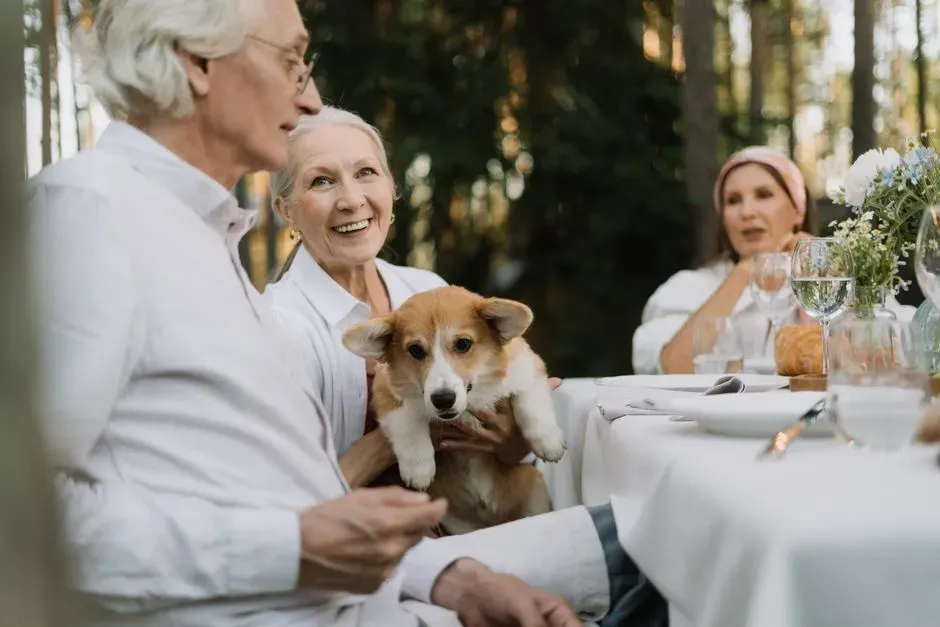
Once a dog learns crumbs “magically” appear after humans eat, your dining area becomes sacred ground. The obsession isn’t the meal itself – it’s the precise sequence of chairs scraping back, plates clinking, and a few glorious seconds of falling food.
Skip this familiar pattern and eat on the couch instead, and your dog will look personally betrayed. Some will even herd everyone back to the table with pointed, disapproving stares.
Many owners underestimate how rigid this routine really is. Dogs memorize who drops the most food, which kid is the messiest eater, and exactly where the best fall zone sits under the table. That’s why some dogs plant themselves like statues beside one specific chair and will body-block other pets from getting anywhere close to their claimed territory.
Fast Facts
- Dogs have roughly 300 million scent receptors, making food smells nearly impossible to tune out.
- Begging behavior can become reinforced after just a handful of repeated meals.
- Dogs often learn to associate specific footsteps or chair sounds with food within days.
- Many dogs target the messiest eater in the house as their primary “watch post.”
#12 – The Pre-Walk Hype Ritual at the Door
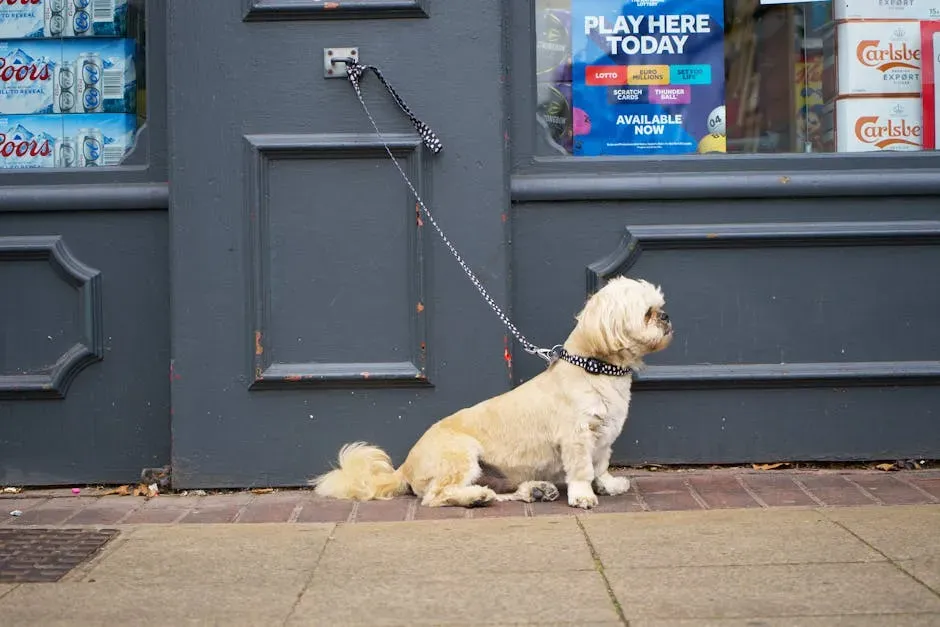
Most people assume the walk itself is the reward, but plenty of dogs are just as obsessed with the build-up. The sound of the leash clip. The exact phrase you always use – “Wanna go for a walk?” The jingle of keys.
Change this pre-walk script even slightly, and some dogs panic, pout, or explode into overdrive. Skip the magic phrase, and they may trail you anxiously, trying to trigger the “real” start of the sequence.
This ritual matters so much that dogs often guard the space near the door like a VIP lounge, shoving siblings aside or hovering exactly where you always clip them in. For dogs on a tight walk schedule, being five minutes late feels like a broken promise – proof that, for one anxious moment, the world stopped being predictable.
#11 – The Bedtime Tuck-In (Yes, Including the Weird Last Call Outside)
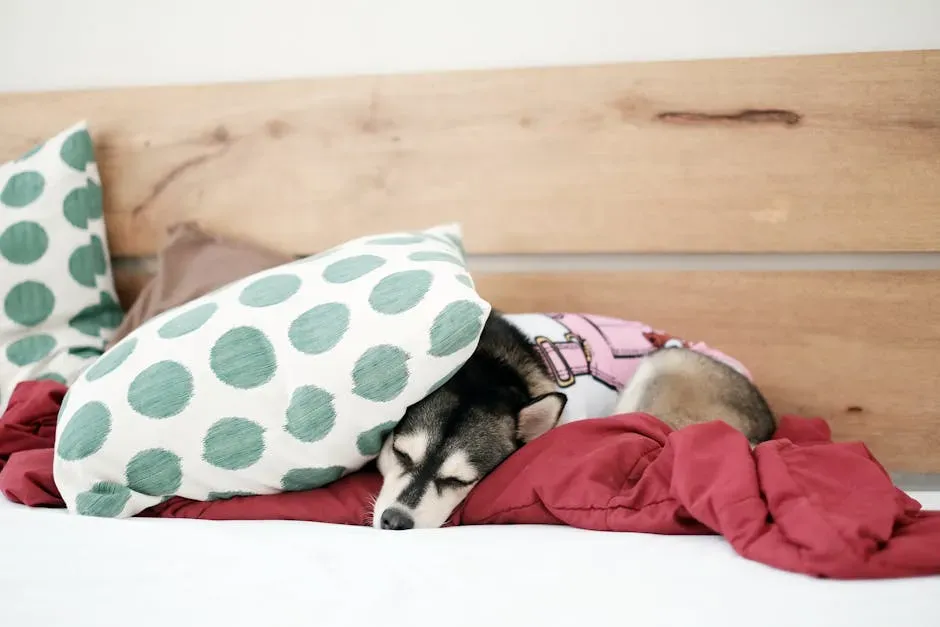
You might think you’re just letting them out one last time, but to your dog, bedtime is a full emotional script. Lights dim, the TV volume drops, you head toward the back door – and they know exactly what comes next.
Skip that final potty trip or forget the usual goodnight pat, and some dogs will refuse to settle, circling and whining like an alarm you can’t snooze. They’re waiting for the closing scene they’ve come to expect every single night.
Many dogs also guard their exact sleeping spot – the side of your bed, the hallway outside your door, that one corner of the couch. Try to redirect them and you’ll meet resistance: slow walking, planted paws, a heavy sigh and a dramatic flop of protest. What you’re really disrupting isn’t comfort, it’s security.
#10 – The First-Morning Greeting Script (Their Self-Appointed Alarm Clock Job)
For a surprising number of dogs, their favorite “toy” is actually the moment you wake up. They know the sequence by heart: alarm sound, you roll over, maybe you check your phone (which they despise), then finally eye contact.
Interrupt that pattern – hit snooze too long, get up silently, or sneak straight to the bathroom – and your dog acts like you broke the universe. Whining outside the door, paws scratching, dramatic yawns and stretches right in your face are all part of guarding that first connection.
Many dogs see themselves as your self-appointed alarm clock, and they protect that job fiercely. They’ll even start the routine on their own if you’re running late, escalating from gentle nose nudges to a full chest pounce, always in the same order: stretch, shake, approach, greet.
#9 – The “Work Mode” Setup When You Sit at Your Desk
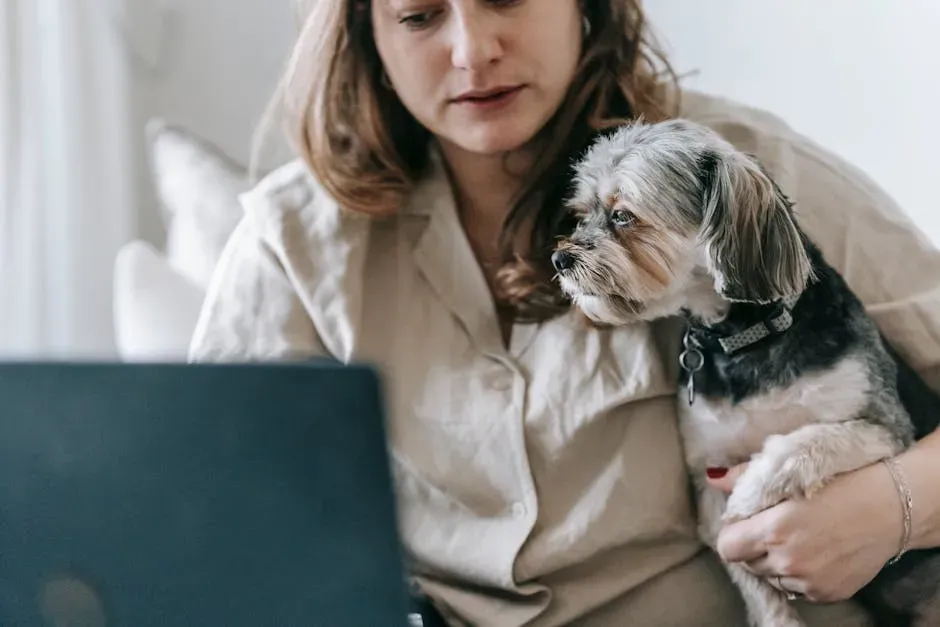
Dog owners who work from home badly underestimate how seriously dogs take “office hours.” When you grab your laptop, put on headphones, or settle into that one chair, your dog often rushes to claim their assigned position – under the desk, on the rug behind you, or perched on the couch back to supervise.
Change the work location, close them out of the room, or start without them, and many dogs spiral into anxious pacing or door-scratching. This isn’t clinginess. It’s routine-guarding, plain and simple.
To your dog, your work setup is a predictable block of time – you’re semi-stationary, mostly calm, and weirdly available for the occasional ear scritch. They learn the sounds that mean “break time” is coming, and some will even guard this pattern from other pets, squeezing into tight spaces just to hold their regular post.
#8 – The After-Work Decompression Moment You Didn’t Know They Noticed
What you call “zoning out on the couch after work,” your dog identifies as a formal, non-negotiable ritual. Bag down. Shoes off. You hit the couch or your favorite chair.
Skip this step – go straight to chores, leave again, or take a call – and many dogs react with obvious agitation, following you, whining, or herding you back toward the usual chill spot. They’ve been waiting all day for this exact drop in your energy.
Dogs read patterns better than we give them credit for, and over time they learn the post-work flop is when you’re finally present, not rushed. So they guard it – jumping up before anyone else can sit next to you, squeezing between you and your phone, planting a paw on you like a paperweight.
At a Glance
- Normal excitement: tail wags, brief following, then settles once you sit down.
- Routine disruption: pacing, whining, repeated attempts to herd you back to the usual spot.
- Mild stress: lip licking, yawning, or shifting weight from paw to paw.
- Full protest: vocalizing, blocking your path, or refusing to settle until the ritual resumes.
#7 – The Sacred Sniff Route on Every Walk
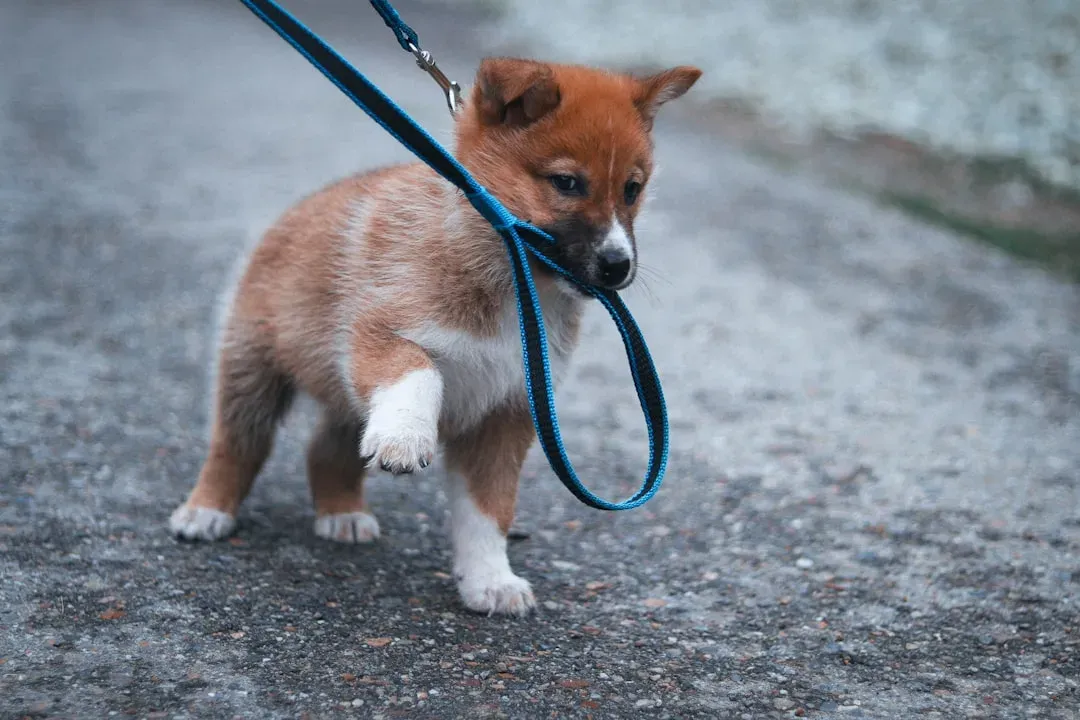
You think you’re walking the dog. Your dog thinks they’re running a full inspection tour – the same bushes, the same lamp posts, the same driveway edges, all part of their daily newsfeed.
Try to shorten the route, cross the street early, or rush past a favorite sniff spot, and you’ll feel the leash turn into a full-body protest. Planting paws, backward pulling, and confused glances are all signs you just broke the sacred path.
Dogs don’t just recognize landmarks – they time-stamp scents. That one tree where the neighbor’s dog always pees, the corner where the cat cuts through, the mysterious wildlife updates on that patch of grass – it’s all data your dog guards jealously, sometimes even snapping if another dog barges into “their” usual stop.
#6 – The Kitchen “Cooking Assistant” Position
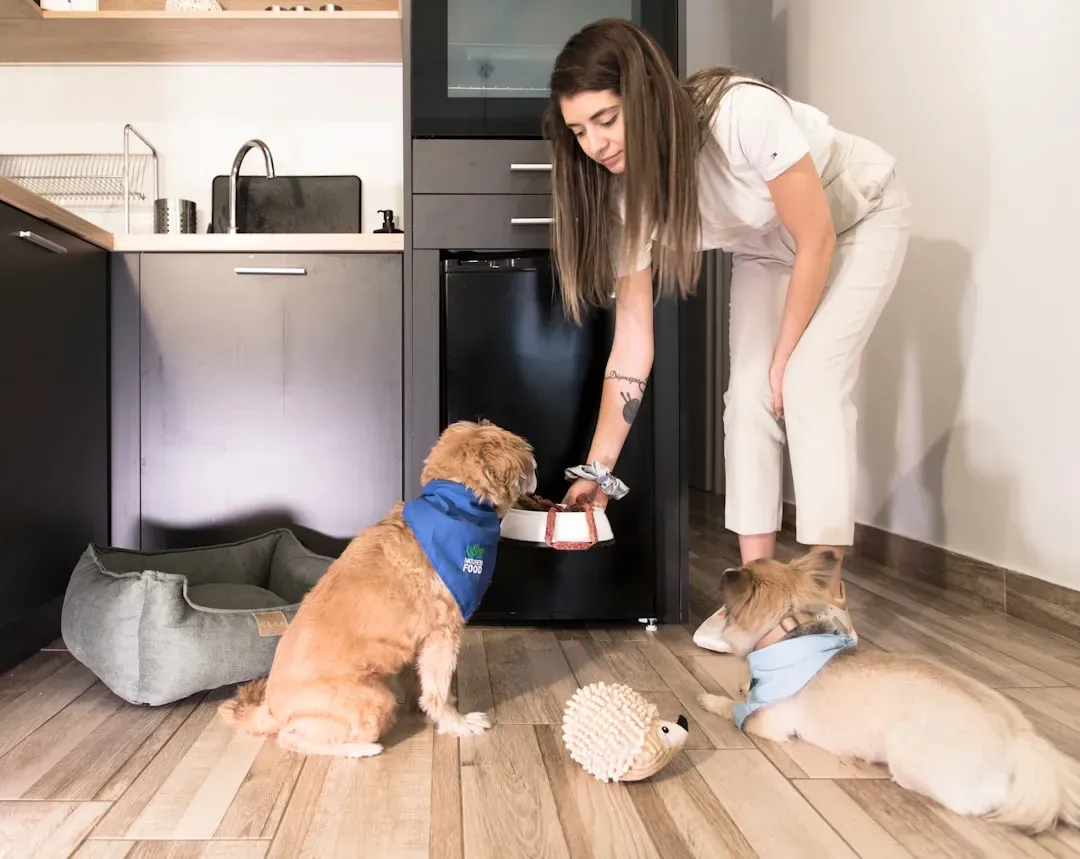
If you cook regularly, your dog has fully mapped your movements: fridge, counter, stove, trash. Their chosen spot – slightly behind you, near the cutting board, or just outside the danger zone – is never random.
Block that area, shut the kitchen gate, or change where you prep, and watch how fast your dog starts hovering, whining, or sneaking past your legs. This job is less about food and more about staying in the middle of the action.
Dogs love high-information zones, and the kitchen is top-tier – smells change constantly, people come and go, and accidental drops are always possible. They guard that helper role from other pets with a subtle shoulder bump or a cold nose nudge, and when you skip cooking altogether, some dogs seem genuinely unmoored, like the day lost its anchor.
#5 – The Car-Ride Routine, Down to the Exact Window
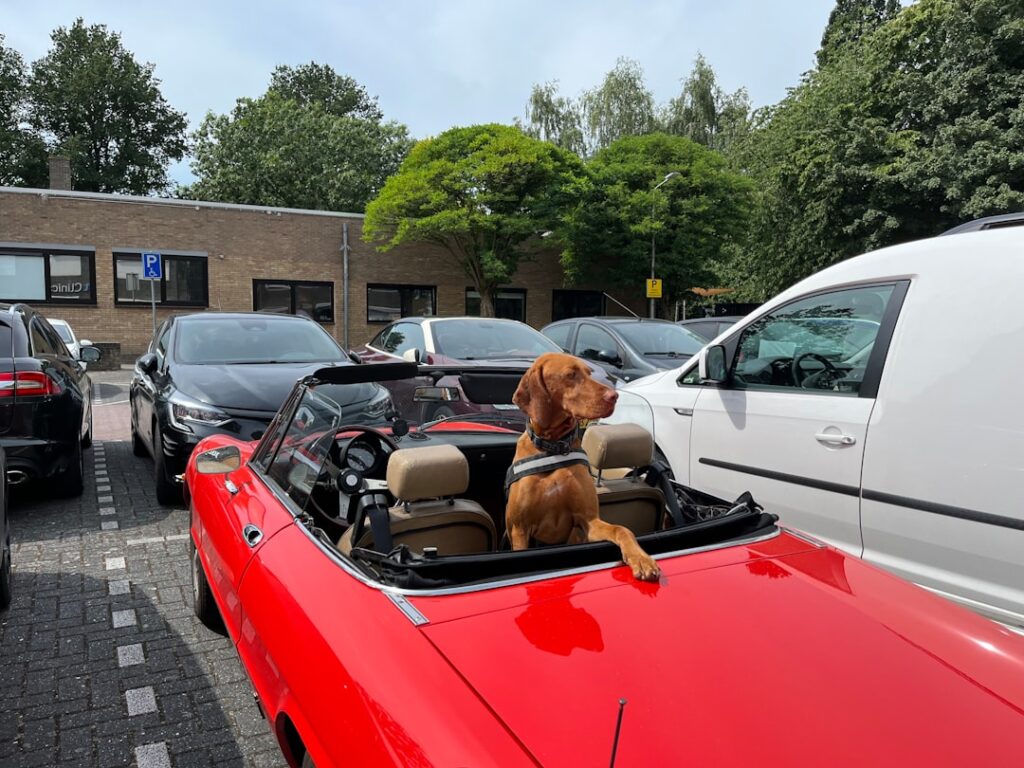
For a lot of dogs, it’s not “going for a ride” they’re obsessed with – it’s the step-by-step ritual around it. Keys jingle, shoes go on, you grab the leash, you head to the same door, the same side of the car, the same seat.
Change something – no front seat, no window, no drive-thru stop – and they can become visibly restless or vocal, as if you ruined their favorite show’s plot twist. Some dogs fiercely guard “their” car space from other animals or even kids.
They expect that corner of the back seat, that spot by the window, that armrest perch. Try to buckle a child into their seat and you’ll see hovering, blocking, or anxious whining, and when you suddenly drive somewhere new without the old pattern, many dogs anxiously scan the windows trying to reconcile the broken routine.
#4 – The Midday Check-In: Following You Room to Room
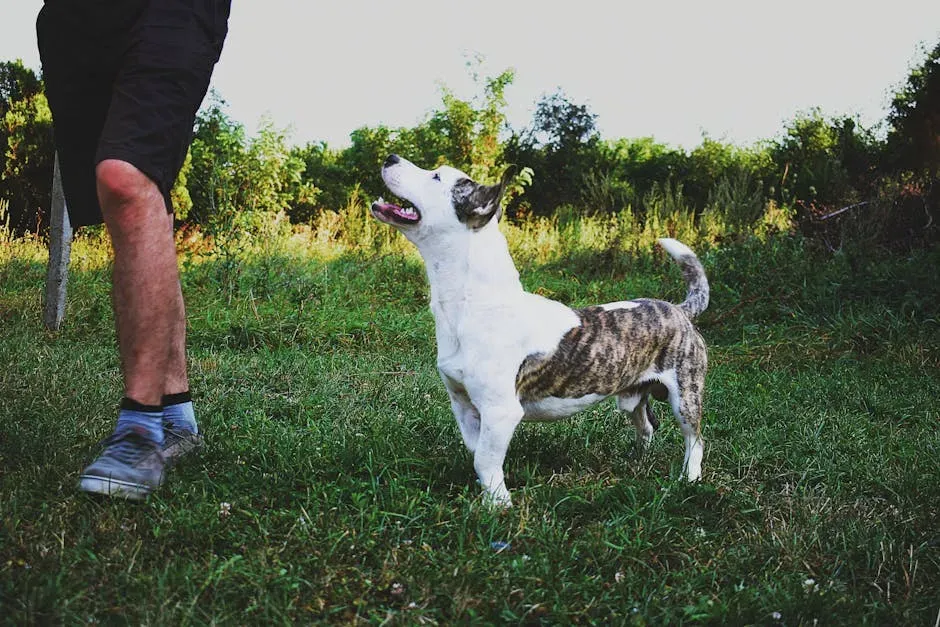
People call it “velcro dog behavior,” but it’s often a carefully timed ritual. Around the same times each day – mid-morning, after lunch, late afternoon – your dog runs a full house audit, tracking you from room to room.
If you close them out, change your schedule, or leave unexpectedly, some dogs become unsettled fast, scratching at doors or whining like something is seriously wrong. They’re not being nosy. They’re confirming the pack is intact.
This roaming check-in often includes micro-routines: a quick lie-down in the doorway while you answer emails, a lap around the bathroom while you brush your teeth, a head pop-in during laundry. Dogs memorize these beats and guard the timing fiercely, and when the pattern breaks – say you’re sick in bed all day – they may pace or shadow other family members trying to reassemble the “normal” rhythm.
Worth Knowing
- Sudden schedule changes are often linked to short-term stress responses in dogs.
- Dogs can track time intervals using internal cues like light changes, hunger, and fading scent.
- Consistent daily check-ins can help ease separation-related anxiety over time.
- Even small, five-minute deviations can be noticeable to highly routine-oriented dogs.
#3 – The Treat Timing They Can Practically Set a Clock By
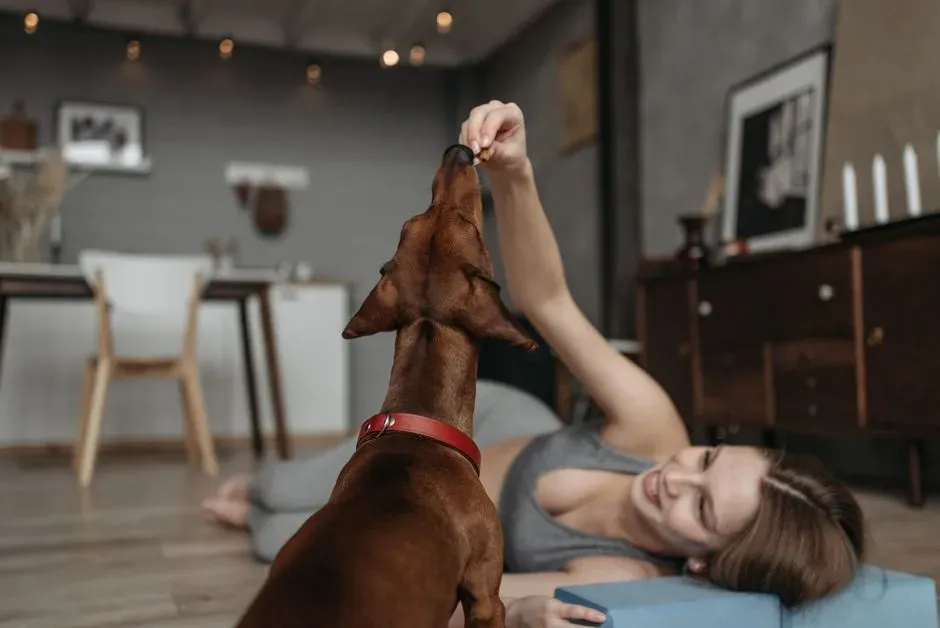
Every household has one: the 3 p.m. biscuit, the after-dinner dental stick, the “one before bed” chew. To you, it’s a habit. To your dog, it’s a binding contract.
Skip that window, get distracted, or offer the treat at the “wrong” time, and you’ll find your dog parked in the kitchen, staring lasers into your soul until you fix it. They’re not being greedy – they’re defending a predictable, deeply satisfying anchor in their day.
Dogs remember the exact sequence leading to treat time: the cabinet opening, the rattle of the bag, maybe a specific phrase you use. Some will even start the ritual on your behalf, sitting in the “treat spot” or performing every trick they know unprompted, and if another pet crowds in too early, you’ll notice real resource guarding – blocking bodies, low grumbles, a hard stare.
#2 – The Couch Cuddle Slot During Your Favorite Show
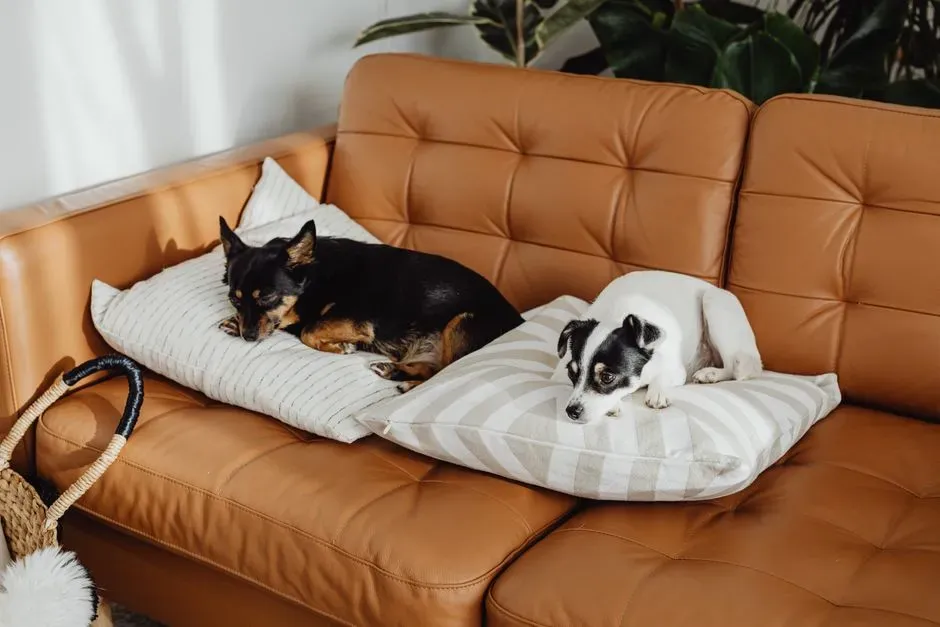
You think you’re just watching TV. Your dog thinks it’s scheduled cuddling – that one show you always watch after dinner, that same blanket, that exact side of the sofa, all burned into their brain as signals.
Sit in a different chair, skip the show, or ban them from the couch for “one night,” and many dogs will mope, hover, or attempt desperate, slow-motion climbs into your lap anyway. They don’t care what’s on the screen. They care that this is when your attention narrows and your body finally stays still.
You’ll see them wedge between couples, sit directly on remotes, or stare down anyone who interrupts by standing up too often. For single owners especially, this routine can be the emotional highlight of the dog’s entire day, and breaking it sends them visibly searching for the missing step.
Why It Stands Out
- Predictability tends to calm dogs more effectively than novelty or new toys ever could.
- Physical closeness during calm moments strengthens the human-dog attachment bond.
- Dogs often prioritize consistent attention over whatever activity is happening around them.
- Breaking a beloved routine, even briefly, can trigger visible seeking behavior.
#1 – The “You Just Got Home” Reunion Ritual
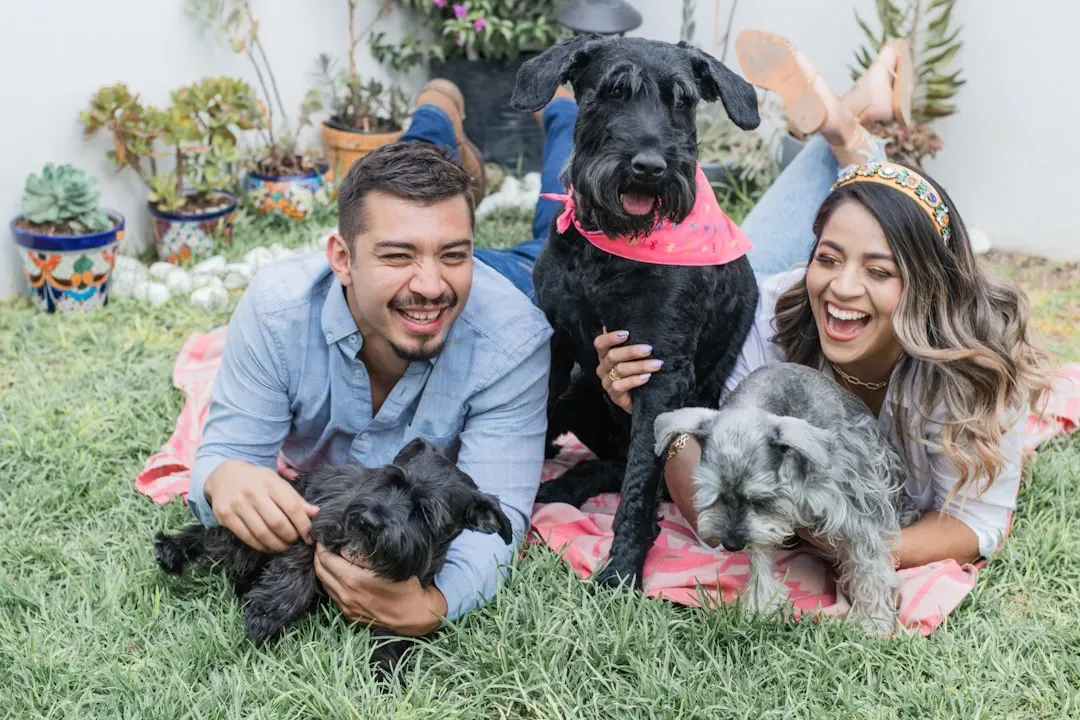
The one routine almost every is the homecoming ceremony. The sound of your car, your footsteps in the hall, the lock turning – this is their Super Bowl, their one guaranteed daily miracle.
If you suddenly come in quietly, ignore them, or rush past without the usual greeting, many dogs freeze, deflate, or frantically chase you down trying to recover that missing moment. It’s not optional to them. It’s proof you’re safe and the world is right again.
Every dog has their own version – zoomies in the hallway, a favorite toy dropped at your feet, tight little spinning circles, or a full-body press against your legs. They memorize the exact order: door opens, you say their name, they leap, you bend down, they get that first touch. More than food, more than toys, this sequence is the one their heart defends the hardest, and they will physically block other pets or people who try to steal a piece of it.
The dog is the only animal that has seen his god.
Sir Roger Caras
The Bottom Line
It turns out the things your dog guards most fiercely aren’t the squeaky toys scattered across the floor. They’re the invisible skeleton of the day – the greeting at the door, the first-morning look, the sniff route you take without thinking twice.
When you disrupt these tiny rituals, many dogs react harder than if you’d pulled a bone straight out of their mouth. That’s how deeply routine equals safety in a dog’s mind, and honestly, most of us have been underestimating it for years.
Here’s the opinion nobody wants to hear: a $40 puzzle toy will never beat a predictable five-minute cuddle, a steady bedtime script, or the exact same walk around the block. If you actually want to earn your dog’s loyalty, stop buying more stuff and start protecting the small, boring moments they’d never trade away. That’s the real love language – and most owners are speaking it wrong.
Did we miss one of your dog’s fiercely guarded routines? Drop it in the comments.


