
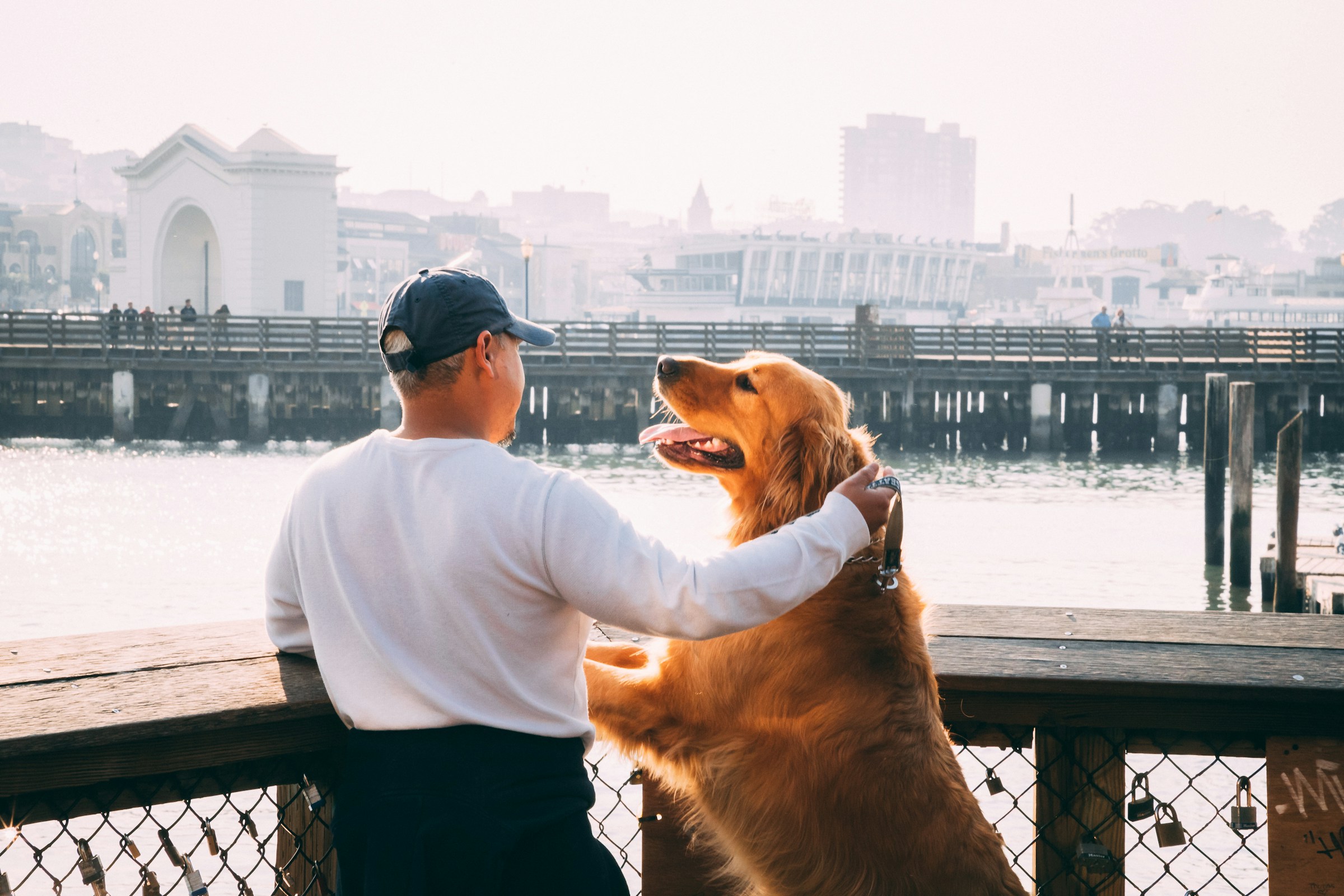
Most people assume the best thing you can do for a dying dog is fight harder – one more treatment, one more specialist appointment, one more heroic effort to buy a few extra weeks. But talk to anyone who has actually sat on the floor with a senior dog through their final stretch, and you’ll hear something completely different. They don’t talk about miracle cures. They talk about a warmer blanket, a slower walk, a car window cracked just enough to let in an old, familiar smell.
It turns out the things that matter most at the end are almost embarrassingly small – easy to overlook if you’re focused on the big, dramatic gestures. Below are 17 of them, gathered from people who’ve walked a dog all the way to the last breath. Some of these will feel obvious. A few might make you rethink what you’re doing right now, today, while there’s still time to change it.
#1 – Letting Them Sleep Without Guilt

Near the end, your dog’s favorite hobby isn’t fetch or walks. It’s sleep. Their body is working harder to do everything, so extra sleep isn’t laziness – it’s survival. Many owners quietly worry that “all they do now is sleep” means they’re failing their dog somehow. It doesn’t.
It usually means the opposite: your dog finally feels safe enough, and tired enough, to let go and rest deeply around you. The kindness is simple – stop trying to “keep them stimulated” the way you used to. Let them nap through visitors, skip the trip to the café, ignore the ball sitting untouched by the door. Build the house around their sleep schedule instead of the other way around. That quiet permission to rest, without being pulled back into your plans, is one of the last real comforts you can give.
#2 – Making Their Favorite Spot Soft, Warm, and Close
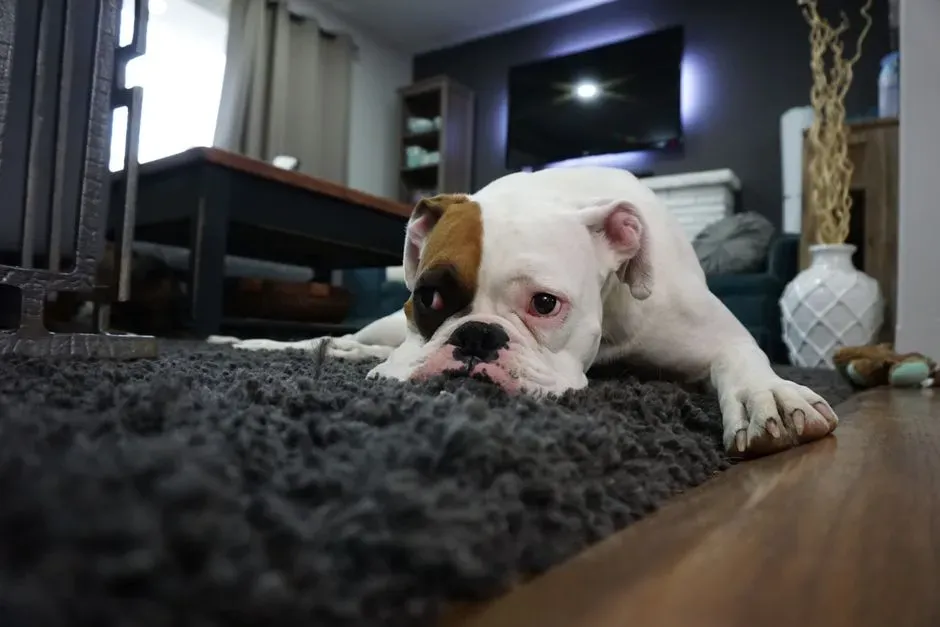
Most people don’t realize how brutal a normal floor is on arthritic joints. That rug that felt cozy when they were three might feel like concrete at thirteen. One of the biggest end-of-life upgrades isn’t another toy – it’s simply layering softness wherever they choose to lie.
Extra blankets, orthopedic beds, egg-crate foam under a sheet. The second half of this kindness is location: move that soft nest into the center of where life actually happens, by the couch, near your bed, next to the kitchen table. Being able to doze while still hearing your voice and feeling your footsteps can calm them more than any anti-anxiety pill. It quietly says, “You’re still part of us. You don’t have to choose between comfort and company.”
#3 – Choosing Gentle Walks Over “One Last Big Adventure”
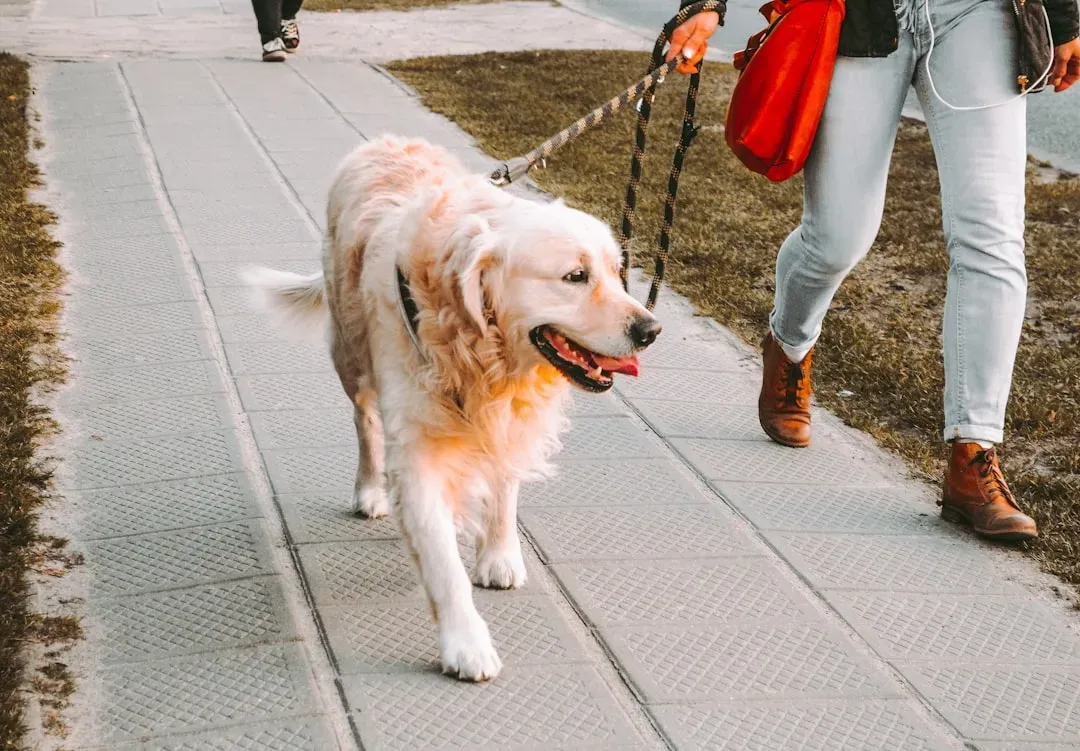
Most dog owners dream of one last epic hike. Many vets will quietly tell you that dream is usually for the human, not the dog. An elderly dog with heart disease, cancer, or arthritis often pays for that “bucket list” day with days of pain and confusion afterward.
The real kindness is trading ambition for gentleness. A slow shuffle to the mailbox instead of a mile loop. Letting them sniff one tree for five minutes instead of insisting on “real exercise.” Ten quiet minutes in the grass, watching the neighborhood beside you, is often a better memory than dragging them up their old trail one more time. When they sit down mid-walk, that’s their body saying, “This was enough.” Listening to that, without pushing, is a deeper act of love than any grand finale.
#4 – Saying Yes to Foods You Once Banned
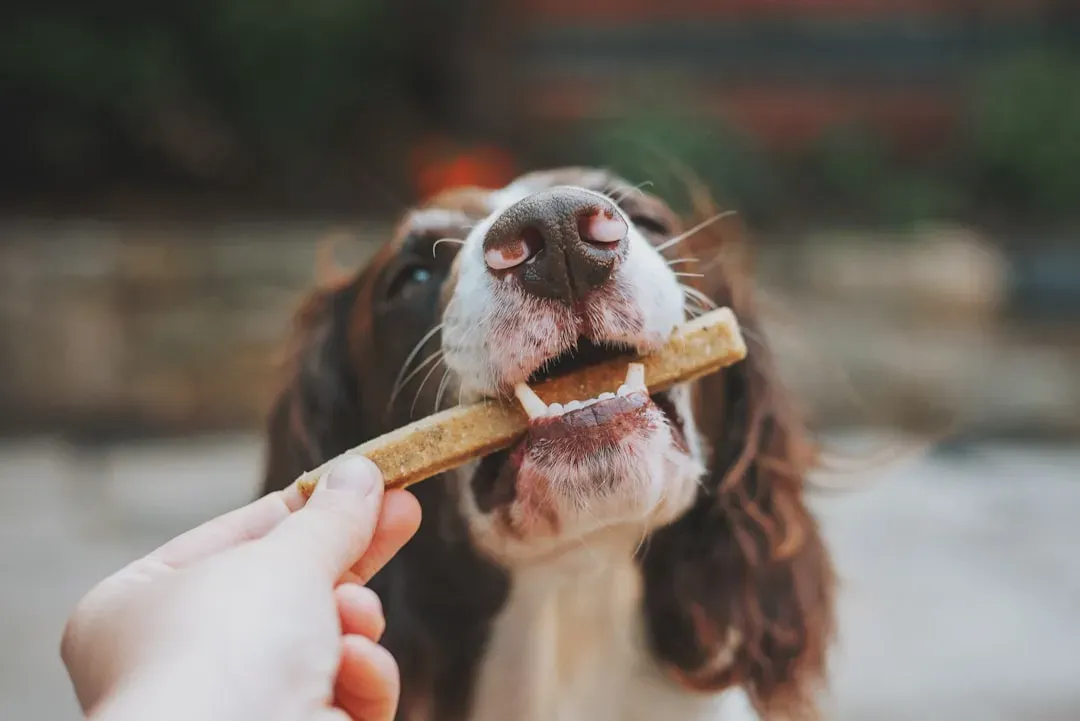
For years you guarded their diet like a hawk – no table scraps, no greasy food, careful calories. Near the end, the rules change. Appetite often fades first, and keeping them eating a little, happily, matters more than sticking to a perfect nutrition chart.
Many hospice vets quietly suggest this is the time for roast chicken, warm rice, a bit of scrambled egg, even a taste of burger if their stomach allows it. This doesn’t mean tossing out medical advice – it means asking what actually matters now. For a dog with weeks left, the joy of a favorite treat can outweigh a long-term risk that will never arrive. Hand-feeding tiny pieces while they look at you with half-closed eyes is its own quiet goodbye ritual: you were a good dog, and now you get the good stuff.
Fast Facts
- Plain boiled chicken, white rice, and pumpkin puree are gentle on a sensitive senior stomach
- Scrambled eggs offer easy, low-effort protein when appetite is fading
- Skip onions, garlic, grapes, chocolate, and anything greasy or heavily seasoned
- Small, frequent portions are often easier to keep down than one big meal
#5 – Lowering the World to Their Level
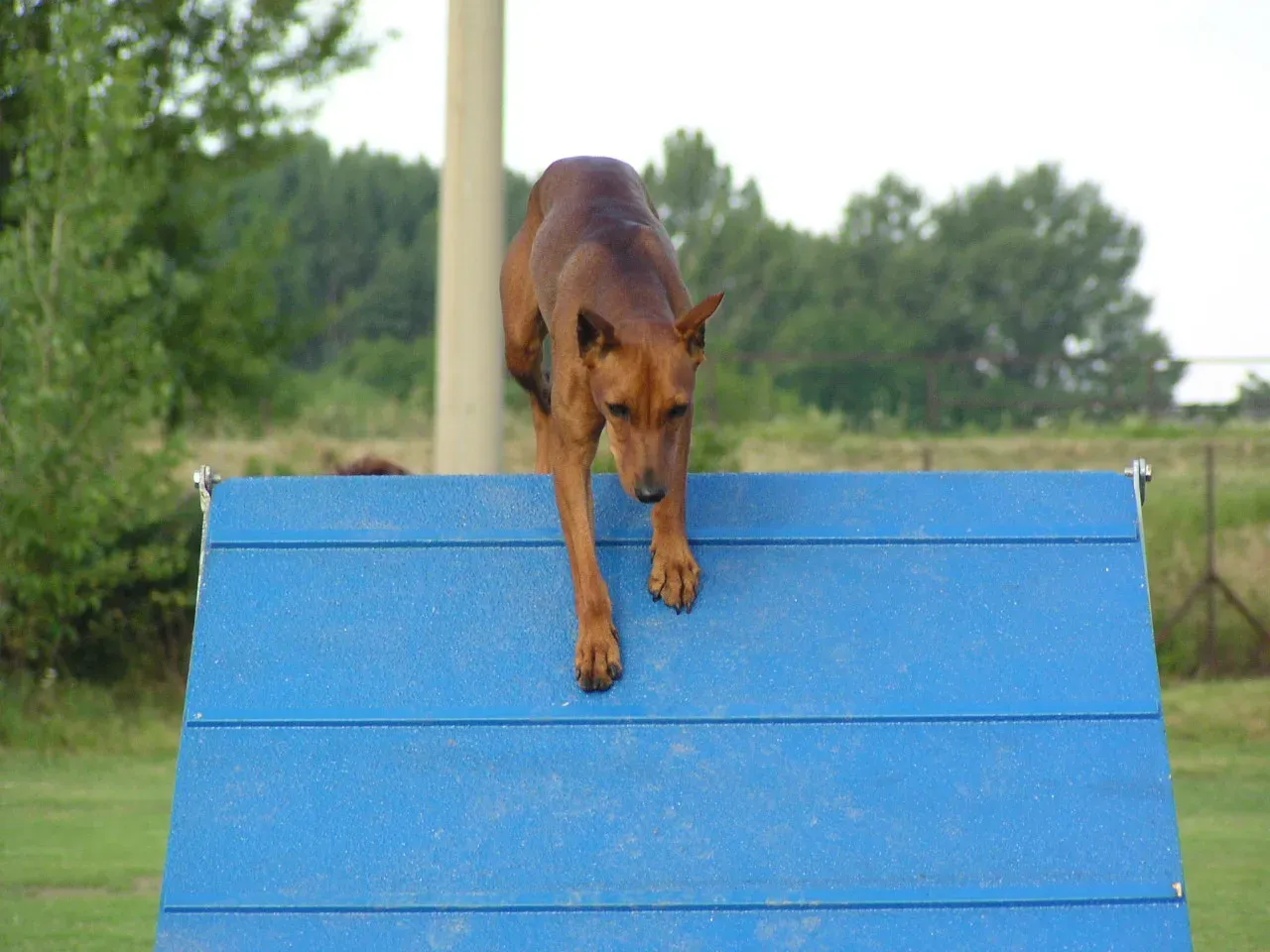
Most people don’t realize how many everyday things quietly turn into obstacles: a single stair, a slick floor, a car seat that’s suddenly too high to reach. One of the kindest things you can do in this last chapter is shrink the world so they can still move through it with dignity.
A ramp by the porch. A yoga mat or carpet runner down a slippery hallway. Raised food and water bowls so sore necks don’t have to bend. This isn’t about spoiling them – it’s about preserving their independence and avoiding the panic of constant slips and failed jumps. You’re not coddling them; you’re removing suffering they can’t explain. The goal is fewer “I can’t” moments, and more “I still can, just differently.”
#6 – Staying Calm When Their Body Starts Failing
Here’s the part nobody likes to talk about: near the end, accidents happen. They may pee where they never would have. They may vomit, whimper at night, or get confused and stuck in a corner. Your reaction in those moments matters more than almost anything else.
If you respond with anger, shame, or visible disgust, a dog who’s already scared of losing control can crumble inside. The small, powerful kindness is this: clean first, comfort second, process your own feelings later – away from them. Soft voice. Light touch. “It’s okay, buddy. I’ve got you.” They don’t understand the diagnosis or the timeline. They only understand whether they’re still safe with you.
#7 – Letting Them Choose the Pace of Goodbye
Most people don’t realize dogs have preferences about contact, even at the end. Some cling harder than ever. Others quietly pull away – choosing a corner, an empty room, a bed by the door. Forcing your version of “quality time” can stress them more than it soothes them.
The kindest move is following their lead within safe limits: lying on the floor near them instead of insisting they cuddle on your chest, letting them leave a busy room to rest alone even when you want to keep watching them. It can feel like rejection. It isn’t. Some dogs manage their own energy right up to the end. Ironically, when you stop clinging, they often relax and come back to you on their own terms.
#8 – Protecting Them From Well-Meaning Chaos
Family, kids, neighbors – everyone wants to “say goodbye.” But a parade of visitors can be utterly exhausting and confusing for a sick or elderly dog. Loud voices, sudden hugs, constant touching – they may tolerate it, but their body pays for it later.
A real act of kindness is being the bad guy on their behalf. Limit the guest list. Set the rules: gentle petting only, no picking them up, short visits. If your dog is a true people-dog, choose a couple of their favorite humans and keep it calm instead of a circus. Saying “not today” to someone chasing their own closure can be one of the most loving yeses you give your dog.
#9 – Keeping a Familiar Routine, Even When Everything Else Changes
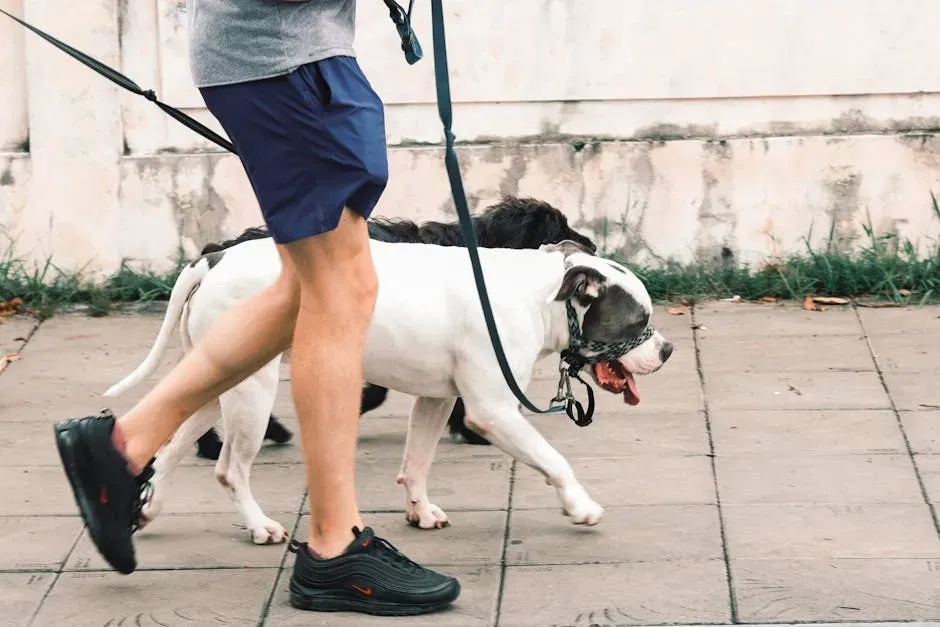
When meds, vet visits, and strange new symptoms show up, the whole house feels off-kilter. Dogs pick up on that long before the first injection. Clinging to simple routines – the morning greeting, the same phrase before bed, the way you fill the food bowl – acts like an emotional anchor.
It says, “Some things are still the same. You’re still you. I’m still me.” Maybe walks get shorter, but you still jingle the leash and say the same silly line you always have. Maybe they can no longer sleep in your bed, but you still tuck them in with the same blanket and kiss their head. Senior dogs don’t need novelty. They need predictability, and when their body is failing, predictability is the closest thing to peace you can offer.
#10 – Talking to Them Like They Still Understand Everything
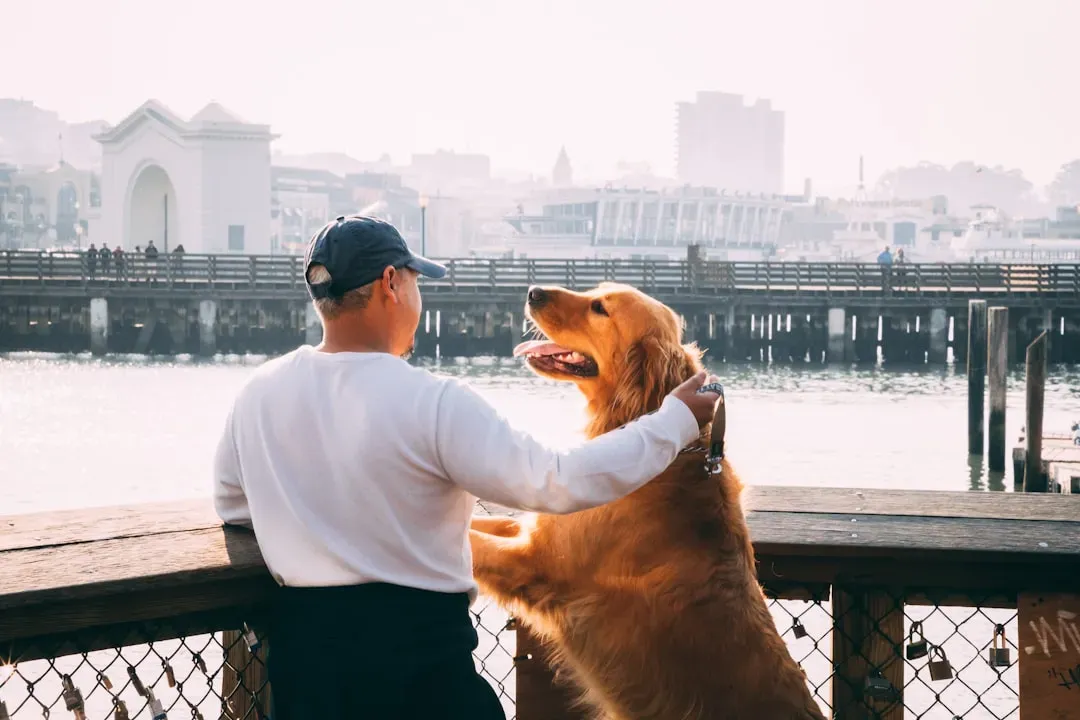
A lot of people quietly stop talking to a dog once they’re mostly sleeping or “out of it.” That’s a mistake – hearing is often one of the last senses to go. Your voice is one of the few things that can still cut through pain, confusion, and sedation.
This isn’t about long speeches. It’s the everyday commentary you’ve always given: “We’re going outside now.” “I’m just doing the dishes.” “I’ll be right back.” And yes, the soft, stupid nicknames you’d never say around anyone else. There’s no proof it makes anything easier in some grand cosmic sense. But dogs visibly relax when they hear a trusted voice being calm and loving. In the end, you’ll never regret anything you said to them – only the silence.
#11 – Easing Their Pain Before Your Emotions
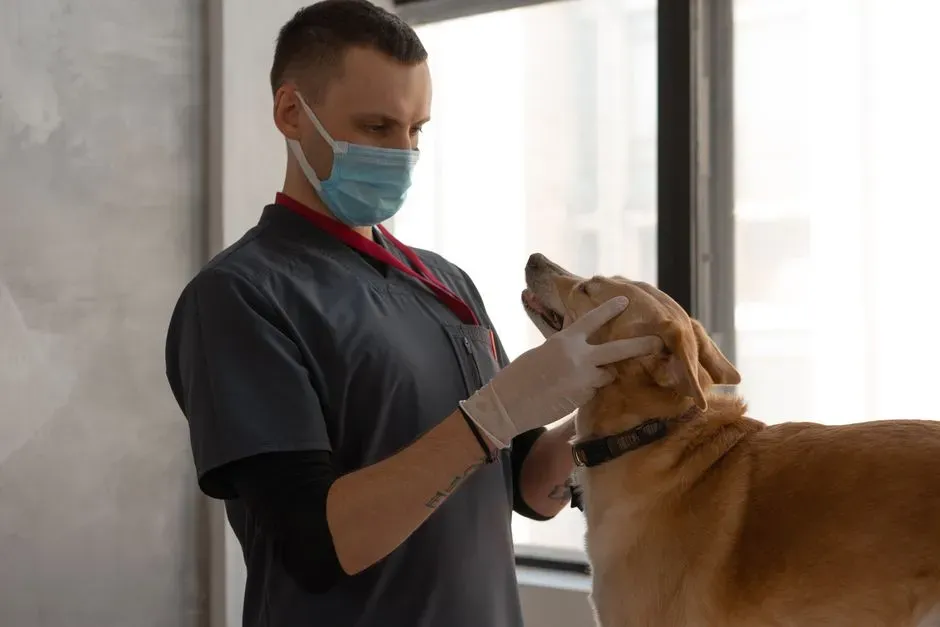
This is the hardest truth on this list: sometimes the last, most important kindness is medical, not emotional. Many owners wait too long to adjust pain meds or consider humane euthanasia because they’re scared of the decision – and that’s human. But every extra day your dog spends in unmanaged pain is a day you kept them alive for you, not for them.
That sounds harsh, but it’s a line hospice vets repeat constantly. Advocate aggressively for comfort – pain meds, anti-nausea drugs, anxiety relief – without shame. And be willing to actually hear the vet who says, “We can keep going, but the quality isn’t really here anymore.” Your dog doesn’t fear death the way you do. They fear pain, confusion, and separation from you. Removing that, even when it breaks you, is an act of radical love.
Quick Compare
- Good day signs: eats with some interest, greets you, finds a comfortable resting position
- Hard day signs: refuses food and water, labored breathing, restlessness, trouble standing
- Tracking “good days vs. hard days” on a simple calendar can make the bigger picture easier to see
#12 – Being Fully Present During the Hard Appointments
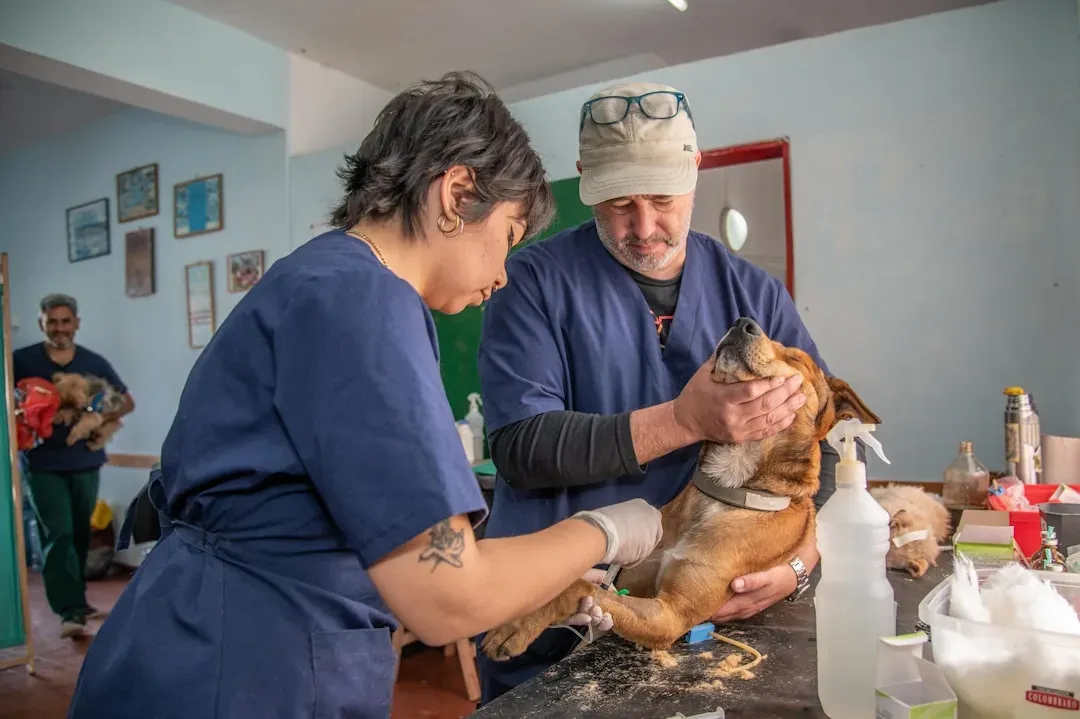
Most people imagine the vet’s office as the worst place to say goodbye, and sometimes it is. But wherever those last medical visits happen, your presence is the only familiar thing in a sea of strange smells, cold tables, and needles.
The kindness isn’t just showing up – it’s how you show up. Put the phone away. Don’t spend the visit arguing logistics while they lie on the floor. Pet them with a steady hand, not a frantic grip. If euthanasia is happening, sit on the floor at their level so their last sight is your face, not fluorescent lights. You can’t control the disease, but you can control whether they leave this world feeling abandoned or anchored.
#13 – Letting Them Smell the World One More Time
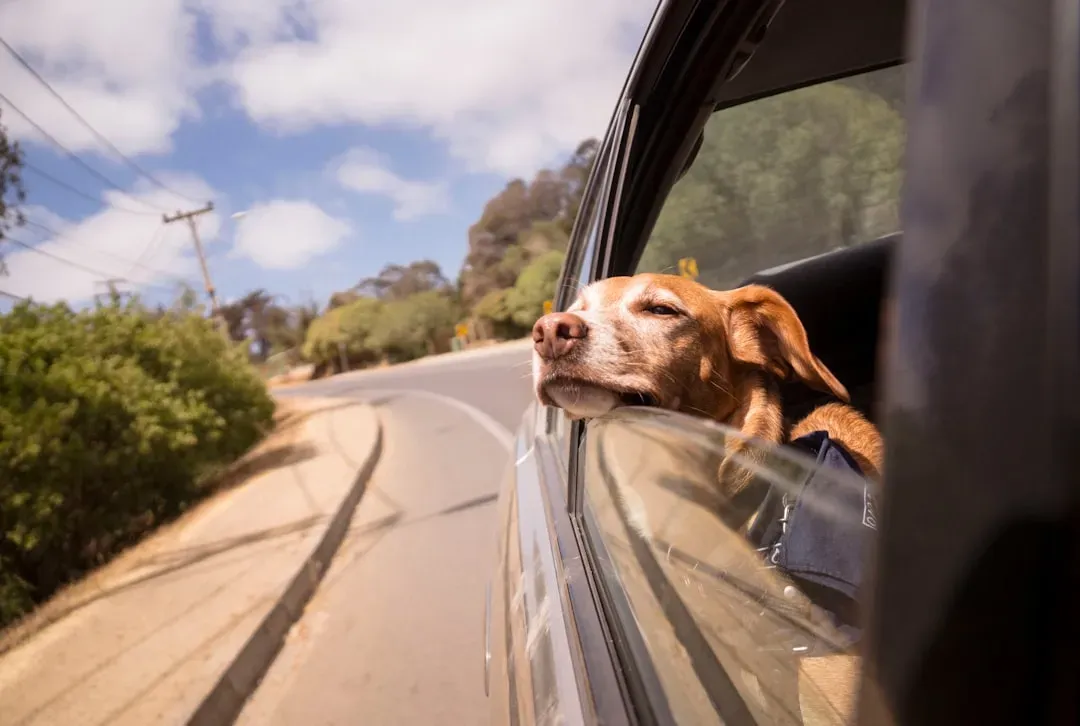
Late-life walks often turn into slow “sniff drives,” and there’s a reason. Smell is how dogs read the news, remember territory, and feel connected to life beyond the house. Even if they barely walk anymore, a slow cruise with the window cracked enough for their nose can light up their brain in ways we underestimate.
A short car ride past their old park, window low on their side, blanket under them. Time in the yard while the wind carries in the scent of other dogs and people. They don’t need to run – they just need to receive. Dogs near the end often perk up for smells they knew as puppies, from a beach you used to visit to a trailhead you can no longer hike but can still drive by. That tiny effort can turn a flat, gray day into something quietly rich.
At a Glance
- Smell often stays sharp even after eyesight and hearing start to fade
- Hearing tends to be one of the last senses to go, so a calm voice still reaches them
- Familiar scents – an old park, a worn blanket, a favorite person – can spark real alertness and comfort
#14 – Capturing Real Moments, Not Perfect Pictures
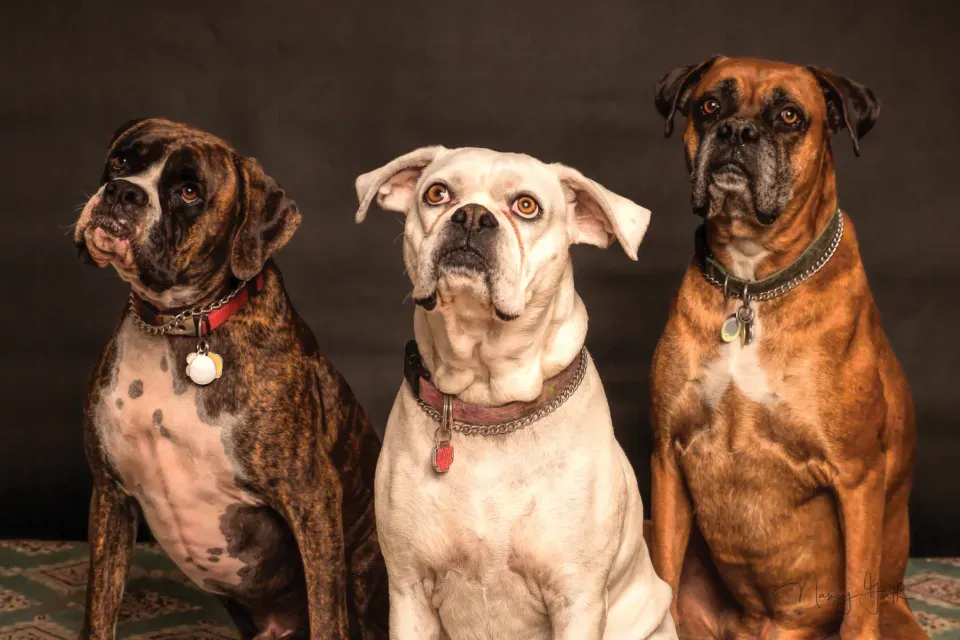
Some people think pulling out the camera near the end is selfish or morbid. But hiding from the reality of it often turns into regret later. The kindness here is twofold: capture genuine, comfortable moments for yourself, and never force a “performance” out of your dog for the sake of the shot.
Photograph them sleeping against your leg. You holding their paw. Their gray face resting on your old shoe. Skip the costumes, the posed bucket-list shots under bright lights, the long sessions that tire them out. These aren’t Instagram campaigns – they’re breadcrumbs of a life lived together. You’re not betraying them by wanting to remember. You’d only be betraying them by turning their last days into a content project instead of a comfort project.
#15 – Letting Them Break the Rules Without Apology

For a decade you taught them boundaries: no couch, no bed, no shoes, no begging at the table. Ironically, one of the sweetest kindnesses at the end is deliberately breaking your own rules for them. Let them up on the couch if their body allows it. Share some safe people food. Let them sleep in your bed if it’s safe for both of you.
Rules are built for the long term, and the end isn’t long-term anymore. Your dog doesn’t think, “finally, I’m allowed on the couch” in some philosophical way – but they absolutely feel, “I get to be closer. I get more of you.” It’s okay to admit some rules were only ever about convenience, not morality. At the end, choose connection over convenience every single time. You won’t remember clean cushions. You will remember the last night you slept facing each other.
#16 – Telling Them Out Loud That They Were Good, and They Can Rest
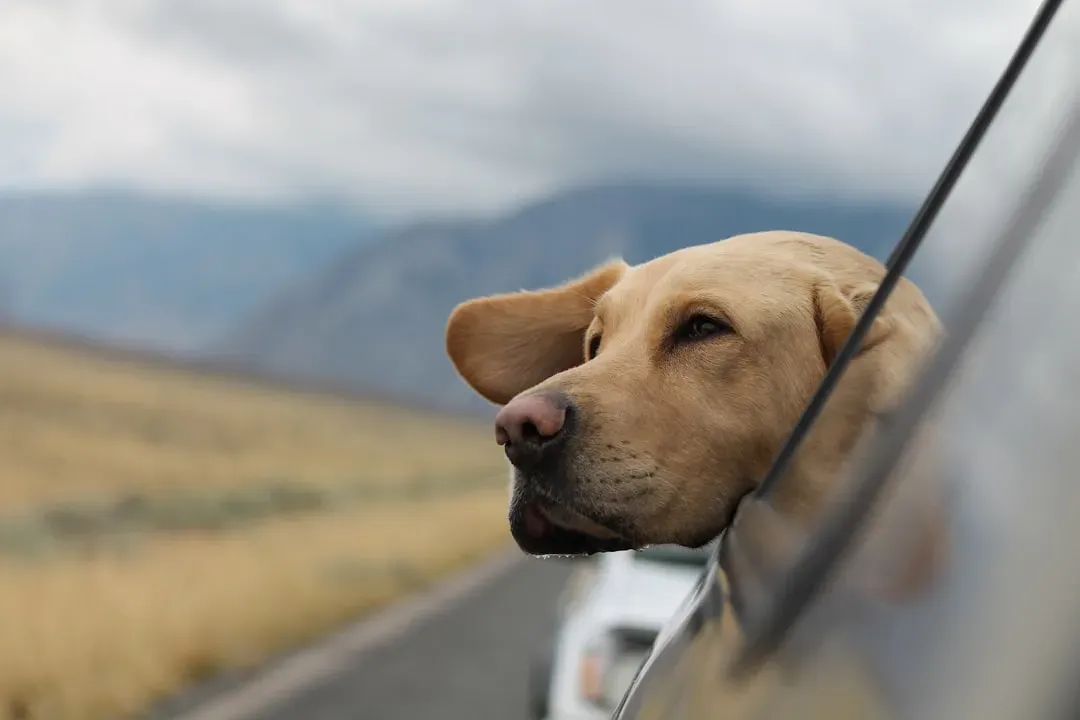
This one sounds a little woo-woo to some people, but the families who’ve done it rarely regret it. At some point, often when you know the end is close, sit with your dog and plainly tell them three things: they were a good dog, they are deeply loved, and they don’t have to keep fighting for you.
Do they understand the words like a poem? Maybe not. But they understand your tone, your calm, your release. Many people cling instead, begging the dog to “stay” even as their body is shutting down – which can unintentionally pressure a dog to push past its limits just to stay near you. Letting your voice and your decisions say, “I won’t love you less if you leave,” is a heavy kindness. It’s often the moment your fear stops being the loudest thing in the room.
Dogs are our link to paradise. They don’t know evil or jealousy or discontent. To sit with a dog on a hillside on a glorious afternoon is to be back in Eden, where doing nothing was not boring – it was peace.
Milan Kundera
#17 – Deciding to Be Brave So They Don’t Have to Be

When the end really comes, all the small kindnesses add up to one final, brutal responsibility: to be the brave one, so they can just be the dog. That means making the call when quality of life is gone, even when you’re not “ready.” It means staying in the room if you can, so they don’t die wondering where you went.
It means letting yourself sob after they’ve slipped away, not while they’re still looking to you for cues. Most people don’t realize how much a dog mirrors their person’s energy – they don’t need you stone-faced, they need you steady enough that they aren’t overwhelmed by your panic. You can cry. You can shake. But if you can also keep one hand gentle on their fur and one voice steady in their ear, you’ve turned every year of “sit, stay, I’ve got you” into one last act of pure, selfless guardianship.
The Bottom Line
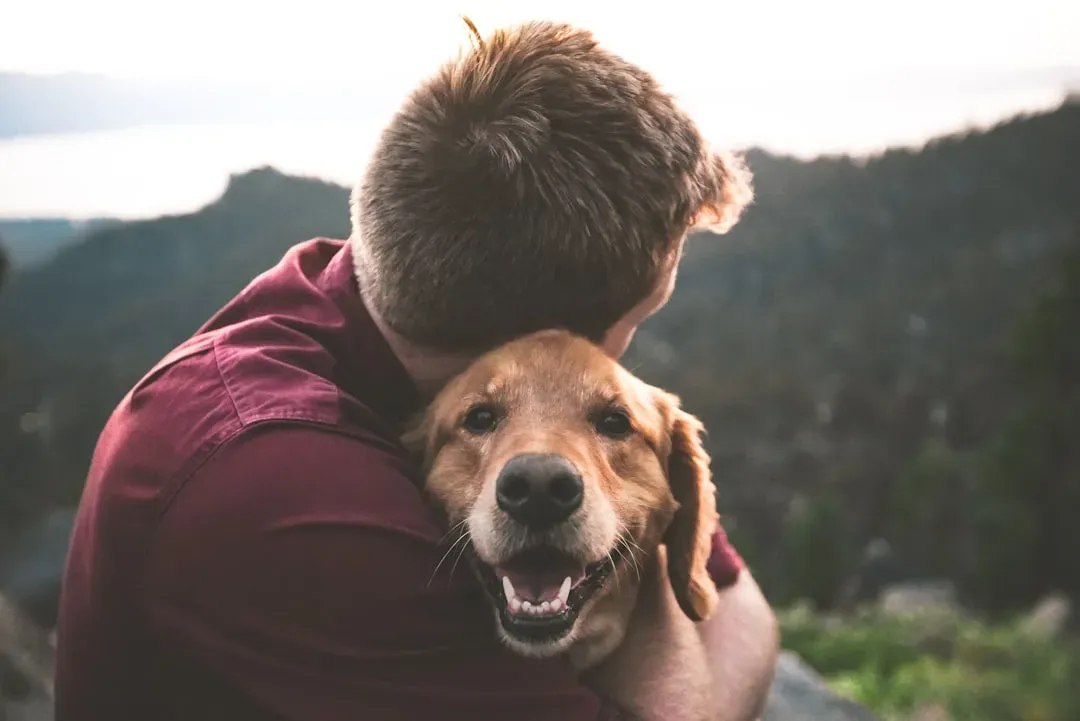
It’s easy to think grand gestures or heroic medical efforts are what matter most when a dog is nearing the end. The truth is quieter, and in some ways harder: the tiniest, most ordinary kindnesses – soft beds, shorter walks, permission to rest, rule-breaking cuddles, honest timing – are what actually shape their final chapter. They don’t need you to be a savior. They need you to be a clear-eyed, loving witness who chooses their comfort over your fear, over other people’s opinions, and even over your own heartbreak.
Some will say this is “just a pet.” Anyone who has held a gray muzzle and felt a slowing heartbeat knows better. You are deciding what their last memories of this world will feel like – warm, familiar, and safe, or frantic, painful, and delayed. That’s the weight of loving a dog all the way to the end, and it’s also the honor. Did we miss a small kindness that mattered most in your dog’s final days? Share it in the comments – someone facing this right now might need to hear it tonight.


