
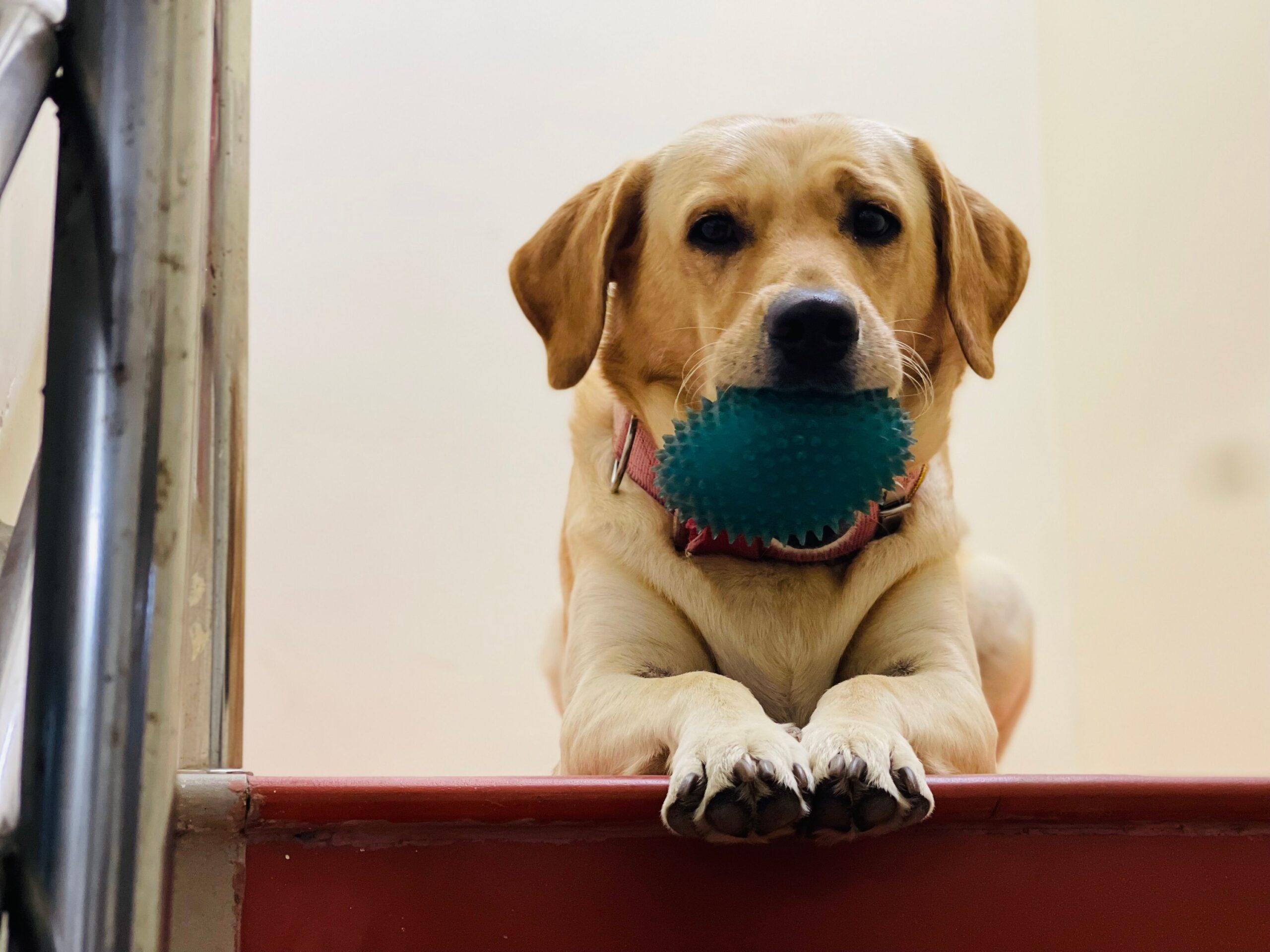
Everyone thinks they know Labradors. Goofy, food-driven, tail-wagging family dogs who exist mainly to fetch tennis balls and photobomb Christmas cards. That’s the polite, Instagram-friendly version people who’ve never actually lived with one believe.
Spend more than a weekend with a Lab and the truth gets a lot stranger. Lab owners know their dog is quietly running a full-time operation of theft, guilt-tripping, and selective deafness that would embarrass a teenager – and non-owners simply refuse to believe it until they’ve dog-sat once and come home a changed person.
These are the 13 habits real Labrador owners recognise instantly, every single time. Non-owners will swear we’re exaggerating. We’re not. If anything, we’re being polite about it.
#1 – The “Always Starving” Oscar-Worthy Performance
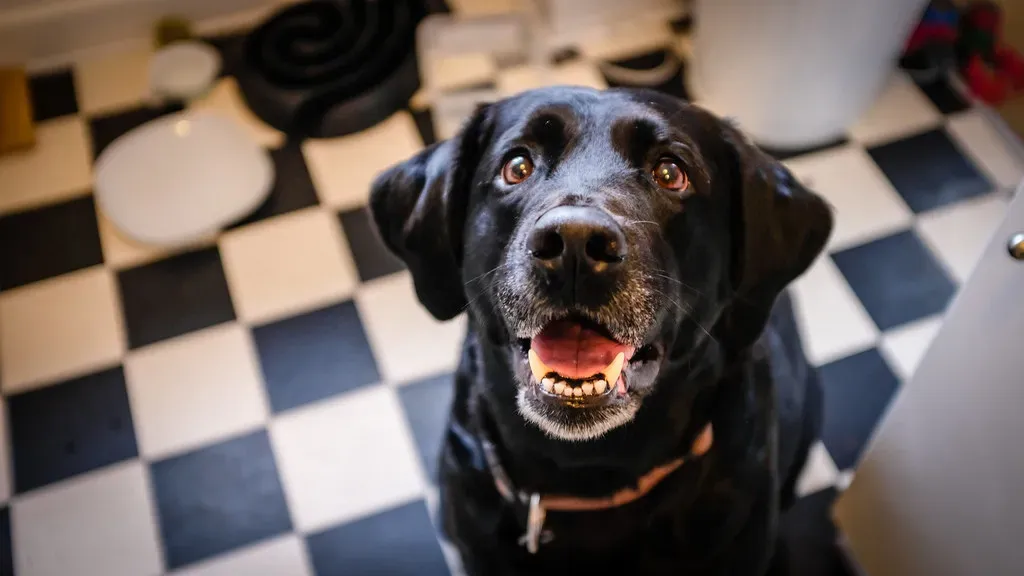
Your Labrador is never full, and honestly, they deserve an award for pretending otherwise. They’ll inhale breakfast in twenty seconds flat, burp, then stare at the empty bowl like they haven’t eaten in three days. That tragic, slow-motion walk to the kitchen? Pure theatre, rehearsed to perfection.
They also know exactly who the weak link in the house is, and they will lock those big sad eyes onto that person until a “small treat” magically appears. Labs are genetically wired to be food-obsessed, which is exactly why so many end up overweight if nobody’s brutal about portions. Experienced owners learn to measure kibble like a pharmacist, hide snacks on the top shelf, and treat the “I’m starving” performance as background noise.
Fast Facts
- Around 25% of Labradors and 66% of flatcoated retriever dogs have the POMC mutation, which researchers previously showed causes increased interest in food and risk of obesity.
- Dogs carrying the mutation use around 25% less energy at rest than dogs without it, meaning they don’t need to consume as many calories to maintain a healthy body weight
- Interestingly, the mutation is significantly more common in Labrador retrievers selected to become assistance dogs than pets
#2 – The Sudden, Violent “Zoomie Hour”
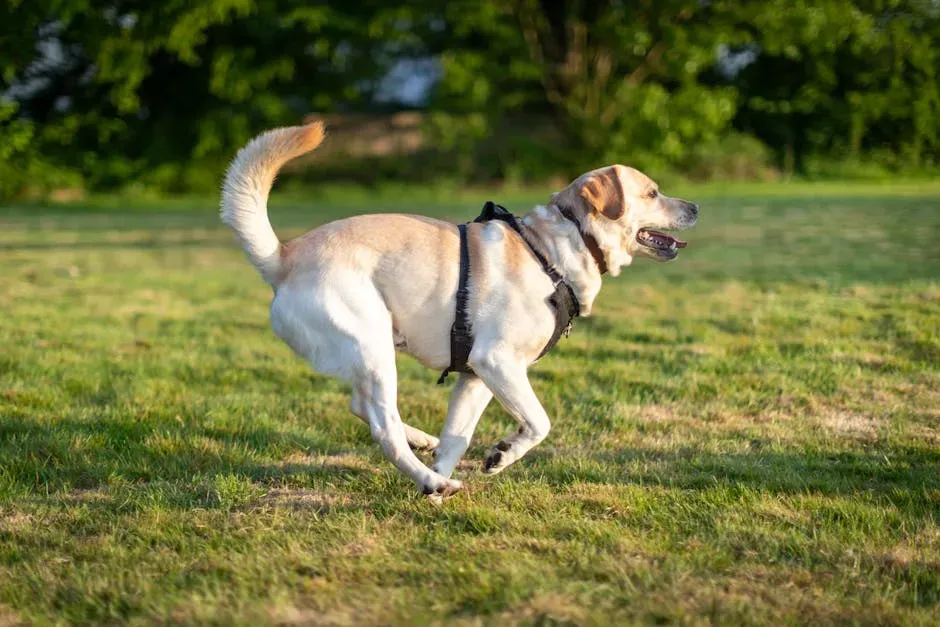
There’s a specific moment in the day when your sweet, calm dog turns into a black-and-tan missile. One second they’re snoring on the rug, the next they’re doing laps around the sofa at full speed, narrowly missing furniture, children, and your last shred of sanity.
Non-owners think zoomies look cute. Lab people know it’s a full-contact sport, and it isn’t random – it usually hits when built-up energy has nowhere left to go. A five-minute zoomie session can burn off more pent-up energy than a twenty-minute walk, which is exactly why smart owners schedule real exercise before the witching hour arrives. Doubters say “he just needs to calm down.” Lab owners just move the coffee table and wait for the storm to pass.
#3 – The Obsessive Relationship With Anything That Squeaks
Every Lab owner has bought that one toy they instantly regret. At first, it’s adorable. Ten minutes later, you’re questioning your life choices while your dog methodically squeaks the exact same spot for the four hundredth time, staring at you like you’re part of an experiment.
Labradors were bred to retrieve game, and that squeak mimics the sound of prey, which is why your Lab will zero in on it like a heat-seeking missile and then perform delicate “surgery” to remove it with unsettling precision.
- Zero in on the squeaker like a heat-seeking missile
- Perform delicate “surgery” to remove it from the toy
To outsiders it looks like mindless obsession. Lab owners know it’s pure instinct wrapped in pure joy – and yes, you will eventually develop the skill of holding a full conversation while a squeaky pig screams in the background for half an hour straight.
#4 – The Weaponized, Nuclear-Level Tail

Most people think a wagging tail is harmless. That’s because they’ve never taken a full-force Labrador tail to the shin. A happy Lab tail isn’t a feather duster – it’s a wooden spoon on a metronome, and it can clear a coffee table of mugs, phones, and remotes in under three seconds.
Lab owners adapt their entire homes around it, keeping anything fragile above tail-level and warning guests to relocate drinks before greeting the dog.
- Anything fragile lives above tail-level
- Guests are warned to relocate drinks before saying hello
What outsiders never quite get is how emotionally loud that tail is. You can hear the thud-thud-thud against doors and walls before you even walk into the room, and it means one thing only: “you’re my entire world.” Painful, inconvenient, and completely irreplaceable.
#5 – The Selective Hearing of a Teenager

Ask a Lab if they want a walk and they materialise from three rooms away, toenails clicking like a freight train. Ask the same dog to come inside while they’re busy sniffing something in the garden, and suddenly they’ve gone stone deaf.
Lab owners know this isn’t a training failure – it’s a brutally honest prioritisation system running in real time: is what you’re offering better than what I’m already doing? New owners assume the dog “doesn’t understand” and repeat the command fifteen times. Experienced owners know the dog understands perfectly; it just hasn’t been given a good enough reason to care yet, so “come” and “leave it” become the highest-paying jobs in the house.
- High-value treats only, saved for the big commands
- Tons of praise for fast responses
To non-owners it sounds like spoiling. To Lab people, it’s survival – you’re not fighting ignorance, you’re negotiating with a very smart employee who’s always one bad walk away from unionising.
#6 – The Mud Magnet and Puddle Inspector General
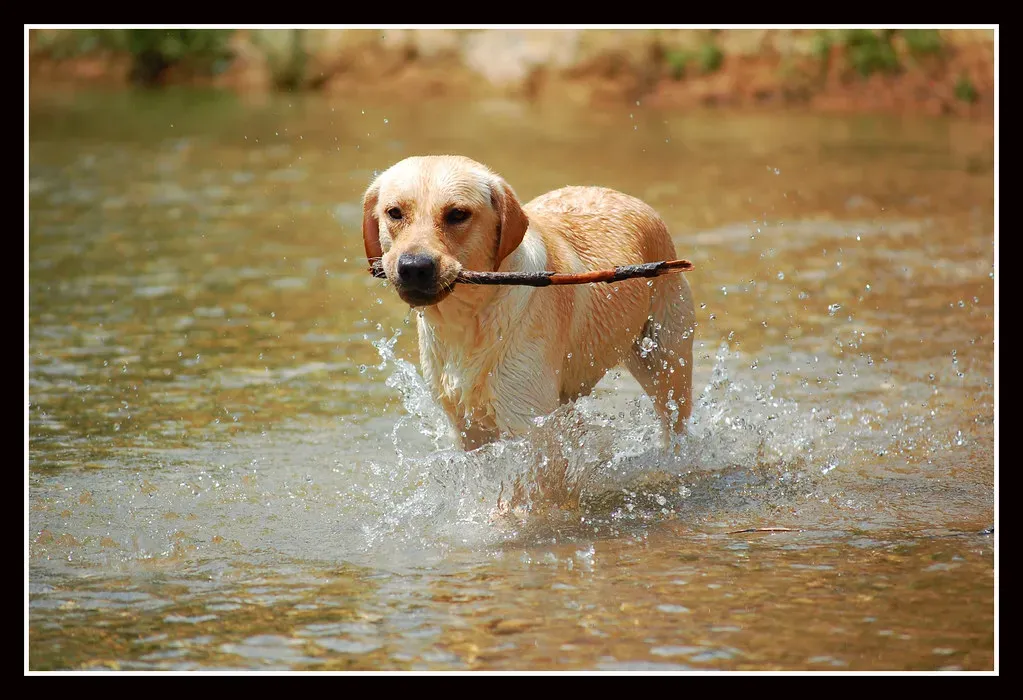
Show a Labrador a pristine, freshly mopped floor, and they’ll find the single muddiest spot within a three-mile radius before setting foot back inside. Puddle? They’re in. Ditch? Also in. A stagnant pond you didn’t even notice? They spotted it fifty yards away and are already swimming.
Outsiders say “just keep them clean,” as if that’s realistic. Lab owners know it’s like asking a toddler to respect white furniture, so the real strategy is preparation, not prevention.
- Towels permanently stationed by the back door
- A hose that gets more use than the dishwasher
Here’s the twist: that obsession with water is genetic. These dogs were bred as water retrievers, so you can fight the instinct or lean into it and just budget for baths, grooming, and the occasional mud spray across your hallway wall.
#7 – The Velcro Shadow That Follows You Everywhere

People imagine dogs lounging peacefully in another room. Lab owners know that’s fiction. If you stand up, your Lab stands up. If you go to the bathroom, you have company, because personal space is treated like a myth invented by cat people.
This isn’t dramatic clinginess – it’s breed design. Labradors were bred to work closely alongside humans all day, so being alone genuinely feels wrong to them. That’s why they wait outside the shower like tiny security guards and trail you room to room even if they were dead asleep two seconds earlier. Non-owners call it needy. Lab people call it loyalty with a side of codependency – and if your Lab suddenly stops following you, that’s actually the moment to panic, because it usually means socks, trash, or your favourite shoe is already involved.
Worth Knowing
- Labradors held the title of America’s most popular AKC-registered breed for 31 straight years before being overtaken
- As of the latest rankings, the Frenchie is again at No. 1, followed by the Labrador Retriever, Golden Retriever, German Shepherd Dog, and Poodle
- That constant closeness traces back to the breed’s original job working side-by-side with hunters and fishermen retrieving game and nets
#8 – The Professional-Level Sock and Underwear Thief
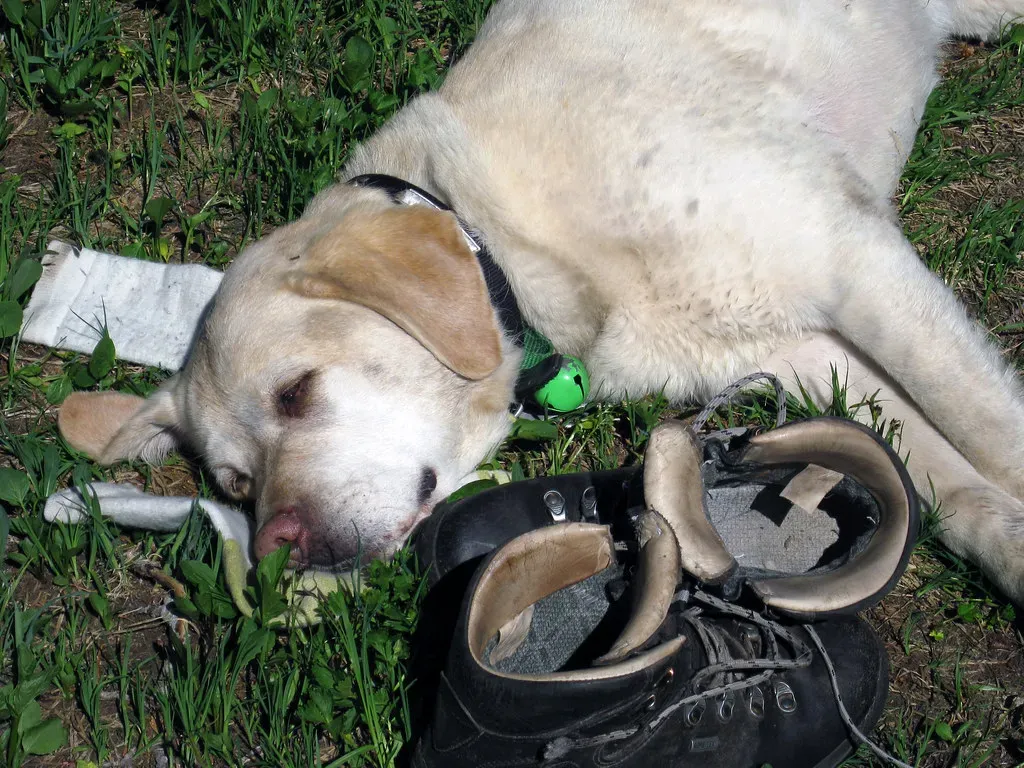
Every Labrador household eventually has the same conversation: “where are all my socks?” The honest answer is usually “in the dog’s mouth, behind the sofa, or halfway digested.” Labs develop a strange fixation on soft, human-scented contraband – socks, underwear, dishcloths – and it’s common enough that vets see Labs for foreign object ingestion far more than many other breeds.
To outsiders it sounds like bad training. Lab owners know it’s a mix of curiosity, boredom, and the simple fact that your scent is their favourite thing in the world. The fix isn’t yelling, it’s management and trade.
- Laundry kept behind closed doors, trash secured
- “Drop it” trained to always earn something better
The part non-owners never believe is that your Lab usually isn’t being naughty at all. Half the time they grab a sock purely to start a chase game and get your attention – congratulations, you’re not just an owner, you’re the unwilling star of their favourite reality show.
#9 – The Gold-Medal Couch and Bed Infiltrator

You can swear up and down that the dog isn’t allowed on the furniture. Your Labrador heard you and filed it under “rules that only apply when you’re home.” Lab owners know the forensic evidence well: warm dents in the sofa cushions, one suspicious hair on the pillow, a slightly rumpled blanket that wasn’t rumpled this morning.
Some owners secretly love it – a seventy-pound dog curled against your legs on a cold night is its own kind of therapy. Others hold the line and still admit it’s a constant, losing battle. The real habit isn’t the climbing, it’s the total, unconvincing innocence when caught.
- “Who, me?”
- “I have literally never seen this sofa before in my life.”
Their acting is terrible. We love them anyway.
#10 – The Unpaid Therapist Who Reads Your Mood

Here’s the part non-owners dismiss as sentimental nonsense: Labs are unnervingly good at reading human emotion. You don’t have to say a word. Change your breathing, slump your shoulders, or cry quietly, and your Labrador shows up like they were paged.
This isn’t magic, it’s hundreds of years of selective breeding for cooperation and sensitivity. Owners notice their dog reacts differently to raised voices than to laughter, and will often choose to cuddle a sad person over chasing a ball mid-throw.
Dogs are not our whole life, but they make our lives whole.
Roger Caras
People who’ve never lived with a Lab think this is exaggerated – until they have a rough day on the couch and find eighty pounds of dog pressed gently against their legs, sighing in sync with them. Suddenly it makes sense why so many Labradors end up working as therapy and assistance dogs. They’re not just pets. They’re emotional infrastructure.
#11 – The Eternal Puppy Phase That Never Really Ends

Non-owners assume dogs calm down after a year or two. Lab owners laugh in painful recognition. Yes, they mature mentally, but that goofy, overexcited, slightly clumsy puppy energy lingers far longer than anyone warns you about. Many Labs don’t truly mellow until three or four years old, and even then, random bursts of pure puppy chaos show up well into their senior years.
This eternal puppyhood cuts both ways. On one side: endless enthusiasm that can make even a rough day lighter. On the other: chewed baseboards, destroyed toys, and a constant demand for stimulation. People who call Labradors “too much” almost always underestimated this exact trait.
- Daily training sessions, not just as puppies
- Rotating toys and games to keep their brains busy
You don’t get a Lab to have a calm background dog. You get a Lab to share your life with a furry extrovert who never really grows up.
#12 – The Social Butterfly Who Thinks Everyone Is Here for Them
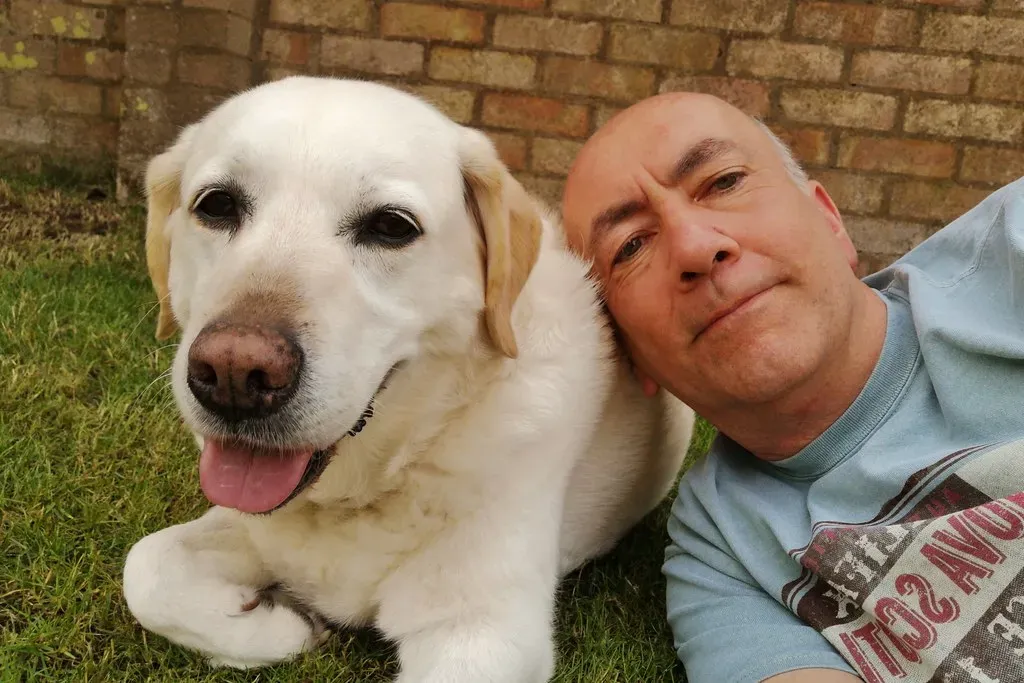
Take a Labrador into public and watch them transform into the unofficial mayor of wherever you are. They’ll greet strangers, children, other dogs, delivery drivers, and occasionally people across the street who haven’t even noticed them yet. In their mind, every human alive was put on earth to potentially throw a ball or offer a pat.
This over-the-top friendliness is adorable, and if unmanaged, completely chaotic. Experienced owners put real time into teaching calm greetings instead of sixty-pound body slams.
- Teaching calm greetings instead of full-body enthusiasm
- Rewarding eye contact and check-ins over wild excitement
Here’s the controversial bit: some trainers argue Labs make terrible guard dogs because they’re simply too friendly, and they’re right. A burglar would probably get licked, not lunged at. Lab people secretly love this – they didn’t sign up for a bouncer, they signed up for a louder, goofier golden retriever.
#13 – The Unbreakable “You Are My Whole World” Stare

Every Lab owner knows this moment. The house goes quiet, the chaos pauses, and you suddenly feel eyes on you. You look over, and your Labrador is just staring – not creepy, just soft and locked-on, like they’re quietly saying “you’re my entire universe, and I’d follow you anywhere.”
Non-owners write it off as begging or waiting for food. Lab owners know better – this is the actual core of the breed.
- You come home after a long day and they finally relax, like “okay, we’re safe now”
- You grab the leash and they’re vibrating with excitement but still holding eye contact, waiting for your cue
- You’re sick on the sofa and they refuse to leave your side
This habit doesn’t go viral like zoomies or tail destruction. But ask any Lab person years later what they miss most, and it’s that look – the silent, unconditional check-in that made you feel like the luckiest human alive.
The Bottom Line
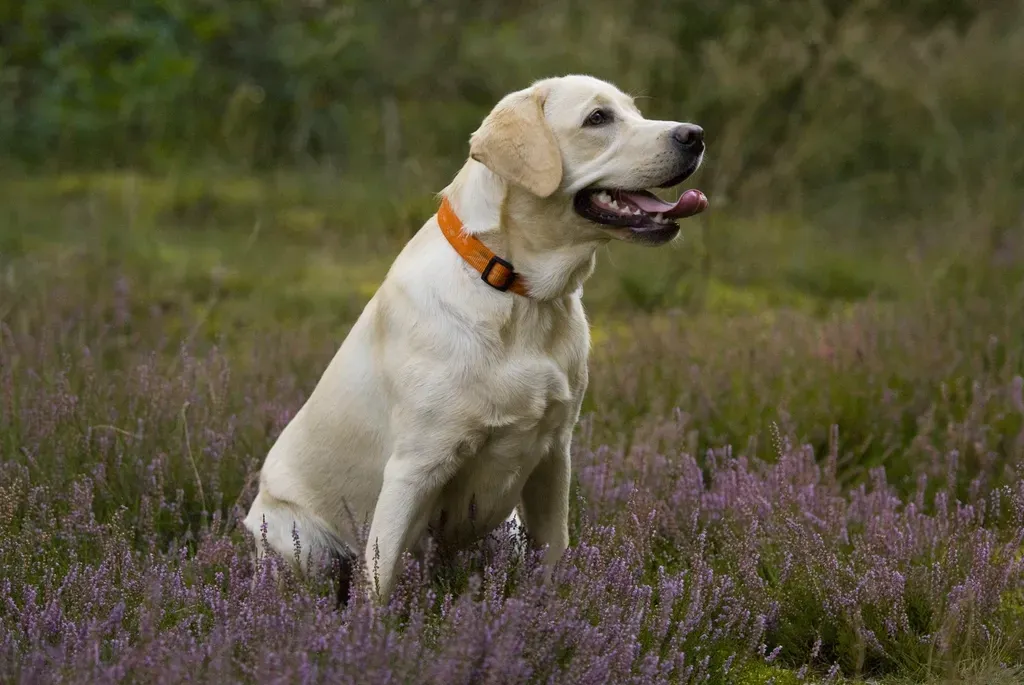
Labradors aren’t just “easy family dogs.” They’re chaotic, food-obsessed, mud-rolling, furniture-stealing shadows with the emotional intelligence of a seasoned therapist and the energy of a toddler on espresso. Outsiders think Lab owners exaggerate. Owners know we’re actually toning it down for polite company.
At a Glance
- Zoomies, tail thumps, and sock heists are instinct, not bad behaviour
- The food obsession is often genetic, not just greed
- The constant shadowing and soft stare are the real payoff of loving this breed
These thirteen habits are the real price of admission for a relationship this loyal, this intense, and this impossible to explain to someone who hasn’t lived it. Some people will always say Labs are too much – too loud, too clingy, too energetic. They’re right. And that’s exactly why the rest of us will never choose another breed.
Did we nail your Lab’s weirdest habit, or is there one only you and your carpet know about? Tell us in the comments.


