
Everyone loves to talk about the “two-week shutdown” myth, like a rescue dog magically settles once they learn where the food bowl lives. Trainers know better. They watch owners come back around week twelve looking rattled, insisting their sweet, quiet dog has suddenly “changed” – and swearing they somehow broke him.
Here’s the part nobody warns you about: you didn’t break your dog. You’re just meeting him for the first time. Month three is when the real personality clocks in, and what shows up next can be funnier, weirder, and more touching than anything you saw during the honeymoon phase – if you know what you’re actually looking at.
#1 – They Start Testing Your Boundaries Like a Teenager

By month three, most rescue dogs are done walking on eggshells. They finally feel safe enough to test the rules they’ve carefully respected until now.
The dog who never touched the trash suddenly tips over the can. The one who slept quietly on the floor hops onto the couch the moment you leave the room.
This isn’t “bad” turning into worse. It’s a normal sign that your dog is confident enough to wonder, “What really happens if I do this?”
Many first-time adopters panic here, convinced their dog is regressing. In reality, month three is when structure matters most. Consistent consequences, clear boundaries, and calm redirection tell your dog the rules didn’t disappear just because he feels braver now. New mischief usually means trust is finally taking root – not that you adopted the wrong dog.
#2 – They Claim a “Favorite Human” (And It Might Not Be Who You Expect)
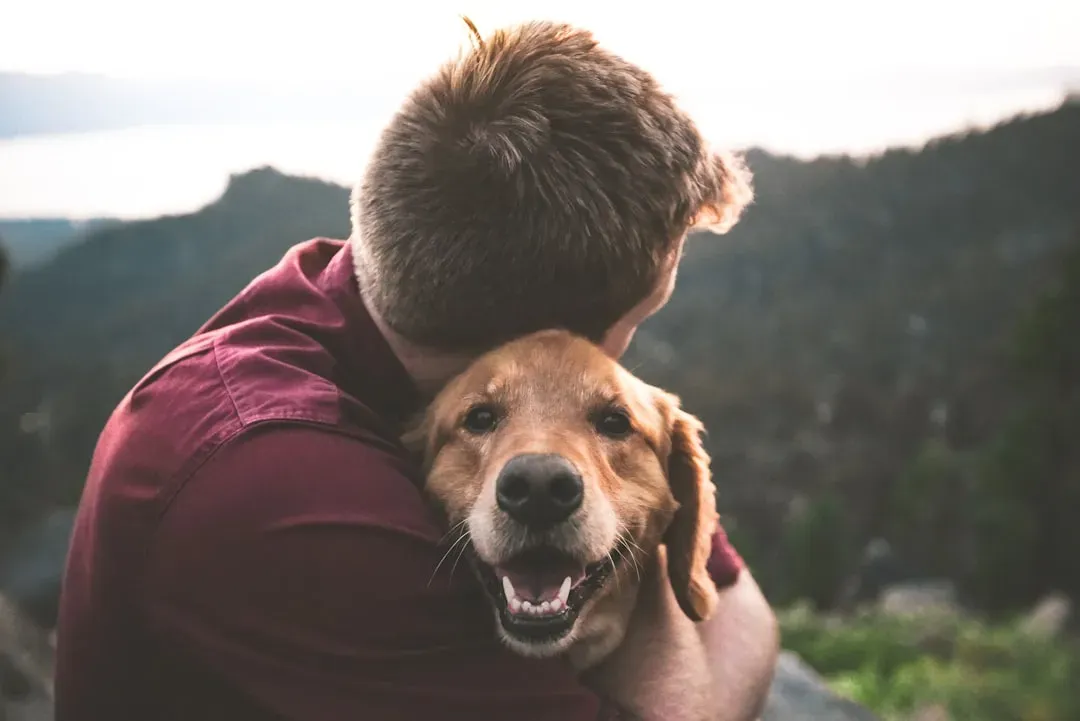
Around the third month, a rescue dog often quietly chooses “their” person. They shadow one human from room to room, follow their voice, and relax hardest against their legs.
Sometimes it’s the one who walks them the most. Sometimes it’s the person who barely noticed them at first. Either way, the pattern becomes obvious: if that person leaves the room, so does the dog.
This can cause a little household drama. Kids might feel rejected, and the person doing all the hard work might feel stung if the dog picks the calmer, less-involved partner instead.
But from a dog’s perspective, this choice is about perceived safety and predictability, not fairness. Don’t compete for affection – keep routines calm and consistent so the dog learns everyone in the house is safe. A “favorite” human is actually proof that deep attachment is forming.
#3 – Their True Energy Level Finally Shows Up
In the beginning, most rescue dogs look shockingly “easy.” They nap all day, walk slowly, and seem low-maintenance. By month three, the mask comes off.
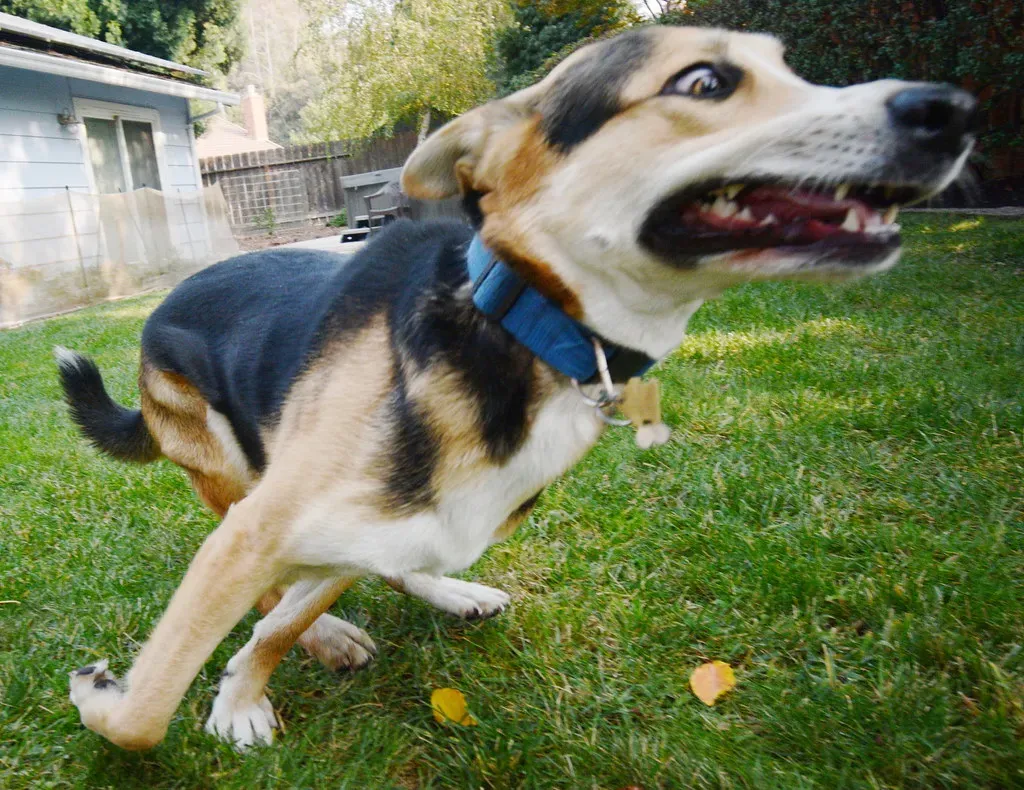
Suddenly you realize you didn’t adopt a sleepy cuddle bug – you adopted a hidden athlete. Walks get longer. Zoomies appear out of nowhere. That calm dog is now doing laps across your living room at 10 p.m.
This freaks out a lot of adopters who thought they chose a low-energy dog. The truth is that stress and shelter exhaustion suppress behavior. Once your dog feels safe, real stamina and play drive finally come online.
Fast Facts
- Low activity in the first weeks rarely reflects a dog’s true energy level
- Sudden zoomies and play bursts usually signal returning confidence, not bad behavior
- Breed-typical exercise needs often emerge only after stress hormones settle
- Puzzle feeders and sniff walks channel new energy without overstimulating an adjusting dog
Instead of panicking, adjust. Add sniff walks, puzzle feeders, and short training sessions. Meet the new energy with structure, and the dog will settle better than they ever did during those “fake calm” early weeks.
#4 – They Start Guarding You, the Sofa, or the House
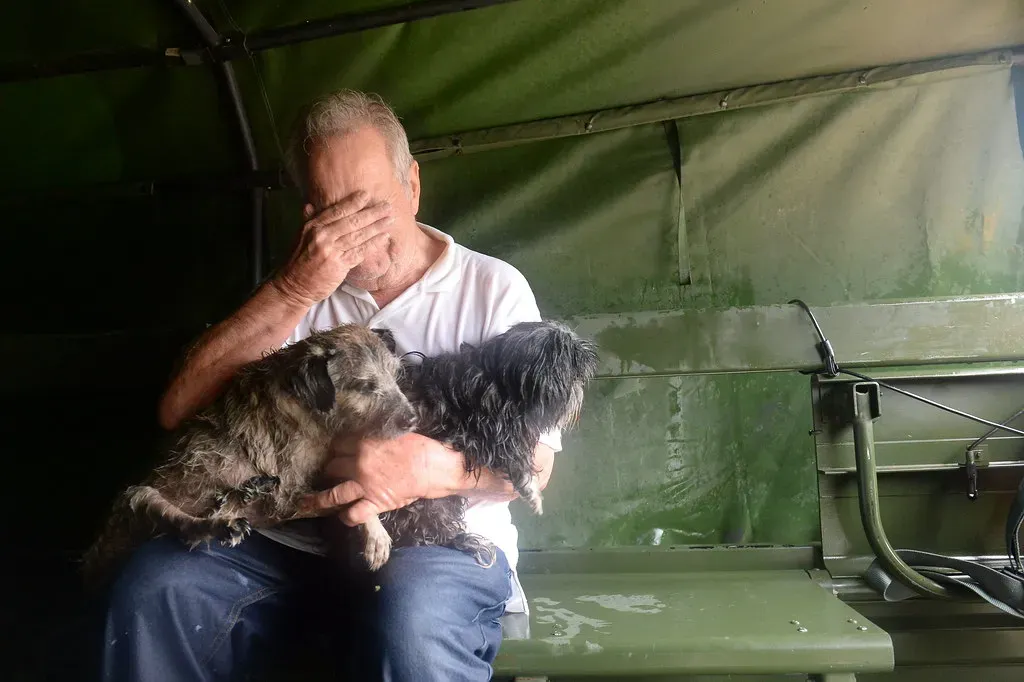
Here’s a touchy one: by month three, some rescue dogs start resource guarding for the first time. They may growl when another dog approaches “their” person, stiffen if you reach for a bone, or bark fiercely at noises they used to ignore.
This is where many people say, “He just turned aggressive overnight.” He didn’t. He finally believes all of this is his.
Guarding is usually rooted in insecurity, not dominance. The dog is thinking, “I finally have something worth protecting – what if I lose it?”
Don’t punish the growl; that only teaches him to skip the warning next time. Trade high-value items for treats, teach “leave it” and “off,” and bring in a trainer if needed. The uncomfortable truth is that a dog who guards often cares deeply. Your job is to teach him he doesn’t have to.
#5 – They Discover Their “Joy Button” (That One Thing That Makes Them Go Wild)
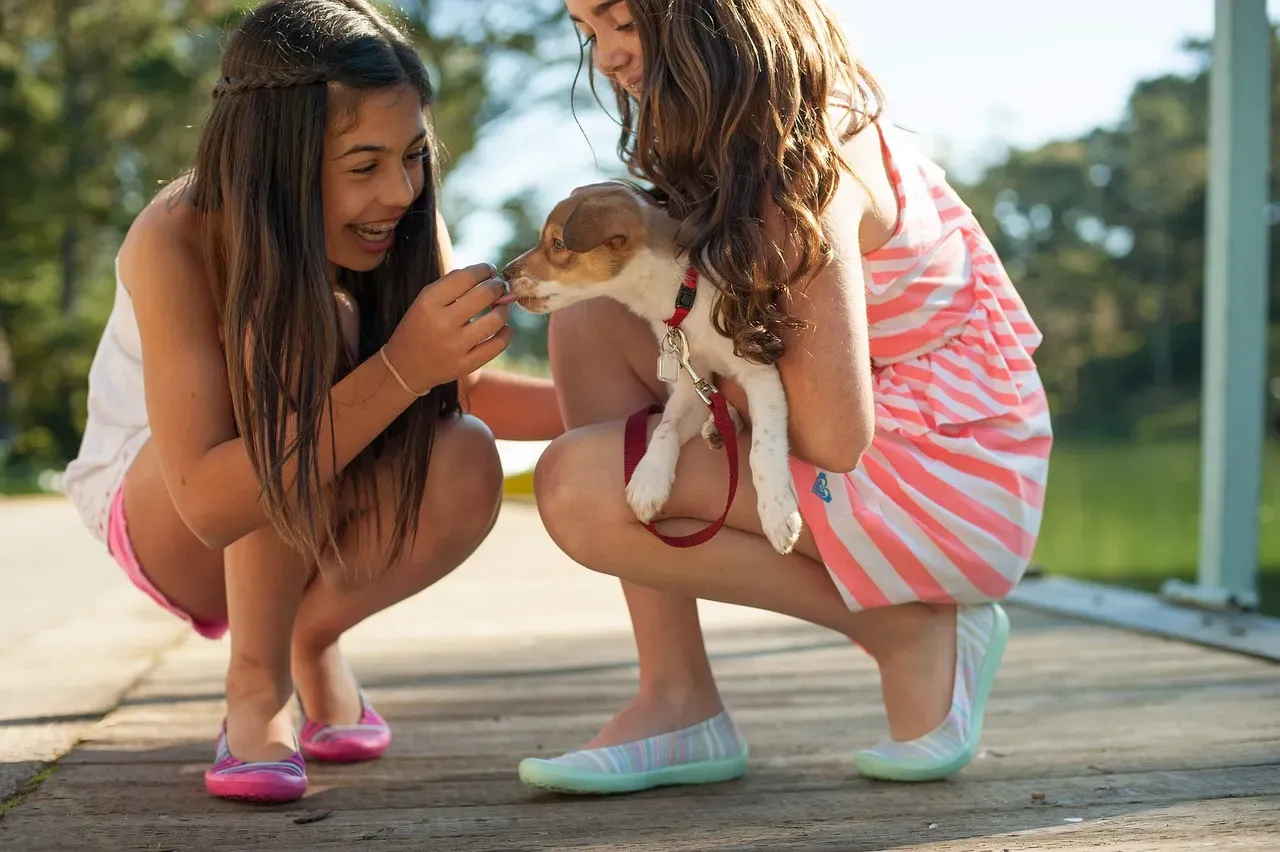
Most rescues in months one and two are cautious. They’ll play a bit, but they’re still reading the room. Somewhere in month three, you finally hit the “joy button.”
Maybe it’s a squeaky toy, a specific park, a car ride, or that ridiculous voice you use without thinking. Suddenly you see pure, unfiltered dog joy for the first time – tail helicopter, play bows, goofy spins, the works.
This moment is bigger than people realize. When a formerly shut-down dog shows explosive happiness, it means their nervous system is finally relaxing. That “silly mode” isn’t just cute – it’s therapeutic.
- Short, daily play sessions
- Predictable “fun time” after work or dinner
The more you show them that joy is safe, the quicker the anxiety fades in other areas too.
#6 – They Start Ignoring You… on Purpose
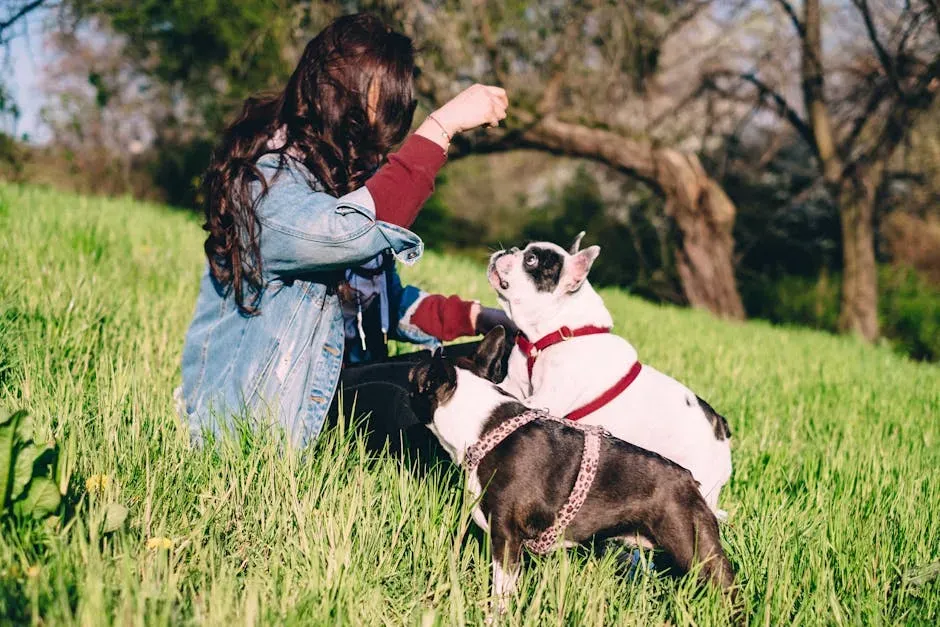
For weeks, your rescue watched your every move. Then, around month three, they suddenly pretend they can’t hear their own name.
Recall goes fuzzy. “Sit” has lag time. They sniff the grass instead of coming inside. It feels like selective hearing, because it is – a dog who feels secure enough to prioritize sniffing over you is finally feeling at home.
This is where many owners quietly make the biggest mistake: they stop training right when the dog needs it most.
- Reinforcing recall with high-value rewards
- Practicing short, fun obedience sessions
Don’t take it personally. They’re not defying you – they’re realizing the world is big and interesting. Your job now is to be more interesting than the distractions, not more threatening.
#7 – They Reveal Strange Little Rituals From Their Past

By the third month, odd habits you never saw before start to surface. Maybe they circle exactly three times before lying down, stash toys under one specific chair, or refuse to eat unless you’re standing in a certain spot.
These quirks looked invisible at first because your dog was too stressed to act on them.
These rituals are often leftover coping mechanisms from a previous life you’ll never fully know. Instead of erasing every “weird” behavior, observe it first. Some rituals are harmless and even charming; others – obsessive licking, pacing, shadow chasing – may hint at anxiety worth addressing.
Worth Knowing
- Circling before lying down is a natural nesting instinct many dogs never outgrow
- Stashing toys or food can trace back to scarcity in a previous home
- Eating only near a specific person often reflects safety-seeking, not pickiness
- Repetitive licking or pacing is worth mentioning to a vet if it doesn’t ease over time
Month three is when patterns become clear enough to bring up with a vet or trainer if something feels off. Your dog’s past is speaking through these habits, whether you notice it or not.
#8 – They Start Sleeping Like They Actually Feel Safe

In the first weeks, many rescue dogs sleep lightly, change spots constantly, or bolt awake at the slightest noise. By month three, a lot of them finally crash into deep, twitchy, sprawled-out sleep, belly exposed, paws in the air.
That “dead dog flop” you’re seeing? That’s trust, plain and simple.
- Curled tight: still on guard
- Half-open eyes, quick startles: nervous system on high alert
- Sprawled and unresponsive: fully, finally relaxed
Ironically, deeper sleep can also bring louder dreams – whimpers, kicks, even little barks. Don’t panic; it’s usually just the brain processing. Let them sleep. Safe sleep heals more past trauma than any cute Instagram quote ever will.
#9 – They Begin to “Talk Back” With New Sounds
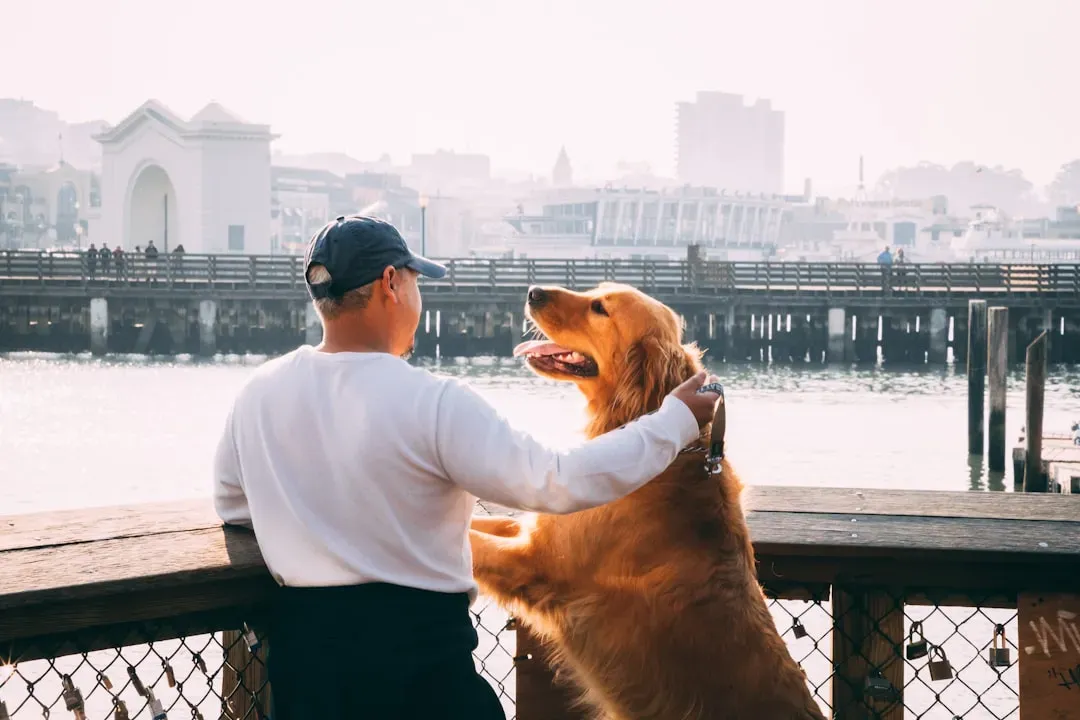
Month one: silence. Month two: cautious barks. Month three? Full commentary.
You suddenly get grumbles, playful growls, “woo-woo” protests, and weird little sighs the second you stop petting them. Many people mistakenly label this as attitude, when really it’s your dog discovering they can communicate and actually be heard.
- A soft “grr-wuff” when you stop playing: frustration, not aggression
- Dramatic sighs on the couch: contentment, release of tension
Pay attention instead of scolding every new noise. You should still shut down nuisance barking at windows, but don’t squash the whole voice. A dog who feels free to “talk” is a dog who believes their needs might actually matter this time.
#10 – They Explore Rooms They Avoided for Weeks
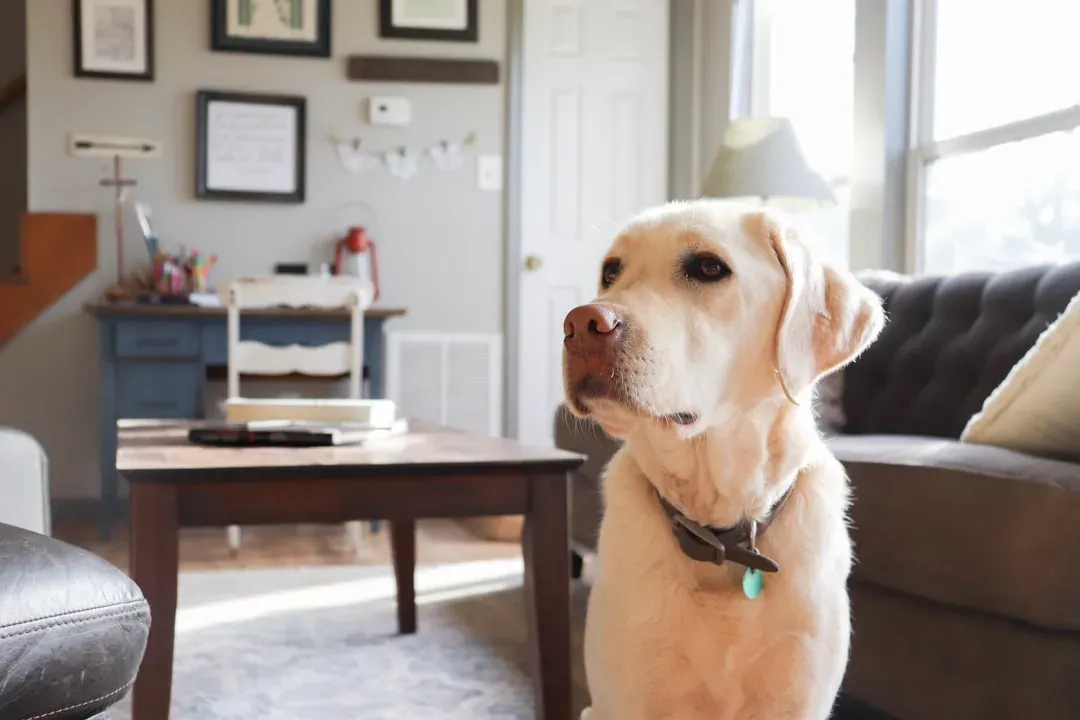
Most people don’t notice this, but month three is when spatial confidence changes. That hallway they refused to walk down, the slippery kitchen floor they were terrified of – suddenly they trot in, sniff around, and maybe even claim a new nap spot.
It’s like their personal map of your house finally fills in. Dogs avoid spaces for lots of reasons: echoes, smells, bad footing, or plain overwhelming novelty, and forcing them never works in the early days.
What changes in month three is their internal safety meter. They’re no longer in survival mode, so curiosity finally wins.
- Tossing treats into “scary” rooms
- Sitting calmly in those spaces, inviting them in
When they start exploring independently, that’s your cue the house is becoming a real home, not just shelter 2.0.
#11 – They Start Showing Preference for Certain Dogs (And Dislike for Others)
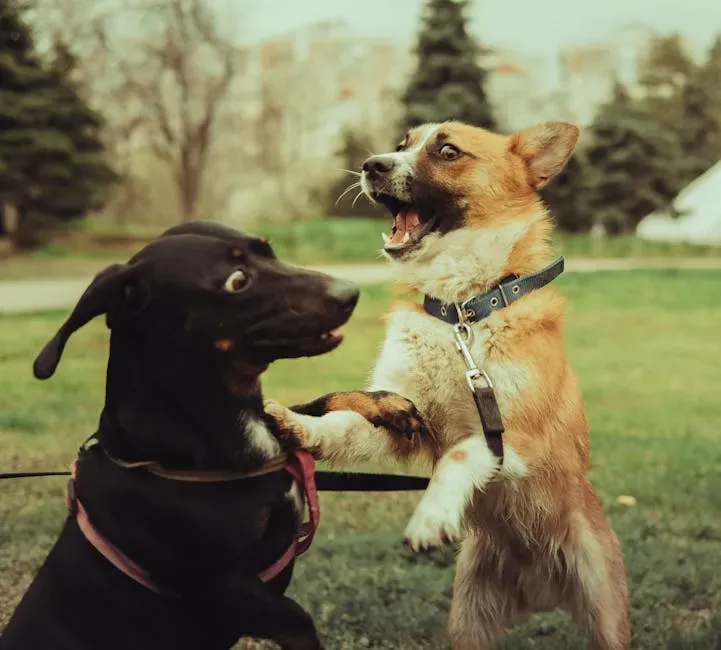
At first, your rescue might seem neutral or shut down around other dogs. After a few months of decompression, their social opinions finally emerge.
They light up for some dogs, avoid others, and may even snap or growl at certain “types” they’re uncomfortable with. Yes, it can feel embarrassing on walks. No, it doesn’t mean you failed socialization.
- Dog-park butterflies who want to greet everyone
- Selective social dogs who like a few friends and ignore the rest
- Dogs who simply aren’t into canine crowds at all
Forcing a dog to “love everyone” is a human fantasy, not a welfare goal. Respect their preferences, manage their triggers, and work with a trainer if reactivity appears. Honest likes and dislikes are still progress from the numb, shut-down dog you met on day one.
#12 – They Begin to Anticipate Your Routine (Sometimes a Little Too Well)
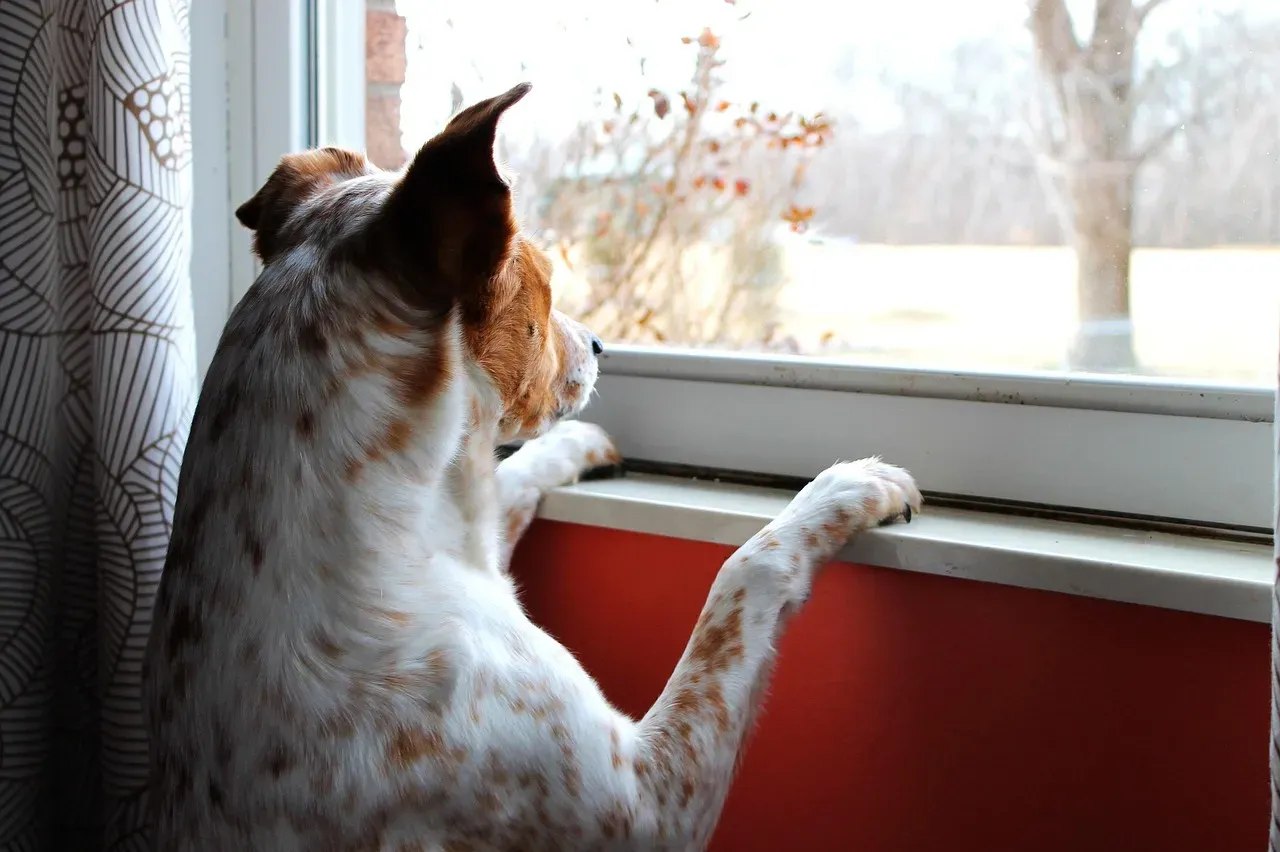
By month three, your rescue is running your schedule like a tiny furry project manager. They know exactly when you wake up, when the leash usually comes out, and when food hits the bowl – and they start pacing or whining five minutes beforehand.
Some owners find this annoying; behavior nerds see it as a huge win. Anticipation means they believe good things will happen regularly, and they trust you enough to plan for the future.
Quick Compare
- Healthy anticipation: relaxed pacing that calms once the routine starts
- Anxious anticipation: whining or panting that escalates before routine time
- Healthy anticipation: settles easily if the schedule shifts slightly
- Anxious anticipation: visible distress when a walk or meal is delayed
The downside? You’ve now taught them to expect a walk at 6 p.m. sharp, and if you’re not careful, you accidentally build anxiety around timing.
The fix is to keep the ingredients of the routine – walks, meals, play – consistent, but vary the exact minute they happen. Predictability should feel safe, not brittle.
#13 – They Seek Comfort From You During Stress, Not Just Space
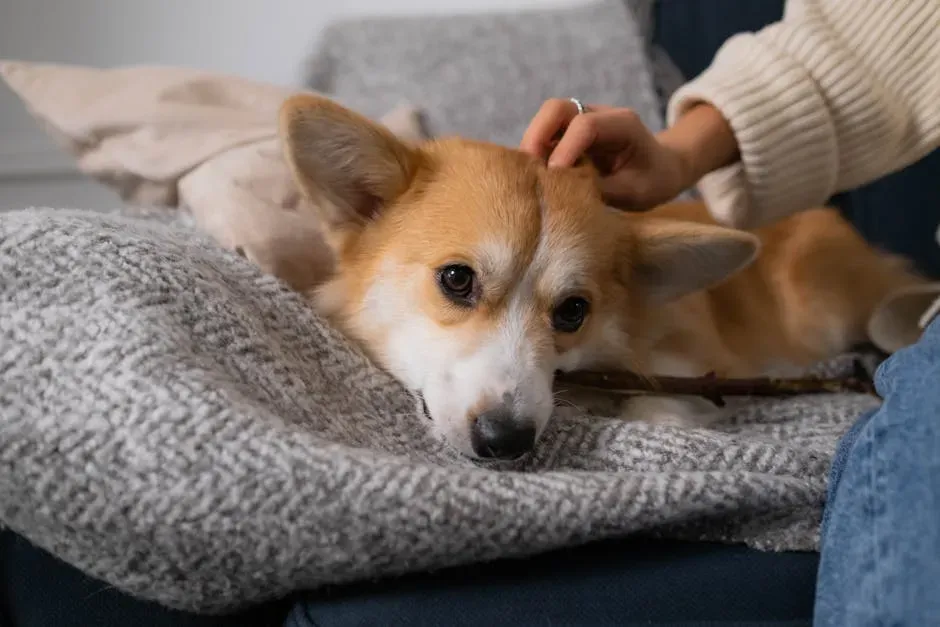
Early on, many rescues self-isolate when scared. Thunderstorm? They hide. Loud truck? They freeze. By month three, a big shift often happens: instead of disappearing, they run to you, press against your legs, or crawl into your lap when they’re anxious.
That’s a massive attachment milestone people underestimate. It means you’re no longer just part of the background – you’re a source of safety.
Until one has loved an animal, a part of one’s soul remains unawakened.
Anatole France
This doesn’t mean you should coddle every fear with frantic affection – that can accidentally reinforce panic. But allowing gentle contact, speaking in a calm voice, and modeling unbothered behavior tells them, “You’re right to come to me. I’ve got you.”
When a dog chooses you during chaos instead of bolting away, you’re officially more than the person who feeds them. You’re their secure base.
#14 – They Start Bringing You “Gifts” (Even If It’s Your Own Sock)
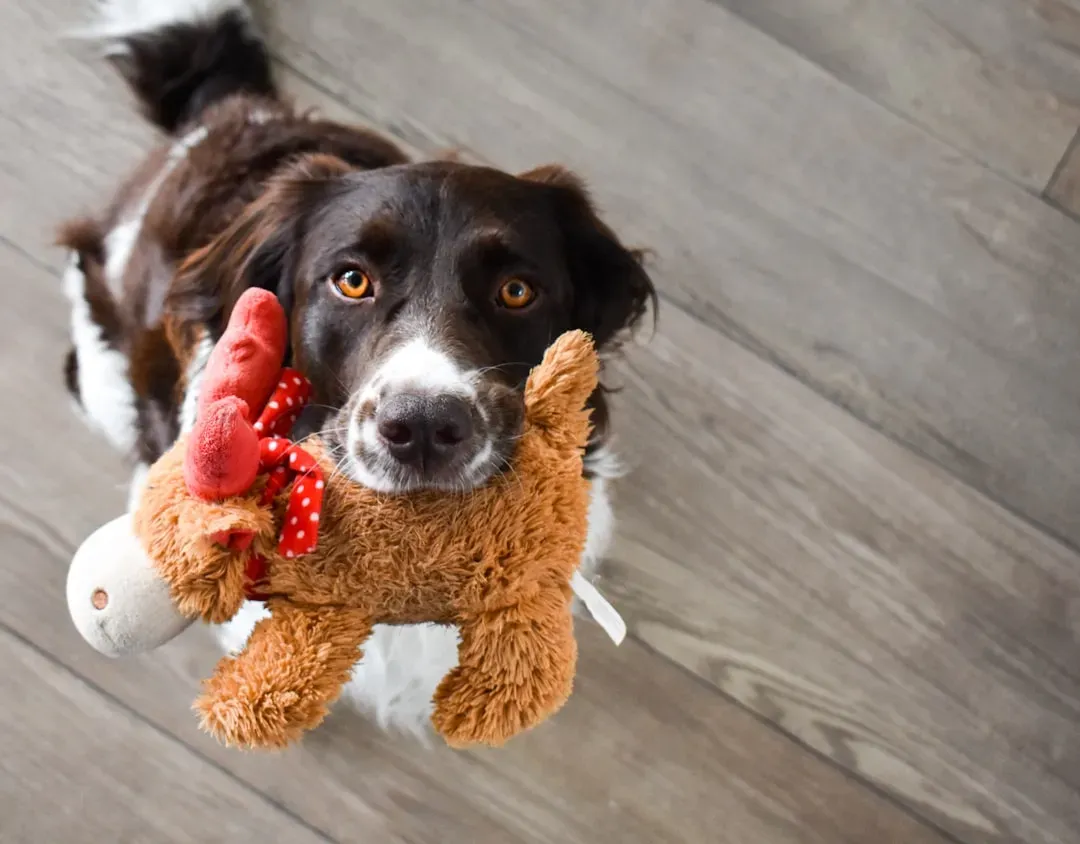
The first time your rescue proudly drops a slobbery toy, shoe, or random leaf at your feet, you might shrug it off as normal dog behavior. But for many rescues, this doesn’t show up until month three.
Gift-giving – especially making eye contact while doing it – is a subtle social gesture: “Look what I found. I’m sharing it with you.” It’s a trust flex, plain and simple.
Yes, sometimes the “gift” is stolen contraband. That part’s on you for leaving the laundry basket open. But look past the object and watch the pattern: tail wagging, soft eyes, loose body, maybe a little head tilt waiting for your reaction.
- Trading the “gift” for a treat or toy
- Teaching “drop it” with zero drama
Dogs don’t share with people they’re still scared of. They guard from them. The shift from hoarding to gifting is deeply underrated.
#15 – They Show You Their Weirdest Play Style
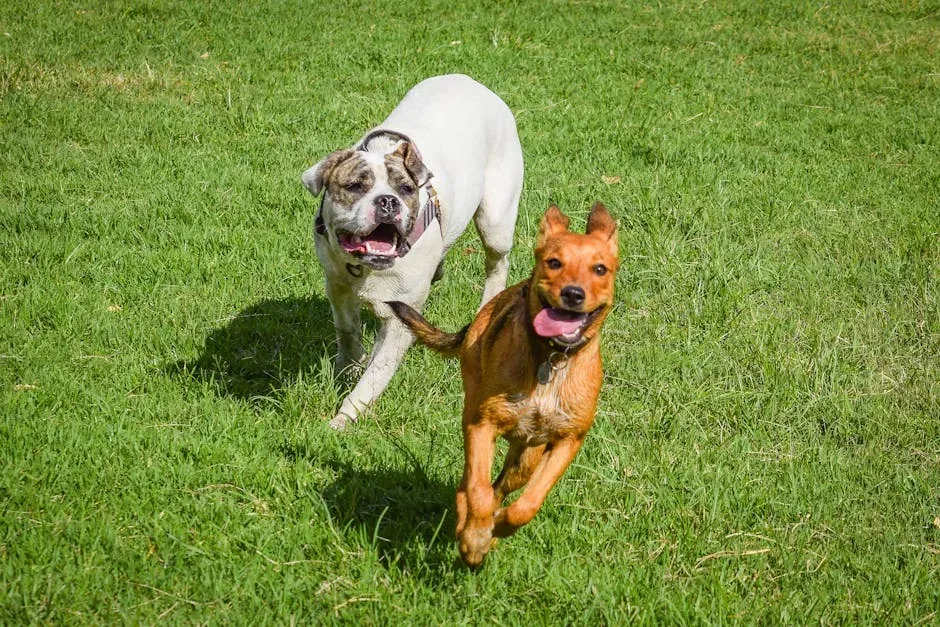
Every dog has a strange way of playing that only appears once they feel truly safe. By month three, you start seeing the “real” play: zoomies with dramatic body slams, wild spins with toys, or oddly specific games like tossing a ball down the stairs and chasing it alone.
In the shelter, that level of abandon would have been unthinkable.
Some of these games look chaotic or even rude. Big dogs may body-check you, mouth your hands too hard, or slam toys into your shins.
- Use flirt poles or tug toys to channel rough energy
- Teach “easy” and “all done” as clear stop cues
The point isn’t to create a perfectly polite robot. It’s to safely embrace the goofy, unfiltered dog your rescue was always meant to be.
#16 – They Start Pushing for Physical Affection on Their Terms
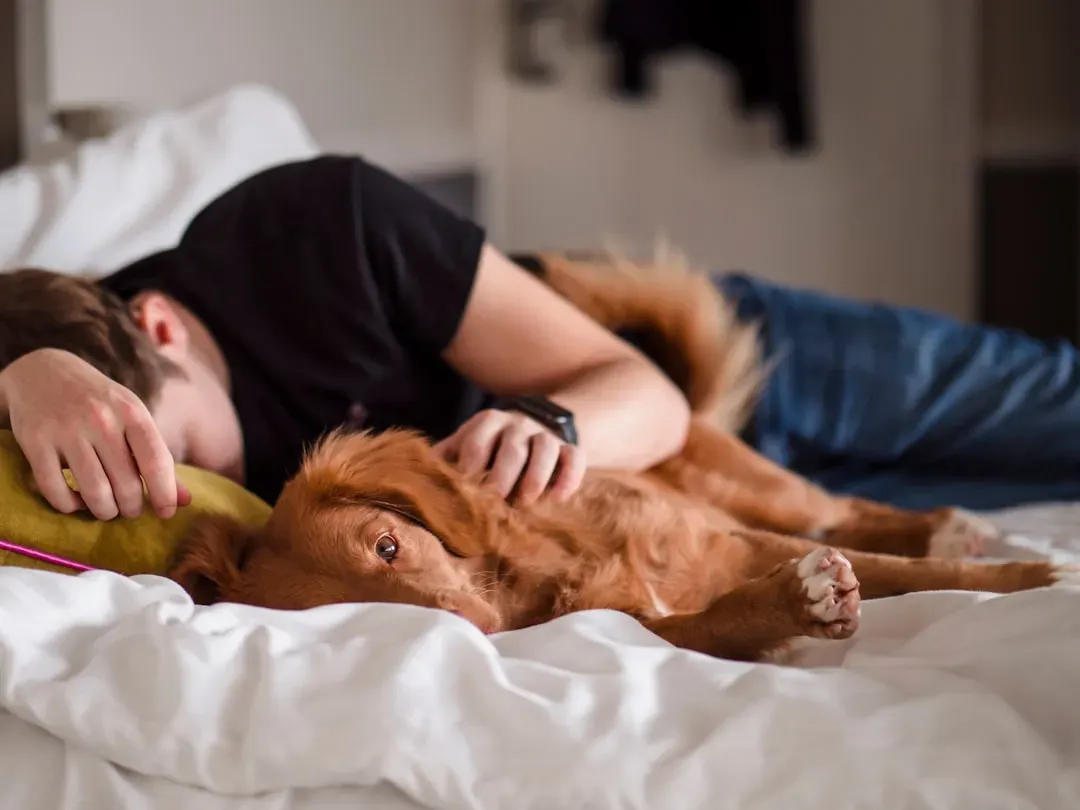
Early on, many rescues tolerate petting but don’t seek it. They freeze under your hand or lean in cautiously, like they’re not sure of the “rules.” By month three, that changes completely.
They nudge your hand when you stop, wedge their head under your arm during TV, or flop their full weight across your lap without asking. That’s not clinginess – that’s ownership, in a good way.
Here’s where opinions split. Some experts warn against constant cuddling; others say physical contact is healing. The reality is more nuanced: if the dog can also be alone without panicking, demanding affection is healthy social behavior.
Why It Stands Out
- Seeking touch shows the dog no longer views affection as unpredictable
- Leaning or nudging is a request, not a demand – it can be gently redirected
- A dog who can nap alone but still asks for contact is showing balanced trust
- Affection paired with panic at separation may signal deeper anxiety worth addressing
If they melt down when you move, that’s where you set boundaries. You’re allowed to say, “Not right now,” and teach them to settle nearby instead of on top of you. Love without limits isn’t love – it’s chaos.
#17 – They Finally Act “Naughty” Enough to Show You Their Real Personality
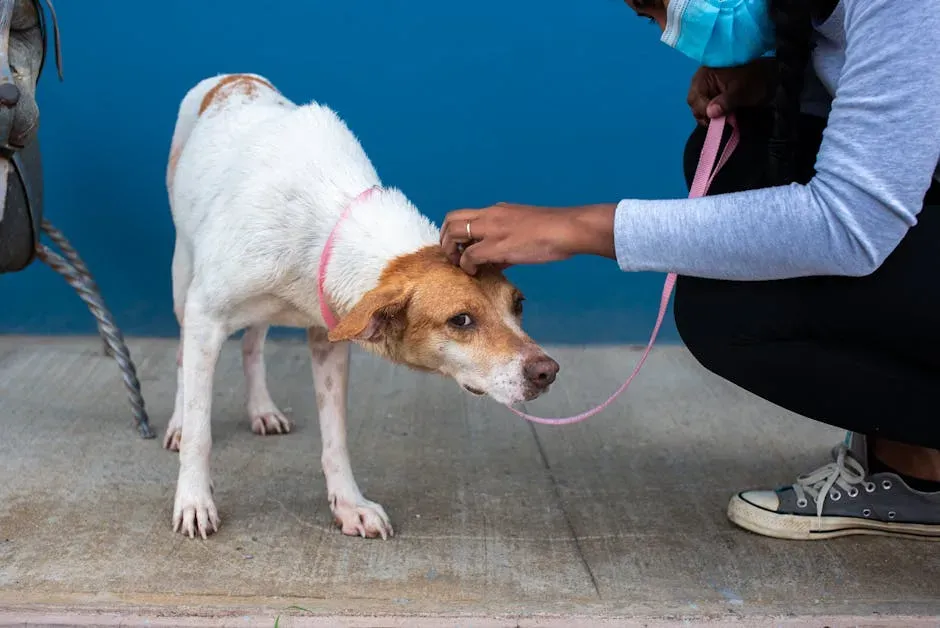
This is the controversial truth: month three is often when your rescue dog becomes “difficult” – and that’s exactly when you should celebrate.
They steal food off counters, dig up the yard, sprint away with your slipper in their mouth. You call them a menace while secretly laughing, because for the first time, they look fully alive.
The rescue world hates admitting this, but a perfectly polite, shut-down dog is often a more worrying sign than a mischievous one.
- The survival freeze is thawing
- Curiosity is beating out fear
- They believe this home is permanent enough to experiment in
Your job is to turn that raw, rebellious energy into training opportunities: impulse control games, structured walks, consistent house rules. Underneath the chaos, this is the month you stop living with a traumatized guest and start living with an actual family member – flaws and all.
The Bottom Line
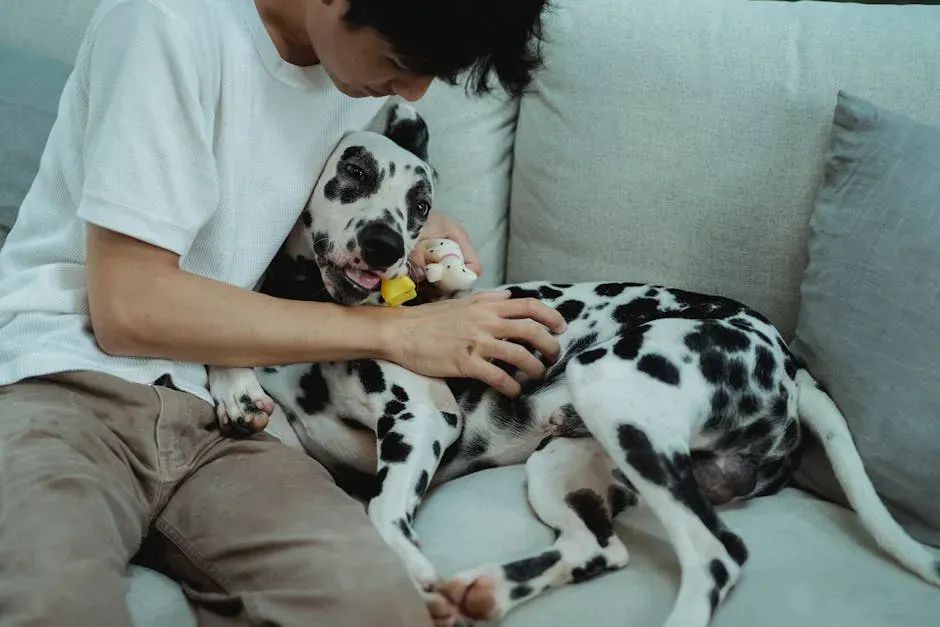
By month three, your rescue dog isn’t “changing.” They’re finally showing you who they’ve been underneath all that fear, exhaustion, and forced politeness.
The boundary testing, the sudden energy spikes, the selective hearing, the odd rituals, the deep sleep, the clingy cuddles – all of it paints the same picture. This is no longer a temporary stop. This is home.
People romanticize rescue stories, then panic the moment real personality shows up. That’s backwards. The messy, mouthy, mischief-filled third month is the proof you did something right – you gave a dog enough safety to relax into being themselves, and sometimes that self is a lovable little chaos machine.
What “month three moment” made you realize your rescue was finally, truly yours?


