
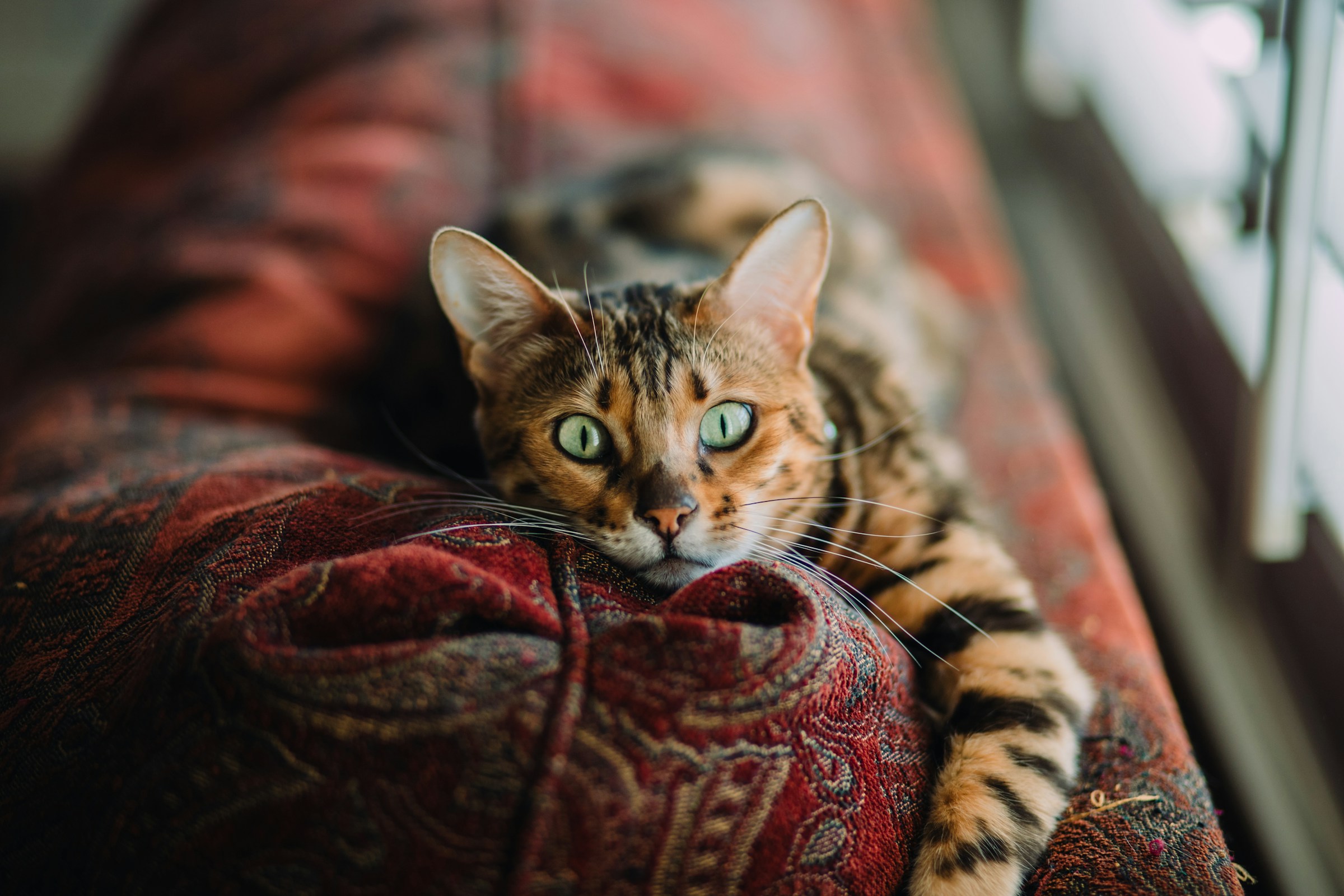
If you think all cats spend their lives napping in sunbeams, the breeds in this list are here to prove you wrong in the most chaotic, hilarious way possible. These are the feline overachievers of the energy world: the ones doing parkour off your furniture, chirping at you at dawn, and turning a quiet living room into a personal obstacle course. Living with them can feel less like pet ownership and more like sharing an apartment with a tiny, furry athlete who never clocks out.
I still remember visiting a friend who owned a high‑energy cat and realizing, within ten minutes, that this was not the laid‑back, stereotypical lap cat I had in mind. The cat zoomed from bookshelf to curtain rod like it had just downed three espressos. The owners were tired, sure, but they were also laughing constantly. That’s the thing about these cats: they can be exhausting, but they also bring a ridiculous amount of joy, personality, and entertainment into a home – if you’re ready for it.
Abyssinian: The Eternal Kitten on a Mission
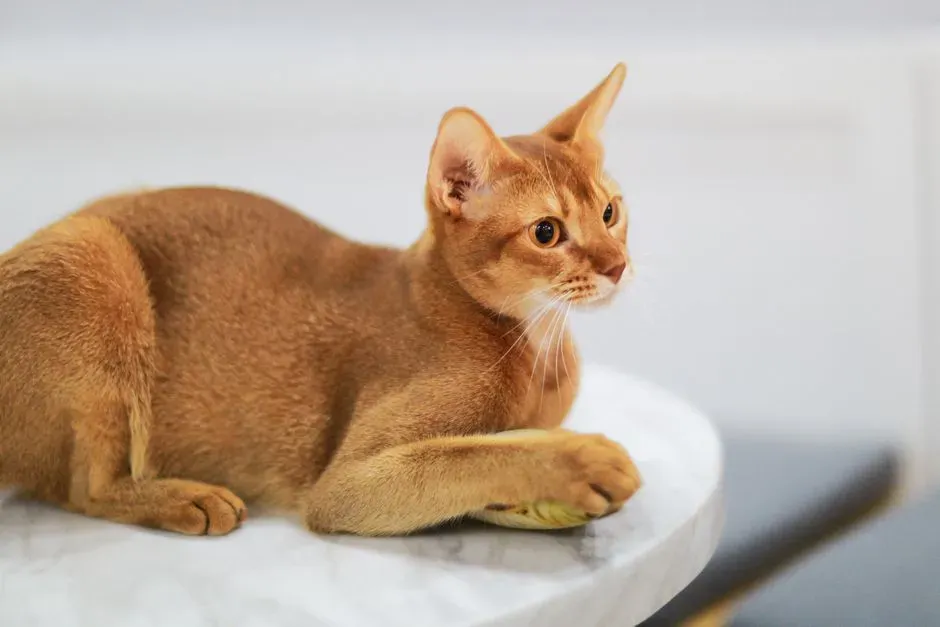
The Abyssinian is often called one of the most active cat breeds, and it absolutely lives up to the reputation. These cats rarely just sit; they explore, investigate, and climb like they’re on a reconnaissance mission in your house. They’re lean, athletic, and curious, and you’ll often find them perched in high places, silently supervising the entire household like tiny feline field commanders.
Living with an Abyssinian feels a bit like having a toddler who has just discovered how to open every cabinet. They want to be part of whatever you’re doing, whether that’s making coffee, working at your desk, or folding laundry. If they’re bored, they’ll make their own fun, usually involving vertical spaces and anything that moves. Puzzle toys, cat trees, and interactive play sessions are not optional with this breed – they’re your survival kit.
Bengal: The Wild Child With a Gym Membership
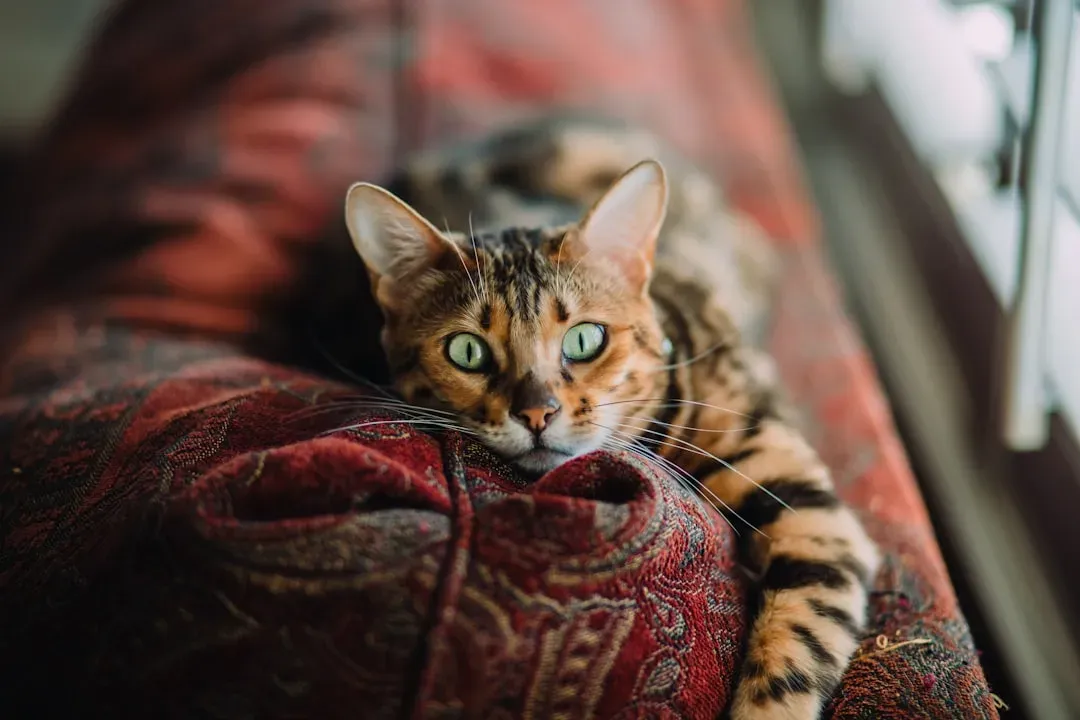
Bengals are famous for their wild look, but it’s their wild energy that really defines them. These cats are muscular, athletic, and built to move; watching a Bengal sprint through the house can feel like watching a mini jungle cat doing high‑intensity interval training. They often love water, love climbing, and love being in the middle of every household activity.
If you bring a Bengal into a small, unstimulating space and expect a couch potato, you’re setting both of you up for frustration. They thrive in homes where there are tall cat trees, climbing shelves, and humans who are willing to play fetch, chase wand toys, or even leash‑train them for supervised outdoor adventures. With the right environment, a Bengal’s high energy turns into jaw‑dropping athleticism and deep, interactive bonding instead of chaos and destruction.
Oriental Shorthair: The Chatty Athlete
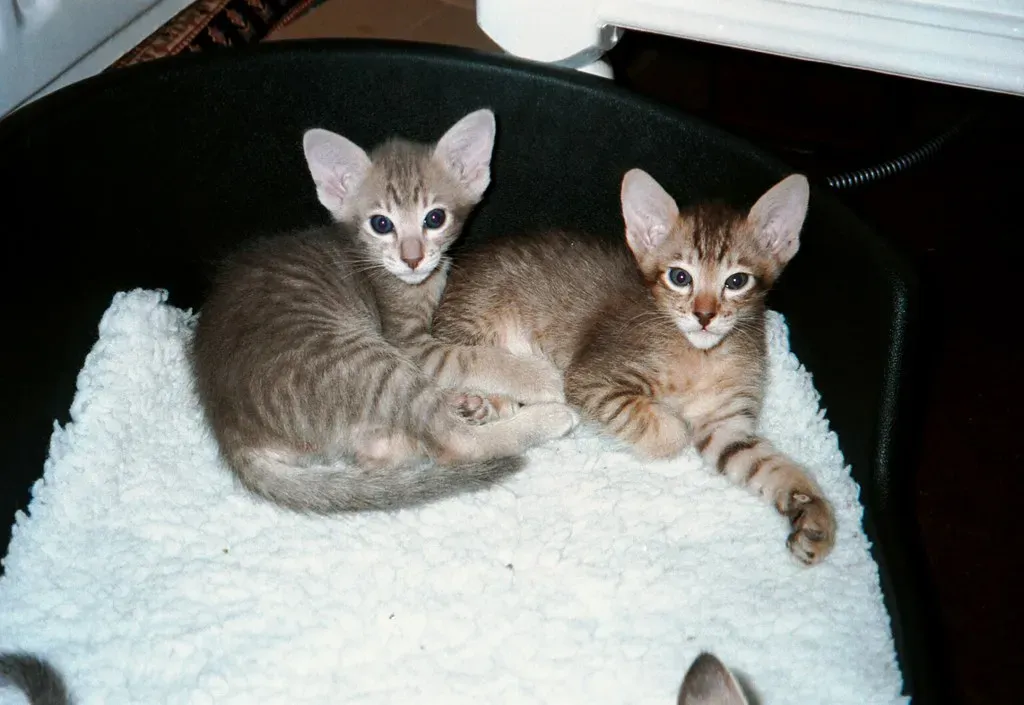
Oriental Shorthairs combine two intense traits: big energy and big opinions. They are closely related to Siamese cats and share that talkative, people‑oriented personality, but with an extra dash of sleek, sporty build. These cats are not subtle; they’ll follow you from room to room, narrate what you’re doing, and hop onto whatever surface gives them the best view.
Because they’re both active and highly social, an Oriental Shorthair often does best in a home where there’s plenty of company and stimulation. They love climbing structures, interactive toys, and humans who will actually respond when they “talk.” If you ignore them, they’ll likely create their own entertainment, which might involve knocking pens off your desk or darting under your feet at exactly the wrong moment. Think of them as energetic roommates who expect to be part of your daily routine, not background decor.
Siamese: The High-Energy Drama Star
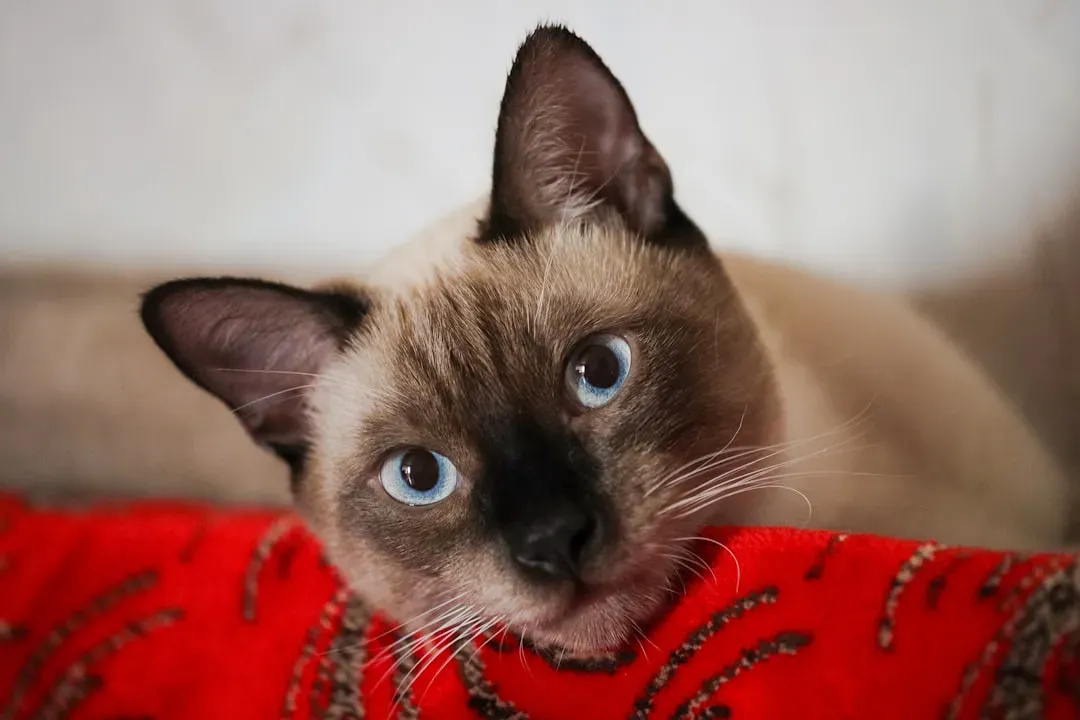
Siamese cats are legendary for their vocal nature, but their energy level is just as intense. These cats are active, agile, and mentally sharp; they don’t just want to lie around looking pretty. A Siamese will climb, explore, and inspect every bag, box, and shelf like a self‑appointed quality controller of your home environment.
They also form strong bonds with their humans, which means their energy is often focused directly on you. Expect them to follow you into the bathroom, onto the couch, and possibly onto your keyboard during an important email. If you do not offer enough interactive play and mental stimulation, a Siamese will often get restless and creative, sometimes in ways you might not love. When you channel their energy with toys, training, and engagement, though, they become wonderfully affectionate partners in crime rather than tiny, dramatic chaos agents.
Turkish Angora: Graceful but Always in Motion
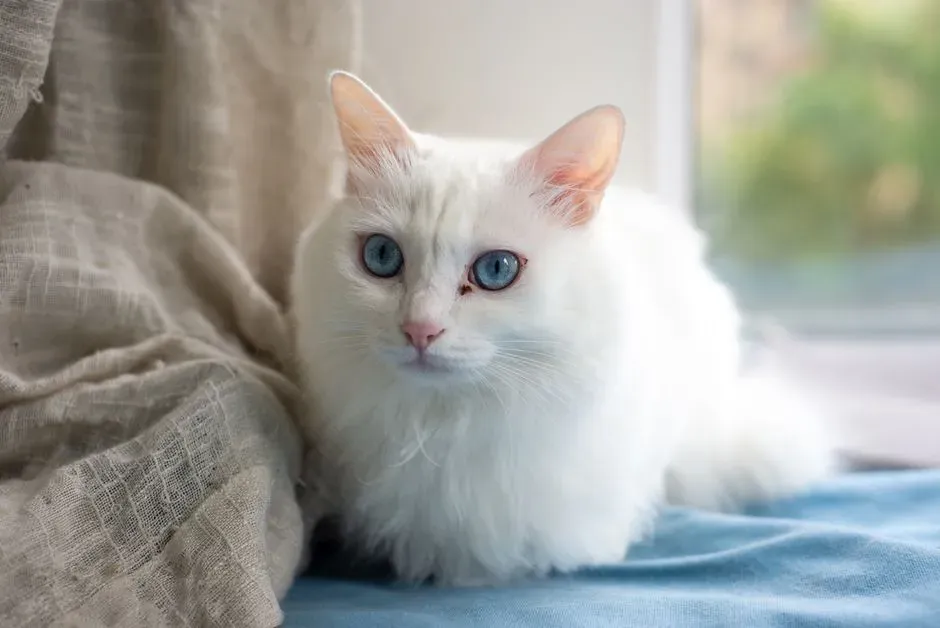
With their silky coats and elegant appearance, Turkish Angoras can fool you into expecting a calm, delicate lap cat. In reality, many of them are light‑footed athletes with a playful streak that lasts well into adulthood. They like to climb high, leap gracefully, and generally act like the house is their personal stage and they’ve got a show to put on.
They’re often people‑focused and intelligent, which means they’ll happily join you in whatever room you’re in, but they won’t just sleep in the corner. They may weave around your legs, chase invisible enemies down the hallway, or bat at anything that dangles. Because of their blend of elegance and energy, they can feel like living pieces of moving art – constantly in motion, constantly catching your eye, and constantly keeping you on your toes.
Japanese Bobtail: The Cheerful Little Spark Plug
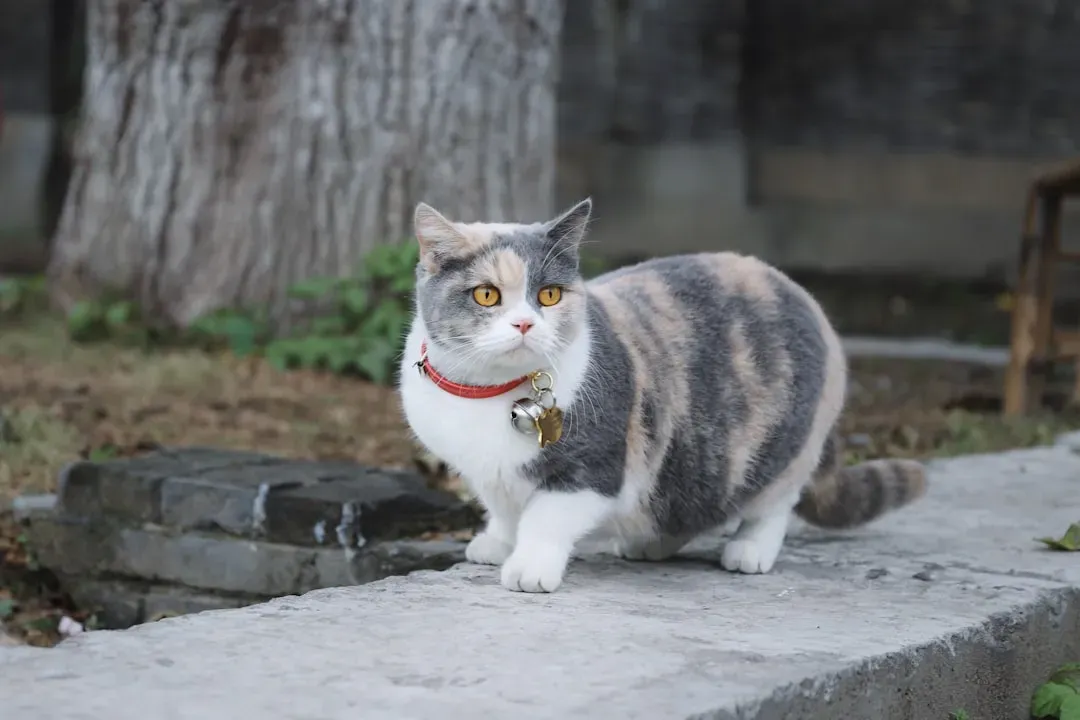
Japanese Bobtails are known for their distinctive short tails, but it’s their bright, bouncy personality that really stands out in day‑to‑day life. They are playful, curious, and often surprisingly social, and they tend to stay kitten‑like in behavior long after they’ve grown up. You’ll see them carrying toys around, initiating games, and joyfully zipping from one end of the home to the other.
Many owners describe them as having an almost dog‑like enthusiasm, greeting family members at the door or following them around with obvious interest. They tend to enjoy interactive play, and some even take to fetch or learning tricks. If you give a Japanese Bobtail enough outlets – like wand toys, climbing furniture, and regular playtime – their boundless energy turns into a constant source of amusement rather than a source of trouble.
Devon Rex: The Tiny Acrobat With Big Ideas
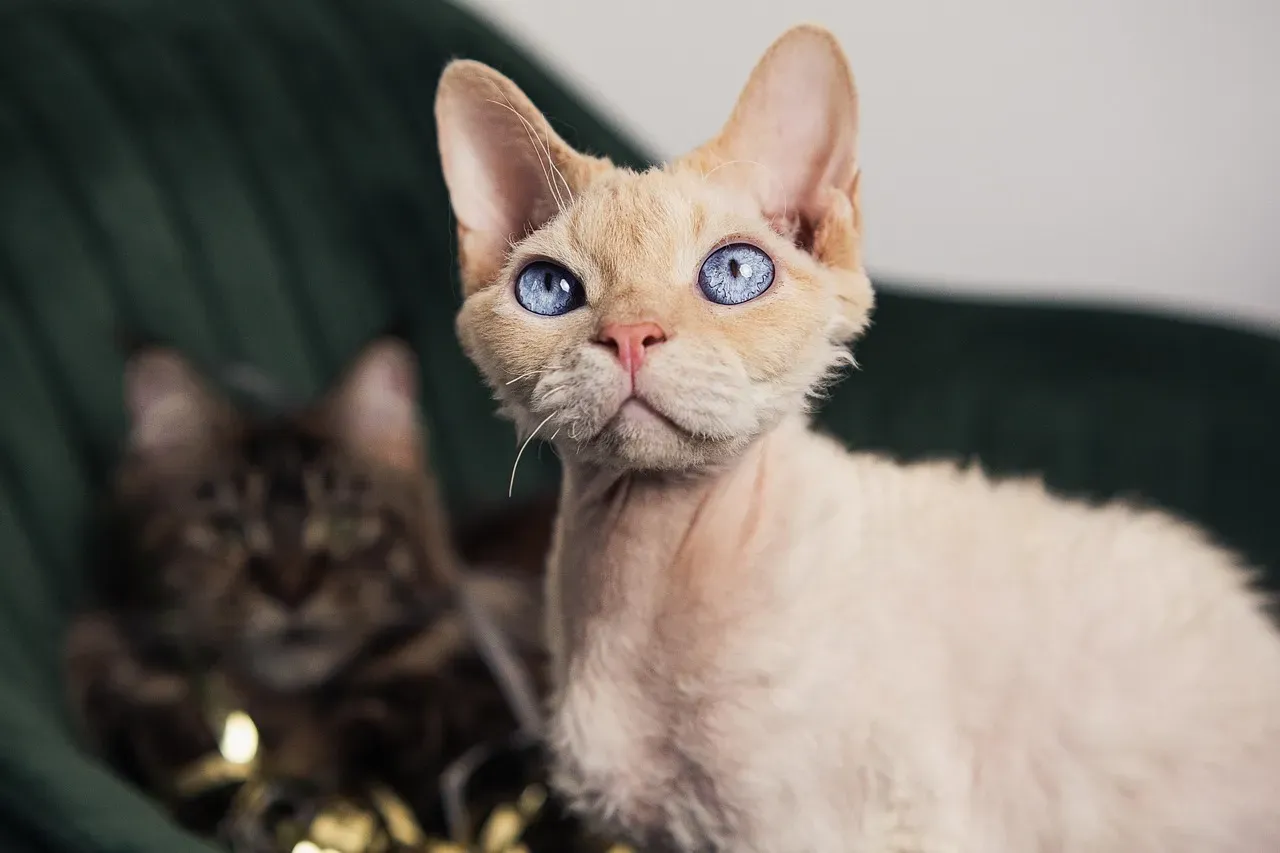
The Devon Rex looks a bit like a mischievous forest sprite, and that image fits their personality surprisingly well. They’re lightweight, agile, and absolutely love to climb and leap, often choosing the highest available perch just to see what you’re up to. Their large ears and curious expression match their behavior: they are always interested, always alert, and rarely still for long.
Because they are so people‑oriented, a Devon Rex tends to combine physical energy with a strong desire to be involved in everything. Cooking dinner? They’ll attempt to supervise from the counter. Reading a book? They might try to sit on it, or on your shoulder, or both. For many people, this constant presence feels endearing and almost comforting, but if you’re dreaming of a quiet, independent cat, this might feel like too much. With the right person, though, their nonstop engagement is exactly what makes them unforgettable.
Ocicat: The Spotted Speedster
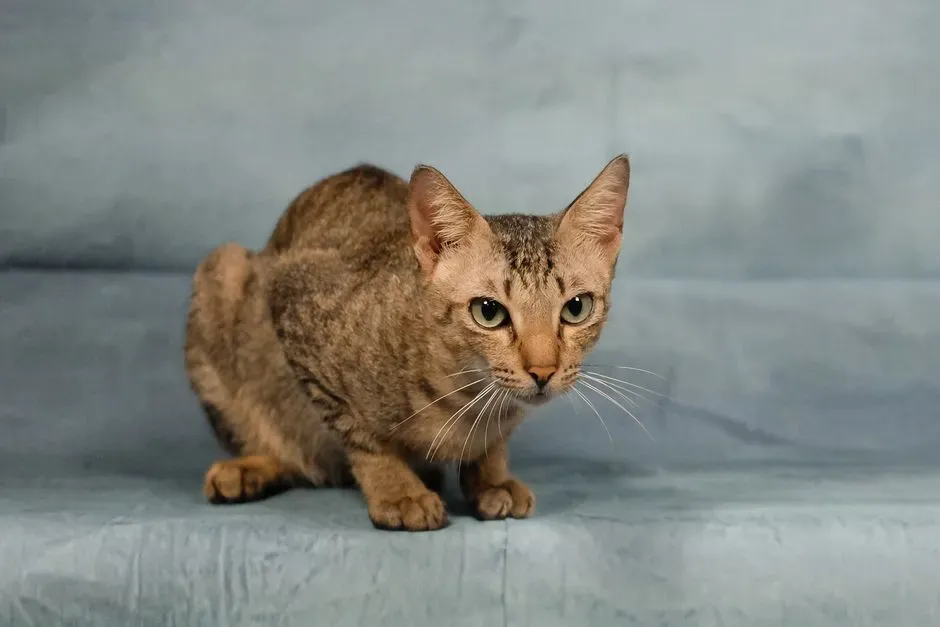
The Ocicat looks exotic, with its spotted coat reminiscent of wild cats, but it is entirely domestic – and entirely full of energy. These cats are sturdy, athletic, and often quite outgoing, enjoying games that let them run, jump, and show off their impressive coordination. They can be quick learners and may even pick up games like fetch or target training if you’re willing to put in a little time.
Because of their intelligence and drive, Ocicats do best in homes where someone actually enjoys interacting with them, not just admiring them from a distance. They often thrive with multiple play sessions a day, climbing structures, and toys that challenge them to think as well as move. When that need is met, their boundless energy turns into a charming combination of athletic grace and social warmth that makes them feel like part of the family, not just another pet.
Manx: The Powerhouse With a Playful Streak
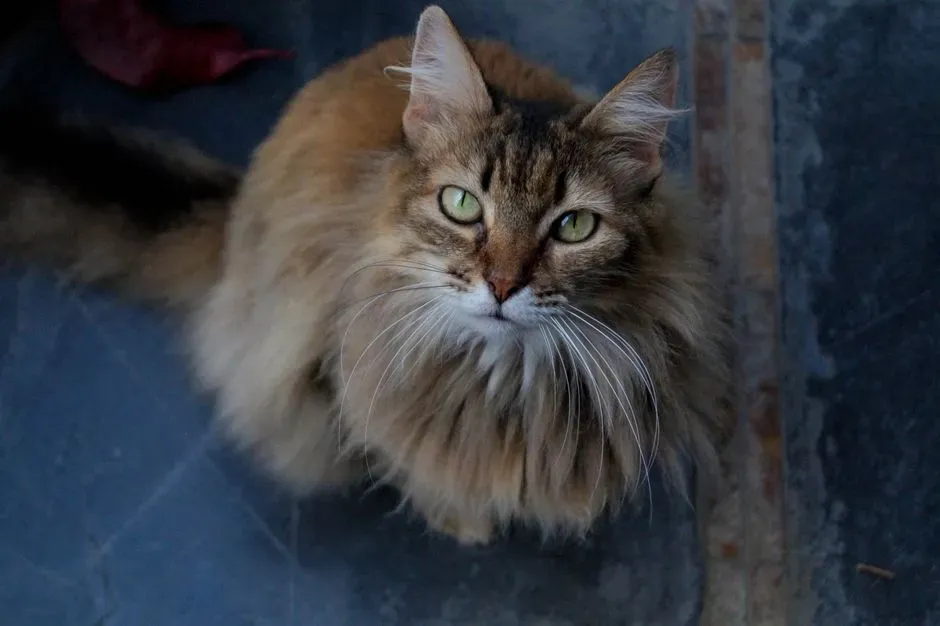
The Manx is famous for its tailless or short‑tailed look, but under that round, sturdy body is a surprisingly energetic cat. They may not be as obviously hyper as some of the other breeds on this list, yet many Manx cats are enthusiastic jumpers, dedicated chasers of toys, and tireless participants in interactive games. They tend to have strong back legs, which translates into impressive leaps and bursts of speed when the mood strikes.
They often develop close bonds with their people, and their energy is frequently expressed through play that involves the whole family. A Manx might dash after feather toys, take running leaps onto furniture, or race down hallways in playful pursuit. While they typically enjoy downtime and affection too, their zest for games and activity means you’ll rarely go a day without some kind of lively entertainment. They’re a good reminder that “athletic” does not always look lean and delicate – it can also look powerfully solid and surprisingly fast.
Conclusion: High-Energy Cats Are Not for Bystanders
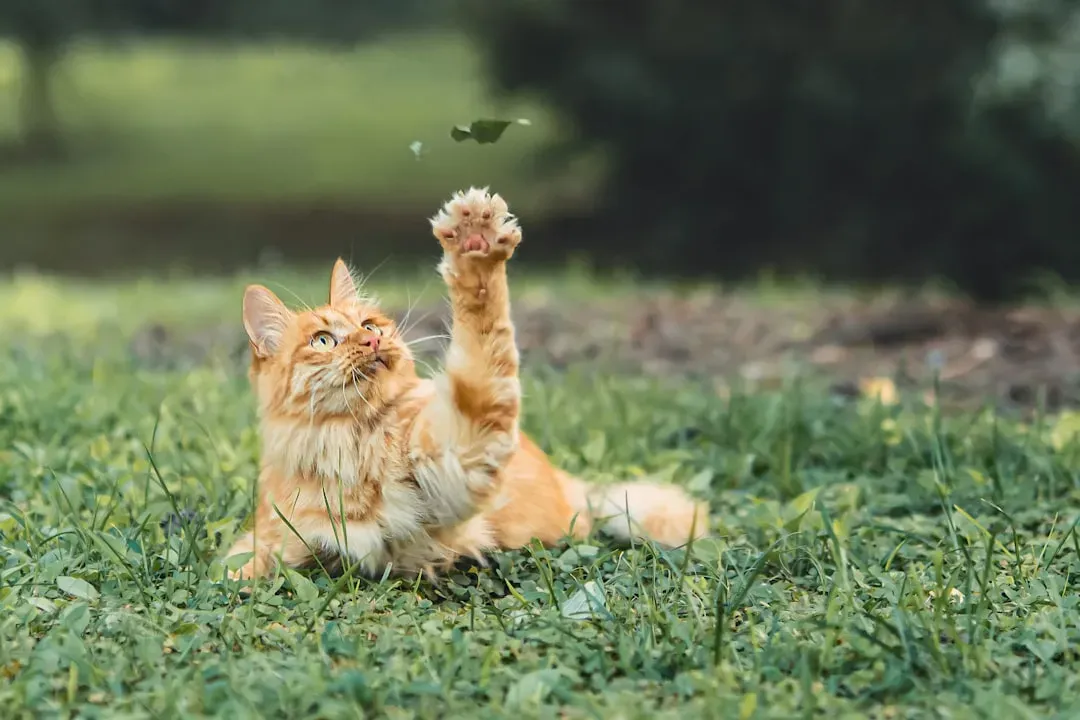
High‑energy cat breeds are a bit like living with a stand‑up comedian and a personal trainer rolled into one tiny package: you’ll laugh a lot, move a lot, and occasionally wonder what you’ve gotten yourself into. In my view, these breeds are incredible companions, but only for people who genuinely want to participate in their cats’ lives instead of watching from the sidelines. If you prefer a silent, decorative cat who mostly naps, these nine are probably not your match – and that’s completely fine.
But if you love personality, play, and a home that feels alive, these energetic breeds can turn everyday routines into something more vivid and connected. They force you to interact, to be present, and to think about their environment the way you might for a very clever child. In a world where so many of us feel drained, there is something strangely uplifting about an animal that never seems to run out of joy or curiosity. The real question is not whether these cats have enough energy for you – it’s whether you have enough energy for them. Would you dare bring one of these little dynamos into your home?


