
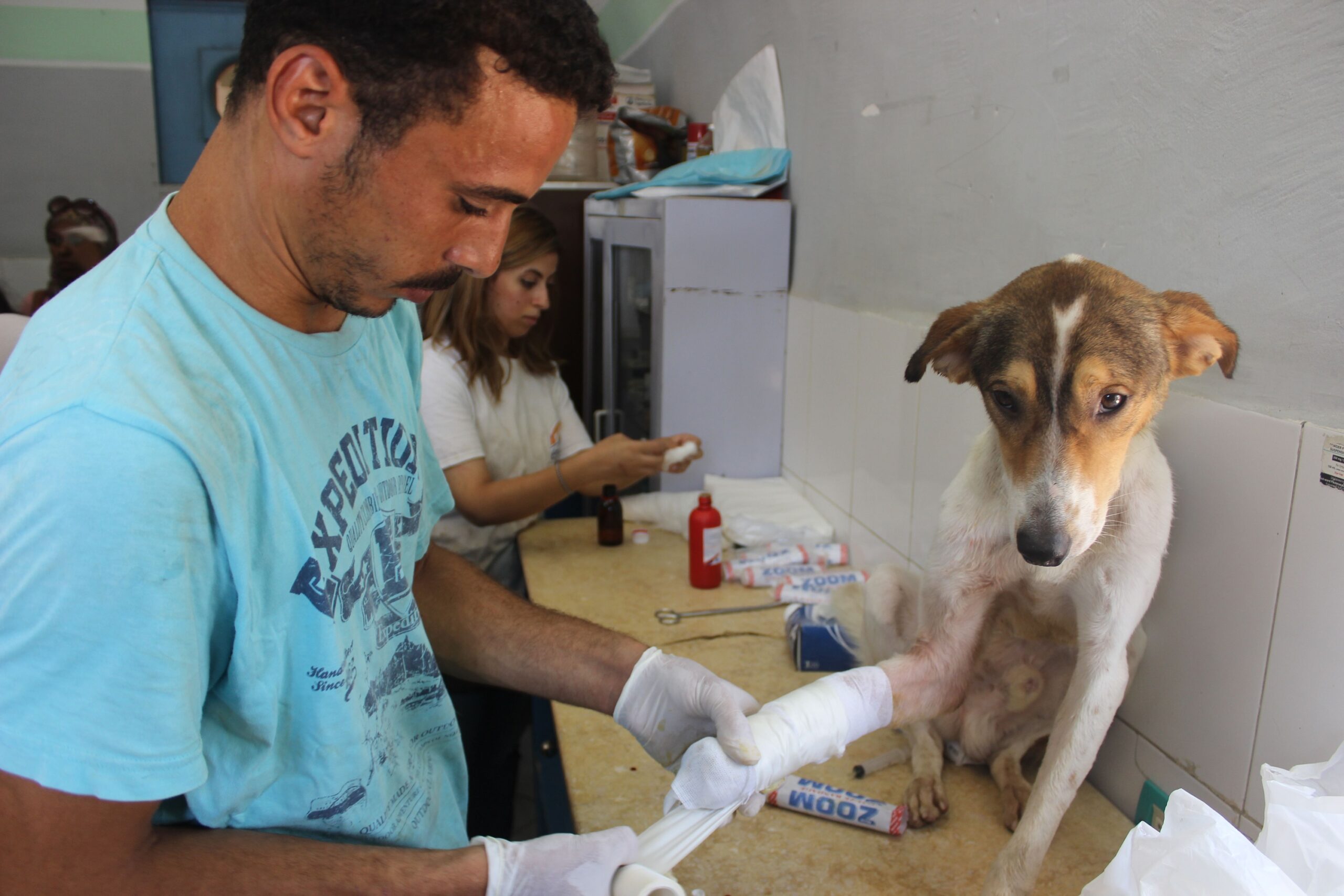
Dogs are tough. They chase balls with sore joints, wag their tails through stomach cramps, and curl up beside you even when they feel awful. And because they can’t look you in the eye and say “Hey, this hurts,” they often suffer in silence while we miss the early warning signs.
Once you start really noticing the subtle changes, though, it feels like putting on a new pair of glasses. You suddenly see your dog’s behavior in a whole new light. Let’s walk through some of the most common, easy-to-miss signs your dog might be hurting – and not telling you.
#1: Sudden Changes in Activity Level
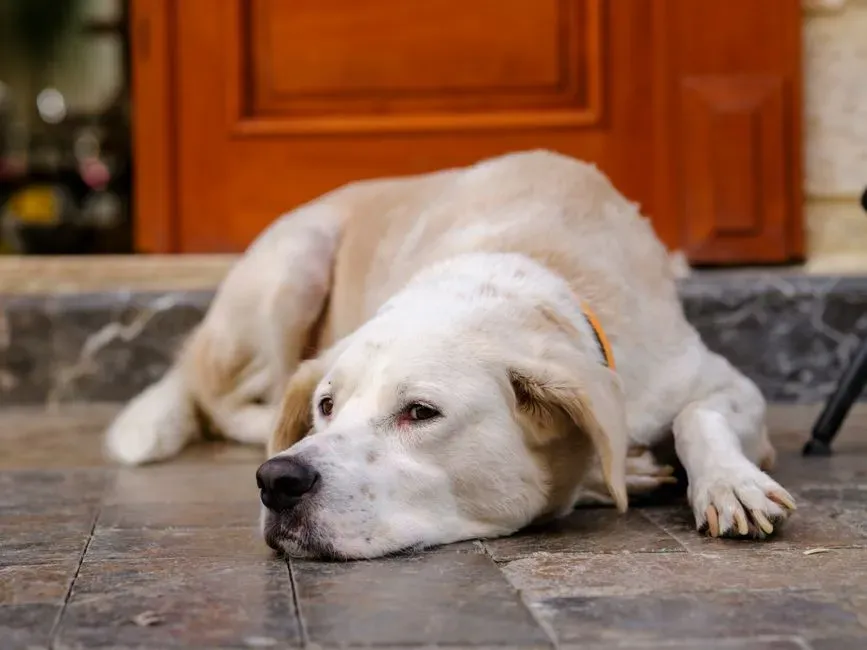
One of the sneakiest red flags is when an always-active dog suddenly turns into a couch ornament. If your dog who used to sprint to the door now hesitates to get up, pauses on the stairs, or chooses to stay in their bed when you grab the leash, that can be their quiet way of saying, “This is harder than it used to be.” It’s especially suspicious if this shift happens over days or weeks, not years.
On the flip side, some dogs actually get a little restless when they are in pain. They may stand up, lie down, circle, and change positions repeatedly, as if they just can’t get comfortable. Think of how humans toss and turn when they have a bad headache or backache. If your dog’s energy level or restlessness looks “off” for their normal personality, it deserves your attention.
#2: Subtle Limping or Stiffness
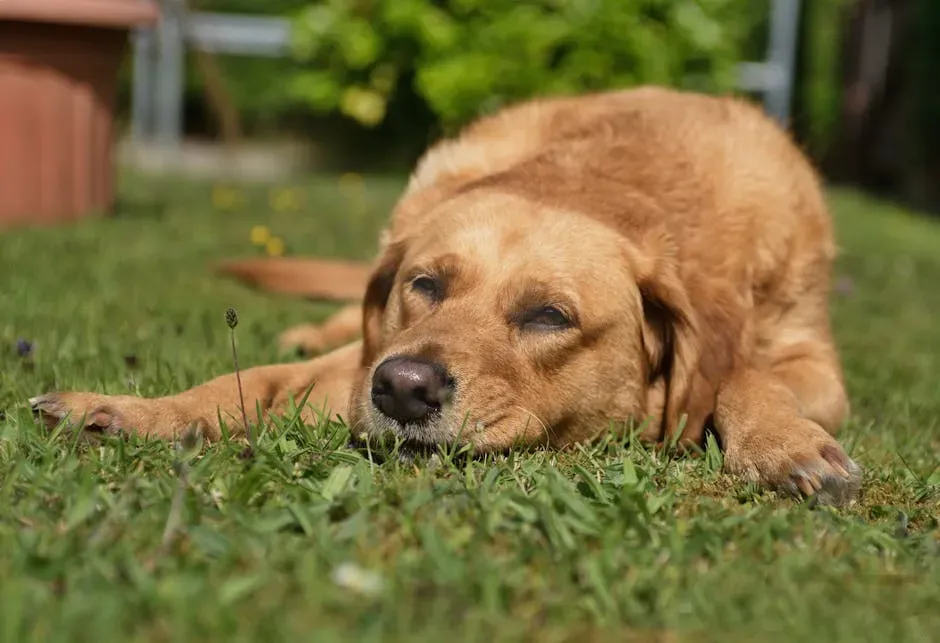
Not all limping is dramatic. Many dogs develop a tiny hitch in their step, or they favor a leg only when they first get up in the morning and then “walk it off” as they warm up. It is easy to brush that off as aging or just “being a bit stiff,” but consistent stiffness, especially after rest or exercise, often signals joint or muscle pain.
You might also see your dog avoiding certain movements they used to do happily. Maybe they no longer jump into the car, hop onto the couch, or race after a ball at full speed. Instead of a full-on limp, you sometimes just notice shorter strides, a lowered head when walking, or a slightly hunched back. Those tiny shifts can speak volumes if you’re willing to look closely.
#3: Changes in Appetite or Drinking Habits
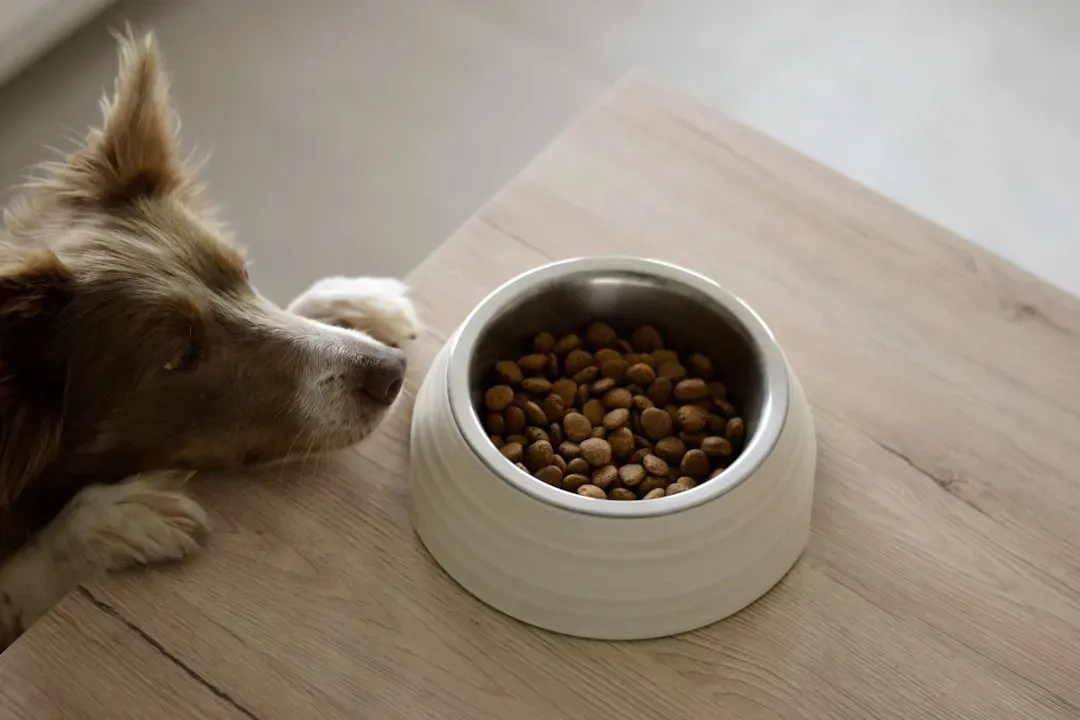
Pain and discomfort can absolutely mess with a dog’s appetite. A dog that usually devours dinner within seconds but suddenly leaves food in the bowl, eats slowly, or walks away after a few bites may be telling you something is wrong. This is especially concerning if your dog is usually food-obsessed – when that kind of dog refuses treats, it should stop you in your tracks.
Drinking patterns can shift too. Some painful conditions make dogs drink more; others make them less interested in water. Pair that with drooling, licking their lips, or looking at their bowl and then at you with uncertainty, and it paints a picture of internal discomfort. A dog might not cry out, but losing excitement over food is often their quiet alarm bell.
#4: Unusual Licking, Chewing, or Grooming
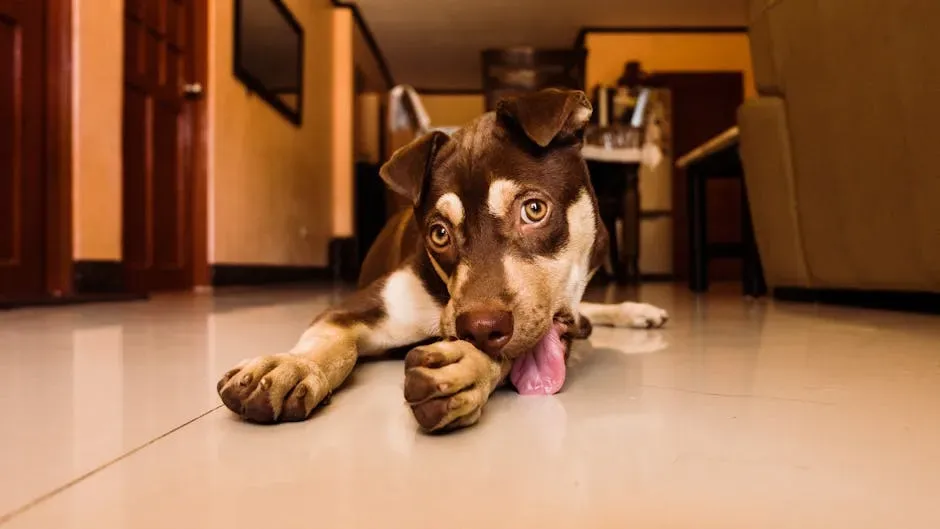
When a dog keeps obsessively licking or chewing one specific area – like a paw, hip, joint, or side of the body – that spot is worth investigating. Dogs often do this to self-soothe, the way we might rub a sore shoulder. You might not see an obvious wound from the outside, but the repeated licking can create red, raw patches over time, almost like the symptom is hiding its own cause.
Some dogs also start grooming in a more general way when they are hurting. They might lick the air, lick the couch, or lick their front legs while lying quietly, almost like a nervous habit. It can look like simple boredom or quirkiness, but when it appears out of nowhere or ramps up suddenly, pain or nausea should be on your mental checklist.
#5: Changes in Posture or How They Lie Down
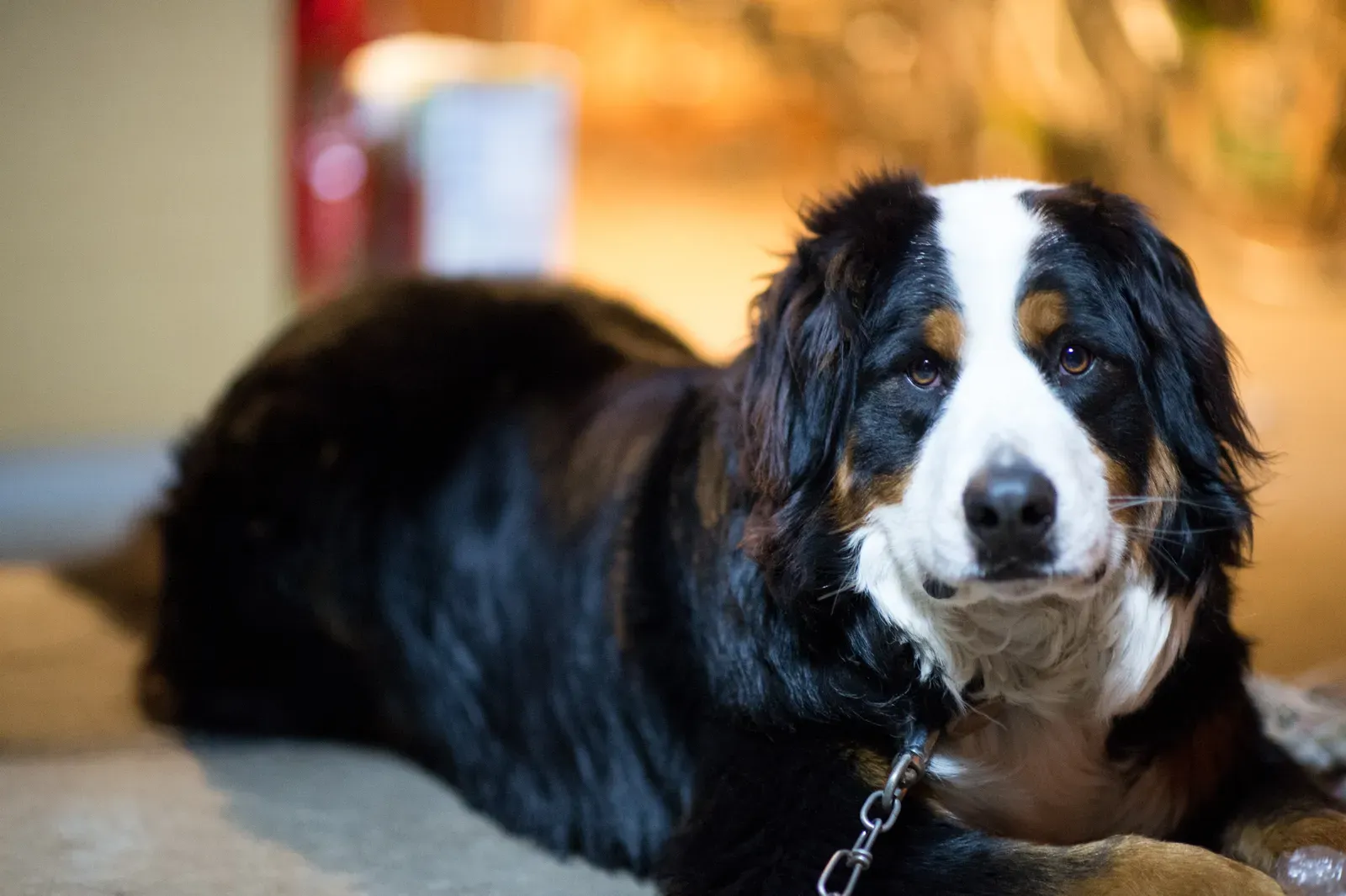
You can tell a lot about how a dog feels from the way they carry their body. A dog in pain may tuck their tail more, hunch their back, or hold their head low as if they are shrinking into themselves. Others might stand with their front legs stretched out and their back end raised, almost like a half-play-bow; this can be a sign of belly pain rather than a playful stretch, especially if the mood is serious instead of goofy.
Watch how they lie down and get up. Do they lower themselves slowly, pause halfway, or brace their front legs like they’re trying to ease weight off their hips? Do they switch sides more often than they used to, as if no position feels right for long? That kind of careful, cautious movement is your dog’s body whispering that something hurts more than they are letting on.
#6: Behavior Shifts: Clingy, Grumpy, or Withdrawn
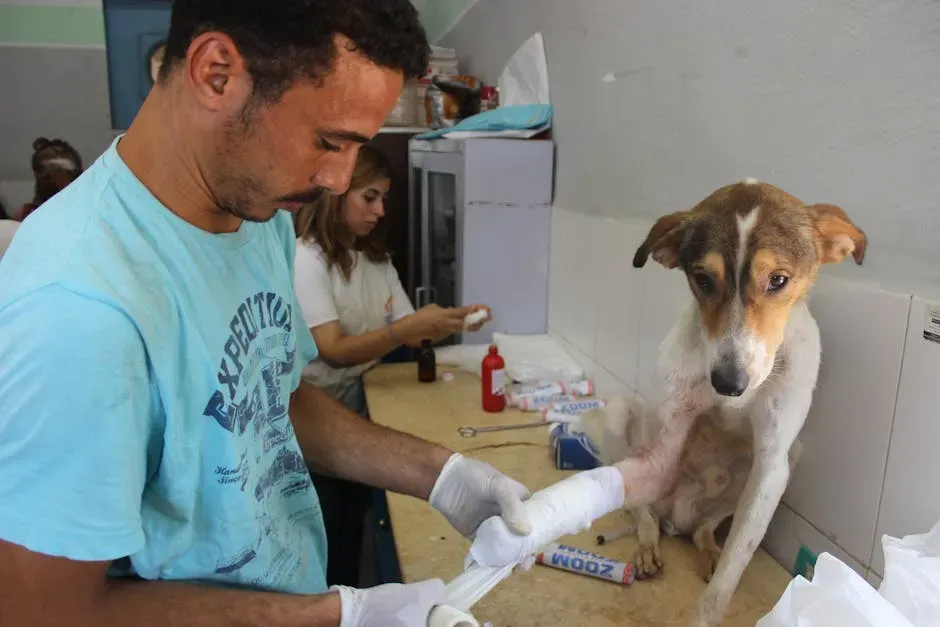
Personality changes are one of the clearest signs that something is off. Some dogs become extra clingy and needy when they are hurting, following you from room to room and insisting on being pressed up against you. Others go the opposite direction and hide under beds, avoid kids, or choose to be alone where they normally love being in the thick of the action.
Grumpiness is another big one. A usually patient dog might start snapping when touched in a certain area, growling when another pet bumps into them, or avoiding being picked up. That is not your dog “suddenly turning mean” – it is them trying to protect the part that hurts. If a normally easygoing dog starts acting like they are walking around with a short fuse, pain is a very fair suspect.
#7: Changes in Breathing, Panting, or Facial Expression
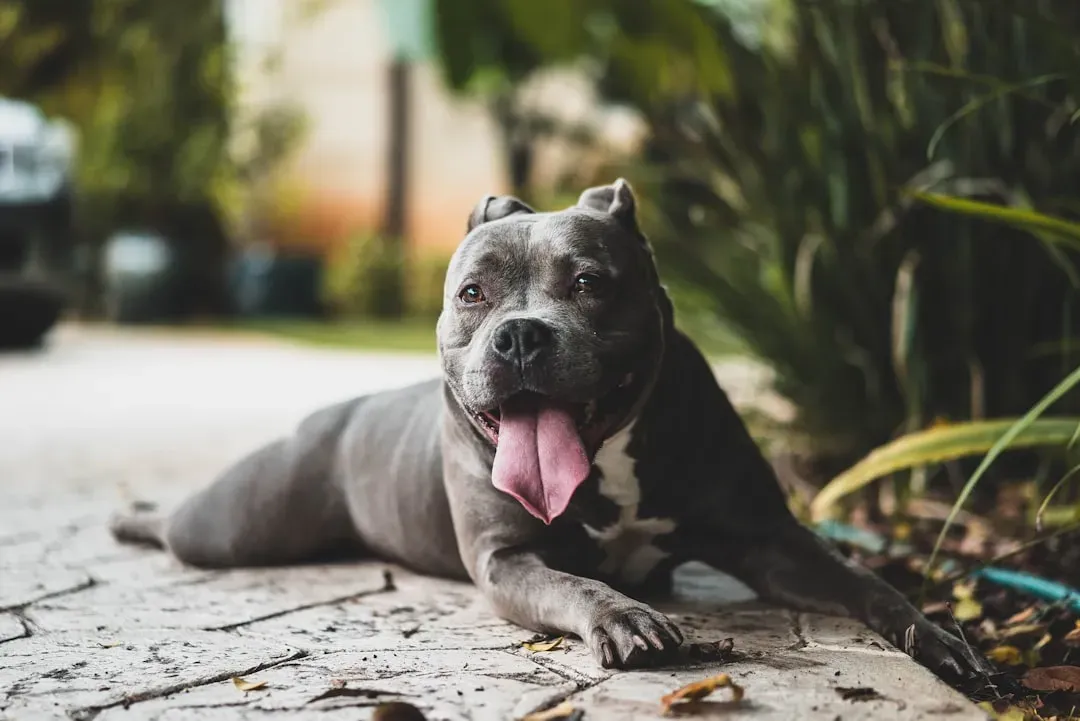
Dogs have surprisingly expressive faces and breathing patterns, but we often only notice the extremes. Pain can cause more subtle changes: slightly faster breathing at rest, shallow breaths, or panting when the room is cool and your dog has not exercised. It is like their body is constantly on edge, even though nothing on the outside seems to be happening.
Look at their eyes and mouth too. Some dogs in pain squint more, furrow their brow, or keep their lips tight instead of relaxed and floppy. They may hold their ears back or to the side and stare into the distance in a way that looks “worried.” It is not about one single look in a single moment, but a pattern – when your dog’s usual relaxed, goofy expression is replaced by a tense, guarded one, your gut should perk up.
#8: House-Training Accidents or Restlessness at Night
When a well-trained dog suddenly starts having accidents indoors, many people jump straight to frustration. But a dog that pees inside, cannot hold it as long as before, or seems confused about where to go might actually be dealing with pain or internal issues. They might also struggle to posture normally to pee or poop, so they rush it, then have trouble later.
Nighttime can make things even more obvious. A dog in pain may pace, change sleeping spots repeatedly, or whine softly in the dark. They might ask to go outside more, not because they need to potty, but because they are simply uncomfortable and unsettled. If your dog used to sleep like a rock and now seems restless, that shift is worth taking seriously rather than chalking it up to “getting older.”
Conclusion: Your Dog’s Silence Is Not Their Consent
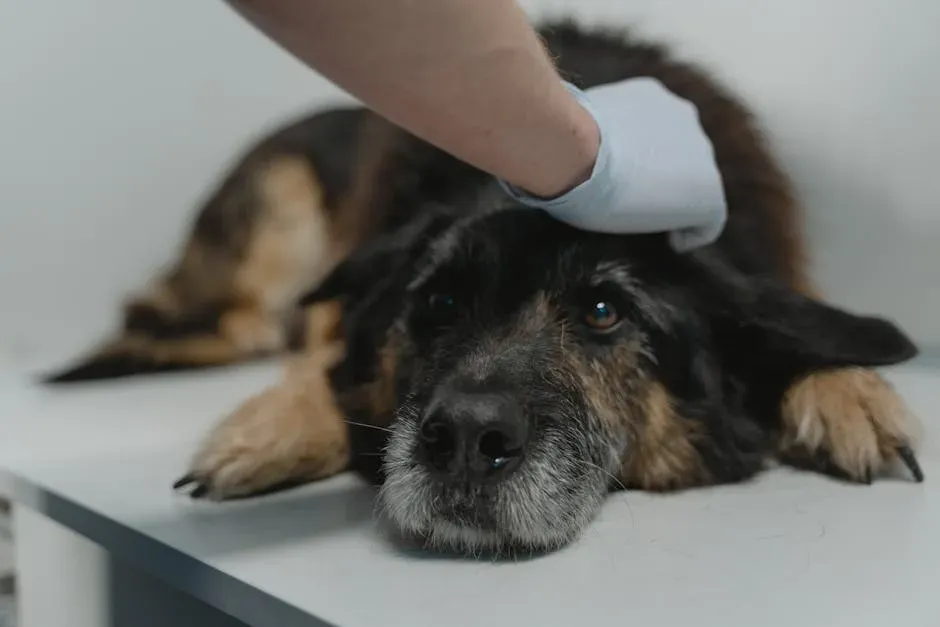
The hardest part of loving a dog is that they will often try to act fine just to keep up with you. They chase the ball with sore joints, wag their tail with a tight belly, and follow you down the hall even when every step hurts. It is on us to notice the little clues – those quiet limps, odd sleeping positions, new moods, and strange habits – and decide not to ignore them just because they are easy to dismiss in the moment.
Personally, I would much rather be the person who overreacts and gets something checked than the one who realizes, too late, that my dog was hurting for months while I wrote it off as “just getting old.” If any of these signs sound familiar, trusting your instinct and talking to your vet is not being dramatic; it is being your dog’s only real voice. Looking at your dog right now, how many of these subtle signs have you been chalking up to personality quirks instead of possible pain?


