
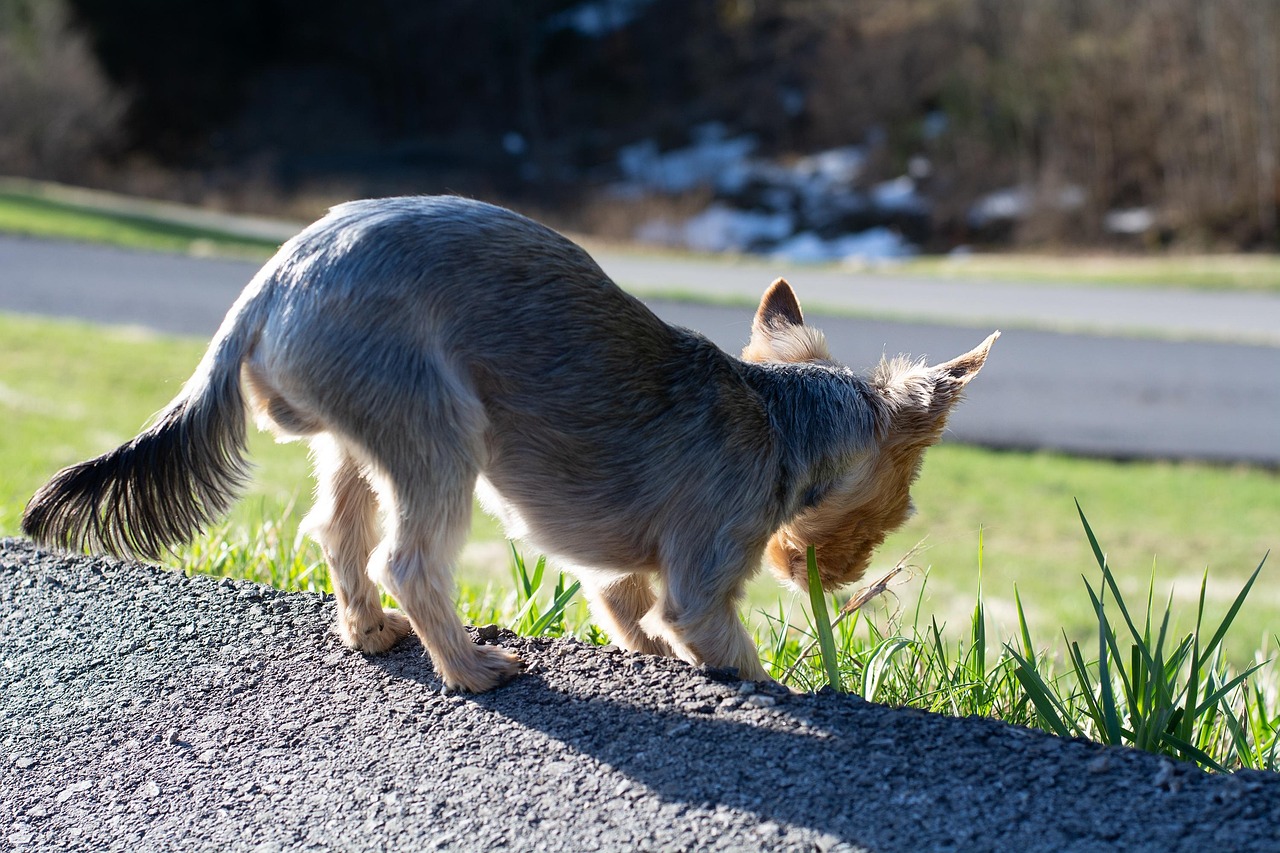
You see your dog happily munching on grass, and a familiar thought pops up: uh oh, their stomach must be a mess. For years, people have blamed grass-eating on nausea, worms, or some mysterious illness. But what if that story is only half true at best, and your dog is actually trying to “talk” to you about something much more basic – their everyday diet?
Once I really started watching dogs at parks (including my own), it hit me: the grass-eaters weren’t always the sick ones. Often, they were the most energetic, curious, and otherwise perfectly healthy dogs. That’s when the penny dropped – maybe grass isn’t an emergency siren, but a quiet little hint we’ve been ignoring for far too long.
#1 The Big Myth: Grass Means Your Dog Is Sick
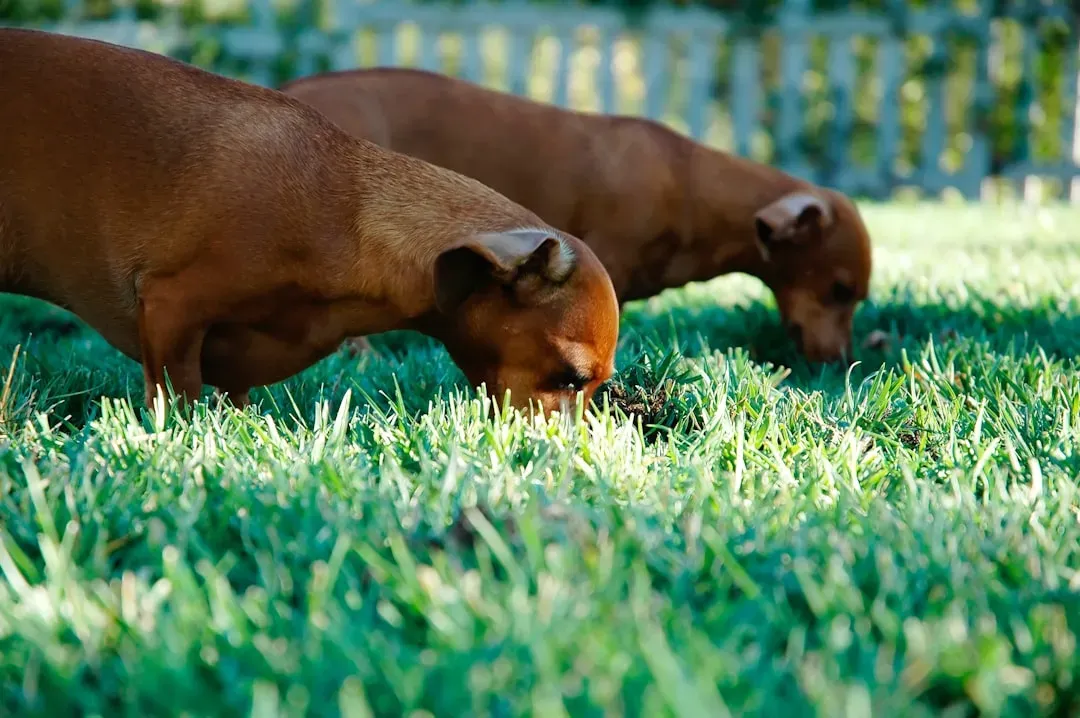
It’s surprisingly common to hear people say that dogs only eat grass when they feel nauseous or need to vomit. That idea sounds neat and tidy, but it just doesn’t match what many owners actually see at home. Most dogs that graze on grass do it calmly, then carry on with their day like nothing happened – no vomiting, no drama, just a quick salad snack and back to sniffing.
In several observational studies, only a small portion of grass-eating episodes led to vomiting later on, and many dogs seemed totally healthy according to their vets. That doesn’t mean grass never connects to tummy troubles, but it does mean the old “grass = sick dog” rule is way too simplistic. If you automatically panic every time your dog chews a blade or two, you might be missing a different, more everyday message about what they’re trying to get from their food.
#2 What Grass Is Actually Made Of – And Why That Matters

Before we talk about your dog’s diet, it helps to know what grass brings to the table. Grass is packed with fiber, some vitamins, plant compounds, and loads of roughage. Dogs are not cows, so they can’t really break down big amounts of grass efficiently, but that doesn’t mean they get nothing out of it. Even poorly digested plant matter can still change how the gut moves and how full a dog feels.
Think of grass like nature’s crunchy, fibrous side dish – not a full meal, but an add-on that can affect digestion, stool quality, and overall gut comfort. When a dog keeps seeking out that rough, fibrous texture, it can be a quiet sign that their current food is a bit too low in fiber, too rich, or not quite hitting the sweet spot for their particular digestive system. It’s less about “I’m sick” and more about “this could be more balanced.”
#3 Is Your Dog’s Food Really Balanced – Or Just Convenient?

Most commercial dog foods are labeled as complete and balanced, but that phrase can hide a lot of variation. Some formulas are meat-heavy and low in plant matter or fiber, while others are packed with fillers that slide through the system without doing much. If your dog is inhaling kibble in seconds and then wandering out to graze, they might be telling you that their meals are missing a piece of the puzzle, especially in the fiber and variety department.
I’ve seen this firsthand with dogs on super rich, high-protein diets who suddenly start hunting for plants like tiny lawn mowers. Once their owners bumped up the quality of the food, added a bit of safe, dog-friendly fiber from vegetables or vet-approved toppers, the random grass-binging calmed down. It’s not magic. It’s simply that a better-balanced diet can make grass less interesting as a backup option.
#4 Fiber, Fullness, and the “Salad Bar” Effect
One of the most underrated roles of fiber is how it affects fullness and bathroom habits. Dogs that feel a little empty, gassy, or irregular may instinctively experiment with fibrous materials, and grass is the easiest one within reach. You can think of it like you reaching for a bowl of popcorn when you feel weirdly unsatisfied after a big but unbalanced meal; it is your body looking for bulk and texture, not just calories.
When a dog’s regular diet lacks enough appropriate fiber, their stools may be too soft, too hard, or simply inconsistent. That can create a subtle sense of discomfort that they can’t explain with words, so they turn to behavior instead. Reaching for grass becomes a kind of DIY adjustment to their own fiber intake. It is clumsy and imperfect, but from the dog’s point of view, it is better than nothing.
#5 Boredom, Instinct, and the “Foraging Dog” Inside
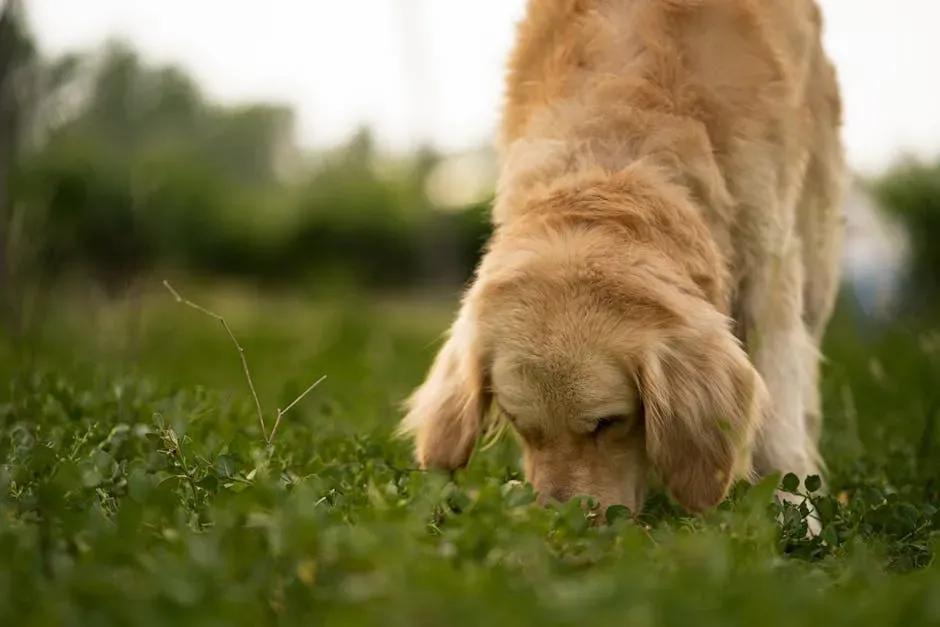
Diet is a huge part of the story, but it is not the only chapter. Dogs are natural foragers. Their wild relatives spend large chunks of the day sniffing, exploring, and sampling bits of plants along with prey. Even modern dogs, with bowls full of processed food, still carry that same ancient wiring. Grass-eating can be part boredom relief, part instinctive grazing, and part sensory exploration.
If your dog’s day is mostly four walls, the sofa, and a quick walk around the block, nibbling on grass can feel like their version of scrolling social media: something to do, something mildly satisfying. Combine that with a diet that is just okay but not great, and you get a dog that grazes more than you’d expect. Enriching their environment and giving them more mental and physical stimulation often reduces those long, obsessive grass sessions.
#6 When Grass-Eating Is a Red Flag – And When It’s Not
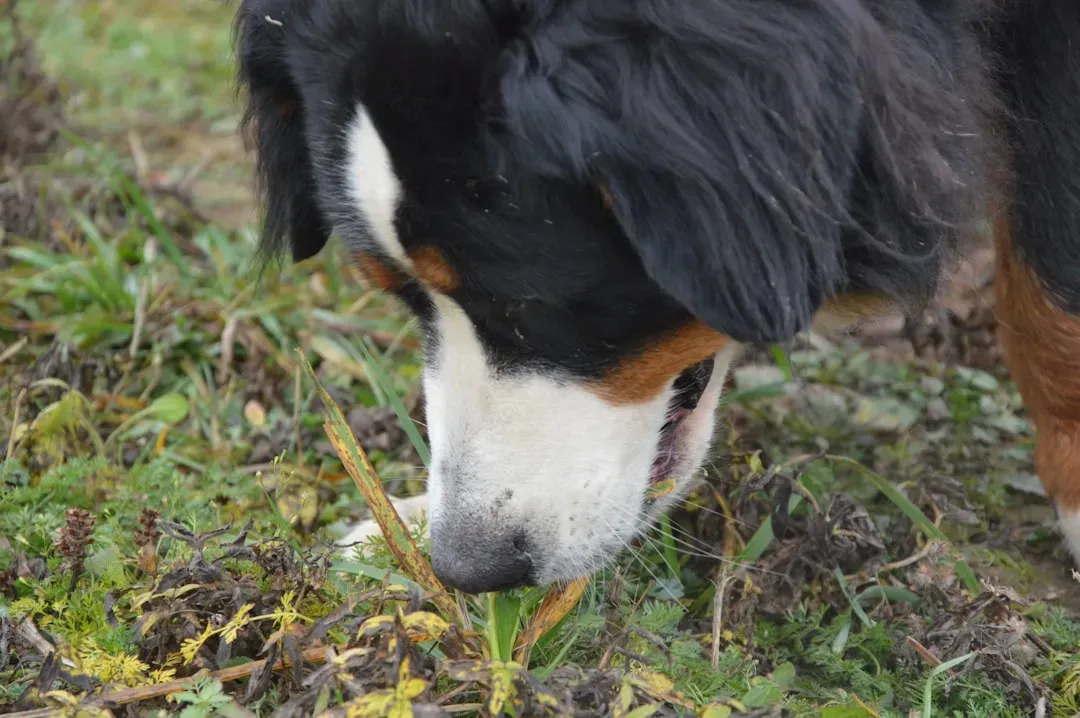
Here is where nuance really matters. Occasional, casual grass-eating in a bright, happy dog that is eating, drinking, and pooping normally is usually not a big deal. In many cases, it is completely harmless and can even be seen as a normal dog behavior, especially in outdoor settings or new environments. A quick chew and move on is very different from frantic, repeated eating with obvious discomfort.
On the other hand, if your dog is suddenly devouring grass like their life depends on it, seems miserable, vomits repeatedly, has diarrhea, acts lethargic, or refuses their food, that is a veterinary situation, not a diet tweak. Persistent changes in appetite or behavior are never something to shrug off. The key is not to treat all grass-eating as a crisis, but also not to wave off big, sudden changes just because “dogs eat grass sometimes.” Both extremes miss the point.
#7 How to Respond: Practical Diet Tweaks and Smart Monitoring
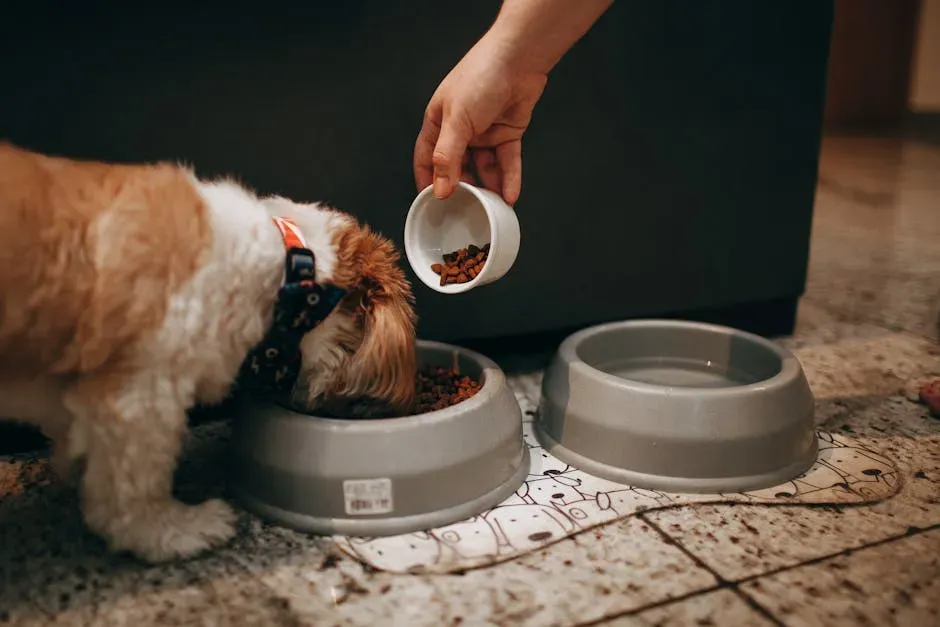
If your dog is a regular grass snacker but otherwise healthy, the smartest move is to look at their food with a more critical eye. Talk to your vet about whether your dog’s current diet has enough appropriate fiber and whether a different formula might suit their age, size, and activity level better. Sometimes, simply adding a measured amount of safe, dog-friendly vegetables, a high-quality canned topper, or a vet-recommended fiber source can make a real difference.
At the same time, watch the pattern instead of obsessing over single moments. Is your dog eating grass more after certain meals, at certain times of day, or only in specific places? Are they restless, gassy, or straining when they poop? These details tell a much richer story than one snapshot on a walk. To me, ignoring all that and just saying “oh, they must be sick” sells your dog short. They are not being weird; they are communicating with the only tools they have.
Conclusion: Stop Panicking, Start Listening to What Your Dog’s Grass Habit Really Says

Here is my honest opinion: we have turned dog grass-eating into a mini horror story when it is usually more of a quiet whisper about diet and daily life. Constant panic every time a dog chews on grass helps no one, but neither does shrugging it off and assuming it means nothing at all. The truth sits in the middle – it is typically a blend of instinct, fiber-seeking, and how well their current food suits their body.
If we stop treating grass like the enemy and start treating it like a clue, we become better, more attentive owners. We check the food label, we adjust fiber and variety, we enrich their routine, and we keep an eye out for real warning signs instead of imagined ones. In the end, that patch of lawn might be your dog’s way of saying: “Hey, listen to me for a second.” Are you willing to pay closer attention the next time you see them take that slow, deliberate bite?


