

You walk into the exam room pretty confident your dog is spoiled rotten. The monogrammed leash, the bandana, the treats jingling in your pocket – surely that screams “loved” loud and clear. But the vet isn’t even looking at any of that. They’re already reading something else entirely, and it has almost nothing to do with what you bought.
By the time you’ve finished explaining why you’re there, a good vet has usually already made up their mind about how loved your dog really is. It’s not a guess. It’s pattern recognition built from thousands of dogs who walked through that same door – some thriving, some quietly falling apart under a coat of “spoiling.” Here’s exactly what they’re clocking, one detail at a time.
#1 – The Dog Chooses Their Human Over Everything Else
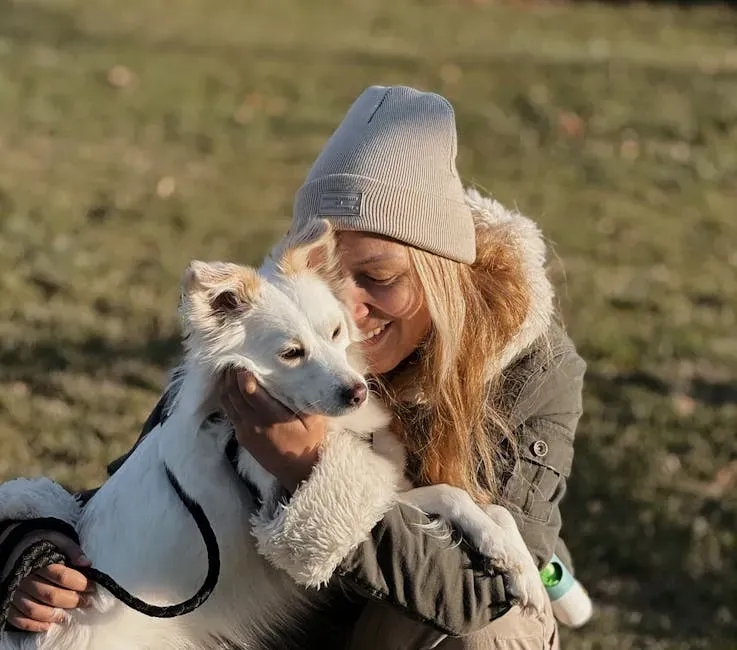
The biggest giveaway isn’t the dog’s outfit – it’s who they run to when they’re unsure. A deeply loved dog usually checks in with their person over and over in a new environment. They’ll glance back at their owner, lean lightly against their leg, or choose to sit near them instead of frantically exploring every corner of the clinic.
That quiet “where are you?” look tells a vet this dog has a strong, secure attachment. Loved dogs often relax faster once their human is near and take treats more confidently when the owner is involved. When a dog would rather stay close to their person than obsessively sniff everything in sight, that’s not clingy – that’s trust, and vets know you can’t buy that kind of bond with cute accessories.
- Relaxes more quickly once their human is near
- Takes treats more confidently when the owner is involved
#2 – The Dog’s Eyes and Face Look Calm, Not Haunted
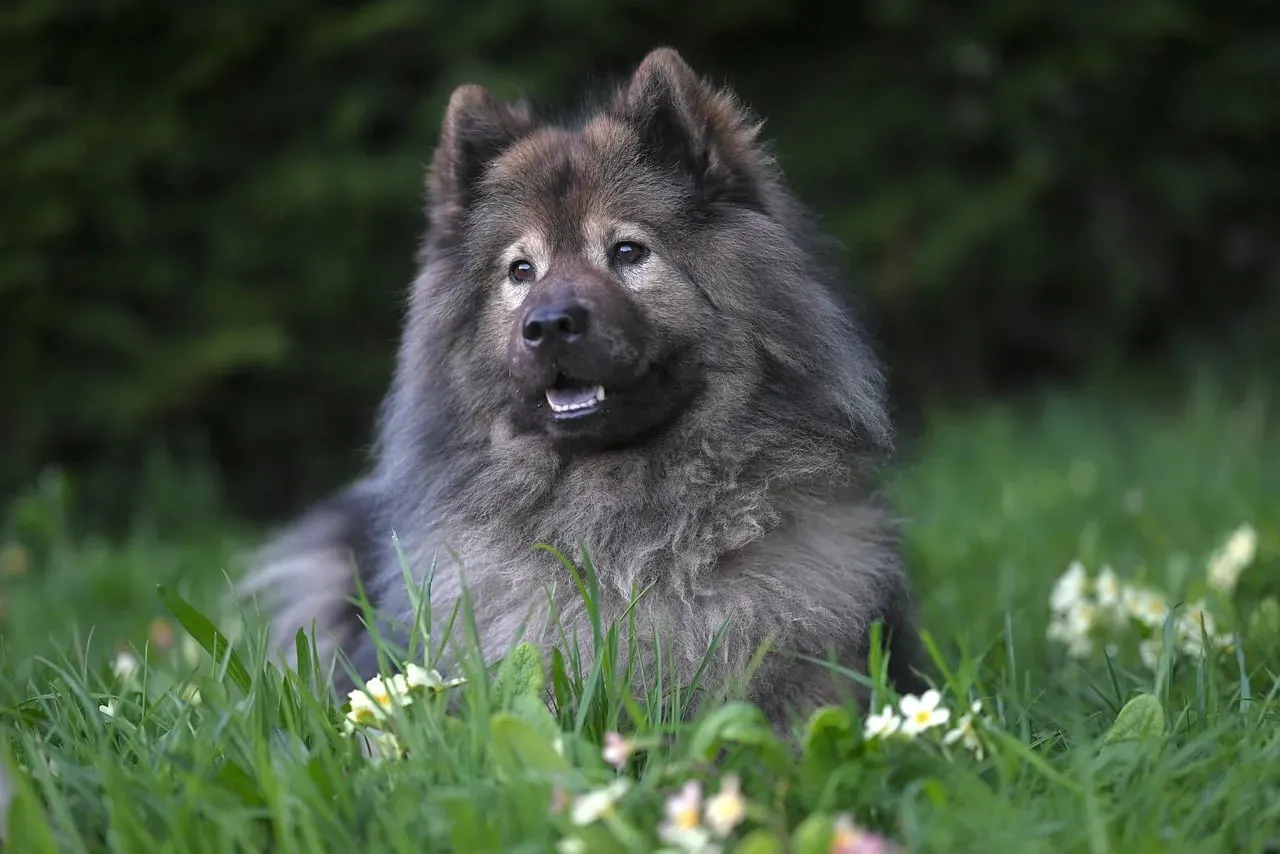
Most people obsess over a dog’s coat, but vets quietly watch the eyes. A loved dog usually has a soft, relaxed expression – the eyes blink normally, the forehead isn’t permanently furrowed, and the mouth often hangs slightly open without tension.
Chronic fear, neglect, or rough handling almost always shows up in a dog’s face, even if the owner insists the dog is “spoiled.” A dog that can look away, sniff, or blink instead of staying laser-locked in panic is usually a dog who feels safe most of the time – and you simply can’t fake years of emotional security in a five-minute exam.
Fast Facts
- Lip-licking, yawning, and pinned-back ears often signal stress, not misbehavior
- “Whale eye,” where the whites of the eyes show, is one of the clearest fear signals in dogs
- A relaxed dog’s tail usually sits at a neutral height, not tucked or stiffly raised
- How wide the eyes are (constant “whale eye” is a warning sign)
- Whether the dog can relax its face between stressful moments
#3 – The Dog Is Worried, But Not Completely Shut Down
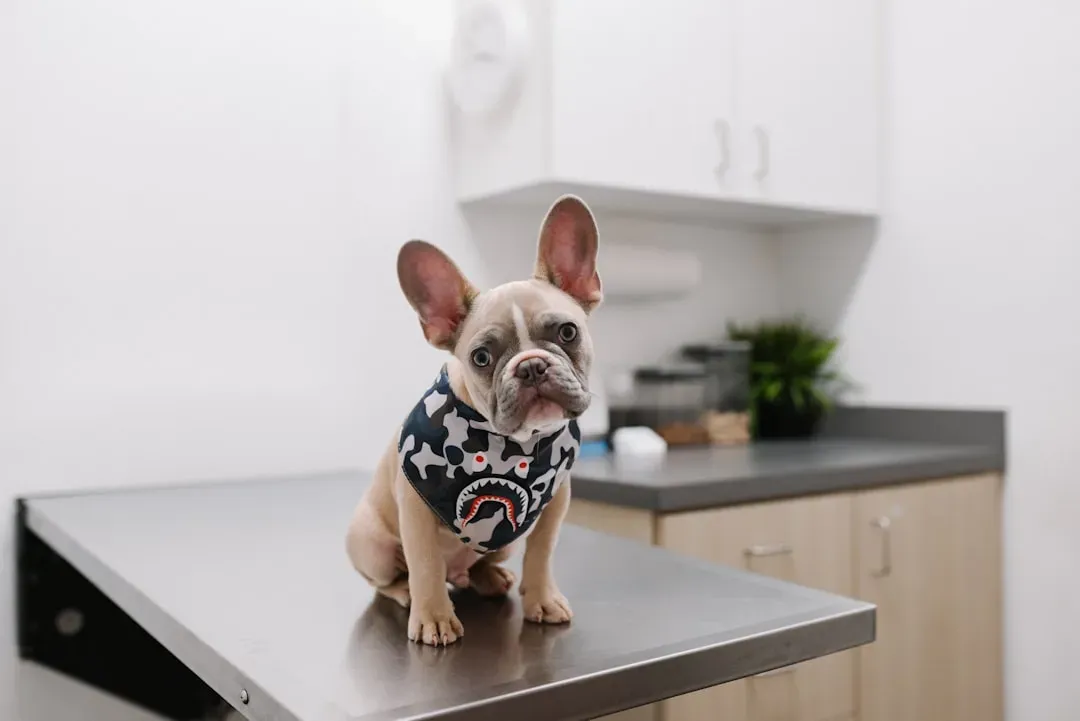
Here’s the twist: a vet doesn’t assume a dog is unloved just because it’s nervous. In fact, a deeply loved dog often looks mildly anxious at the vet, and that’s completely normal. The key difference is that loved dogs show fear without shutting down or exploding into blind panic.
They might tremble, hide behind their person, or hesitate – but they’re still reachable. A dog that can be comforted has a history of someone actually trying to comfort them, because dogs who’ve never been soothed don’t suddenly learn how in an exam room. Most behavior experts would rather see a dog that’s a little worried but clearly trusts their human than one owners proudly call “fearless.”
- Takes treats after a moment of reassurance
- Responds when the owner speaks calmly or pets them
#4 – The Body Condition Score Is Healthy, Not “Chunky Cute”
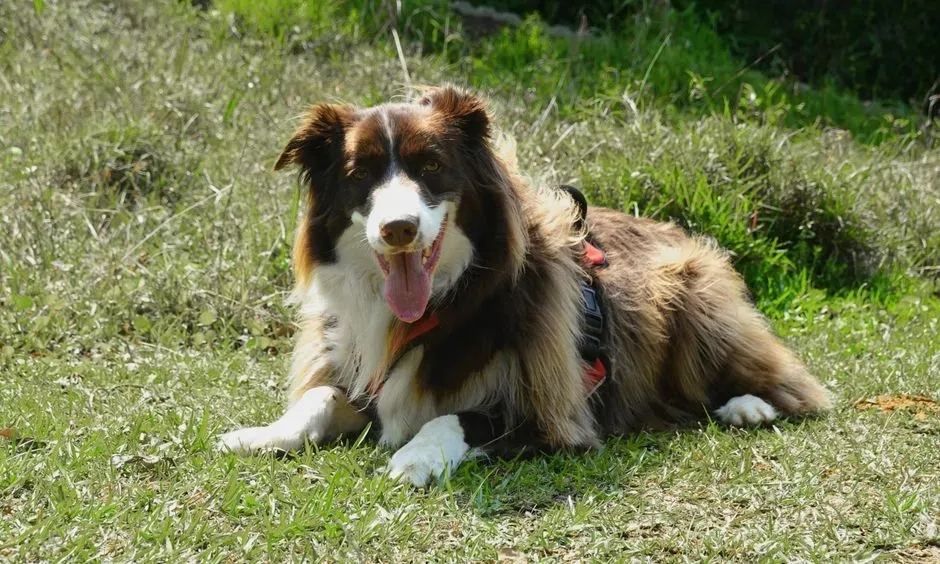
Here’s a harsh truth: overfeeding out of “love” is still a form of neglect. Vets use a body condition score to judge whether a dog is too thin, ideal, or overweight, usually just by lightly feeling the ribs and looking down from above. A deeply loved dog is rarely obese for years on end, because someone at home adjusted food and exercise when the vet raised a flag.
Plenty of owners proudly call their dog “chonky” or “thick,” but long-term extra weight means joint pain, heart strain, and a shorter life. A loved dog doesn’t need to look like an athlete – but they also aren’t waddling at age three.
Quick Compare
- Underweight: Ribs, spine, and hip bones are easily visible with no fat cover
- Ideal: Ribs are easy to feel under a thin layer of fat, with a visible waist
- Overweight: Ribs are hard to feel, and the waist disappears when viewed from above
- You can feel ribs with light pressure, but they’re not poking out
- There’s a visible waist when viewed from above
#5 – The Coat, Ears, and Nails Show Quiet, Ongoing Care
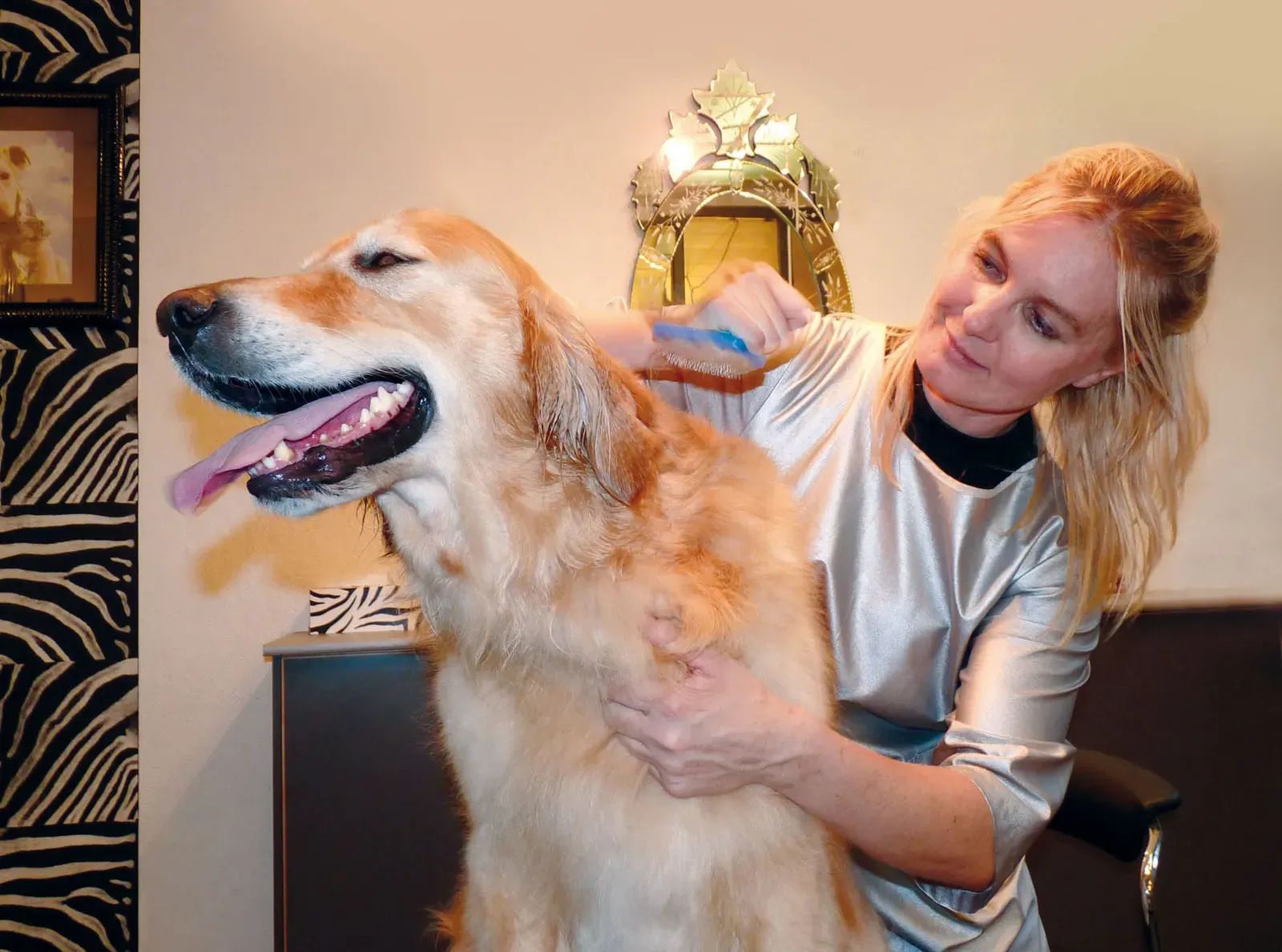
You can’t fake routine care in a single grooming session before a vet visit. Vets instantly see whether grooming is a lifestyle or a last-minute panic job. A loved dog typically has reasonably clean ears, trimmed nails that aren’t curling, and a coat that doesn’t reek or mat down to the skin.
It doesn’t have to be show-ready, but it shouldn’t scream “nobody has touched me in six months.” Plenty of owners insist “he just hates nail trims,” but vets know deeply loved dogs either get slowly desensitized, taken to a groomer, or handled regularly anyway, for their own good. Love shows up in the boring, repetitive stuff – not just birthday parties and bandanas.
- Nails short enough that the dog can walk without clicking heavily
- No thick, foul ear gunk or painful matting in friction areas
#6 – The Dog Understands Basic Cues Without Fear
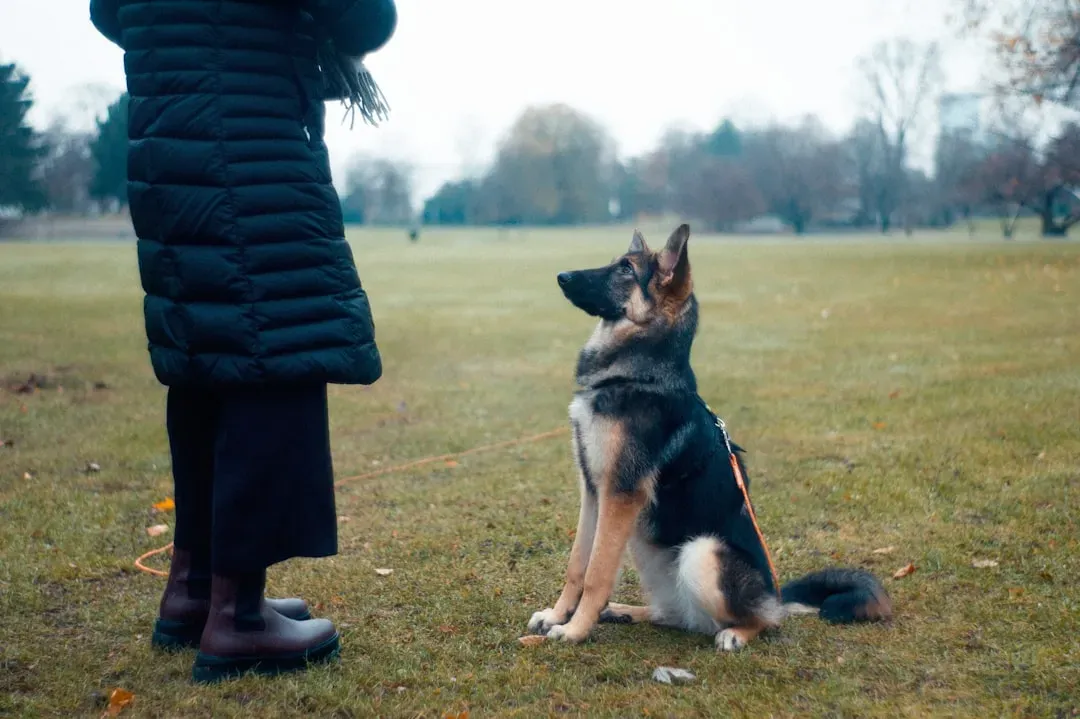
Training isn’t about showing off tricks – it’s about communication. Loved dogs often recognize at least a few calm, consistent cues: sit, wait, come, leave it. Vets don’t care whether your dog can spin or high-five. They’re watching whether the dog responds without flinching, shrinking away, or bracing for punishment when asked to do something simple.
A dog who happily complies, even a bit slowly, usually lives with someone patient and predictable. A dog that obeys like a soldier but looks terrified doing it is not a success story, and many vets quietly read that as a sign something isn’t right at home.
- Loved dog: glances at owner, responds, maybe wags
- Poorly treated dog: freezes, ducks its head, or avoids eye contact
#7 – The Dog Is Microchipped, Vaccinated, and Actually Up to Date
This is one of the most brutally clear signs of all. A deeply loved dog usually has current vaccines, parasite prevention, and a microchip that’s actually been registered. Vets aren’t impressed by an expensive collar if the dog has never had heartworm prevention or is years overdue for shots – the paperwork says “I care enough to show up, pay attention, and follow through.”
While plenty of people argue about vaccines online, vets overwhelmingly see preventable suffering in unprotected dogs, not protected ones. A loved dog’s records tell a quiet story: someone kept bringing them back long after the “new puppy” novelty wore off.
At a Glance
- Puppies typically need a vaccine series roughly every 3-4 weeks until about 16 weeks old
- Core vaccines usually cover rabies, distemper, and parvovirus
- Most adult dogs need booster shots every one to three years, depending on the vaccine
- Consistent vaccination history instead of random, one-off visits
- Flea, tick, and heartworm prevention that matches the current date
#8 – The Owner Knows the Dog’s Quirks, Not Just Their Breed

Vets can tell in under five minutes whether you live with a dog or a generic “golden retriever.” Deeply loved dogs have humans who know their weird little details – the ear they scratch when tired, the toy they guard, the specific noise that spooks them. When an owner can describe precise habits, preferences, and fears, a vet is hearing years of real observation.
An owner who shrugs at every question, or says “I don’t know, I’m not home much,” sends a very different signal. A connected owner notices issues earlier, which means the dog doesn’t silently suffer for months on end. Some people call this overthinking. Most vets call it the clearest proof of daily love.
- “Has she been eating normally?” answered with a precise detail
- “Any changes in behavior?” answered with a real example, not “he’s fine”
#9 – The Dog Recovers Emotionally Between Scary Moments
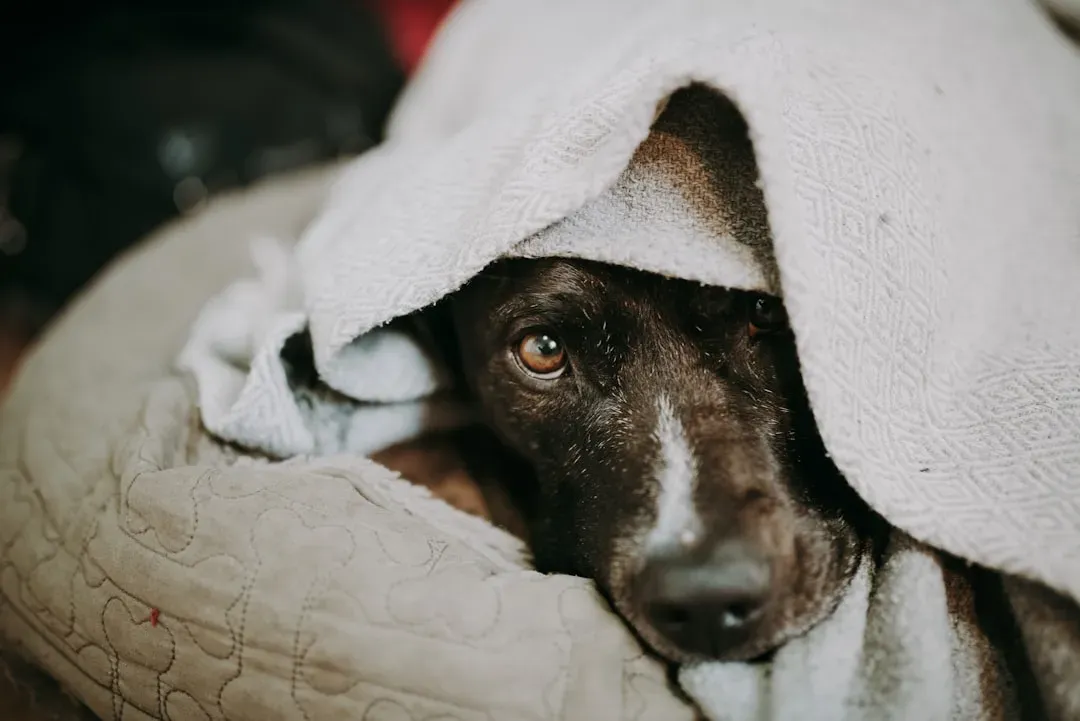
Every dog gets stressed at the vet. The real question is whether they can come back down. A deeply loved dog might yelp during a vaccine or squirm during a blood draw, but then they’re able to take a treat, sniff the floor, or settle back against their owner. That emotional bounce-back is a massive sign of psychological safety at home.
Dogs living under constant stress stay in that state – they never get the practice needed to reset. Resilient dogs almost always belong to people who provide routine, kindness, and recovery time, not chaos. Some owners brag that their dog “never gets scared,” but vets actually prefer to see fear followed by comfort.
- The dog’s ability to shift from panic to mild curiosity
- Whether the dog uses their person as a “safe base” and calms faster near them
#10 – The Dog Shows Appropriate, Not Explosive, Guarding of Their Person
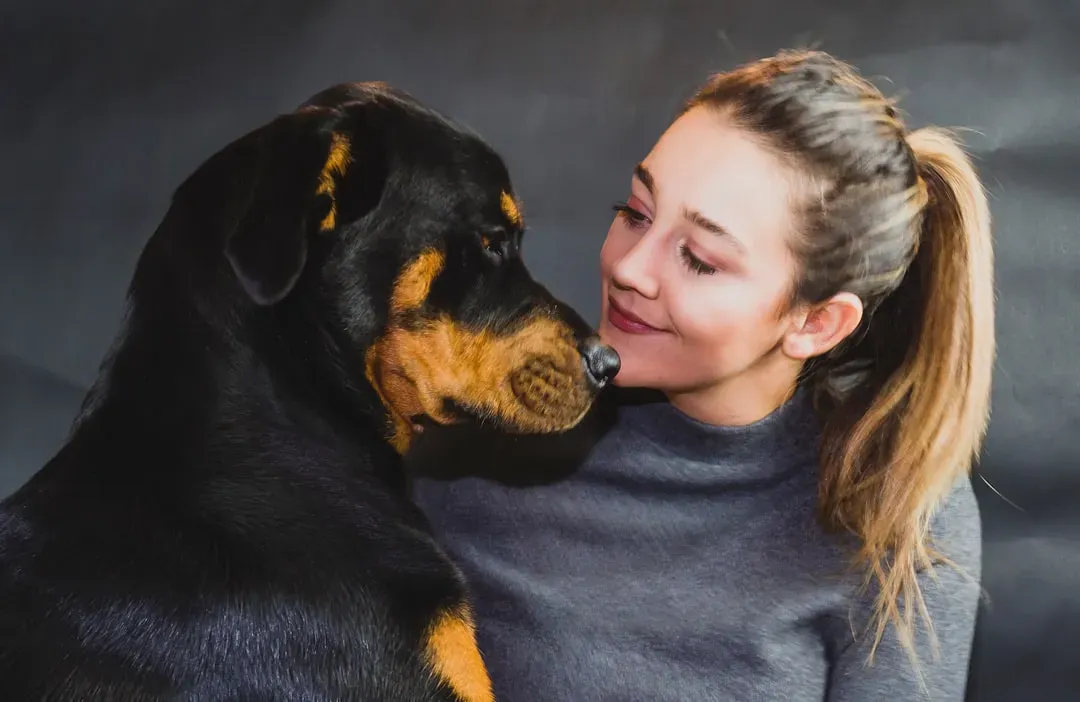
Here’s where it gets controversial: a dog that growls at everyone isn’t “protective” in any healthy sense – it’s often terrified and overburdened. Vets know the difference between a deeply loved dog who occasionally steps between their person and a stranger, and a dog who treats every human as a threat.
True love doesn’t require a dog to be your 24/7 bodyguard.
Loved dogs are allowed to relax because their owners actually handle situations for them. When a dog acts like the only adult in the room, vets suspect the human has quietly outsourced emotional safety to the animal. That’s not love. That’s pressure.
- A dog that may bark once but can be redirected with a calm voice
- A dog that checks on their person but doesn’t lunge or snap at staff
#11 – The Dog’s Teeth and Breath Tell a Brutal Truth
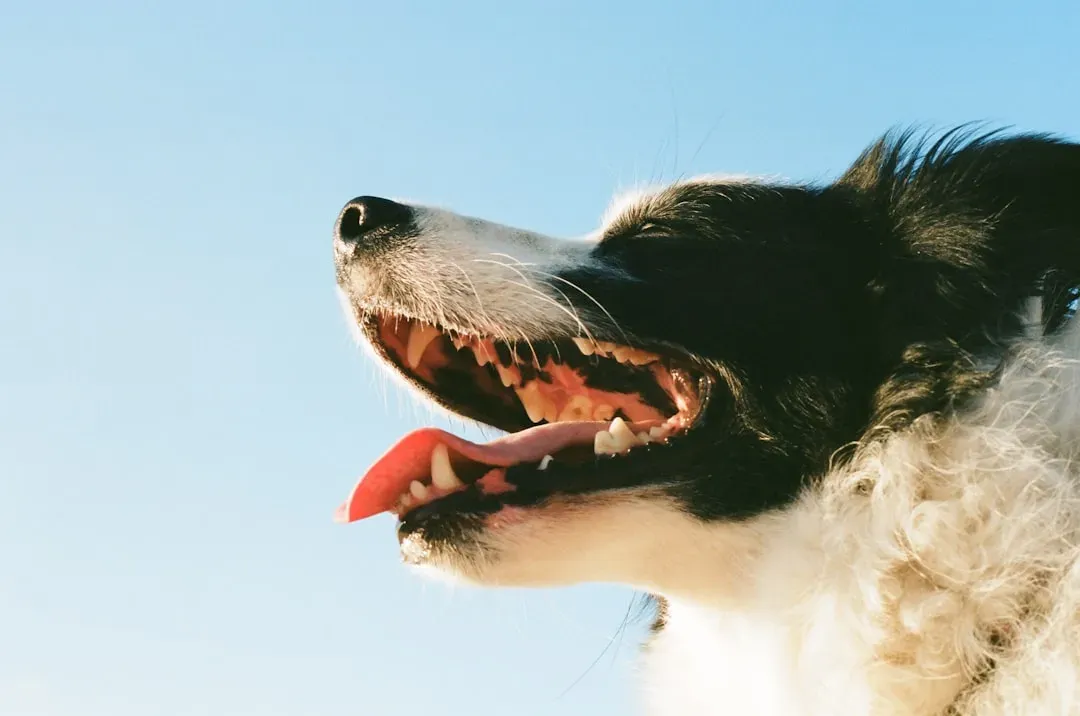
Most people ignore teeth until there’s a crisis, but vets can tell in seconds whether anyone has taken dental health seriously. Thick tartar, bleeding gums, and rotting teeth don’t happen overnight – they’re years in the making. A loved dog often shows at least some evidence of effort: dental cleanings on record, dental chews, or at minimum, gums that aren’t actively rotting.
Is every loved dog’s mouth perfect? No. But when a dog is suffering every single time it eats and nothing has been done about it, that’s a red flag vets can’t unsee. Dental neglect is one of the most common, invisible ways love quietly fails dogs, even in otherwise good homes.
Worth Knowing
- Dental disease is one of the most common health issues vets diagnose in adult dogs
- Untreated tartar buildup can lead to pain, infection, and added strain on the heart or kidneys
- Daily brushing or dental chews can meaningfully slow plaque and tartar buildup
- Lifting the lips and instantly seeing the reality of long-term care
- Noticing whether the dog reacts like this has never been done before
#12 – The Dog Isn’t Treated Like a Toy in the Exam Room
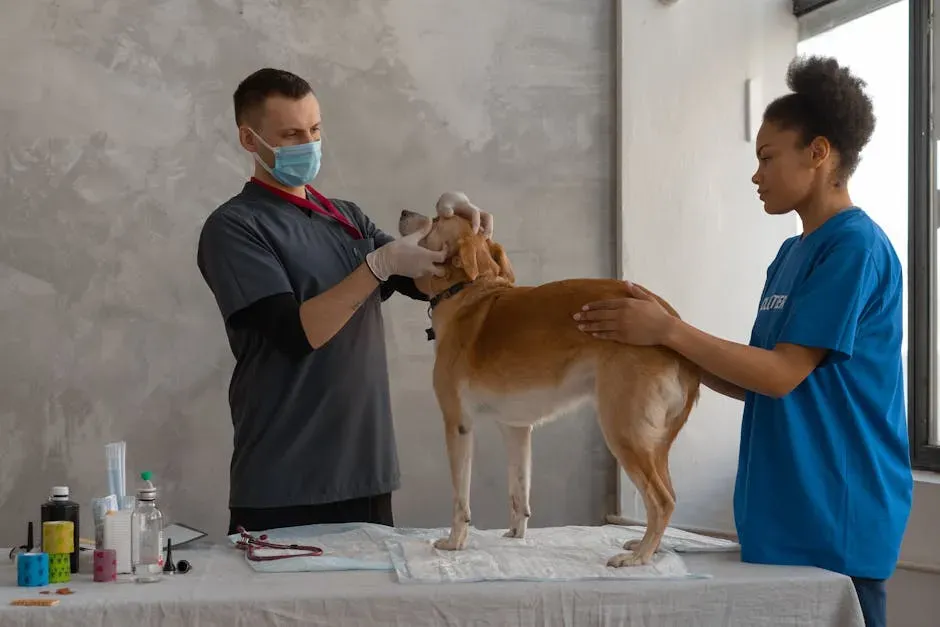
Here’s the part many people don’t want to hear. Vets pay close attention to how owners handle their dogs under stress. A deeply loved dog is usually treated like a sentient being, not an accessory – the owner doesn’t force hugs when the dog is clearly trying to move away, and they don’t laugh while the dog panics just to get a good video for social media.
Anxious behavior isn’t embarrassing – it’s communication. Owners who respect that, instead of shutting it down for appearances, are usually deeply bonded with their dog. Plenty of people roll their eyes at “dog parents,” but vets often see those exact people as the ones actually showing up.
- Asks for a break if their dog is overwhelmed
- Accepts fear without mocking or punishing the dog for it
#13 – The Dog Trusts Hands Near Their Face and Body
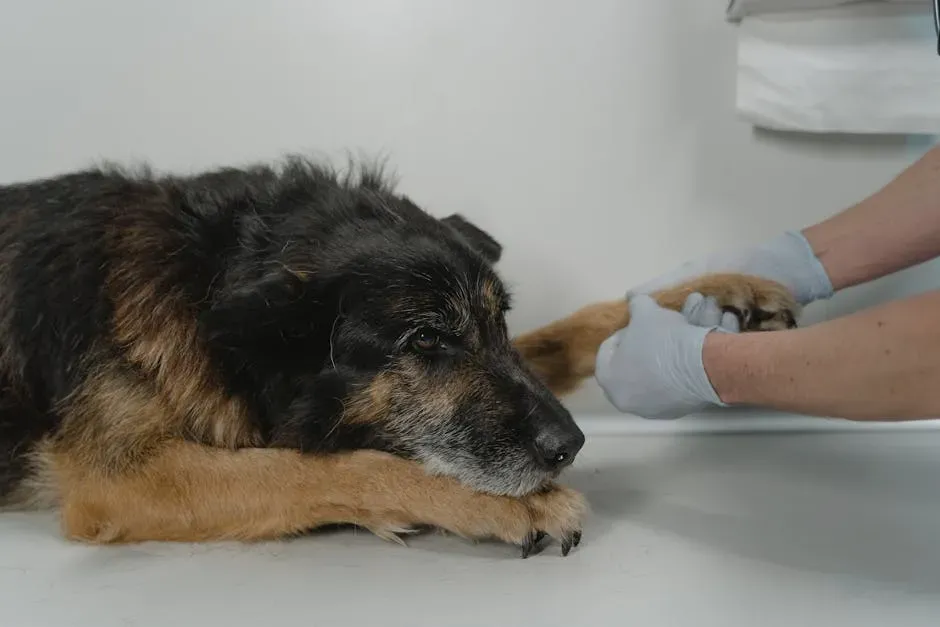
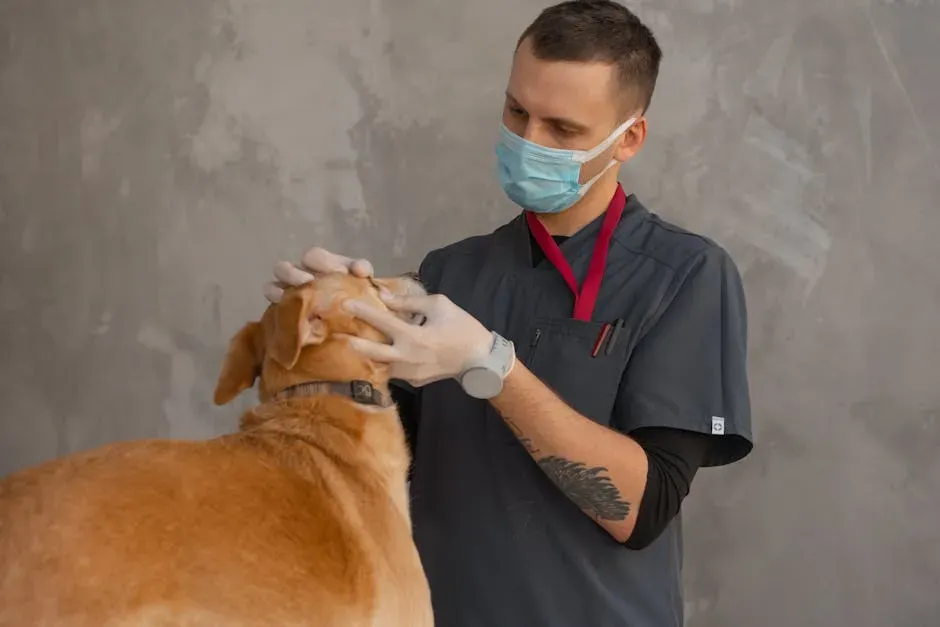
For many vets, this is the loudest, most undeniable sign of all: how the dog reacts when human hands approach sensitive areas. A deeply loved dog may still flinch at needles, but they’re generally used to kind, non-painful touch at home. You see it the moment a vet lifts a paw, checks an ear, or examines the mouth – the dog hesitates, but doesn’t instantly snap, thrash, or completely fall apart.
No dog enjoys every second of an exam. But deep down, loved dogs carry a lifetime of positive or neutral touch that outweighs the scary moments. That invisible backlog of good experiences shows up in the first five minutes, whether the owner brags about it or not – and vets notice, every single time.
- Has been touched, groomed, and handled gently from a young age
- Doesn’t associate human hands only with pain, restraint, or chaos
The Bottom Line
When vets say they can tell a dog is deeply loved within five minutes, they’re not talking about cute sweaters or TikTok tricks. They’re reading body language, health history, emotional resilience, and the way you handle your dog when nobody’s performing for an audience.
A truly loved dog is usually healthy without being overindulged, bonded without being smothered, and confident enough to recover from fear. It’s unglamorous – nail trims, dental care, boundaries, training, and boring consistency, not birthday parties.
Some people will insist “my dog knows he’s loved” while ignoring obesity, rotten teeth, or constant terror at every vet visit. Others quietly do the work and never say a word about it. So ask yourself honestly: are you comforting your own feelings, or actually protecting your dog’s life? Because in that exam room, the vet already knows the answer.


