

Most people believe they’ll just know. That some invisible alarm will go off the moment it’s really time, and everything will suddenly make sense.
The truth is quieter than that, and far more painful in hindsight. Dogs almost never announce the end with one dramatic, movie-style moment. Instead they whisper it: a heavier sigh, a toy left untouched in the corner, a stare that lingers a second too long. Most owners don’t catch it in real time. They catch it weeks later, replaying those final days and realizing their dog had been trying to tell them the whole time.
Here are the 14 silent signs vets and longtime owners say show up right before the end – and why almost nobody sees them clearly until it’s already over.
#1 – Sudden, Deep Fatigue That Feels “Different”
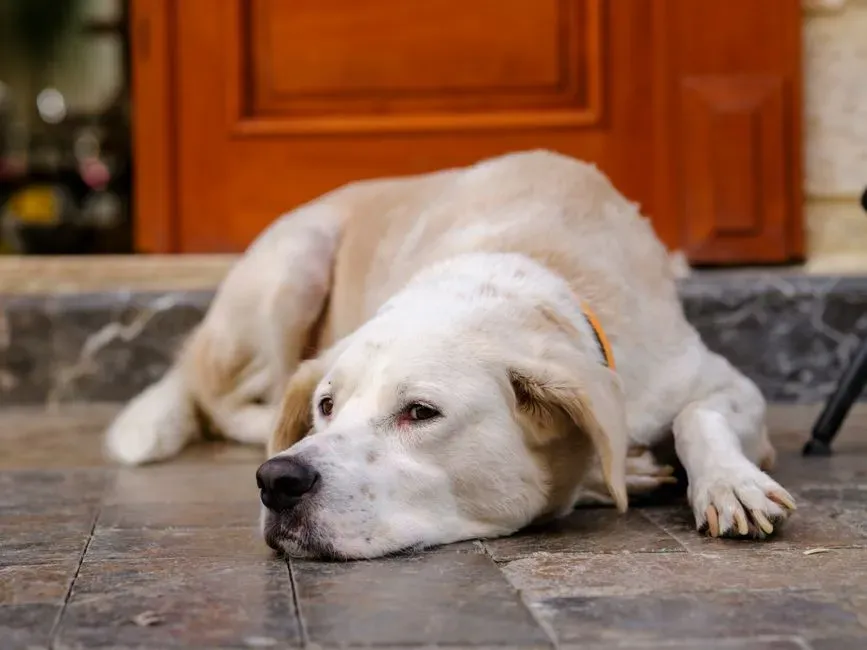
When a normally active dog suddenly seems exhausted in a way that feels off, it’s rarely just laziness. This isn’t the usual post-walk flop or the “it’s hot today” slowdown owners are used to. Many describe it as a heavy, bone-deep tiredness that creeps in over days or weeks – sleeping far more, ignoring favorite toys, skipping routines they used to live for, like greeting you at the door.
Aging does bring more naps, but a sharp, sustained drop in energy can point to organ decline, hidden pain, or systemic disease. Vets say they hear “he just wasn’t himself” from owners constantly, always after the fact. Watch for emotional withdrawal too – a dog quietly retreating to another room instead of following you around. It’s easy to mistake for a grumpy old dog, but it’s often the first quiet clue that something bigger is happening underneath.
#2 – Loss of Interest in Food… Then in Absolutely Everything
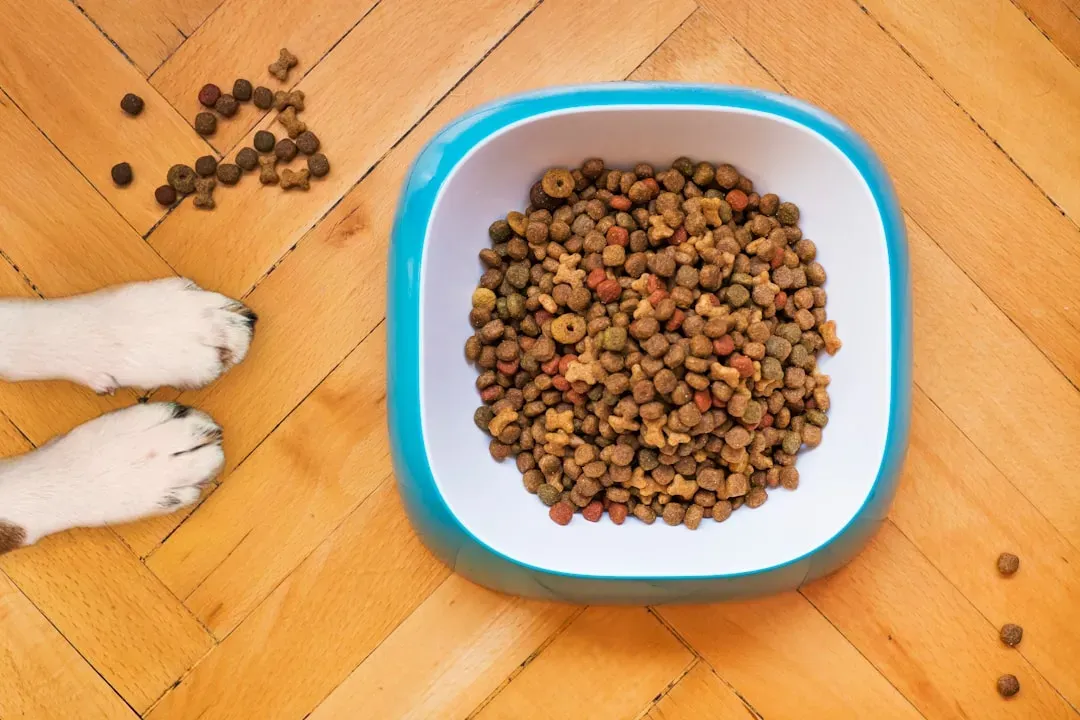
Everyone knows skipping a meal here and there isn’t the end of the world. But when a dog who has always loved food starts walking away from a full bowl, or turning down the treat that used to make them lose their mind, that’s a loud silent signal. Chronic nausea, dental pain, organ failure, and advanced cancer frequently show up first as changes in appetite, long before anything else looks wrong.
Some dogs still want the food mentally but physically can’t manage it – they’ll sniff it, lick it once, then walk away defeated. The more heartbreaking stage comes when the disinterest spreads beyond food into everything else they used to love: treats, toys, games, sniffing around the yard. When food, play, and connection all stop registering, quality of life has usually dropped further than most owners want to admit.
#3 – Breathing Changes You Don’t Notice Until It’s Too Late
Most owners watch how their dog walks and eats, but they rarely pay attention to how their dog breathes – unless it’s obviously labored. That’s a costly blind spot. End-of-life illness often shows up as quiet changes in breathing pattern long before any dramatic emergency, things like panting at rest in a cool room, breathing with visible extra effort, or a strange fast-then-slow rhythm.
In heart disease, advanced cancer, and certain neurological conditions, owners often recall a soft, sigh-like breathing at night, or noticing the chest working harder than it should. Some dogs start choosing very specific resting positions just to breathe easier – propped upright, neck stretched out, head elevated on a pillow. That isn’t quirky behavior; it’s the body problem-solving in real time. If breathing ever looks like work, your dog is not okay, even if the tail is still wagging.
Fast Facts
- A healthy dog’s resting respiratory rate typically falls between 15 and 30 breaths per minute.
- Panting after exercise, excitement, or heat exposure is normal and usually settles within minutes.
- Persistent panting or rapid breathing while calm and cool can signal pain, heart disease, or advanced illness.
- Visible extra effort to breathe – flared nostrils, exaggerated chest movement – deserves a same-day vet call.
#4 – Hiding, Wandering Off, and Seeking Unusual Isolation

Many owners only realize afterward that their dog was trying to be alone more toward the end. In the moment, it rarely looks like a red flag. A dog who suddenly starts sleeping in closets, bathrooms, under beds, or behind furniture isn’t just “finding a new favorite spot” – in nature, sick and dying animals instinctively seek quiet, hidden places, and dogs do a domestic version of the same thing.
Some will wander to the far corner of the yard and simply stay there, lying down for unusually long stretches. Owners often take this personally, assuming their dog didn’t want to be close to them at the end. That’s rarely the truth. It’s usually about conserving energy and instinctively searching for calm, low-stimulation space to cope with discomfort or confusion – not a rejection of you at all.
#5 – Confusion, Blank Staring, and “Not Quite Knowing Where They Are”

Cognitive decline in older dogs gets brushed off constantly as “he’s just getting old and weird.” That mindset can blind owners to something more serious happening underneath. In the final phase, some dogs show disorientation that goes far beyond mild senior moments – standing and staring at a wall, getting stuck in corners, or seeming lost in doorways they’ve walked through a thousand times.
Nighttime often makes it worse, with pacing, whining, or wandering that looks genuinely distressing rather than just quirky. Owners frequently describe a haunting look in their dog’s eyes, like they’re “there but not there.” Failing to respond to their own name isn’t defiance at that point – it’s a brain that simply can’t keep up anymore. When confusion and anxiety replace calm most of the time, that’s a serious quality-of-life red flag.
#6 – Sudden Clinginess… or the Exact Opposite

Attachment changes are one of the most emotionally loaded signs, and also one of the easiest to completely misread. Some dogs become unusually clingy near the end – following their favorite person room to room, refusing to settle unless touching them, panicking if left alone even briefly. This isn’t ordinary separation anxiety; it often shows up in dogs who were fiercely independent for years. Pain and growing insecurity in their own body push them to seek out one safe anchor: you.
Other dogs swing the completely opposite direction, turning their head away from a pet, moving off the couch, seeming irritated by contact they used to crave. That withdrawal is often rooted in pain, nausea, or touch sensitivity rather than mood. A dog suddenly changing how much closeness they want – in either direction – is almost never random. It’s communication in the only language they have left.
#7 – Struggling With Basic Body Functions, and Looking Ashamed of It

Bathroom accidents in a previously house-trained dog are more than just an inconvenience, especially when the dog seems visibly distressed about it. Occasional “oops” moments happen in senior dogs and mean little on their own. But when a dog starts regularly losing control of their bladder or bowels, straining to go, or soiling themselves while just lying down, it can point to serious spinal, neurological, or organ issues, often in the end stages.
Many dogs show real shame in these moments, slinking away from the mess or avoiding eye contact entirely. They know the rules; their body simply can’t comply anymore. Some also start struggling to hold a standing or squatting position long enough to finish, trembling or even crying out mid-attempt. That’s not arthritis being “a little worse this year” – that’s a body losing a fight, and it’s a brutal quality-of-life hit most owners underestimate until it’s already over.
Quick Compare
- Normal aging: occasional accidents on long car rides, slower to get up, mild stiffness after naps.
- End-of-life signs: regular loss of bladder or bowel control, visible shame or distress, inability to hold a position long enough to go.
- Normal aging: a bit more sleep, slightly less enthusiasm for long walks.
- End-of-life signs: total disinterest in food, toys, and affection all at once.
#8 – A “Different” Look in the Eyes You Can’t Quite Explain

Ask any longtime dog owner and you’ll hear some version of the same sentence: “I saw it in his eyes.” It sounds mystical, but there’s real physiology underneath it. In the final stretch, many dogs develop a dull, faraway, or sunken look – eyes that seem cloudy, unfocused, or unusually tired even while wide awake. Pain, dehydration, and systemic illness can all subtly change how a dog’s eyes appear and track.
Owners often notice their dog missing tossed treats, tracking movement more slowly, or seeming to look through them instead of at them. The bright, automatic spark most owners take for granted can dim quietly, even while the tail keeps wagging out of pure habit. Some dogs also give what many describe as a quiet “goodbye” look during an ordinary cuddle or car ride – and owners often realize much later that moment was the last time their dog felt even halfway okay.
#9 – Changes in How They React to Pain, or Stopping the Reaction Entirely

Pain isn’t always loud, and in many dying dogs it becomes eerily quiet. Most people assume a dog in serious pain will whine, limp dramatically, or yelp. That’s often not true, especially in stoic breeds who simply shut down instead – moving less, avoiding stairs, no longer jumping on the furniture. Owners chalk it up to “old joints” until a vet exam reveals severe arthritis, spinal disease, or cancer underneath.
Others start flinching at specific touches – hips, spine, belly – or avoiding being picked up altogether. That flinch is a full sentence in dog language. The most haunting stage is when the reaction disappears completely: a dog who once fought nail trims or vet visits suddenly goes limp and blank. That isn’t good behavior finally kicking in. It’s often sheer exhaustion, and when the fight goes out of a dog who used to argue about everything, it’s usually a sign the end is close.
#10 – Rapid Weight Loss or “Shrinking” Right Before Your Eyes

Slow, gradual weight change in older dogs can be perfectly normal. Sudden, dramatic shrinking is a different story entirely. When a dog starts losing weight quickly despite eating the same amount, or even less, it can point to cancer, organ failure, or severe muscle wasting. Owners often notice bony hips, a suddenly visible spine, or sunken temples that seem to appear overnight, when in reality it’s been building quietly for a while.
Muscle loss is especially telling – thinning hind legs, sudden trouble jumping into the car, shakiness while just standing still. Even if the number on the scale doesn’t look shocking, a dog who feels noticeably lighter in your arms and looks hollowed out in the face is usually much sicker than anyone wants to believe. Many owners say the photos from those last few weeks are what finally made it undeniable.
Worth Knowing
- Veterinary hospice and palliative care programs exist specifically to keep dying dogs comfortable at home.
- Many practices now offer in-home euthanasia, letting dogs pass in a familiar, low-stress space.
- Pain management plans can often be adjusted week to week as a dog’s condition changes.
- A simple quality-of-life journal – tracking good days versus bad – can make the decision feel less overwhelming later.
#11 – No Longer Wanting to Do the One Thing They Loved Most
Every dog has that one non-negotiable joy – the tennis ball, the couch spot, the car ride, greeting the mailman like a returning hero. Losing interest in that specific thing is a bigger deal than it looks. A dog who has obsessively chased a ball for ten straight years doesn’t just casually grow out of it. When they watch it roll by, give it one half-hearted glance, and lie back down, something real has shifted underneath.
The same goes for dogs who stop jumping onto the bed after a lifetime of insisting on sleeping glued to you, or who turn away from the leash instead of dancing at the sight of it. People love to romanticize “one last good day,” but they often miss the weeks before it, when their dog was quietly opting out of more and more of life. When the defining pleasures stop registering, it’s not really about aging anymore – it’s about whether they’re still living, or just existing.
#12 – Restlessness at Night and the Haunting “Can’t Get Comfortable” Shuffle
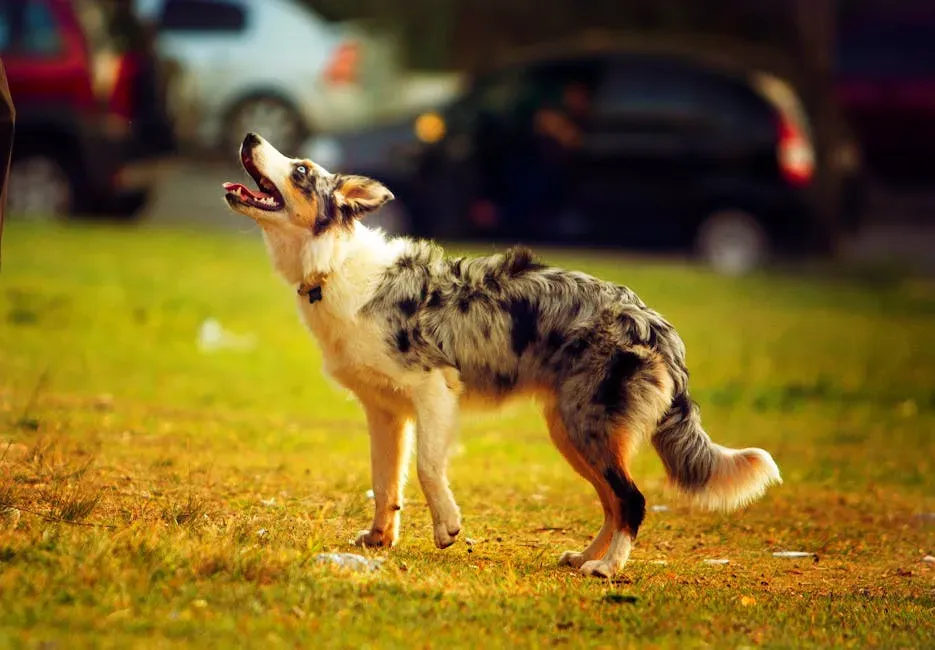
Nights tend to reveal what daylight hides, and end-of-life discomfort seems to love the dark hours. A dog who used to sleep soundly may start pacing, circling, or getting up and down over and over as if nothing feels right. Panting, excessive licking, and scratching at the floor often come with it. Pain, nausea, anxiety, and cognitive decline are all common drivers, but owners often excuse it as simple “old dog insomnia.”
You might also notice them abandoning a favorite bed for a cooler floor spot, or wanting to be let outside repeatedly with no real need to go. This isn’t fussiness – it’s a body trying and failing to escape its own discomfort. If nights have turned into a blur of restlessness for weeks on end, that’s often the point where a real decision needs to be on the table, not another round of supplements.
#13 – The Sudden Short “Rally” That Feels Like a Miracle, But Isn’t
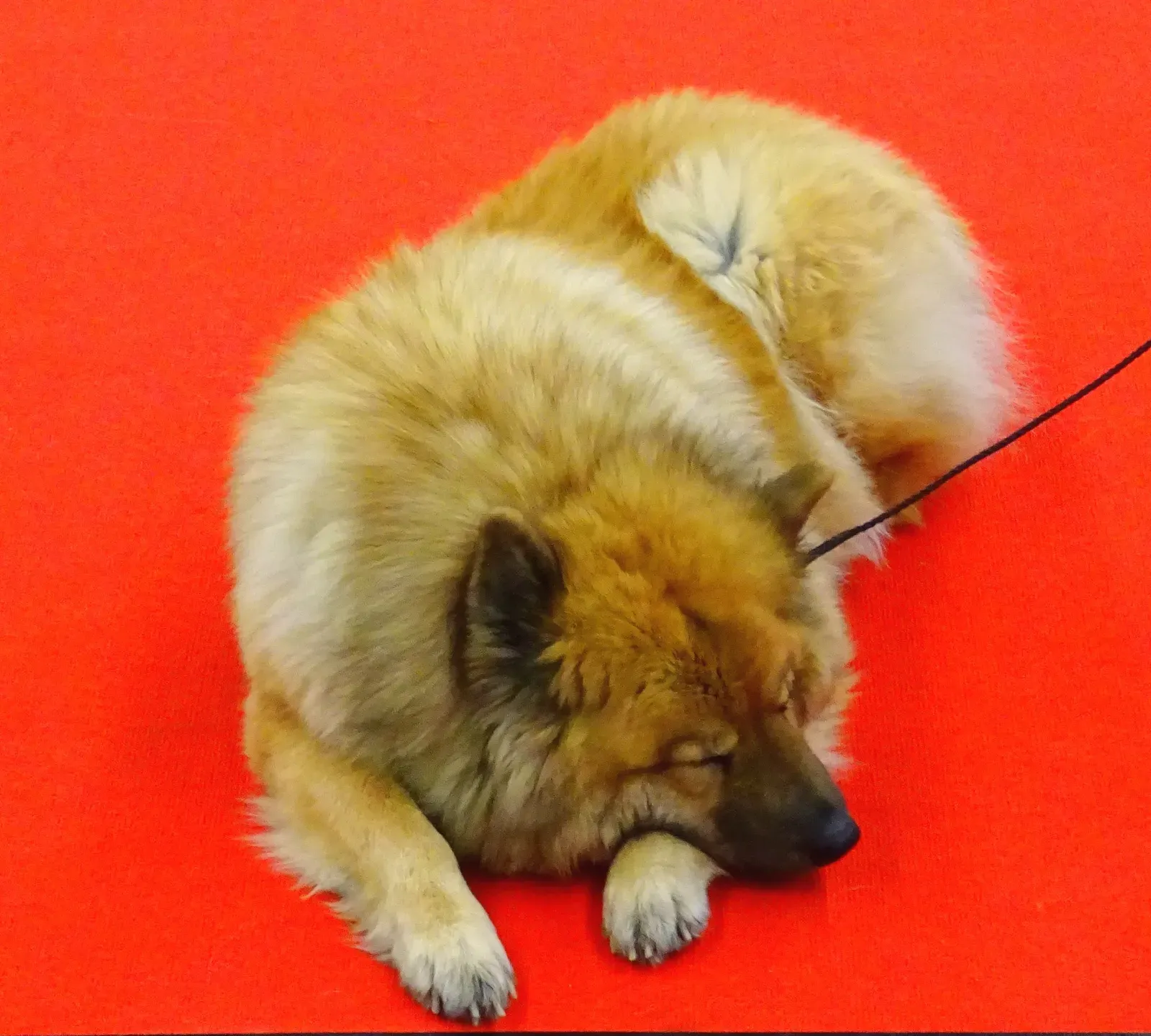
This is the one almost nobody warns owners about: the last bright flare right before the decline. A dog who has been weak, withdrawn, and barely eating for days suddenly greets you at the door, asks for a walk, or devours an entire meal like old times. It’s understandable to think, “he’s turning a corner.” People cancel euthanasia appointments and put off hard decisions, clinging to this new hope.
But in many cases, that rally is the body’s last adrenaline surge, not a genuine recovery. The underlying disease hasn’t reversed – it’s just been momentarily masked. That doesn’t mean you shouldn’t enjoy the good day fully, because you should. It just means going in with open eyes: a sudden 24-to-48-hour burst of “old self” behavior in a very sick dog often directly precedes a hard crash, and recognizing that for what it is can spare both of you a traumatic emergency later.
At a Glance
- Sudden bursts of energy in a very sick dog are sometimes called a “rally” or terminal lucidity.
- These rallies typically last anywhere from a few hours to about two days.
- They’re driven by a temporary adrenaline surge, not a real reversal of the underlying disease.
- Many hospice-focused vets recommend savoring the rally while still keeping any planned appointments.
#14 – Your Gut Already Knows, and You Keep Arguing With It

Here’s the hardest, most uncomfortable truth of all: often, you already know. You just don’t want to be right. Owners tell vets some version of the same sentence constantly – “I think it’s time… but what if I’m wrong?” – then quietly catalog every small good moment as proof they should wait a little longer.
The problem is that quality of life was never about isolated good moments. It’s about the overall pattern. If the bad days now outnumber the good, and comfort has become rare while suffering has become constant, your own discomfort with the decision doesn’t mean your dog is actually okay. It just means you love them. Most people admit afterward that their gut had been quietly screaming at them for weeks – and they say “I wish I’d let him go sooner” far more often than the reverse.
Dogs’ lives are too short. Their only fault, really.
Agnes Sligh Turnbull
The Bottom Line
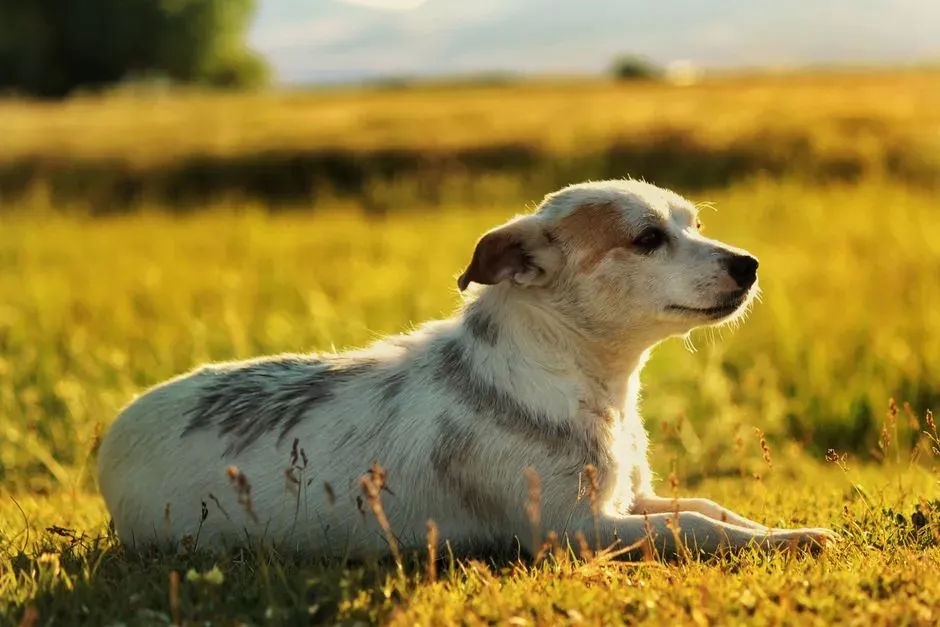
The harsh reality is this: dogs almost never give you one clean, cinematic “it’s time” moment. Instead they hand you a mosaic of quiet signals – fatigue that feels different, joy that quietly disappears, restless nights, confused days, a body that keeps failing a little at a time. Most owners only see the full pattern looking backward, through the fog of grief and guilt.
Here’s the uncomfortable opinion most people don’t want to hear: waiting for absolute certainty is usually just an excuse to avoid making a merciful choice, and your dog is the one who quietly pays for that delay. The bravest, kindest act is almost always choosing to say goodbye a little earlier than fear wants you to, rather than a little too late.
Which sign hit you hardest – and be honest, do you think we hold on for them, or for ourselves?


