
Most people see one gray whisker or one slow morning and quietly start bracing for the worst. It feels responsible, even loving, to assume the end is near the moment your dog starts acting old. But vets who spend their careers around aging dogs will tell you something that surprises almost everyone: getting older and running out of good days are not the same thing at all.
Here’s the part that trips owners up. Some of the clearest signs of a senior dog who’s still genuinely thriving look almost identical to the signs people panic about – slower walks, longer naps, quieter greetings. Once you know what vets are actually trained to look for, the whole picture shifts. These are the 13 signs that your gray-muzzled best friend might still have a lot of good living left to do.
#1 – They Still Get Excited About Food
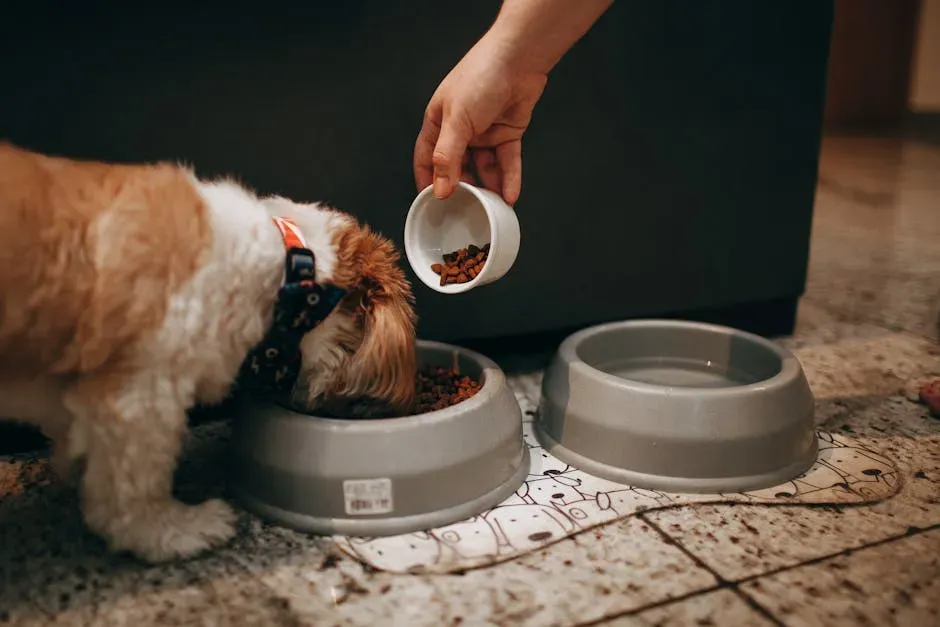
If your senior dog still perks up the second that kibble bag crinkles, you’re already looking at one of the strongest green flags there is. A steady appetite means your dog’s body and brain are still fully plugged into life. Vets will quietly tell you that a dog who trots to the bowl every single day is usually nowhere close to the end, even if the trot has slowed to a shuffle.
There’s nuance here worth knowing. Senior dogs might eat slower, need softer food, or pause between bites, and none of that is a red flag – it’s just aging. What actually worries vets is a sudden refusal to eat for more than a day, especially alongside vomiting, diarrhea, or obvious pain. But if your old pup still loses their mind over a piece of chicken, their internal spark is very much still switched on.
Fast Facts
- A dog is considered a senior based primarily on their size: small dogs usually become seniors around 10–12 years old, while large and giant breeds may be seniors as early as 6–8 years old.
- A dog is considered a senior during the last 25% of their expected lifespan.
- Appetite is one of the fastest things vets check to gauge a senior dog’s overall wellbeing, size and breed aside.
#2 – They Still Seek You Out For Affection
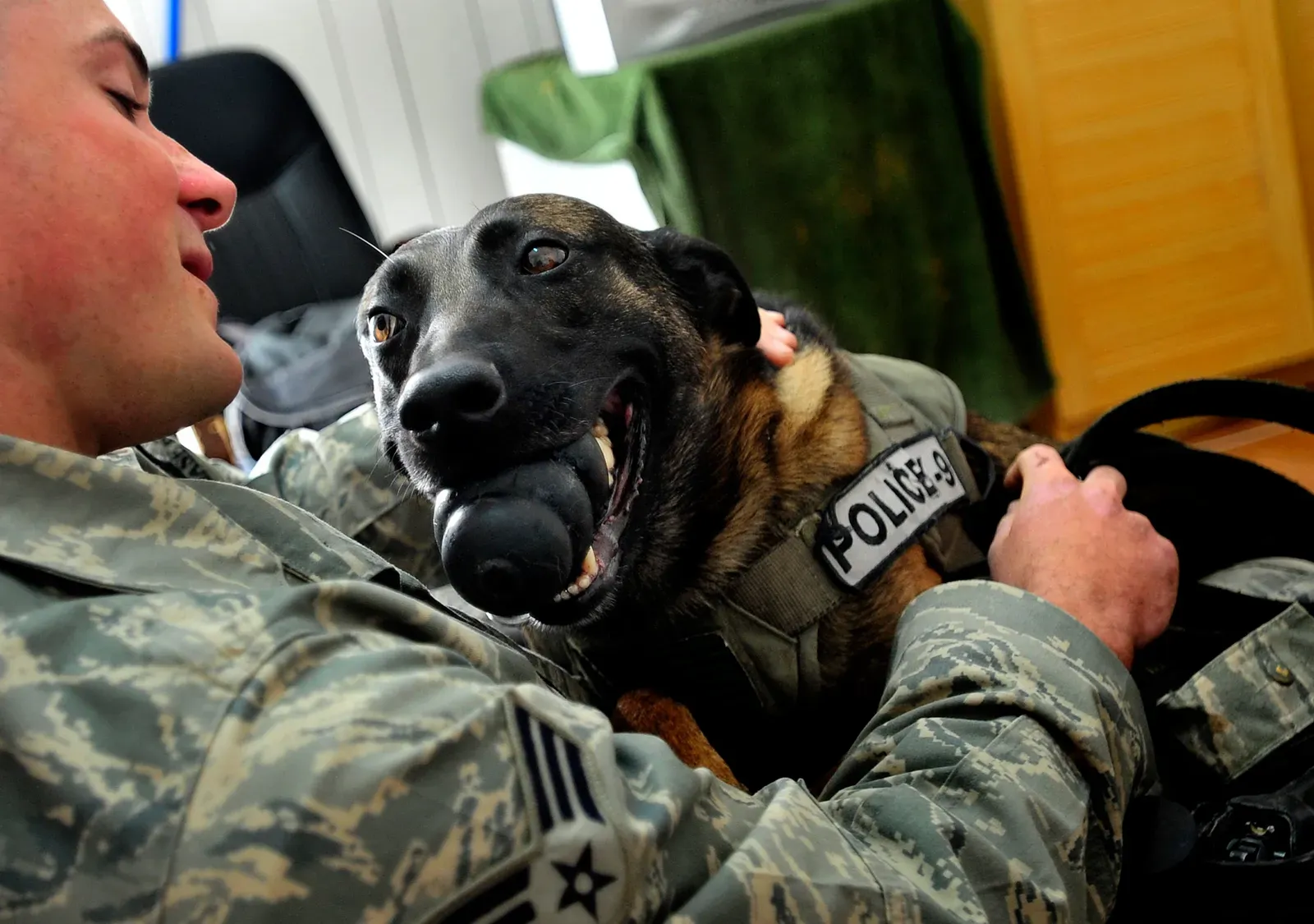
A lot of owners get nervous when their once-hyper dog turns into a full-time cuddler. Vets see it completely differently: a dog who still chooses you, still follows you room to room, still leans into your hand, is showing emotional health, not decline. That pull toward connection means their world still feels safe and worth being part of.
- They move to whatever room you’re in, even if they just flop down quietly nearby.
- They nudge your hand, lean against your legs, or slowly climb onto the couch beside you.
Is it a red flag if they’re less playful but more snuggly? Not usually – that’s often just a personality shift, not a pain crisis. Vets say they worry far more about the senior dog who withdraws and hides than the one who wants to nap pressed against your leg all afternoon. A dog still chasing your attention is a dog still getting something real out of being alive.
#3 – They Still Have “Good Days” You Can Clearly See
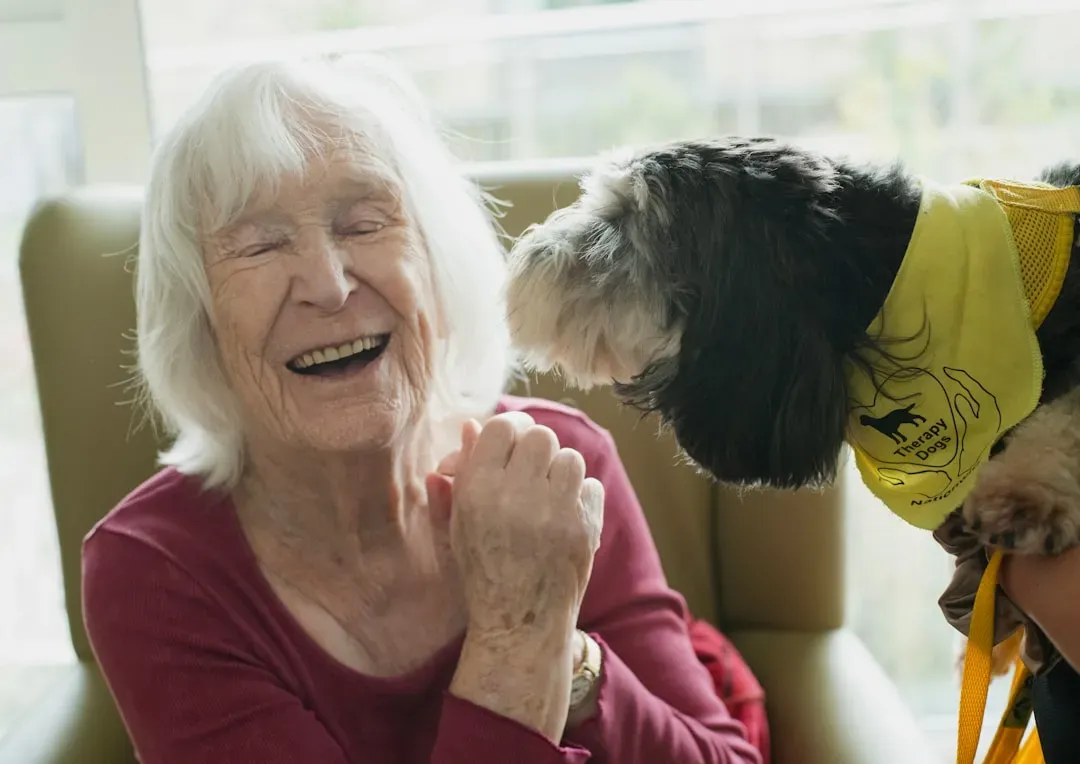
Most owners think quality of life is all-or-nothing – either your dog is fine or it’s time. Vets don’t think in those terms. They look at patterns, especially the ratio of good days to hard ones. If your senior dog still has clearly happy days where their eyes brighten, their tail wags, and they genuinely enjoy something, that’s a major sign there’s real life still being lived.
- A slower but joyful walk to the corner instead of a three-mile hike.
- Ten unhurried minutes sniffing the yard instead of sprinting after a ball.
- A relaxed nap in a sunny patch after greeting the mail carrier like an old friend.
Here’s the controversial part many vets admit privately: owners often decide it’s “time” while their dog still has more good days than bad, simply because the good days look gentler than they used to. Aging changes the shape of joy – it doesn’t erase it. Tracking that ratio on a calendar is one of the most honest tools an owner can use.
#4 – They Still Want To Go For Walks (Even Short Ones)
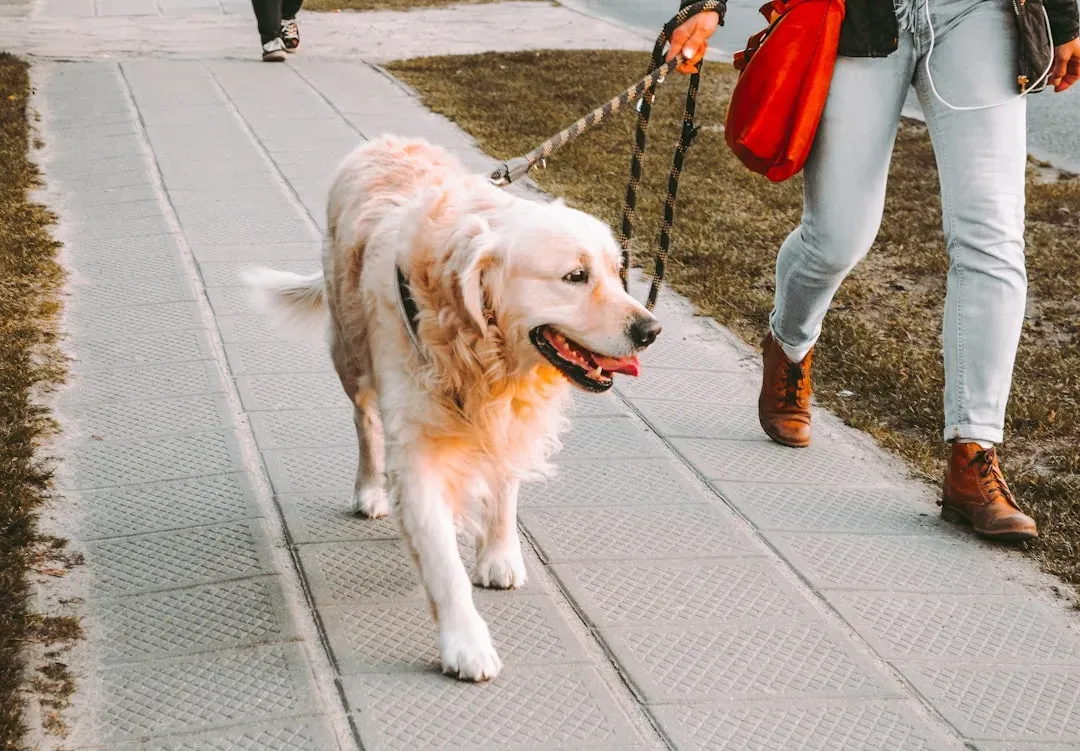
Many owners see a shorter, slower walk and quietly assume their dog is done with the world. Veterinary rehab specialists disagree completely: if a senior dog still wants to walk at all, even just to the corner and back, that’s a powerful sign their body and brain still find movement rewarding.
- They start stiff and slowly “warm up” after a few minutes moving.
- They prefer flat sidewalks over rough trails now, and that’s fine.
- They might need a supportive harness, and that’s not a failure – it’s a tool.
None of that automatically means poor quality of life. Mild, controlled movement is actually one of the best things you can offer aging joints and an aging mind. The real red flag isn’t a slower pace – it’s a dog who consistently refuses to move at all. A dog who happily sniffs every mailbox on the block is still exploring, still curious, still fully in the game.
#5 – They Still Show Curiosity About Their World
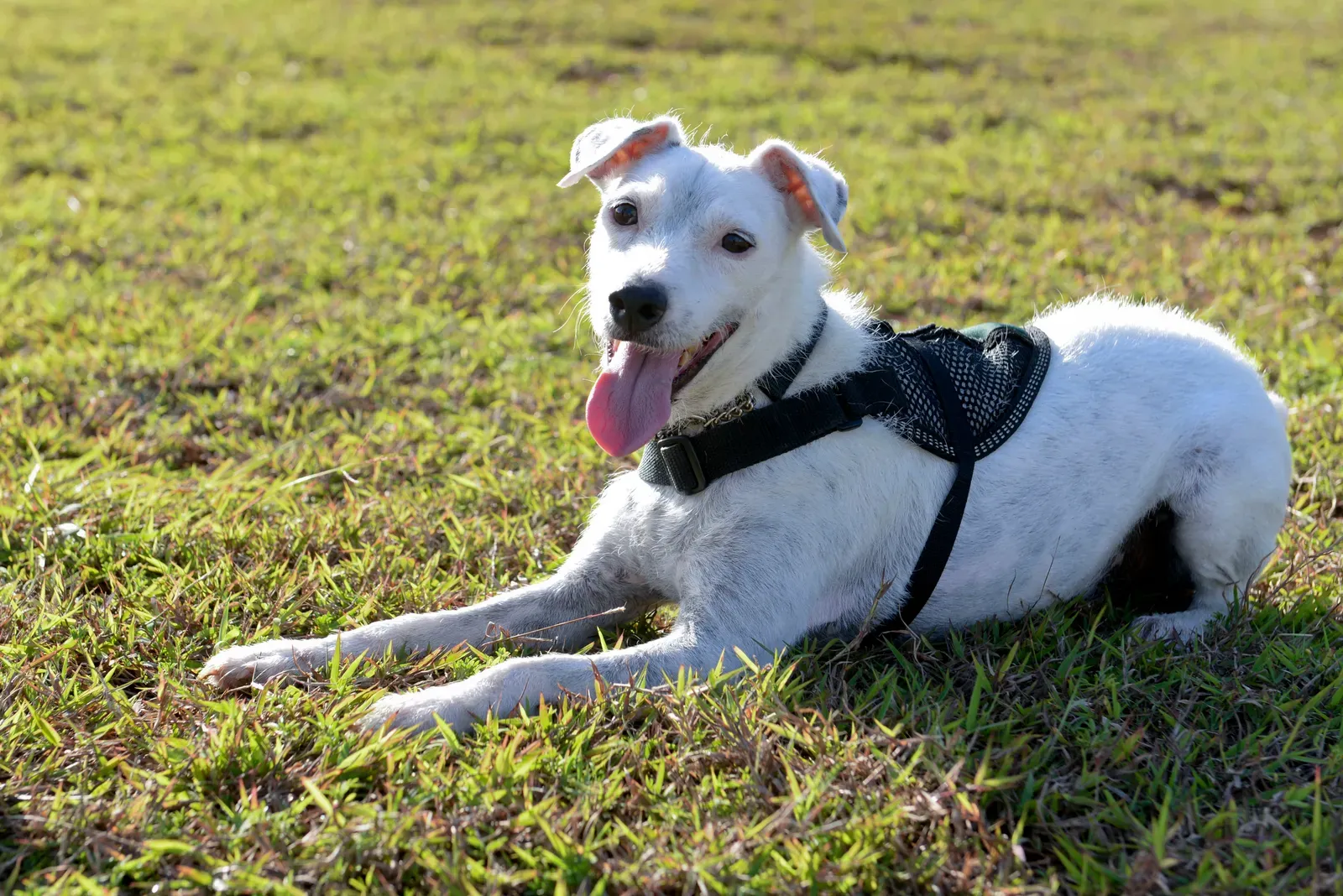
Curiosity is one of the most underrated quality-of-life signals there is. If your senior dog still pauses to sniff a new smell, tracks a squirrel, or investigates a strange noise, that’s their brain quietly saying, “This world is still interesting to me.” Cognitive decline is real, but it is not the same thing as simply moving slower.
- Do they trot over when you open a grocery bag, hoping to see what’s inside?
- Do they track birds, joggers, or other dogs with their eyes on walks?
- Do they perk up when you squeak a toy, even if they don’t play with it long?
Dogs who are truly shutting down usually stop caring about their surroundings altogether – no perked ears, no tracking, no interest. A dog who still “reads the news” through smells is mentally online and engaged. Many owners misread a calmer temperament as depression when it’s really just maturity settling in.
#6 – They Can Settle Comfortably After Adjusting Position
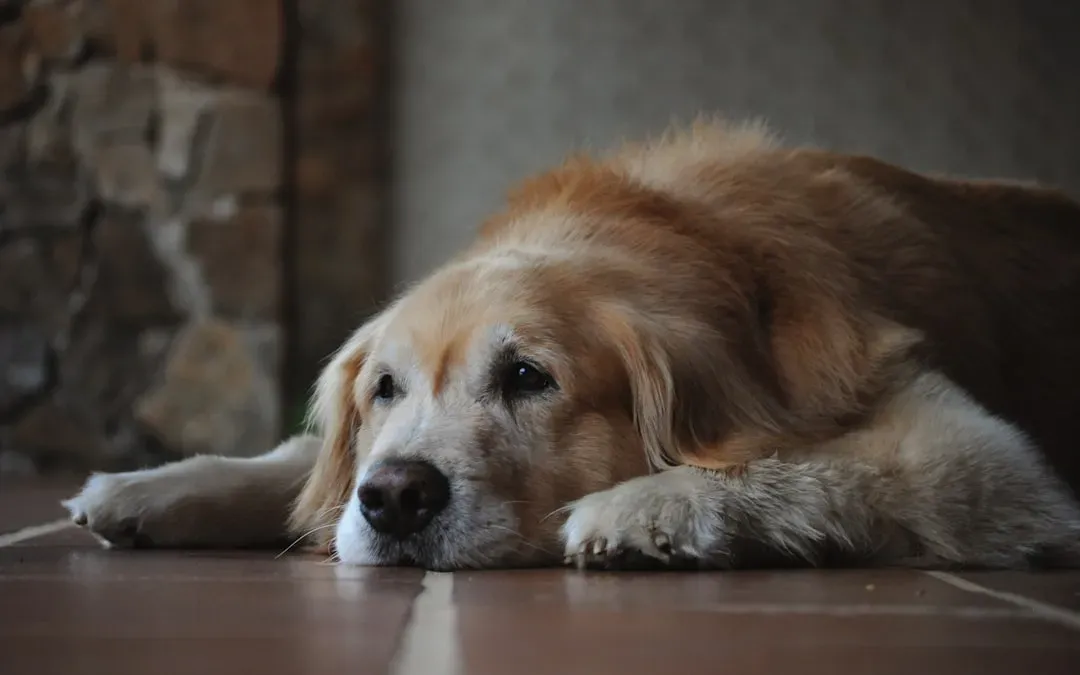
This is where a lot of people overreact. They watch their dog circle, adjust, or grunt while lying down and assume it means unbearable pain. In reality, plenty of senior dogs have manageable stiffness that still lets them settle into a comfortable spot and sleep deeply – that’s a very different thing from relentless, unfixable suffering.
- Do they eventually stretch out and fully relax?
- Do they sleep on their side or back, a strong sign of feeling safe?
- Do they get up and move around without crying out or collapsing?
If the answer is yes, their discomfort may be very treatable with joint supplements, anti-inflammatory medication, better bedding, or a little weight loss. What actually worries vets is constant restlessness, panting at rest, or crying out even while doing nothing. A dog who grunts, adjusts, then sighs into sleep is still getting genuine relief – that grunt is not a goodbye.
Worth Knowing
- One such assessment is the HHHHHMM (hurt, hunger, hydration, hygiene, happiness, mobility, more good days than bad) Quality of Life Scale developed by Villalobos.
- Each factor is scored on a 0-10 scale, so comfort, appetite, and mobility can all be tracked side by side instead of guessed at.
- A total above 35 generally means quality of life is still acceptable and supportive care can continue.
#7 – They Still Greet You (Even If It’s From Their Bed)
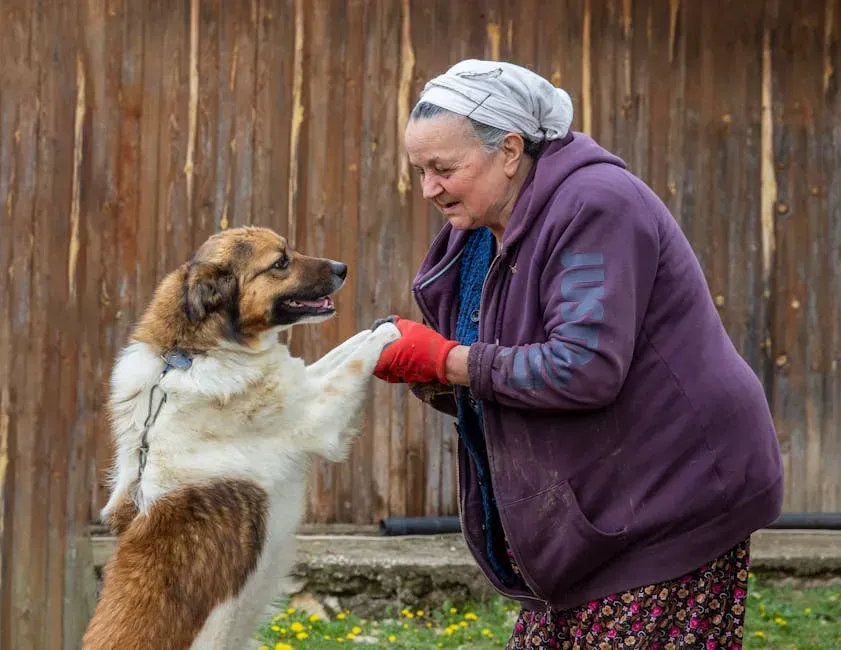
Not every senior dog will sprint to the door anymore, and it’s unfair to expect that. What actually matters is simpler: does your dog still show that you matter when you walk into the room? That greeting ritual, even in a much quieter form, is a powerful quality-of-life marker vets pay close attention to.
- Lifting their head fast and thumping their tail against the bed.
- Slowly standing up and shuffling over to meet you halfway.
- Offering soft eye contact with relaxed ears and a gentle wag.
Some behaviorists argue owners misread a calmer greeting as sadness, when it’s really just energy conservation. A dog who still chooses to acknowledge you is saying, in their own quiet way, that they’re glad you’re home. It’s only when that greeting disappears completely that vets start to get genuinely concerned.
#8 – They Still Enjoy Their Favorite Comforts And Routines
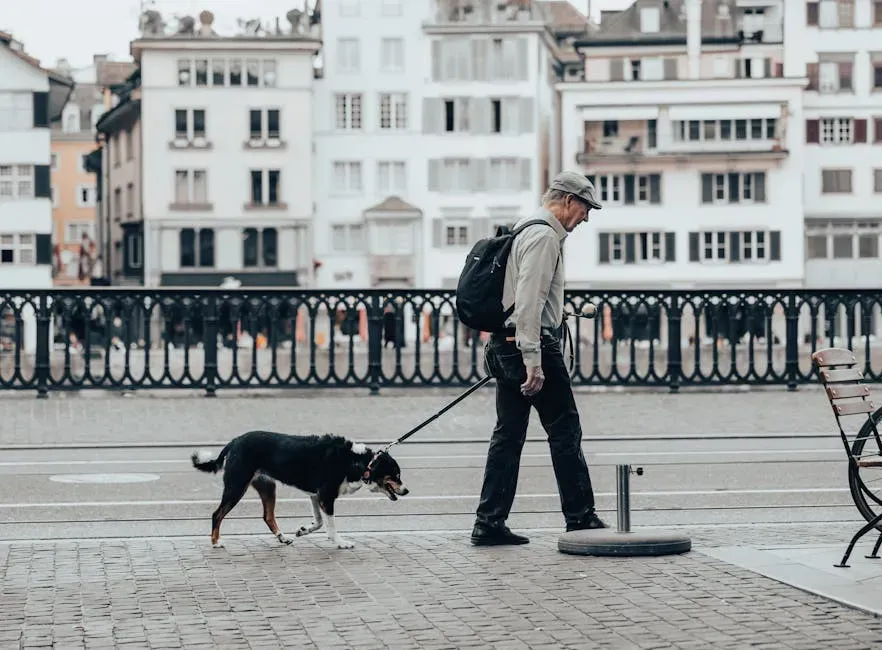
Quality of life is built on routine, and that doesn’t stop mattering with age. If your senior dog still clearly lights up for their predictable daily rituals, that’s a huge sign life still feels safe, familiar, and worth participating in. Maybe it’s the nightly treat before bed, or the morning patrol around the yard.
- Do they head to the door around the usual walk time?
- Do they show up in the kitchen the second they hear the coffee maker?
- Do they still stake claim to their usual spot on the couch at movie time?
Dogs with truly poor quality of life often stop following routines entirely because they no longer have the energy or interest to bother. Many geriatric specialists say they’d rather see a dog who can’t climb stairs but still insists on sleeping in their usual room than a dog who wanders aimlessly with no pattern at all. Routines mean the world still makes sense to them, and that’s a bigger deal than most owners realize.
#9 – Their Health Issues Are Manageable, Not Constant Crises
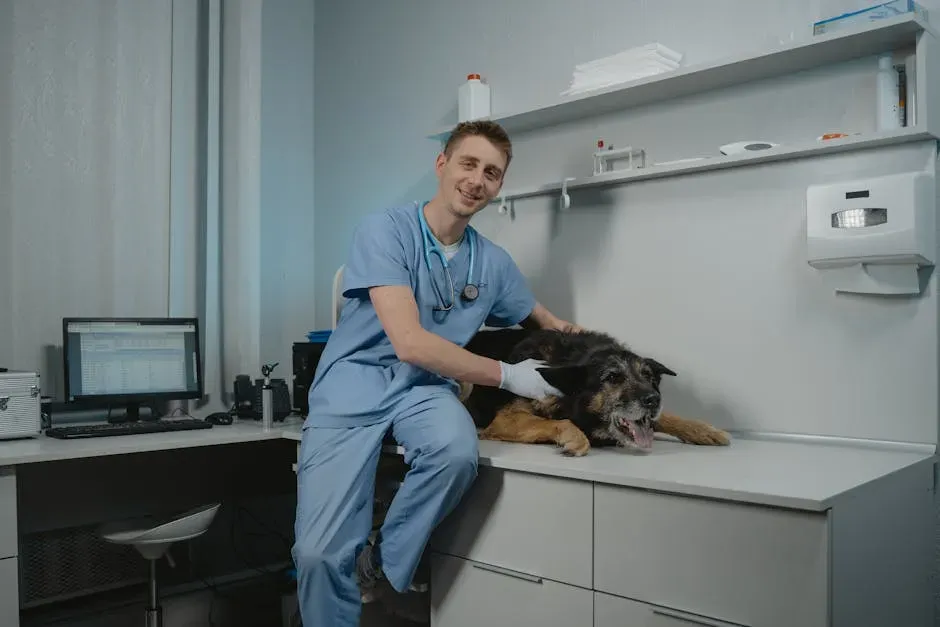
Here’s the part most people never hear out loud: a senior dog with a diagnosed condition can still have an excellent quality of life if that condition is stable and well managed. Arthritis, heart disease, kidney changes – these words sound terrifying, but with the right meds and monitoring, many dogs stay comfortable for years. The diagnosis isn’t the ending; uncontrolled symptoms are.
- Is this condition stable, or is it actively spiraling?
- Are we in a manageable chronic phase, or a true crisis phase?
- What realistic improvement can we expect from adjusting meds or routine?
Many owners assume that a fistful of daily pills means their dog is suffering, but plenty of vets argue the opposite. A medicated senior who eats, sleeps, walks, and enjoys their day is often far better off than an untreated dog quietly living with constant low-grade pain. The real warning signs are repeated ER visits, unrelenting vomiting, or pain that refuses to respond to treatment – not simply the existence of a diagnosis on paper.
Quick Compare
- Manageable: A stable diagnosis controlled with daily medication and regular vet check-ins.
- Concerning: Symptoms that keep escalating despite treatment adjustments.
- Manageable: Occasional monitoring visits to track a chronic condition’s progress.
- Concerning: Repeated emergency visits or pain that won’t respond to care.
#10 – They Still Have A Recognizable “Spark” In Their Eyes
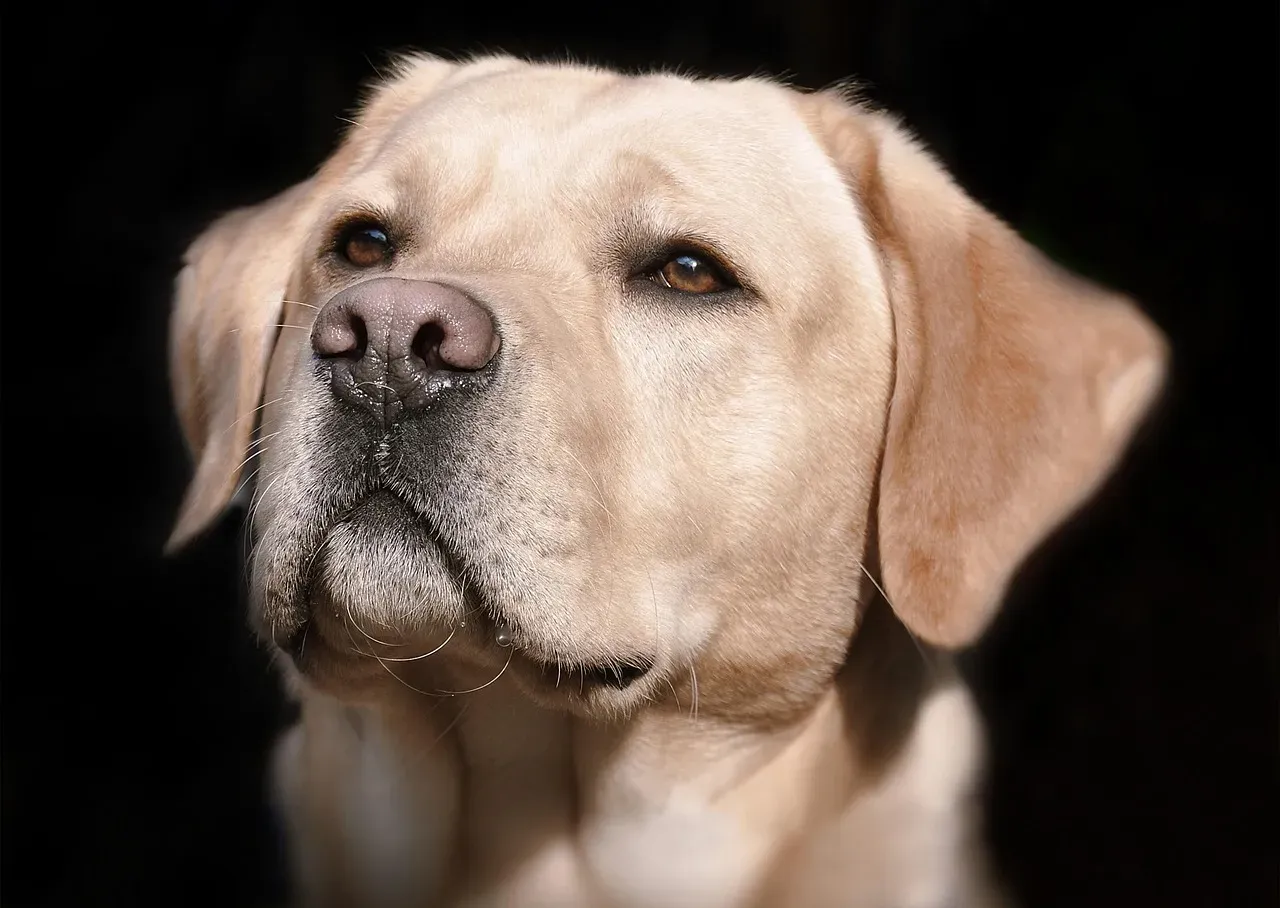
This is the sign owners bring up again and again, and vets quietly admit they look for it too. The spark isn’t about age at all – it’s about presence. A senior dog can have cloudy lenses and a gray muzzle and still have a bright, alert expression that tracks you, reacts to your voice, and clearly shows emotion.
- Do their eyes follow you around the room or react when you speak?
- Do they squint happily when you scratch that one favorite spot?
- Do they perk up when something interesting happens, even without getting up?
That soft, aware engagement is nothing like a vacant, distant stare that never changes. Some professionals will controversially argue that owners are actually better than any medical score sheet at reading this spark – they just need permission to trust their own eyes. If you look at your dog and still see them looking back, not just a tired body, that’s real evidence there’s life left to enjoy.
#11 – They Still Relax Deeply And Sleep Peacefully
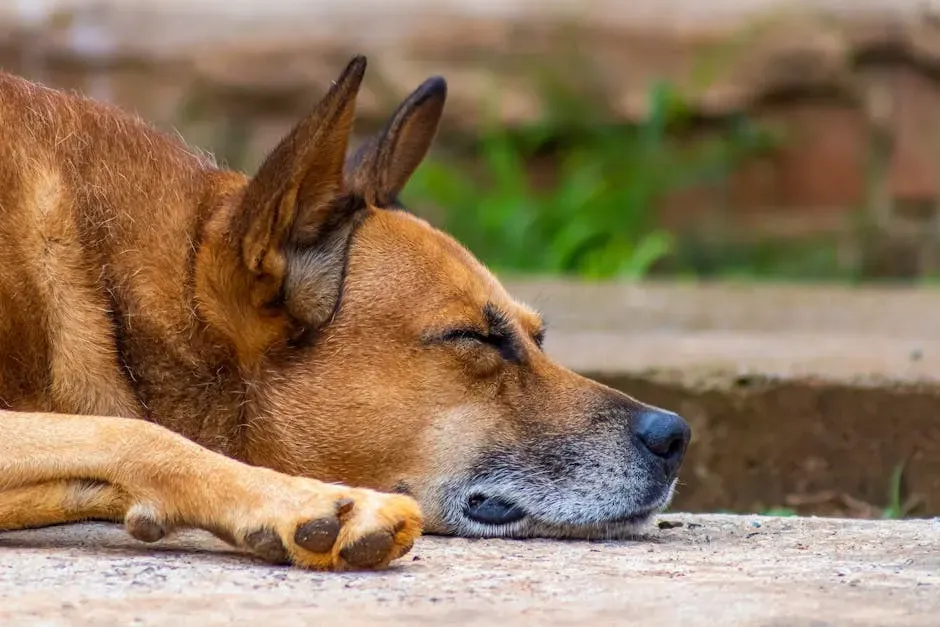
Sleep tends to tell the truth when nothing else will. A dog who can settle, stretch out, and sleep deeply without constant panting, pacing, or whining likely has a level of comfort many worried owners underestimate. Chronic suffering rarely allows for long, peaceful sleep cycles – the body just won’t let it happen.
- Longer daytime naps than they used to take.
- Snoring, dreaming, or twitching paws mid-sleep.
- A new preference for quiet corners or a soft orthopedic bed.
That’s not failure – that’s the body doing its recovery work. What actually worries vets is a dog who can’t get comfortable at all, constantly shifts position, pants heavily at rest, or wakes up suddenly crying out. Many experts argue that owners mistake more sleep for giving up, when really, rest is proof the body still knows how to repair itself. If your dog can snore through a thunderstorm on a soft bed, they’re still experiencing real physical ease.
#12 – They Still Show Preferences And Opinions
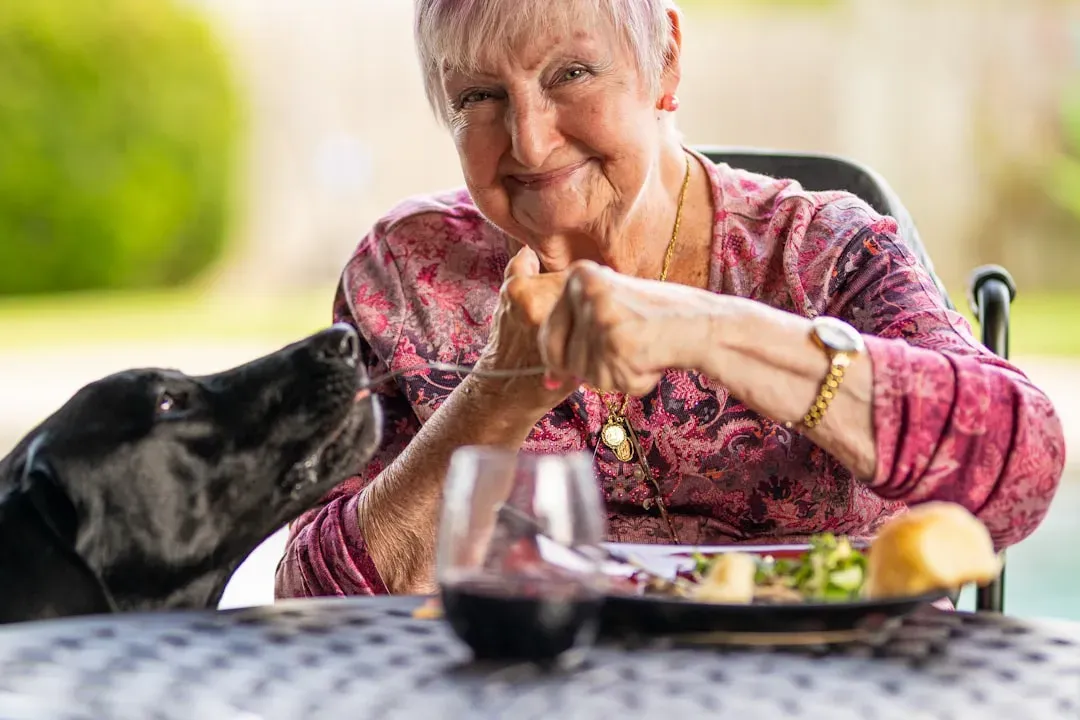
One of the clearest signs your senior dog is still fully “in there”? They’re picky. A dog who still has preferences – this treat over that one, this bed over that spot, this person over a stranger – is a dog with an active, engaged brain. Losing preferences entirely is actually more concerning than simply becoming fussier with age.
- Do they walk away from one toy but light up for another?
- Do they claim a favorite blanket or a specific side of the couch?
- Do they turn their nose up at cheap biscuits but perk up for the good stuff?
Some people complain that old dogs get “stubborn,” but plenty of behaviorists quietly celebrate it. Stubbornness is, in its own way, personality flexing its muscles. A dog with strong opinions is still making small decisions all day long – and it’s only when they stop caring about anything at all, food, people, or places, that harder conversations need to start.
#13 – You Can Still Honestly Name Specific Things They Enjoy
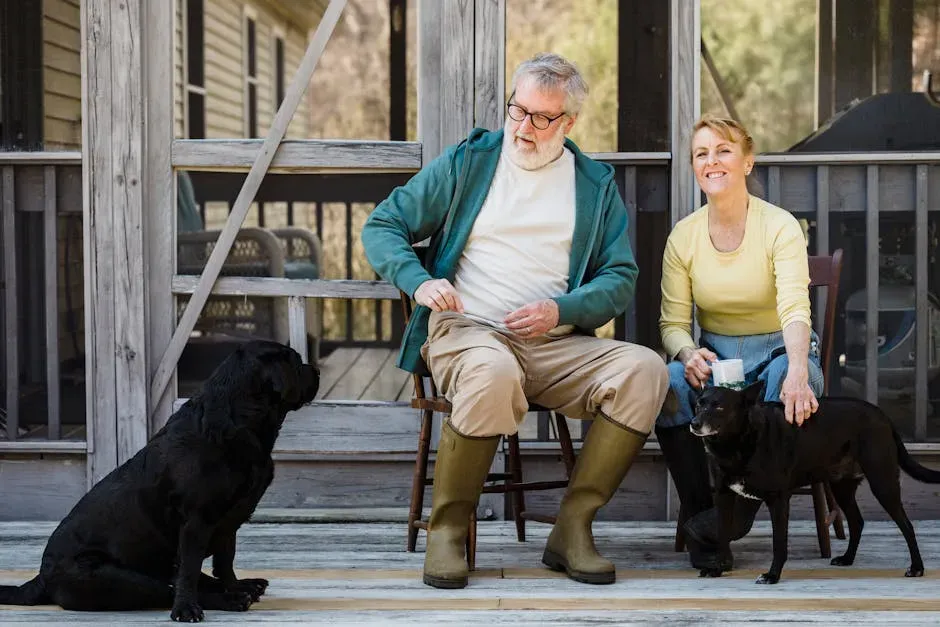
This is the question many compassionate vets ask owners who are torn and unsure: “Tell me three things your dog still clearly enjoys.” If you can answer that honestly, without forcing it, your dog likely still has good quality of life, even if it looks quieter and simpler than it used to.
- Warm sun pooling on the porch in the afternoon.
- A car ride with the window cracked just enough to smell the world.
- A slow chew, a lick mat, or a quiet cuddle session at the end of the day.
If you genuinely struggle to name even one thing, after trying pain control, environmental changes, and real medical support, that’s when the scale finally tips. But most owners are surprised to discover their senior still delights in several small moments every single day. Enjoyment is the metric that actually matters – not age, not a diagnosis, not nostalgia for how they used to be.
The uncomfortable truth is that a lot of people consider saying goodbye while their senior dog still has real, measurable joy left, simply because age itself feels scary. Gray fur, slower walks, and extra naps aren’t proof of suffering – they’re proof of time. The signs that actually matter are appetite, curiosity, comfort, connection, and the ability to enjoy specific, repeatable moments, even smaller and softer ones than before.
I’ll say it plainly: we need to stop equating “young” with “happy” and “old” with “miserable.” A lot of senior dogs are quietly living in their sweet spot right now – less frantic, more affectionate, deeply bonded, and genuinely content in ways they never had time for as puppies. The real tragedy was never that dogs grow old. It’s that we sometimes give up on them while they’re still very much here, still choosing us, still finding the sun on the porch worth chasing.


