
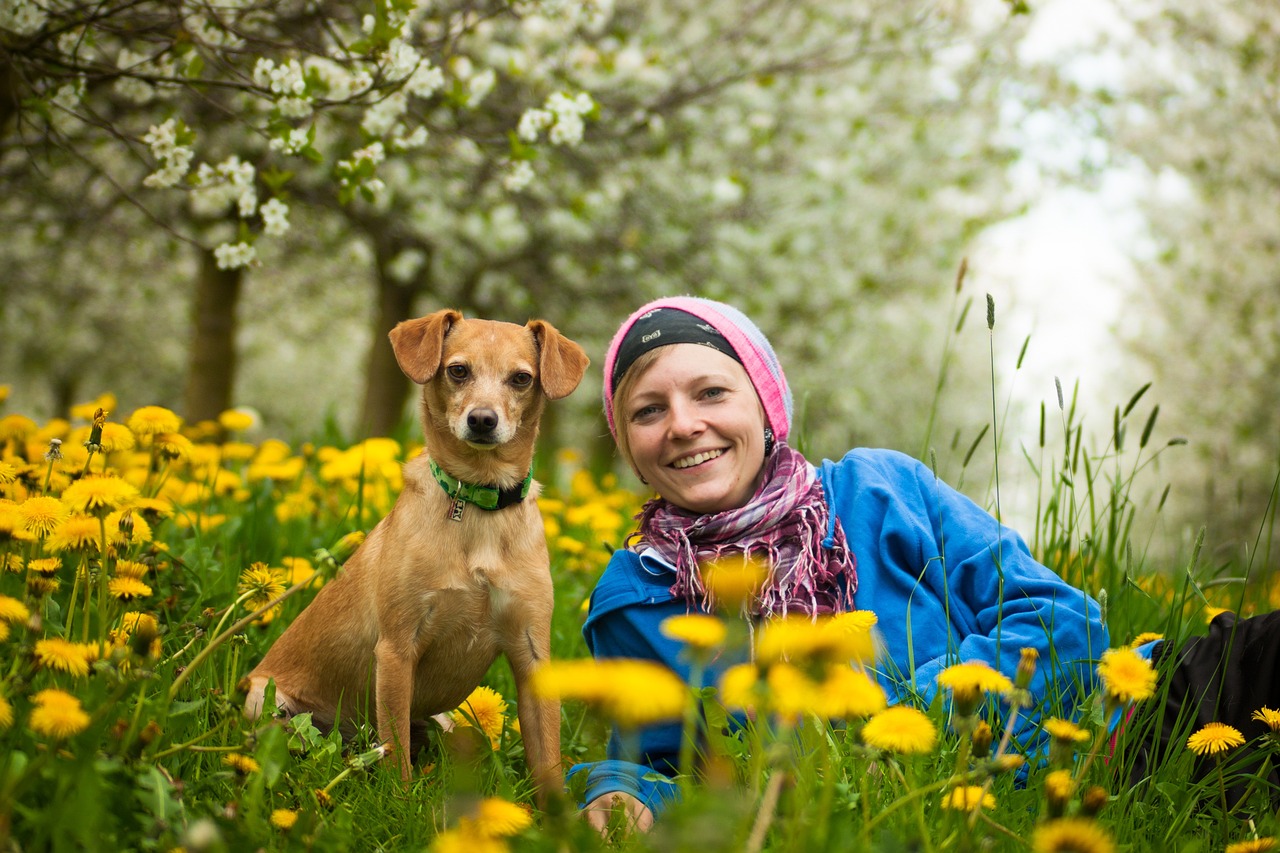
You probably already suspected your dog was thrilled just to look at you, but brain scanners are now backing that intuition up in a pretty wild way. When researchers put awake, trained dogs into MRI machines and showed them images or let them smell familiar people, they saw the same kinds of reward circuits light up that humans show when they see someone they love. In plain language: your face is literally a treat for your dog’s brain.
That sounds cute, but it is also surprisingly profound. It means the bond between dogs and humans is not just about food, walks, or routines; it is wired into their nervous system at a deep level. Let’s walk through what the science actually shows, what it does and doesn’t mean, and why this tiny detail – your dog’s brain lighting up when it sees you – might be one of the most moving facts about modern life with animals.
Your Dog’s Brain Lights Up When It Sees You
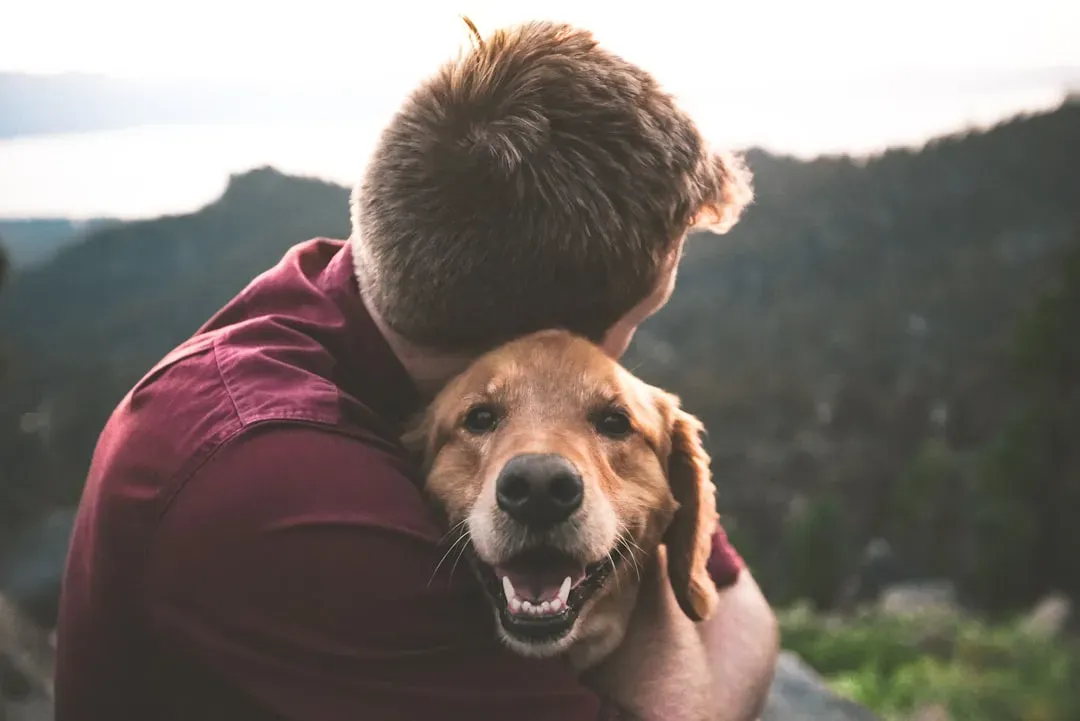
In MRI studies with awake dogs, researchers found that certain key regions linked to reward and positive emotion became more active when the dog saw or detected signals from their owner. Instead of just tossing treats and watching tail wags, scientists could finally peek under the hood and see what the brain itself was doing. The striking pattern was that familiar human cues, especially from their person, triggered activation in areas similar to those that process pleasure and motivation in humans.
To make this happen, trainers carefully acclimated dogs to lie still in the loud MRI tube, a feat in itself. Once inside, dogs were shown images or exposed to scents from their owner, from strangers, and from other dogs. Time and again, the owner-specific cues were associated with stronger reward-related responses, suggesting that your dog is not just recognizing you; their brain is responding as if you are inherently valuable. Your face is not background noise – neurologically, it is more like a jackpot signal.
The Reward Center: Why It Matters That It Activates
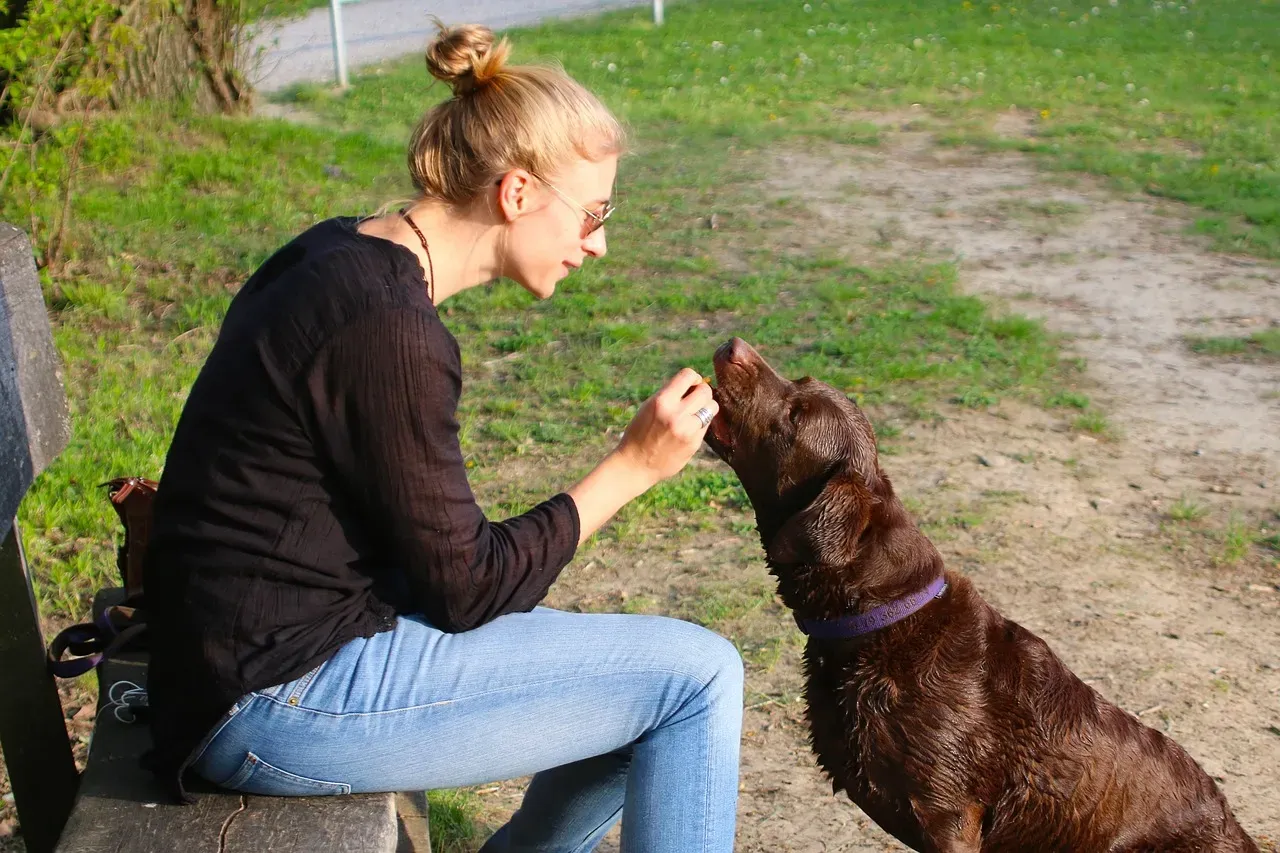
The reward system in the brain is not just about feeling good in some vague way; it is about what an animal is motivated to seek out and prioritize. In both humans and dogs, reward-related regions help mark certain things as worth paying attention to, approaching, and working for. When your dog’s reward circuits light up at the sight of you, it means you are not neutral in their world. You are, in a very real sense, something they are “programmed” to want more of.
This matters because it refutes the tired idea that dogs only care about us as walking food dispensers. Food will of course trigger reward responses, but so does your voice, your smell, and your face. The activation that researchers see when dogs experience their owner is more like the brain’s response to meaningful social connection than a purely transactional interest. If a vending machine could walk into a room, your dog might be excited. But the way their brain reacts to you is closer to how we respond to someone we trust and enjoy being around.
How Dogs Learn to Love Your Face Specifically
Dogs are not born recognizing your particular face; they grow into that attachment through repeated, emotionally charged interactions. Every time you soothe them, play with them, take them out, or even just share a quiet moment on the couch, their brain is keeping score. Over time, your features become a shortcut for predicting comfort, safety, and enjoyable experiences. Your appearance in the doorway is like the opening credits of their favorite show – they already know good things tend to follow.
What MRI research helps confirm is that this learning does not stay at the surface. It becomes embedded in the brain’s reward architecture. Your dog may start out unsure and wide-eyed, but as the relationship deepens, your face becomes a powerful cue that activates the internal chemistry of pleasure and anticipation. That is why some dogs seem to practically explode with joy when their person returns after even a short absence; their brain has learned that you are worth getting excited about, over and over again.
Beyond Food: Social Reward and Attachment in Dogs
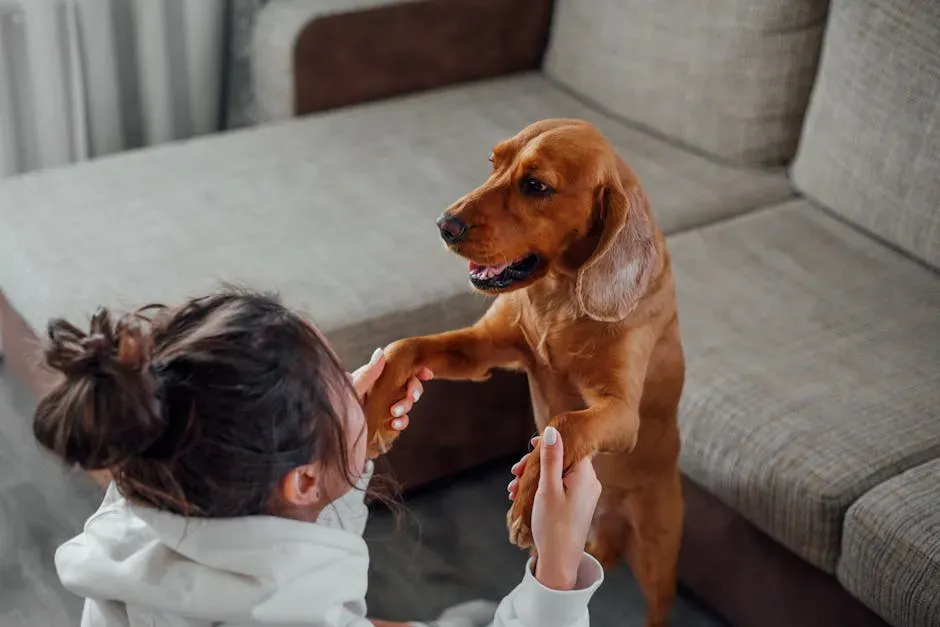
One of the strongest implications of this research is that social contact with humans can be rewarding to dogs in its own right. When scientists compare responses to treats versus human interaction, they often find that many dogs show comparable or even greater reward-related activation to their owner. That does not mean your dog would turn down a snack, but it does suggest that praise, affection, and shared routines have real biological weight.
This supports what many dog guardians feel instinctively: that the dog is not just “using” them for food. When a dog chooses to sit by your feet while ignoring a toy across the room, or abandons a half-chewed bone to greet you at the door, it is expressing a hierarchy of rewards. Your presence and attention are apparently satisfying at a level that plastic and rubber objects rarely reach. The MRI scanner, far from being a cold machine, is simply confirming what warm-hearted owners have been saying for years.
What This Means for How We Treat Our Dogs
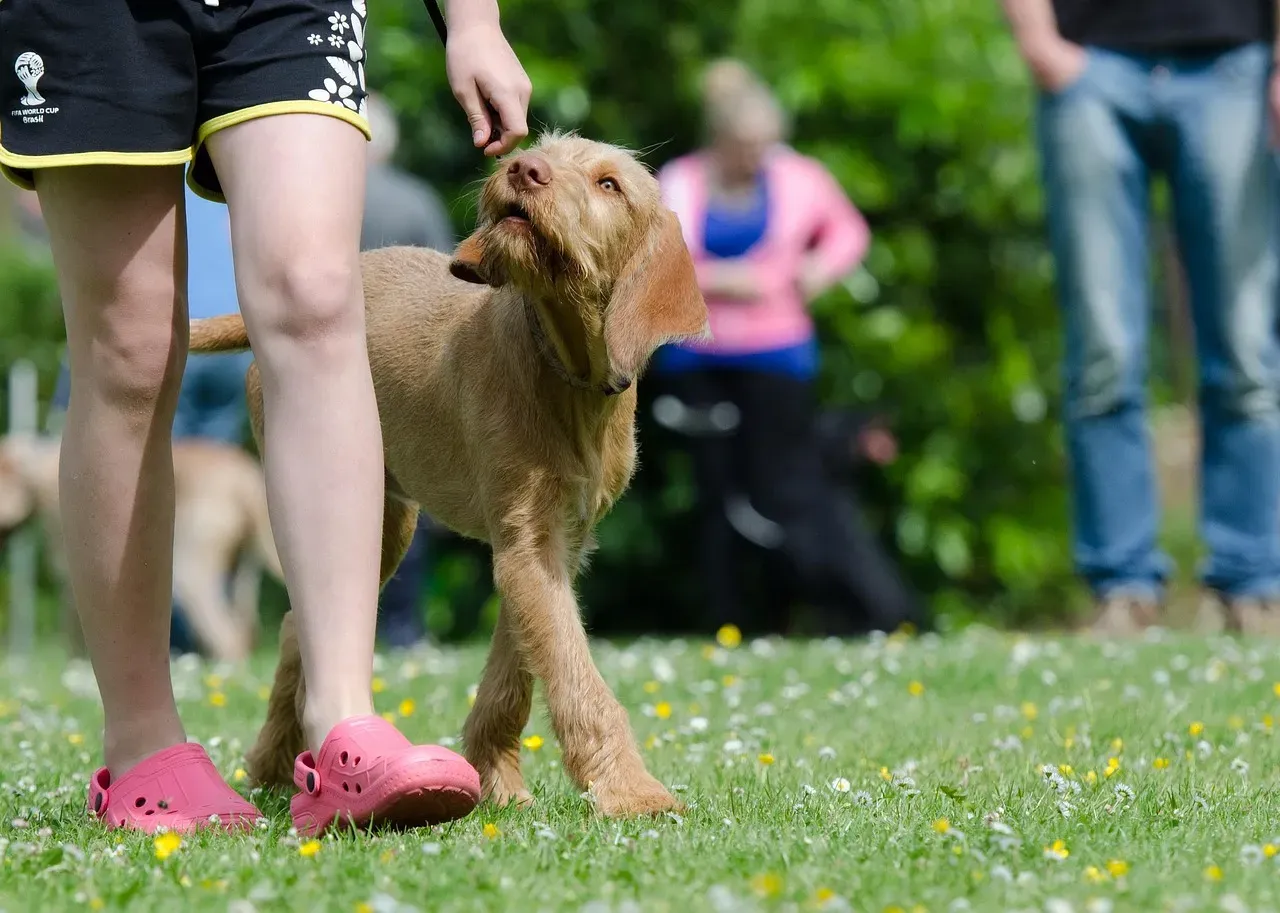
If your face and voice can trigger reward in your dog’s brain, then your attention is not trivial; it is a core part of their well-being. That puts a quiet but serious responsibility on us. Leaving a dog alone for long stretches, barely interacting after work, or treating them like background décor does not just make them bored. It likely starves a system that has wired itself to find joy and security in your presence specifically.
On the flip side, this is also a powerful tool for training and building better behavior. If your dog finds you genuinely rewarding at a brain level, then pairing your eye contact, praise, and calm touch with good behavior can be incredibly reinforcing. Instead of thinking of treats versus affection as an either-or choice, it is more accurate to see them as a combined reward package. Your dog is not just working for the snack in your hand; they are working for you, the person whose face already means good things are coming.
Why This Bond Is Uniquely Human–Dog (At Least So Far)
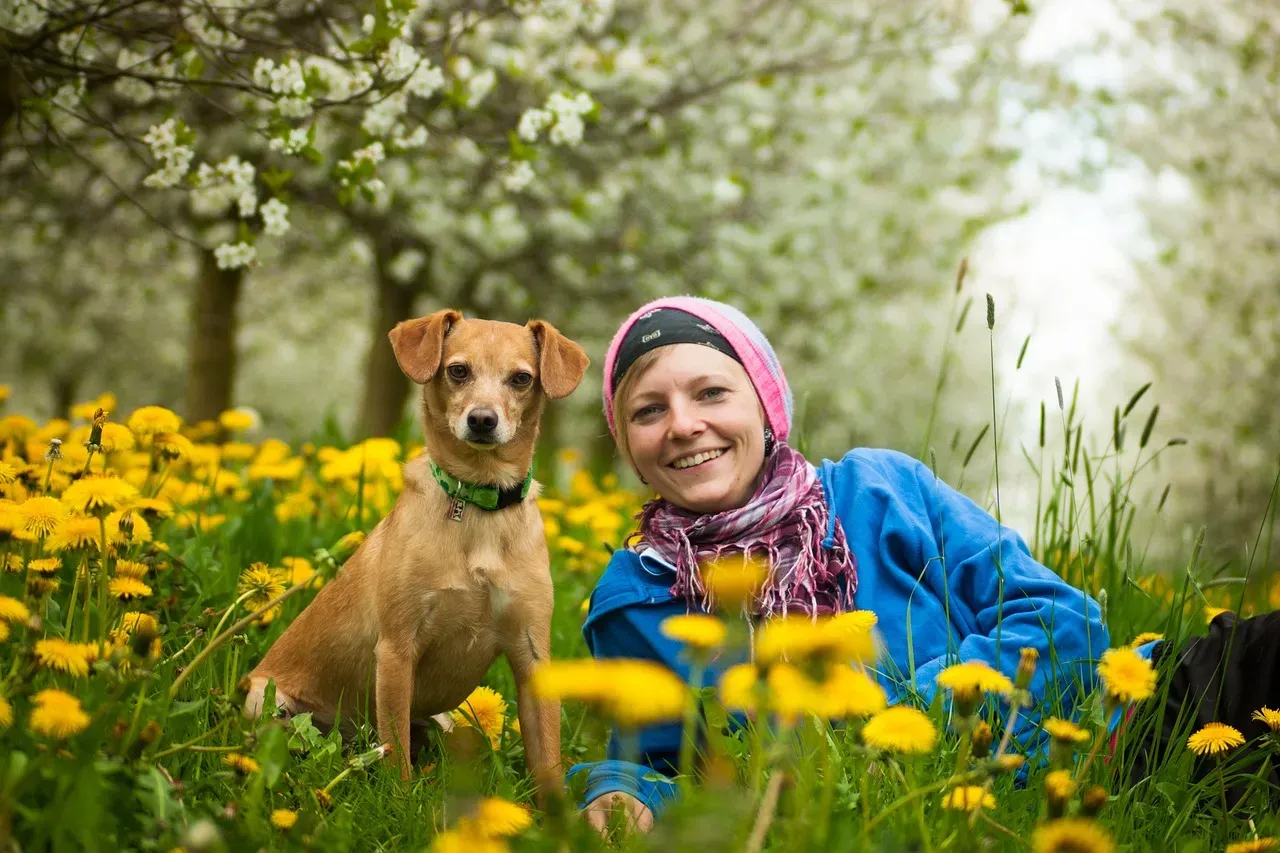
Other animals can form bonds with humans, but the dog–human relationship stands out because it has been shaped over thousands of years of shared history. Selection for dogs that could read human signals and fit into human social groups likely favored those whose brains lit up in response to people. Reward activation at the sight of a human partner is not a random quirk; it may be one of the traits that made dogs so successful alongside us in the first place.
There is something almost eerie, in a good way, about knowing that your little daily interactions are reflected as real patterns of brain activity. While we should be cautious about claiming that dogs experience love exactly as humans do, it is hard to look at this evidence and argue that the bond is shallow. When an animal’s reward system is tuned to your presence, you are not just a background character in its life story. You are closer to a main character, a central figure around which a large part of their emotional world orbits.
The Emotional Takeaway: Your Dog’s Brain Votes for You
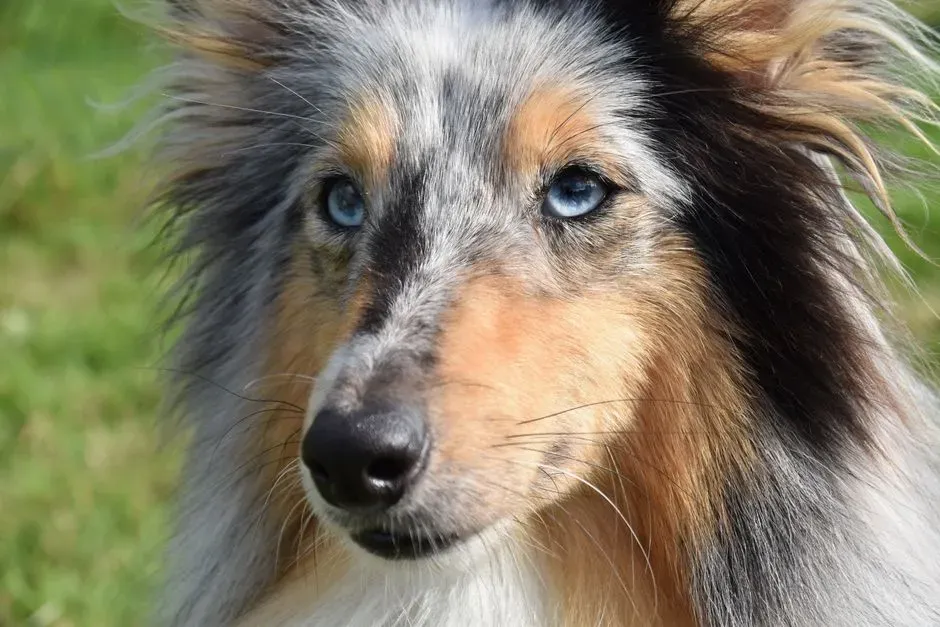
To me, the most moving part of all this research is that it gives a kind of scientific “yes” to what dog people have always felt. When your dog gazes at you, follows you from room to room, or relaxes the second you sit down nearby, it is not just habit. Their brain is literally treating your presence as something good, the way ours might respond to a hug from someone we trust or the feeling of coming home after a long trip. Your dog’s neurology is, in its own language, voting in favor of you.
I think we should take that seriously and maybe even personally. In a noisy, distracted world, having a creature whose brain lights up just because you walked into view is a rare kind of affirmation. It is easy to scroll past that fact like another cute animal clip, but it is actually a quiet, radical thing. If your face alone can trigger a neurological reward response in your dog, the real question is not whether they love you – it is whether we, as humans, are fully honoring that loyalty. When you look into your dog’s eyes tonight, will you remember that their brain, quite literally, lights up for you?


