
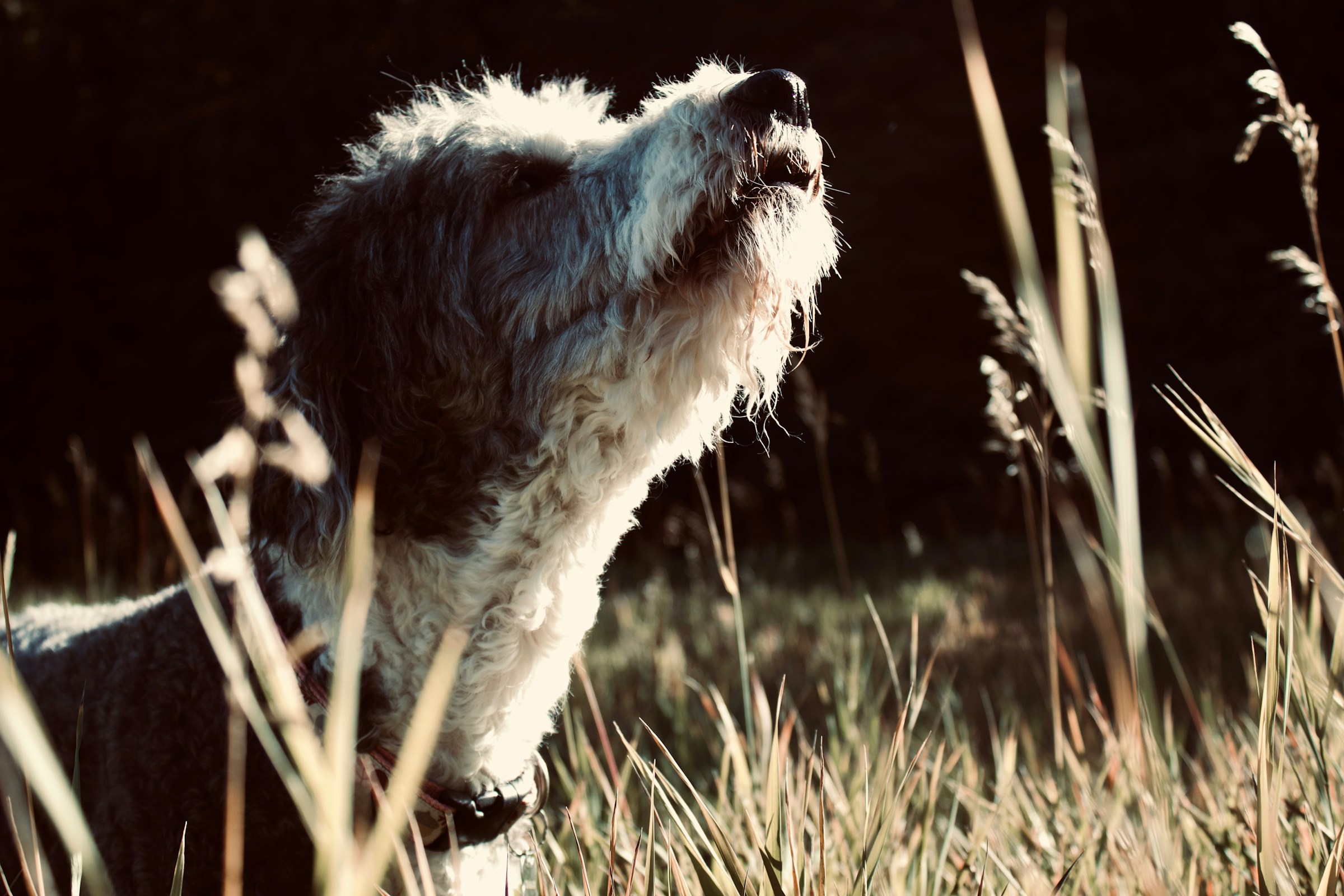
You’ve probably had that moment: leash in hand, shoes on, and your dog suddenly plants their feet like they’ve hit an invisible wall. Nothing obvious has changed, but they’re sniffing, squinting, turning their head just so. To us, it feels random. To them, the wind just delivered a full newsfeed of information you and I can’t even begin to sense.
Dogs live in a world written in scent and subtle movement, and the wind is what carries that story to them. Before they decide which direction to trot, where to pause, or which side of the street they suddenly prefer, they’re reading the air like a seasoned detective. Once you start noticing it, those “stubborn” moments look a lot more like smart, deliberate choices.
The Wind’s Scent Direction: Where the Stories Are Coming From
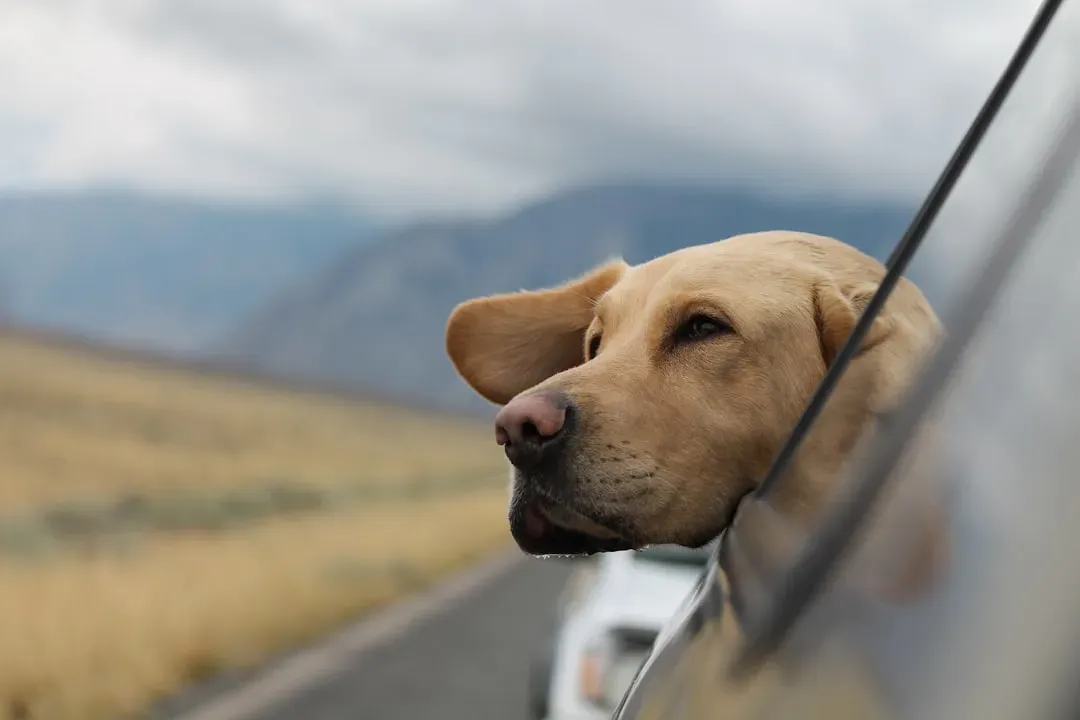
One of the biggest things your dog notices is which way the smell is blowing. Dogs have a sense of smell that’s estimated to be tens of thousands of times more sensitive than ours, so a gentle breeze to you is a wall of information to them. When they pause and point their nose into the wind, they’re essentially turning toward the loudest channel of scent.
This is why dogs often choose to walk into the wind rather than with it at their back. Walking into the wind means smells are coming straight at them, making it easier to locate where they’re coming from, whether it’s another dog, a squirrel, or last night’s barbecue from three houses away. If your dog keeps insisting on going one particular way, chances are the wind is telling them that’s where the most interesting or important story lies.
Intensity Of Smells: When The Breeze Turns The Volume Up Or Down
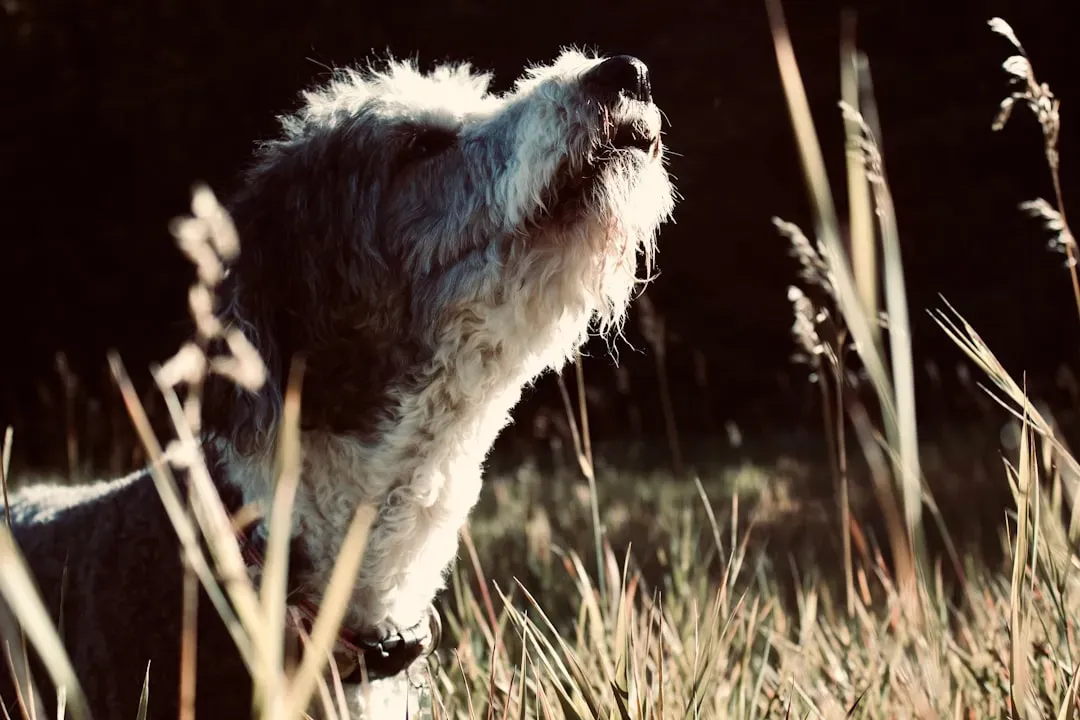
The strength of the wind changes how intense scents feel to your dog, and they absolutely notice that before deciding where to go. On a still day, smells tend to sit in small pockets, so you’ll often see your dog zigzag, stop, and linger in certain spots. But when it’s breezy, those pockets get smeared out into long scent trails that stretch down the block.
Dogs often adjust their walking choices based on how “loud” the air smells. A stronger breeze might make distant scents more noticeable but can also wash out delicate smells they care about, like the faint trace of a familiar dog. Sometimes they’ll prefer a side street, a hedge-lined path, or even the downwind side of a building where the wind is softer, just so they can turn the scent volume back to a level where it’s easier to pick out the details they want.
Temperature Of The Wind: Comfort, Safety, And Energy
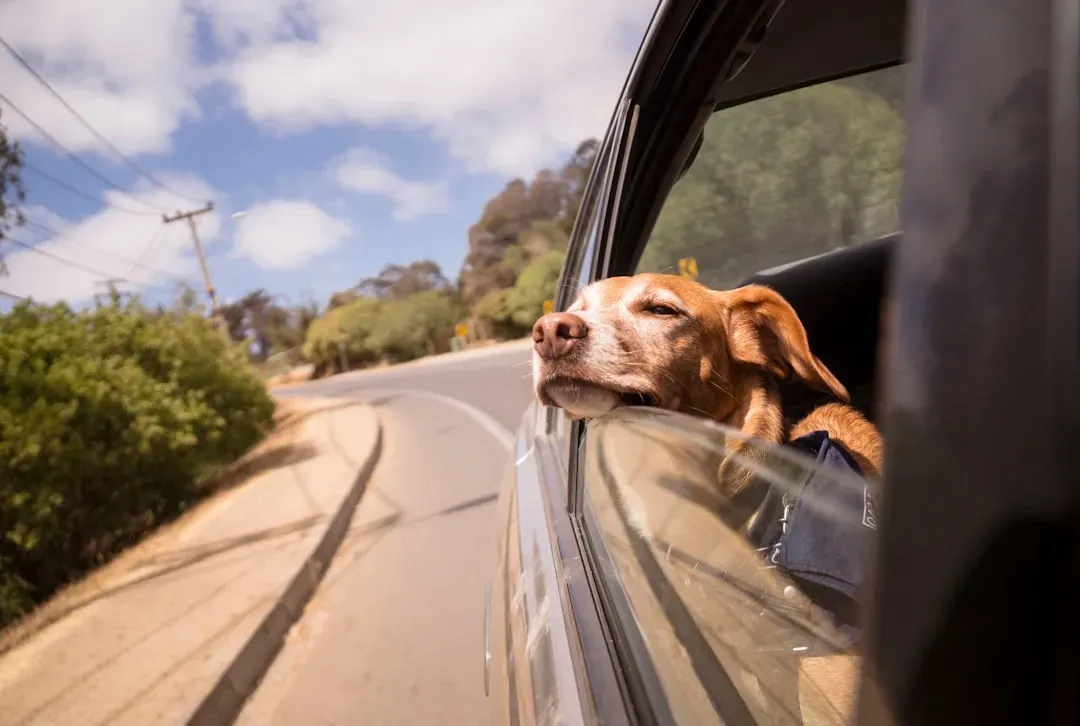
Dogs feel the temperature of the wind as clearly as we do, and for them it can be the deciding factor in where they’re willing to walk. A chilly gust right into their face on a winter day can make them veer toward sheltered routes, while a warm but not scorching breeze might encourage them to stroll a little longer. They’re especially tuned in if they’re a short-haired, small, or older dog that feels temperature swings more intensely.
On hot days, many dogs instinctively avoid walking straight into hot, dry wind that makes panting less effective at cooling them down. They may aim for shaded sidewalks, low-lying streets, or areas where the air feels slightly cooler and more humid, like near plants or water. I’ve personally watched my own dog drag me toward the shady side of the street on breezy summer afternoons, clearly choosing the side where the wind felt kinder on her face and easier on her breathing.
Shifts In Wind That Signal Hidden Movement And Noise
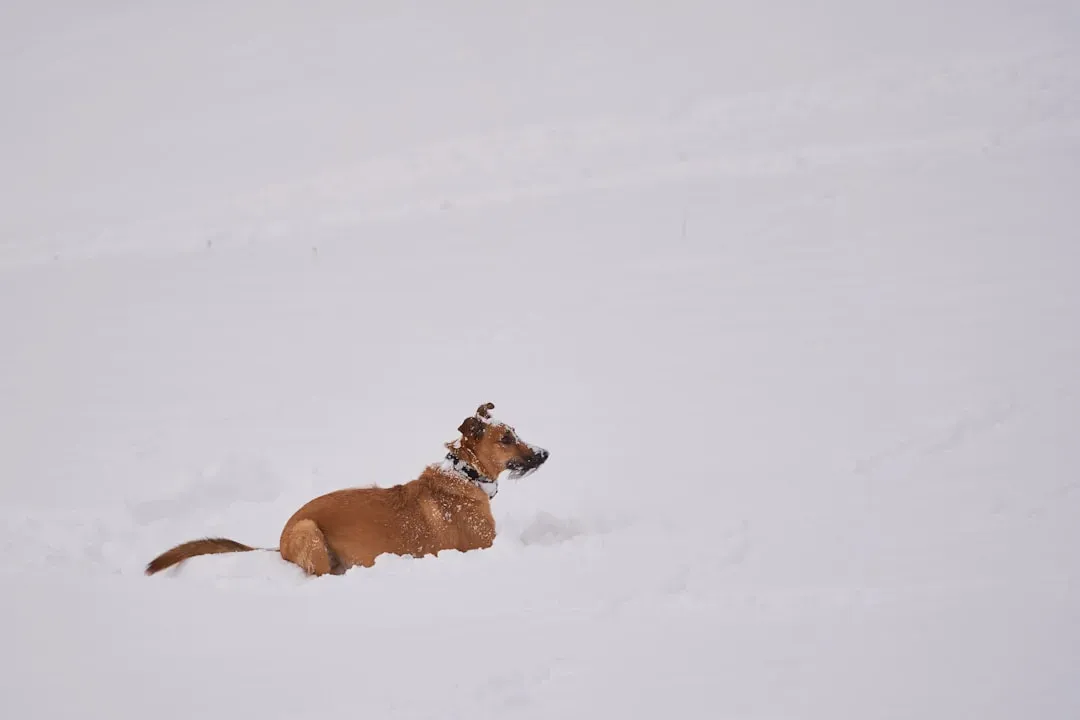
The wind doesn’t just carry scent; it also tugs at leaves, rattles signs, and makes everyday objects behave differently. Dogs notice when the wind direction or speed changes and suddenly that quiet bush is rustling or a trash bag flaps in a strange, jerky way. To a cautious or sensitive dog, this can feel like the world is suddenly more unpredictable, even if nothing “dangerous” is actually there.
When that happens, some dogs will choose paths where the wind stirs up fewer surprises, like staying away from big trees, loose tarps, or busy intersections covered in flags and signs. Others, especially more curious or confident dogs, might actually steer toward the source, wanting to investigate the odd movement or sound directly. Either way, they are not being random; they’re reacting to how the wind changes the behavior of their surroundings.
Who And What Has Been Here: Tracking Trails On The Breeze
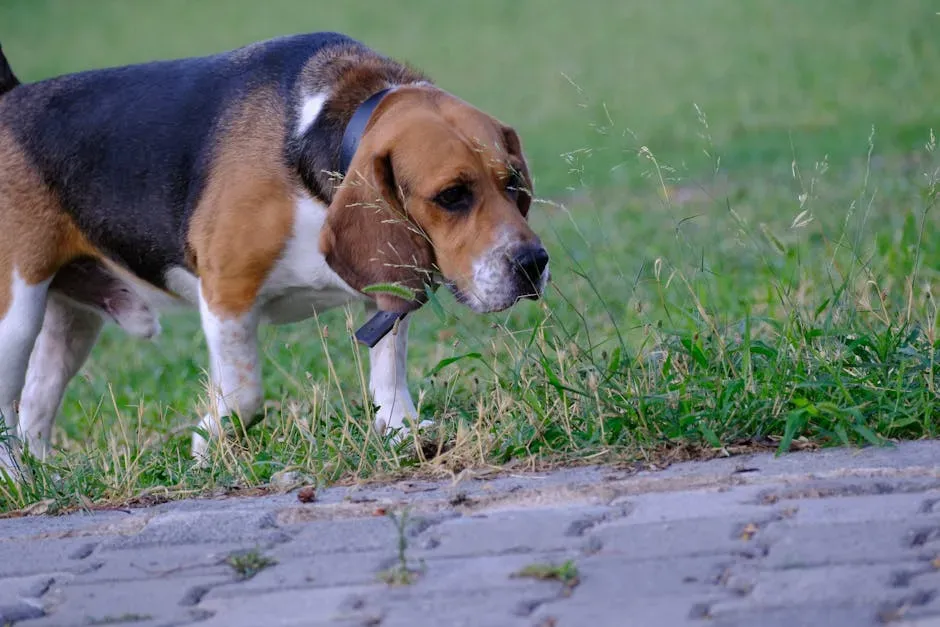
Long before your dog sees another animal or person, they’ll often smell where they have been, and the wind is the courier for that message. A light breeze drifting from the park can bring traces of other dogs, wildlife, or even familiar humans down the street. That might be enough to make your dog suddenly insist on taking the park route instead of the usual block loop.
Dogs can follow scent trails that the wind stretches and bends across sidewalks, grass, and roads. They’ll use differences in wind direction between open spaces and protected corners to piece together where that other dog walked, where the rabbit darted, or where the kids were playing earlier. So when your dog abruptly switches sides or stands for an extra beat sniffing the air before turning down a path, they might be quietly choosing the route with the richest, freshest trail to track.
How Open Or Exposed A Route Feels In The Wind
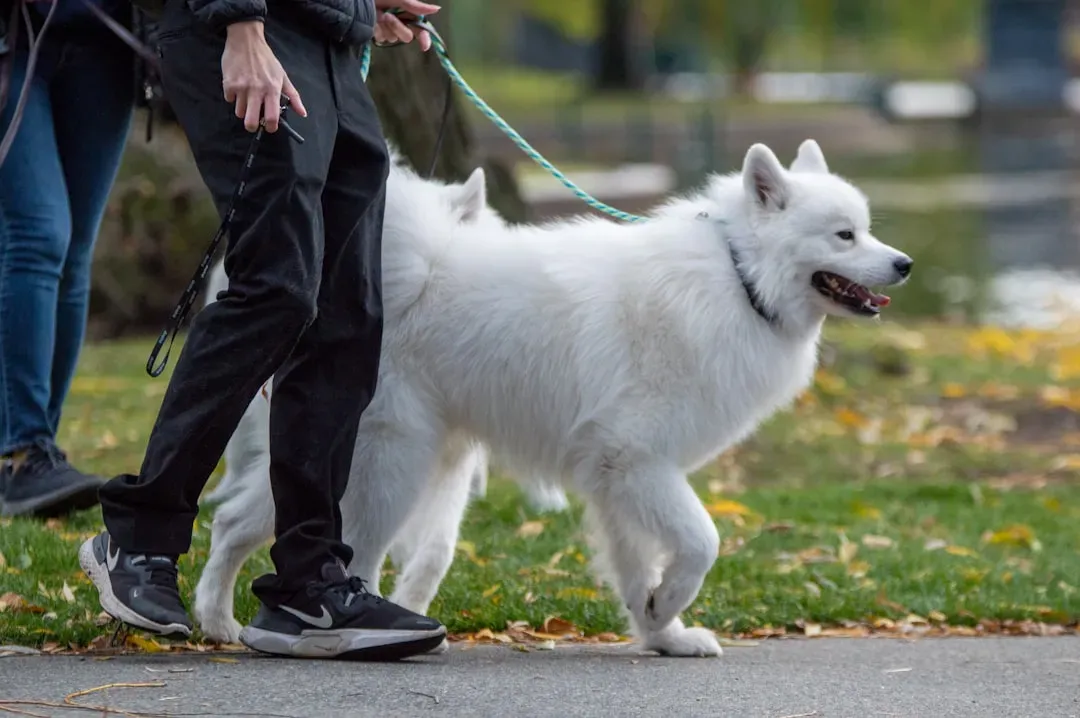
Wind changes how exposed a place feels, and that can really matter to a dog’s sense of safety. Wide, open streets or fields can feel harsher and more vulnerable on a gusty day, especially for nervous, small, or noise-sensitive dogs. The wind can roar in their ears, kick grit into their eyes, and amplify distant sounds into something much more intense.
As a result, many dogs gravitate toward sheltered routes when it is windy: narrow lanes between houses, paths lined with hedges, or sidewalks shielded by parked cars and walls. Think of it like walking down a calm side alley instead of along a highway in a windstorm; one feels calmer, the other chaotic. Your dog might be choosing the dog equivalent of that peaceful alley, even if it means abandoning your usual wide-open park circuit.
Subtle Warning Signs: Smelling Trouble Before You See It
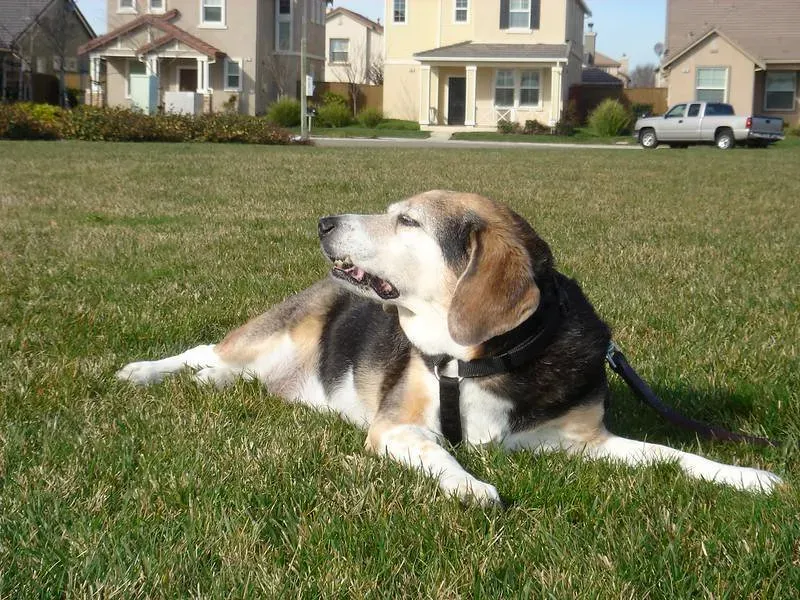
Finally, dogs may use the wind as an early warning system before committing to a direction. Strong scents of unfamiliar dogs, stressed wildlife, sharp chemical smells from traffic, or even the faint hint of smoke can all be carried on the breeze. If something in that mix feels off to them, you might see them hesitate, stall, or steer away from a certain street, even when everything looks perfectly normal to you.
This is where I think we underestimate dogs the most. We often label it as stubbornness when they dig in their heels, but they may be making a cautious, informed decision using data we simply cannot access. You do not have to treat your dog like a mystical weather oracle, but it is worth giving them some benefit of the doubt: if the wind is loud with warnings in their language, letting them choose a different path is sometimes the smartest, kindest choice you can make.
Conclusion: Trust The Nose, Even When You Don’t Feel The Breeze
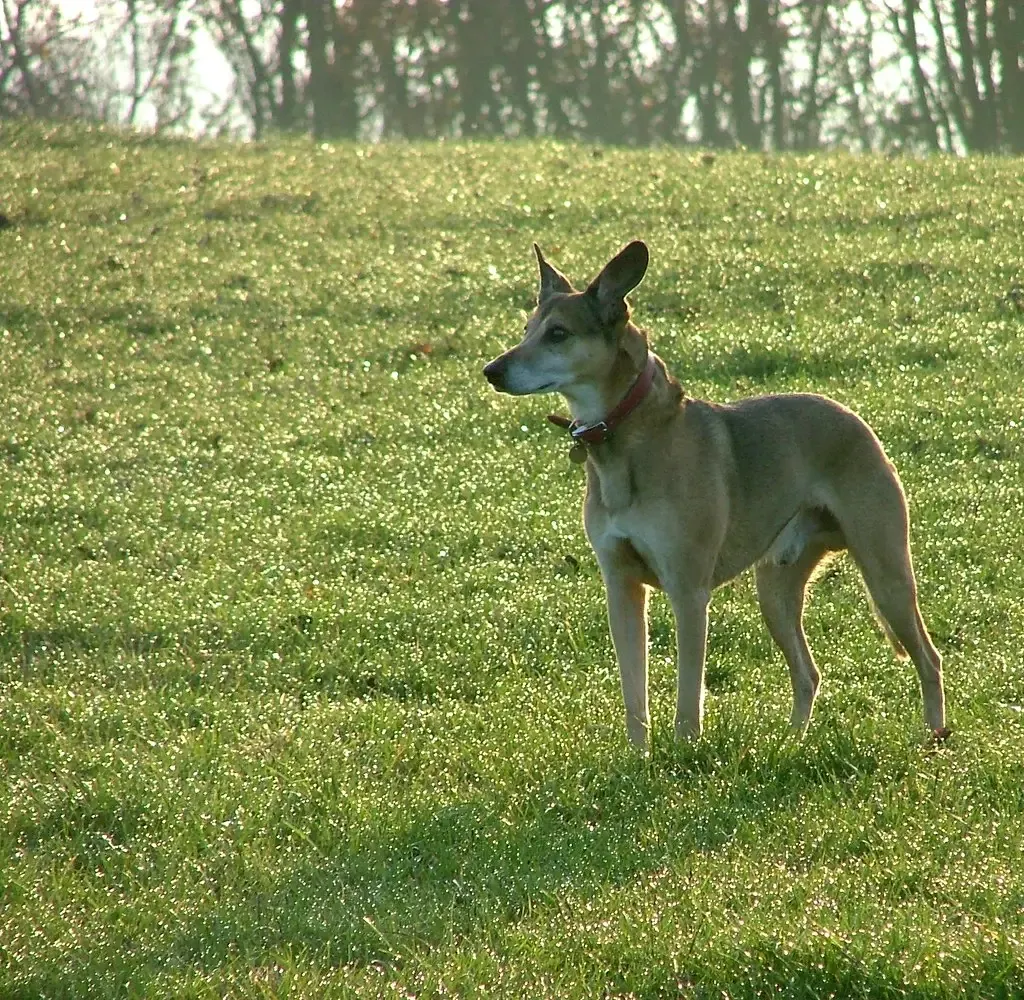
The more you pay attention, the harder it is to dismiss your dog’s choices as random quirks. They are reading wind-borne scents, shifts in temperature, fluttering shadows, and invisible trails of other lives that passed by before you stepped out the door. Honestly, I think many of us would walk differently too if we could smell the neighborhood the way they do; we just do not have the hardware for it.
My own opinion is that we should lean far more into letting dogs have a say in where and how they walk, especially on breezy days when their sensory world is buzzing. Within the limits of safety and good manners, following their lead turns a basic walk into something closer to a joint exploration. The wind is talking to your dog in a language you will never fully understand, but you can still respect the conversation. Next time they stop, sniff the air, and gently tug in a new direction, are you willing to let the nose decide the route?


