
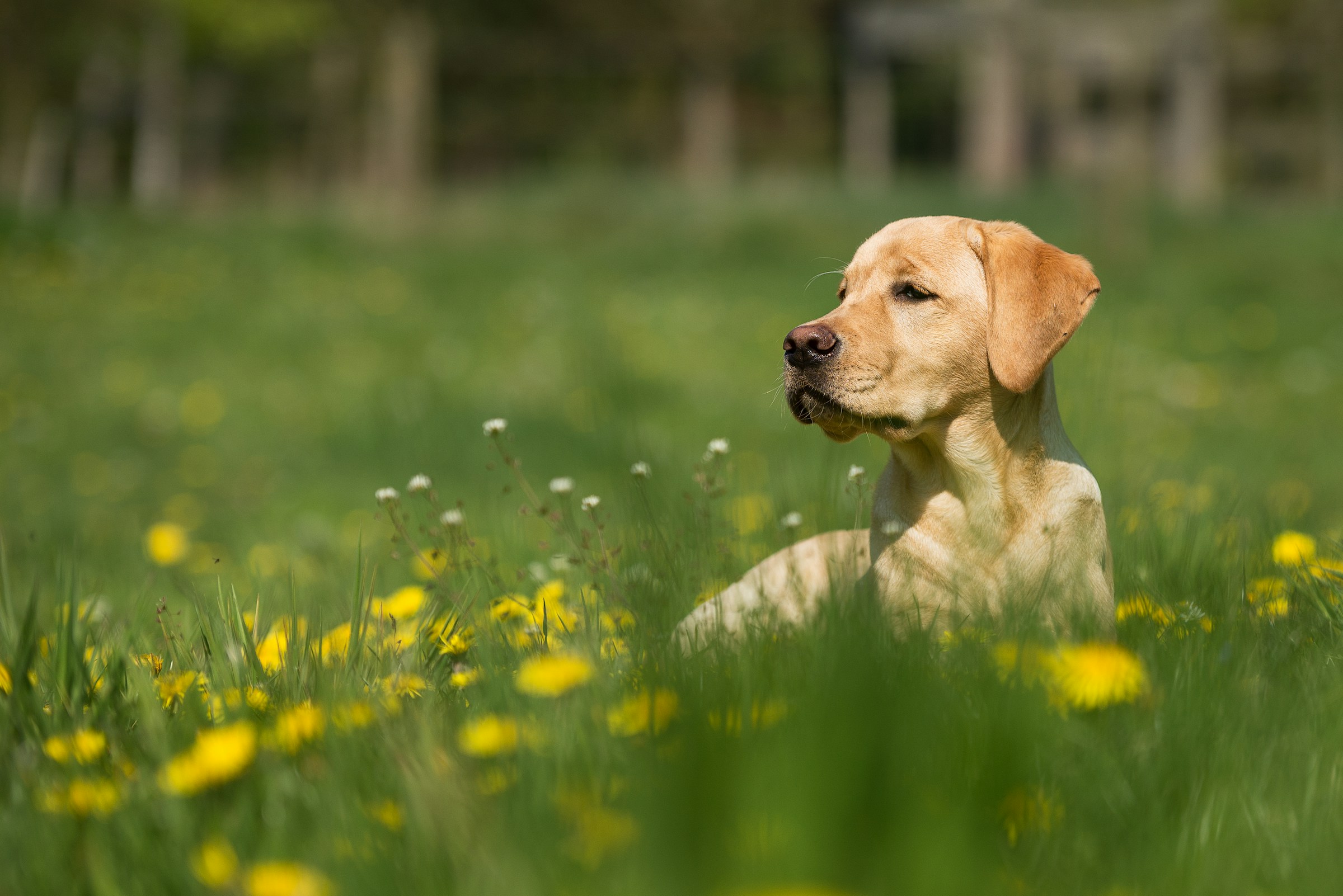
You’re walking your dog, scrolling through your day in your head, when suddenly it happens again. Same corner. Same crack in the sidewalk. Same patch of grass. Your dog stops like someone hit the pause button. You nudge the leash, maybe call their name, but they’re locked in on that exact spot as if it holds secrets only they can sense.
It can feel a bit mysterious, maybe even worrying, when a dog fixates on one place over and over. Are they scared? Is something wrong? Or are they just being weird and wonderfully dog-like? The truth is, there are several possible reasons for this quirky habit, and many of them are more emotional, instinctive, and even touching than people realize.
Your Dog Is Reading an Invisible Scent Newspaper
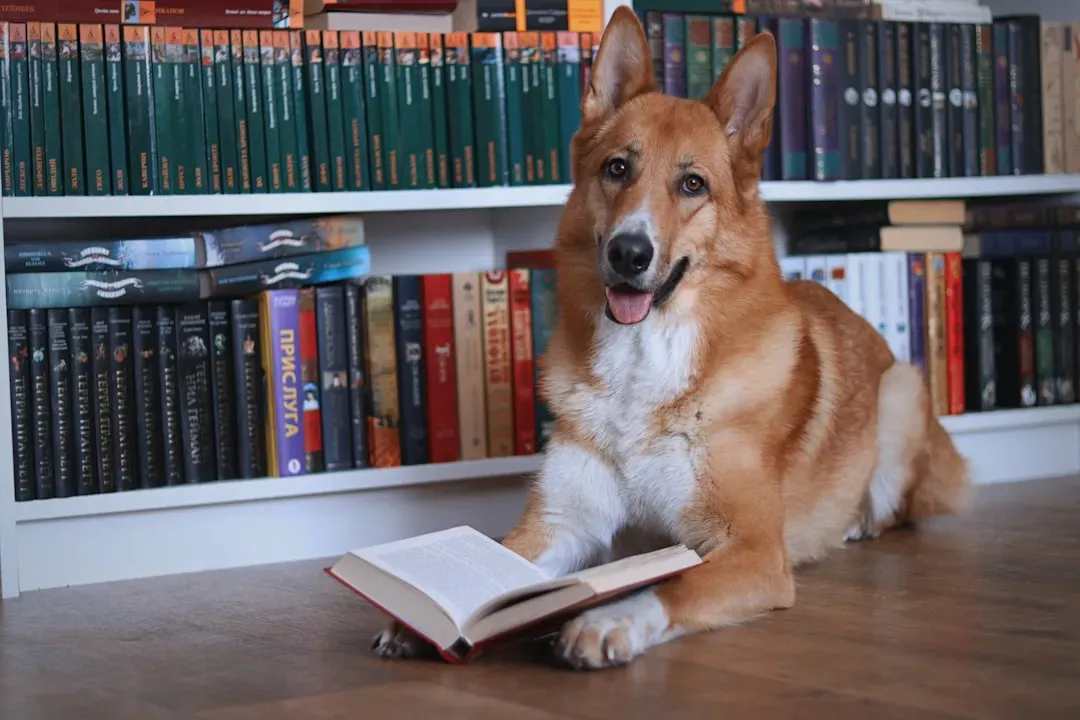
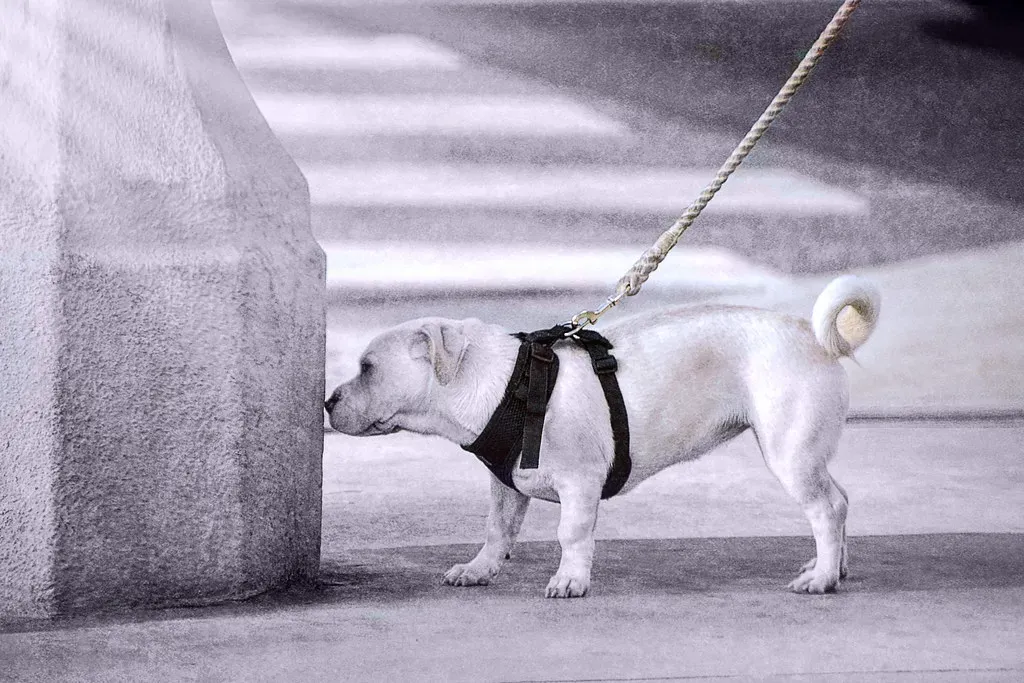
Imagine walking past a bulletin board in your neighborhood where everyone leaves little handwritten notes. That’s what a patch of grass or a lamppost is to a dog. When your dog pauses in the same place every day, they may be checking what other dogs “wrote” there since yesterday, reading an entire story through scent particles that you and I can’t even detect.
Dogs have a sense of smell far beyond anything humans can relate to, and that one spot may be a hotspot of dog traffic. Different dogs, different urine marks, different messages: who is stressed, who is healthy, who is in heat, who passed by with their human at 6 a.m. Your dog may pause there because, to them, this is where the neighborhood news breaks.
A Strong Previous Scent Memory Is Anchored There
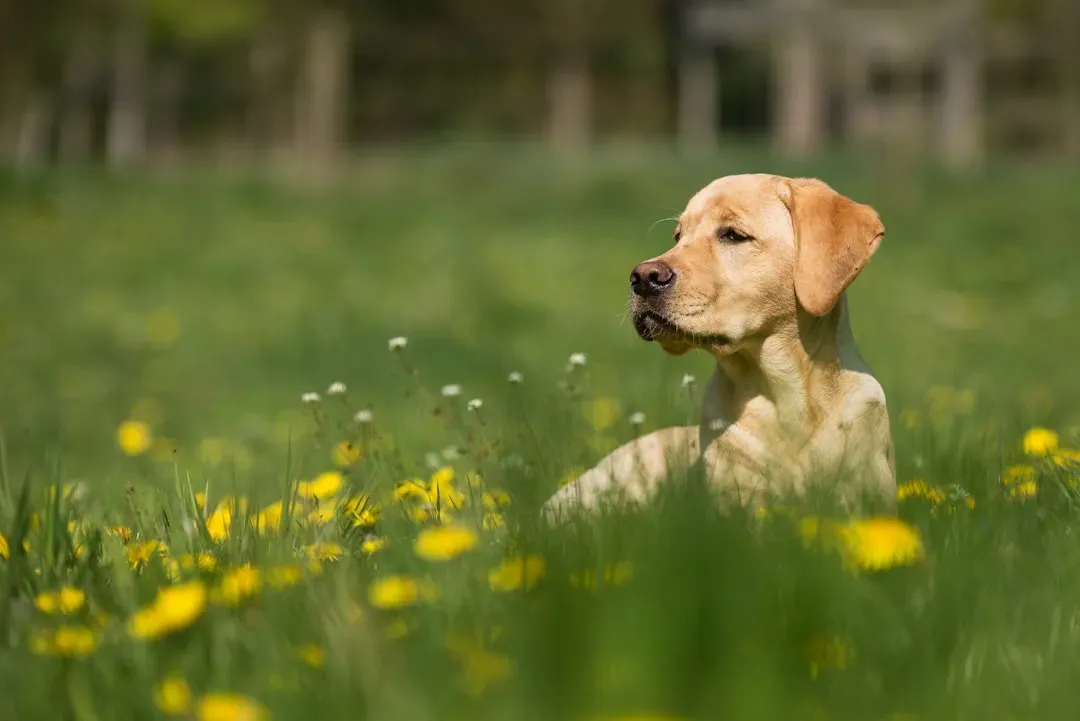
Sometimes, a spot becomes special because of something that happened there once. Maybe your dog met a canine friend at that corner, discovered a dropped hot dog, or caught the scent of a small animal. That experience can burn into their memory so clearly that every time they walk by, they pause to relive it, hoping lightning might strike twice.
Dogs are masters of association. One good (or intense) experience can glue a place into their internal map. When your dog slows down at the same spot, they may not just be smelling the present; they might be revisiting the past. It is a little like turning your head every time you pass a café where you once had an amazing meal, just in case it might happen again.
Your Dog Is Sensing Something You Can’t See or Hear
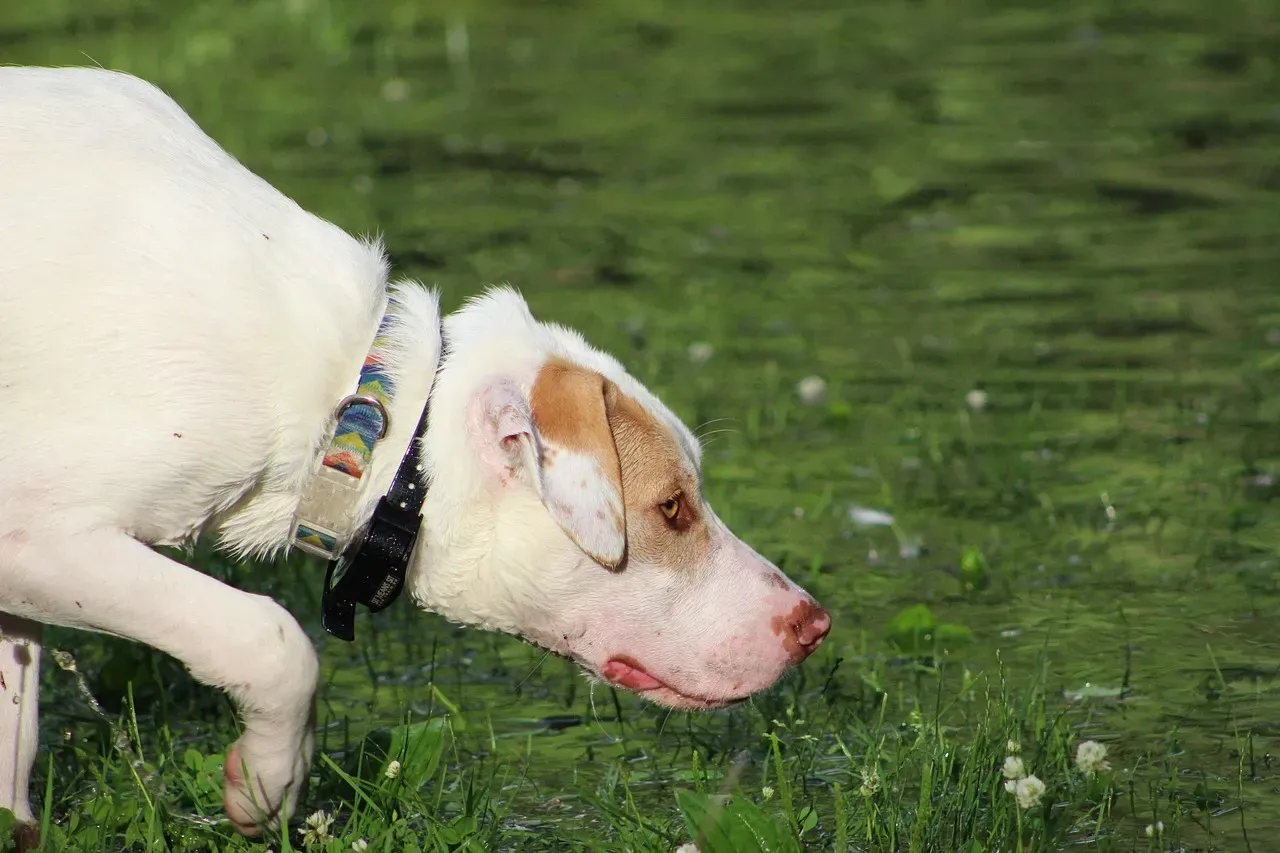
Dogs pick up tiny sounds and vibrations that never register for us. A certain stretch of sidewalk may be above a pipe, a vent, or a subtle vibration from underground traffic or building equipment. Your dog might pause there because they’re hearing a faint hum, feeling a buzzing under their paws, or smelling something drifting up from below.
To you, it looks like empty pavement; to them, it is alive with signals. Maybe there is the faint whir of a generator, the echo of footsteps from below, or the high-pitched noise of an electrical device. When dogs stop like this, they are often doing a kind of sensory audit, trying to figure out what those signals mean. It can look spooky to us, but for them it’s just data.
Some dogs get low-key obsessed with specific things: one tree, one fence gap, one storm drain. That repetition can easily turn into a habit. The more they pause to investigate, the more their brain flags that spot as important, so they keep checking it again and again. Over time, the behavior can start to look almost ritualistic.
This is especially common in smart, energetic dogs who crave mental stimulation. A mysterious smell or sound becomes their daily puzzle, a little mystery to solve. As long as they are not distressed or frantic, this kind of focused curiosity can be harmless, even healthy. It’s their version of always reloading the same interesting social media thread to see what’s new.
There May Be a Subtle Fear or Unease Tied to That Area
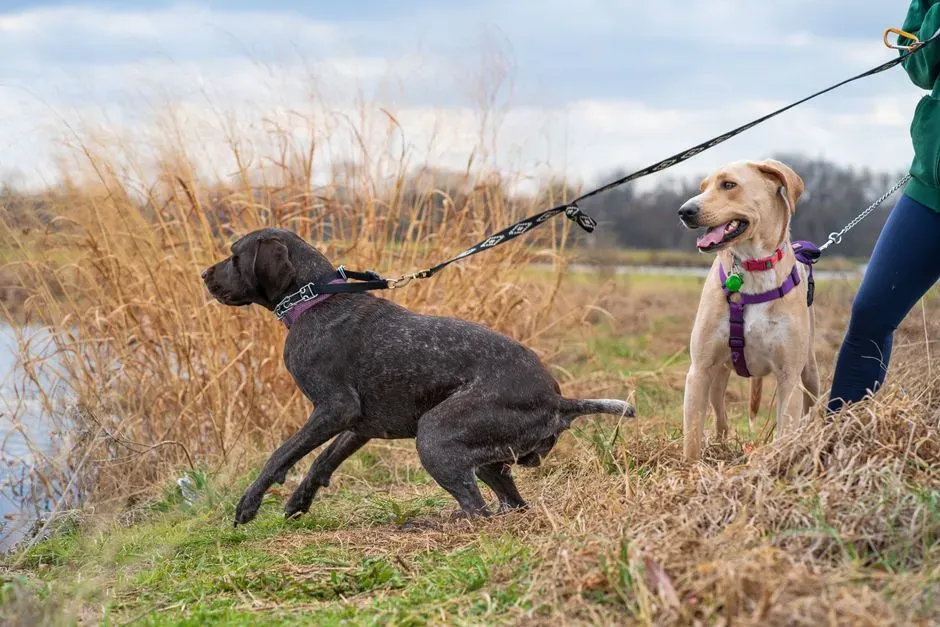
On the flip side, pausing in the same spot can sometimes signal anxiety instead of curiosity. If your dog freezes, licks their lips, tucks their tail, or leans back on the leash, that pause might be them bracing themselves. Maybe a loud truck once roared past there, a skateboard startled them, or another dog lunged in that exact space.
Dogs remember where they felt scared, even if they do not remember every detail of what caused it. That spot can become a kind of mental speed bump. Instead of bouncing through, they stop, scan, and gather courage before moving on. If you notice tension in their body language along with the pause, it is worth treating that area with extra patience and reassurance, not pressure.
Your Dog Is Using the Spot as a Predictable Decision Point
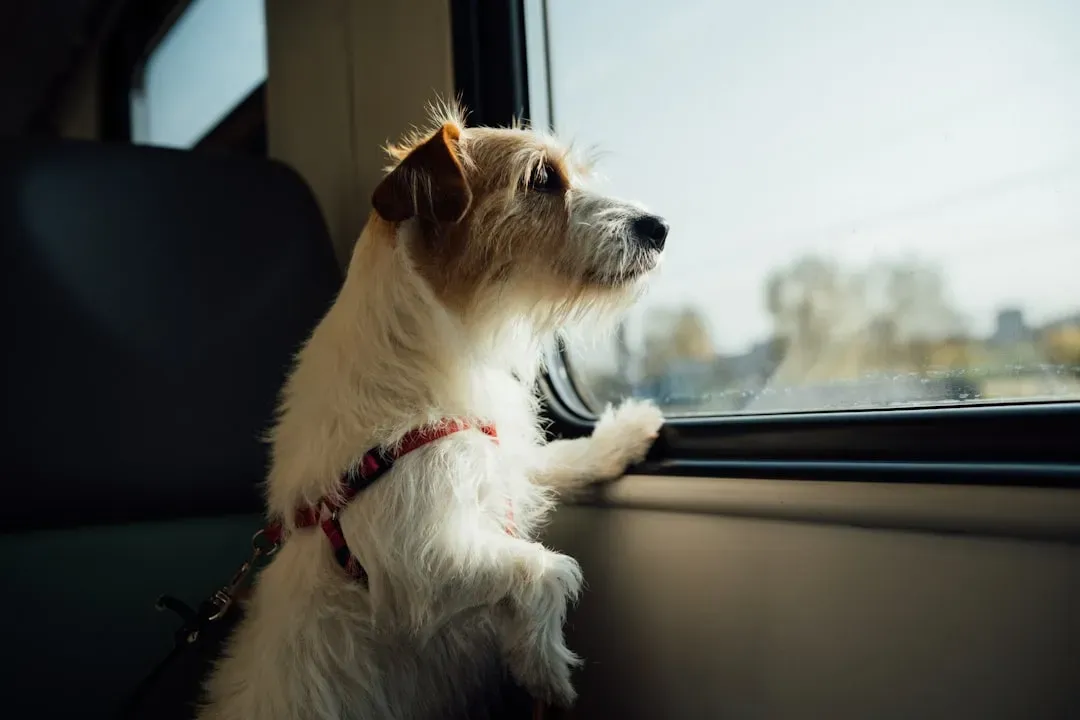
Dogs are surprisingly good at creating little rules for themselves on walks. That one corner or driveway might have become a landmark: the place where you usually turn left, head toward the park, or start walking home. Over time, your dog can begin to treat that spot as a decision point, pausing there as if to say, “OK, what are we doing today?”
This is especially true if your route changes sometimes. If half the time you turn one way and the other half you continue straight, it teaches your dog that this is where paths diverge. That tiny pause may be them anticipating your choice, checking your body language, and almost negotiating the route with you. It is less mystical than it looks and more like how we hesitate at an intersection while we think about our next move.
The Ground Feels Different Under Their Paws
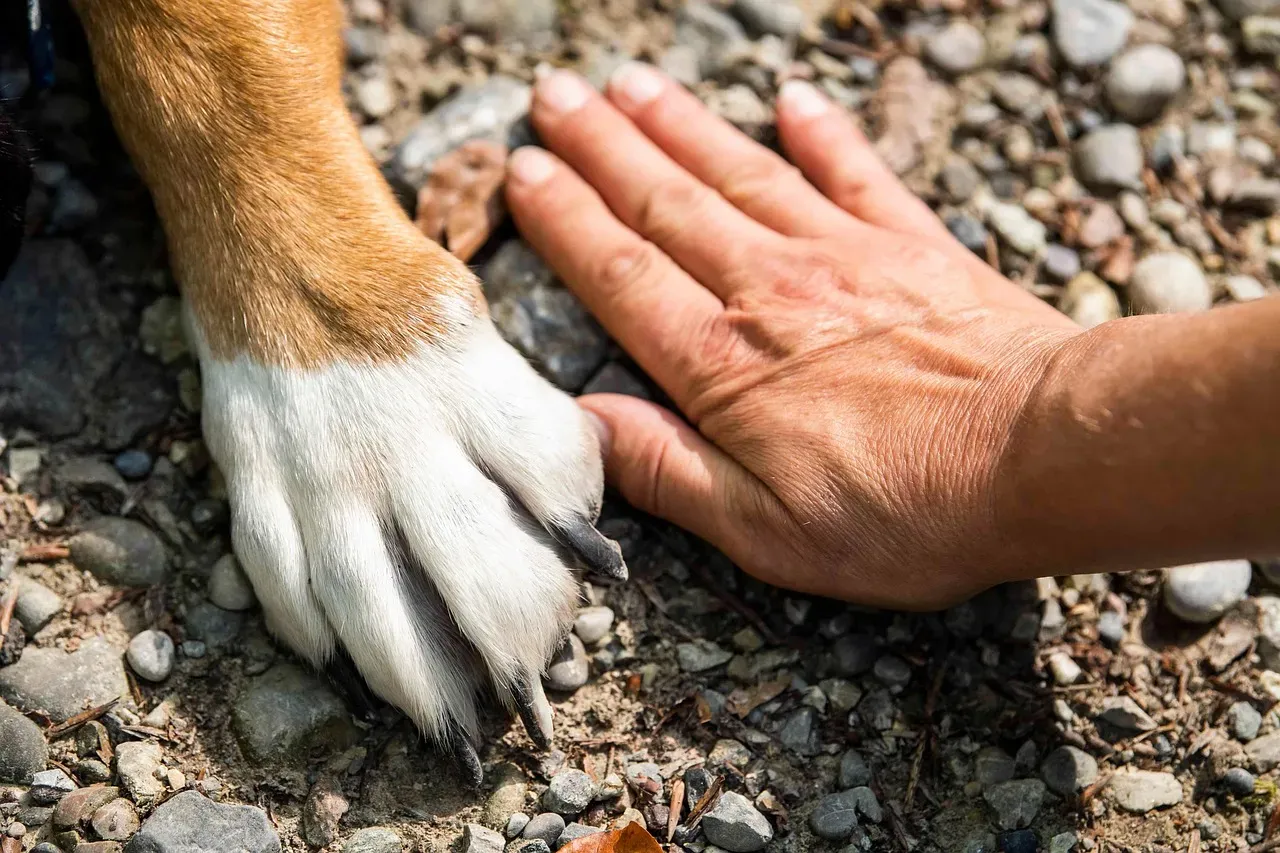
Not all reasons are emotional; sometimes it is just about texture and comfort. That spot may have a different kind of surface: cooler shade, softer grass, a rough patch, a metal grate, or warm concrete. Dogs experience the world through their paws much more than we do in shoes, and one odd-feeling patch can earn a regular inspection or hesitation.
In hot or cold weather especially, dogs might slow down where the temperature suddenly changes underfoot, such as from sun to shadow or sidewalk to soil. The repeated pause can simply be them adjusting, savoring a cool area, or bracing for a surface they do not love. Think of how you instinctively slow down before stepping into a cold pool; they are doing their own version of that.
A Health Issue Makes That Moment of the Walk Harder
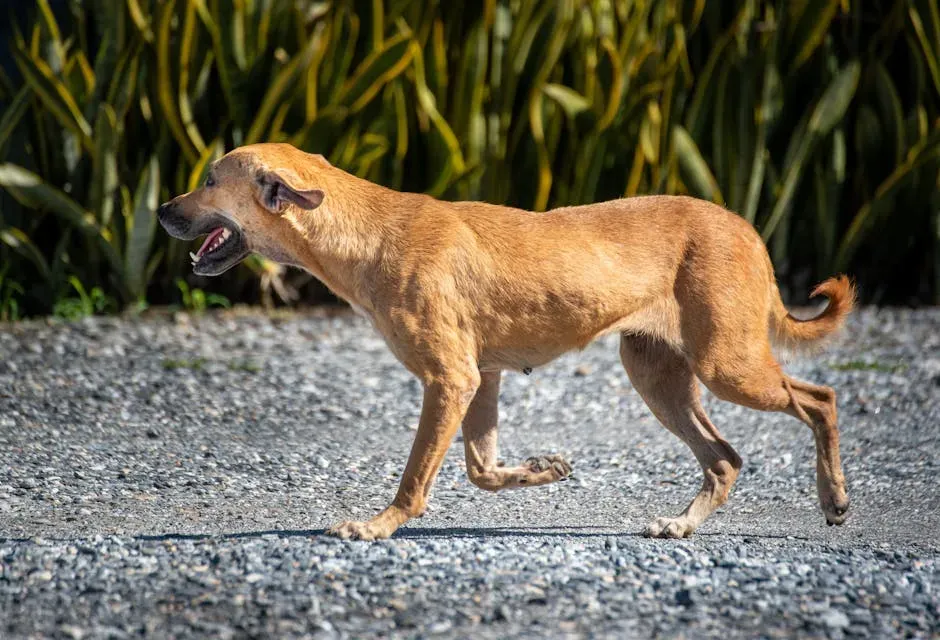
Sometimes, a repeated pause is less about the place and more about how your dog feels when they reach it. If the stop tends to happen at roughly the same time into the walk, that spot may line up with when discomfort starts to kick in. Early joint pain, sore paws, breathing difficulty, or even digestive discomfort can all change how a dog moves and when they need a break.
If you notice limping, stiffness, lagging behind, heavy panting, or a sudden change from past behavior, it is wise to take it seriously. Dogs often try to power through pain, so a repeated hesitation could be one of the few clues they give us. In that case, the spot is not magical at all; it just happens to be where their body starts complaining. Checking in with a veterinarian is the most caring way to rule out a physical problem.
Your Dog Has Learned That Pausing There Gets a Reaction
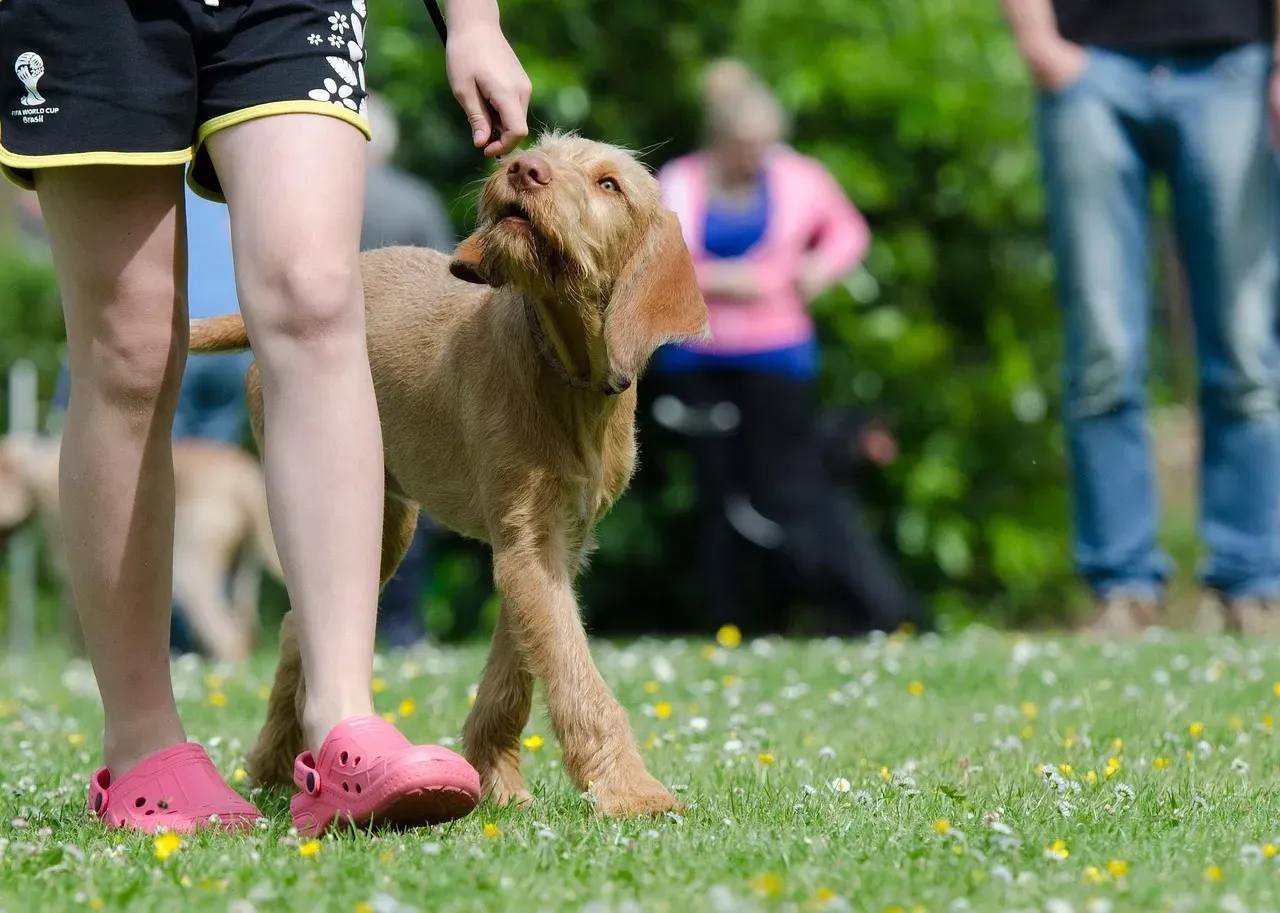
Dogs are brilliant pattern matchers, and we humans unintentionally train them constantly. If your dog paused at that spot once and you laughed, bent down to pet them, pulled out a treat, or even argued with them playfully, they may have filed that away as cause and effect. Pause here, and the human does something interesting.
Over time, that tiny interaction can grow into a full ritual. The dog stops, you respond, they get attention or a snack, and the cycle reinforces itself. They might not be thinking about the spot itself as much as the little dance you do together there. It is a reminder that sometimes the weirdest behaviors are not mysterious at all; they are just our dogs being very good at training us back.
So, Is It Cute, Concerning, or Something In Between?
When a dog keeps pausing in the same spot on every walk, the honest answer is that it is usually normal, sometimes meaningful, and occasionally a red flag. I tend to see it as a window into how rich their world really is. What looks like a random crack in the sidewalk to us can be a swirling mix of scent, memory, and habit to them, and I think that is both humbling and kind of beautiful.
That said, I am firmly of the opinion that we should not ignore our gut. If your dog’s pause looks relaxed and curious, it is probably just part of their daily story. But if their body language feels tense, their energy suddenly changes, or this is a new behavior paired with soreness or anxiety, it is worth slowing down, watching more carefully, and when in doubt, looping in a veterinary professional. After all, our dogs spend their lives trying to interpret our strange human world; the least we can do is take their little pauses seriously. When your dog freezes at that familiar spot tomorrow, will you rush them past, or will you stop for a moment and ask what they might be trying to tell you?


