
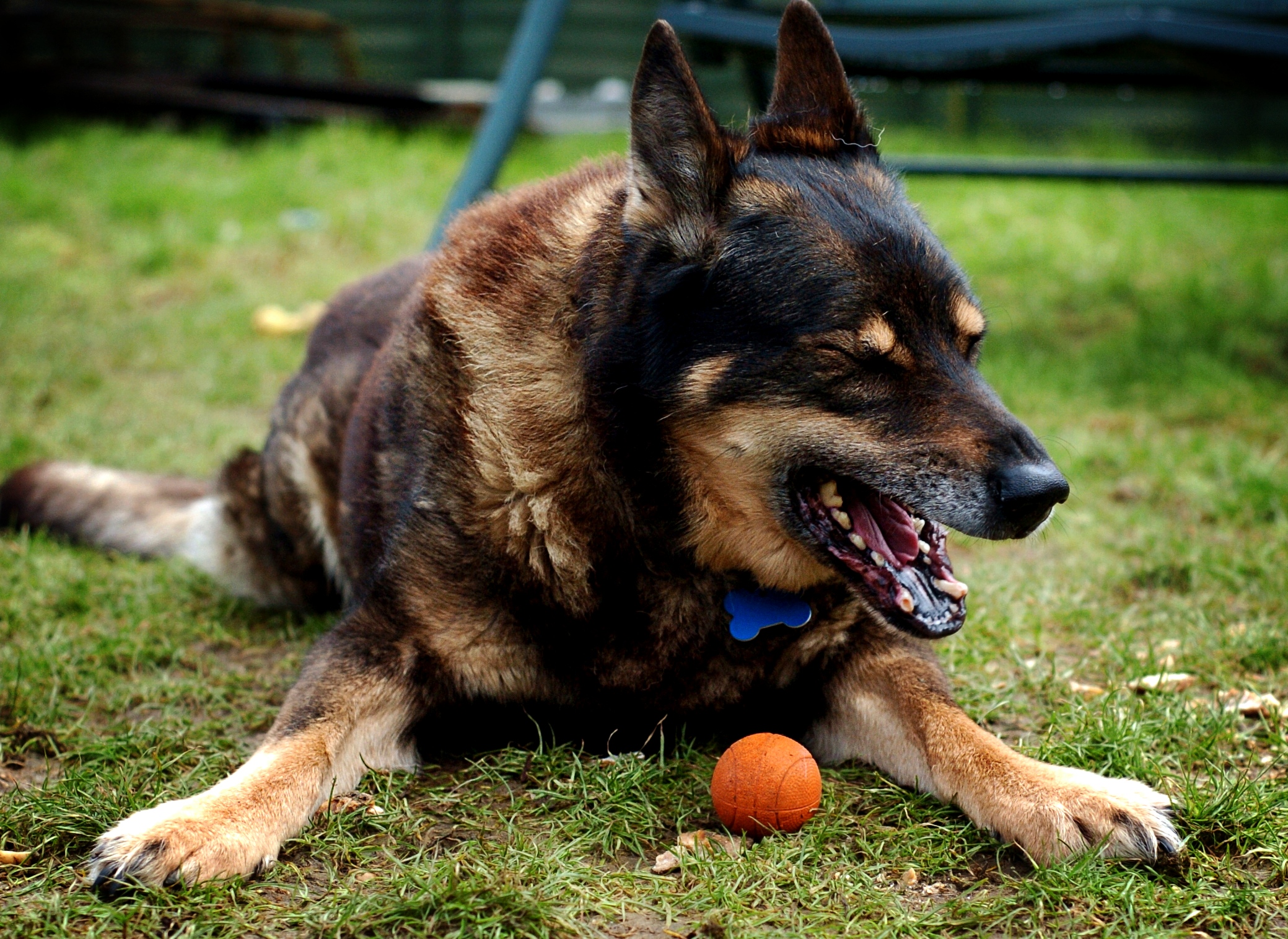
You know that moment when you’re frustrated, your voice goes up a notch, and your dog… yawns? It can feel infuriating, almost like they’re rolling their eyes at you in slow motion. But what looks like boredom or attitude is actually something far more vulnerable: a quiet, biological attempt to calm things down before they spiral.
Modern animal behavior research has been steadily reframing these tiny, easily-misread moments. What seems like a shrug is often a canine peace offering, and yawning in tense situations is one of the clearest examples. Once you see that yawn for what it really is – a stress signal instead of a snub – it becomes almost impossible to stay mad. Instead, you start to see a dog desperately trying to keep the relationship safe.
That “Annoying” Yawn Is Your Dog Saying: This Is Too Much For Me
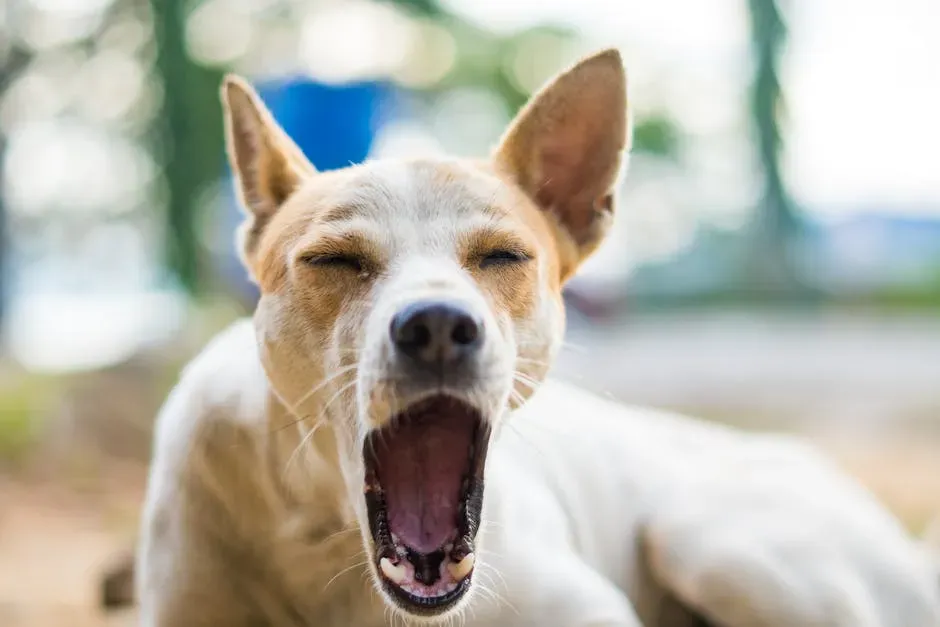
When your dog yawns right after you raise your voice, they are not checking out of the conversation; they are checking in with their own nervous system. Yawning in dogs, especially in the middle of conflict, is strongly associated with increased stress and arousal. It shows up when they are overwhelmed, uncertain, or trying to diffuse a situation that feels unsafe or confusing.
Think of it like your dog’s version of taking a deep breath before things get worse. Just like you might rub your temples during an argument or look away to regroup, your dog’s yawn is a subtle, built-in reset button. It is less about disrespect and more about self-preservation, a little sign that your emotional intensity is spilling over into their comfort zone.
Canine “Calming Signals”: The Silent Language of De‑Escalation
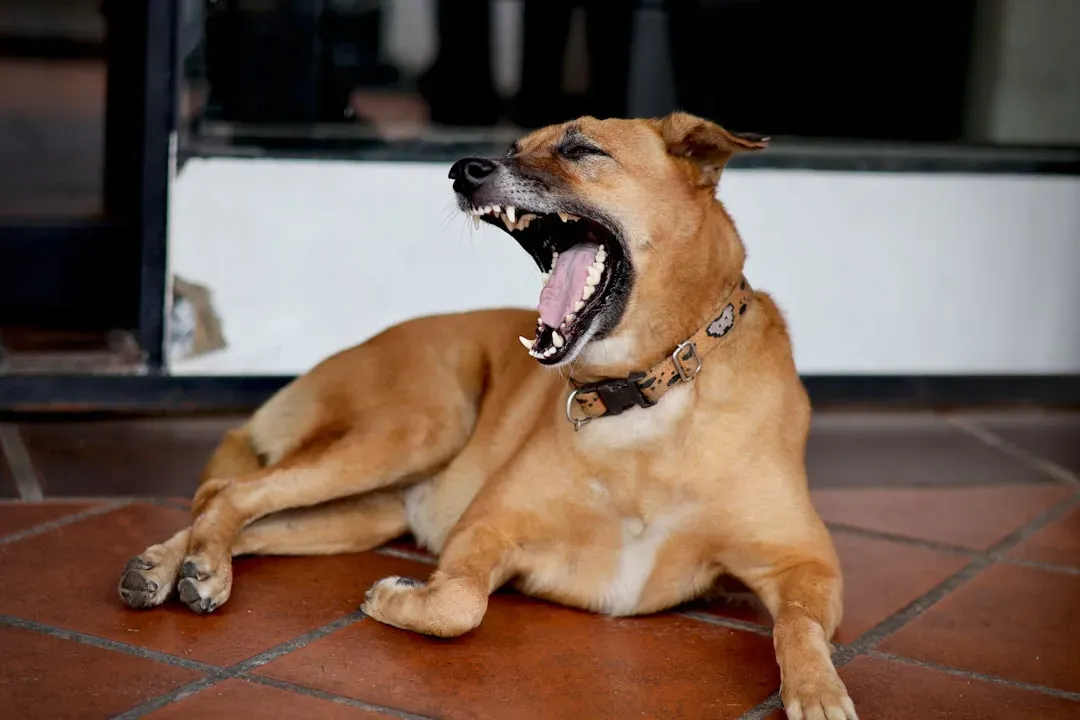
Yawning is part of a broader set of behaviors often called calming signals – small, almost throwaway actions dogs use to reduce social tension. These can include lip licking, turning the head away, blinking slowly, sniffing the ground, or suddenly acting “busy” with something else. On their own they look random; together they form a quiet, sophisticated language of peacekeeping.
What matters is context: the same yawn after a big stretch on the couch is just tiredness, but a yawn right after you shout, lean over them, or scold them strongly is more like a white flag. Dogs use these signals with each other too, especially when play starts getting rough or someone is pushing too hard. Your dog does not stop being a dog just because they live with humans; they bring that social toolkit into every interaction with you.
Why Raised Voices Hit Dogs Harder Than You Think

To us, a raised voice might just mean emphasis or frustration; to a dog, it can sound like a thunderclap pointed directly at them. Dogs are incredibly sensitive to changes in tone, volume, and body tension. When you go from neutral to sharp and loud, your dog is not parsing the words as much as the emotional charge behind them, and that charge can feel like a threat.
Even if you believe you are “just being firm,” your dog’s nervous system might already be in overdrive. Heart rate goes up, muscles tighten, their ability to think clearly drops, and instinct takes over. In that state, a yawn is not laziness – it is a stress-release valve trying to keep your relationship from tipping into something truly scary. Ironically, the more you escalate, the more your dog’s brain pushes toward self-protection instead of learning.
Stress-Reduction in Real Time: What the Yawn Is Doing Inside the Brain
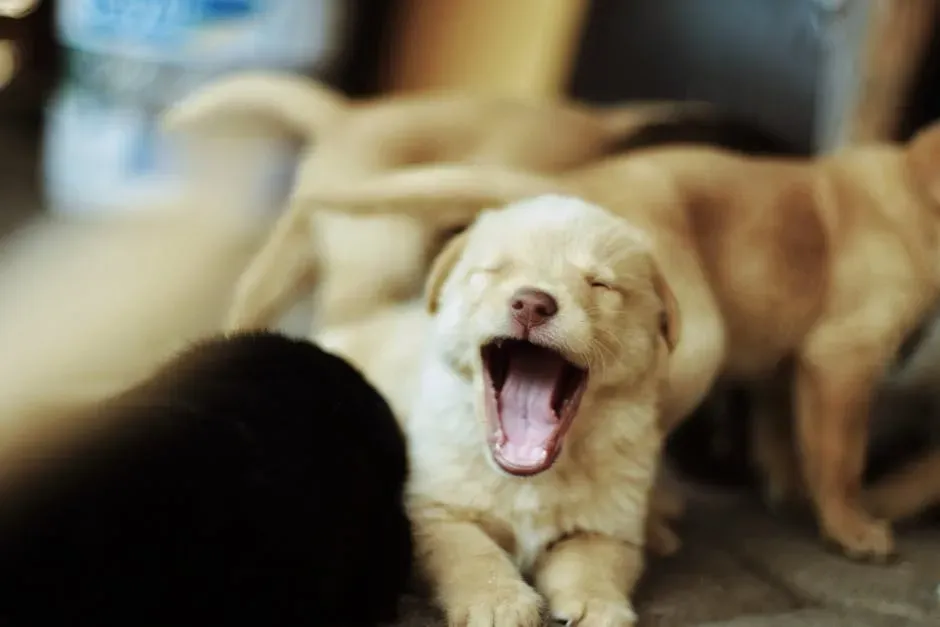
Yawning is linked to shifts in arousal and brain temperature, and in tense social situations it tends to show up when the nervous system is under pressure. By stretching facial muscles, changing breathing patterns, and momentarily altering blood flow, a yawn can help modulate the dog’s internal state. It is not a magic cure, but it is one of the body’s ways of trying to return to something that feels safer and more stable.
In practice, this means your dog yawns because their body is saying: this is getting to be too much, I need to dial it down. It is a physical act with emotional meaning layered on top. When people dismiss it as “just a yawn,” they miss that the dog is actively working to cope, just like a person fidgeting with their hands or taking a long exhale during a fight. That effort deserves respect, not more pressure.
How Your Reaction Can Either Calm Things Down or Make Them Worse
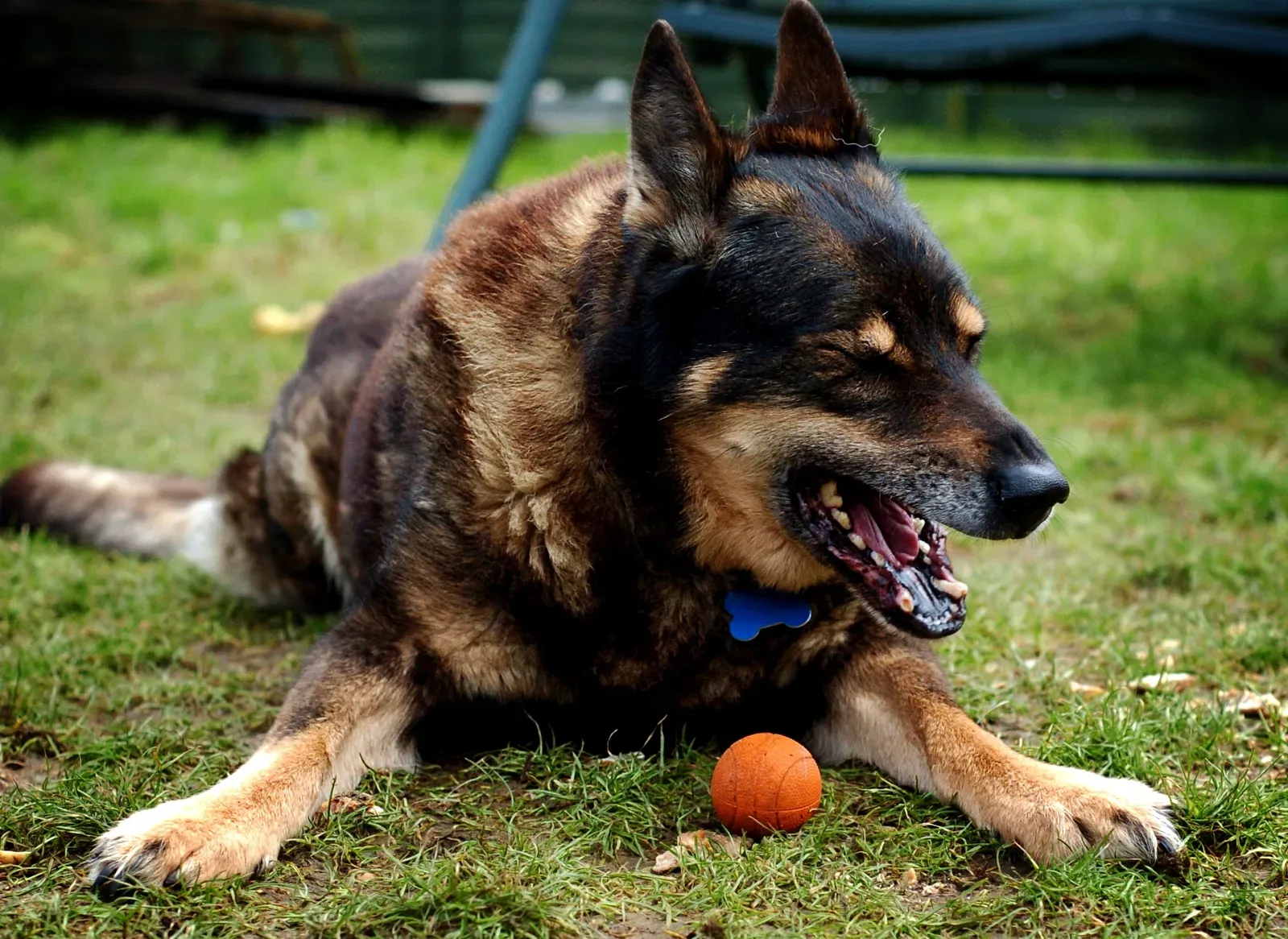
Here’s the uncomfortable truth: if your dog yawns and you respond by doubling down – more yelling, harsher posture, grabbing their collar – you teach them that even their gentlest attempts to de-escalate do not work. Over time, some dogs simply freeze and shut down, while others may eventually skip the subtle warnings and go straight to more dramatic behaviors like growling or snapping. It is not because they are “bad”; it is because their softer signals were ignored.
If you instead treat the yawn as a flashing warning light, everything changes. Pausing, softening your voice, turning a bit sideways, or giving the dog a moment to breathe can quickly lower the emotional temperature. You are not “letting them get away with something”; you are choosing a smarter, safer path to communication. A dog that learns their calming signals are acknowledged and effective is more likely to stay thoughtful and less likely to feel trapped.
What To Do Instead of Yelling: Practical, Humane Alternatives
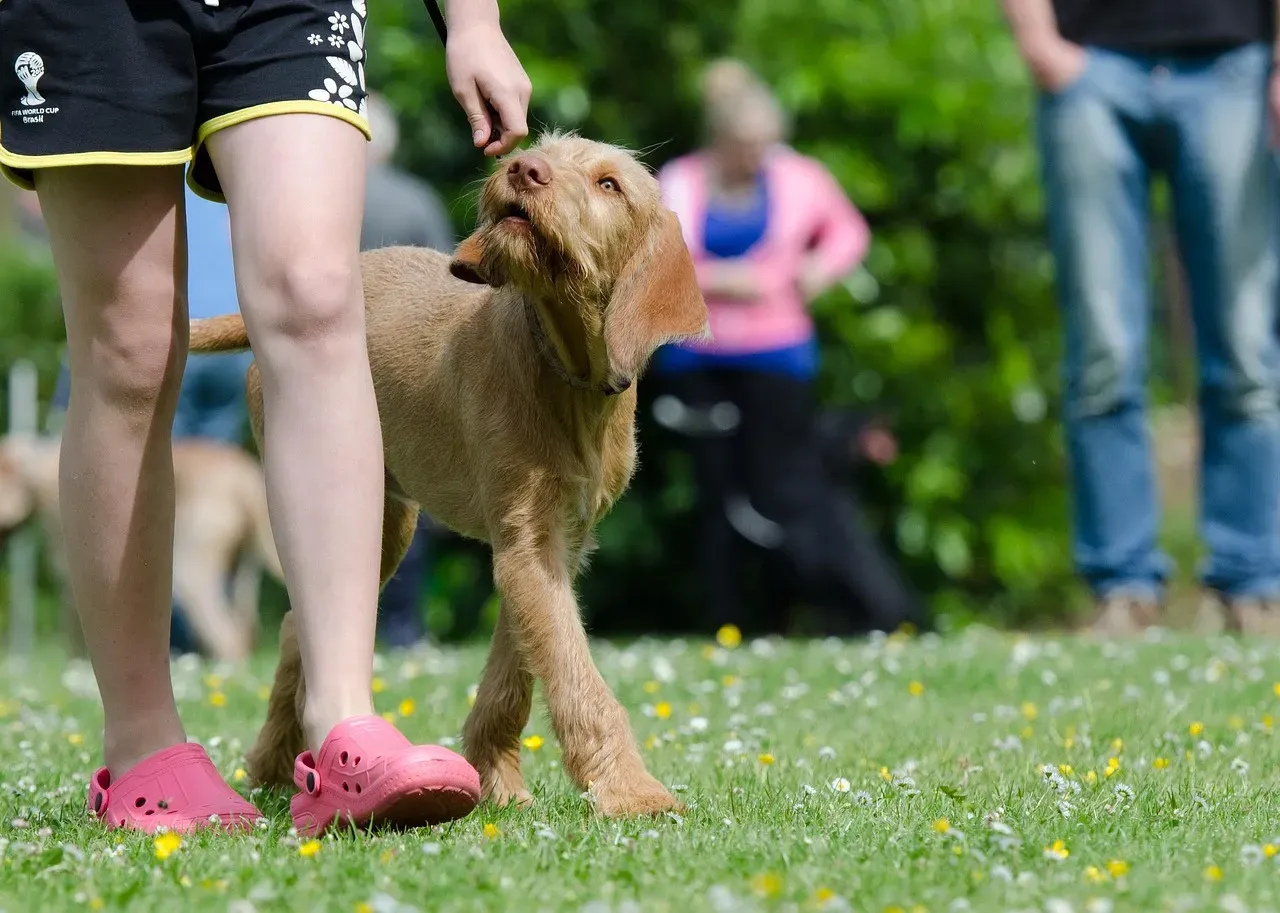
When you catch yourself starting to raise your voice, try to see it as a cue to pause, not push. Take a breath, step back, and give your dog a simple, clear instruction they already know, in a neutral or slightly upbeat tone. Reward the behavior you want, rather than unloading all your frustration on the behavior you hate. You will get more cooperation from a brain that is not flooded with stress.
It can help to pre-plan your responses, almost like rehearsing lines before the emotional moment hits. For example, instead of shouting when your dog jumps on the counter, calmly call them away, ask for a sit, and then redirect them to something appropriate. The more often you respond with structure instead of anger, the less your dog will need to lean on stress signals like yawning in the first place.
Reframing the Yawn: From “Disrespect” to Deep Trust
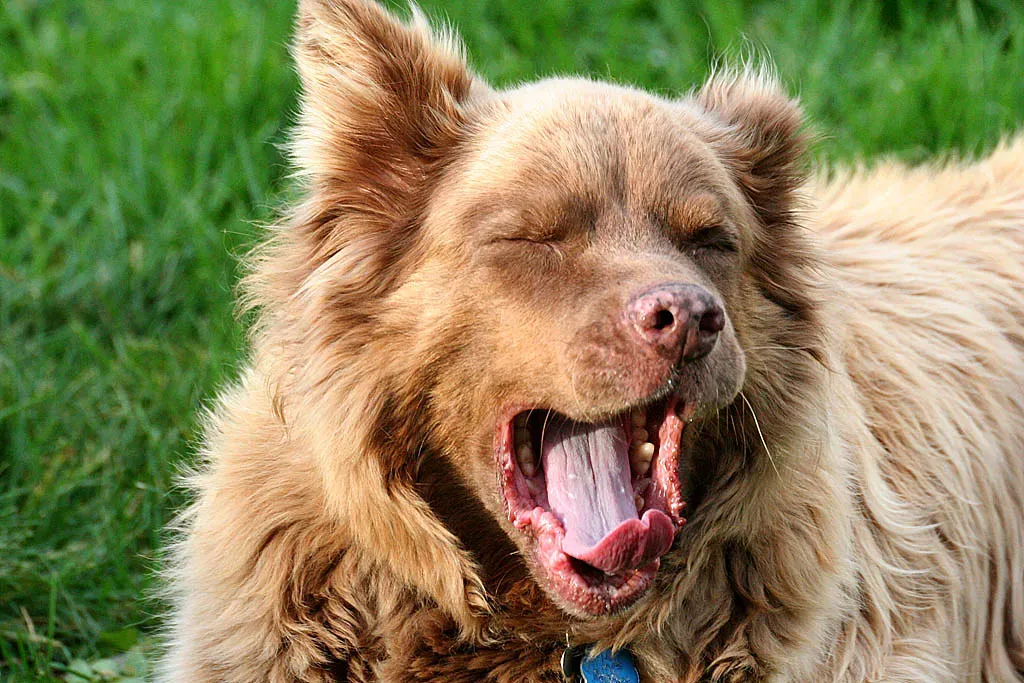
Once you understand what that yawn really means, it stops being irritating and starts being heartbreakingly honest. Your dog is not shrugging you off; they are saying, in the only language they have, that the moment is scary and they are trying to keep the bond intact. It is strangely humbling to realize that in the middle of your worst moods, your dog is the one reaching for truce.
In my own life, the first time I caught my dog yawning right after I snapped at him, I felt annoyed – until I learned what it meant. Now, that same yawn hits like a mirror: it shows me my own intensity reflected back in a nervous system that depends on me. And honestly, I think that is the real challenge here. This is not about perfect training; it is about being willing to see your dog’s stress as valid and to take responsibility for dialing yourself down, too. If a simple yawn can become a bridge instead of a breaking point, why would we choose to ignore it?


