
Have you ever watched your dog suddenly freeze on a walk, lower their nose to the ground, and transform from goofy family pet into laser‑focused detective? One second they are sniffing a lamppost like usual, and the next they are locked in, pulling you forward as if they just discovered a secret trail only they can see. That shift is not random. It is your dog switching into “fresh scent mode,” and once you know the signs, you will never unsee them.
Dogs live in a world of smells the way we live in a world of sights. When a scent is fresh, strong, and exciting, their whole body language changes. They move differently, breathe differently, even think differently. Let’s dive into the specific things dogs do when they are following a new, fresh scent, so the next time it happens, you can recognize what is really going on in that brilliant nose-driven brain.
1. Their Nose Drops and Stays Locked In One Direction
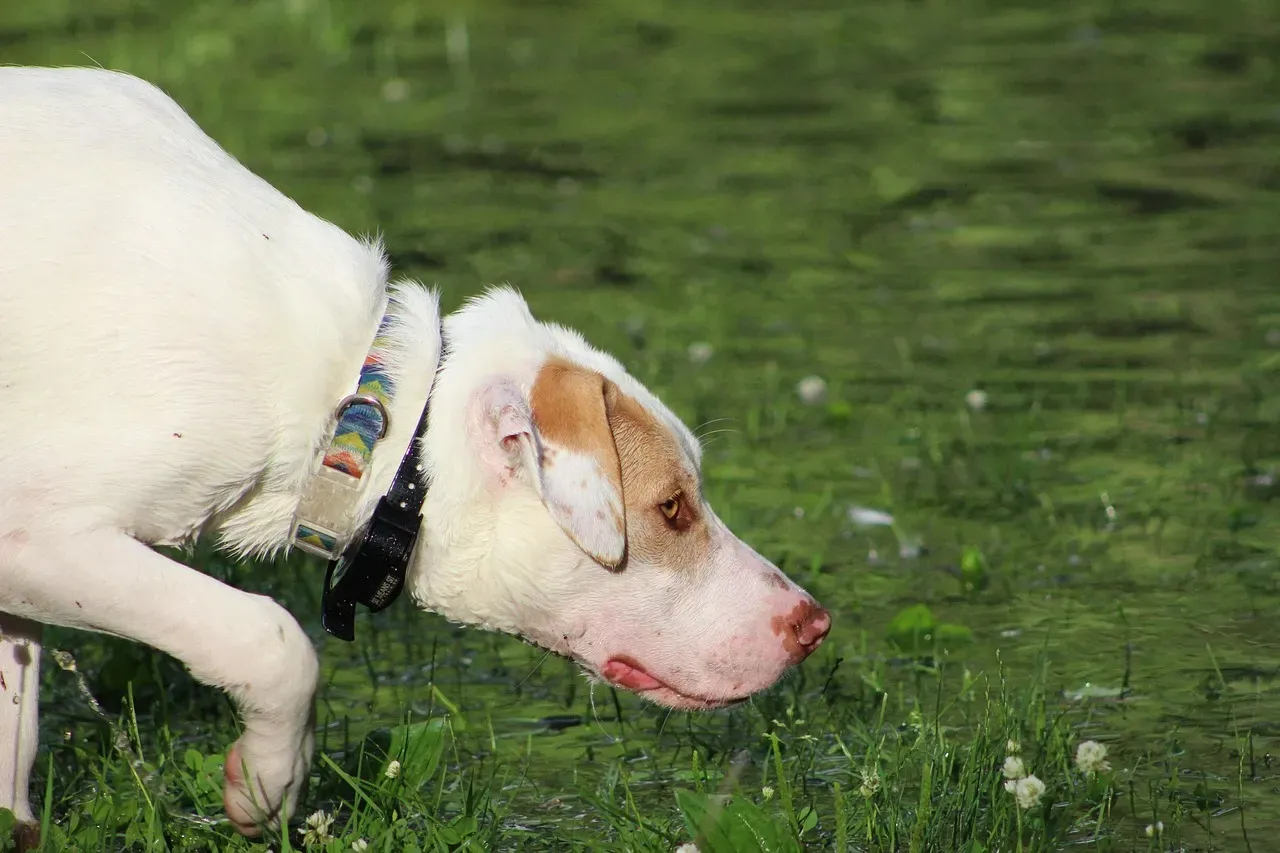
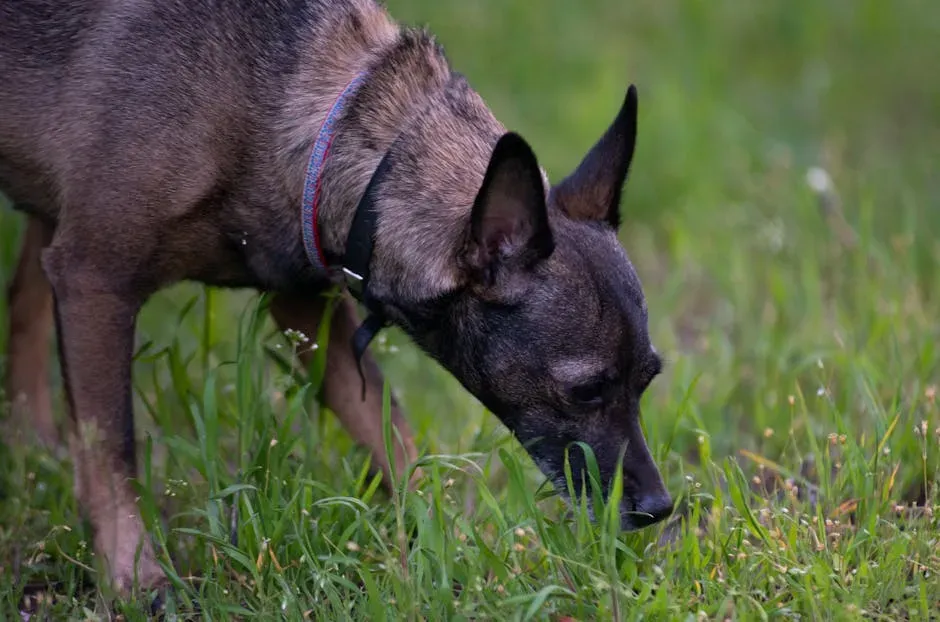
When a dog hits a fresh scent, their nose often drops like a magnet snapping onto metal. Instead of casually sniffing here and there, they will hold their nose low to the ground or point it straight into the breeze and keep it there with a kind of stubborn determination. You might call their name and they just… ignore you, because in that moment the smell is louder than your voice.
On a normal walk, your dog’s nose tends to bounce around from one spot to another, like scrolling through social media. With a fresh scent, it is more like binge-watching a single show for hours. That consistent nose position is one of the clearest signs they are not just sniffing for fun anymore; they are tracking something that feels recent, important, and worth following.
2. Their Breathing Changes Into Fast Little Sniff-Bursts
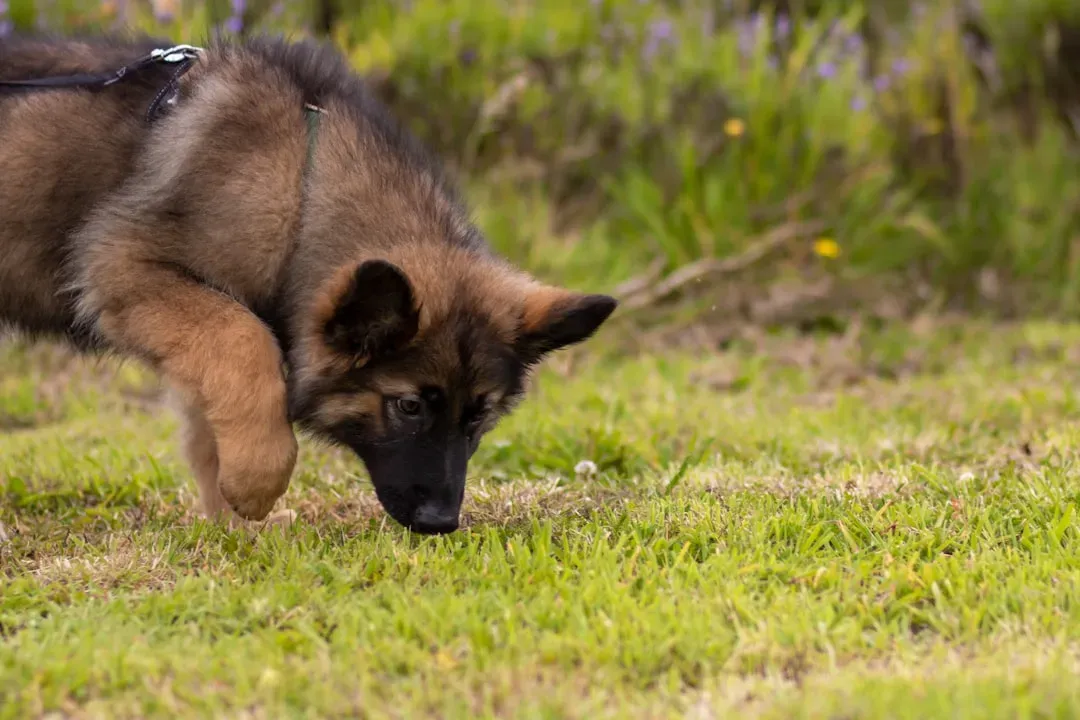
If you pay close attention, you can sometimes hear or see your dog’s breathing change once they lock on to a smell. Instead of slow, relaxed sniffs, they switch to quick, repetitive sniff-bursts, pulling air in and out like a tiny pump. They are not panting from heat or stress; they are sampling the air over and over to grab as much scent information as possible.
This rapid-fire sniffing helps scent molecules hit the right receptors deep inside the nose again and again, letting them build a more detailed “picture” of what they are smelling. Think of it like zooming in with a camera lens. When my own dog does this, her entire muzzle moves in short, sharp pulses, and I know instantly: she is not just curious, she is decoding something that feels brand new.
3. Their Body Gets Low, Tight, and Purposeful
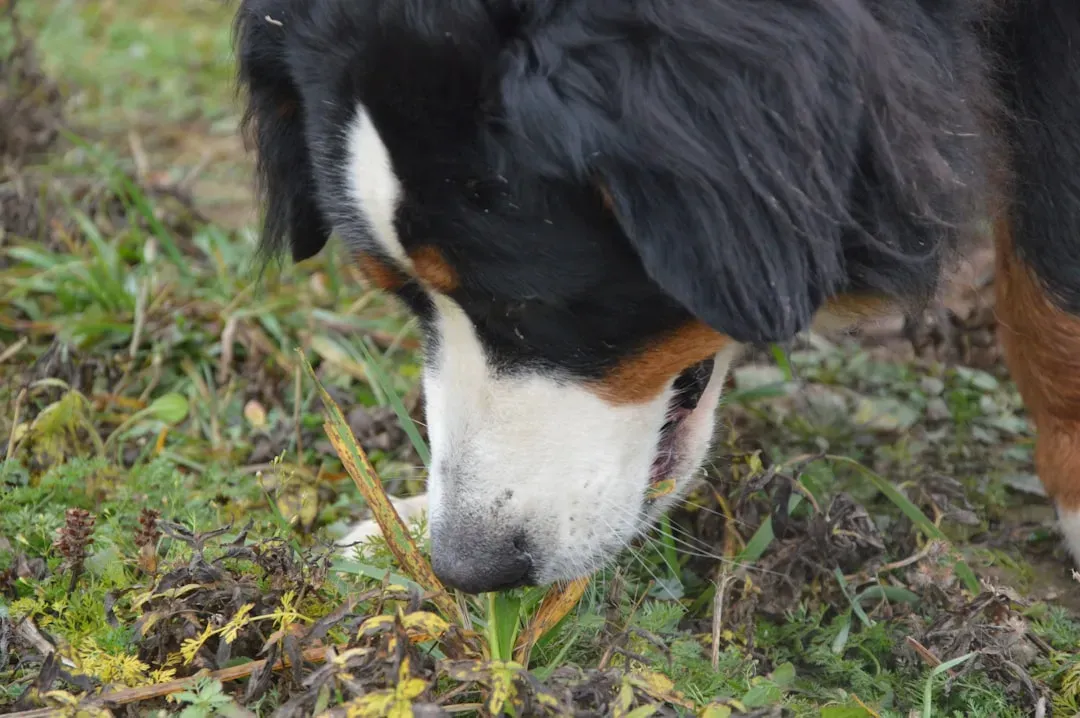
A dog casually sniffing around a park looks loose and wiggly, tail swinging, shoulders relaxed. A dog following a fresh scent line looks completely different. Their body usually lowers a bit, their muscles tighten just enough, and their movements suddenly have a straight, purposeful quality. It is like watching someone go from window-shopping to speed-walking toward a specific store.
They might lean slightly into the direction of the trail, using their whole body to drive them forward. That low, streamlined posture helps bring their nose closer to the source of ground-level smells, especially if they are tracking footprints or a path where an animal or person just walked. You can feel the shift through the leash: it gets firmer, more insistent, as if your dog is saying, “Come on, we are going this way now.”
4. Their Tail Becomes a Moving Signal Bar
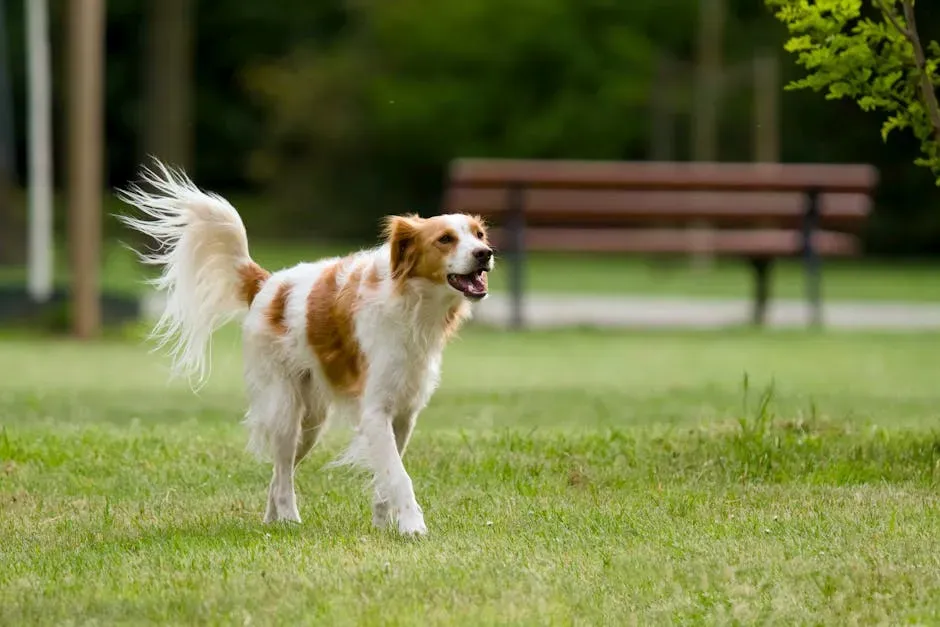
Watch the tail, because it often tells you how “hot” the scent is. Many dogs raise their tail slightly when they catch a fresh smell, and it may start wagging in a tighter, more controlled way rather than big, loose happy swings. In some dogs, the tail might even freeze for a second when the scent hits them, then start moving again as they begin to follow it.
The tail can also change as they move along the trail: you might see it lift when the scent gets stronger, and droop a little when they lose the trail. It is almost like the signal bars on your phone going up and down depending on reception. Once you start noticing this, your dog’s tail becomes a real-time tracker for how confident they are about where the scent is leading.
5. Their Walking Pattern Turns Into a Scent “Path”
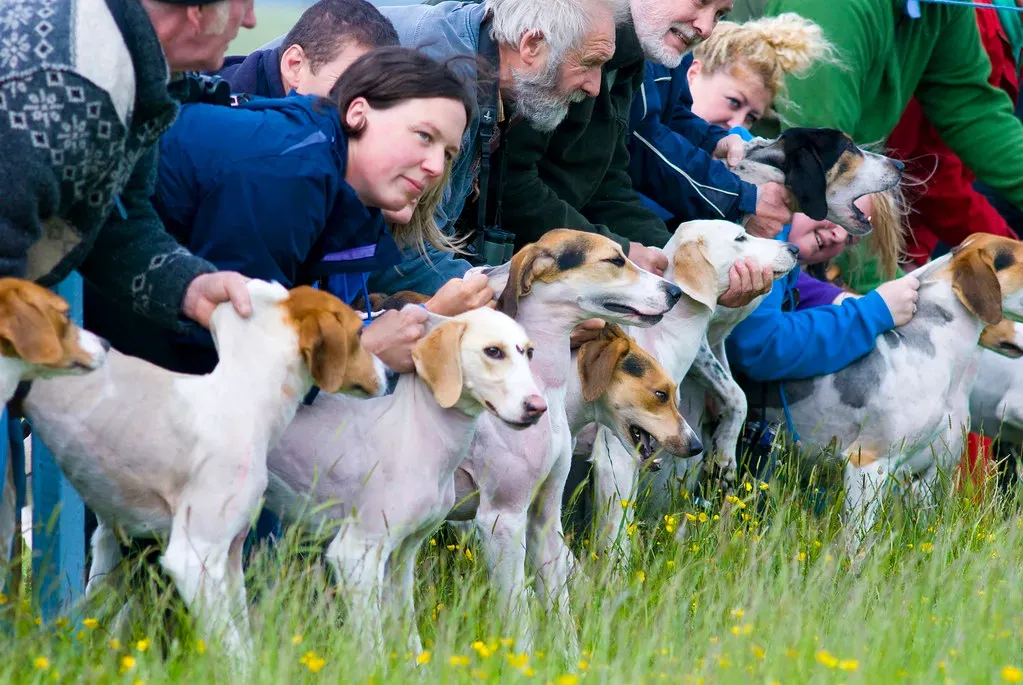
On a normal walk, most dogs wander in loose curves, stop often, and double back for no particular reason. When they are on a fresh scent, their path suddenly looks more like a line or a focused zigzag. They will move forward with fewer random stops, maybe veering slightly left or right as they adjust to where the scent is strongest, but always with a sense of direction.
Sometimes this looks almost spooky: your dog might follow what seems to be an invisible track across grass, around a corner, or even across a parking lot. You see nothing. They see a trail made of smell. They may circle a small area briefly when they lose the scent, then pick up the line again and continue. That shift from wandering to following is one of the biggest giveaways that the scent is fresh and guiding their feet.
6. Their Ears Tune Out the World Around Them
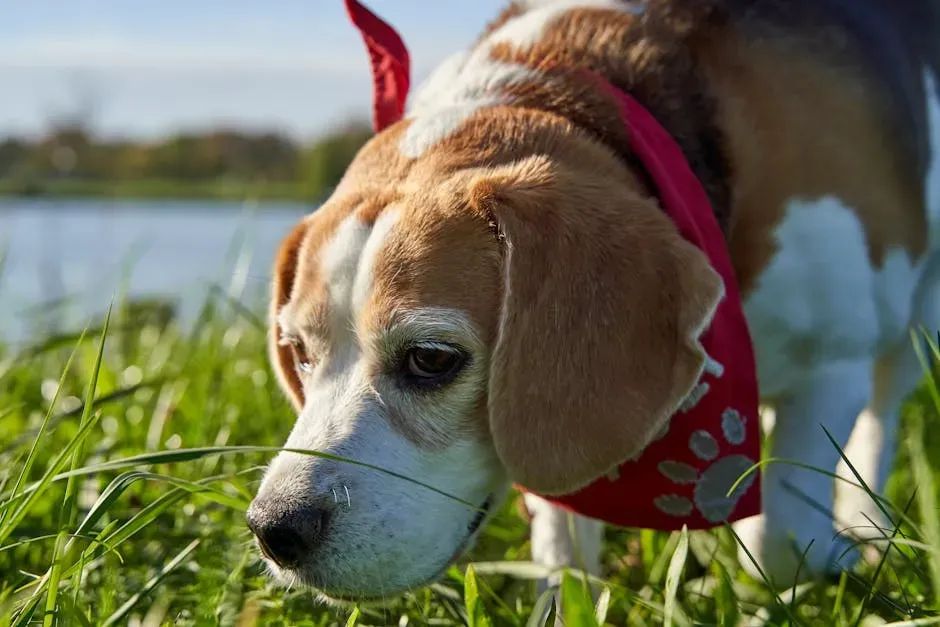
Dogs are usually quick to react to sounds: a car door closing, a squirrel chattering, another dog barking in the distance. But when they are deep into a fresh scent, you might notice their ears stop reacting so much. They may still flick now and then, but their main focus is clearly not on what they are hearing, it is on what they are smelling.
You might call their name and get a delayed response, or none at all, especially if your recall is still a work in progress. It is not that they stopped loving you in that moment; it is that their brain is prioritizing the intense smell in front of them. I have had moments where I felt almost invisible to my own dog when she was tracking something fresh, and honestly, it is a powerful reminder of just how strong their nose instinct really is.
7. They Start Casting or “Sweeping” Like a Living Radar
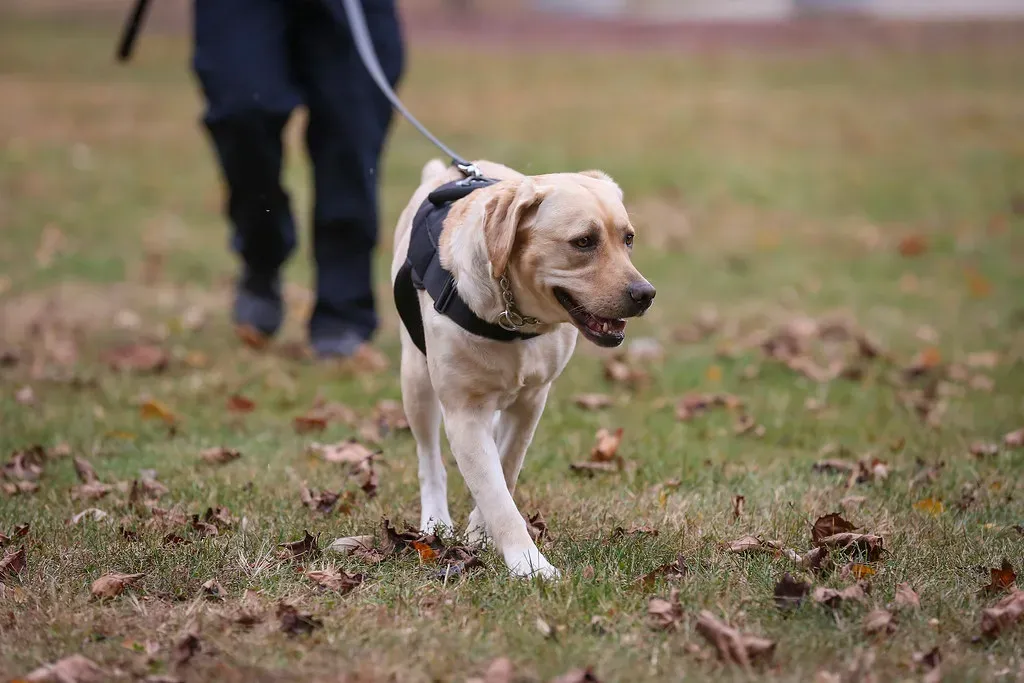
When a scent is fresh but patchy, many dogs begin to cast or sweep, moving their head and body side to side in a deliberate way. They are not just being indecisive; they are scanning the air and ground to figure out where the smell is strongest. It looks a little like a person waving a metal detector back and forth on a beach, searching for the strongest signal.
You may see your dog trot a few steps one way, pause, then swing back the other direction, all while keeping their nose busy. That pattern helps them stay on the “track” of the scent, especially if wind, rain, or surfaces like concrete have scattered it. When my dog does this, I can almost see her mentally stitching together a map from little scraps of smell, and it is honestly more impressive than most crime shows.
Dogs following a fresh scent often seem to forget you exist, but if you watch closely, their eyes tell you a different story. They tend to glance less at the environment and more at the ground or into the distance along the direction they are tracking. Some dogs keep their eyes slightly narrowed or focused ahead, almost like they are seeing the path play out in front of them.
That narrowed visual focus pairs with their intense olfactory focus. Instead of reacting to every movement around them, they filter it out and keep following their invisible trail. It is a bit like when you are driving somewhere new and you instinctively turn down the radio to “see better.” Your dog is doing the opposite: turning up the smell and dimming everything else.
9. Their Whole Energy Shifts Into “Work Mode”
Above all, a dog on a fresh scent feels different. The playful, bouncy energy you see in the yard turns into a kind of serious, almost professional vibe. Even if your dog has never had formal scent training, the ancient part of their brain that was built for tracking wakes up, and it can be surprisingly intense to witness.
They may show more stamina, pulling to keep going even when they would usually be getting tired, and they might seem more stubborn about changing direction or going home. This is why many working dogs that track people or animals are so driven: following a fresh scent is not just fun, it is deeply satisfying. For a lot of dogs, it feels less like a hobby and more like a calling.
Conclusion: Letting Dogs Be the Noses They Were Born to Be
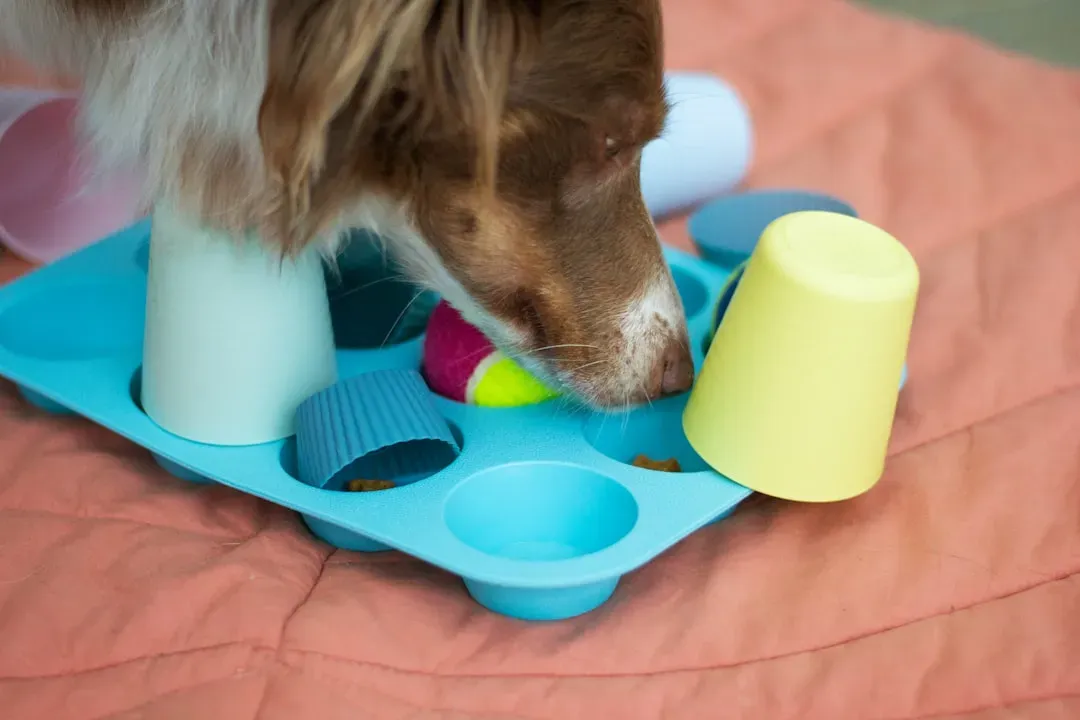
Watching a dog follow a fresh scent is like getting a backstage pass to their natural superpower. We often treat sniffing as a distraction or a bad habit on walks, but when you really pay attention, you see it for what it is: a form of work, problem‑solving, and joy all rolled into one. In my opinion, we underestimate how much dogs need chance after chance to use their nose the way it was designed to be used.
You do not need to become a professional handler or do formal tracking to honor that instinct. Simply allowing more “sniff time,” noticing the signs of fresh scent tracking, and sometimes following their lead can turn an ordinary walk into the highlight of their day. The next time your dog drops their nose, tightens their body, and pulls you confidently down a mysterious path, maybe let them guide you for a bit and see where that invisible trail goes. Who knows what hidden stories your dog has been reading under your feet this whole time?


