
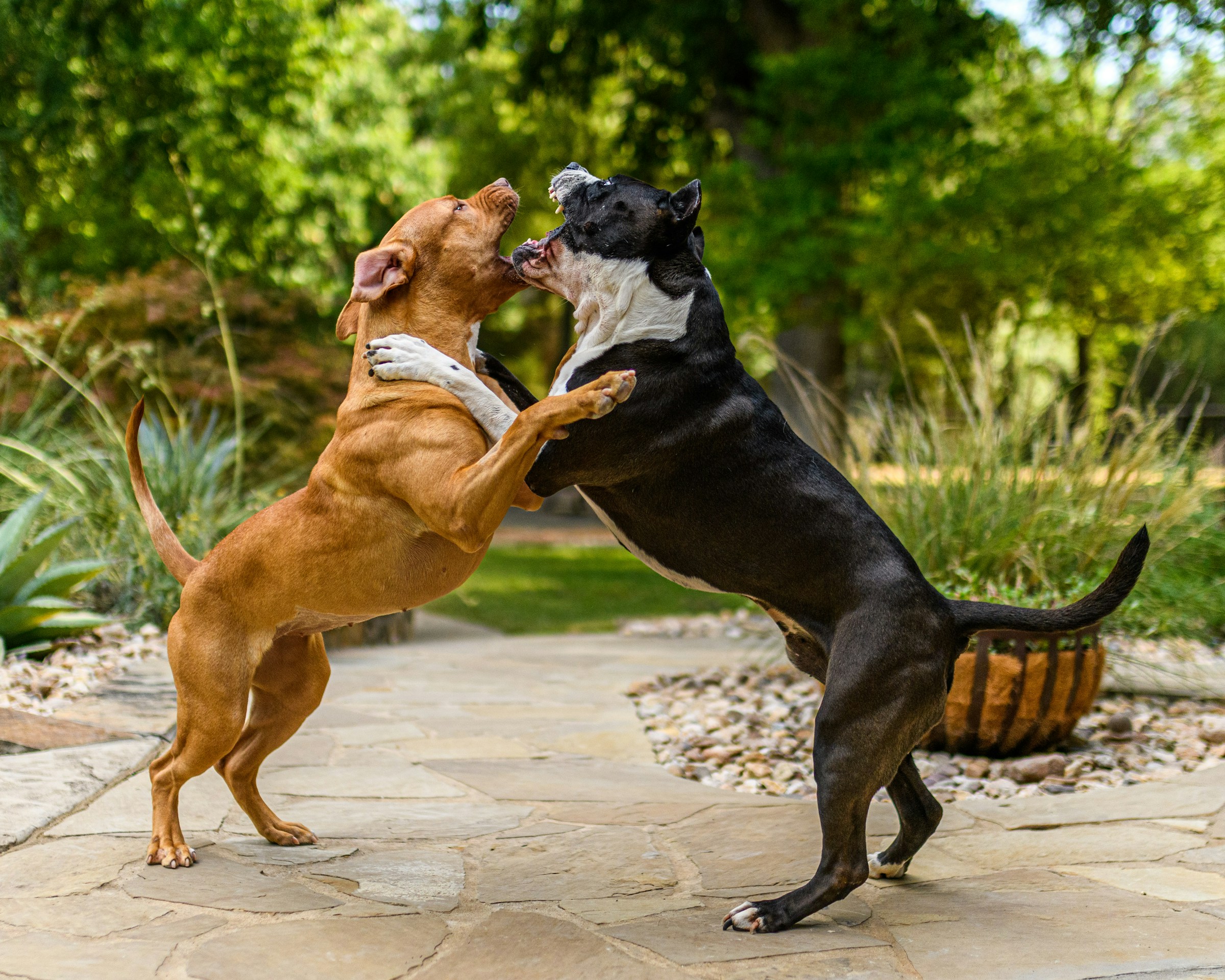
Dogs are way more subtle than we give them credit for. While a wild burst of barking is the obvious “let’s go!” signal, most dogs actually rely on body language and quiet little rituals to kick off a play session. If you only watch for sound, you can completely miss the whole conversation they’re having right under your nose.
Once I started paying attention to my own dog’s silent invitations, it honestly felt like learning a new language. A sideways glance, a dramatic flop, a silly zoom past the couch – suddenly it all made sense. Let’s dig into the most common quiet ways dogs say, “Hey, wanna play?” so you can spot them and join the fun instead of accidentally shutting it down.
1. The Classic Play Bow
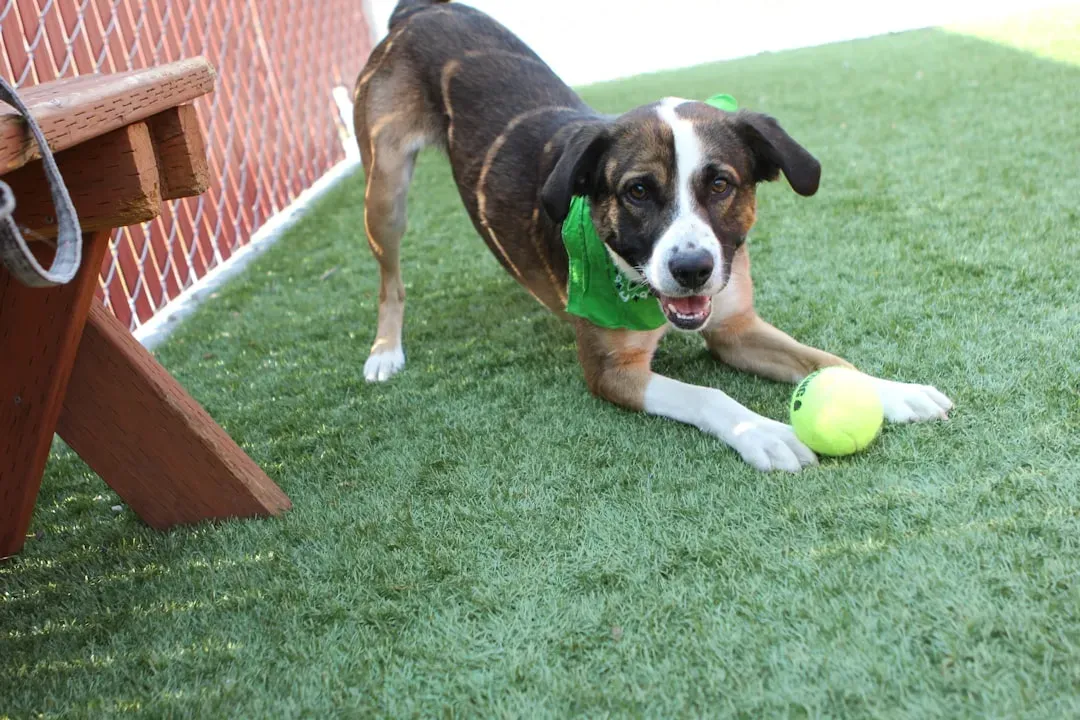
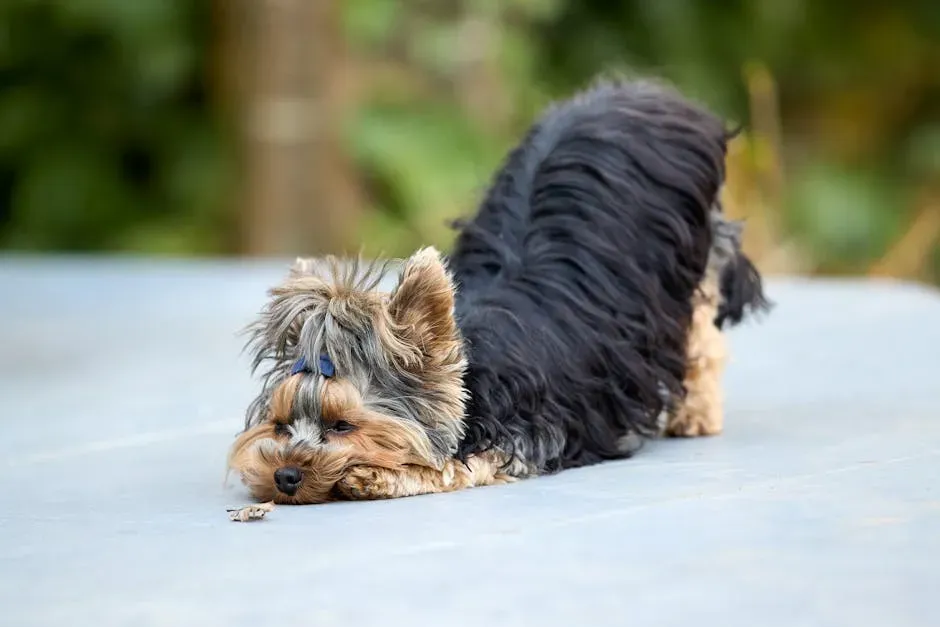
This is the gold standard of dog play language: front legs stretched out, elbows on the ground, chest low, rear end in the air, tail often wagging like a flag. It looks like a deep stretch, but in dog communication it basically translates to “everything from here on is just for fun.” You’ll often see it right before a chase, wrestling match, or goofy pounce.
What I love about the play bow is how obviously joyful it is once you know what you’re seeing. Dogs use it to say they’re feeling friendly and that any rough-looking moves are not meant to be scary. If you mirror the bow by bending at the waist and clapping or wiggling your fingers on the floor, many dogs light up and bounce toward you like you’ve just accepted their secret handshake.
2. The Exaggerated Bouncy Run-By
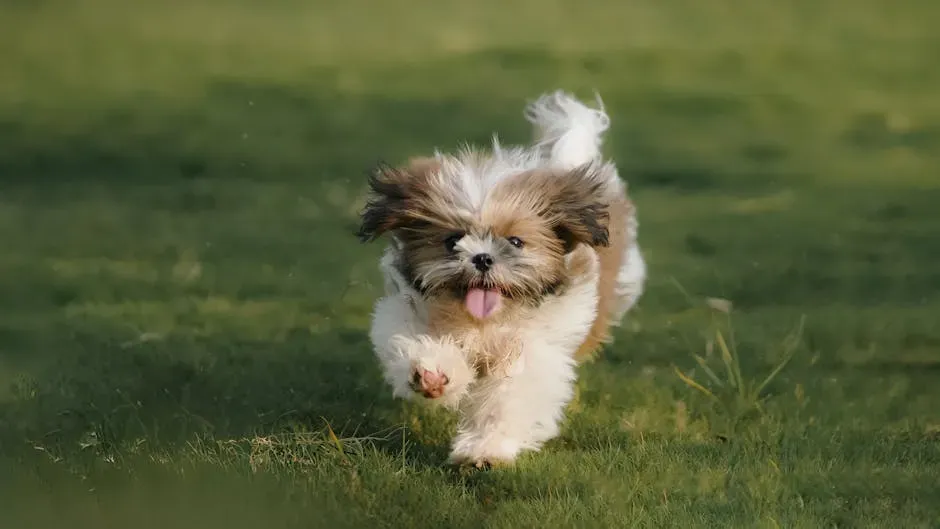
Some dogs are dramatic little showoffs and prefer to invite play by sprinting past you or another dog with an over-the-top, springy run. Their body will look loose and wiggly, not tense, and they might turn their head back toward you as they pass, almost as if they’re saying, “Catch me if you can.” They may do this run-by more than once, looping back in wide circles like a furry comet.
You can tell this is a play invitation, not agitation, by watching the rest of the body. The tail tends to wag in a wide, friendly arc, the mouth may be slightly open like a relaxed grin, and the movements are bouncy instead of stiff. If you start to jog or playfully chase in response, many dogs will kick into full-on zoomies mode, turning the living room or yard into their personal racetrack.
3. The Paw Tap or Gentle Pawing
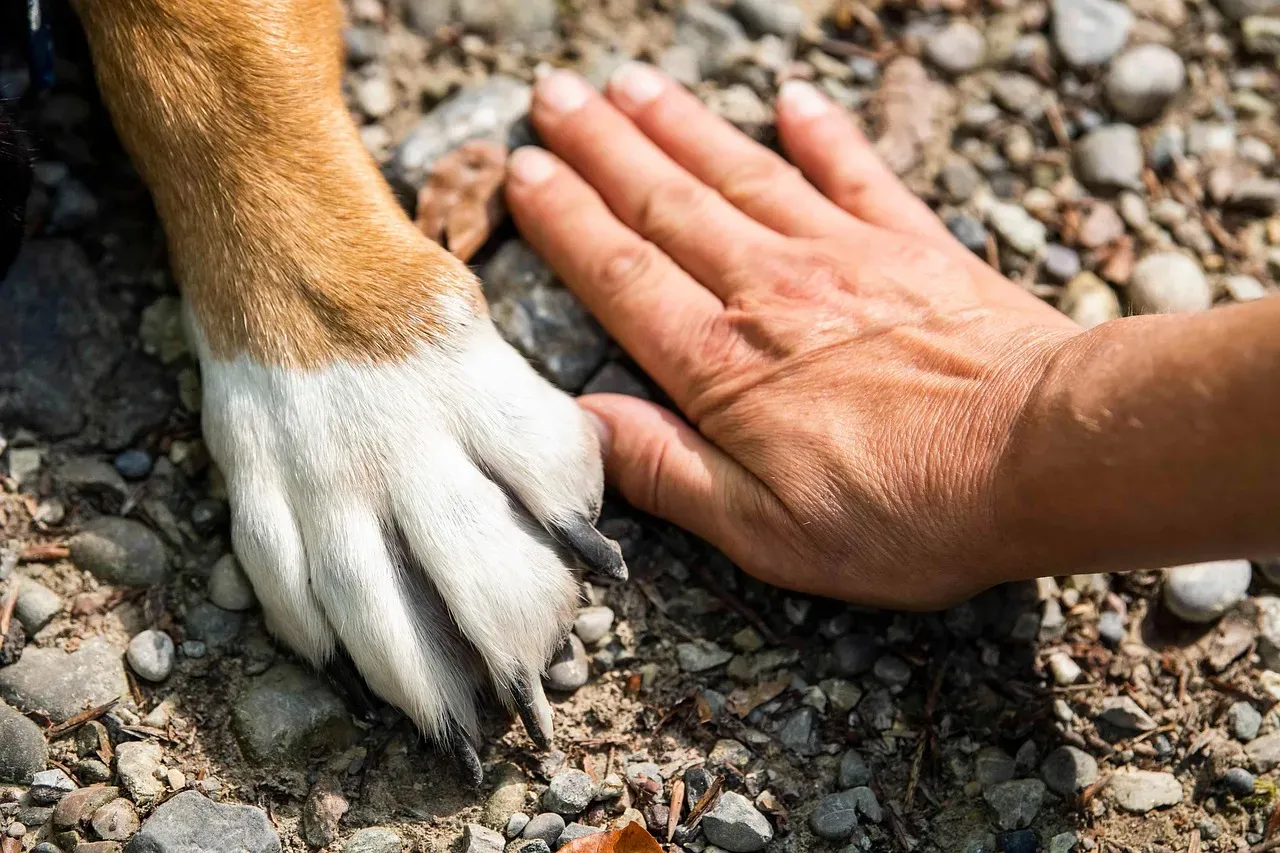
That soft little paw to your leg, arm, or even your face is often a polite nudge that says, “Hey, I’m right here, notice me.” When it’s a play invitation, it tends to come with bright eyes, a loose body, and sometimes a little head tilt or butt wiggle. Some dogs will tap, pause to see if you respond, and then tap again a bit more insistently if you ignore them.
Of course, pawing can also be about asking for attention or even food, so context matters. If your dog has just brought over a toy or is vibrating with excitement after you stand up from the couch, that paw tap is usually the next step in their “let’s play” plan. You can gently take the paw, talk to them in a light voice, and grab a toy to reinforce that this quiet communication worked and you’re ready to join in.
4. The Toy Drop and Tease
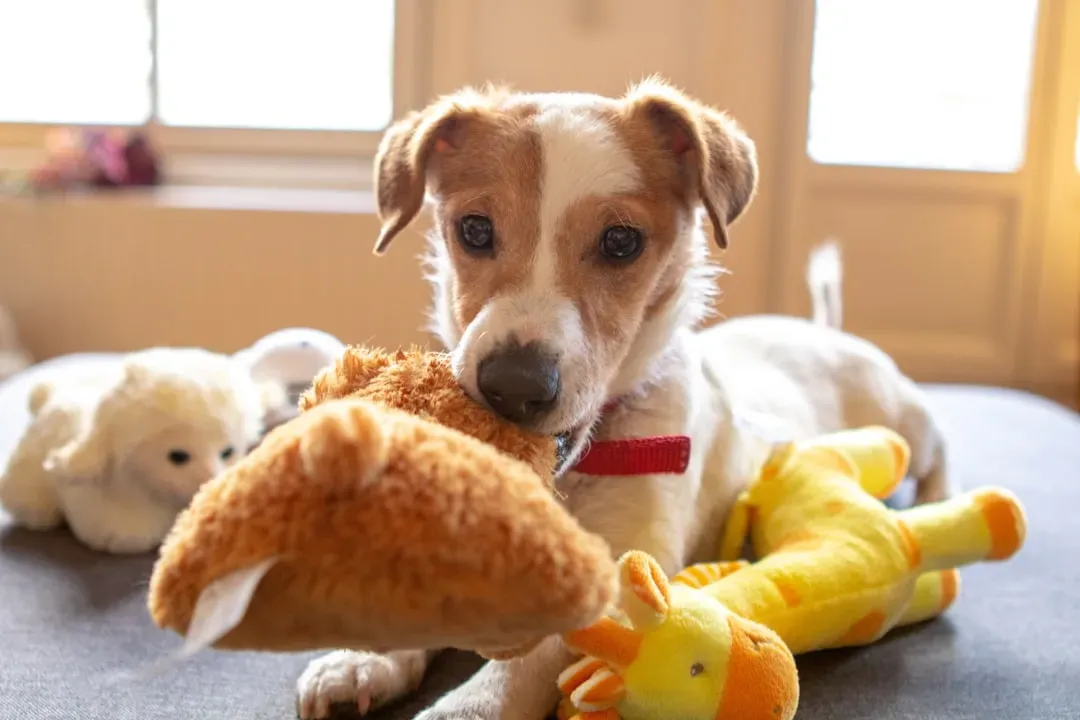
One of the clearest silent invitations is when your dog trots over, proudly carrying a toy, and drops it right at your feet or in your lap. Sometimes they’ll step back a little and stare at you, waiting, other times they’ll nudge the toy closer with their nose. It’s their way of saying, “I brought the equipment. Your move.”
Many dogs add a bit of playful drama by snatching the toy back if you reach too slowly, then dancing just out of reach with a cheeky little prance. This back-and-forth is part of the game for them, not a sign of selfishness. If your dog tends to grab and run, try responding by lightly chasing or tossing a second toy instead of immediately insisting they “drop it” – you’ll turn their teasing into a full, happy play session.
5. The Playful Body Slam or Shoulder Bump
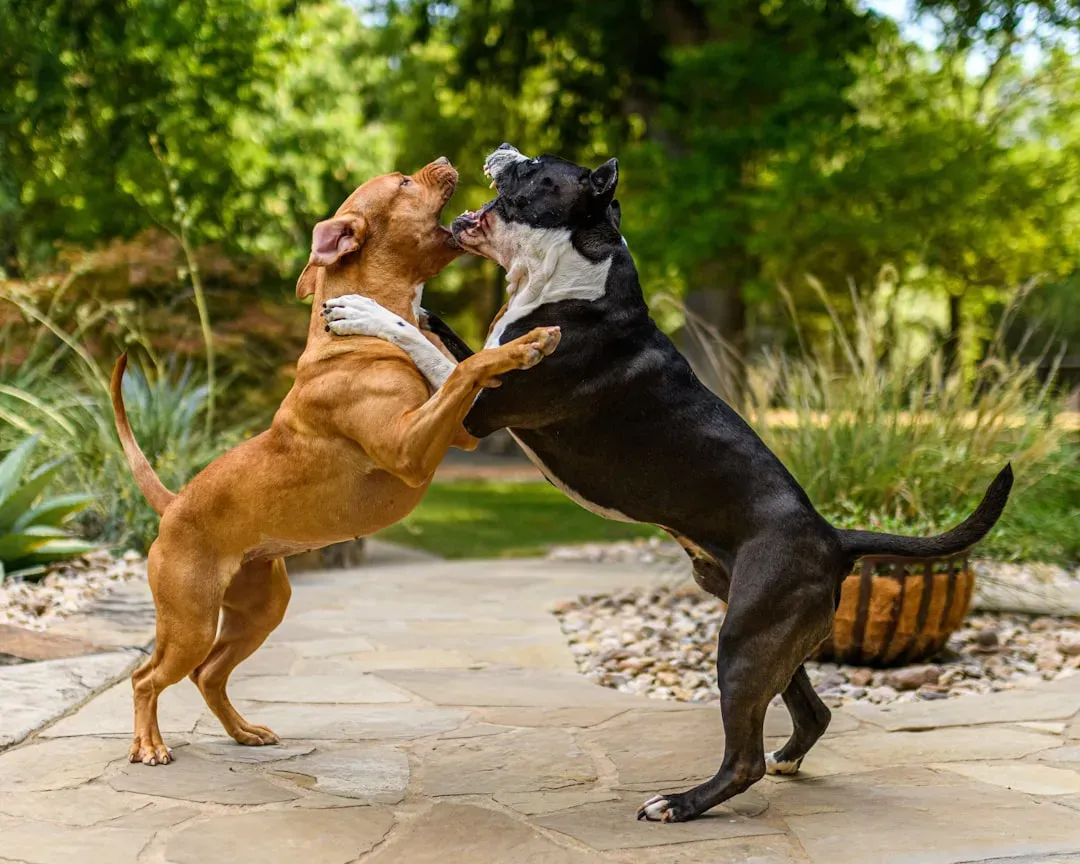
Especially in medium and large breeds, you might see a dog lean their body into another dog or into your legs in a kind of gentle bump. It can look a bit rough from the outside, but when both dogs are relaxed and waggy, it’s often just a clumsy, affectionate way of saying, “Let’s wrestle” or “I’m in the mood for some action.” Think of it like a friendly shoulder bump between siblings.
The key is to read the whole picture: are ears soft, tails wagging in a loose way, and both dogs returning to each other after each bump? That usually means everyone is enjoying it. If your own dog bumps you then hops back with bright eyes or does a quick bow, they’re probably hoping you’ll chase, tug, or at least give them some animated scritches that lead straight into playtime.
6. The Wiggle-Butt and Sideways Shuffle
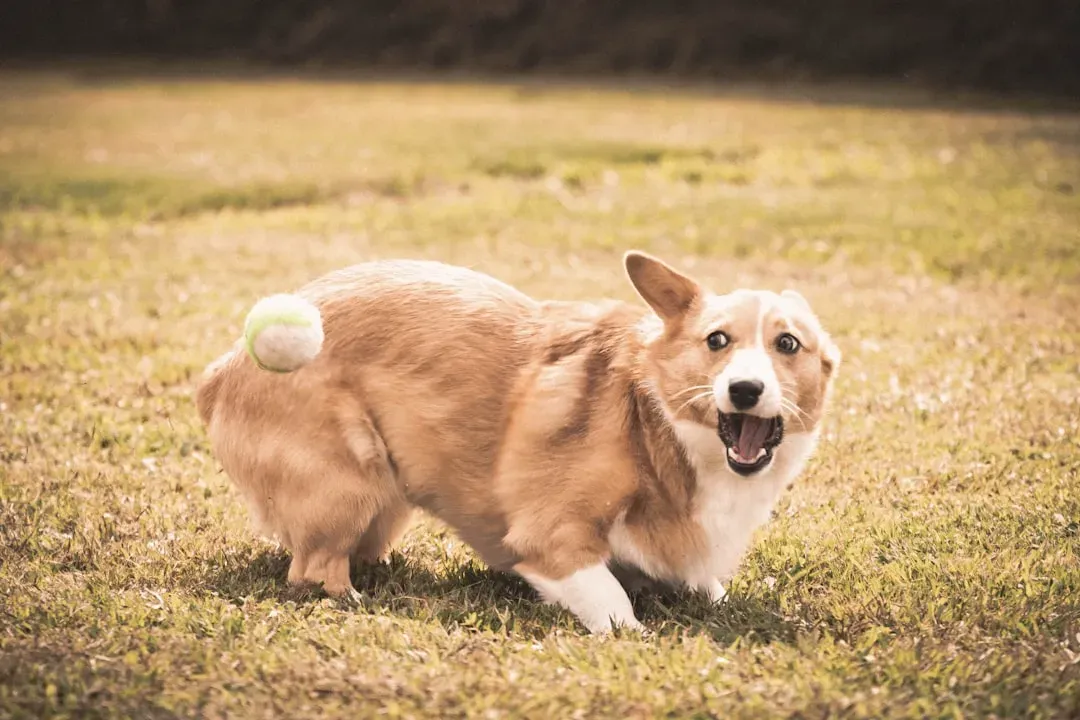
Some dogs turn their entire rear end into a communication device. You’ll see them approach sideways, with their hindquarters leading and their tail doing huge, sweeping arcs. They might do a little side-step, wiggling from shoulders to tail like they’re made of rubber instead of bone. This sideways, curvy posture is usually very friendly and often a warm-up to a game of chase or tag.
When you see that wiggle-butt combined with soft eyes and a slightly lowered front end, you’re basically being begged to play. I sometimes respond by shuffling sideways too, or making a silly sound and stepping away quickly; my dog will often mirror the move and suddenly we’re both dancing awkwardly in the kitchen like two people who have no rhythm but a lot of enthusiasm. That shared silliness is exactly what your dog is hoping to spark.
7. The Dramatic Flop and Belly Display
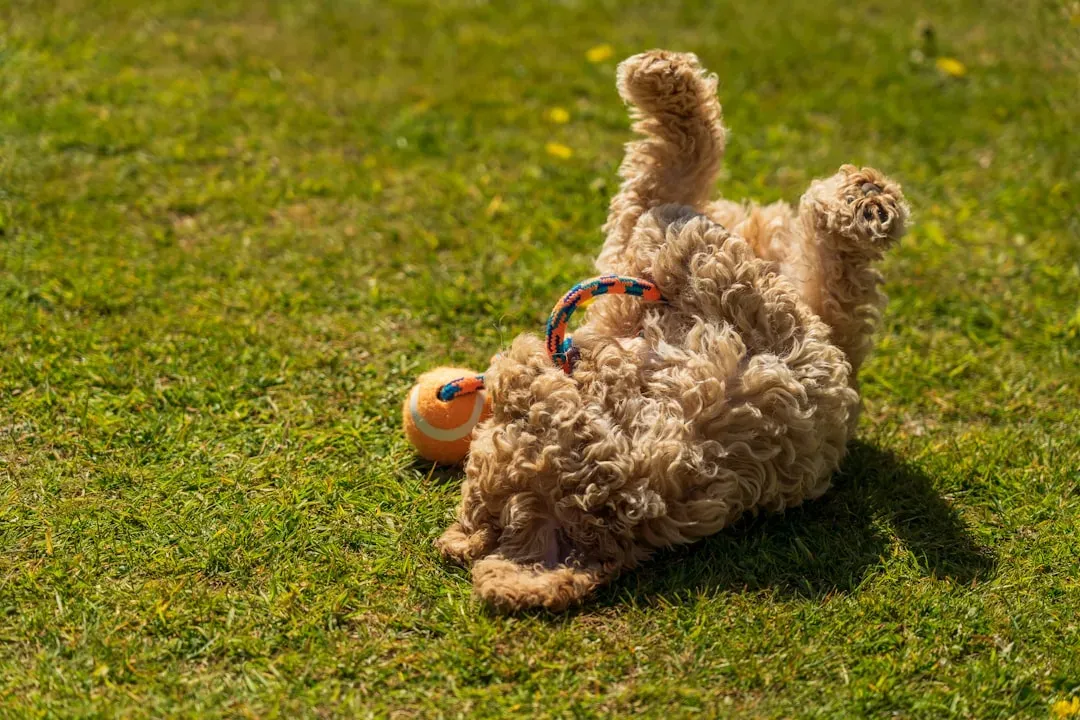
A dog that suddenly throws themselves on their back or side right in front of you is not always asking for calm belly rubs; sometimes they’re setting the stage for play. They might roll onto their back, kick their legs in the air, twist around, and then pop back up in a bow or little hop. The movement is loose and comical, more like a kid flopping onto a beanbag than a formal request for soothing contact.
Watch what happens after the flop. If you reach toward them and they wriggle away, then re-flop a few feet away or spring into a playful crouch, they are trying to start a little wrestling match or chase, not a quiet cuddle session. You can lean into this by gently tickling their chest or sides, then pulling your hand away and letting them rebound toward you again, turning that flop into a full-blown play routine.
8. The Silent Stare-and-Freeze Before the Pounce
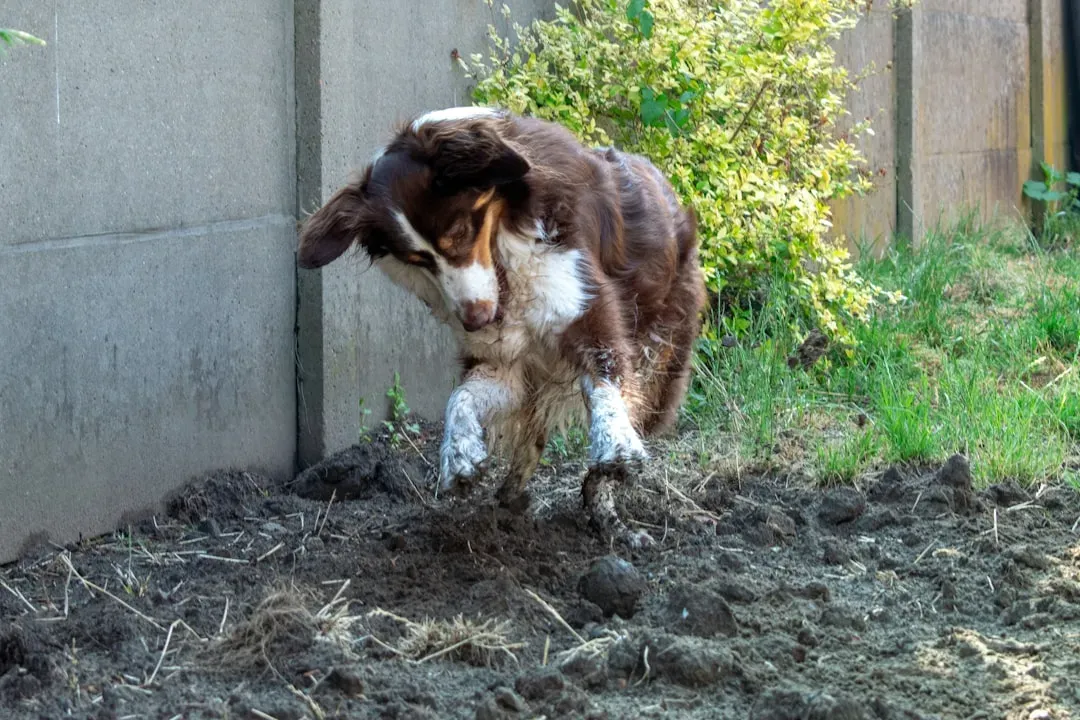
Another classic non-barking invitation is the intense but playful stare followed by a sudden pounce. Your dog might stand still, eyes locked on you or another dog, body slightly lowered, tail wagging at the tip. For a second, they look frozen, almost like a cat stalking a toy mouse. Then, in a burst of energy, they leap forward into a bow, a bounce, or an attempt to start a chase.
This can be a bit confusing because a hard stare in dogs can also mean tension, so you need to look at the rest of the body. In a playful version, the face is softer, there may be a little head tilt, and the movement that follows is big and bouncy rather than stiff and direct. If you mimic a little hop or dart sideways when they pounce, you’ll usually see them light up with excitement, thrilled that you understood their quiet, dramatic invitation.
Conclusion: Listening To the Conversation Your Dog Thinks You Already Know
The more you watch for these quiet play invitations, the more you realize how much your dog has probably been “talking” to you all along. Barking is loud, but these subtle behaviors are where the real personality shows up: the silly bows, the wiggle-butts, the toy drop that feels almost like a dare. In my view, learning to read them is one of the best ways to strengthen your bond, because you’re finally responding to the language they naturally use instead of forcing everything into sit, stay, or speak.
There is something humbling and kind of magical about discovering that your dog has been asking you to play in ten different ways you never even noticed. Next time you see that paw tap, that sideways shuffle, or that over-the-top flop at your feet, try answering back with movement, not just words. You might find your everyday routines suddenly filled with more laughter, more zoomies, and a deeper sense that you and your dog are truly on the same wavelength – which, honestly, is what most of us wanted from a dog in the first place. How many of these silent invitations have you been missing without even realizing it?


