
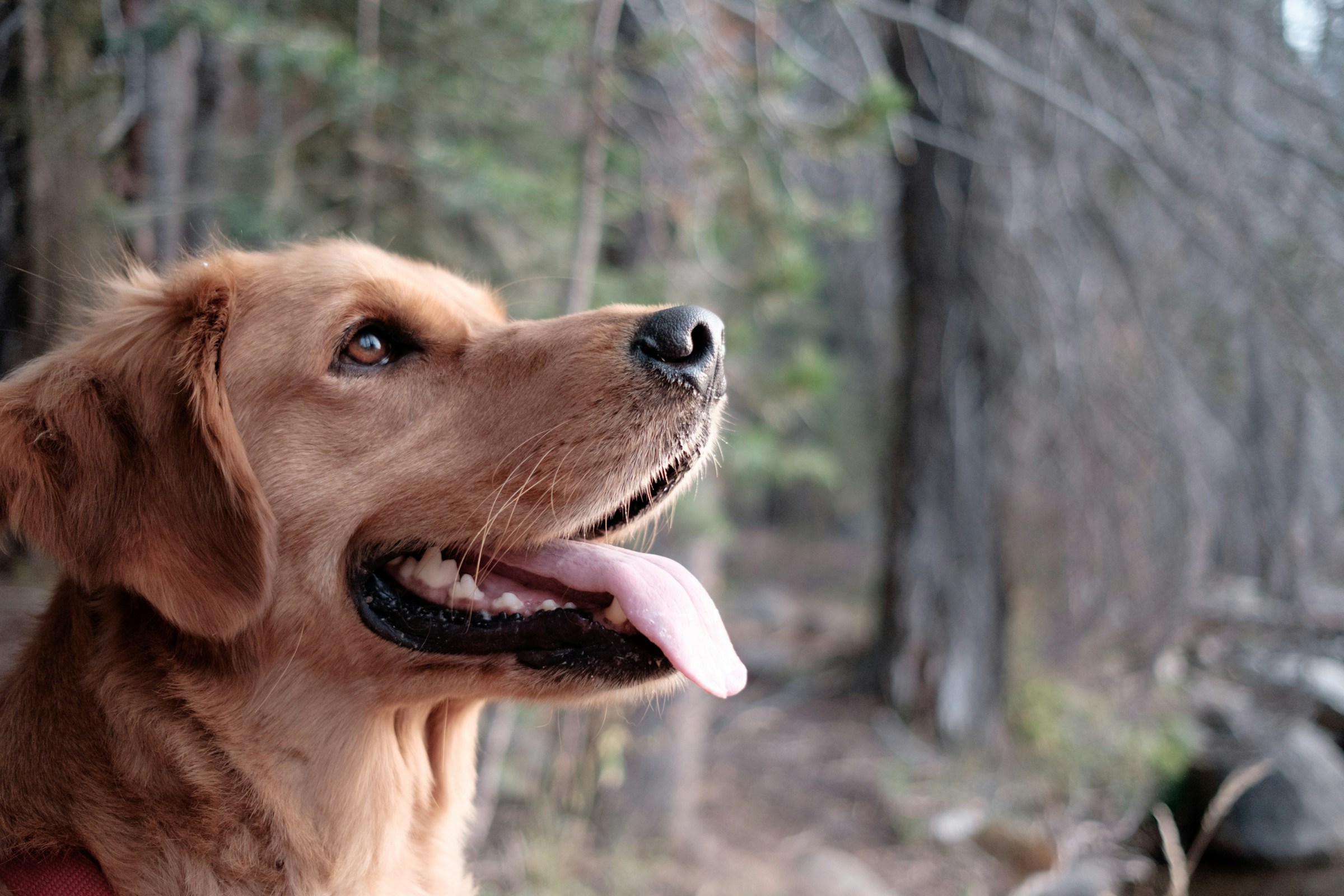
If you have ever watched two dogs freeze, stare, and suddenly start doing something that looks completely random, you might have wondered whether you should step in or just let them figure it out. The truth is, dogs are often much better at avoiding fights than we give them credit for, and they use a whole subtle language to say something like: “Hey, this is getting weird, let’s calm down.” Once you start seeing these signals, tense moments that used to feel scary will suddenly make a lot more sense.
I still remember the first time I realized my own dog was not “being silly,” but actively breaking the tension when another dog got too pushy at the park. What looked like a goofy play bow was actually a peace offering, and watching it work felt almost magical. This article walks through seven specific behaviors that often mean a dog is trying to smooth things over with another dog so you can read the room faster, intervene earlier when needed, and appreciate just how emotionally intelligent our dogs can be.
1. The Classic Play Bow: “Let’s Keep This Fun, Not Scary”
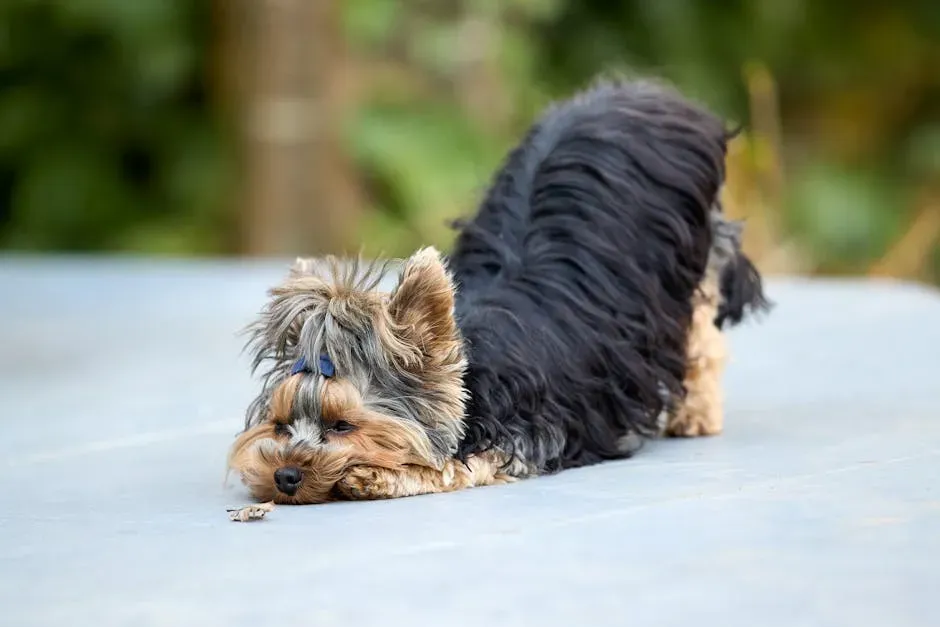
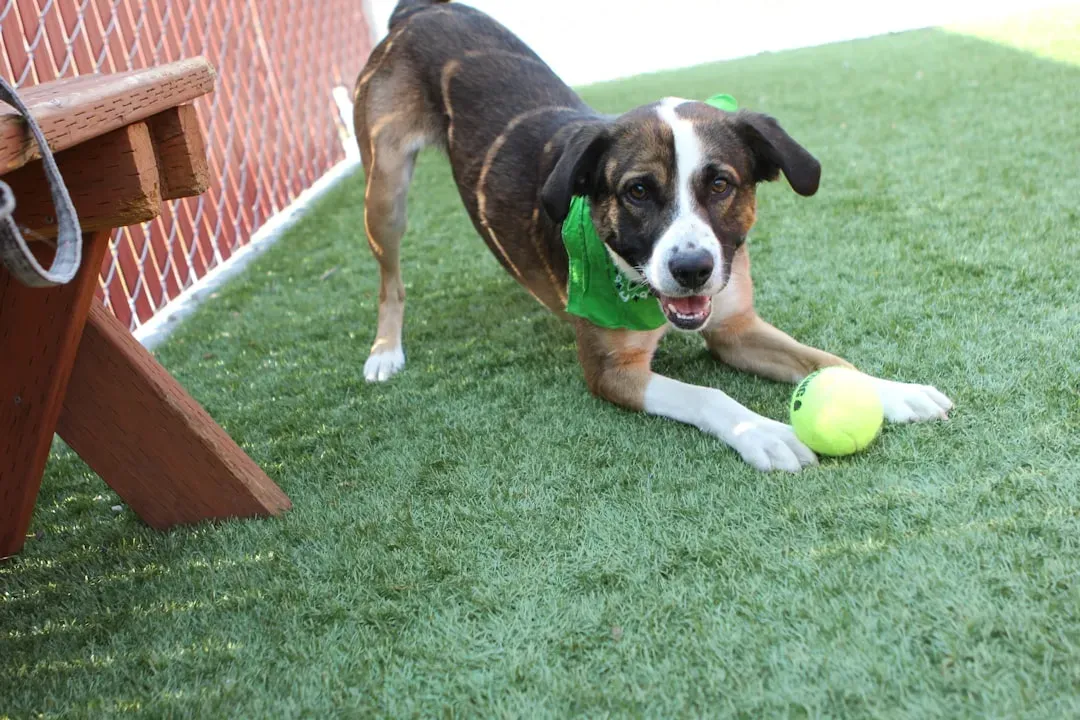
The play bow is that familiar pose where a dog’s front legs and chest drop low to the ground while the rear stays up, often with a wiggly tail and soft body. It is usually a bright, bouncy signal saying the dog wants friendly interaction, even if the energy just got a little too heated. When things feel tense, a dog may throw in an exaggerated, almost clownish play bow to reset the mood and remind the other dog this is meant to be play, not a fight.
You will often see this after a rough tumble or when one dog starts to get a bit stiff or vocal. The dog that is more socially skilled will drop into a bow, maybe bounce side to side, and sometimes even toss in a little “zoom” to lighten the scene. Think of it like a friend who cracks a harmless joke in the middle of an argument to break the ice; it is not that nothing is wrong, but the goal is to pull things back from the edge.
2. Turning the Head or Body Away: “I Don’t Want Trouble”
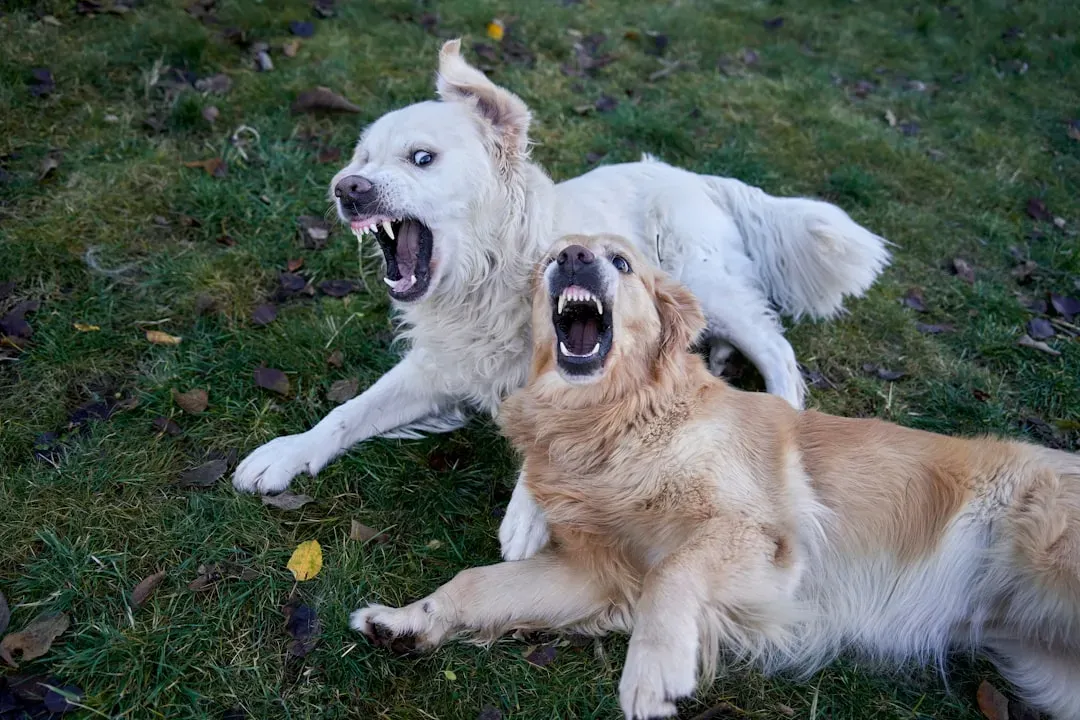
One of the most underestimated calming signals is simple: looking away or turning the body at an angle instead of facing another dog head-on. Direct, squared-up body positions can feel threatening in dog language, especially when paired with fixed eye contact. When a dog senses tension building, it may swivel its head to the side, sniff the air, or shift its body so it is no longer straight in front of the other dog, almost like saying, “I’m not here to challenge you.”
Sometimes this looks so mild that humans think nothing is happening at all. You might see a dog freezing for a moment, then suddenly turning slightly sideways, blinking more, or pretending to focus on something else. This is often a peacekeeping move, not indifference. A socially savvy dog knows that not staring, not crowding, and not blocking another dog’s way can help things cool down before they ever explode.
3. Sniffing the Ground Out of Nowhere: “Let’s Pretend We’re Busy”
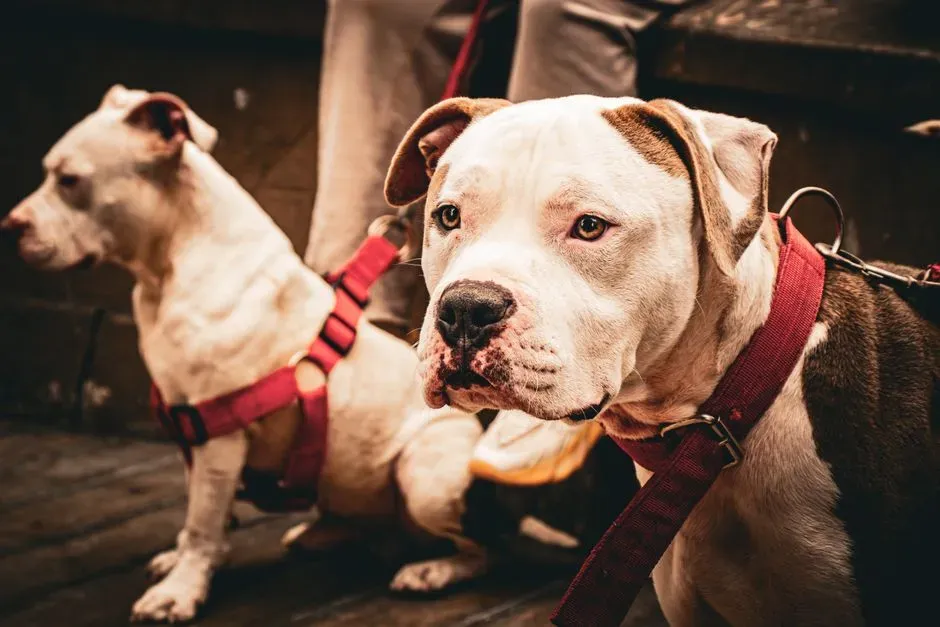
Have you ever seen two dogs in a tense stand-off and suddenly one of them drops their nose to the ground and starts sniffing like there is something absolutely fascinating in the grass? That often is not about any real smell at all; it is a classic de-escalation behavior. By “checking out” and focusing on the ground, the dog is giving both of them an excuse to disengage without anyone “losing” the encounter.
This move is surprisingly polite if you think about it. Instead of confronting the issue head-on, the dog creates a new topic, the way a person might suddenly talk about the weather during a heated conversation. You may even notice the tension seep out of the interaction as the second dog either joins the sniffing or simply walks away. It is not avoidance in a weak sense; it is strategic avoidance that helps both dogs save face.
4. Slow, Curved Approaches Instead of Walking Straight In
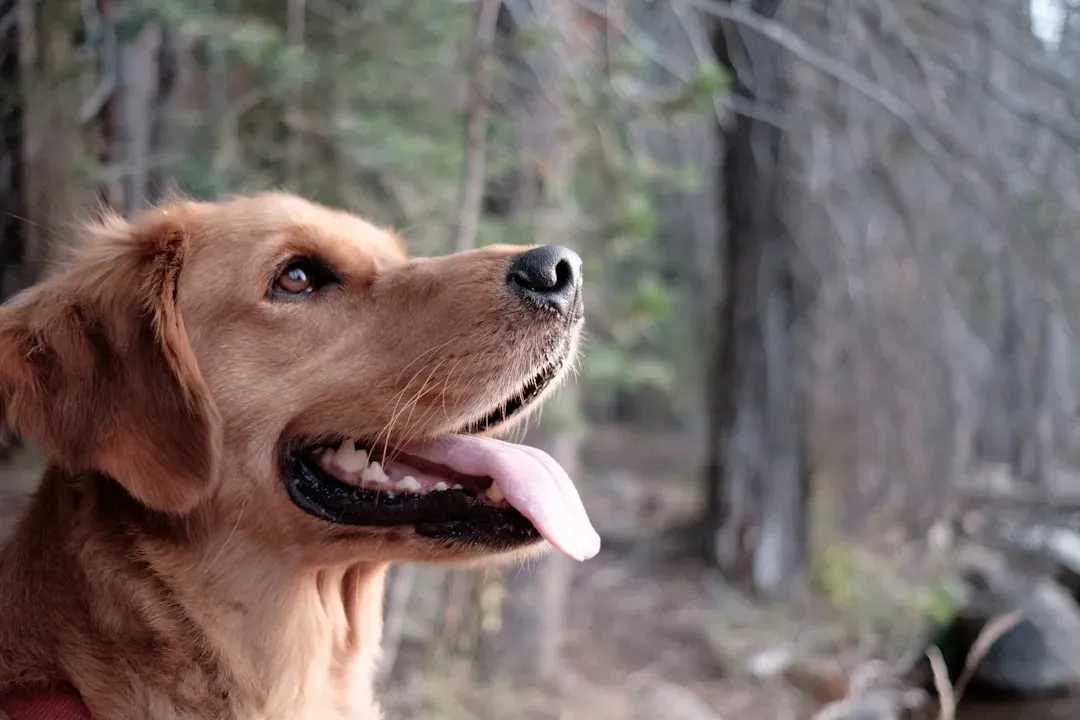
When dogs are trying to keep things friendly, they rarely march directly up to each other in a straight line. A direct approach can feel rude or confrontational, especially between dogs that do not know each other well. A curved path, on the other hand, sends a softer message: “I come in peace; I am not here to challenge you.” If one dog senses tension, you may see it start to move in an arc instead of head-on, easing around the other dog’s body rather than pushing straight in.
This curving behavior is often easier to notice off leash, where the dog has more control over its route. Watch how a well-socialized dog veers slightly to the side, maybe even turning its head away for a few seconds as it passes. That combination of a curved path and indirect eye contact is like a handshake that says, “Let’s keep this civilized.” When you see a dog shift from a straight, stiff path to a looser curve, that is a strong clue they are trying to dial down the intensity.
5. Shaking Off, Yawning, or Blinking: Tiny Moves With Big Meaning
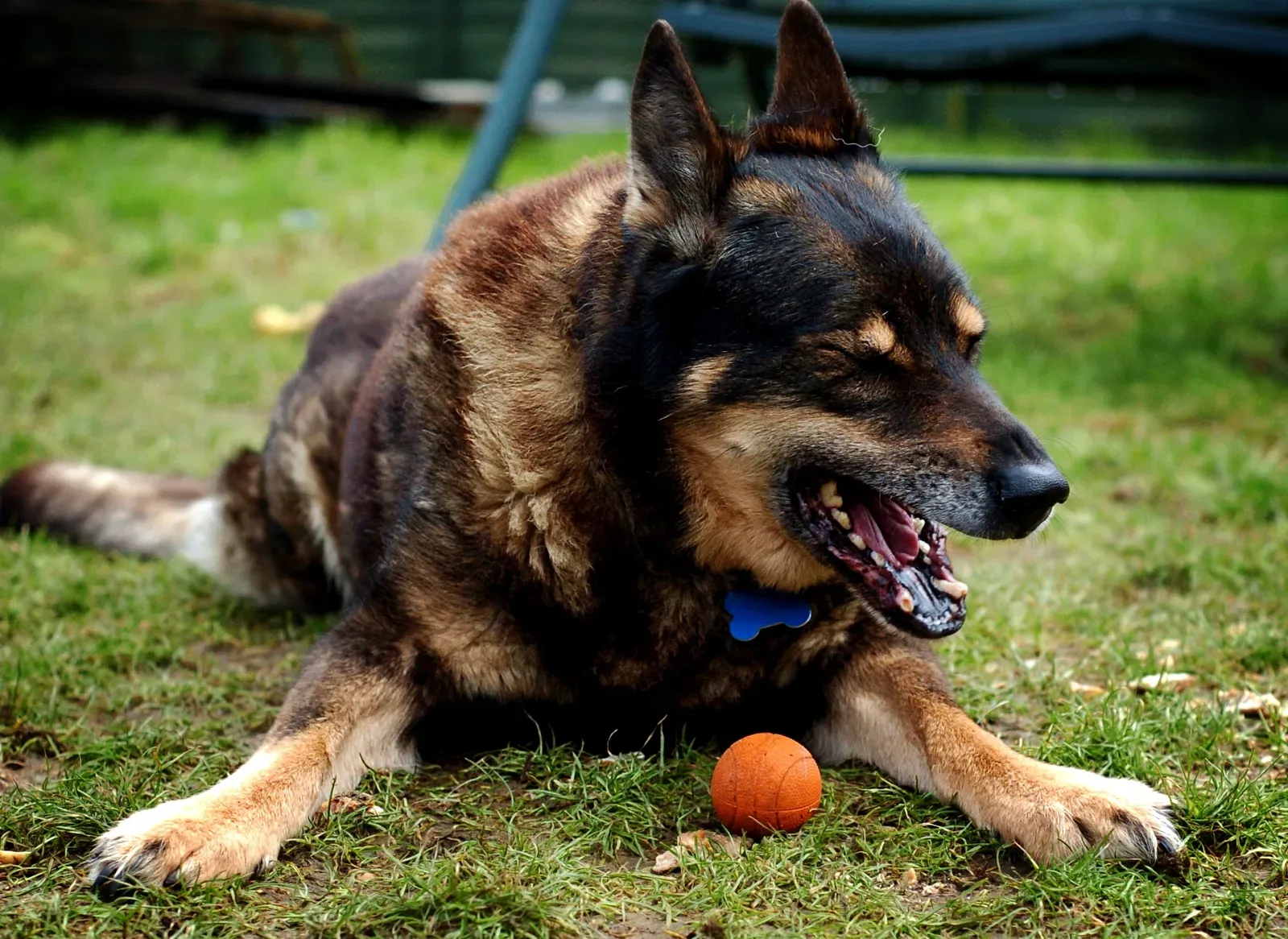
Some of the most important tension-diffusing behaviors are the ones people dismiss as random: a full-body shake, a big yawn, or a series of soft blinks in the middle of a fraught moment. A dog may do a quick shake-off, as if flicking water off its coat, right after a stiff interaction with another dog. That shake can help release physical and emotional tension, and it often marks a subtle reset where both dogs can move on more calmly.
Yawning and blinking work in a similar way. They are often not about being tired or having something in the eye, but about softening the overall energy. A dog that feels uneasy might stretch its mouth in an exaggerated yawn, lick its lips, or blink slowly, especially if another dog is staring or posturing. These small actions can signal, “I am not a threat; I am trying to calm myself and you,” and many dogs respond by easing off without humans even realizing any negotiation happened.
6. Offering Their Side or Back, Not Their Face
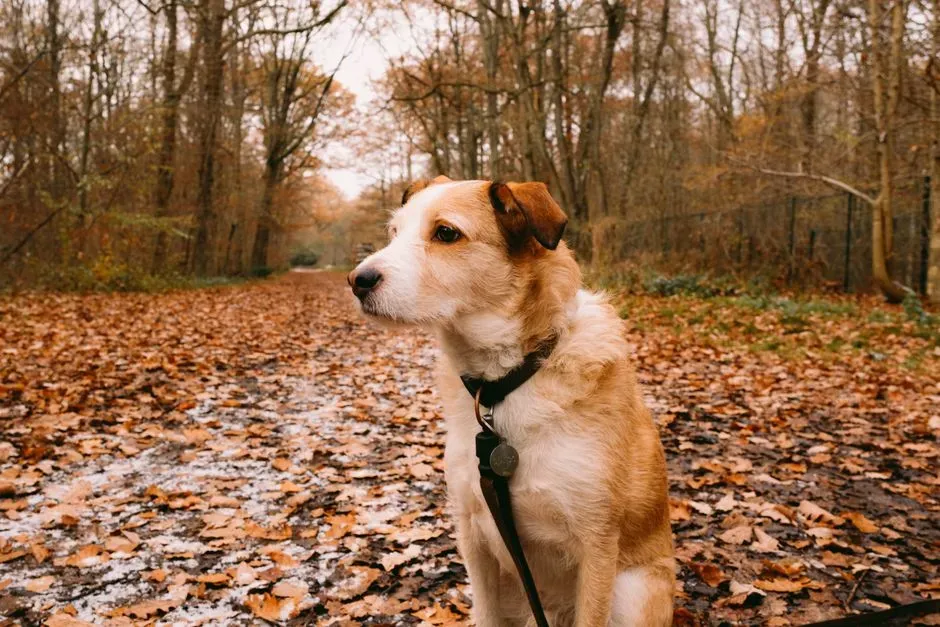
When a dog deliberately turns so that another dog sees more of their side or even their rear, it is often a social skill, not submission in the dramatic sense people imagine. Facing another dog with the chest and face straight on can be intense, particularly when emotions are already running high. By turning and offering their side or rear, the dog is removing pressure, almost like a person stepping back and opening their shoulders instead of standing chest-to-chest.
This move can be especially powerful when paired with a relaxed tail, loose hips, or even a bit of gentle wagging. You might see one dog wedge sideways between two others or put its back toward an oncoming dog that looks too hyped. It is like they are saying, “I am not here to battle; I trust you enough not to attack me from behind.” As long as the other dog respects that gesture, this can defuse a situation that might otherwise turn into a scuffle.
7. Self-Handicapping in Play: Going Gentle on Purpose
Self-handicapping is when a dog intentionally tones down its strength, speed, or size advantage to keep things safe and fun. You will notice this when a big dog lies down to play with a smaller one, takes softer bites, or lets the other dog “win” the toy or the wrestling match. When the vibe turns tense, a dog might suddenly flop onto its side, slow its movements, or even roll partially on its back, signaling, “I am not trying to dominate you; let’s chill.”
Dogs that are good at this kind of play politics are often the park peacemakers, even if they look wild at first glance. They instinctively adjust their intensity to match the other dog and back off if things feel off-balance. When you see a dog lowering itself, changing from full-speed chaos to gentler movements, or doing quick pauses in the middle of play, that is a strong sign it is actively working to keep everyone comfortable, not just burning energy.
Conclusion: Reading the Room Makes You a Better Advocate
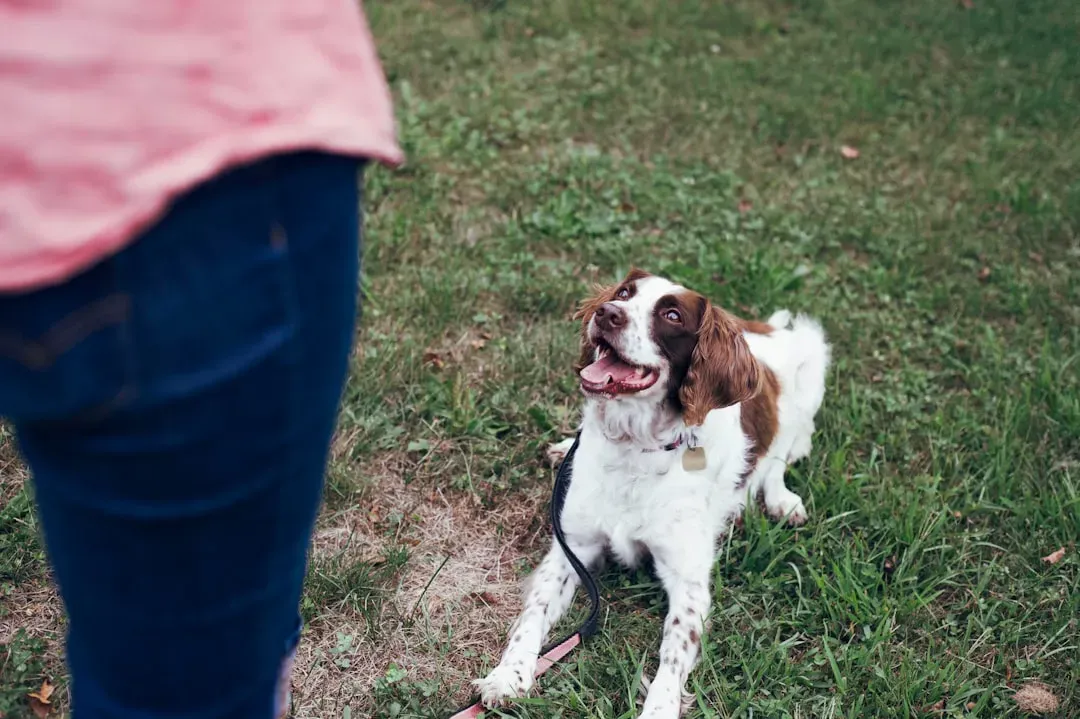
Once you start spotting these tension-defusing behaviors, it is hard to unsee them, and that is a good thing. You realize that what looked like random goofiness, awkward sniffing, or “weird” shaking is actually your dog doing emotional first aid on the social situation. In my view, the more we respect that, the less we micromanage with constant commands and corrections, and the more we focus on giving dogs space, time, and safe setups to use their own language.
Of course, not every signal works every time, and some dogs are simply not great at this kind of diplomacy, especially if they are anxious, undersocialized, or have had bad experiences. That is where your job comes in: stepping in early if one dog ignores the peace offerings, avoiding crowded chaos where subtle signals get lost, and rewarding the dogs who consistently choose calm over conflict. When you learn to read these seven behaviors, you are not just preventing fights; you are actively honoring your dog’s effort to keep the peace, and that feels like the least we can do for them. Now that you know what to look for, what will you notice the next time two dogs lock eyes at the park?


