
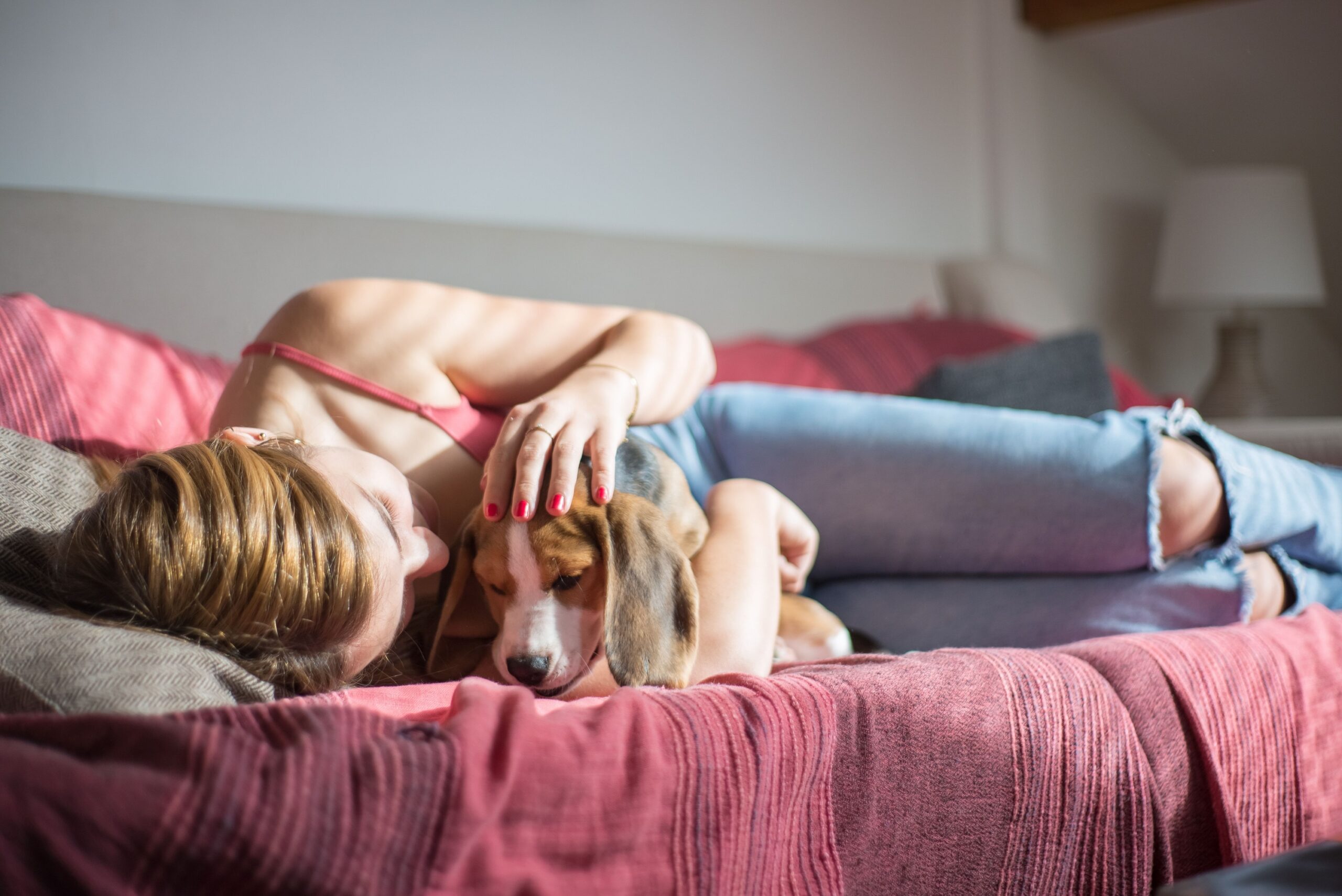
You lean in for a sweet nose-to-nose moment with your dog… and they swivel their head away like you just offered them a tax form instead of affection. It can feel a little heartbreaking, or at least confusing. Do they not like you that much? Did you do something wrong?
The truth is usually far kinder and way more interesting. Dogs have their own social rules, body language, and personal space boundaries that rarely match what humans think is “cute.” When a dog turns its head away from your face, it’s almost never random. It’s a message. Once you learn to read it, those tiny movements become surprisingly deep conversations.
1. A Classic Calming Signal: “I’m Not a Threat, Please Relax”
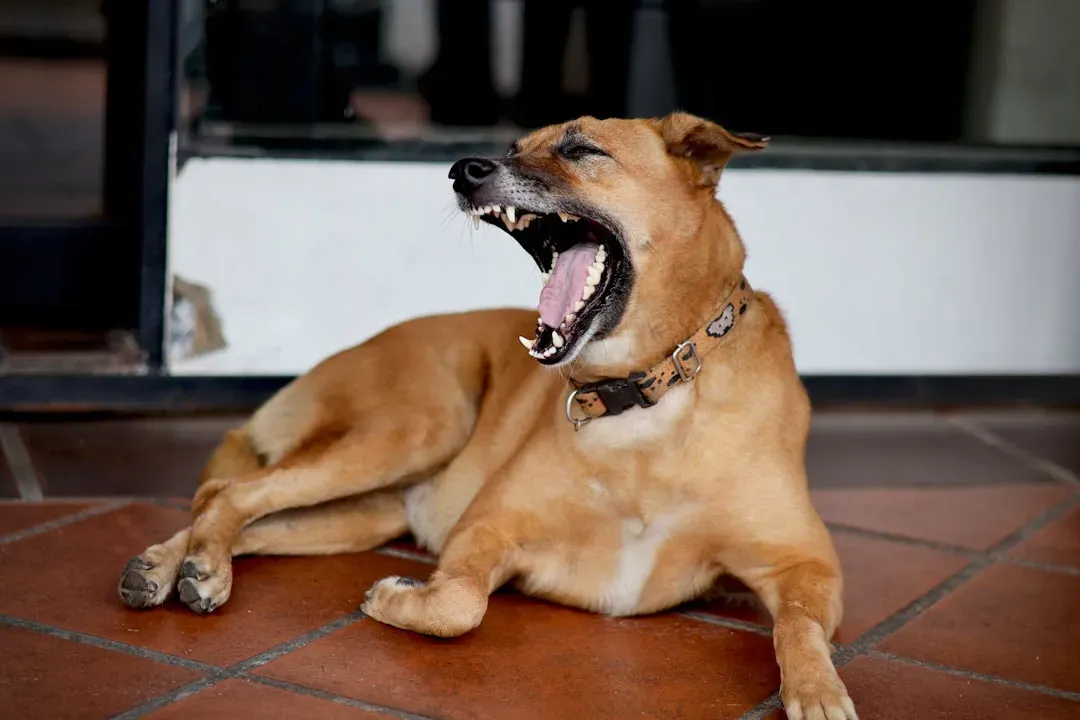
One of the most common reasons dogs turn their heads away during close face contact is that they’re using a “calming signal.” In dog body language, slowly turning the head aside is a polite way of saying they’re peaceful and not looking for trouble. When you move your face in close, especially quickly or directly, your dog may respond with this signal to keep the interaction gentle instead of intense.
Think of it like someone at a party breaking eye contact and glancing to the side to diffuse awkward tension. Your dog isn’t snubbing you; they’re actually trying to keep the mood chill. Many well-socialized dogs do this automatically when kids hug them, when strangers bend over them, or when another dog gets too close. It’s their version of taking a deep breath and saying, “Hey, I’m cool, you be cool too.”
2. Direct Face Contact Can Feel Intimidating
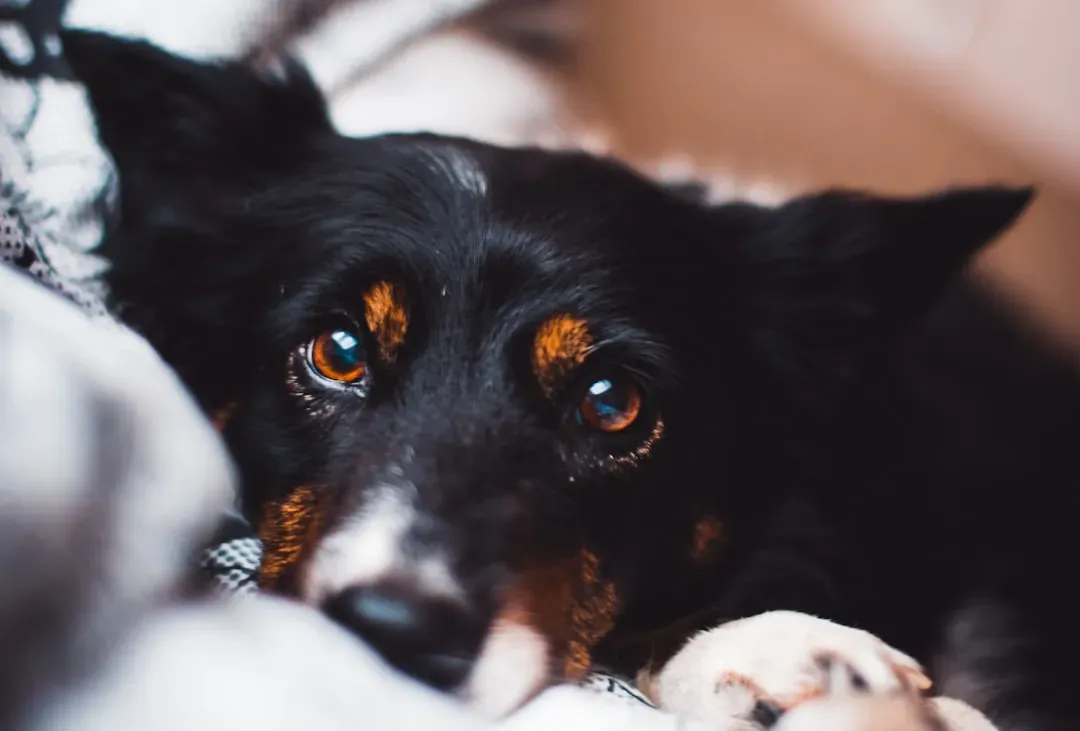
Dogs are experts at reading faces, but they don’t naturally go nose-to-nose the way humans do for affection. In the dog world, a direct, close-up stare can be intense or even confrontational, especially if someone looms over them. When your face suddenly fills their entire field of vision, it can feel like a lot. Turning their head away is often their way of softening the situation and reducing pressure.
Imagine if someone you liked walked right up until their nose was an inch from yours and just stared. Even if you trusted them, you’d probably lean back. Your dog is doing exactly that, except they don’t have the option to push your shoulders away. They just shift their head to say, “This is a bit much.” It’s not about love; it’s about comfort zones.
3. Mild Stress or Discomfort Around Human Faces
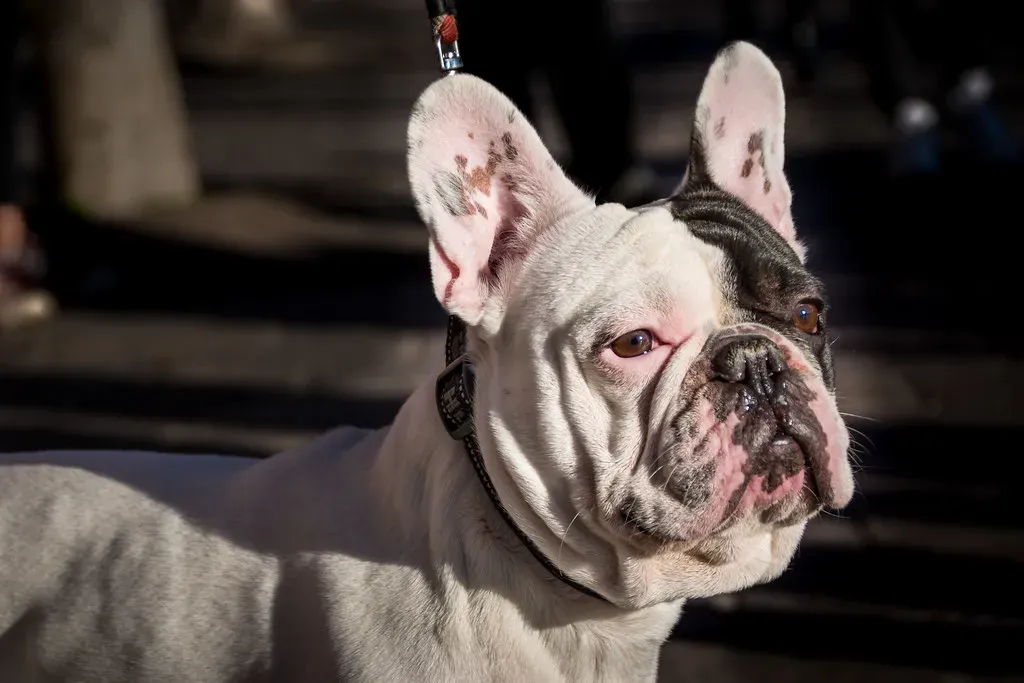
Some dogs simply find human faces up close a bit overwhelming. Beards, glasses, moving lips, blinking eyes, teeth showing when you smile – all of that can be a lot of fast, unpredictable information. If your dog has ever shown signs of unease around loud talkers, big smiles, or people who get very animated, they may be especially likely to look away when your face comes close.
This doesn’t necessarily mean your dog is scared of you. It often means they’re unsure how to handle that specific kind of interaction. Turning the head away is their way of dialing down their own stress. If you notice other subtle stress signals like lip licking, yawning, pinning ears back, or slight tension in their body, that head turn is part of a bigger “I’m not fully comfortable with this” message.
4. Respecting Personal Space the Only Way They Know How
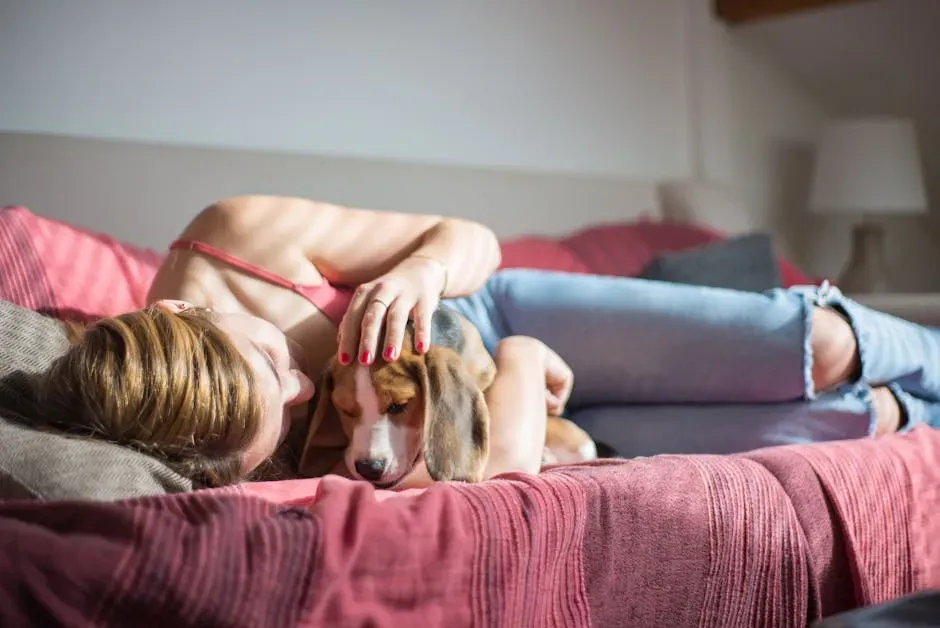
Even the most affectionate dogs have personal boundaries, just like people. Some dogs are all about cuddles on the couch but really do not want a face hovering inches from their eyes. We tend to assume that if a dog loves us, they should love every form of affection we offer. But love does not cancel out the need for space. Turning the head away is sometimes the only polite “no thanks” they can give.
What’s tricky is that many dogs tolerate close face contact because they adore us, even if they don’t truly enjoy it. You might see your dog wagging their tail while also looking away, licking their lips, or shifting their weight back. That combination is your clue: they want to be near you, but on slightly different terms. Learning to respect that line is one of the biggest signs you’re really listening to your dog.
5. Past Negative Experiences or Rough Handling
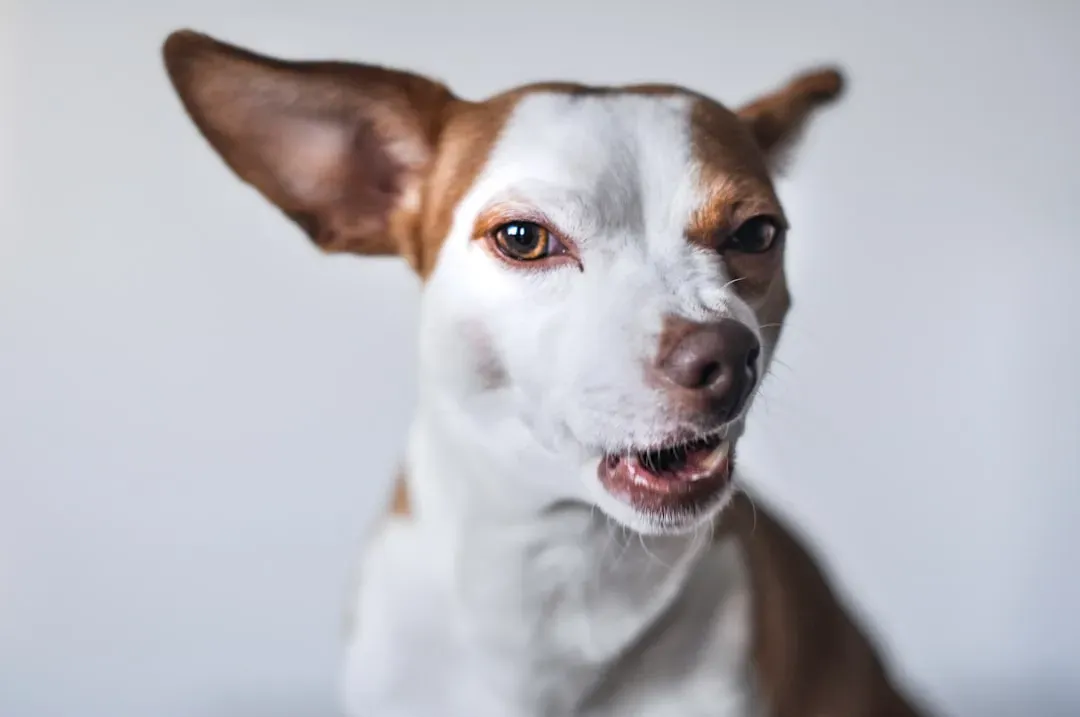
If a dog has ever been grabbed, scolded, or frightened when a human was very close to their face, that memory can stick. They may start to associate close-up faces with tension, loud voices, or loss of control. Even if you are gentle, their brain might still say, “Last time a face was this close, something bad or stressful happened,” and they turn away to protect themselves emotionally.
This is especially likely in dogs that were shouted at up close, punished harshly, or manhandled by previous owners or rough visitors. It can also happen with dogs who were repeatedly hugged tightly by children who did not yet know dog etiquette. Turning the head away becomes a small act of self-preservation. The best response is patience, slow desensitization, and lots of positive, low-pressure interactions that help rewrite those old associations.
6. Sensory Overload: Smells, Sounds, and Movement
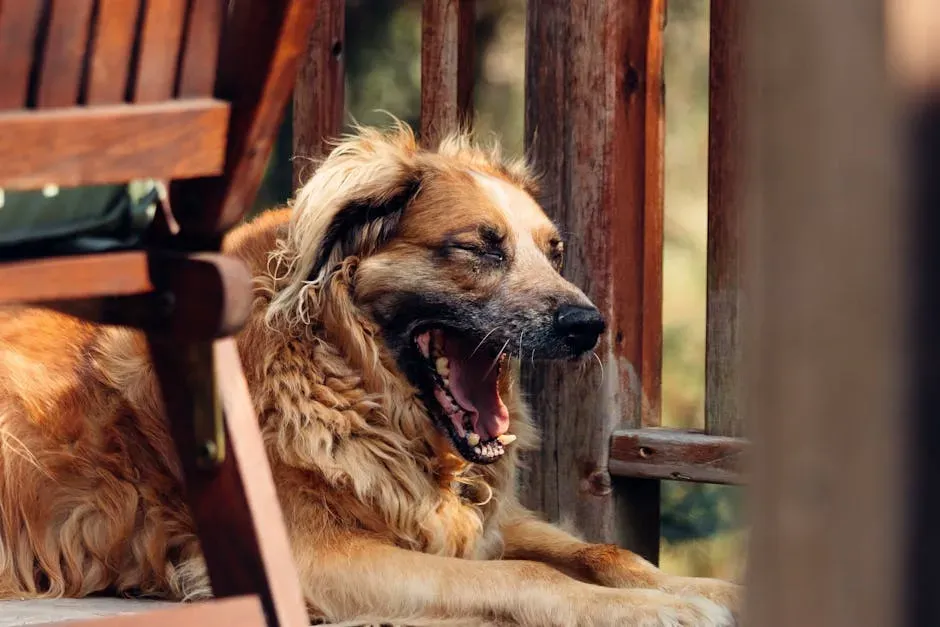
Your dog’s nose and ears are far more sensitive than yours, so your face up close is not just a face. It is a wall of scent from toothpaste, coffee, perfume, snacks, and skin products, plus the rush of your breath and all the tiny sounds your mouth makes. What feels like a sweet nuzzle to you can be a full-on assault of smells and noise to them. Turning the head away might simply be their way of saying, “That’s a bit intense for my senses.”
If you tend to talk while you get close, laugh loudly, or move your head quickly, that adds even more stimulation. Some dogs, especially more sensitive or introverted ones, get overwhelmed fast in these situations. They’re not trying to be rude; they’re just managing input. It’s a bit like someone covering their ears in a crowded concert – they might still enjoy the music, but they need a bit of buffer.
7. Polite Communication: Avoiding Conflict With You
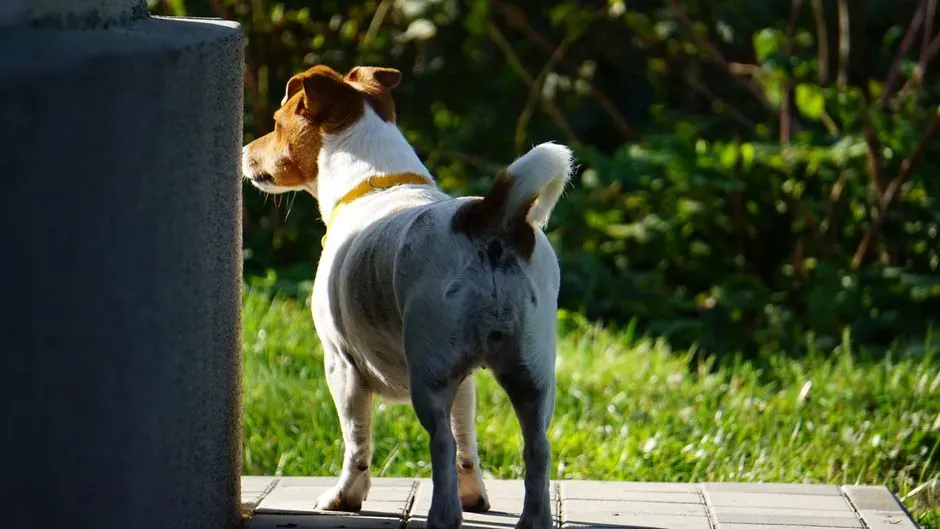
Dogs are often far more polite with us than we are with them. In their world, when another dog pushes too much, the respectful thing to do is offer clear but gentle signals instead of jumping straight to growling or snapping. Turning the head away is one of those subtle gestures. It is like them saying, “I don’t want to argue, but I also don’t totally like this.”
When we ignore those gentle messages, some dogs eventually feel forced to escalate to stronger warnings. That is when you see things like a hard stare, a frozen body, or a low growl when someone goes in for a face hug. Ironically, the dogs that quietly turn away over and over are often the most patient. Listening to that early signal is not just respectful; it can prevent bigger problems down the road.
8. Habit From How They Learned to Be Around Humans
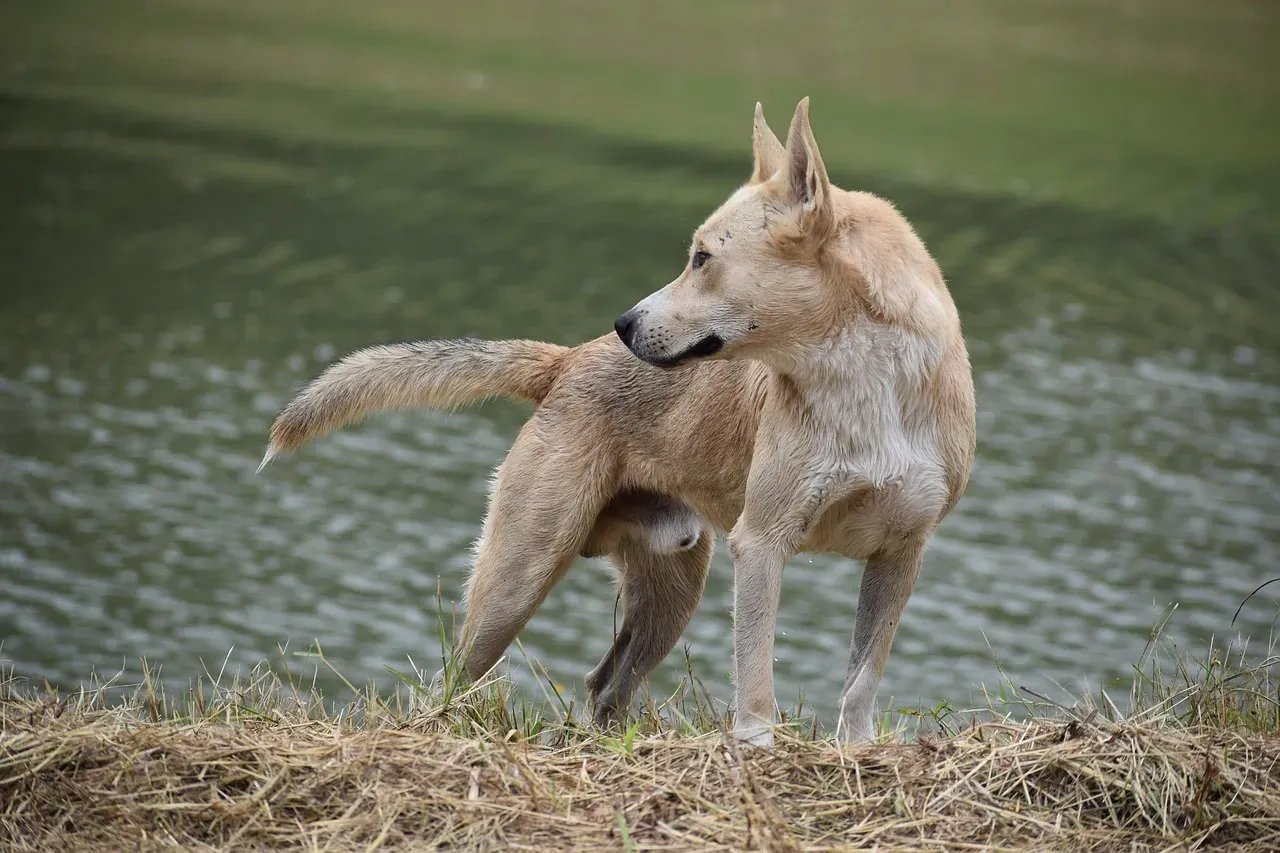
Many dogs learn early on which behaviors keep humans calm and happy. If they turned their head away in the past and the person backed off or softened their approach, they may repeat it because it works. Over time, this becomes a default habit whenever a face comes in close. It is less about fear and more about a learned strategy that keeps interactions manageable.
Dogs from more cautious homes, or those raised with clear boundaries about personal space, might be especially quick to look away. On the flip side, dogs that were constantly hugged, kissed, and picked up without having the option to move away sometimes shut down instead of giving signals. When a dog still feels safe enough to turn their head away, that is actually a good sign: it means they trust you enough to communicate instead of just enduring.
9. They Simply Prefer Other Types of Affection
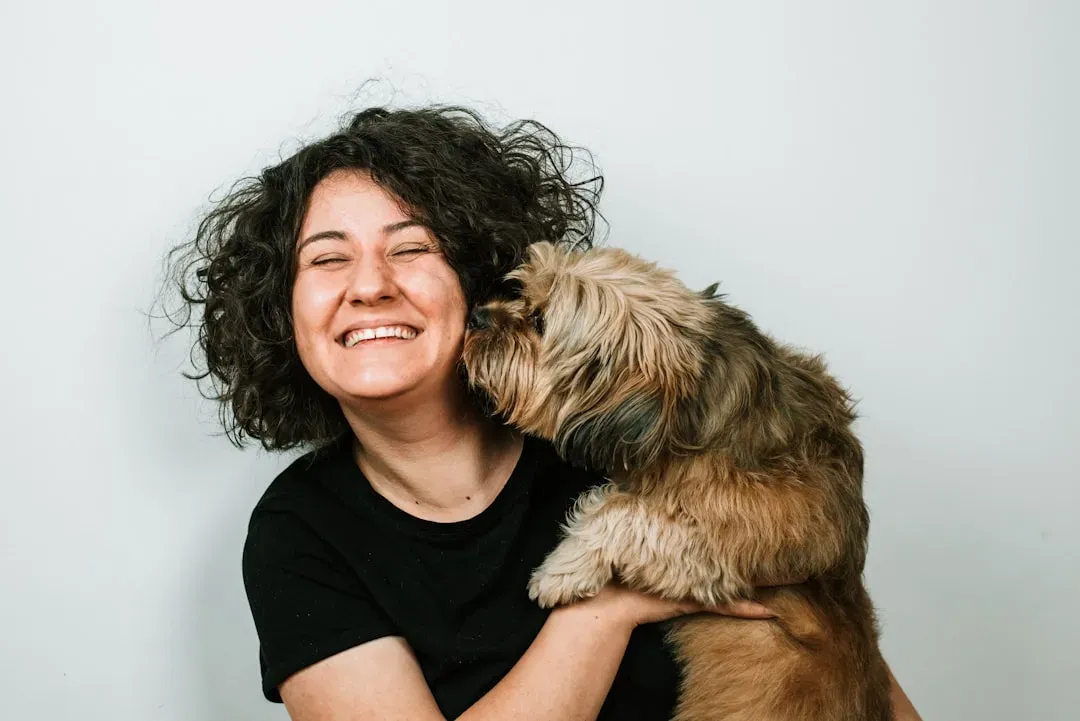
Some dogs are lap dogs, some are leaners, some are paw-givers, and some are “love me from a slight distance, please.” Turning the head away during face-to-face contact can just mean, “That’s not my favorite way to connect.” Maybe your dog goes wild for chest rubs, gentle ear scratches, or side cuddles, but finds face-to-face closeness awkward. Just like humans, dogs have affection styles. They are allowed to have preferences.
One of the most liberating shifts as a dog guardian is realizing that your dog does not need to enjoy every type of affection you offer for your bond to be strong. In my own home, one dog loves being kissed on the cheek, while another stiffens and looks away every time a face comes near but melts into a slow back scratch. Once I started honoring what each dog actually liked instead of what I wanted to give, they relaxed more, leaned in more, and honestly felt more like independent little people with opinions.
Conclusion: Loving Dogs Means Listening When They Whisper “Enough”
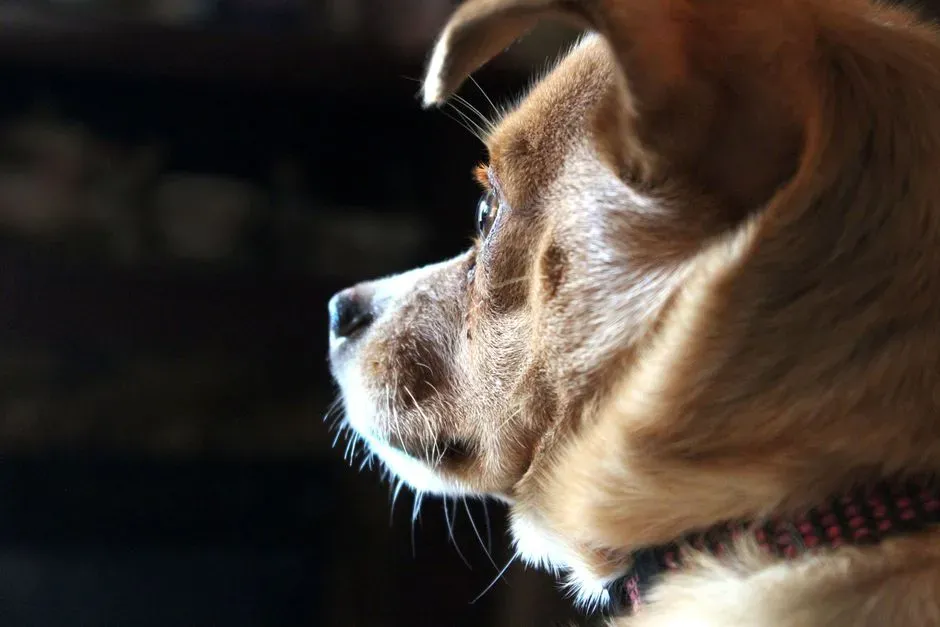
When a dog turns their head away from your face, it is rarely a rejection of you. It is a small, polite, incredibly honest piece of communication about how they feel in that exact moment. Maybe they are calming things down, managing stress, guarding old wounds, or just saying, “I love you, but not like that.” The more seriously we take those tiny messages, the safer and more confident our dogs become around us.
I genuinely believe that one of the biggest marks of a good dog person is not how much they adore their dog, but how willing they are to change their own habits for the dog’s comfort. If we keep insisting on hugs and face smushes just because it feels good to us, we are missing the point of the relationship. So next time your dog turns their head away, instead of feeling hurt, try asking a different question: how can I show love in a way that feels good to them?


