
8 Things Dogs Notice About Visitors Before You Have Even Said Hello
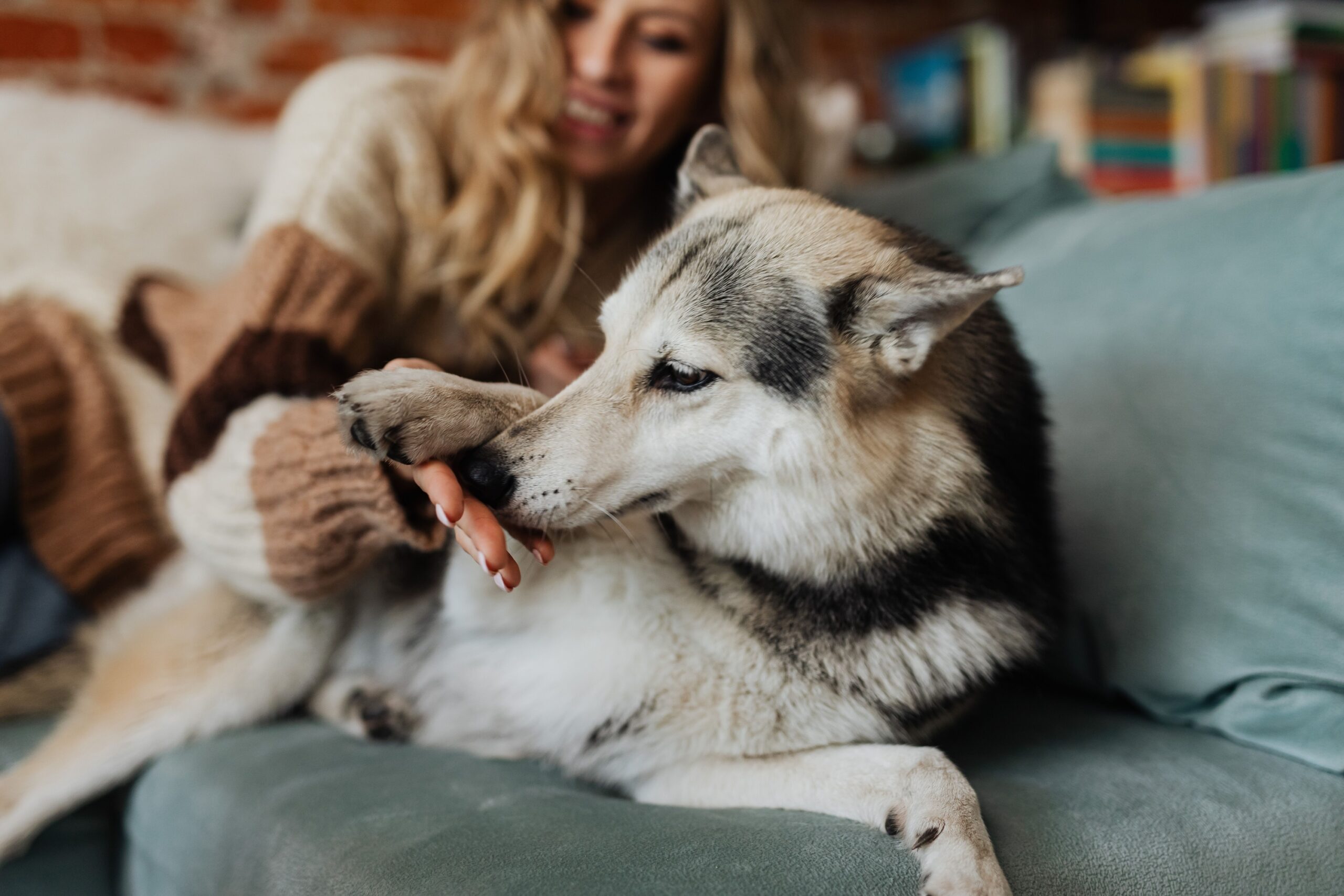
Before a visitor even reaches your front door, your dog is already running a kind of silent background check. To us, it looks like wagging tails, stiff bodies, or curious sniffs. To them, it’s a full sensory investigation powered by a nose that can detect tiny traces of scent and ears tuned to the smallest sounds. While you’re busy straightening the cushions, your dog has already formed a first impression.
I still remember watching my usually chilled-out dog suddenly go quiet and focused when a new repair person walked up the path. No barking, just intense staring and a quick sniff when the door opened, as if he was reading a file only he could see. Dogs notice far more, and far earlier, than we tend to realize. Here are eight things your dog is probably picking up on about visitors long before you even say hello.
1. The Visitor’s Scent (And Everything It Reveals)
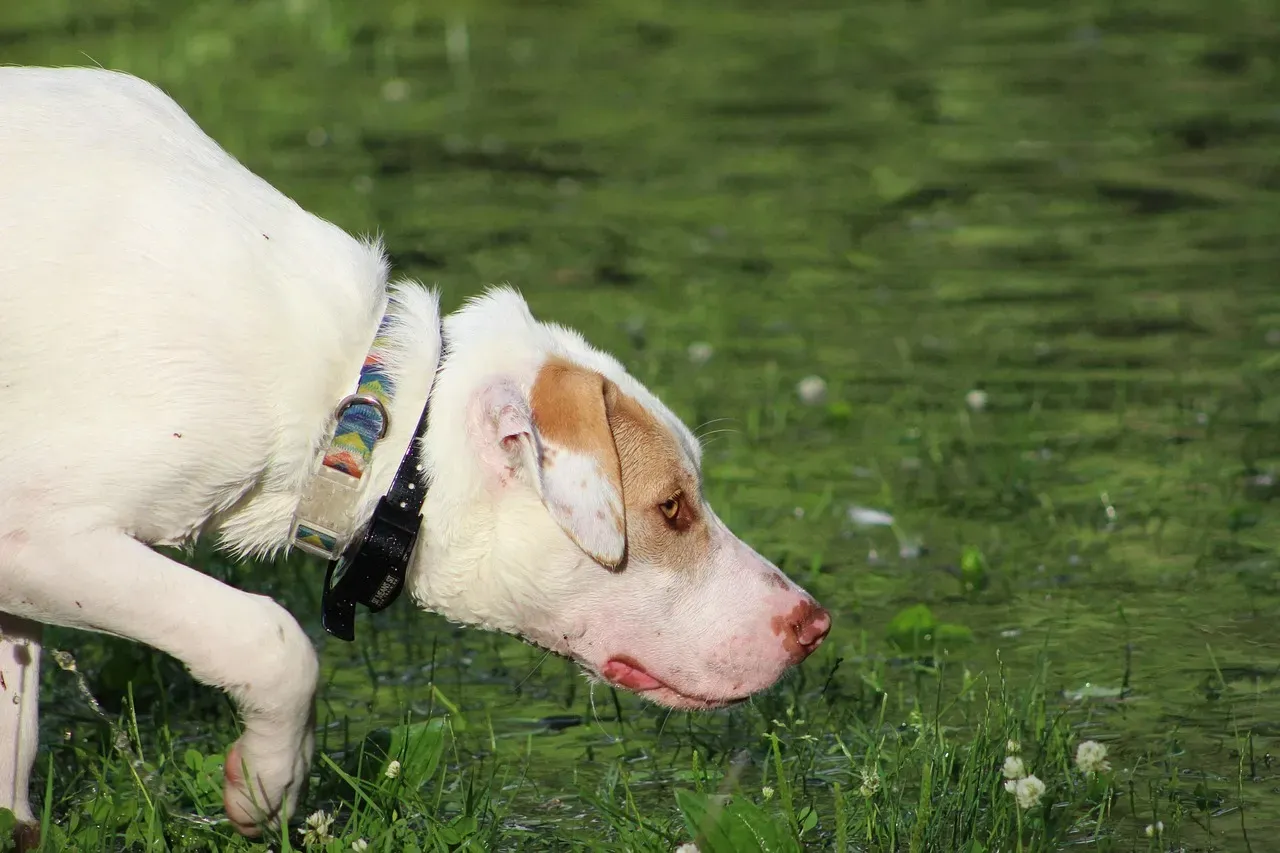
The most powerful thing a dog notices first is scent. Long before your doorbell rings, your dog may already be catching scent particles drifting in under the door or through an open window. That one smell can tell them if the person has pets, where they’ve been, whether they’ve been sweating, and even if they’re carrying certain medications or strong perfumes.
To a dog, a person smells like a story: the cat hair on their coat, the grass from the park they walked through, the lingering trace of another dog’s saliva on their hands. Dogs use this information to decide whether this new arrival feels familiar or totally unknown. It explains why some visitors get a quick, polite sniff and others get the full, nose-to-shoe inspection.
2. How Fast They’re Approaching (Calm Stroll vs. Energy Storm)
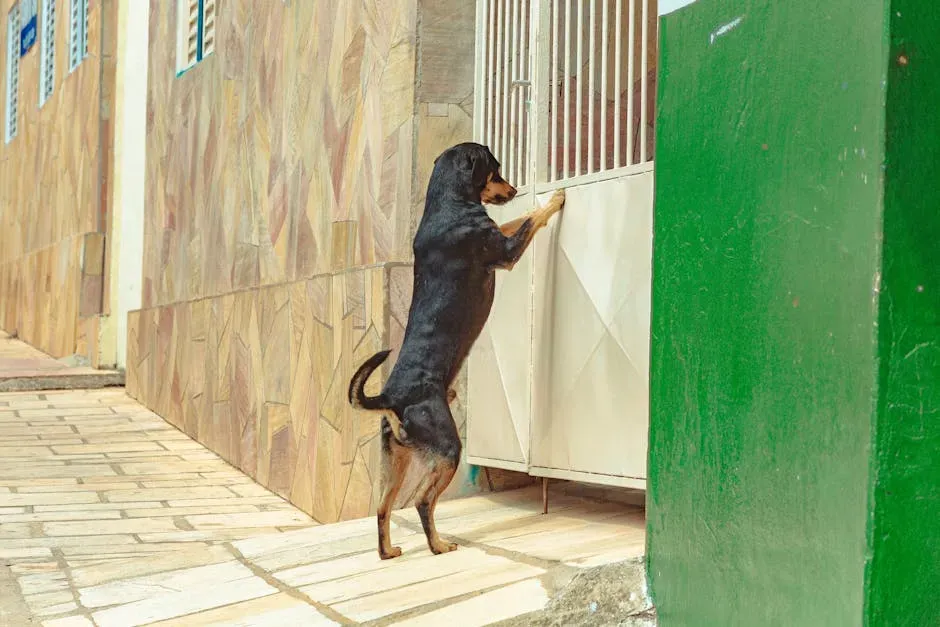
Dogs are incredibly tuned in to movement and pace. They can hear and sometimes even feel vibrations from footsteps or a car door closing before you notice anything. A visitor who walks up slowly and pauses at the door gives off a completely different energy than someone who charges up the path, arms full, phone ringing, keys jangling.
Many dogs react more intensely to fast, heavy, or unpredictable approaches. That sudden burst of activity can trigger excitement or protective instincts, especially in dogs that are already a bit wary. On the flip side, a relaxed, steady walk to the door often leads to a calmer dog, because the whole scene just feels less like an invasion and more like a normal arrival.
3. The Visitor’s Emotional State (Nervous, Confident, Or On Edge)
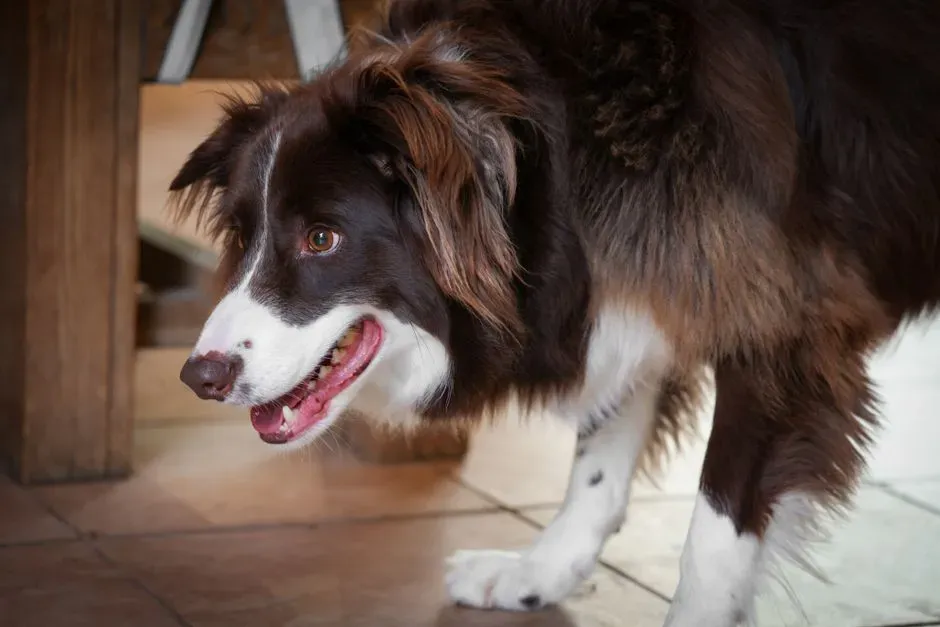
Even before a word is spoken, dogs are picking up on the visitor’s emotional state through body language, scent changes, and tiny shifts in breathing. A nervous visitor might move a bit stiffly, hesitate before knocking, or hold their shoulders tight. Dogs notice these little signs and may mirror that tension with their own unease, barking, or pacing.
Confident but relaxed visitors often create the opposite reaction. Their movements are smoother, their breathing is more regular, and their energy is less jumpy. Dogs tend to respond by being more curious than defensive. It’s not magic; it’s just their ability to read the subtle physical signals that most humans either miss or ignore in the blur of daily life.
4. Whether They Smell Like Other Animals
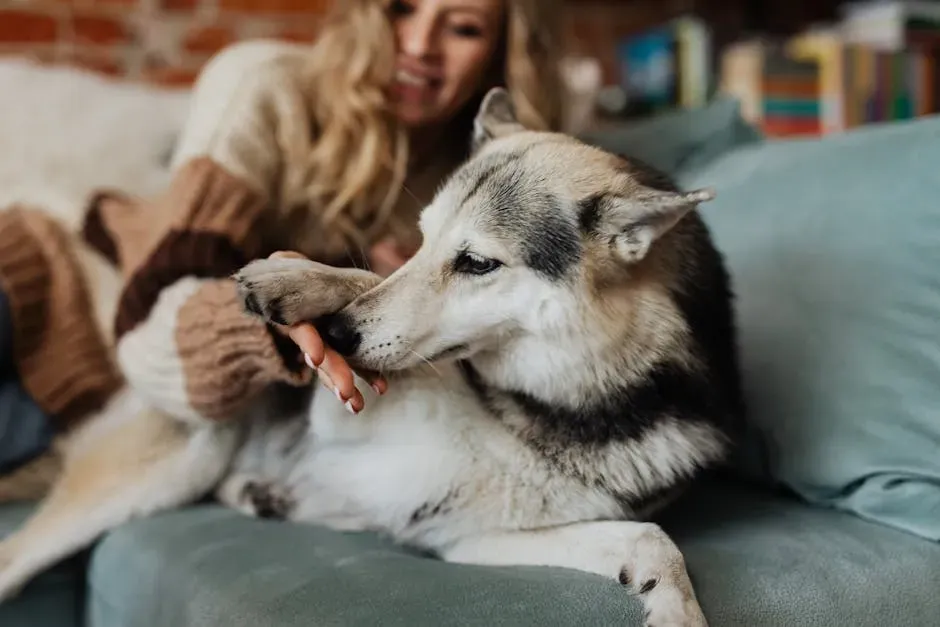
If a visitor has been around other animals, your dog will know in seconds. The stranger might look like a regular person to you, but to your dog, they smell like a whole invisible crowd: the neighbor’s terrier, the cat they petted, the horse from the stable, or even the rabbits from a child’s classroom. Each of those scents can trigger a different response.
Some dogs get extra excited when they smell other dogs or cats, almost as if the visitor is carrying a postcard from another animal. Others can become more territorial, especially if they catch the scent of another dog near your dog’s age or sex. This invisible animal roll call can explain why your dog goes wild for one visitor and barely reacts to another, even if you think the people behaved exactly the same.
5. How Familiar They Are (Even If You Don’t Recognize It Yet)
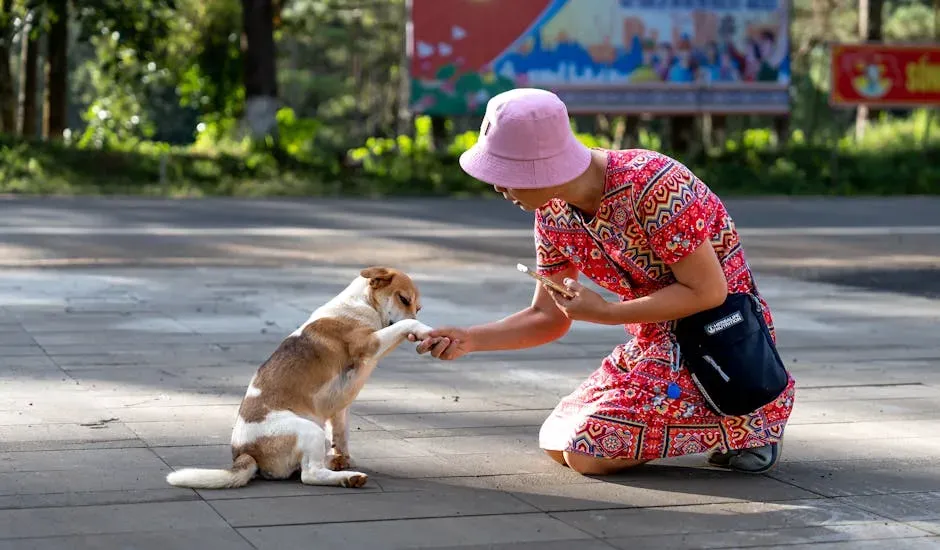
Dogs are masters at recognizing familiar patterns. They may pick up on the sound of a particular car engine, the rhythm of someone’s walk, or a scent they’ve smelled months before. Sometimes your dog knows who’s coming before you do. That happy tail thump or excited trot to the door when a favorite friend visits is often triggered long before the knock.
On the other hand, when the cues do not match anything in your dog’s mental catalog, they treat the visitor as a complete unknown. That might mean more barking, more sniffing, or a cautious distance. To them, familiarity equals safety. If your dog seems to warm up faster to certain people, it might be because they’ve quietly logged those visitors as “known and mostly safe” from a long list of previous small interactions you barely remember.
6. The Visitor’s Body Language And Posture
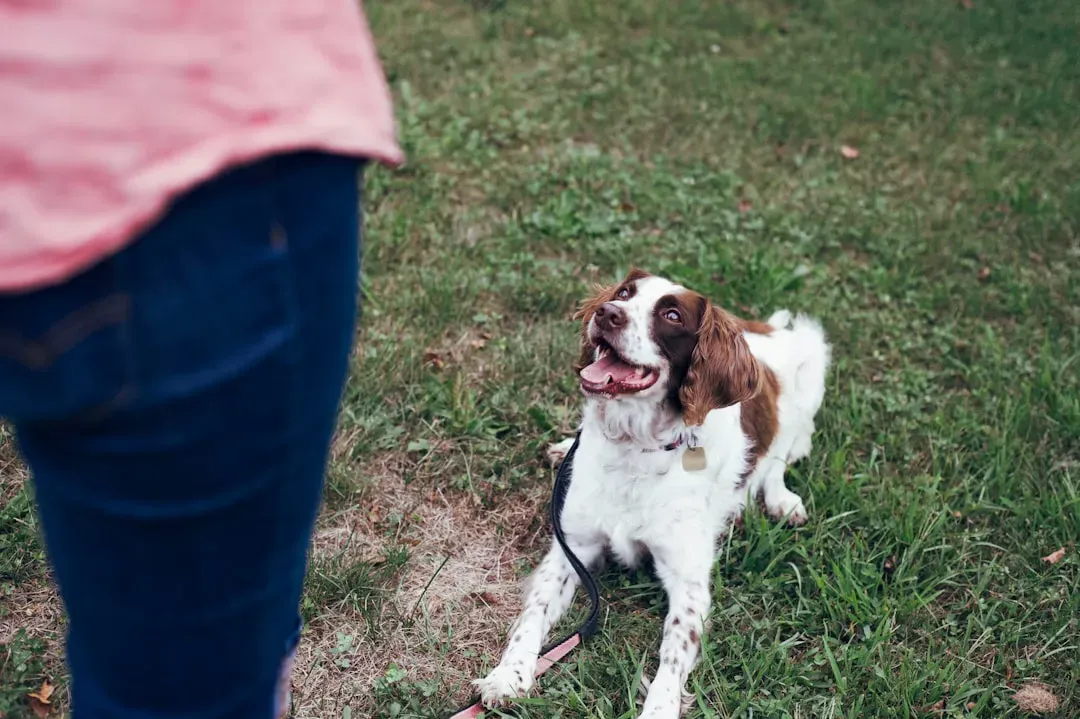
To a dog, how a visitor holds their body speaks louder than any greeting. A person who leans forward, stares directly at the dog, and reaches out quickly can feel intimidating, even if their words are friendly. In contrast, someone who stands sideways, avoids looming over the dog, and lets the dog approach at their own pace often seems less threatening.
Dogs naturally read posture the way we read facial expressions. A stiff, tight body can signal tension or potential threat, while a loose, relaxed stance feels neutral or friendly. That is why some big, loud people end up being dog magnets, while quiet, hesitant people accidentally trigger nervous reactions – they’re sending body signals the dog reads in a very different way than we do.
7. Any Unusual Sounds, Smells, Or Objects They Bring
Visitors do not arrive alone in a dog’s world; they come with an entire cluster of sounds and objects that can change how a dog feels. Rustling bags, clinking tools, rolling suitcases, umbrellas, hats, bulky coats, or even strong-smelling food can all grab your dog’s attention instantly. To a dog, these extras may be as important as the person themselves.
Some dogs are particularly sensitive to strange or sudden noises, so a visitor juggling keys, metal gear, or loud shoes might be more startling. Others are deeply interested in food smells or new objects and rush in to investigate. When your dog barks at the delivery driver but not at your friend, it might not be personal at all – it could be the uniform, the box, the beeping scanner, or the whole unusual combo.
8. Whether This Feels Like A Threat Or Just A New Friend
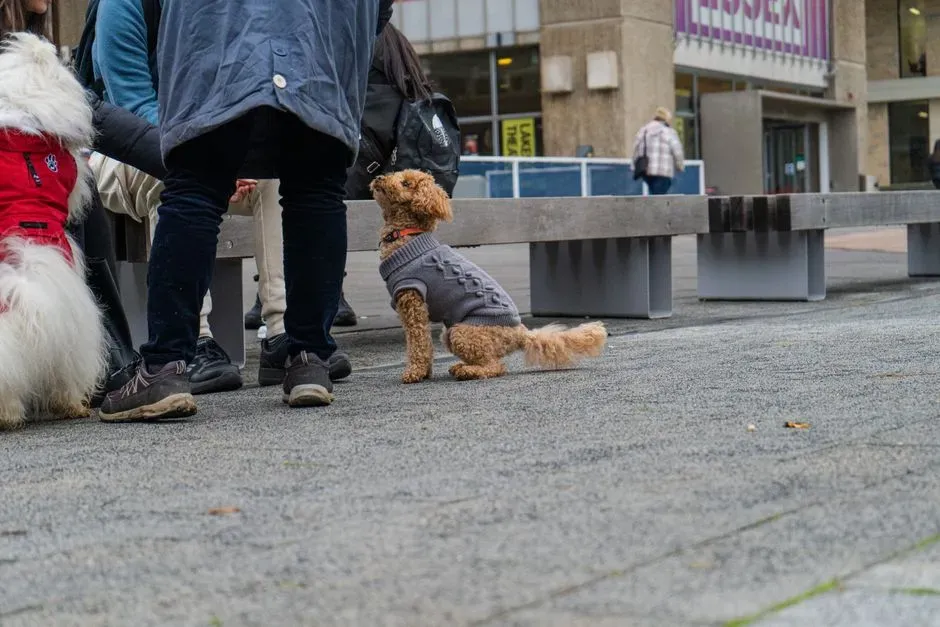
Ultimately, dogs are constantly making one big decision about visitors: safe or unsafe. They weigh the mix of scent, speed of approach, emotional energy, body language, and unusual objects in a split second. For some dogs, almost everyone lands in the “potential friend” category. For others, especially anxious or protective dogs, most visitors start out as “potential threat” until proven otherwise.
This quick judgment is part instinct and part learning. A dog that has had positive experiences with calm, kind visitors may become more welcoming over time. A dog that has been startled, grabbed, or overwhelmed might default to barking or hiding. As much as we like to think we control the first impression, our dogs are often the ones silently deciding how that visit is going to feel from the moment they hear the first footstep.
Conclusion: Your Dog’s Silent Opinion Might Be Smarter Than You Think
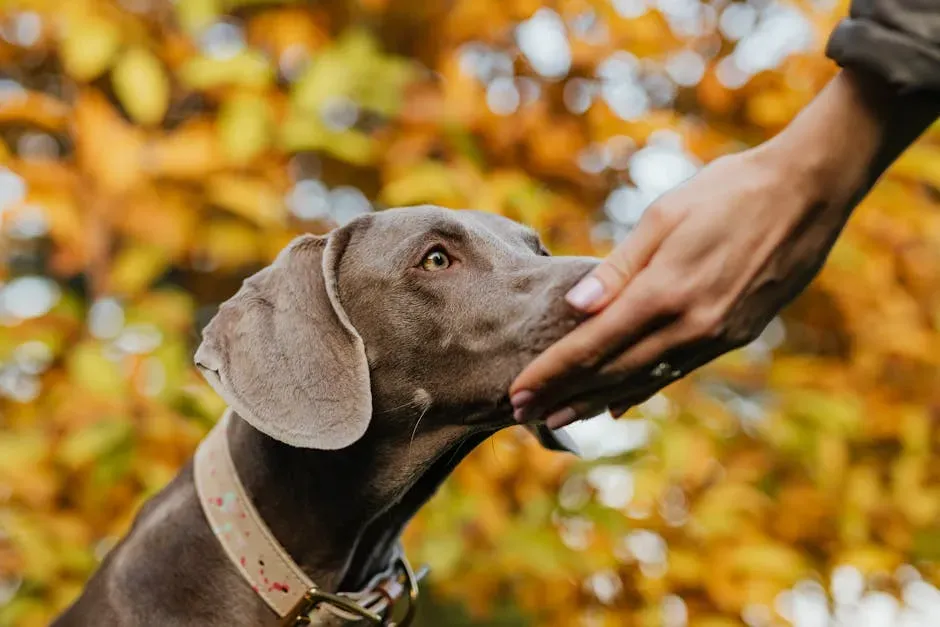
I’m convinced most dogs are better judges of first impressions than we are. While we get distracted by small talk and social rules, they are tuning into the raw information: scent, tension, movement, and intention. That doesn’t mean your dog is always right or that you should treat every bark as a deep warning, but it does mean their reactions are rarely random or meaningless.
If anything, our dogs remind us that people carry more than what you see at the door – they bring moods, histories, and invisible signals that sensitive animals can feel instantly. Paying attention to how your dog reacts to different visitors can teach you a lot about them and, honestly, about the people in your life too. The next time someone knocks, will you notice what your dog noticed first?