
9 Behaviors Puppies Learn From Older Dogs Faster Than Humans Can Teach Them
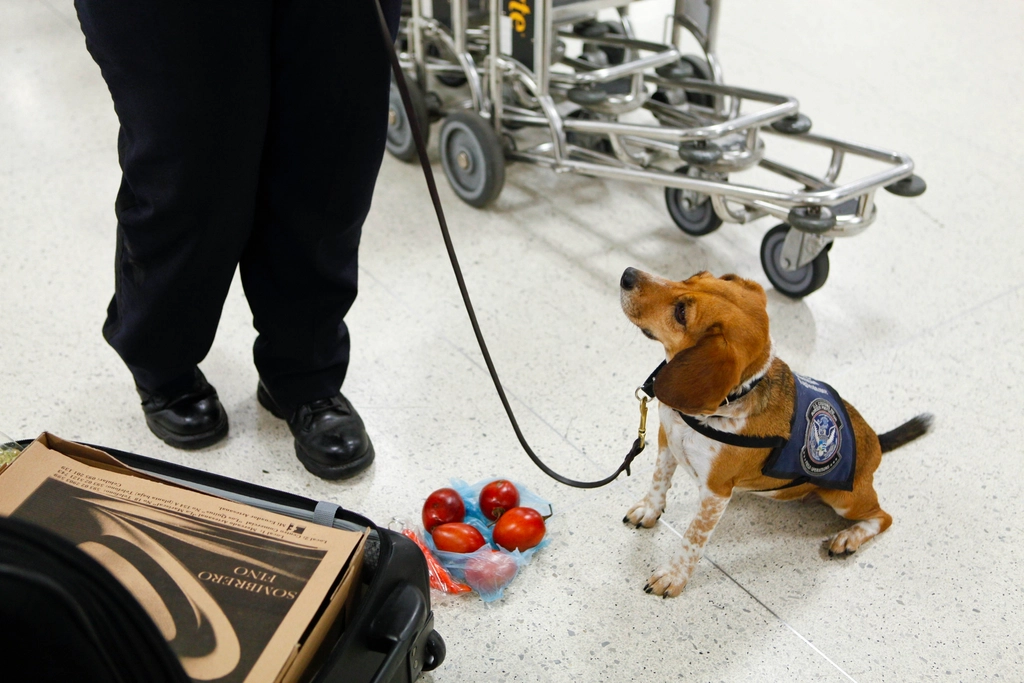
Ever watched a new puppy enter a home with an older dog and suddenly seem ten times smarter overnight? One day they’re a tiny chaos machine, and the next they’re following the house rules like they’ve been there for years. It feels almost unfair how quickly they copy things from the resident dog that we’ve been trying to teach for days, weeks, or even months.
Dogs have a social learning superpower that we, as humans, can’t fully replicate. Puppies are hard‑wired to watch other dogs and pick up routines, rules, and even subtle manners at lightning speed. When you see a puppy quietly follow the older dog to the right spot to nap or wait calmly at the door without anyone saying a word, it’s a reminder: sometimes the best teacher in the house walks on four paws.
1. House Training And Where To “Go”
This is probably the most magical one to watch: that moment when a baby puppy suddenly follows the older dog outside, sniffs where they’ve gone, and then decides that’s the bathroom too. No treats, no clicker, no long lectures about carpets versus grass – just quiet observation and imitation. Puppies are drawn to places that smell like other dogs, so when they see the older dog consistently going in the same spot, many quickly understand that is the approved toilet area.
Humans can spend weeks obsessively managing potty breaks, but an older dog can shorten that learning curve simply by existing and doing their thing. The puppy doesn’t have to understand language; they just mirror what the confident dog is doing. Of course, you still need a routine and supervision, but the older role model often does the heavy lifting you’ll never even see happening.
2. Basic Manners Around Food And Treats
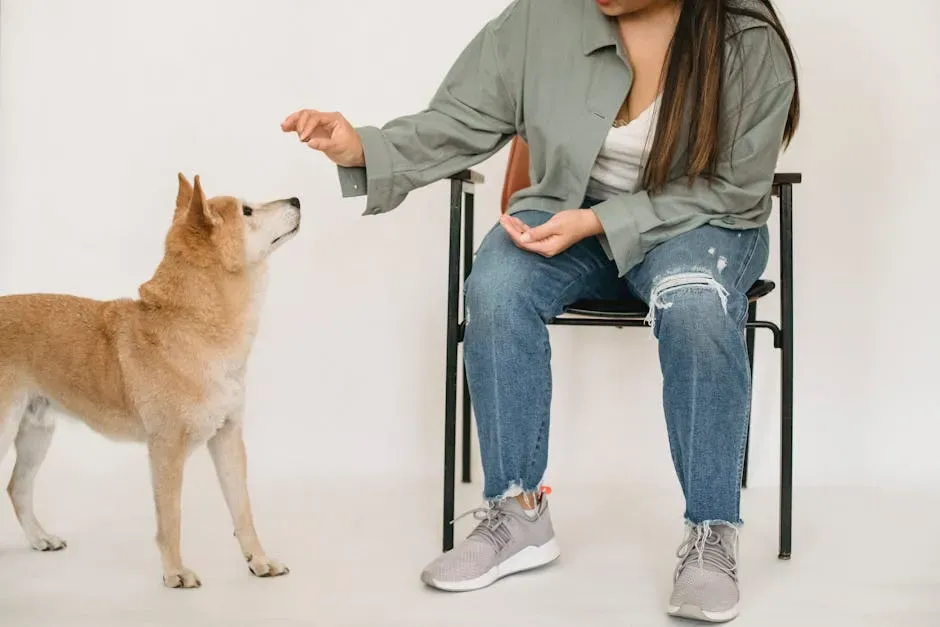
If you’ve ever had a pushy puppy who thinks meal time is a full‑contact sport, an older dog can be a quiet miracle worker. Many puppies quickly learn not to dive into someone else’s bowl after getting a clear, wordless correction from the resident dog – maybe a stiff body, a warning look, or a low growl that basically says, “Back off, kid, this is mine.” That kind of dog‑to‑dog communication lands far faster than us repeating “leave it” for the hundredth time.
They also copy the calm dog who sits or waits while food is being prepared. Instead of bouncing off your cabinets, the puppy sees that the dog who already lives there gets fed while sitting politely, not while losing their mind. Over time, the pup starts to copy the more patient behavior, because in their eyes, the dog with the best manners seems to get the goods with the least effort.
3. How To Greet People (And Who To Trust)
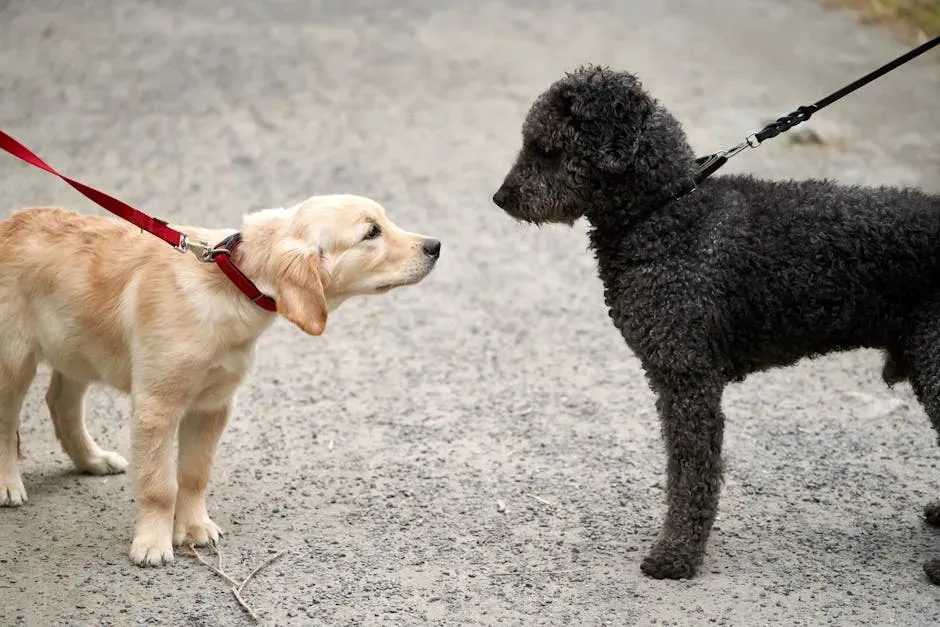
Puppies are often torn between excitement and uncertainty when new people walk in. An older dog can act like a living emotional thermometer. If the older dog happily trots up, tail loose and body relaxed, the puppy is far more likely to think, “Oh, this is safe, and maybe even fun.” On the flip side, if the older dog hangs back or stays neutral, the puppy often copies that caution without you having to say a word.
That modeling can be more powerful than any socialization checklist. Instead of forcing a shy puppy to meet everyone, you can let them watch the older dog greet, sniff, and walk away. The message is subtle but strong: we don’t have to freak out about every visitor, and we also don’t have to jump all over them. Over time, the puppy often mirrors the older dog’s greeting style, whether that’s calm and collected or politely curious.
4. Reading Dog Body Language And Social Boundaries
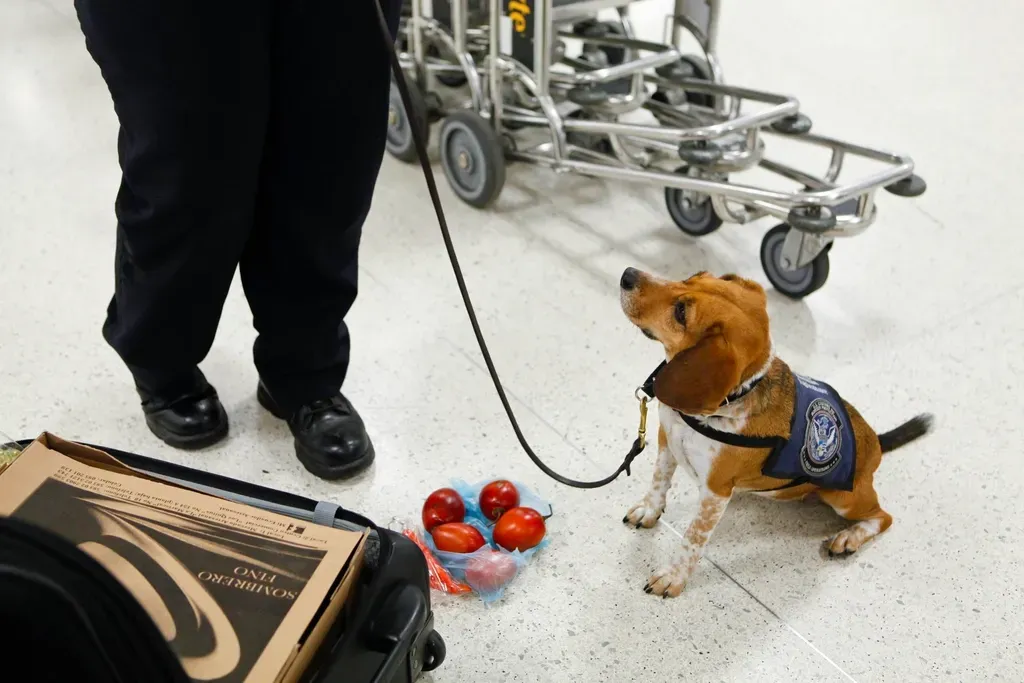
There’s an entire silent language happening between dogs that we only half understand, and puppies are born students of it. They learn very quickly which behaviors are acceptable by testing them on the older dog. Maybe the puppy bites too hard during play and gets a sharp yelp or a freeze‑up in response. That instant feedback is crystal clear in a way humans can’t quite mimic, and it teaches bite inhibition and gentler play much faster than our “no” ever will.
They also watch how the older dog interacts with others at home or on walks. Does the adult dog politely ignore the grumpy neighbor dog behind the fence? Does it bow to invite a friendly game with a dog buddy? All of this is social education in real time. A good older role model quietly shapes the puppy into a dog that understands when to back off, when to push for play, and when to stay out of trouble.
5. The Household Routine: When To Rest And When To Move
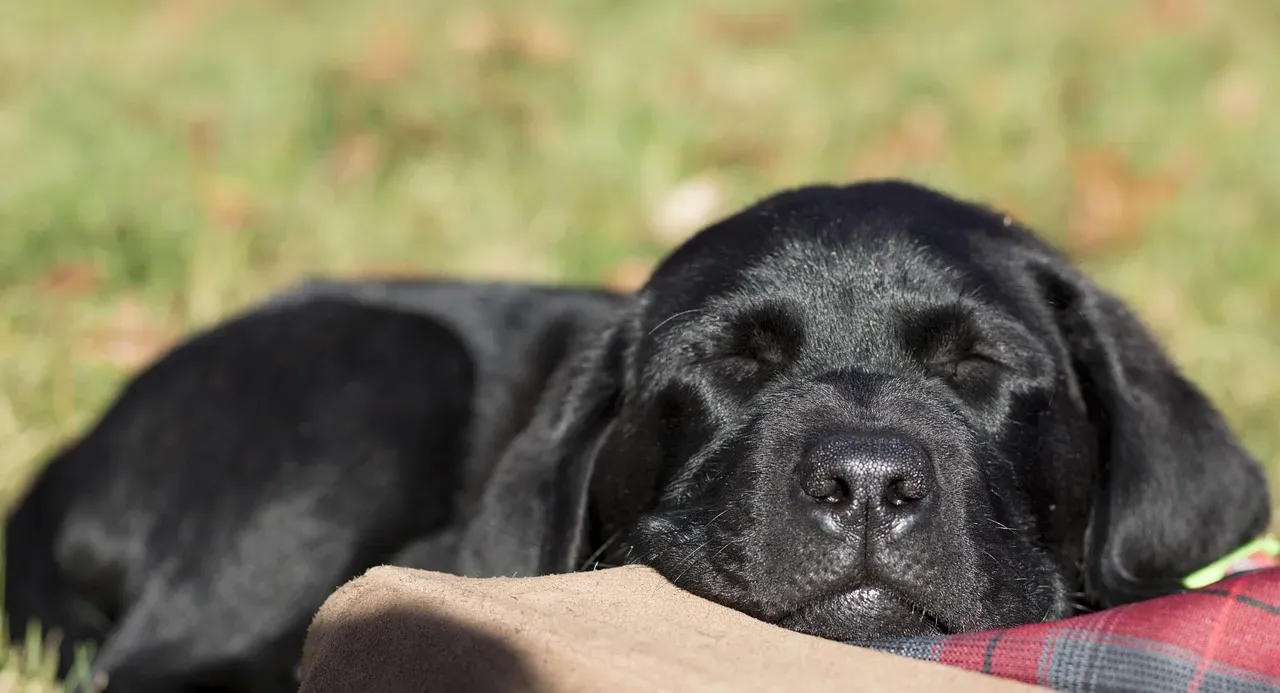
Puppies don’t come with an internal off switch, but older dogs kind of do. When the established dog curls up in their favorite spot, a lot of puppies, after the initial zoomie phase, will eventually flop down nearby and chill too. This is huge, because one of the hardest parts of raising a puppy is teaching them that the whole day is not playtime. When they see the older dog relax, it’s like someone dimmed the lights for them too.
The same thing happens with daily rhythms – when everyone gets up, when walks happen, when the house gets quiet at night. Puppies learn the household’s “flow” by shadowing the older dog. Instead of constantly looking to humans to predict what’s next, they use the older dog as a living schedule: oh, we’re all going to the door now; oh, it’s crate time; oh, this is when we nap under the table. It turns chaos into something that feels like a pattern much faster.
6. Walking On Leash And Matching The Pace
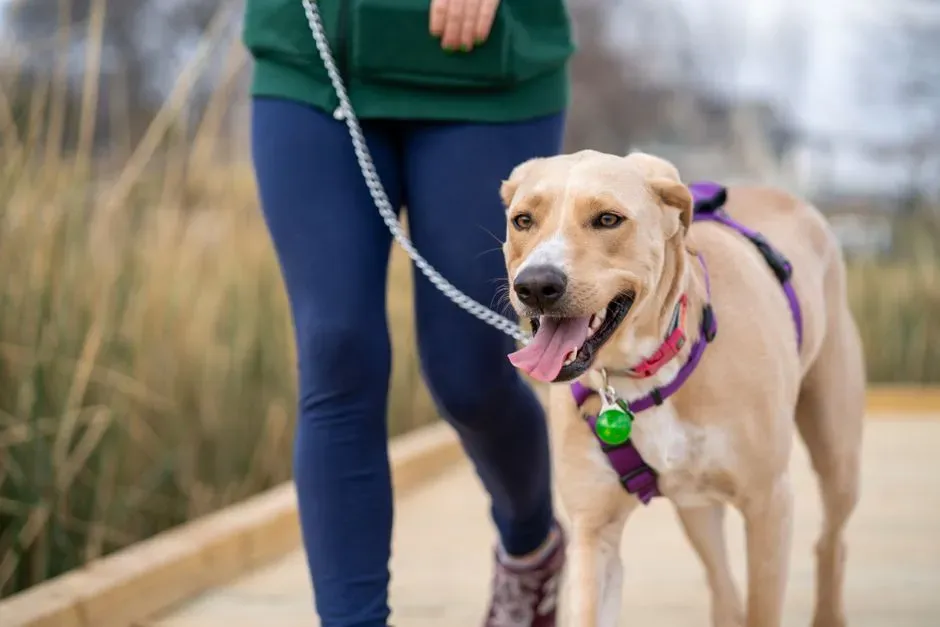
Most puppies think a leash is a suggestion, not a tool, until they get paired with a dog who already knows how to walk nicely. When you walk them side by side, the puppy often learns to match the older dog’s speed and direction in a way that’s honestly kind of impressive. They notice that the dog who doesn’t pull gets to keep moving without constant stops, tangles, or leash corrections.
Humans can drill loose‑leash walking with treats and training sessions, and that’s important, but the social aspect is a huge shortcut. If the older dog stops at the curb, sits to cross a street, or checks in with the handler periodically, the puppy starts to echo those moves like a little shadow. Over time, what began as copying slowly turns into habit, and people assume you did some genius training when really, your older dog was the real coach.
7. Appropriate Play Style And Energy Levels
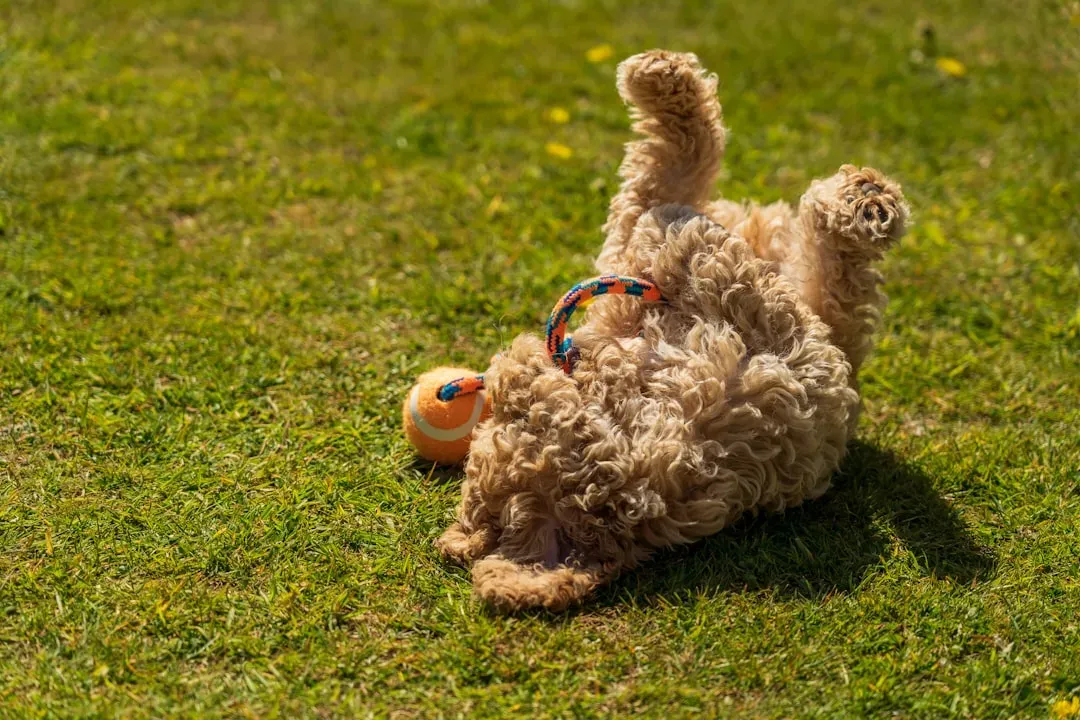
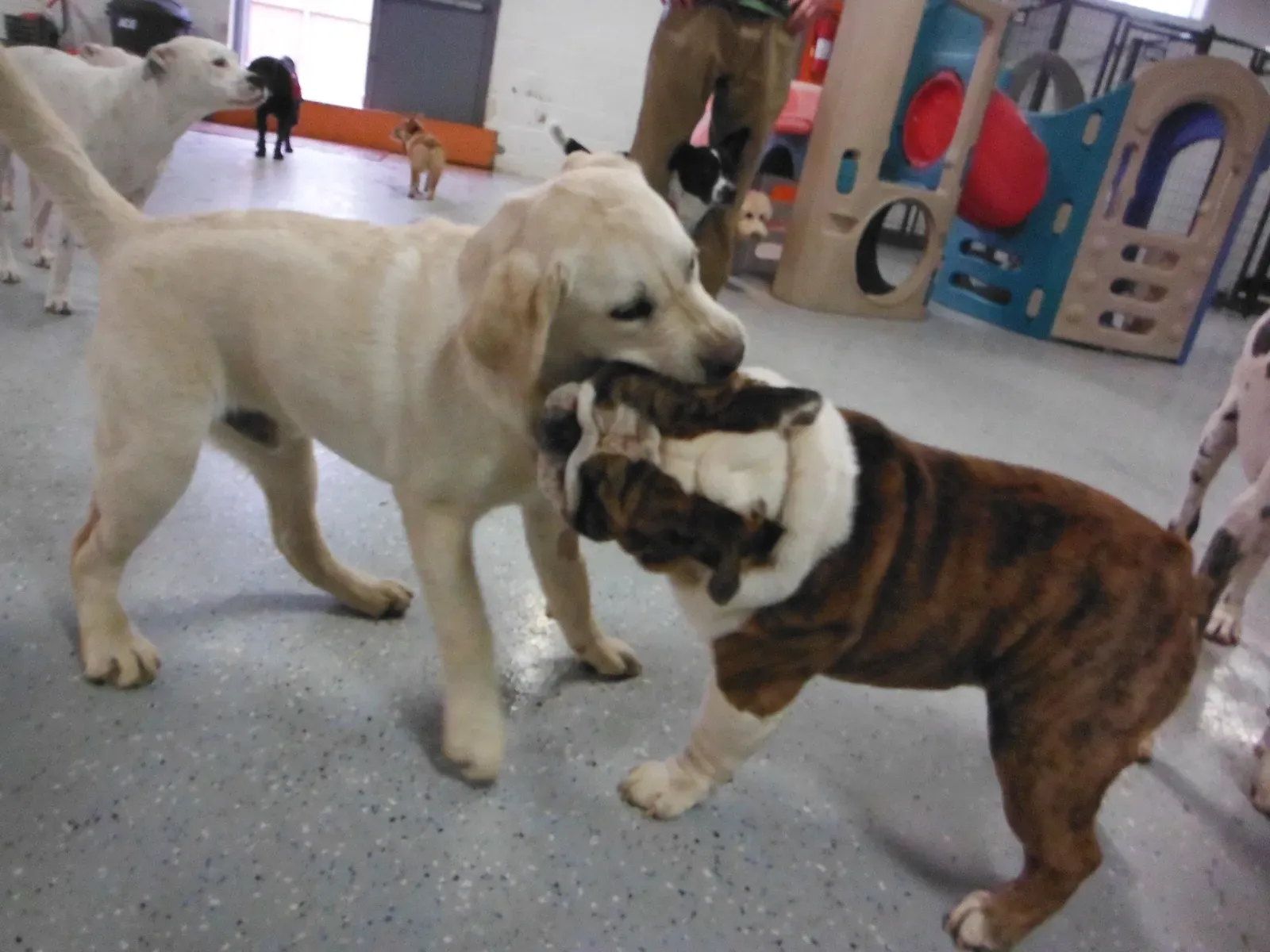
Left to their own devices, many puppies play like total wrecking balls – body slams, wild zooms, and teeth everywhere. A well‑balanced older dog can act like a referee and a teacher rolled into one. When the play gets too intense, you’ll see the older dog pause, stand tall, or walk away. That small social timeout tells the puppy: if you want the game to continue, dial it down.
Over time, puppies learn how rough is too rough and how to adjust their energy when the other dog is older, smaller, or simply over it. They also pick up different “play dialects” from the older dog – like chase games, gentle wrestling, or toy swapping instead of constant mouthing. That flexible, respectful play style is something humans struggle to teach as quickly, because we can’t jump in and dance the way another dog can.
8. How To Handle New Or Scary Situations
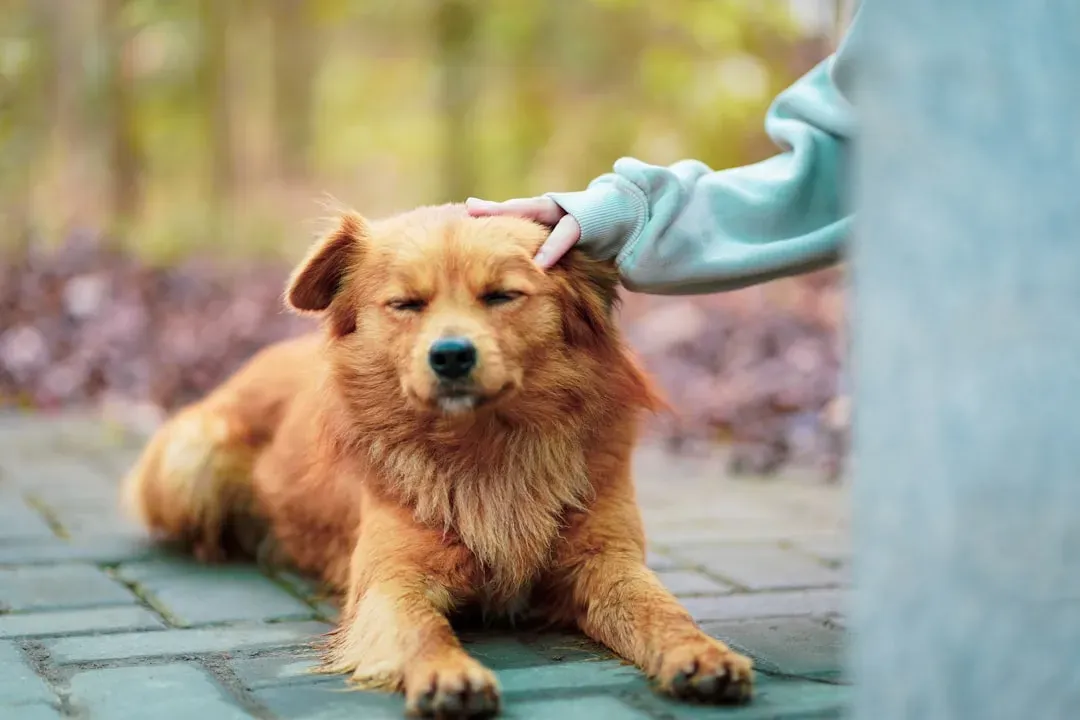
An older, confident dog is like an emotional anchor for a nervous puppy. Loud truck driving by? Weird plastic bag blowing across the yard? Strange object on the sidewalk? If the older dog barely reacts, sniffs it once, or just keeps moving, the puppy usually follows their lead. They’re constantly scanning: is my role model worried? No? Then I guess I don’t need to be either.
This kind of social reassurance can do more for a fearful pup than a whole bag of treats. Of course, it works in the opposite direction too – an anxious older dog can pass that tension down to the puppy. But when you have a solid, calm adult dog, their quiet confidence becomes a living safety signal that helps the puppy bounce back from surprises and build real resilience in the real world, not just in training exercises.
9. Family Rules: What’s Allowed And What’s Off‑Limits
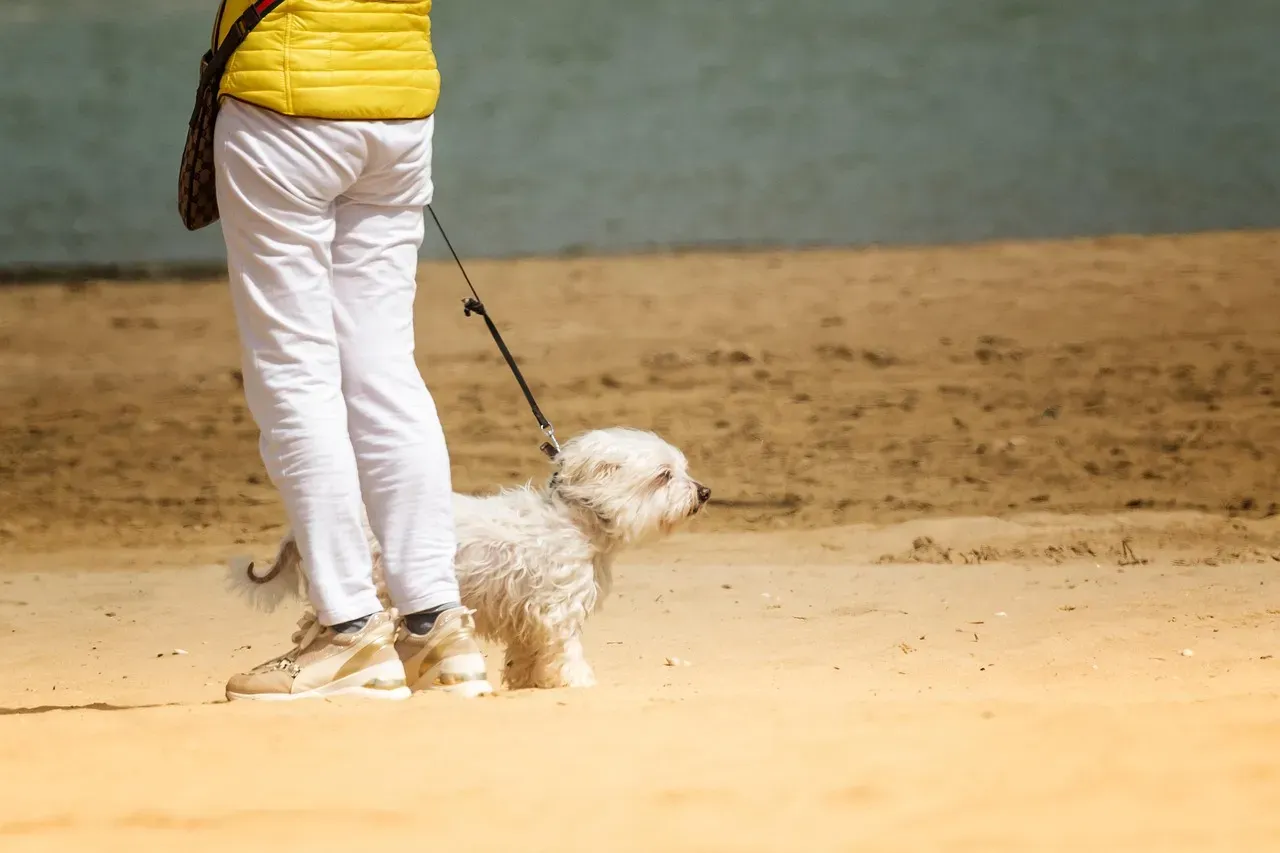
Every home has its own unspoken rules: no dogs on the couch, or dogs allowed everywhere; toys are fair game, but shoes are sacred; we bark once at the door, not for ten straight minutes. Puppies absorb those rules so much faster when an older dog already follows them. If the senior dog never steps into the kitchen while people cook, the puppy eventually figures out that hanging around the doorway is safer than barging right in.
They also learn what actually gets attention and rewards. If the older dog only gets praised and petted when it’s calm, quiet, or lying in a certain spot, the puppy notices. Instead of endlessly chasing your words, they chase what seems to be working for the dog they admire. That is the real secret: puppies are not just learning commands; they are learning what kind of dog “fits” in this family by copying the one who already does.
Opinionated Conclusion: Why A Good Older Dog Is Better Than Any Training Hack
I’ll be honest: the more dogs I see growing up with steady older role models, the more convinced I am that no human training method can fully replace that influence. We can – and should – teach cues, reward good choices, and guide our puppies carefully. But there is something almost unfairly powerful about a calm, well‑adjusted adult dog just living their life in front of a wide‑eyed youngster who worships them.
If you already have that kind of older dog, they’re not “just a pet” – they’re a co‑teacher, a culture‑setter, and the quiet architect of your puppy’s personality. And if you don’t, it might be worth borrowing a friend’s stable dog for walks or playdates, so your puppy can learn from their own species as well as from you. In the end, maybe the real question is not whether dogs learn from dogs faster than from humans, but this: are we wise enough to step back sometimes and let the older dog do the teaching for us?